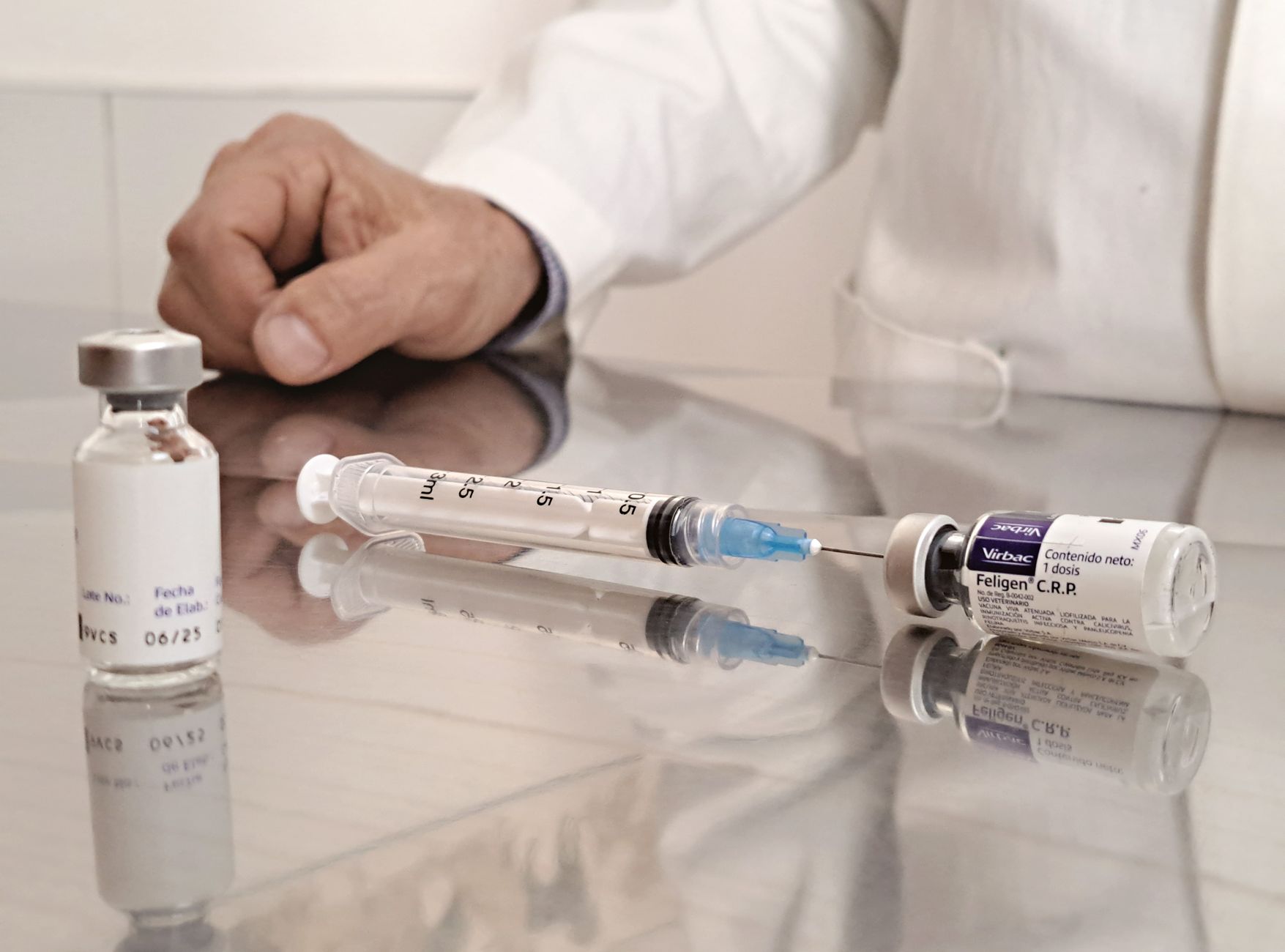
Newborn vaccines follow a schedule starting at birth with Hepatitis B, then DTaP, Hib, Polio and PCV at 2 months, and boosters at 4, 6, and 12 months.
By Shubhra Mishra — a mom of two who turned her own confusion during pregnancy into BumpBites, a global mission to make food choices clear, safe, and stress-free for every expecting mother. 💛
Check whether any food is safe during pregnancy with the BumpBites Food Safety Checker.
Quick take: Newborn vaccines follow a predictable schedule that starts at birth and continues through the first year. The hepatitis B shot is usually given within the first 24 hours, and the core series (DTaP, Hib, polio, PCV, rotavirus) begins at 2 months and repeats every 2 months. Premature infants follow the same chronological timing, with weight‑based adjustments for a few vaccines, and most doses are covered by insurance or public programs.
It’s 2 a.m., you’re cradling a sleepy infant, and a text pings: “Did we miss the first shot?” The worry spikes, and you scroll through countless articles, hoping for a single clear answer. You’re not alone—new parents often wonder exactly which vaccines are needed, when they’re given, and whether they’re safe for a tiny, possibly premature baby.
In this guide we break down the entire newborn vaccine schedule, explain why each shot matters, and walk you through what to expect at every appointment. We’ll answer the most common “when‑and‑what” questions, explore side‑effects, discuss costs, and give you a practical checklist so you feel confident heading to the pediatrician or the hospital nursery.
By the end of this article you’ll know the standard timing for hepatitis B, DTaP, Hib, polio, PCV, and rotavirus vaccines, how the schedule adapts for premature infants, what side‑effects look like, and how to navigate insurance. Let’s demystify the newborn vaccine schedule together.
What vaccines are given to newborns in the first week of life?
The very first vaccine most babies receive is the hepatitis B vaccine, often administered within 24 hours of birth. This single dose protects against a liver infection that can become chronic if acquired early. In many hospitals the shot is given before the baby leaves the maternity ward; if you’re discharged home before that, your pediatrician will arrange the dose.
Other vaccines—DTaP, Hib, polio, PCV, and rotavirus—are not given in the first week. Their initial doses are scheduled at the 2‑month well‑child visit. This timing allows the infant’s immune system to respond robustly while still protecting against serious diseases early in life.
Why the delay? The immune system of a newborn is still maturing, and giving multiple shots too early could reduce the strength of the response. The CDC’s 2024 schedule balances early protection with optimal immunogenicity, ensuring each vaccine has the best chance to work.
Most hospitals also provide a vaccine card at discharge, which makes it easy to track the first dose and plan future appointments.
First vaccine for newborn baby
The first vaccine, hepatitis B, is sometimes called the “birth shot.” The CDC’s 2024 immunization schedule recommends it be administered as soon as possible after birth, ideally within the first 24 hours. If your baby was born at a birthing center or at home, you’ll still have the opportunity to receive this vaccine at your first pediatric appointment, usually within the first week.
Newborn vaccine schedule PDF
Many health agencies provide printable charts. The CDC offers a newborn vaccine schedule PDF that outlines each dose, the recommended age, and catch‑up guidelines. Downloading the PDF and keeping it on your fridge can be a simple visual reminder for busy parents.
Having a quick‑reference sheet helps you anticipate upcoming visits and reduces the chance of missed doses.
When should the hepatitis B vaccine be administered to a newborn?
Hepatitis B is the only vaccine routinely given at birth. The American Academy of Pediatrics (AAP) and the CDC agree that the first dose should be administered within the first 24 hours, regardless of the infant’s health status or birth weight. If the newborn is critically ill, the vaccine can be delayed until the infant is stable, but most healthy babies receive it right away.
Some parents wonder whether “delay” is better for a premature baby. In reality, the timing is based on chronological age, not gestational age. Whether your baby was born at 38 weeks or 28 weeks, the first HepB dose is still scheduled for the first day of life. A second dose follows at 1‑2 months, and a third at 6‑18 months, completing the series.
Evidence from the World Health Organization (WHO) shows that giving the birth dose within the first 24 hours reduces the risk of chronic hepatitis B infection by up to 90 %. This early protection is especially important in regions with higher prevalence, but the recommendation is universal in the United States and the United Kingdom.
Parents often ask whether the birth dose is safe for babies who need NICU care; the answer is yes—clinicians can give it once the infant is stable enough for a routine injection.
Hepatitis B vaccine newborn timing
Because the first dose is given so early, many families receive a vaccine card from the hospital. This card lists the exact date and brand (usually Engerix‑B or Recombivax‑HB). Keep it safe—your pediatrician will use it to schedule the next doses.
Electronic health records now often sync this information automatically, making manual tracking optional.
Are there any side effects of newborn vaccines and how to manage them?
All vaccines can cause mild, short‑lived reactions. For the hepatitis B birth dose, the most common side effects are:
Soreness or redness at the injection site
Low‑grade fever (under 101°F/38.3°C)
Fussiness for a few hours
These reactions typically resolve on their own within 24‑48 hours. To soothe a sore arm, apply a cool compress and offer extra feedings. Acetaminophen can be used if fever or discomfort persists, but always check with your pediatrician first.
Beyond hepatitis B, the 2‑month vaccine series (DTaP, Hib, polio, PCV, rotavirus) may cause:
Fever
Redness or swelling at the injection site (for injectable vaccines)
Temporary irritability or decreased appetite
Rarely, a mild rash
Severe allergic reactions (anaphylaxis) are exceedingly rare—less than 1 per million doses. If you notice difficulty breathing, swelling of the face or lips, or a rapid heartbeat after a shot, call emergency services immediately. The CDC’s Vaccine Adverse Event Reporting System (VAERS) tracks these events and confirms the overall safety profile.
Most parents find that offering a favorite pacifier or gentle rocking after the visit helps calm the baby.
How does the newborn vaccine schedule differ for premature infants?
Premature infants (<37 weeks gestation) follow the same chronological schedule, but the doses are timed according to their corrected age. This means a baby born at 30 weeks who turns 2 months chronologically will still receive the 2‑month vaccine series at that time, even though their developmental age is about 1 month.
In practice, many clinicians wait until the baby reaches a minimum weight of 2 kg (about 4.4 lb) before giving certain vaccines, especially the rotavirus oral vaccine, which requires a stable gut environment. However, the hepatitis B birth dose is still given at birth, regardless of weight.
The CDC’s “Immunization of Low Birth‑Weight Infants” guidance notes that if a premature infant’s weight is under 2 kg at the 2‑month appointment, the provider may delay the first dose of PCV and rotavirus until the infant reaches the weight threshold, while still keeping the hepatitis B, DTaP, Hib, and polio vaccines on schedule. This approach balances safety with timely protection.
Families of very low‑birth‑weight infants often coordinate with the NICU team to schedule vaccines before discharge.
What is the recommended timing for the DTaP vaccine in newborns?
DTaP (diphtheria, tetanus, and acellular pertussis) is not given at birth. The first dose is scheduled at 2 months of age, with subsequent doses at 4 months, 6 months, 15‑18 months, and a booster at 4‑6 years. The vaccine protects against three serious bacterial infections, including whooping cough, which is especially dangerous for infants.
For premature infants, the DTaP schedule aligns with chronological age, not corrected age, because the immune response to the vaccine is not dependent on weight. If a baby is hospitalized for an extended stay, the first DTaP dose can be given in the hospital once the infant is medically stable.
Combination vaccines (DTaP‑Hib‑IPV‑PCV) are often used at the 2‑month visit, reducing the number of needle sticks. Studies published by the AAP confirm that combination vaccines are as effective as separate injections and do not increase adverse events.
Parents sometimes wonder about the thigh injection site; it’s chosen because the muscle is well‑developed and the baby’s comfort is maximized.
DTaP vaccine newborn timing
When you bring your baby for the 2‑month well‑child visit, the provider will typically administer DTaP alongside Hib, polio, PCV, and rotavirus (if appropriate). The vaccine is given as an intramuscular injection in the thigh muscle for infants under 12 months.
After the injection, a brief period of observation ensures the baby tolerates the dose well.
Can newborns receive the rotavirus vaccine and when?
Rotavirus is an oral vaccine that protects against a common cause of severe diarrhea in infants. The first dose is given at 2 months of age, with a second dose at 4 months. For the newer RV5 (pentavalent) vaccine, a third dose is given at 6 months. The vaccine must be started before 15 weeks of age; the final dose must be completed by 8 months (32 weeks).
Premature infants may need to wait until they reach a minimum weight of 2 kg before receiving rotavirus, but the timing is still based on chronological age. If the infant misses the 2‑month window, a catch‑up schedule can be arranged, though the series must be finished by the age limits.
Because rotavirus is given by mouth, the provider will place a few drops on the infant’s cheek. The taste is mild, and most babies spit it out without fuss. After the dose, keep the baby upright for at least 30 minutes to reduce the risk of choking.
Parents often ask whether the oral vaccine can be given with breastmilk; it can, as the small volume is swallowed quickly.
Rotavirus vaccine newborn age
Because rotavirus is given by mouth, you’ll see the provider place a few drops on the infant’s cheek. The taste is mild, and most babies spit it out without fuss. After the dose, keep the baby upright for at least 30 minutes to reduce the risk of choking.
If your baby has a mild stomach upset, the provider may postpone the dose by a day or two.
Do newborn vaccines require a pediatrician visit or can they be given at the hospital?
Both options are common. The hepatitis B birth dose is often administered in the hospital’s maternity unit right after delivery. Subsequent vaccines (DTaP, Hib, polio, PCV, rotavirus) are typically given during routine pediatric well‑child visits at 2, 4, 6 months, etc.
Some hospitals offer a “newborn vaccine clinic” where the infant can receive the first dose before discharge, especially if the family plans to see a pediatrician later. If you choose a hospital‑based approach, make sure the provider records the vaccine on the state immunization registry so your pediatrician has the full history.
When you schedule the 2‑month visit, you’ll often combine the vaccine appointment with the standard growth and developmental exam. This reduces the number of trips and helps you keep track of the overall schedule.
Telehealth cannot replace the physical injection, but many providers now offer reminder texts for upcoming vaccine dates.
Do I need to schedule a separate appointment for my newborn's vaccines?
Most parents combine the vaccine visit with the 2‑month well‑child check, which includes growth measurements, developmental screening, and a chance to ask any questions. However, if you’re discharged early and haven’t yet scheduled a pediatric appointment, you can call the pediatrician’s office to arrange a “vaccine‑only” visit.
Some clinics also allow walk‑in vaccinations for families who need flexibility.
What are the costs and insurance coverage for newborn vaccines?
In the United States, the Vaccines for Children (VFC) program provides all recommended vaccines at no cost to eligible families, including those on Medicaid, uninsured, or underinsured. Private insurers, under the Affordable Care Act, must cover the cost of vaccines without charging a copayment.
Typical out‑of‑pocket costs, when not covered, range from $20‑$40 per dose for hepatitis B, up to $80‑$120 for the combination DTaP‑Hib‑polio‑PCV series. Many hospitals bundle the birth‑dose cost into the overall delivery fee, so you may not see a separate line item.
In the United Kingdom, the NHS provides all routine childhood vaccines free of charge. Parents can access the schedule through the NHS website or by requesting a printed copy at their GP surgery. The NHS also offers a mobile app that sends reminders for upcoming doses.
International travelers should check local health authority guidance, as some countries subsidize vaccines differently.
Newborn vaccine schedule 2024
The 2024 CDC immunization schedule remains unchanged from the previous year, reaffirming the same ages and intervals for each vaccine. The schedule is updated annually to reflect new evidence, but the core series for newborns has been stable for over a decade.
Updates are typically released in June, giving providers time to adjust clinic workflows.
How many vaccines does a newborn get?
During the first year, a full‑term infant typically receives 6 primary vaccine series:
Hepatitis B (3 doses)
DTaP (4 doses)
Hib (3‑4 doses)
Polio (IPV, 3 doses)
PCV (4 doses)
Rotavirus (2‑3 doses)
That adds up to roughly 20 individual injections or oral doses, though many are combined into a single shot (e.g., DTaP‑Hib‑Polio‑PCV) to reduce needle sticks.
Combination vaccines simplify the schedule without compromising protection.
Keep a printed vaccine schedule handy—visual reminders are a lifesaver for busy parents.
How to keep track of your baby's vaccine records
Maintaining an up‑to‑date vaccination record is essential for school entry, travel, and any medical procedures. Most hospitals issue a vaccine card at birth, but you can also create a digital log using apps like the CDC’s Immunization Tracker or the NHS “My Vaccine Record.” These tools let you set reminders, upload photos of the card, and share the record securely with your pediatrician.
When you receive a new dose, write down the vaccine name, lot number, date, and the provider’s name. If you ever move or change doctors, having a clear, organized record prevents missed doses and eliminates guesswork.
Some states now allow you to view the record online through a state immunization registry.
Vaccine
First dose age
Typical follow‑up doses
Notes for premature infants
Hepatitis B
Birth (within 24 hrs)
1–2 months, 6–18 months
Given regardless of weight or gestational age
DTaP
2 months
4 months, 6 months, 15‑18 months, 4‑6 years
Chronological schedule
Rotavirus (oral)
2 months
4 months (plus 6 months if RV5)
Delay until ≥2 kg if underweight
PCV
2 months
4 months, 6 months, 12‑15 months
May wait for 2 kg weight
Vaccines and breastfeeding: is it safe?
Breastfeeding is encouraged while your baby receives vaccines. The CDC and AAP state that vaccine components do not affect breast milk in a way that harms the infant. In fact, antibodies generated by the mother after vaccination can pass into breast milk, offering additional protection.
If you receive a flu shot, Tdap booster, or any other vaccine while nursing, you may notice a mild change in the baby’s behavior—often a brief fussiness—but this is harmless. Continue to breastfeed as usual; the benefits far outweigh any theoretical concerns.
Studies show that vaccine‑induced antibodies in breast milk can help protect infants from the same illnesses.
What to expect at the newborn vaccine appointment: a step‑by‑step guide
Knowing what happens during the appointment can calm nerves. Typically, the visit begins with a quick check of your baby’s weight, length, and head circumference. The nurse will then review the vaccine schedule, confirm any allergies, and ask about recent illnesses.
After the brief intake, the provider will administer the shots using a tiny needle in the thigh (for infants under 12 months). The injection takes only a few seconds. You’ll be offered a pacifier or a soothing touch afterward, and the nurse may apply a cool compress if the site looks red.
Most parents leave the clinic with a new entry on the vaccine card and a reminder for the next appointment. If you have any lingering concerns—such as a fever that persists beyond 48 hours—call the office. Having a clear plan reduces anxiety and ensures you’re prepared for the next dose.
Bringing a favorite blanket or a soft toy can help distract the baby during the brief procedure.
During the appointment, the vaccine is given in the thigh to minimize discomfort.
What if a vaccine dose is missed or delayed?
Life happens—appointments get rescheduled, travel interrupts plans, or a baby falls ill. If a dose is missed, the CDC recommends catching up as soon as possible, without resetting the entire series. Your pediatrician will calculate the new interval based on the child’s age at the time of the catch‑up dose.
For rotavirus, the series must be completed by 8 months of age; if the child is older, the vaccine is not given. For all other vaccines, there is flexibility, and the schedule can be adjusted without compromising protection.
Keeping a record of the missed date helps the provider create a personalized catch‑up plan.
Vaccines for babies with special health considerations
Infants with known allergies, immune deficiencies, or chronic illnesses may require a tailored approach. The AAP advises that most children with mild allergies can receive all standard vaccines, but severe reactions to a vaccine component warrant a specialist’s review.
For babies on immunosuppressive therapy, live vaccines (such as rotavirus) may be contraindicated until the immune system recovers. Your pediatrician will coordinate with any specialists to determine the safest timing.
Documentation of any special health condition on the vaccine card ensures all providers are aware of necessary precautions.
Special health needs may modify the timing or type of vaccine given.
Doctor's note
From our medical team: The newborn vaccine schedule is designed to protect your baby when they’re most vulnerable. All recommended vaccines have been rigorously tested for safety in infants, including those born preterm. If you have concerns about a specific vaccine or your child’s health status, bring those questions to your pediatrician—personalized guidance is always the best approach.
Myth vs. fact
Myth: Premature babies should skip or delay most vaccines.
Fact: Premature infants follow the same chronological schedule; only the rotavirus and PCV vaccines may be delayed until a safe weight is reached.
Myth: The hepatitis B birth dose can be skipped if the mother is not infected.
Fact: All newborns receive the birth dose regardless of maternal status because it provides early protection and is part of the universal schedule.
Myth: Multiple vaccines at once overload the infant’s immune system.
Fact: Studies from the CDC and AAP show that receiving several vaccines in a single visit is safe and does not increase the risk of serious side effects.
Key takeaways
Hepatitis B is the only vaccine given at birth—usually within the first 24 hours.
The 2‑month well‑child visit includes DTaP, Hib, polio, PCV, and rotavirus (if weight permits).
Premature infants follow the same chronological schedule; weight thresholds may delay rotavirus and PCV.
Mild side effects like soreness, fever, or fussiness are normal; severe reactions are extremely rare.
Vaccines are covered by VFC, Medicaid, and most private insurers—most families pay little to nothing.
Keep a printed or digital copy of the schedule (PDF) and note each dose on your baby’s health record.
Breastfeeding does not interfere with vaccine safety and may even boost protection.
If a dose is missed, catch‑up quickly; the schedule is flexible for most vaccines.
Special health conditions may modify timing, but most babies can receive the full series safely.
Frequently asked questions
What vaccines does a newborn receive at birth?
The newborn receives a single dose of the hepatitis B vaccine within the first 24 hours after delivery. This “birth shot” is recommended for all infants, regardless of maternal hepatitis B status.
When is the first dose of the hepatitis B vaccine given to a newborn?
The first hepatitis B dose is administered as soon as possible after birth, ideally within the first day of life, either in the hospital nursery or at the first pediatric visit if the baby is discharged early.
Are newborn vaccines safe for premature babies?
Yes. The CDC and AAP confirm that premature infants receive the same vaccines on the same timeline as full‑term babies, with weight‑based adjustments only for rotavirus and PCV. The benefits of early protection far outweigh the minimal risks.
How many vaccines will my baby get in the first year?
In the first 12 months, a typical infant receives about 20 doses across six primary vaccine series: hepatitis B, DTaP, Hib, polio, PCV, and rotavirus. Combination shots reduce the number of needle sticks.
What are the common side effects of newborn vaccines?
Most side effects are mild and short‑lived, such as soreness at the injection site, low‑grade fever, fussiness, or mild rash. Severe allergic reactions are exceedingly rare—less than one in a million doses.
Do I need to schedule a separate appointment for my newborn's vaccines?
Vaccines are usually given during routine well‑child visits at 2, 4, 6 months, etc. If your baby leaves the hospital before receiving the hepatitis B dose, you’ll arrange a quick “vaccine‑only” visit with your pediatrician.
Can my newborn receive vaccines while on antibiotics?
Yes. The CDC and AAP state that receiving vaccines while a baby is on antibiotics does not reduce vaccine effectiveness or increase risk. If your infant is ill, the pediatrician may postpone non‑urgent vaccines until they feel better.
Are combination vaccines safe for newborns?
Combination vaccines (e.g., DTaP‑Hib‑IPV‑PCV) have been studied extensively and are considered safe for infants as young as 2 months. They provide the same protection as separate shots while minimizing the number of injections.
Can my baby get the flu vaccine before six months?
The flu vaccine is not approved for infants under six months; however, vaccinating pregnant people and close contacts creates a protective “cocoon” around the newborn.
Do vaccines affect my newborn’s sleep patterns?
Some babies experience a brief increase in wakefulness or fussiness after a vaccine, but most return to their usual sleep routine within 24‑48 hours. If sleep disturbances persist, contact your pediatrician.
When to call your doctor
If your baby develops any of the following after a vaccine, call your pediatrician right away: high fever (above 101.5°F/38.6°C) lasting more than 24 hours, persistent crying for more than 3 hours, swelling that doesn’t improve, rash that spreads quickly, or any signs of an allergic reaction such as hives, swelling of the face or lips, or trouble breathing. This article is for informational purposes only and does not replace personalized medical advice.
References
Centers for Disease Control and Prevention (CDC). 2024 Immunization Schedule for Children and Adolescents. Updated 2024.
American Academy of Pediatrics (AAP). Red Book: 2024 Report of the Committee on Infectious Diseases.
World Health Organization (WHO). Immunization against hepatitis B: WHO position paper, 2023.
National Institute for Health and Care Excellence (NICE). Immunisations: routine vaccinations in children, 2023.
U.S. Department of Health & Human Services. Vaccines for Children (VFC) Program, 2024.
U.S. Food and Drug Administration (FDA). Vaccine safety and adverse events data, 2023.
British National Health Service (NHS). Childhood immunisation schedule, 2024.
American College of Obstetricians and Gynecologists (ACOG). Hepatitis B vaccination in pregnancy and infancy, 2023.
CDC. Immunization of Low Birth‑Weight Infants, Technical Bulletin, 2022.
National Health Service (NHS). My Vaccine Record app guide, 2023.
Not sure about the label on Newborn Vaccines Schedule products?
Snap the ingredients list and SafeFilter checks every ingredient for your stage — only 3 free scans this month, then you're locked until reset. Unlimited from $7/mo or $50/yr.
When Shubhra Mishra was expecting her first child in 2016, she was overwhelmed by conflicting food advice — one site said yes, another said never. By the time her second baby arrived in 2019, she realized millions of mothers face the same confusion.
That sparked a five-year journey through clinical nutrition papers, cultural diets, and expert conversations — all leading to BumpBites: a calm, compassionate space where science meets everyday motherhood.
Her long-term vision is to build a global community ensuring safe, supported, and free deliveriesfor every mother — because no woman should face pregnancy alone or uninformed. 🌿
🌍 Stand with mothers, shape safer guidance
Join a small circle of experts who review BumpBites articles so expecting parents everywhere can decide with confidence.