Use our pregnancy nutrition calculator to determine your precise daily caloric and nutrient requirements for a healthy baby's development. Ensure you're getting enough for both of you.
By Shubhra Mishra — a mom of two who turned her own confusion during pregnancy into BumpBites, a global mission to make food choices clear, safe, and stress-free for every expecting mother. 💛
Check whether any food is safe during pregnancy with the BumpBites Food Safety Checker.
Quick take: A pregnancy nutrition calculator helps you pinpoint the calories and key nutrients you need each day to support your baby’s growth. Aim for about 300 extra calories in the second trimester, focus on folic acid, iron, calcium, and protein, and use a reliable calculator—like our Pregnancy Calorie Calculator—to tailor a plan that fits your lifestyle.
It’s 2 a.m., you’ve just finished a restless night of nausea, and you’re scrolling through countless articles wondering, “How many calories should I really be eating? Am I getting enough folic acid?” You’re not alone. Many expecting parents feel the same mix of excitement and anxiety, especially when the word “calculator” appears on a health website.
Good news: the answers are actually straightforward, and a pregnancy nutrition calculator can turn vague guidelines into a personalized daily target. In this article we’ll break down the exact calorie and nutrient needs for each trimester, explain why folic acid, iron, and calcium matter, suggest tasty food choices, point out what to avoid, and show you how to use a calculator to make the numbers work for you.
Whether you’re in your first trimester, past 35, or just curious about the best pregnancy nutrition apps, we’ve got the full picture. Stick with us, and you’ll finish with a clear meal‑planning roadmap, a handy table of recommended intakes, and confidence that you’re feeding both your body and your developing baby the right fuel.
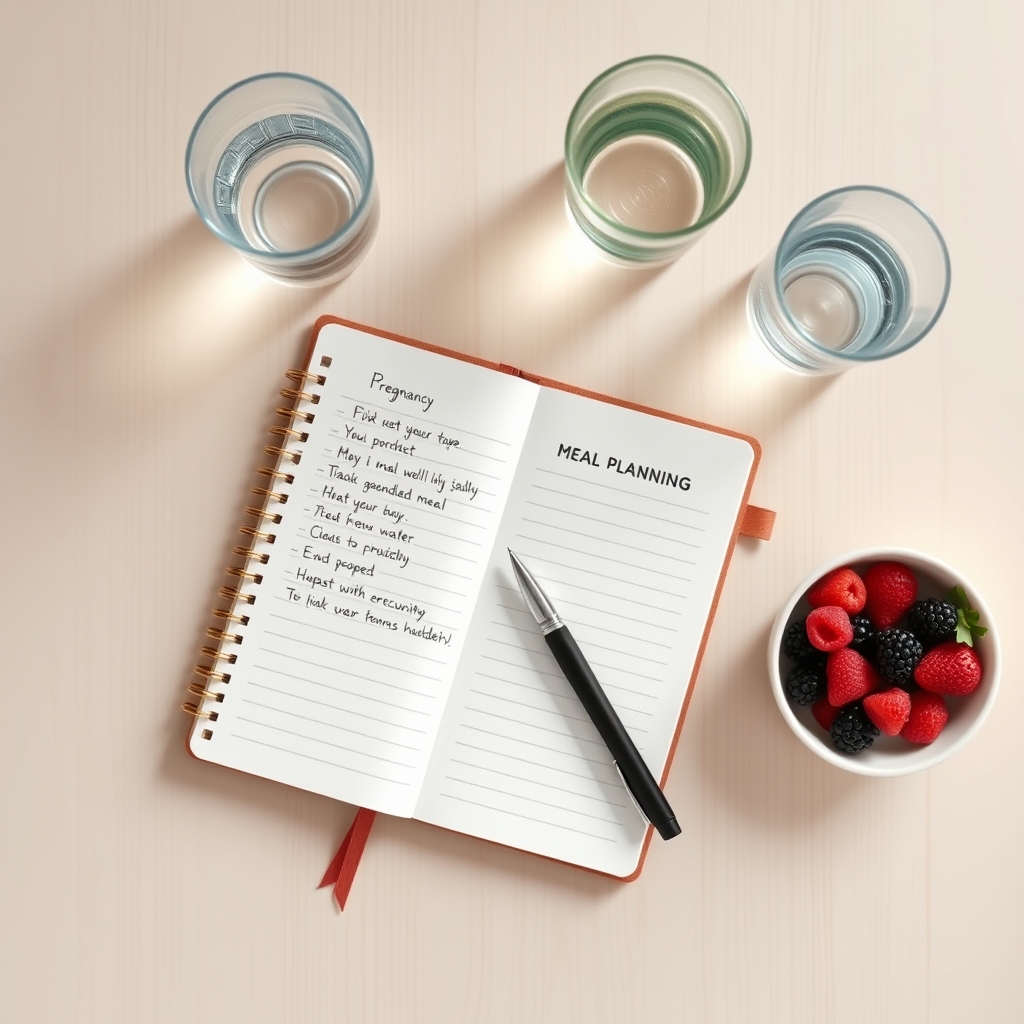
A personalized meal plan helps you meet your pregnancy nutrition goals with confidence and ease.
How a pregnancy nutrition calculator works
A pregnancy nutrition calculator takes the basics—your age, pre‑pregnancy weight, height, activity level, and gestational age—and runs them through evidence‑based formulas from organizations like the American College of Obstetricians and Gynecologists (ACOG) and the UK’s National Health Service (NHS). The result is a daily calorie target plus recommended amounts for protein, iron, calcium, folic acid, and other micronutrients.
Most calculators also let you adjust for special circumstances: multiple pregnancies, high‑intensity exercise, or a diagnosis of gestational diabetes. The output is usually a simple “X calories per day” number, plus a checklist of key nutrients you should aim for each day. Because the calculator uses your exact data, it avoids the “one‑size‑fits‑all” trap that generic advice often falls into.
When you enter your information, the tool first estimates your basal metabolic rate (BMR)—the calories you’d burn at rest. It then adds the extra energy needed for fetal growth, placenta development, and increased blood volume, which changes as pregnancy progresses. Finally, it layers in an activity factor (sedentary, lightly active, moderately active, or very active) to tailor the total.
The beauty of a personalized calculator lies in its ability to adapt. Your individual metabolism, genetic factors, and even the climate you live in can subtly influence your energy needs. While general guidelines are helpful, a calculator offers a starting point that’s specifically tuned to your body, ensuring you’re neither overeating nor under-fueling during this critical time. This precision helps you manage healthy weight gain and reduces the guesswork that often leads to anxiety.
Here’s a quick snapshot of the typical steps:
Enter personal data (age, weight, height, weeks pregnant).
Select activity level.
Review the suggested daily calorie goal.
Check the nutrient targets for folic acid, iron, calcium, protein, and others.
Use the numbers to build meal plans or adjust portion sizes.
Because the calculator is based on large cohort studies and the latest clinical guidelines, it gives you a science‑backed starting point that you can refine with your health care provider’s input.
Calorie and nutrient needs by trimester
Pregn
ancy is a dynamic process, and your nutritional requirements shift as your baby grows. Below is a concise table that summarizes the recommended daily intakes for each trimester, based on ACOG, the NHS, and the World Health Organization (WHO). These numbers are averages; individual needs may vary, which is why using a calculator is helpful.
Trimester
Extra calories per day
Protein (g)
Iron (mg)
Calcium (mg)
Folic acid (µg)
First (0‑13 weeks)
+0 – 100
71 – 75
27
1,000
400 (total 400‑600)
Second (14‑27 weeks)
+300 – 350
71 – 75
27
1,000
400 (total 600‑800)
Third (28‑40 weeks)
+300 – 450
71 – 75
27
1,000
400 (total 600‑800)
Key takeaways from the table:
Calories: The first trimester often requires no extra calories, while the second and third trimesters need roughly 300‑350 additional calories daily. This translates to about one extra slice of whole‑grain toast or a small handful of nuts.
Protein: Aim for at least 71 g per day—roughly the amount in three eggs, a cup of Greek yogurt, and a serving of lean meat.
Iron: 27 mg is the recommended amount; iron supports the increased blood volume and prevents anemia.
Calcium: 1,000 mg daily helps build the baby’s bones and teeth while preserving your own bone density.
Folic acid: 400 µg (micrograms) is the baseline, but many health authorities recommend 600‑800 µg total (including dietary sources) during the second and third trimesters to reduce neural‑tube defect risk.
These values are the foundation for any meal plan you create. If you’re over 35, you may need a slightly higher iron intake, as recommended by the American Pregnancy Association, because iron absorption tends to decline with age. The shift in calorie needs reflects the rapid growth of your baby, the placenta, and your own body’s increasing demands, such as building extra blood volume. Meeting these targets helps prevent complications like low birth weight and ensures your baby has all the necessary building blocks for healthy development, from organ formation to brain growth.
Key nutrients: folic acid, iron, calcium, and protein
Folic acid (or folate when naturally occurring in foods) is essential for DNA synthesis and neural‑tube development. The neural tube forms in the first four weeks of pregnancy—often before many people even know they’re pregnant—so adequate folic acid before conception and in early pregnancy dramatically lowers the risk of spina bifida and anencephaly. Good sources include fortified cereals, leafy greens, legumes, and citrus fruits. Because of its critical role in early development, many healthcare providers recommend starting a prenatal vitamin with folic acid even before you conceive.
Iron supports the increase in maternal blood volume (up to 50 % more) and helps deliver oxygen to the placenta. Iron deficiency anemia can cause fatigue, preterm birth, and low birth weight. Heme iron from animal sources (lean beef, chicken, fish) is more readily absorbed than non‑heme iron from plant foods, but pairing non‑heme sources with vitamin C (e.g., orange slices with spinach) boosts absorption. Your iron needs significantly increase in the second and third trimesters, and your provider will likely monitor your iron levels (ferritin) to ensure you’re not becoming anemic.
Calcium builds the baby’s skeletal system and teeth. If your diet falls short, the body will leach calcium from your bones, increasing your risk for osteoporosis later. Dairy, fortified plant milks, tofu, almonds, and leafy greens are reliable sources. Vitamin D is also crucial, as it helps your body absorb calcium effectively. Many prenatal vitamins include both, but it's worth checking to make sure you're getting enough, especially if you have limited sun exposure.
Protein provides the building blocks for all fetal tissues, including brain, muscles, and organs. It also helps maintain your own muscle mass and supports the growth of your uterus and breasts. Aim for a mix of animal and plant proteins to get a full amino‑acid profile. A typical serving might be a 3‑ounce grilled chicken breast (about 25 g protein) or a cup of cooked lentils (about 18 g protein). Spreading protein intake throughout the day can also help manage blood sugar levels and keep you feeling fuller for longer.
When you combine these nutrients with the right calorie level, you create a nutrient‑dense diet that fuels both mother and baby without excessive weight gain.
Food choices that support fetal development
Choosing whole, minimally processed foods maximizes nutrient density. Below are categories and specific examples that cover the essential nutrients while keeping meals interesting.
Fruits & vegetables: Berries, oranges, mangoes, and kiwi are high in vitamin C (which enhances iron absorption). Dark leafy greens like spinach and kale provide folate, calcium, and iron. Aim for a "rainbow" of colors each day to ensure a wide range of vitamins and antioxidants.
Whole grains: Oats, quinoa, brown rice, and whole‑wheat pasta supply complex carbs for steady energy, B‑vitamins, and fiber to prevent constipation. Opt for steel-cut oats over instant, and whole-wheat bread over white, for maximum nutritional benefit.
Lean proteins: Skinless poultry, lean pork, eggs, low‑fat dairy, and plant‑based options such as beans, lentils, and tempeh give you the protein and iron you need. Incorporate different protein sources throughout the week to ensure a complete amino acid profile.
Healthy fats: Avocado, nuts, seeds, and olive oil deliver omega‑3 fatty acids (especially DHA) critical for brain development. A handful of walnuts or a tablespoon of chia seeds can make a big difference. These fats also help you absorb fat-soluble vitamins (A, D, E, K).
Calcium‑rich foods: Low‑fat milk, fortified soy or almond milk, cheese, yogurt, and calcium‑set tofu provide the 1,000 mg daily goal. If you're lactose intolerant, look for lactose-free dairy or focus on plant-based alternatives and fortified foods.
Iron‑rich foods: Beef liver (in moderation), lean red meat, fortified cereals, and beans. Pair them with vitamin C‑rich foods to boost absorption. Consider cooking in a cast-iron skillet, which can subtly increase the iron content of your meals.
Here’s a sample day that meets the recommended targets for a moderately active woman in her second trimester (≈2,300 kcal total):
Breakfast: Greek yogurt parfait with berries, a sprinkle of ground flaxseed, and a slice of whole‑grain toast.
Snack: A banana and a small handful of almonds.
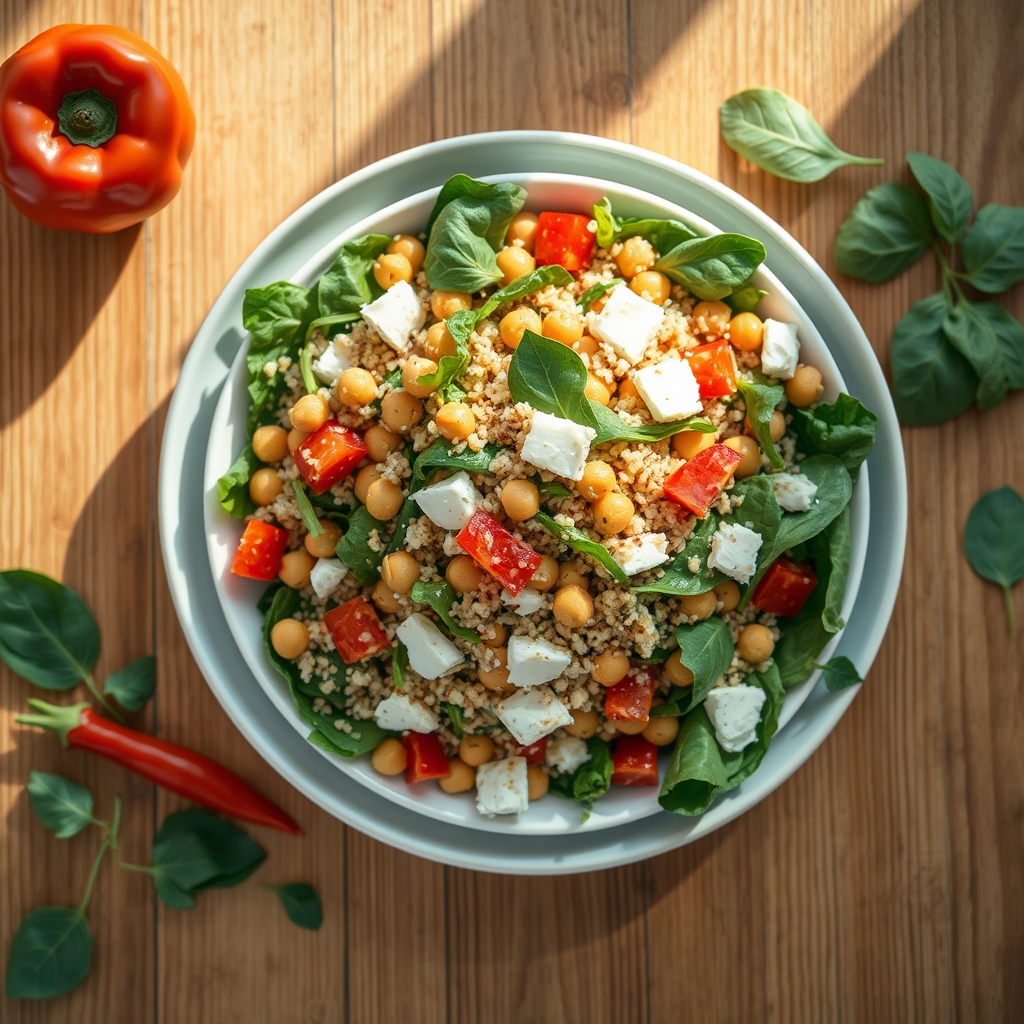
Lunch: Quinoa salad with chickpeas, diced red bell pepper, spinach, feta cheese, and an olive‑oil vinaigrette.
Snack: Carrot sticks with hummus.
Dinner: Baked salmon (rich in DHA) with roasted sweet potatoes and steamed broccoli.
Evening: Warm milk (dairy or fortified plant) with a dash of cinnamon.
This menu provides roughly 75 g protein, 1,200 mg calcium, 30 mg iron, and 600 µg folic acid, while staying within the calorie range set by a pregnancy nutrition calculator. Remember, variety is key. Don't be afraid to experiment with different fruits, vegetables, and whole grains to keep your meals exciting and ensure a broad spectrum of nutrients.
Build a nutrient‑dense quinoa salad for a protein‑rich lunch that also delivers folate and iron.
Managing common pregnancy food challenges
Pregnancy can bring a host of digestive changes and food-related challenges, from morning sickness to heartburn. Knowing how to navigate these can make a big difference in maintaining your nutritional intake and overall comfort.
Morning Sickness & Nausea: This common first-trimester symptom can make eating feel impossible. Try eating small, frequent meals throughout the day instead of three large ones. Keep bland snacks like crackers, dry toast, or ginger ale by your bedside. Avoiding strong smells and greasy, spicy foods can also help. Some women find relief with ginger, either in teas, candies, or fresh in their meals.
Cravings & Aversions: It’s normal to suddenly crave pickles and ice cream, or develop a strong dislike for foods you once loved. Listen to your body, but try to make healthy swaps when possible. If you crave sweets, reach for fruit. If you have an aversion to meat, find other protein sources like beans, lentils, or eggs. Don't feel guilty about occasional indulgences, but prioritize nutrient-dense options most of the time.
Heartburn & Indigestion: As your uterus grows, it can push on your stomach, leading to heartburn. Eat smaller meals, avoid trigger foods like spicy or acidic dishes, and don't lie down immediately after eating. Elevating your head while sleeping can also provide relief.
Constipation: Hormonal changes and iron supplements can often lead to constipation. Increase your intake of fiber-rich foods like whole grains, fruits, vegetables, and legumes. Crucially, drink plenty of water (8-10 glasses a day) and engage in light, regular exercise to keep your digestive system moving.
Remember that these challenges are usually temporary. Focus on what you *can* eat and try to make those choices as nutritious as possible. If symptoms are severe or persistent, always talk to your healthcare provider.
Foods to limit or avoid during pregnancy
While most foods are safe, some carry risks for you or your baby. Understanding these helps you keep your diet both enjoyable and safe.
High‑mercury fish: Swordfish, king mackerel, and tilefish can contain mercury levels that may affect fetal brain development. Opt for low‑mercury options like salmon, sardines, and anchovies, limiting total fish intake to 2‑3 servings per week. The FDA and EPA provide comprehensive lists of best and good choice fish for pregnancy, which can be a helpful guide.
Undercooked or raw meats: These can harbor harmful bacteria such as Listeria or Toxoplasma. Ensure all poultry reaches an internal temperature of 165 °F (74 °C) and avoid rare steak or raw pâté. Cooking meat thoroughly kills these pathogens, protecting both you and your baby from serious infections that could lead to miscarriage or severe birth defects.
Unpasteurized dairy and juices: They may contain Listeria, which can cause miscarriage or severe neonatal infection. Choose products that are clearly labeled “pasteurized.” This applies to raw milk, certain artisanal cheeses, and fresh-squeezed juices from farmers' markets unless you're certain they've been treated.
Soft cheeses: Brie, camembert, and other soft cheeses made from raw milk should be avoided unless cooked into a hot dish. Even some soft cheeses made with pasteurized milk can pose a risk if not stored or handled properly. Hard cheeses like cheddar or Swiss, and processed cheeses, are generally safe.
Processed meats: Deli slices and hot dogs can also carry Listeria. If you crave them, heat them until steaming hot before eating. This precaution helps to eliminate any lingering bacteria.
Caffeine: Limit intake to 200 mg per day (about one 12‑oz cup of coffee). Excess caffeine has been linked to lower birth weight, though moderate amounts are generally considered safe. Remember that caffeine is also found in tea, chocolate, and some soft drinks, so factor these into your daily total.
Alcohol: No safe level has been established; most guidelines advise complete abstinence to avoid fetal alcohol spectrum disorders. Alcohol can pass directly to your baby through the placenta and can cause irreversible developmental damage.
These restrictions may feel limiting, but they’re easy to work around with the right substitutions, and they protect you from avoidable complications. When in doubt about a specific food, it's always best to err on the side of caution or consult your healthcare provider.
Meal planning tips and staying hydrated
Consistent meal planning reduces stress and helps you meet nutrient goals without constantly counting calories. Here are practical steps you can adopt:
Batch‑cook staples: Prepare a large pot of brown rice or quinoa on Sunday, roast a tray of mixed vegetables, and grill a few chicken breasts. Store them in portion‑sized containers for quick assembly. This strategy saves time during busy weekdays and ensures you always have healthy options readily available.
Use the calculator for portion guidance: If your target is 2,300 kcal, aim for roughly 500 kcal at breakfast, 300 kcal for each snack, and 900‑1,000 kcal for dinner. Adjust based on hunger cues. This structured approach helps you distribute your calories and nutrients evenly throughout the day, preventing energy dips and overeating.
Include a “rainbow” of colors: Each color often signals a different nutrient—red tomatoes for lycopene, orange sweet potatoes for beta‑carotene, green broccoli for folate. The more diverse your plate, the wider the array of vitamins, minerals, and antioxidants you're consuming.
Hydration: Aim for 8‑10 cups (2‑2.5 L) of fluid daily. Water, herbal teas (without caffeine), and milk count. Hydration supports amniotic fluid volume and helps prevent constipation, a common pregnancy complaint. Keep a water bottle handy and sip throughout the day.
Snack smartly: Pair protein with fiber—like apple slices with peanut butter or cheese with whole‑grain crackers—to keep blood sugar stable. Smart snacking prevents extreme hunger, which can lead to less healthy choices at mealtime.
Track your intake: Use a nutrition app or a simple food diary to see if you’re hitting your calorie and nutrient targets. Many apps sync with pregnancy calculators for seamless updates. This can be particularly helpful if you're managing a specific condition like gestational diabetes or ensuring adequate intake for twins.
When you plan ahead, you’ll find that meeting the extra 300‑350 calories each day isn’t a burden—it’s simply an extra serving of nutrient‑rich food. Meal planning also helps reduce food waste and can be a fun way to involve your partner in preparing for your baby's arrival.
Staying hydrated is as important as eating nutrient‑dense foods for a healthy pregnancy.
Healthy weight gain during pregnancy
Weight gain during pregnancy is a natural and necessary part of supporting your baby's growth and your own body's changes. However, the amount of weight you should gain varies based on your pre-pregnancy Body Mass Index (BMI). The American College of Obstetricians and Gynecologists (ACOG) provides clear guidelines to help you aim for a healthy range:
Pre-pregnancy BMI
Recommended total weight gain
Weekly gain (2nd & 3rd trimesters)
Underweight (BMI < 18.5)
28–40 lbs (12.5–18 kg)
1 lb (0.5 kg)
Normal weight (BMI 18.5–24.9)
25–35 lbs (11.5–16 kg)
1 lb (0.5 kg)
Overweight (BMI 25.0–29.9)
15–25 lbs (7–11.5 kg)
0.6 lb (0.3 kg)
Obese (BMI ≥ 30.0)
11–20 lbs (5–9 kg)
0.5 lb (0.2 kg)
It’s important to remember that this weight isn’t just fat. It includes your baby, the placenta, amniotic fluid, increased blood volume, breast tissue, and uterine growth. Gaining too little weight can increase the risk of preterm birth and a baby with low birth weight, while gaining too much can raise your risk for gestational diabetes, pre-eclampsia, and a baby with macrosomia (excessively large for gestational age). Your healthcare provider will monitor your weight gain at each appointment and can offer personalized advice if your gain is outside the recommended range.
Special dietary considerations
Pregnancy can be a time when specific dietary needs become even more pronounced. Whether you follow a particular diet or develop a condition, tailoring your nutrition plan is key.
Vegetarian and Vegan Diets: If you're vegetarian or vegan, you can still have a healthy pregnancy, but extra attention to certain nutrients is crucial. Focus on plant-based sources for protein (legumes, tofu, tempeh, quinoa), iron (lentils, spinach, fortified cereals paired with vitamin C), calcium (fortified plant milks, dark leafy greens, calcium-set tofu), and zinc (beans, nuts, whole grains). Vitamin B12 and DHA supplements are often recommended, as these are primarily found in animal products.
Gestational Diabetes: If diagnosed with gestational diabetes, your diet will become a critical part of managing your blood sugar levels. This typically involves balancing carbohydrates, proteins, and healthy fats, focusing on low-glycemic index foods, and eating regular, portion-controlled meals and snacks. Working closely with a registered dietitian specializing in gestational diabetes is highly recommended to create a safe and effective meal plan.
Lactose Intolerance or Food Allergies: If you're lactose intolerant, choose lactose-free dairy products or other calcium-rich alternatives like fortified plant milks, leafy greens, and calcium-set tofu. For other food allergies (e.g., nuts, gluten), it's vital to read food labels carefully and find safe, nutritious substitutes to ensure you're still getting all essential nutrients.
Always discuss any special dietary needs or conditions with your healthcare provider or a registered dietitian. They can help you create a personalized nutrition plan that supports both your health and your baby's development.
Prenatal vitamins and supplements
Even with a balanced diet, prenatal vitamins fill the inevitable gaps. The most common components are folic acid, iron, calcium, DHA, and vitamin D. Here’s how to approach them responsibly:
Folic acid: Most prenatal formulas contain 400‑800 µg, aligning with the recommended total intake. If you’re already eating fortified foods, a standard prenatal vitamin is usually sufficient. It's particularly important to start taking folic acid *before* conception and through the first trimester.
Iron: Some prenatal vitamins include iron, but it can cause constipation. If you experience gastrointestinal upset, discuss with your provider whether to split iron intake between a supplement and iron‑rich foods, or try a different form of iron. Your doctor may also prescribe a separate iron supplement if your levels are low.
Calcium & vitamin D: Many prenatal vitamins have calcium, but the amount may be lower than the 1,000 mg daily goal. Pair the supplement with calcium‑rich foods, and consider a separate vitamin D supplement (600‑800 IU or more, as advised by your doctor) if you have limited sun exposure. Vitamin D is essential for calcium absorption and bone health.
DHA (omega‑3): Look for a prenatal that includes 200‑300 mg DHA, or take a dedicated fish‑oil supplement. DHA supports fetal brain and eye development. If you don't eat fish regularly, a supplement is highly recommended.
Remember, supplements are “add‑ons,” not replacements for a healthy diet. Always tell your provider what you’re taking, especially if you have a health condition or are on medication, to avoid potential interactions. Look for prenatal vitamins that have a USP (United States Pharmacopeia) verification seal, which indicates that the product has been tested for quality, purity, and potency.
From our medical team: “A pregnancy nutrition calculator gives you a personalized calorie and nutrient roadmap, but it’s only part of the picture. Combine the numbers with whole‑food choices, stay hydrated, and use prenatal vitamins as a safety net—not a shortcut. If you have any concerns about iron levels, blood pressure, or unusual symptoms, reach out to your obstetrician promptly.”
Fact: The extra calories required in pregnancy are modest—about 300 kcal in the second and third trimesters—roughly the size of a small snack, not an entire second meal. It’s more about eating *smarter* for two, not *double* the quantity.
Myth: “If I take a prenatal vitamin, I can eat whatever I want.”
Fact: Prenatal vitamins supplement nutrients you may miss, but they cannot replace the energy, fiber, and broad spectrum of micronutrients you get from whole foods. A balanced diet is still essential for proper digestion, sustained energy, and optimal fetal growth.
Myth: “All fish is unsafe because of mercury.”
Fact: Low‑mercury fish like salmon, sardines, and trout are excellent sources of DHA and protein, which are crucial for baby's brain development. The key is to limit high‑mercury species and keep total fish servings to 2‑3 per week, choosing wisely from FDA/EPA recommended lists.
Myth: “Cravings mean your body needs specific nutrients.”
Fact: While some cravings might align with nutritional needs, most are not direct indicators of a deficiency. For instance, a craving for ice cream doesn't necessarily mean you need calcium; it's often more about comfort or psychological factors. Focus on meeting overall nutrient targets rather than indulging every craving.
Key takeaways
Use a pregnancy nutrition calculator to get a personalized daily calorie goal—typically +300 kcal in the second and third trimesters.
Prioritize folic acid (400‑800 µg), iron (27 mg), calcium (1,000 mg), and protein (≥71 g) each day to support fetal development.
Fill your plate with fruits, vegetables, whole grains, lean proteins, and healthy fats; these foods provide the nutrients the calculator highlights.
Avoid high‑mercury fish, raw or undercooked meats, unpasteurized dairy, and excess caffeine or alcohol.
Plan meals ahead, batch‑cook staples, and stay hydrated (8‑10 cups water daily) to meet both calorie and nutrient targets.
Manage common pregnancy challenges like nausea, cravings, and heartburn with small, frequent meals and healthy food choices.
Aim for healthy weight gain based on your pre-pregnancy BMI, as recommended by ACOG, to support a healthy outcome for both you and your baby.
Take prenatal vitamins as a supplement, not a substitute, and discuss any supplement regimen or special dietary needs with your provider.
Frequently asked questions
What are the most important nutrients for a healthy pregnancy?
The most critical nutrients are folic acid, iron, calcium, protein, and DHA omega‑3s; they support neural‑tube development, blood volume, bone growth, tissue building, and brain development respectively.
How many calories should I eat per day during pregnancy?
In the first trimester, most women need no extra calories; in the second and third trimesters, aim for about 300‑350 additional calories per day above your pre‑pregnancy maintenance level.
What foods should I avoid during pregnancy?
Limit high‑mercury fish, avoid raw or undercooked meat, steer clear of unpasteurized dairy and soft cheeses, keep caffeine under 200 mg, and abstain from alcohol altogether.
Can I take a prenatal vitamin instead of eating a healthy diet?
No. Prenatal vitamins fill gaps but cannot replace the calories, fiber, and broad spectrum of nutrients you get from whole foods.
How does nutrition affect baby development during pregnancy?
Adequate nutrition provides the building blocks for organ formation, brain growth, and bone development; deficiencies can lead to low birth weight, neural‑tube defects, and developmental delays.
What are the best sources of protein for pregnant women?
Lean meats, poultry, fish, eggs, dairy, beans, lentils, tofu, and nuts—all provide high‑quality protein; aim for at least 71 g per day, spread across meals.
What should I do if I'm struggling with morning sickness and can't eat enough?
Focus on small, frequent, bland meals, stay hydrated, and try ginger for relief. Prioritize nutrient-dense foods you *can* tolerate, and speak to your doctor if nausea is severe or persistent, as they can offer solutions to help you maintain adequate nutrition.
How much weight should I expect to gain during my pregnancy?
The recommended weight gain depends on your pre-pregnancy BMI. For a normal BMI, it's typically 25-35 pounds (11.5-16 kg) over the entire pregnancy, with most of the gain occurring in the second and third trimesters. Your doctor will provide personalized guidance.
When to call your doctor
If you experience persistent vomiting, severe abdominal pain, sudden swelling, rapid weight gain, dizziness, or signs of anemia (pale skin, fatigue, shortness of breath), contact your obstetrician or midwife right away. This article is for informational purposes only and does not replace personalized medical advice.
References
American College of Obstetricians and Gynecologists (ACOG). “Nutrition During Pregnancy.” 2023 clinical guidance.
National Health Service (NHS). “Food and Drink in Pregnancy.” Updated 2024.
World Health Organization (WHO). “Guidelines on Maternal Nutrition.” 2022.
Centers for Disease Control and Prevention (CDC). “Pregnancy Nutrition.” 2023.
Mayo Clinic. “Prenatal vitamins: Do you need them?” 2024.
U.S. Department of Agriculture (USDA). “Dietary Guidelines for Americans 2025–2029.”
American Pregnancy Association. “Iron Requirements During Pregnancy.” 2023.
National Institute for Health and Care Excellence (NICE). “Antenatal Care Guidelines.” 2023.
Food and Drug Administration (FDA) and Environmental Protection Agency (EPA). “Advice About Eating Fish.” 2022.
When Shubhra Mishra was expecting her first child in 2016, she was overwhelmed by conflicting food advice — one site said yes, another said never. By the time her second baby arrived in 2019, she realized millions of mothers face the same confusion.
That sparked a five-year journey through clinical nutrition papers, cultural diets, and expert conversations — all leading to BumpBites: a calm, compassionate space where science meets everyday motherhood.
Her long-term vision is to build a global community ensuring safe, supported, and free deliveriesfor every mother — because no woman should face pregnancy alone or uninformed. 🌿
🌍 Stand with mothers, shape safer guidance
Join a small circle of experts who review BumpBites articles so expecting parents everywhere can decide with confidence.