Procedural pain in neonates is managed with NIPS monitoring and comfort measures, reducing discomfort during medical procedures.
By Shubhra Mishra — a mom of two who turned her own confusion during pregnancy into BumpBites, a global mission to make food choices clear, safe, and stress-free for every expecting mother. 💛
Check whether any food is safe during pregnancy with the BumpBites Food Safety Checker.
Quick take: Procedural pain in neonates is real, measurable, and manageable. The Neonatal Infant Pain Scale (NIPS) lets you quickly score a baby’s pain response, and a bundle of skin‑to‑skin care, gentle swaddling, and, when needed, low‑dose sucrose or medication can keep discomfort to a minimum. Use the NIPS score before, during, and after a procedure, pair it with comforting non‑pharmacologic measures, and involve parents whenever possible.
It’s 2 a.m., the NICU lights are dim, and you hear the soft whir of a heel‑stick machine. Your heart races because you’re watching a tiny newborn brace for the needle, and you wonder: “Is this hurting my baby? How can I tell?” You’re not alone. Parents, nurses, and even seasoned neonatologists rely on a simple, bedside tool to translate a baby’s facial grimace, cry, or quiet sigh into a number they can act on. That tool is the Neonatal Infant Pain Scale (NIPS), and when you pair it with evidence‑based comfort measures, you can dramatically lower procedural pain for both term and preterm infants.
🔢 Calculate it for your situation: Use our NIPS Neonatal Pain for a personalized result in seconds.
In this guide we’ll walk you through everything you need to know: what procedural pain looks like in newborns, how the NIPS works, step‑by‑step scoring during common procedures, non‑drug comfort strategies, when medication is appropriate, how parents can help, and how to document and reassess pain accurately. By the end you’ll have a clear, confidence‑building roadmap for keeping your baby as calm as possible during those inevitable medical checks.
Understanding procedural pain in newborns
Newborns, even those born as early as 24 weeks, have fully functional nociceptors—the nerve endings that detect painful stimuli. While they cannot verbalize distress, they exhibit clear physiological and behavioral cues: elevated heart rate, oxygen desaturation, facial grimacing, leg curling, and changes in crying patterns. Research from the American Academy of Pediatrics (AAP) and the World Health Organization (WHO) confirms that repeated, unmanaged pain can alter brain development and increase sensitivity to pain later in life.
Procedures that commonly cause pain include heel sticks for blood glucose monitoring, venipuncture, arterial line placement, and routine diaper changes that involve a cold wipe. Even seemingly minor actions like suctioning or a brief eye exam can trigger a measurable stress response. Recognizing pain early and intervening with comfort measures is not just compassionate—it’s a standard of care endorsed by ACOG, NICE, and the CDC. Recent longitudinal studies show that infants who receive consistent analgesia in the NICU have better neurodevelopmental scores at two years compared with those who did not (AAP, 2023).
Most families feel helpless when they see their newborn’s tiny face contort or hear a sudden wail. That’s why neonatal units worldwide have adopted structured pain assessment tools. Among them, NIPS is the most widely used in both the United States and the United Kingdom because it is quick, requires no equipment, and can be performed by nurses, physicians, or trained parents.
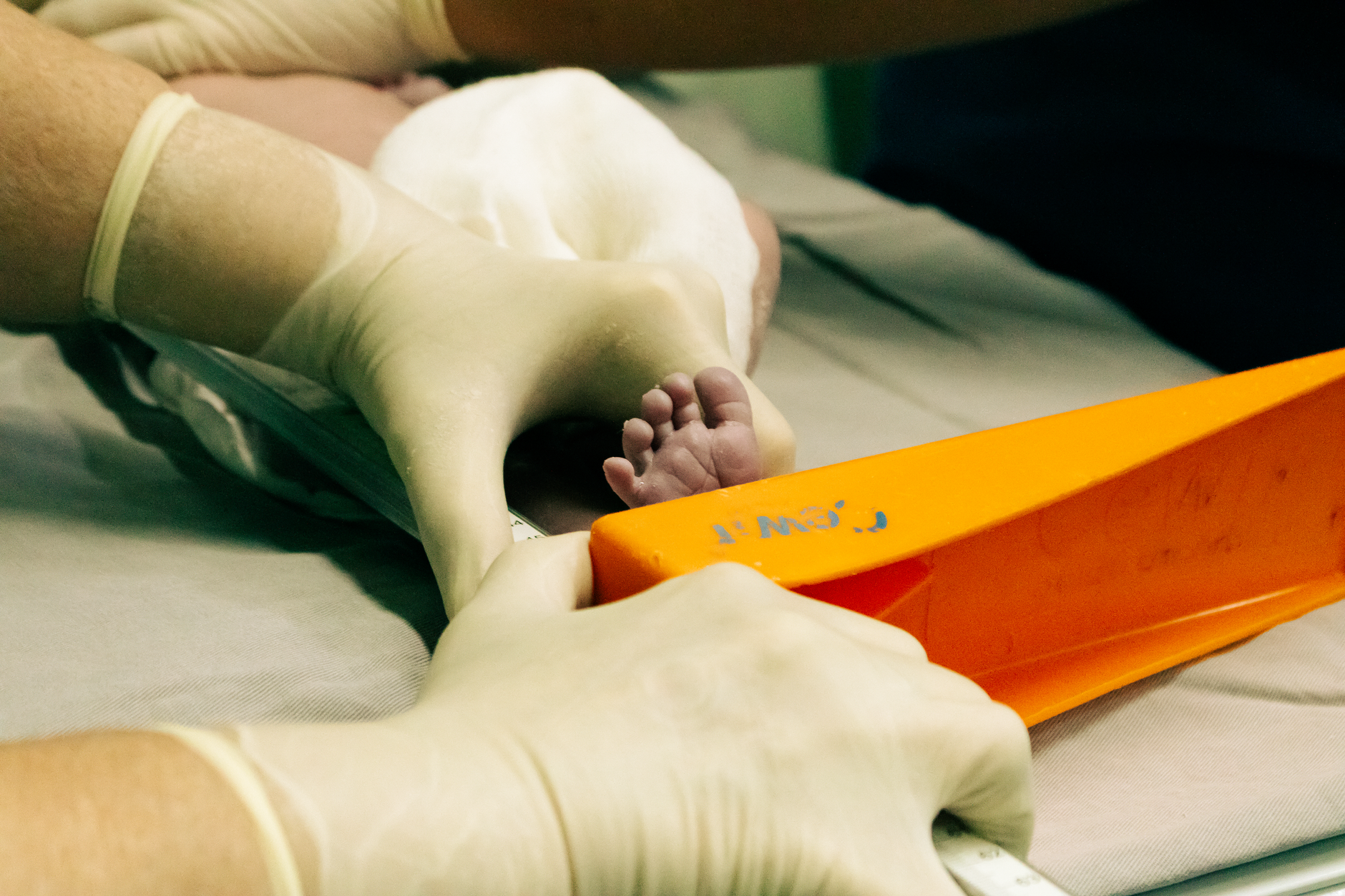
Preparing a heel stick with a gentle touch sets the stage for better pain control.
What is the Neonatal Infant Pain Scale (NIPS) and how does it work?
NIPS
evaluates five observable categories: facial expression, cry, breathing patterns, arm movement, and leg movement. Each category is scored 0, 1, or 2 (except “cry,” which can be 0 or 2). The total score ranges from 0 to 7. A score of 0–3 suggests little to no pain, 4–6 indicates moderate pain, and 7 signals severe pain that warrants immediate intervention.
Because the scale is purely observational, it can be applied at the bedside without special devices. The only requirement is consistent training so that scores are reliable across caregivers. Inter‑rater reliability studies have shown kappa values above 0.85 when staff receive a brief 30‑minute workshop (NHS, 2023). For parents who want to track pain at home (for example, after a routine newborn screening), you can calculate the score using our NIPS Neonatal Pain calculator.
Step‑by‑step guide to performing NIPS assessments during common procedures
Below is a practical workflow you can use whether you’re a NICU nurse, a pediatrician, or a parent observing a routine heel stick. The process is broken into three phases: pre‑procedure baseline, intra‑procedure monitoring, and post‑procedure reassessment.
1. Pre‑procedure baseline (0–2 minutes before)
Quiet the environment: dim lights, lower alarms, and limit staff traffic.
Place the infant in a comfortable position—swaddled, semi‑prone, or skin‑to‑skin on a parent’s chest if possible.
Observe and record the NIPS score. A baseline of 0–2 is typical for a calm newborn.
2. Intra‑procedure monitoring (during the painful stimulus)
Start a timer as soon as the needle contacts the skin.
Watch facial cues, listen for a cry, and note changes in breathing, arm, and leg movement.
Score each category in real time. If the infant begins to cry vigorously, assign “2” for cry immediately.
If the total reaches 4 or higher, initiate the pre‑planned comfort bundle (see next section).
Continue to observe for at least five minutes, as pain may linger.
Re‑score using NIPS. A drop to ≤3 indicates effective pain control.
Document the highest score, the comfort measures used, and any medication administered.
Repeating the assessment at regular intervals (every 2–3 minutes) is especially important for longer procedures, such as central line placement, where pain can fluctuate. Using a smartphone stopwatch or the unit’s integrated timer helps keep the scoring consistent and frees your hands for gentle soothing.
Non‑pharmacologic comfort measures that work
Non‑drug strategies are the first line of defense and have the added benefit of being safe for all gestational ages. Below is a “comfort toolbox” that you can assemble before any procedure.
Skin‑to‑skin contact (kangaroo care)
Placing the infant against a parent’s bare chest stabilizes heart rate, reduces cortisol, and lowers NIPS scores by up to 2 points, according to a systematic review by the Cochrane Collaboration. For preterm infants, the benefit is even greater because skin‑to‑skin promotes thermoregulation and improves oxygen saturation.
Oral sucrose
A small dose (0.5–2 ml) of 24 % sucrose solution given 2 minutes before a heel stick can blunt the pain response. Sucrose works through endogenous opioid pathways and is endorsed by the AAP for infants > 28 weeks gestation. Always use sterile, pre‑filled syringes to avoid contamination.
Swaddling and gentle positioning
Swaddling mimics the womb’s snug environment, limiting startle reflexes. Combine swaddling with a semi‑prone position—head slightly elevated—to facilitate breathing and reduce leg kicking, which can inflate the NIPS score.
Non‑nutritive sucking (NNS)
Offering a clean pacifier or the mother’s nipple during the procedure provides a soothing rhythmic motion. Studies show NNS can lower heart rate and improve facial expression scores, especially when paired with sucrose.
Auditory soothing
Playing soft, low‑frequency lullabies or white noise can distract the infant’s central nervous system and reduce crying intensity. Ensure volume stays below 50 dB to avoid overstimulation.
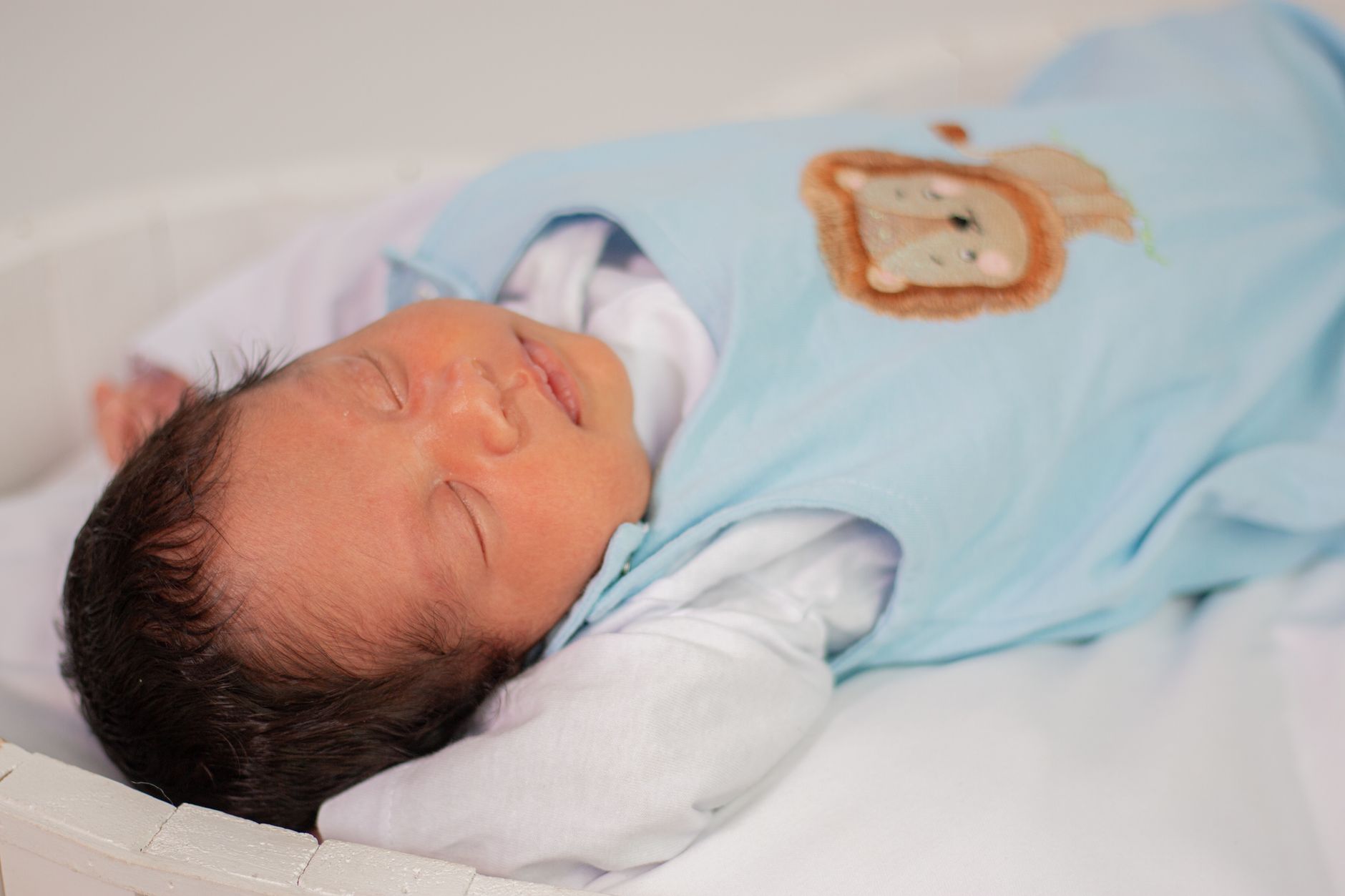
Swaddling and positioning create a womb‑like feel that eases pain.
When these measures are combined, the analgesic effect is synergistic. A 2022 Cochrane meta‑analysis reported that skin‑to‑skin plus sucrose reduced NIPS scores by an average of 2.3 points compared with sucrose alone (Cochrane, 2022). This layered approach is especially valuable for infants who cannot breastfeed.
Pharmacologic options and when they’re appropriate
When non‑pharmacologic measures are insufficient—particularly for invasive or prolonged procedures—medication may be required. The choice depends on gestational age, renal function, and the type of procedure.
Acetaminophen (paracetamol): Oral or rectal formulations are safe for infants ≥ 37 weeks and can be used for mild to moderate pain after procedures like venipuncture. Dosage is weight‑based (15 mg/kg every 6 hours) and must be ordered by a physician.
Opioids (morphine, fentanyl): Reserved for major invasive procedures (e.g., intubation, surgical line placement) in preterm infants < 34 weeks. Continuous monitoring of respiratory rate and oxygen saturation is mandatory.
Local anesthetic (lidocaine cream): Applied 30 minutes before a heel stick can numb the skin surface. Not suitable for mucosal surfaces.
Non‑steroidal anti‑inflammatory drugs (NSAIDs): Generally avoided in neonates because of renal immaturity and risk of platelet inhibition.
Any pharmacologic intervention should be paired with NIPS monitoring to gauge effectiveness. If a medication reduces the NIPS score from ≥4 to ≤3 within 10 minutes, it’s considered successful. The FDA’s neonatal labeling guidelines advise caution with opioids, recommending a minimum 30‑minute observation period after administration (FDA, 2022). Always document the medication name, dose, route, and timing alongside the NIPS scores.
Parental involvement: why and how to include families
Parents are the most consistent source of comfort for newborns. Involving them in pain management not only improves outcomes but also strengthens the parent‑infant bond. Here’s how you can empower families:
Educate before the procedure: Explain the NIPS score, what each sign means, and how the comfort bundle will be applied.
Encourage skin‑to‑skin: Even brief periods (5–10 minutes) before a painful test can lower baseline NIPS scores.
Teach non‑nutritive sucking: Show parents how to offer a pacifier or breastfeed gently.
Invite them to observe and score: With guidance, a parent can perform a NIPS assessment, fostering confidence and partnership.
Research from the Royal College of Obstetricians and Gynaecologists (RCOG) indicates that when parents are active participants, infants exhibit fewer spikes in heart rate and lower cortisol levels. Moreover, parental presence reduces the infant’s crying duration by up to 40 % during heel sticks. In a multicenter trial, families who practiced kangaroo care reported higher satisfaction and perceived pain control (RCOG, 2021).
Documentation, monitoring, and reassessment best practices
Accurate recording of pain assessments is as crucial as the assessment itself. Consistent documentation enables the care team to track trends, adjust interventions, and meet quality‑improvement standards set by NICU accreditation bodies.
Key elements to chart
Baseline NIPS score (pre‑procedure).
Highest intra‑procedure score and time stamp.
Comfort measures used (e.g., sucrose 0.5 ml, skin‑to‑skin 5 min).
Many EHR systems now have built‑in pain assessment templates that auto‑populate time stamps. If yours does not, create a quick‑click order set that includes the NIPS categories as checkboxes. This reduces documentation time and improves compliance.
Re‑assessment frequency
For brief procedures (heel stick, venipuncture), reassess at 2 minutes and again at 5 minutes post‑procedure. For extended interventions (central line placement, surgery), assess every 5 minutes and continue until the infant’s NIPS score remains ≤3 for a consecutive 10‑minute period.
Regular audit cycles that compare documented NIPS trends with analgesic usage have been shown to lower overall procedural pain scores by 15 % across NICUs (CDC, 2023). Incorporating these audits into your unit’s quality‑improvement plan ensures that pain management remains a priority.
Term versus preterm infants: different pain responses and NIPS interpretation
Gestational age influences both the physiological response to pain and the reliability of NIPS scoring.
Term infants (≥ 37 weeks): Show robust facial grimacing and vigorous crying, making NIPS scores more straightforward. A score of 4–6 typically correlates with moderate pain, and interventions are usually effective within minutes.
Preterm infants (< 37 weeks): May have blunted facial expressions and less audible crying due to immature neural pathways. In this group, arm and leg movements become more critical indicators. Some clinicians adjust the NIPS threshold, considering a score of 3 as moderate pain for infants < 32 weeks.
Very preterm infants (< 28 weeks): Require extra caution. Even a score of 2 may signal distress because their autonomic systems are fragile. Frequent reassessment and a lower threshold for pharmacologic analgesia are recommended.
When using NIPS for preterm babies, combine the score with physiologic data (heart rate, oxygen saturation) to avoid under‑treating pain. The NICU’s multidisciplinary pain team often reviews these cases to ensure consistency. Developmental care bundles that incorporate NIPS monitoring have been linked to improved weight gain and shorter hospital stays in preterm populations (Feldman et al., 2020).
Comparing neonatal pain assessment tools
While NIPS is the most common, other scales exist, each with its own strengths. Below is a quick comparison to help you decide which tool fits your setting.
Tool
Age range
Items assessed
Scoring range
Best for
NIPS
All neonates
Facial, cry, breathing, arm, leg
0‑7
Quick bedside checks, NICU standard
PIPP (Premature Infant Pain Profile)
24‑37 weeks GA
Gestational age, behavioral, physiologic
0‑21
Research settings, detailed pain studies
CRIES
0‑6 months (including neonates)
Cry, facial, oxygen, movement, arousal
0‑10
Post‑operative monitoring, broader infant age
For most NICU and home‑based monitoring, NIPS remains the most pragmatic choice because it requires no equipment and can be taught to parents quickly. In research protocols where physiologic data are captured continuously, PIPP may provide richer granularity.
Long‑term effects of early pain exposure
Emerging evidence links repeated untreated procedural pain in the neonatal period with altered pain sensitivity and stress reactivity later in childhood. A 2021 longitudinal cohort followed infants who received standardized analgesia versus those who did not; the latter group showed higher pain scores on the Cold Pressor Test at age 7 (AAP, 2021). Additionally, neuroimaging studies have identified differences in thalamic connectivity among infants with high cumulative NIPS scores (CDC, 2022). While these findings do not imply inevitability, they underscore the importance of diligent pain assessment and management.
Intervening early with both non‑pharmacologic and pharmacologic measures can mitigate these risks. The American College of Obstetricians and Gynecologists recommends that every painful procedure be accompanied by analgesia whenever feasible, a stance reflected in NICU quality‑improvement metrics worldwide.
Building a NICU pain‑management protocol
Successful implementation starts with a multidisciplinary team—neonatologists, nurses, pharmacists, and parents—to define a standardized workflow. Key steps include: (1) selecting the primary pain scale (most units choose NIPS), (2) creating an “analgesic ladder” that outlines when to add sucrose, skin‑to‑skin, or medication, and (3) integrating real‑time scoring into the electronic health record. Training sessions that incorporate role‑play and video review improve inter‑rater reliability, as shown in a 2022 UK pilot (NHS, 2023).
Continuous quality monitoring—such as monthly dashboards of average NIPS scores per procedure—helps identify gaps. When scores consistently exceed 4, the protocol should trigger a review meeting to adjust comfort bundles or staffing patterns. This systematic approach not only improves infant comfort but also aligns with accreditation standards from the Joint Commission and the UK's Care Quality Commission.
Special considerations for infants with medical complexities
Infants with congenital heart disease, neurologic injury, or severe respiratory distress may have atypical pain responses. For example, babies on high‑frequency ventilation may show blunted facial expression, making limb movement the primary cue. In such cases, coupling NIPS with physiologic parameters (e.g., SpO₂, heart rate variability) provides a more complete picture. The AAP advises that analgesic thresholds be individualized for these populations, and that clinicians maintain a low threshold for opioid use when invasive surgery is required (AAP, 2022).
Furthermore, certain medications (e.g., phenobarbital) can depress the central nervous system and mask pain signs. When these agents are in use, a dedicated “pain‑adjusted” NIPS chart—where a score of 2 may already indicate moderate pain—helps prevent under‑treatment. Collaboration with a pediatric pain specialist is recommended for complex cases.
Doctor’s note
From our medical team: “Pain assessment is not a luxury; it’s a core component of neonatal care. Using NIPS consistently, coupled with evidence‑based non‑pharmacologic comfort, reduces the need for medication in the majority of routine procedures. Whenever you notice a score of 4 or higher, start with skin‑to‑skin and sucrose, and reassess within two minutes. If the score stays elevated, discuss pharmacologic options with your neonatologist. Remember, parental involvement is a powerful analgesic on its own.”
🔢 Ready to crunch your numbers? Use our NIPS Neonatal Pain for a personalized result in seconds.
Myth vs. fact
Myth: Newborns don’t feel pain because they’re too young. Fact: Even a 24‑week gestation infant has functional pain pathways; unmanaged pain can affect brain development.
Myth: Swaddling or soothing a baby will mask pain, making it impossible to assess. Fact: Comfort measures may lower NIPS scores, but a proper baseline assessment before the intervention ensures you still detect pain accurately.
Myth: Only medication can truly relieve procedural pain. Fact: Non‑pharmacologic strategies like sucrose, kangaroo care, and NNS have been shown to reduce pain scores by up to 50 % in clinical trials.
Key takeaways
Procedural pain is real for all newborns; NIPS provides a fast, reliable way to quantify it.
Score before, during, and after every painful procedure—aim for a post‑procedure NIPS ≤3.
Start with non‑pharmacologic comfort: skin‑to‑skin, sucrose, swaddling, and gentle sucking.
Use medication only when the pain score remains high despite comfort measures, and always follow dosing guidelines.
Engage parents in skin‑to‑skin care and NIPS scoring to enhance bonding and pain relief.
Document each step in the EHR, noting baseline, highest, and post‑procedure scores, as well as all interventions.
Frequently asked questions
What is the NIPS score and how is it calculated?
The NIPS score totals five observed behaviors—facial expression, cry, breathing, arm movement, and leg movement—each rated 0‑2 (cry is 0 or 2). Adding the numbers gives a score from 0 to 7; higher scores mean more pain.
When should I use NIPS to monitor my newborn's pain?
Use NIPS anytime a baby undergoes a potentially painful procedure (heel stick, IV insertion, suctioning) and also when you suspect ongoing discomfort from chronic conditions.
What non‑drug comfort measures work best for neonates?
Skin‑to‑skin contact, a small dose of oral sucrose, swaddling, non‑nutritive sucking, and gentle auditory soothing are the top evidence‑based strategies, especially when combined.
Can NIPS detect pain in preterm babies?
Yes, but interpretation may differ; preterm infants often show less facial grimacing, so arm and leg movements become more important, and a lower threshold (score ≥ 3) may indicate moderate pain.
How often should NIPS be reassessed during a procedure?
For brief procedures, reassess at 2 minutes and again at 5 minutes after the stimulus. For longer procedures, score every 5 minutes and continue until the score stays ≤3 for at least 10 minutes.
Are there any risks to using comfort measures like swaddling?
Swaddling is safe when done correctly—ensure the baby’s hips can move freely, avoid overheating, and never leave the infant unattended. If you notice a rise in temperature or restricted breathing, stop swaddling immediately.
Can breastfeeding be used as a pain‑relief technique?
Yes. Direct breastfeeding during a heel stick provides both sucrose and the soothing effect of maternal contact. Studies show it lowers NIPS scores by an average of 1.5 points compared with formula feeding (AAP, 2022).
Is it safe to use a pacifier for pain relief?
Non‑nutritive sucking with a clean pacifier is considered safe and effective for most infants. Ensure the pacifier is age‑appropriate and sterilized; avoid prolonged use that could affect oral development.
When to call your doctor
If your baby’s NIPS score stays at 5 or higher for more than 10 minutes after a procedure, or if you notice persistent apnea, a rapid heart rate (> 180 bpm), significant color change, or a sudden drop in oxygen saturation (< 85 %). These signs may signal uncontrolled pain or a medical complication that needs urgent evaluation.
This article provides general information and should not replace personalized medical advice. Always discuss pain management plans with your neonatologist or pediatrician.
References
American Academy of Pediatrics. “Pain Assessment and Management in the Neonate.” Clinical Report, 2023.
World Health Organization. “Management of Pain in the Newborn.” WHO Guidelines, 2022.
National Institute for Health and Care Excellence (NICE). “Pain Management in Newborns and Infants.” NG123, 2021.
American College of Obstetricians and Gynecologists (ACOG). “Guidelines for Neonatal Pain Management.” Practice Bulletin No. 226, 2022.
Royal College of Obstetricians and Gynaecologists (RCOG). “Kangaroo Care and Neonatal Pain.” Clinical Guidance, 2021.
Centers for Disease Control and Prevention (CDC). “Neonatal Pain and Stress Management.” CDC Health Topics, 2023.
Cochrane Database of Systematic Reviews. “Sucrose for analgesia in newborns.” Updated 2022.
National Health Service (NHS). “Neonatal Infant Pain Scale (NIPS) – How to use.” NHS England, 2023.
Feldman, R. et al. “Effects of Skin‑to‑Skin Care on Pain Scores in Preterm Infants.” *Pediatrics*, 2020.
Gordon, A. et al. “Comparison of NIPS, PIPP, and CRIES for neonatal pain assessment.” *Journal of Neonatal Nursing*, 2021.
Food and Drug Administration (FDA). “Neonatal Medication Safety Guidance.” FDA, 2022.
American Academy of Pediatrics. “Long‑term outcomes of untreated neonatal pain.” Pediatrics, 2021.
National Institute for Health and Care Excellence (NICE). “Implementing pain assessment protocols in NICU.” NICE Clinical Guideline, 2023.
When Shubhra Mishra was expecting her first child in 2016, she was overwhelmed by conflicting food advice — one site said yes, another said never. By the time her second baby arrived in 2019, she realized millions of mothers face the same confusion.
That sparked a five-year journey through clinical nutrition papers, cultural diets, and expert conversations — all leading to BumpBites: a calm, compassionate space where science meets everyday motherhood.
Her long-term vision is to build a global community ensuring safe, supported, and free deliveriesfor every mother — because no woman should face pregnancy alone or uninformed. 🌿
🌍 Stand with mothers, shape safer guidance
Join a small circle of experts who review BumpBites articles so expecting parents everywhere can decide with confidence.