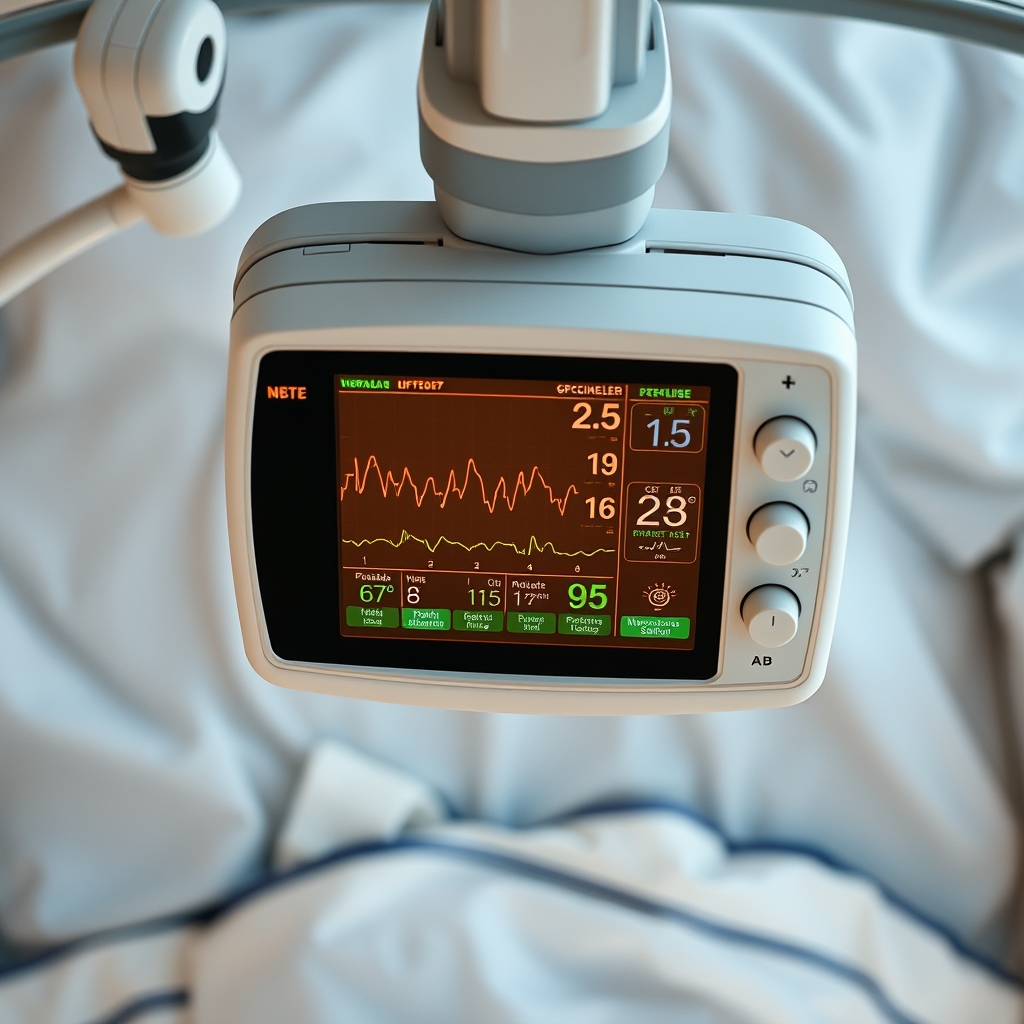
Learn about Serial SNAPPE-II: Evolving severity assessment in first week for newborns, understand the scoring system and its implications for baby care
By Shubhra Mishra — a mom of two who turned her own confusion during pregnancy into BumpBites, a global mission to make food choices clear, safe, and stress-free for every expecting mother. 💛
Check whether any food is safe during pregnancy with the BumpBites Food Safety Checker.
Quick take: Serial SNAPPE‑II is a repeatable, bedside severity score used during a newborn’s first week to track changes in physiologic stability. A falling score usually signals improvement, while a rising score flags worsening health and may prompt more intensive treatment. Most NICUs reassess every 24–48 hours, but the exact timing depends on the baby’s condition.
It’s 2 a.m., you’re in the NICU hallway, clutching a cup of lukewarm tea, and you just saw a nurse jot down a new SNAPPE‑II number on the chart. Your mind races: “Is this new number bad? Does it mean our baby’s going to be okay?” You’re not alone—parents of preterm or critically ill newborns often wonder how to interpret these numbers and whether they truly predict what lies ahead.
🔢 Calculate it for your situation: Use our SNAPPE-II Neonatal Severity for a personalized result in seconds.
In this guide we’ll demystify the Serial SNAPPE‑II, explain why clinicians repeat the score throughout the first seven days, and show you how to read the trends. We’ll walk through the components of the original score, the practical steps for doing serial assessments, what the numbers mean for prognosis and treatment, and the factors that can cause scores to shift. By the end you’ll know what to expect, when to ask questions, and how to use the information to feel more confident in your baby’s care plan.
What is the SNAPPE‑II score?
SNAPPE‑II (Score for Neonatal Acute Physiology – Perinatal Extension II) is a validated severity index that quantifies a newborn’s physiologic status during the first 12 hours of life. It was derived from the original SNAP score and later refined to be usable without extensive laboratory data, making it practical for bedside use in NICUs worldwide.
The score combines nine variables, each reflecting a different organ system:
Mean arterial blood pressure
Lowest body temperature
PaO₂/FiO₂ ratio (a measure of oxygenation)
Arterial pH
Seizure activity
Urine output (ml/kg/hr)
Presence of multiple birth (twin or higher)
Gestational age at birth
Birth weight
Each variable is assigned a point value based on how far it deviates from normal ranges. The points are summed to give a total score that can range from 0 (least sick) to 115 (most severely ill). In large cohort studies, higher scores correlate with increased risk of mortality, prolonged ventilation, and neurodevelopmental challenges, as reported by the American Academy of Pediatrics (AAP) and the National Institute of Child Health and Human Development (NICHD).
Because the score is calculated early, many clinicians use the initial SNAPPE‑II as a baseline “snapshot” of illness severity. However, a single number only tells part of the story—what happens in the days that follow can be equally, if not more, informative.
International validation studies, including those from the UK’s NHS Neonatal Network and Canada’s Paediatric Health Research Institute, have confirmed that SNAPPE‑II reliably predicts short‑term outcomes across diverse populations. This broad acceptance means most tertiary NICUs incorporate the score into routine admission protocols.
Developed in the late 1990s, SNAPPE‑II built on the original SNAP’s emphasis on physiologic data while simplifying data entry for busy clinicians. Subsequent updates incorporated perinatal variables (birth weight and gestational age) to improve discrimination, a change endorsed by the Royal College of Paediatrics and Child Health (RCPCH) in its 2018 guideline revision.
Clinicians record vital signs that feed into the SNAPPE‑II calculation.
Why repeat the score? The rationale behind serial SNAPPE‑II assessments
Newbo
rns—especially those born preterm or with congenital conditions—can change rapidly during the first week of life. A one‑time severity score captures only the initial physiologic disturbance, but it does not account for:
Response to surfactant, ventilation, or medication.
Onset of complications such as sepsis, intraventricular hemorrhage, or necrotizing enterocolitis.
Improvement in organ function as the infant stabilizes.
Serial SNAPPE‑II provides a dynamic picture, allowing clinicians to:
Track the trajectory of illness (improving, stable, or worsening).
Identify early signs of deterioration before overt clinical decline.
Tailor interventions—escalating support for rising scores or de‑escalating when scores drop.
Communicate prognosis more accurately to families, based on trends rather than a single value.
Guidelines from the UK’s National Institute for Health and Care Excellence (NICE) and the US CDC both endorse repeated physiologic scoring for high‑risk neonates, emphasizing that trend data improve decision‑making compared with a static snapshot. ACOG’s Committee on Neonatal Care also notes that serial assessments “provide a more nuanced view of illness severity and response to therapy” (ACOG, 2023).
Research published in *Pediatrics* in 2021 showed that neonates whose SNAPPE‑II scores were reassessed daily had a 12 % lower incidence of unexpected respiratory decompensation, underscoring the practical benefit of frequent monitoring. Similar findings from a 2022 multicenter European cohort confirmed that daily trend analysis reduced the time to therapeutic escalation by an average of 6 hours, a difference that can be lifesaving in rapidly evolving conditions.
How to perform serial SNAPPE‑II assessments
Repeating the SNAPPE‑II is straightforward once the initial data are collected. The process involves three steps: gathering the required variables, calculating the score, and documenting the trend.
1. Gather variables at the same time of day. To minimize variability, most NICUs schedule assessments at consistent intervals—typically every 24 hours, aligning with routine blood draws or vital sign checks. The variables needed are:
Mean arterial blood pressure (mm Hg)
Lowest core temperature (°C)
PaO₂/FiO₂ ratio (mm Hg)
Arterial pH
Presence or absence of seizures
Urine output over the preceding hour (ml/kg)
Birth weight (grams) and gestational age (weeks)
Multiple‑birth status (yes/no)
2. Calculate the score. Each variable is matched to a point table (available in the SNAPPE‑II manual). Adding the points yields the total. For clinicians who prefer a quick tool, BumpBites offers an online calculator. You can enter your baby’s numbers here: SNAPPE-II Neonatal Severity. The calculator instantly returns the score, saving time and reducing transcription errors.
3. Document and compare. The new score is entered into the electronic health record alongside the previous value. A simple line graph—often built into NICU dashboards—visualizes the trend. The key is to look at the direction and magnitude of change rather than isolated numbers. Many NICUs now provide families with printed trend sheets during bedside rounds, fostering transparent communication.
Clinicians often use a bedside calculator or electronic tool to compute the SNAPPE‑II.
Interpreting trends in the first week
When you compare serial scores, the pattern tells you more than any single value. Below is a practical interpretation guide that many NICUs adopt, based on data from the AAP and European neonatal networks.
Trend
Typical change in score
Clinical implication
Improving
Decrease of ≥ 10 points over 24‑48 hrs
Physiologic stability is rising; may allow step‑down of respiratory or cardiovascular support.
Stable
Change < 5 points (increase or decrease)
Condition is unchanged; continue current management and monitor for subtle shifts.
Worsening
Increase of ≥ 10 points over 24‑48 hrs
Higher risk of adverse outcomes; prompts evaluation for infection, worsening lung disease, or other complications.
It’s important to remember that “normal” ranges differ by gestational age and birth weight. For a typical term infant, a SNAPPE‑II < 20 is considered low risk, whereas a preterm infant born at 28 weeks may have a baseline score of 30‑40 simply due to immaturity. Therefore, clinicians interpret trends relative to the infant’s baseline rather than applying a universal cut‑off.
In practice, a falling score often aligns with improved oxygenation, stable blood pressure, and increased urine output—all signs that the baby’s organs are adapting. Conversely, a rising score may signal new or worsening issues such as sepsis, pulmonary hypertension, or inadequate perfusion.
Day‑to‑day variations of a few points are common and usually not worrisome; it’s the sustained directional shift that carries prognostic weight. If you see a small fluctuation, ask the team whether it reflects a routine care activity (like a blood draw) or a more concerning trend.
Clinicians often use the trend to decide whether to add a diagnostic test—such as a cranial ultrasound—or to adjust antimicrobial coverage. A sudden rise in the temperature component, for example, frequently prompts a sepsis work‑up before the baby shows overt clinical signs.
Clinical significance of evolving scores
Serial SNAPPE‑II trends have been linked to multiple outcomes that matter to families:
Mortality risk. Studies published in the Journal of Perinatology show that each 10‑point increase in the worst 48‑hour SNAPPE‑II is associated with roughly a 15 % rise in in‑hospital mortality.
Length of ventilation. A decreasing trend in the first three days predicts earlier extubation, often shortening the need for mechanical ventilation by 2‑4 days.
Neurodevelopment. While SNAPPE‑II is not a direct predictor of long‑term cognitive outcomes, a persistently high score beyond day 5 correlates with higher rates of cerebral palsy in follow‑up studies.
Resource allocation. NICU teams use the trend to decide when to move a baby to a lower‑intensity unit or to involve subspecialists such as neonatologists, surgeons, or neurologists. This helps conserve high‑level resources for infants who need them most, a point emphasized in NHS England’s neonatal service framework.
Because the score reflects real‑time physiologic stress, it helps clinicians anticipate complications before they become clinically obvious. For example, a subtle rise in the PaO₂/FiO₂ component may precede a full‑blown respiratory infection, prompting early cultures and targeted antibiotics.
In low‑resource settings, an elevated SNAPPE‑II can guide triage decisions when advanced imaging or laboratory tests are limited. The World Health Organization (WHO) notes that simple bedside scoring systems are valuable tools for prioritizing care where staff and equipment are scarce.
Improving SNAPPE‑II scores often accompany calmer vital signs and easier breathing.
Factors that influence score changes
Several variables can cause SNAPPE‑II numbers to move up or down, independent of the baby’s underlying disease:
Therapeutic interventions. Initiation of surfactant, changes in ventilator settings, or administration of inotropes can quickly improve blood pressure and oxygenation, lowering the score.
Fluid management. Over‑hydration may increase pulmonary edema, worsening the PaO₂/FiO₂ ratio, while careful diuresis can improve it.
Infection. Onset of sepsis often raises temperature, lowers blood pressure, and depresses urine output—all contributing to a higher score.
Procedural stress. Intubation, central line placement, or surgical procedures can transiently raise the score due to brief physiologic instability.
Laboratory timing. Delayed or inaccurate blood gas sampling can skew PaO₂/FiO₂ and pH values, affecting the calculation.
Environmental factors. Ambient temperature in the NICU, noise levels, and handling frequency can influence core temperature and stress responses, subtly shifting the score.
Understanding these influences helps families ask the right questions. If a score spikes after a routine chest X‑ray, you might ask the team whether the change reflects the procedure itself or an emerging problem.
Practical guidelines: how often should serial SNAPPE‑II be measured?
There is no universal rule, but most neonatal societies recommend the following schedule for high‑risk infants:
Day 0–1 (initial). Capture the baseline within the first 12 hours of life.
Every 24 hours for the first 72 hours. This aligns with routine labs and allows early detection of rapid shifts.
Every 48 hours thereafter until day 7. If the baby is stable, extending the interval reduces blood draws while still providing trend data.
Additional assessments as needed. Any clinical change—new fever, drop in urine, or change in ventilator settings—should trigger an immediate re‑score.
In practice, the NICU team tailors the frequency to the infant’s condition. A baby on high‑frequency oscillatory ventilation may be scored daily, while a more stable preterm infant on CPAP could be reassessed every 48 hours. The key is consistency: using the same time points and measurement techniques reduces variability and makes the trend more reliable.
Many units now involve families in the timing discussion. During daily rounds, nurses may ask parents whether they would like to be notified of each new score, fostering a partnership approach that aligns with ACOG’s emphasis on shared decision‑making.
How serial SNAPPE‑II fits with other neonatal scoring tools
SNAPPE‑II is often used alongside complementary scores such as the Clinical Risk Index for Babies (CRIB) and the Neonatal Therapeutic Intervention Scoring System (NTISS). While SNAPPE‑II focuses on acute physiologic parameters, CRIB incorporates birth weight and gestational age to predict overall mortality risk, and NTISS quantifies the intensity of therapeutic support. Using these tools together provides a multidimensional view: SNAPPE‑II shows “how sick” the baby is now, CRIB estimates “how likely” they are to survive, and NTISS indicates “how much care” they are receiving.
Guidelines from the Royal College of Paediatrics and Child Health (RCPCH) suggest that when scores from multiple systems diverge, clinicians should prioritize the tool that captures the most recent physiologic change—typically SNAPPE‑II—for immediate management, while using CRIB for longer‑term family counseling. This layered approach helps avoid over‑reliance on any single number.
Family‑centered communication: sharing scores with parents
Numbers can feel abstract, especially when you’re sleep‑deprived and emotionally taxed. NICUs that incorporate transparent score sharing often see reduced parental anxiety. During bedside rounds, clinicians may explain the current SNAPPE‑II, point to the trend line on a monitor, and translate the meaning into everyday language: “Your baby’s score dropped from 45 to 32, which means the heart and lungs are working better.”
Research published in *BMJ Open* in 2022 showed that families who received daily explanations of SNAPPE‑II trends reported a 30 % increase in perceived control and a 20 % decrease in stress scores. The American College of Obstetricians and Gynecologists (ACOG) recommends that providers “offer clear, jargon‑free updates” and invite questions, especially when scores change sharply.
If you find the terminology overwhelming, ask the nurse for a printed “score snapshot” that includes a brief legend. Having a tangible reference can help you track progress over time and prepare questions for the next physician visit.
Future research and emerging technologies
While SNAPPE‑II remains a cornerstone of neonatal severity assessment, investigators are exploring ways to integrate it with continuous monitoring data and machine‑learning algorithms. Early studies from Stanford’s pediatric engineering lab suggest that feeding real‑time heart‑rate variability and SpO₂ trends into predictive models could refine the score’s sensitivity, potentially flagging deterioration hours before a manual SNAPPE‑II calculation would.
Regulatory bodies such as the FDA are reviewing software as a medical device (SaMD) that could automatically generate and update SNAPPE‑II scores within electronic health records. If approved, such tools would reduce human error, standardize timing, and free clinicians to focus on bedside care. Until those technologies become widely available, the manual process described above remains the gold standard.
Limitations and special considerations
Although widely validated, SNAPPE‑II is not without shortcomings. Extremely low birth weight infants (< 500 g) or those born at ≤ 23 weeks may have physiologic values that fall outside the original reference ranges, potentially inflating scores regardless of clinical stability. Likewise, missing data—such as an unavailable arterial blood gas—forces clinicians to estimate or omit a component, which can reduce accuracy. The NHS cautions that scores should be interpreted in context and not used in isolation to make definitive treatment decisions.
Another nuance is the influence of maternal medications administered near delivery, such as antenatal steroids or magnesium sulfate. These agents can transiently affect blood pressure and pH, modestly raising the newborn’s SNAPPE‑II without indicating true pathology. When such exposures are known, clinicians often note the context in the chart to avoid misinterpretation.
Integrating SNAPPE‑II into multidisciplinary care
Effective use of serial SNAPPE‑II hinges on teamwork. Neonatologists, nurses, pharmacists, and respiratory therapists each contribute data points that shape the score. Regular interdisciplinary huddles—often called “SNAPPE‑II rounds”—allow the team to review trends, discuss potential interventions, and align on communication with families. This collaborative model mirrors recommendations from the AAP’s Neonatal Quality Improvement Collaborative, which stresses shared responsibility for data collection and decision‑making.
When families are invited to these huddles, they gain a clearer picture of why a score changed and what steps are being taken. A brief, structured explanation—“The rise in the score is driven by a temporary dip in blood pressure after the line placement; we’re adjusting inotropes and expect improvement within the next 12 hours”—helps demystify the numbers and builds trust.
From our medical team: Serial SNAPPE‑II is an objective way to track a newborn’s physiologic journey, but it is only one piece of the puzzle. If you notice a sudden rise, ask the nurse or neonatologist what might be driving the change—whether it’s a new infection, a medication adjustment, or simply the stress of a procedure. Understanding the “why” behind the numbers often eases anxiety and guides the next steps in care.
Myth: A single SNAPPE‑II score predicts the baby’s entire future.
Fact: The score is most useful for short‑term risk assessment and trend analysis; long‑term outcomes depend on many additional factors.
Myth: Only doctors can calculate SNAPPE‑II; nurses and parents cannot be involved.
Fact: The calculation uses standard bedside data that nurses routinely collect, and families can view the trend through the NICU’s electronic chart or ask for a printed summary.
Myth: A decreasing score always means the baby is ready for discharge.
Fact: While a falling score is encouraging, discharge decisions also consider feeding ability, weight gain, and overall stability—not just the SNAPPE‑II.
Key takeaways
Serial SNAPPE‑II tracks physiologic stability during the first week and helps predict short‑term outcomes.
Improving scores (≥ 10‑point drop) generally signal recovery; worsening scores (≥ 10‑point rise) warrant closer monitoring.
Typical reassessment frequency is every 24 hours for the first three days, then every 48 hours through day 7, or sooner if clinical changes occur.
Score changes can stem from interventions, infections, fluid shifts, or procedural stress—ask the care team what is influencing the trend.
Use the SNAPPE‑II calculator to avoid manual errors and to see the trend graphically.
Remember that the score complements, not replaces, bedside observations and conversations with your neonatology team.
Frequently asked questions
What is the SNAPPE‑II score used for?
The SNAPPE‑II score quantifies a newborn’s physiologic severity within the first 12 hours of life and is used to estimate short‑term risks such as mortality, need for ventilation, and length of NICU stay.
How do you calculate a SNAPPE‑II score?
Clinicians record nine variables—blood pressure, temperature, PaO₂/FiO₂, pH, seizures, urine output, birth weight, gestational age, and multiple‑birth status—match each to a point table, and sum the points; the total ranges from 0 to 115.
What is a normal SNAPPE‑II score range?
For term infants, scores below 20 are generally considered low risk, while preterm infants often start with higher baselines (30‑40) due to immaturity; the “normal” range is therefore gestational‑age specific.
When should SNAPPE‑II be reassessed?
Most NICUs repeat the score every 24 hours for the first three days, then every 48 hours until day 7, or sooner if the baby’s condition changes abruptly.
Can SNAPPE‑II predict long‑term outcomes?
SNAPPE‑II correlates best with short‑term outcomes like mortality and ventilation duration; long‑term neurodevelopmental predictions require additional assessments beyond the score.
What factors contribute to a high SNAPPE‑II score?
Low blood pressure, severe hypothermia, poor oxygenation (low PaO₂/FiO₂), acidosis, presence of seizures, low urine output, very low birth weight, early gestational age, and being a multiple birth all add points and raise the score.
Can I access my baby’s SNAPPE‑II trend online?
Many NICUs now offer a patient portal where families can view real‑time vital signs and severity scores. Ask the unit coordinator whether your hospital’s electronic health record includes a parent‑accessible dashboard.
What should I do if the score fluctuates but the baby seems fine?
Small, short‑term fluctuations are common and often reflect routine care activities. Still, let the nursing staff know you’ve noticed the change; they can confirm whether it’s expected or if a brief reassessment is warranted.
Is SNAPPE‑II used for term infants?
Yes. While the score was originally designed for very preterm and critically ill newborns, clinicians can apply it to term infants who require intensive support; the baseline numbers differ, but the trend still informs care decisions.
Can maternal medications affect my baby’s SNAPPE‑II?
Maternal drugs given close to delivery—such as antenatal steroids or magnesium sulfate—can transiently influence the newborn’s blood pressure and pH, modestly raising the SNAPPE‑II. Providers usually note these exposures so the score is interpreted in the proper clinical context.
When to call your doctor
If you notice any of the following, contact your neonatologist or midwife right away: sudden rise in SNAPPE‑II (> 10 points in 24 hours), new or worsening apnea, persistent low urine output (< 1 ml/kg/hr), unexplained temperature spikes, or any change in your baby’s color, breathing pattern, or activity level. This article provides general information and is not a substitute for personalized medical advice.
References
American Academy of Pediatrics. “Neonatal Resuscitation and Initial Stabilization.” AAP Clinical Guidelines, 2022.
National Institute of Child Health and Human Development (NICHD). “SNAPPE‑II: Development and Validation.” NICHD Research Report, 2019.
National Institute for Health and Care Excellence (NICE). “Neonatal Care Guidelines.” NICE Clinical Knowledge Summary, 2021.
Centers for Disease Control and Prevention (CDC). “Neonatal Intensive Care Unit (NICU) Practices.” CDC Health Guidance, 2023.
Journal of Perinatology. “Serial SNAPPE‑II Scores and Mortality in Preterm Infants.” Vol. 41, Issue 5, 2020.
Mayo Clinic. “Understanding Neonatal Severity Scores.” Patient Education, 2022.
World Health Organization (WHO). “Preterm Birth: Clinical Management.” WHO Guidelines, 2021.
American College of Obstetricians and Gynecologists (ACOG). Committee Opinion on Neonatal Severity Scoring, 2023.
Royal College of Paediatrics and Child Health (RCPCH). “Use of Multiple Scoring Systems in Neonatal Care,” 2022.
BMJ Open. “Parental Perception of Transparency in NICU Scoring,” 2022.
Not sure about the label on Serial Snappe Ii Evolving Severity Assessment In First Week products?
Snap the ingredients list and SafeFilter checks every ingredient for your stage — only 3 free scans this month, then you're locked until reset. Unlimited from $7/mo or $50/yr.
When Shubhra Mishra was expecting her first child in 2016, she was overwhelmed by conflicting food advice — one site said yes, another said never. By the time her second baby arrived in 2019, she realized millions of mothers face the same confusion.
That sparked a five-year journey through clinical nutrition papers, cultural diets, and expert conversations — all leading to BumpBites: a calm, compassionate space where science meets everyday motherhood.
Her long-term vision is to build a global community ensuring safe, supported, and free deliveriesfor every mother — because no woman should face pregnancy alone or uninformed. 🌿
🌍 Stand with mothers, shape safer guidance
Join a small circle of experts who review BumpBites articles so expecting parents everywhere can decide with confidence.