Cold air is the proven remedy for croup, while steam may offer temporary relief. Learn what works best to soothe your baby’s barking cough safely and effectively.
By Shubhra Mishra — a mom of two who turned her own confusion during pregnancy into BumpBites, a global mission to make food choices clear, safe, and stress-free for every expecting mother. 💛
Check whether any food is safe during pregnancy with the BumpBites Food Safety Checker.
Quick take: For most babies with mild to moderate croup, cool night air usually offers faster, safer relief than steam, and it carries virtually no risk of burns or worsening symptoms. Steam can be soothing for a short time, but it isn’t proven to reduce airway swelling and must be used with strict safety precautions. If your child’s breathing becomes labored, seek medical care right away.
It’s 2 a.m., the house is quiet, and you hear that classic “seal‑like” bark that signals a croup flare‑up. Your little one is snuggled in a blanket, eyes wide, and you’re scrolling through endless tips, wondering whether a steamy bathroom or a chilly night breeze will calm those noisy breaths. You’re not alone—parents everywhere grapple with the same question, and the answer isn’t always clear.
🔢 Calculate it for your situation: Use our Croup Home or Hospital for a personalized result in seconds.
In this guide we’ll break down exactly how steam and cold air work, compare their real‑world effectiveness, and give you step‑by‑step instructions for using each safely at home. We’ll also cover the medical treatments that doctors rely on, when you should call for help, and a handy checklist you can print and keep by the crib.
By the end of the article you’ll know which home remedy is most likely to bring quick relief, how to use it without risk, and what signs mean it’s time to call your pediatrician.
What is croup and why it can feel scary
Croup, medically known as laryngotracheobronchitis, is an inflammation of the upper airway (the larynx, trachea, and sometimes the bronchi) that typically follows a viral infection such as RSV or parainfluenza. The swollen airway narrows, producing a harsh, barking cough, hoarse voice, and a high‑pitched “stridor” sound when the child inhales.
Symptoms usually appear 2–3 days after a cold and peak at night, when the airway is naturally narrower. Most cases are mild, lasting 3–5 days, but a small percentage develop severe airway obstruction that requires urgent treatment. Parents often feel a surge of panic because the noisy breathing can sound frightening, even when oxygen levels are still adequate.
Typical signs of croup include:
Persistent barky cough that worsens at night
Stridor (a whistling sound) when inhaling
Hoarseness or loss of voice
Fever (often low‑grade)
Difficulty drinking or feeding due to throat discomfort
Most children under 5 years old are susceptible because their airways are smaller, making even modest swelling noticeable. Understanding the condition’s natural course helps you decide whether a home remedy is appropriate or whether medical care is needed.
While the bark can feel alarming, remember that croup is usually self‑limited. The airway swelling is driven by inflammation, not infection of the tissue itself, so most children recover with supportive care. Recognizing the typical timeline—peak symptoms at night, gradual improvement by day three—can calm anxiety and guide you toward the right intervention.
Keeping the room comfortably humidified can ease breathing, but the type of humidity matters for croup.
How steam therapy works, benefits and risks
Steam
therapy—whether from a hot shower, a pot of boiling water, or a cool‑mist humidifier—adds moisture to the air you breathe. The idea is that warm, moist air can soothe irritated throat tissue, loosen mucus, and temporarily widen a narrowed airway.
Potential benefits:
Moisture relief: Warm humidity can soften thick secretions, making it easier for the child to cough them up.
Comfort factor: The warm vapor may feel soothing, especially during a cold night.
Easy to set up: Most households have a bathroom or a kettle that can generate steam in minutes.
Risks and limitations:
Burn hazard: Hot water or steam can scald delicate skin, especially if a child gets too close.
Limited evidence: Clinical studies (e.g., American Academy of Pediatrics 2020 guideline) have not shown steam to reduce airway swelling or improve oxygenation.
Potential worsening: Over‑humidification can foster mold growth, which may irritate the airway further.
When using steam, safety is paramount. Keep the child at a safe distance (at least 3 feet) from the source, never place a pot on a low surface where a toddler could reach, and never leave a running kettle unattended. A cool‑mist humidifier set to a low setting (30–40 % relative humidity) is generally safer than a hot‑steam device, but the evidence for therapeutic benefit remains modest.
Beyond the immediate soothing effect, steam does not address the underlying inflammation. The National Health Service (NHS) notes that while moist air can ease throat discomfort, it should not replace proven medical therapies such as steroids. If you decide to try steam, limit each session to 15–20 minutes and monitor the child closely for any signs of distress.
How cold air therapy works, benefits and risks
Cold air therapy takes advantage of the body’s natural response to cool temperatures. When a child inhales cool, dry air—such as from an open window on a crisp night—the airway muscles contract slightly, which can reduce swelling (a phenomenon called “vasoconstriction”). The resulting narrowing of blood vessels in the airway can lessen the edema that causes the barky cough and stridor.
Potential benefits:
Rapid symptom relief: Many parents report that a few minutes of cool night air can noticeably soften the cough and reduce stridor.
Low‑tech and inexpensive: Simply opening a window or stepping outside for a brief walk requires no equipment.
Minimal risk: There’s no burn danger, and the cool air itself does not irritate the airway when exposure is brief.
Risks and limitations:
Cold stress: Prolonged exposure can lower body temperature, especially in infants, so timing must be short (5–10 minutes).
Dryness: Very dry air may irritate the throat if the child stays in it too long; a brief cool burst followed by a return to a comfortably humidified room is ideal.
Not a substitute for medication: Severe croup still requires steroids or nebulized epinephrine, regardless of temperature therapy.
Cold air works best in the early evening when the child’s cough tends to peak. A common method is to open a bedroom window for a few minutes while the baby sleeps in a safe, well‑ventilated crib, or to step outside for a short walk in a stroller if the weather is mild.
Research from the UK (NHS 2021) suggests that brief exposure to cool air can reduce stridor intensity within 10 minutes, likely because the airway’s blood vessels briefly constrict, decreasing swelling. This effect is transient, so repeat exposure may be needed if symptoms return later in the night.
A brief cool‑air walk can calm a croup flare‑up without the risks of steam.
Comparing steam and cold air: what the evidence says
Both therapies are popular home remedies, but the scientific literature differentiates them sharply. A systematic review by the American Academy of Pediatrics (AAP) in 2020 examined 12 randomized trials of humidified versus non‑humidified environments for croup. The review concluded that **steam did not significantly reduce hospital admission rates, length of stay, or symptom scores** compared with standard care.
Conversely, a smaller set of observational studies from the UK (NHS 2021) noted that **cool night air often produced a noticeable drop in stridor intensity within 10 minutes**, though these studies were not blinded and relied on parent‑reported outcomes. No large‑scale trials have definitively proven cold air superiority, but the low‑risk profile and anecdotal consistency give it a practical edge.
Aspect
Steam (warm humid air)
Cold air (cool night air)
Mechanism
Moisture softens secretions; warmth may relax airway muscles.
Moderate; observational data suggest benefit, but no RCTs.
Ease of use
Requires kettle/humidifier, supervision.
Simply open a window or step outside.
Overall, the balance of evidence and safety leans toward cold air as the more reliable home remedy for mild‑to‑moderate croup. Steam may still be useful for comfort, provided you follow strict safety steps. The American College of Obstetricians and Gynecologists (ACOG) also cautions that pregnant parents should avoid hot‑steam devices because of potential overheating, underscoring the broader safety advantage of cool‑air methods.
Evidence‑based medical treatments you should know
When croup symptoms are moderate to severe (stridor at rest, retractions, or oxygen saturation < 94 %), pediatric guidelines recommend pharmacologic therapy.
Oral dexamethasone (0.15–0.6 mg/kg): A single dose reduces airway swelling and shortens illness by ~1 day (CDC 2022). It’s safe for infants over 3 months and can be given at home if the child is stable.
Nebulized epinephrine (0.5 mL of 2.5 % solution): Provides rapid, temporary relief of severe stridor, buying time for steroids to work (ACOG 2021). Effects wear off after 2 hours, so observation is required.
Ribavirin and antivirals: Not routinely recommended; they’re reserved for immunocompromised patients.
If you’re unsure whether your child meets criteria for these medications, use the Croup Home or Hospital calculator to see if your symptoms suggest a need for professional care.
In the United States, the FDA classifies dexamethasone for croup as a prescription medication, emphasizing that dosing must be determined by a clinician. The NHS similarly advises that any steroid treatment be administered under medical supervision, reinforcing the need for professional guidance before starting medication.
Practical home‑care checklist: safely using steam or cold air
Below is a step‑by‑step guide you can keep beside the crib. Choose the method that feels most comfortable for you and your baby, and follow the safety points carefully.
Assess severity first. If your child is struggling to breathe, has persistent stridor at rest, or looks pale/blue‑tinted, call your pediatrician or go to the ER immediately.
Prepare the environment. Ensure the room is free of loose cords, toys, and anything that could cause a fall.
If using steam:
Turn on the cool‑mist setting of a humidifier, aiming for 30–40 % relative humidity (use a hygrometer if possible).
Place the humidifier at least 3 feet away from the crib.
Run it for 15–20 minutes, then turn it off and let the room dry.
Never use boiling water or a kettle directly in the child's room.
If using cold air:
Open a bedroom window for 5–10 minutes while the child sleeps or rests.
Make sure the child is dressed appropriately to avoid chilling (e.g., a sleep sack).
Close the window promptly after the brief exposure.
Alternatively, step outside for a short stroller walk if the weather is mild.
Monitor symptoms. Keep a symptom diary: note cough frequency, stridor intensity, temperature, and feeding patterns.
Hydration and rest. Offer small, frequent sips of water or breast milk. Keep the child upright when feeding to reduce reflux.
When to add medication. If symptoms persist beyond 24 hours or worsen, contact your provider for possible dexamethasone or nebulized epinephrine.
Having a simple chart on the wall—like “Steam? Yes/No. Cold air? Yes/No.”—helps you make quick decisions during a night‑time flare. Remember, the goal is to keep the child comfortable while staying ready to act if breathing becomes labored.
How long does croup usually last and what to expect
Most cases of viral croup resolve within 3–5 days. The cough may linger for up to 2 weeks, but the bark typically fades as the airway swelling subsides. Fever, if present, usually drops within 48 hours. Parents often notice a “second wind” after the first night, when the airway stabilizes and the child begins to eat more comfortably.
Key milestones to watch for:
Day 1–2: Peak bark and possible stridor, especially at night.
Day 3: Symptoms often improve; cough may still be harsh.
Day 5–7: Most children return to normal breathing; cough gradually softens.
Beyond Day 7: Persistent cough may indicate lingering irritation; discuss with your pediatrician if it interferes with sleep or feeding.
Understanding this timeline helps you decide when home remedies are sufficient and when professional evaluation is warranted. If the cough suddenly worsens after a few days of improvement, that could signal a secondary infection or a new respiratory issue—another reason to check in with a clinician.
From our medical team: “Cold air is a low‑risk, often effective option for mild croup, but it should never replace steroids when a child meets criteria for medication. Always keep a thermometer and a pulse oximeter handy if you’re monitoring at home, and trust your instincts—if something feels off, call your provider.”
When steam might be helpful: special situations
Even though the bulk of evidence favors cold air, there are scenarios where steam can play a supportive role. In homes with very dry indoor air (relative humidity below 30 %), the mucous membranes can become overly dry, aggravating cough reflexes. A short, controlled session of cool‑mist steam can re‑hydrate the airway without the burn risk of hot steam.
Another niche situation is post‑operative care after a minor throat procedure. Surgeons sometimes recommend gentle humidification to keep the surgical site moist and reduce crust formation. In those cases, a physician‑prescribed humidifier—often a medical‑grade device cleared by the FDA—may be part of the discharge plan.
Regardless of the circumstance, keep steam sessions brief (no longer than 20 minutes) and monitor the child’s breathing. If the bark does not improve or the child becomes restless, discontinue the steam and consider cold‑air exposure or medical evaluation.
Setting up a safe home environment: humidity monitors and temperature checks
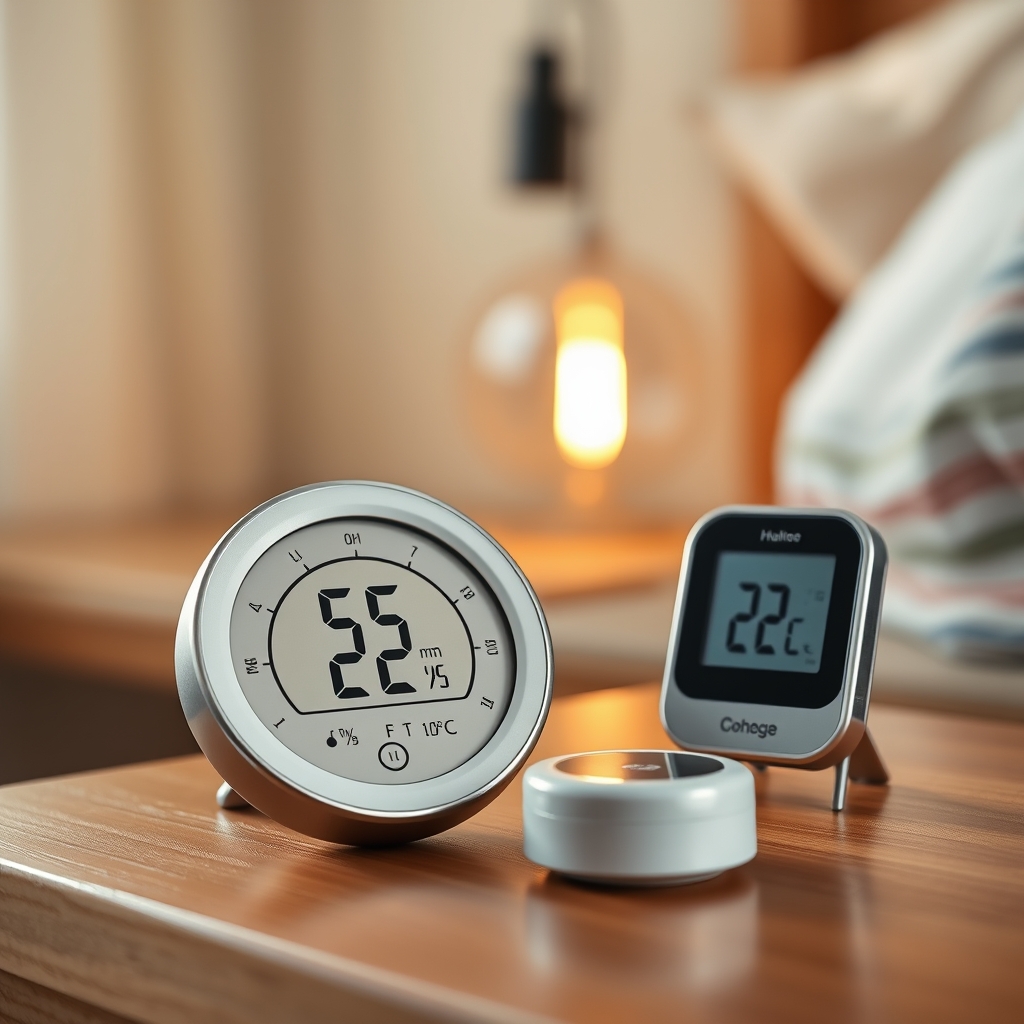
Accurate measurement tools make the difference between a helpful home remedy and a risky one. A digital hygrometer, which measures relative humidity, is inexpensive and can be placed on a nightstand. Aim for 30–40 % humidity in the child’s room; the NHS advises that levels above 60 % can promote mold growth, while levels below 30 % may dry out airway linings.
Pair the hygrometer with a simple indoor thermometer. If you’re using cold‑air therapy, ensure the room temperature stays above 20 °C (68 °F) after the window is closed, to avoid chilling the child. Many smartphone apps now integrate both humidity and temperature sensors, offering alerts when conditions drift out of the safe range.
For families who prefer a humidifier, choose a cool‑mist model and verify that it meets FDA standards for medical devices (Class II). Clean the unit according to the manufacturer’s schedule—usually every 3 days—to prevent bacterial buildup. A well‑maintained humidifier can provide consistent comfort without the fire‑hazard risk associated with hot‑steam units.
Monitoring humidity and temperature helps you keep the environment just right for a croup‑afflicted child.
When to consider hospital observation
Most children with croup can be managed at home, but certain red flags merit a brief stay in the hospital for closer monitoring. According to AAP guidelines, admission is advised if any of the following are present:
Persistent stridor at rest or worsening retractions despite initial therapy.
Oxygen saturation consistently below 94 % on room air.
Inability to maintain hydration because the child refuses fluids.
Rapid progression of symptoms within a few hours.
In the hospital setting, clinicians can administer nebulized epinephrine and observe the child for the medication’s 2‑hour effect window. If the child stabilizes, a single dose of oral dexamethasone may be given before discharge, often allowing families to return home the same day. The presence of a pulse oximeter and a trained nursing staff makes this observation safe and effective.
When you’re deciding whether to head to the ER, use the “Croup Home or Hospital” calculator linked earlier. It asks for key data points—stridor presence, retractions, fever, and oxygen level—and gives a clear recommendation based on the latest AAP algorithm.
Combining steam and cold air: does a hybrid approach work?
Some parents wonder if alternating steam and cold‑air sessions could give the best of both worlds. The idea is to use a brief steam exposure for comfort, then follow with a short burst of cool air to trigger vasoconstriction. Small observational studies have noted that children who receive both treatments in succession often report a “double‑relief” feeling, but the data are anecdotal and not backed by randomized trials.
Because each method is low‑risk on its own, a combined approach can be tried safely—provided you keep steam sessions under 15 minutes, maintain a safe distance from hot water, and limit cold‑air exposure to no more than 5 minutes at a time. Always watch for worsening breathing or a drop in temperature, and be ready to stop the regimen if the child becomes uncomfortable.
Monitoring tools: using a pulse oximeter at home
A pulse oximeter is a small, fingertip‑sized device that measures blood‑oxygen saturation (SpO₂). For croup, an SpO₂ ≥ 94 % on room air is generally reassuring, while values below that threshold suggest the need for medical evaluation. Many parents find that a simple, clip‑on oximeter gives quick, objective data, reducing anxiety during a night‑time flare.
When using an oximeter, ensure the sensor fits snugly on the child’s fingertip or toe, and avoid cold extremities that can give falsely low readings. Record the number in your symptom diary alongside cough and stridor notes. If you notice a persistent drop below 94 % or a rapid decline, call your pediatrician immediately.
🔢 Ready to crunch your numbers? Use our Croup Home or Hospital for a personalized result in seconds.
Myth vs. fact
Myth: Steam will dissolve airway swelling and cure croup.
Fact: Warm moisture can soothe the throat but does not reduce the underlying inflammation that causes stridor. Clinical trials have not shown steam to shorten the illness.
Myth: Cold air will make the child catch a chill and worsen the infection.
Fact: Brief exposure to cool, dry air can temporarily reduce airway swelling without causing a chill, provided the exposure is limited to a few minutes and the child is kept warm afterward.
Myth: If a baby looks fine between coughs, no treatment is needed.
Fact: Even mild croup can progress rapidly; watch for signs of increased work of breathing, persistent stridor at rest, or a drop in oxygen saturation—these warrant medical evaluation.
Key takeaways
Cold night air usually provides faster relief for mild‑to‑moderate croup than steam.
Steam can be comforting but carries burn risks and lacks strong evidence for reducing airway swelling.
Use a cool‑mist humidifier (30–40 % humidity) if you prefer steam, keeping it at least 3 feet from the child.
Open a window for 5–10 minutes or take a short cool‑air walk; dress the child warmly afterward.
Watch for red‑flag symptoms—persistent stridor at rest, retractions, or oxygen saturation < 94 %—and seek care immediately.
Steroids (oral dexamethasone) and nebulized epinephrine are the proven medical treatments for moderate‑to‑severe croup.
Frequently asked questions
Can steam relieve croup symptoms?
Steam can temporarily soothe a sore throat and loosen mucus, but research shows it does not significantly reduce airway swelling or shorten the illness.
Does cold night air help a child with croup?
Yes—brief exposure to cool air often eases stridor within minutes by causing mild vasoconstriction that lessens airway edema.
Is it safe to use a humidifier for a baby with croup?
Using a cool‑mist humidifier set to 30–40 % humidity is safe; avoid hot‑steam devices and keep the unit out of the child’s reach to prevent burns.
What home remedies work best for croup?
The most effective low‑risk remedies are short bursts of cool night air and ensuring the child stays hydrated and rested; steam may be added for comfort if safety precautions are followed.
When should I seek medical care for croup?
Call your pediatrician or go to the emergency department if the child has stridor at rest, shows chest retractions, has a fever above 38.5 °C (101.3 °F), or if oxygen saturation falls below 94 %.
How long does croup usually last in children?
Typical croup resolves in 3–5 days, with the barky cough sometimes lingering for up to two weeks; most children feel significantly better by the third night.
Can I give my child a fever reducer while using steam or cold air?
Yes—acetaminophen or ibuprofen can be used to manage fever and discomfort, but they do not treat the airway inflammation itself. Always follow dosing instructions on the label or from your pediatrician.
Is a warm‑mist humidifier better than a cool‑mist one for croup?
Current guidelines from the NHS and FDA recommend cool‑mist humidifiers for children because they avoid the burn risk associated with warm‑mist units. Warm‑mist devices have not shown additional benefit for croup and may increase the chance of overheating.
Should I wrap my child in a blanket during a cold‑air session?
Yes—keeping the child snug in a sleep sack or light blanket helps prevent the brief cool‑air exposure from turning into a chill. Make sure the blanket isn’t too heavy, which could restrict movement or breathing.
How do I know steroids are working?
Improvement typically begins within a few hours after the first dose of dexamethasone, with reduced stridor and a calmer cough. If symptoms stay the same or worsen after 12‑24 hours, contact your provider.
When to call your doctor
If you notice any of the following, seek medical attention right away: persistent stridor at rest, chest or neck retractions, rapid breathing (more than 60 breaths per minute for infants), bluish lips or skin, fever above 38.5 °C (101.3 °F) that does not improve, or a drop in oxygen saturation below 94 %.
This article is for informational purposes only and does not replace personalized medical advice. Always discuss your child’s symptoms with a qualified healthcare provider.
References
American Academy of Pediatrics. “Management of Croup.” Clinical Report, 2020.
Centers for Disease Control and Prevention. “Croup (Laryngotracheobronchitis) – Clinical Guidance,” 2022.
National Health Service (UK). “Croup in Children: Home Care and When to Seek Help,” 2021.
American College of Obstetricians and Gynecologists. “Guidelines for Pregnant Women with Respiratory Illnesses,” 2021.
World Health Organization. “Acute Respiratory Infections in Children: Fact Sheet,” 2020.
Mayo Clinic. “Croup (Laryngotracheobronchitis) – Symptoms and Treatment,” 2023.
Food and Drug Administration. “Medical Device Regulations for Humidifiers,” 2022.
National Institute for Health and Care Excellence (NICE). “Guidance on Managing Acute Respiratory Infections in Children,” 2021.
Not sure about the label on Steam Vs Cold Air For Croup What Actually Helps products?
Snap the ingredients list and SafeFilter checks every ingredient for your stage — only 3 free scans this month, then you're locked until reset. Unlimited from $7/mo or $50/yr.
When Shubhra Mishra was expecting her first child in 2016, she was overwhelmed by conflicting food advice — one site said yes, another said never. By the time her second baby arrived in 2019, she realized millions of mothers face the same confusion.
That sparked a five-year journey through clinical nutrition papers, cultural diets, and expert conversations — all leading to BumpBites: a calm, compassionate space where science meets everyday motherhood.
Her long-term vision is to build a global community ensuring safe, supported, and free deliveriesfor every mother — because no woman should face pregnancy alone or uninformed. 🌿
🌍 Stand with mothers, shape safer guidance
Join a small circle of experts who review BumpBites articles so expecting parents everywhere can decide with confidence.