SpO2 targets in NRP are 85‑95% pre‑ductal for the first 10 minutes; then titrate oxygen step‑by‑step to keep levels safe and avoid hypoxia or hyperoxia.
By Shubhra Mishra — a mom of two who turned her own confusion during pregnancy into BumpBites, a global mission to make food choices clear, safe, and stress-free for every expecting mother. 💛
Check whether any food is safe during pregnancy with the BumpBites Food Safety Checker.
Quick take: In newborn resuscitation, aim for pre‑ductal SpO₂ values that rise from about 60 % in the first minute to 85‑95 % by ten minutes of life. Use a pulse‑oximeter on a well‑perfused hand or foot, adjust the fraction of inspired oxygen (FiO₂) in 5‑10 % steps, and keep a close eye on the trend rather than a single reading.
It’s 2 a.m., you’ve just helped deliver your first child, and the monitor is flashing a low oxygen saturation. Your mind races: “Is this normal? Should I be giving more oxygen?” You’re not alone—many new parents face that exact moment of uncertainty during the first minutes after birth. The good news is that clinicians follow clear, evidence‑based SpO₂ targets in the Neonatal Resuscitation Program (NRP), and you can understand those targets even if you’re not a medical professional.
🔢 Calculate it for your situation: Use our NRP Resuscitation Algorithm for a personalized result in seconds.
This article walks you through why SpO₂ matters, how pre‑ductal monitoring differs from post‑ductal, what the normal ranges are for term and preterm infants, and step‑by‑step guidance on titrating oxygen. We’ll also share best‑practice tips, common pitfalls, and a quick reference you can keep by the bedside. By the end, you’ll feel more confident interpreting the numbers on the monitor and knowing when to trust the team or raise a concern.
Why SpO₂ matters in newborn resuscitation
Oxygen saturation (SpO₂) is the percentage of hemoglobin bound to oxygen, displayed as a number on the pulse‑oximeter. In the first minutes after birth, the newborn’s lungs are transitioning from fluid‑filled to air‑filled, and the heart must quickly adapt to a higher oxygen demand. Too little oxygen can lead to hypoxic‑ischemic injury, while too much can generate oxidative stress and damage fragile tissues, especially in preterm infants. The NRP uses SpO₂ targets to strike a balance, guiding providers when to increase, maintain, or wean supplemental oxygen.
Guidelines from the American Academy of Pediatrics (AAP) and the American College of Obstetricians and Gynecologists (ACOG) emphasize that SpO₂ trends are more informative than a single snapshot. A steady rise toward the target range signals a successful transition, whereas a plateau or decline prompts a reassessment of ventilation technique, airway patency, or oxygen concentration. Understanding these targets empowers families to ask informed questions and helps clinicians communicate the plan clearly.
Beyond the immediate resuscitation window, early oxygen exposure has long‑term implications. Studies cited by the FDA’s medical device accuracy guidance note that neonatal oxidative stress correlates with later neurodevelopmental outcomes, reinforcing the need for precise titration. In other words, getting the SpO₂ “just right” in those first ten minutes can set the stage for healthier growth down the road.
Another layer of importance comes from the growing body of research linking early hyperoxia to retinopathy of prematurity (ROP). The NICE guidance on neonatal oxygen therapy highlights that even modest overshoot of SpO₂ can increase ROP risk, especially in infants under 32 weeks. This reinforces why the NRP recommends the lowest FiO₂ that still meets the target range.
Pre‑ductal vs post‑ductal monitoring: what’s the difference?
Newbo
rns have a unique circulatory shortcut called the ductus arteriosus that bypasses the lungs. Pre‑ductal measurements are taken before this shunt—typically on the right hand or wrist—while post‑ductal readings come from a foot or lower‑leg site. Because the pre‑ductal site reflects oxygen coming directly from the heart before it mixes with blood returning from the placenta, it provides a more accurate picture of the infant’s true arterial oxygenation during the first minutes of life.
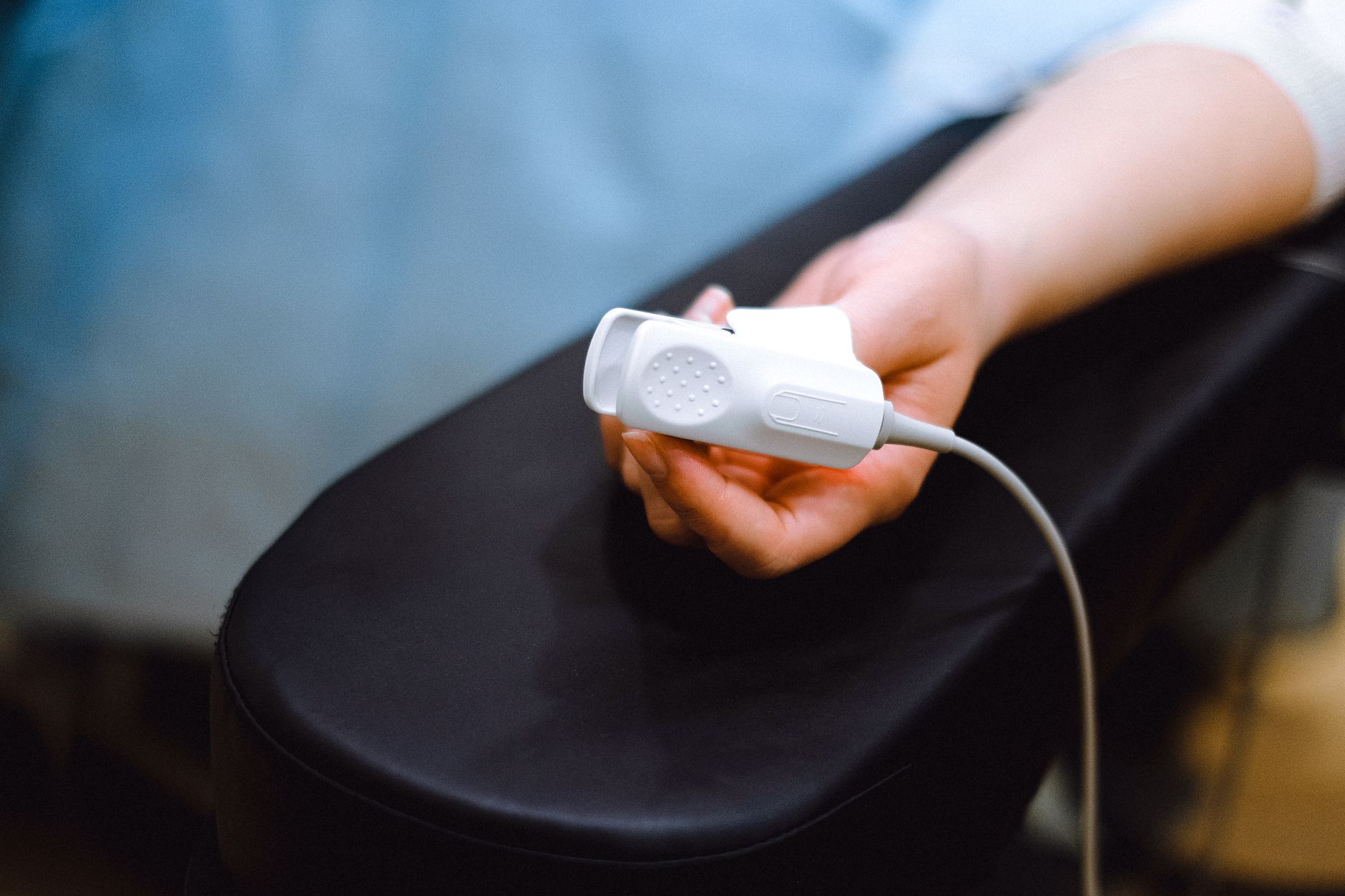
In practice, most NRP teams place the sensor on the right hand’s index finger, ensuring the probe is snug but not too tight. Post‑ductal readings can be lower or lag behind the pre‑ductal values, especially if the ductus is still open. That’s why the NRP recommends relying on pre‑ductal SpO₂ for decision‑making, using post‑ductal numbers only as a secondary check once the ductus begins to close (usually after the first 10–15 minutes). This distinction helps avoid unnecessary oxygen escalation based on falsely low post‑ductal readings.
When the ductus does close, post‑ductal values converge with pre‑ductal ones, and clinicians may switch to a combined approach for ongoing monitoring on the neonatal unit. The NHS neonatal guidelines stress that this transition should be documented, because a sudden change in SpO₂ after ductal closure can indicate evolving pulmonary or cardiac issues.
Pre‑ductal placement on the right hand gives the most reliable oxygen reading during resuscitation.
Normal SpO₂ ranges for term and preterm newborns
Normal SpO₂ values evolve rapidly after birth. For term infants (≥ 37 weeks), the NRP 2020 guidelines suggest the following targets:
1 minute: 60 % ± 10 %
2 minutes: 65 % ± 10 %
3 minutes: 70 % ± 10 %
4 minutes: 75 % ± 10 %
5 minutes: 80 % ± 10 %
10 minutes: 85‑95 %
Preterm infants (< 35 weeks gestation) follow a similar trajectory but often start lower and may require a slower climb to avoid oxidative injury. The European Consensus Guidelines (2021) recommend a target of 85‑95 % by 10 minutes, emphasizing that the ascent should be gradual, with FiO₂ adjustments made in 5‑10 % increments.
These ranges are not rigid cut‑offs; they are goals that guide clinicians. A reading that briefly dips below the range but quickly rebounds is usually acceptable, whereas a sustained plateau below the target warrants a reassessment of ventilation and oxygen delivery. The ACOG Committee Opinion on neonatal resuscitation notes that variability is normal, especially in infants born via cesarean section or after a prolonged labor.
For extremely low‑birth‑weight infants (< 1000 g), some centers aim for a slightly more conservative upper limit (≤ 92 %) to minimize the risk of retinopathy of prematurity, as outlined in the NICE guidance on neonatal oxygen therapy.
It is also worth noting that SpO₂ targets may be adjusted for infants with specific conditions, such as congenital heart disease or severe pulmonary hypertension, where clinicians may accept lower saturations temporarily while addressing the underlying pathology.
NRP guidelines for SpO₂ targets and timing
The NRP algorithm integrates SpO₂ targets with heart‑rate monitoring. The key steps are:
Establish effective ventilation within the first 30 seconds.
Check heart rate; if < 100 bpm, continue positive‑pressure ventilation (PPV) and assess chest rise.
Apply the pulse‑oximeter pre‑ductally as soon as the infant is stable enough for the sensor to register.
Observe the SpO₂ trend. If the value is below the minute‑specific target, increase FiO₂ by 5‑10 %.
Re‑evaluate SpO₂ every 30‑60 seconds until the target range is reached.
Once the 85‑95 % range is achieved and maintained for 2‑3 minutes, consider weaning FiO₂ in 5 % steps while monitoring the trend.
These steps are echoed in the World Health Organization (WHO) 2022 newborn care guidelines, which stress that oxygen should be titrated to the lowest FiO₂ that achieves the SpO₂ target, minimizing exposure to hyperoxia. The algorithm also highlights that if SpO₂ fails to improve despite FiO₂ increases, clinicians should look for other causes—such as airway obstruction, equipment malfunction, or underlying cardiac issues.
The FDA’s 2022 guidance on pulse‑oximeter accuracy for neonates recommends confirming a stable signal before acting on a reading, especially in the first few minutes when peripheral perfusion may be variable. This aligns with the NRP’s emphasis on trend‑based decision‑making rather than a single number.
In addition, the AAP’s recent update on neonatal resuscitation emphasizes that documentation of each FiO₂ adjustment and corresponding SpO₂ reading should be part of the newborn’s delivery record. This creates a clear audit trail and helps the NICU team continue the appropriate oxygen strategy after the delivery room.
Titrating oxygen: a step‑by‑step guide
Below is a practical titration chart you can reference during the first ten minutes. Remember that each infant is unique; use the chart as a framework, not a hard rule.
Minute of life
Target SpO₂
Typical FiO₂ start
Adjustment step
1
≈60 %
0.21 (room air)
Increase to 0.30 if < 55 %
2–3
65‑70 %
0.30‑0.40
Increase by 0.05‑0.10 if below target
4–5
75‑80 %
0.40‑0.50
Increase by 0.05 if < 70 %
6–10
85‑95 %
0.50‑0.60 (may be higher for preterms)
Decrease by 0.05 once > 90 % sustained
When you increase FiO₂, wait 30‑60 seconds before reassessing the SpO₂ because the sensor needs time to register the change. If the value climbs into the target range, hold the FiO₂ for another 2‑3 minutes before attempting a wean. The NRP Resuscitation Algorithm includes a built‑in calculator that lets you input your infant’s gestational age and current SpO₂, outputting the recommended FiO₂ step in real time.
For preterm infants, the same table applies, but you should be especially cautious about rapid FiO₂ jumps. The Neonatal Resuscitation Program (2021 update) advises a maximum FiO₂ of 0.40 for infants under 28 weeks until they reach 85 % SpO₂, then a slower wean. The NICU at the Royal College of Obstetricians and Gynaecologists (RCOG) recommends confirming arterial blood gases if FiO₂ exceeds 0.70 to ensure the infant is not developing hyperoxia‑related complications.
Some units also use blended oxygen sources that allow fine‑tuned FiO₂ adjustments in 1‑2 % increments, which can be especially helpful for fragile preterm infants where even small changes matter.
Best practices for reliable SpO₂ monitoring
Accurate readings start with proper sensor placement. Ensure the probe is clean, free of gel residue, and positioned on a well‑perfused digit—usually the right hand for pre‑ductal measurements. Warm the infant’s extremities with a blanket or radiant warmer; cold hands can cause vasoconstriction and falsely low readings.
Signal quality matters. Most modern pulse‑oximeters display a “signal‑strength” bar; aim for a strong, steady waveform before making clinical decisions. If the signal fluctuates, gently reposition the sensor, check for motion artifacts, and verify that the probe’s light source is not obstructed by umbilical clamps or dressings.
Document the exact time each reading is taken. In research settings, this is critical, but even in everyday practice, noting the minute of life helps the team track whether the infant is following the expected SpO₂ trajectory. Pair the SpO₂ trend with heart‑rate data; a rising SpO₂ without an improving heart rate may indicate a different problem, such as inadequate ventilation.
Finally, calibrate the device according to the manufacturer’s recommendations. The FDA requires that neonatal pulse‑oximeters be calibrated at least annually, and many hospitals follow a weekly “quick‑check” protocol to ensure the sensor’s accuracy before each shift.
Keeping the infant warm improves peripheral perfusion and yields more reliable SpO₂ readings.
Common challenges and troubleshooting tips
Even with perfect technique, you may encounter low or erratic SpO₂ values. Common culprits include:
Motion artifact: Newborns can wiggle, causing the sensor to lose contact. Gently secure the probe with a soft wrap or tape, but avoid excessive pressure.
Ambient light interference: Bright operating‑room lights can bleed into the sensor’s photodetector. Position the sensor away from direct light sources, or use a shield if available.
Delayed sensor startup: Some devices need up to 30 seconds to calibrate. Initiate the sensor as early as possible, but don’t rely on the first reading—wait for a stable waveform.
Ductal shunting: If the ductus remains open, post‑ductal values may lag. Stick with pre‑ductal measurements until the baby’s circulation stabilizes.
If you’ve tried repositioning and warming without improvement, alert the resuscitation team. Persistent low SpO₂ despite FiO₂ of 0.60 may signal underlying lung pathology (e.g., surfactant deficiency) that requires surfactant therapy or advanced ventilation. In such cases, a rapid bedside echocardiogram can help differentiate pulmonary from cardiac causes.
Another frequent issue is sensor saturation with blood or amniotic fluid. Wipe the sensor tip with a sterile gauze and re‑apply. The NHS neonatal protocol advises replacing the sensor if cleaning does not restore a clear signal within a minute.
From our medical team: The goal is to keep the newborn’s oxygen level on a gentle upward curve, not to chase a single number. If the SpO₂ isn’t rising as expected, focus first on ventilation quality, then adjust FiO₂ in small steps. Always consider the whole clinical picture—heart rate, color, respiratory effort, and capillary refill—before making a decision.
Understanding the ductus arteriosus and its impact on SpO₂
The ductus arteriosus is a fetal blood vessel that connects the pulmonary artery to the aorta, allowing blood to bypass the lungs before birth. After the first breaths, the ductus normally begins to constrict, usually within the first 24‑48 hours. While it remains open, oxygen‑rich blood from the right hand (pre‑ductal) can differ from blood returning from the lower extremities (post‑ductal), creating the “pre‑ vs post‑ductal” discrepancy described earlier.
In premature infants, the ductus may stay patent longer, especially if they are exposed to high oxygen concentrations. The AAP notes that excessive FiO₂ can delay ductal closure, which in turn can affect systemic oxygen delivery and increase the risk of a patent ductus arteriosus (PDA). This is another reason why the NRP advocates using the lowest effective FiO₂—maintaining the balance between adequate oxygenation and normal ductal physiology.
If a PDA persists beyond the first few days, neonatologists may use pharmacologic agents such as indomethacin or ibuprofen to promote closure. However, during the immediate resuscitation phase, the focus remains on rapid, accurate SpO₂ monitoring to guide oxygen therapy while the ductus is still transitioning.
Complementary clinical signs: color, capillary refill, and heart rate
SpO₂ is a powerful tool, but it’s only one piece of the newborn assessment puzzle. Clinical signs such as skin color, capillary refill time, and heart rate provide immediate, bedside clues that can confirm or question the pulse‑oximeter’s reading.
A pink, well‑perfused infant with a brisk capillary refill (< 2 seconds) usually correlates with an SpO₂ in the target range, even if the numeric value is slightly low. Conversely, persistent cyanosis of the lips or extremities, especially when capillary refill is prolonged, should prompt a rapid reassessment of ventilation before increasing FiO₂.
The ACOG Committee Opinion advises that clinicians should “integrate pulse‑oximetry with clinical observation” because motion artifacts or sensor misplacement can produce misleading numbers. In practice, a quick “skin‑check” can be performed every 30 seconds alongside SpO₂ trending, giving the team a holistic view of the infant’s oxygenation status.
Special considerations for meconium aspiration and congenital heart disease
Meconium‑stained amniotic fluid (MSAF) occurs in about 10‑15 % of term births and can lead to meconium aspiration syndrome (MAS). In MAS, airway obstruction and inflammation can cause sudden drops in SpO₂ despite high FiO₂. The NRP recommends immediate suctioning and, if needed, positive‑pressure ventilation with higher initial FiO₂ (up to 0.60) while closely monitoring the SpO₂ trend.
Infants with known congenital heart defects (CHD) may have atypical SpO₂ patterns. For example, a baby with a transposition of the great arteries may present with low pre‑ductal SpO₂ that does not improve with standard FiO₂ adjustments. In such cases, the AAP suggests early involvement of pediatric cardiology and the use of prostaglandin E1 to maintain ductal patency until definitive surgical repair.
Both MAS and CHD underscore the importance of not relying solely on SpO₂ numbers. A multidisciplinary approach—combining respiratory therapy, cardiology, and neonatology—ensures that oxygen titration is part of a broader, condition‑specific strategy.
Equipment and device selection for accurate SpO₂ measurement
Not all pulse‑oximeters are created equal. Devices designed specifically for neonates have smaller light emitters and detectors that can capture the thin skin and low perfusion of a newborn’s hand. The FDA’s 2022 guidance highlights that neonatal‑specific sensors must meet stricter accuracy standards (±2 % at SpO₂ ≥ 90 %) compared with adult devices.
When choosing equipment, look for models that offer a built‑in warming function or a heated sensor tip, which helps maintain peripheral perfusion in the first few minutes after birth. Some manufacturers also provide a “motion‑reduction” algorithm that filters out false readings caused by infant movement.
Hospitals typically perform a daily “sensor check” where a test infant (or a simulator) is used to verify that the device displays accurate SpO₂ values across the expected range. If a unit does not have a dedicated neonatal pulse‑oximeter, clinicians should be especially vigilant about cross‑checking readings with clinical signs and arterial blood gases when available.
Transitioning from resuscitation to NICU care: maintaining targets
Once the newborn stabilizes and is transferred to the NICU, the focus shifts from rapid titration to maintaining a steady SpO₂ within the target range. Continuous monitoring is usually achieved with a bedside monitor that records SpO₂, heart rate, and respiratory rate simultaneously. The NICU team will often set an alarm band (e.g., 85‑95 %) to alert staff if the saturation drifts outside the desired window.
During this transition, it’s crucial to document the final FiO₂ used in the delivery room and the infant’s SpO₂ trend. This handoff information allows NICU nurses to continue the same oxygen strategy without abrupt changes that could destabilize the baby. The AAP’s guideline on neonatal transition recommends a “quiet handoff” where the delivering provider briefly reviews the SpO₂ trajectory, FiO₂ adjustments, and any complications encountered.
For preterm infants, many NICUs employ a blended oxygen system that can fine‑tune FiO₂ in 1‑2 % increments, helping to keep SpO₂ within a tighter band (often 90‑95 %). Ongoing audits of SpO₂ data have shown that tighter control reduces the incidence of both hypoxia‑related brain injury and hyperoxia‑related retinopathy, reinforcing the importance of careful monitoring beyond the first ten minutes.
After resuscitation, continuous monitoring helps keep SpO₂ within target ranges as the infant transitions to the NICU.
Myth: “All newborns should receive 100 % oxygen right after birth.”
Fact: Current NRP and WHO guidance recommends starting with room air (21 % FiO₂) for most term infants and only increasing oxygen in small increments if SpO₂ targets are not met. Routine high‑dose oxygen can cause oxidative stress, especially in preterm babies.
Myth: “Post‑ductal SpO₂ is as reliable as pre‑ductal.”
Fact: Pre‑ductal measurements reflect arterial oxygen before the ductus arteriosus mixes blood, providing a truer picture of systemic oxygenation during the first minutes. Post‑ductal values can be misleading while the ductus remains open.
Myth: “If the SpO₂ is low, giving more oxygen will always fix it.”
Fact: Low SpO₂ can result from inadequate ventilation, airway obstruction, or equipment issues. Oxygen alone won’t correct hypoxia unless the underlying cause is addressed first.
Key takeaways
Target pre‑ductal SpO₂: ~60 % at 1 min, rising to 85‑95 % by 10 min.
Use the right hand for pre‑ductal monitoring; keep the sensor warm and snug.
Adjust FiO₂ in 5‑10 % steps, waiting 30‑60 seconds between changes.
Follow the NRP algorithm: prioritize ventilation quality before increasing oxygen.
Watch for motion artifacts, ambient light, and delayed sensor start‑up.
If SpO₂ stays low despite FiO₂ ≥ 0.60, alert the team—consider surfactant or advanced support.
Integrate clinical signs like skin color and capillary refill with SpO₂ trends.
Be mindful of special situations such as meconium aspiration or congenital heart disease, which may require tailored oxygen strategies.
Select neonatal‑specific pulse‑oximeters and verify accuracy before each shift.
Document FiO₂ and SpO₂ trends during handoff to the NICU to maintain continuity of care.
Frequently asked questions
What is the normal SpO₂ range for newborns?
The typical trajectory is about 60 % at 1 minute, rising 5‑10 % each subsequent minute, and reaching 85‑95 % by ten minutes of life. These values apply to both term and preterm infants, though preterms may climb more slowly.
How do I monitor SpO₂ in newborn resuscitation?
Place a pulse‑oximeter sensor on the infant’s right hand (pre‑ductal), ensure the probe is warm and snug, and wait for a stable waveform before reading. Record the reading at each minute mark and adjust FiO₂ in small increments based on the target chart.
What are the SpO₂ targets for preterm infants in NRP?
Preterm infants (< 35 weeks) aim for the same 85‑95 % range by ten minutes, but the rise should be gradual. Start with lower FiO₂ (often 0.30‑0.40) and increase in 5‑10 % steps, avoiding rapid jumps that could cause oxidative injury.
What is pre‑ductal SpO₂ monitoring and how is it used?
Pre‑ductal monitoring measures oxygen saturation in a digit before the ductus arteriosus, typically the right hand. It provides a more accurate assessment of systemic oxygenation during the first minutes after birth, guiding oxygen titration in the NRP algorithm.
How do I titrate oxygen therapy based on SpO₂ levels in newborns?
Begin with room air, check the SpO₂ at each minute, and if the value is below the target, increase FiO₂ by 5‑10 %. Reassess after 30‑60 seconds; once the target is reached, hold the FiO₂ for a few minutes before weaning in 5 % steps while monitoring trends.
What are the NRP guidelines for SpO₂ targets in newborn resuscitation?
The NRP recommends pre‑ductal SpO₂ targets that rise from ~60 % at 1 minute to 85‑95 % by ten minutes. The algorithm stresses effective ventilation first, then incremental FiO₂ adjustments, and emphasizes using the lowest FiO₂ that achieves the target to avoid hyperoxia.
Can I use a smartphone app to track SpO₂ during resuscitation?
While some apps display pulse‑oximeter data, most are not validated for neonatal use. The FDA advises that only FDA‑cleared devices should be relied upon for clinical decision‑making. For accurate monitoring, stick with hospital‑grade pulse‑oximeters and the NRP algorithm.
What should I do if the SpO₂ reading fluctuates rapidly?
Rapid fluctuations often stem from motion artifact or poor sensor contact. Gently reposition the probe, warm the limb, and check for ambient light interference. If the signal remains unstable after these steps, inform the resuscitation team so they can verify equipment function.
How do I know when it’s safe to wean oxygen after the first ten minutes?
Once SpO₂ consistently stays above 90 % for 2‑3 minutes and the infant shows stable heart rate, color, and respiratory effort, most guidelines suggest a gradual FiO₂ reduction in 5 % steps. Continue to monitor the trend; if SpO₂ drops below 85 %, pause the wean and reassess ventilation.
Is it normal for a newborn to have a brief dip in SpO₂ after a brief pause in ventilation?
Yes. Small, transient dips are common, especially if the infant briefly loses chest rise. As long as the saturation rebounds quickly and the overall trend remains upward, this is usually not a cause for alarm. Persistent or prolonged low values, however, require immediate evaluation.
When to call your doctor
If the newborn’s SpO₂ remains below 60 % after 5 minutes of effective ventilation, or if it drops despite FiO₂ ≥ 0.60, contact your pediatric provider immediately. Also call if you notice persistent cyanosis, poor chest rise, heart rate < 100 bpm, or any sudden change in color or breathing. This article is for informational purposes only and does not replace personalized medical advice.
References
American Academy of Pediatrics. Neonatal Resuscitation Program (NRP) 2020 Guidelines.
World Health Organization. Newborn care: early essential newborn care. 2022.
American College of Obstetricians and Gynecologists (ACOG). Committee Opinion on Neonatal Resuscitation. 2021.
European Consensus Guidelines on the Management of Preterm Birth. 2021.
National Institute for Health and Care Excellence (NICE). Oxygen therapy in newborns. Updated 2023.
Centers for Disease Control and Prevention (CDC). Guidelines for Neonatal Care. 2022.
Mayo Clinic. Pulse oximetry in newborns: what the numbers mean. 2023.
Royal College of Obstetricians and Gynaecologists (RCOG). Care of the newborn: monitoring and assessment. 2022.
International Liaison Committee on Resuscitation (ILCOR). 2020 Consensus on Neonatal Resuscitation. 2020.
National Health Service (NHS). Oxygen therapy in newborns. 2023.
U.S. Food and Drug Administration (FDA). Guidance for Industry: Pulse Oximeter Accuracy for Neonates. 2022.
American Academy of Pediatrics. Clinical practice guideline: management of patent ductus arteriosus. 2021.
American Academy of Pediatrics. Neonatal Resuscitation Program (NRP) 2021 Update – equipment and FiO₂ titration recommendations.
British Paediatric Association. Guidelines for neonatal monitoring and handoff communication. 2022.
When Shubhra Mishra was expecting her first child in 2016, she was overwhelmed by conflicting food advice — one site said yes, another said never. By the time her second baby arrived in 2019, she realized millions of mothers face the same confusion.
That sparked a five-year journey through clinical nutrition papers, cultural diets, and expert conversations — all leading to BumpBites: a calm, compassionate space where science meets everyday motherhood.
Her long-term vision is to build a global community ensuring safe, supported, and free deliveriesfor every mother — because no woman should face pregnancy alone or uninformed. 🌿
🌍 Stand with mothers, shape safer guidance
Join a small circle of experts who review BumpBites articles so expecting parents everywhere can decide with confidence.