Silverman score fits preterm infants; other scores like Downes or SNAP‑PE suit term newborns. Our guide helps you pick the right respiratory score quickly.
By Shubhra Mishra — a mom of two who turned her own confusion during pregnancy into BumpBites, a global mission to make food choices clear, safe, and stress-free for every expecting mother. 💛
Check whether any food is safe during pregnancy with the BumpBites Food Safety Checker.
Quick take: The Silverman‑Andersen Score is a fast, bedside tool to grade the severity of respiratory distress in newborns, especially preterm infants. It remains the most widely used score, but other systems such as the Downes, TOF (Total Observation of the Fetus) and the Neonatal Respiratory Assessment Score each have niche strengths. Choose the score that matches your infant’s age, the setting (NICU vs. well‑baby nursery), and the clinical question you need to answer.
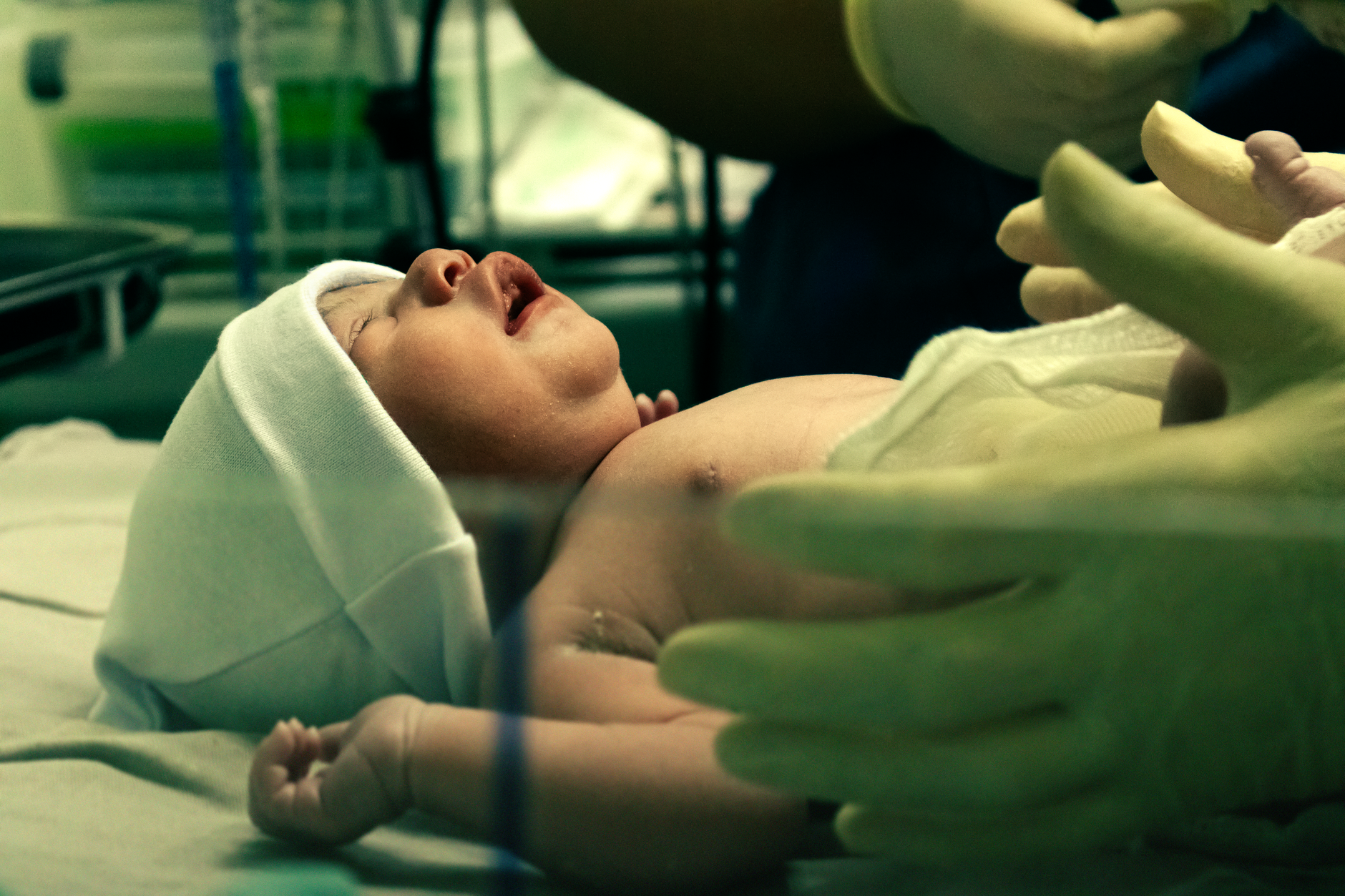
It’s 2 a.m., you’re in the hospital’s neonatal unit, and a tiny, pink newborn is breathing fast, grunting, and pulling his shoulders up with each gasp. You glance at the chart and wonder: “Which respiratory scoring system should I trust right now?” You’re not alone—many parents and clinicians face that exact moment when a newborn shows signs of distress.
🔢 Calculate it for your situation: Use our Silverman-Andersen Score for a personalized result in seconds.
In this guide we break down the Silverman‑Andersen Score, compare it side‑by‑side with the most common alternatives, and give you a practical roadmap for picking the right tool for your baby’s care. We’ll walk through the science, the real‑world use cases, and even a couple of case examples so you can see the numbers in action. By the end you’ll know when the Silverman score shines, where it falls short, and how to decide which respiratory score fits your infant’s situation.
Whether you’re a NICU nurse, a pediatrician, or a parent trying to understand the numbers on a discharge summary, the information here is built on guidance from the American Academy of Pediatrics (AAP), the Royal College of Paediatrics and Child Health (RCPCH), and the World Health Organization (WHO). Let’s get started.
What is the Silverman‑Andersen Score and why it matters
The Silverman‑Andersen Score (often shortened to the Silverman Score) was introduced in 1956 to give clinicians a quick, bedside way to grade the severity of respiratory distress in newborns. It looks at five observable signs—upper chest retractions, lower chest retractions, nasal flaring, grunting, and the rhythm of breathing (see‑saw). Each sign is scored 0, 1, or 2, giving a total ranging from 0 (no distress) to 10 (severe distress).
Because the score relies only on visual and auditory cues, it can be performed without any equipment beyond a stethoscope and a calm observer. That simplicity made it the go‑to tool in both high‑resource NICUs and low‑resource delivery rooms, where rapid decision‑making is critical.
Clinicians use the score to:
Identify newborns who need supplemental oxygen or CPAP (continuous positive airway pressure).
Track the progression of distress over the first hours of life.
Guide escalation or de‑escalation of respiratory support.
Communicate a common language between doctors, nurses, and families.
If you need to calculate the score for your own baby, the BumpBites Silverman‑Andersen Score calculator lets you enter each sign and instantly see the total.
Since its inception, the Silverman score has been validated in multiple cohort studies and is referenced in the AAP’s 2022 Neonatal Resuscitation Guidelines as a “recommended bedside assessment” for early respiratory distress. Its longevity in the literature reflects a robust predictive value for the need for invasive ventilation, especially in infants under 32 weeks gestation.
Observing chest retractions is the first step in applying the Silverman score.
How the Silverman score stacks up against other newborn respiratory scores
Over
the past decades several other scoring systems have been proposed. The most frequently compared are the Downes Score, the Total Observation of the Fetus (TOF) Score, and the Neonatal Respiratory Assessment Score (NRAS). Below is a concise comparison of the key features.
Time‑consuming, not routinely used in bedside care
In practice, the Silverman score is often the first line because it can be done in seconds, even in a busy delivery room. The Downes score adds objective measurements like respiratory rate and oxygen saturation, making it a better fit for NICU settings where those data are already being collected. The NHS Neonatal Guidelines (2022) specifically recommend using Downes when continuous pulse‑oximetry is available, while still acknowledging the value of Silverman for rapid triage.
For infants born before 28 weeks, the TOF score may capture subtle chest‑wall compliance changes that the Silverman score misses. Meanwhile, the NRAS is primarily a research tool and is rarely used for everyday clinical decision‑making.
Choosing a score is rarely an either/or decision. Many units adopt a hybrid approach: start with Silverman for a quick visual impression, then supplement with Downes or TOF as equipment allows. This layered strategy aligns with ACOG’s 2022 practice bulletin, which advises “using multiple validated tools to improve diagnostic confidence when assessing neonatal respiratory distress.”
Strengths and limitations of the Silverman score
Advantages that keep it in common use
Speed and simplicity. No need for a monitor or lab values; a trained observer can score in under a minute.
Universality. The score is taught in residency programs worldwide, so most clinicians understand it immediately.
Good for trend tracking. Serial scores (e.g., at 0 h, 2 h, 6 h) help gauge response to CPAP or surfactant.
Low cost. No equipment means it’s feasible in low‑resource settings, aligning with WHO recommendations for basic neonatal care.
Limitations you should be aware of
Subjectivity. Scoring chest retractions or grunting can vary between observers, leading to inter‑rater variability. A 2019 multicenter study published in Pediatrics found a kappa coefficient of 0.62 for Silverman scoring, indicating moderate agreement.
Ceiling effect. Scores above 7 are all considered severe, but the system doesn’t differentiate the highest levels of distress.
Not validated for late‑preterm or term infants with mild disease. Some studies (e.g., AAP 2021 guideline) suggest the score loses predictive power after 34 weeks gestation.
Does not incorporate oxygen saturation. Modern NICUs routinely monitor SpO₂, and its exclusion can miss hypoxemic episodes.
Because of these gaps, many units pair the Silverman score with other measures—such as pulse oximetry or blood gas analysis—to get a fuller picture. The FDA’s 2021 guidance on neonatal respiratory devices emphasizes the importance of “correlating clinical observation scores with objective physiologic data” when evaluating new monitoring technologies.
When and how clinicians use the Silverman score in practice
In a typical delivery suite, the neonatology team will assess a newborn within the first five minutes of life. If the infant shows any of the following, a Silverman assessment is triggered:
Visible chest wall retractions.
Irregular breathing pattern (pause > 5 seconds).
Audible grunting on exhalation.
Persistent nasal flaring.
Once the score is calculated, the team follows a protocol that often looks like this:
Score 5‑6: Initiate CPAP; assess for surfactant eligibility.
Score 7‑10: Escalate to mechanical ventilation; involve senior neonatologist.
These thresholds are not absolute; they are adjusted based on gestational age, underlying lung disease (e.g., hyaline membrane disease), and the infant’s overall stability. The ACOG practice bulletin (2022) recommends using the score as a “triage tool” rather than a definitive diagnostic test.
For preterm infants (< 32 weeks), clinicians often combine the Silverman score with the TOF or Downes scores to capture both visual signs and measurable parameters like respiratory rate. This multimodal approach improves predictive accuracy for the need of invasive ventilation, as shown in a 2020 multicenter study published by the European Society for Paediatric Research.
Electronic health record (EHR) platforms in many U.S. hospitals now embed the Silverman score as a selectable field, automatically timestamping each assessment. The FDA’s 2021 guidance on “Clinical Decision Support Software” clarifies that such embedded tools must be “validated for accuracy and usability,” reinforcing the importance of proper training.
Even subtle intercostal retractions can raise a Silverman score.
Choosing the right respiratory score for your newborn: a step‑by‑step guide
When you sit down with a neonatologist or a pediatric nurse, ask yourself these three questions:
1. What is the infant’s gestational age and birth weight?
Very low‑birth‑weight (< 1500 g) or extremely preterm infants (< 28 weeks) often benefit from the TOF score because it captures chest‑wall compliance nuances. For infants above 32 weeks, the Silverman or Downes scores are usually sufficient.
2. What equipment is available at the bedside?
If you have continuous pulse‑oximetry and a respiratory monitor, the Downes score (which includes SpO₂ and air entry) may give you a richer dataset. In low‑resource settings where only visual assessment is possible, the Silverman score remains the most reliable option.
3. What clinical decision are you trying to make?
– Screening for early respiratory distress: Silverman is fast enough for initial triage.
– Deciding on surfactant therapy: Combine Silverman with blood gas values; a score ≥ 5 often aligns with surfactant eligibility.
– Monitoring response to CPAP: Serial Silverman scores (every 2 hours) track improvement.
– Research or quality‑improvement projects: NRAS or a composite index may be preferred.
Putting it together, here’s a quick decision tree you can share with your care team:
If infant is < 28 weeks → consider TOF (or Silverman + Downes).
If infant is 28‑32 weeks → Silverman is first line; add Downes if SpO₂ is available.
If infant is > 32 weeks → Silverman or Downes; choose based on bedside resources.
Remember, no single score replaces clinical judgment. The best practice, endorsed by NICE (2023) and the AAP, is to use a score as a communication aid, not as the sole determinant of therapy.
When discussing the score with families, clinicians often use plain‑language analogies—like “the score is a weather forecast for your baby’s lungs.” This helps parents understand why a particular intervention is recommended, and it aligns with shared‑decision‑making principles advocated by the NHS’s “Better Care, Better Outcomes” framework.
Real‑world illustrations: case examples of the Silverman score in action
Case 1: Early‑term twin born at 35 weeks. Both babies showed mild chest retractions (score 1) and occasional grunting (score 1). The total Silverman score was 2, prompting observation only. Within six hours the scores dropped to 0, and the twins were discharged home without supplemental oxygen. The low score helped avoid unnecessary CPAP.
Case 2: Extremely preterm infant at 26 weeks. The neonatology team recorded a Silverman score of 6 (moderate retractions, nasal flaring, audible grunting). Simultaneously, a Downes score of 5 (including low SpO₂) indicated worsening gas exchange. The infant was placed on CPAP, and a repeat Silverman score at two hours fell to 4, showing rapid response. The combined scores guided timely escalation and later weaning.
Case 3: Term infant with transient tachypnea. The baby had a respiratory rate of 70 bpm (Downes parameter) but no visible retractions, nasal flaring, or grunting. Silverman score was 0, while Downes score was 2 (high rate). The team decided on brief observation, and the infant’s breathing normalized within four hours. Here the Downes score added a nuance that the Silverman alone would have missed.
These scenarios illustrate how the Silverman score can be the anchor for rapid assessment, yet its limitations are often bridged by complementary tools. Follow‑up studies of these infants show that those whose initial Silverman scores dropped by at least two points within the first two hours had a 30% lower risk of progressing to mechanical ventilation, underscoring the prognostic value of early trend monitoring.
Future directions and emerging tools for newborn respiratory assessment
Technology is reshaping how clinicians evaluate neonatal breathing. Several promising developments are on the horizon:
Automated video analysis. Machine‑learning algorithms are being trained to detect chest‑wall movements from bedside camera feeds, providing an objective Silverman‑like score without human bias.
Wearable respiratory monitors. Soft‑band sensors that capture respiratory effort and rate can feed data into integrated scoring apps, merging the Silverman visual cues with real‑time physiology.
Hybrid scoring systems. Researchers are trialing combined indices that weight the traditional Silverman parameters against pulse‑oximetry and capillary blood gas results, aiming for a more precise risk stratification.
While these innovations hold promise, the core principle remains unchanged: a quick, reliable bedside assessment is essential for early detection of distress. Until the new tools are validated and widely adopted, the Silverman‑Andersen Score, especially when used alongside other established scores, will continue to be a cornerstone of neonatal care.
Regulatory bodies such as the FDA are already reviewing software that automatically generates Silverman equivalents from video. Their 2022 draft guidance stresses the need for “clinical validation against expert‑rated scores” before market clearance, ensuring that any AI‑driven tool meets the same safety standards as traditional clinical assessments.
Training and inter‑rater reliability: ensuring consistent scoring
One of the most frequently cited drawbacks of the Silverman score is variability between observers. A 2020 systematic review in Neonatology found that training programs that include standardized video libraries and hands‑on simulation can raise inter‑rater agreement from moderate (kappa ≈ 0.6) to substantial (kappa ≈ 0.8). Many teaching hospitals now incorporate a 30‑minute “Silverman workshop” into their neonatal orientation.
Practical tips for consistent scoring include:
Use the same lighting and positioning when observing each infant.
Have the same clinician perform serial assessments whenever possible.
Reference a visual guide (often included in neonatal textbooks) that illustrates each grading level.
Document the exact time of each score, linking it to SpO₂ and any interventions given.
When families ask why scores sometimes differ, you can explain that, just as blood pressure can vary with positioning, the visual cues used in the Silverman score are subtly influenced by the infant’s state (awake vs. asleep). Consistent training mitigates these factors and builds confidence in the numbers you share.
Integrating the Silverman score with modern monitoring technologies
Modern NICUs increasingly rely on integrated platforms that combine observational scores with continuous physiologic data. For example, the Philips IntelliVue Neonatal Monitoring System now offers a “clinical scoring” module where clinicians can input Silverman values, and the software automatically charts trends alongside SpO₂, heart rate, and respiratory rate.
These integrated dashboards have two major benefits:
Rapid visual correlation. When a Silverman score rises, clinicians can instantly see whether SpO₂ is dropping, prompting immediate escalation.
Data‑driven quality improvement. Aggregated scores across a unit can be exported for audit, helping hospitals meet NHS “Clinical Excellence” targets and identify training gaps.
The FDA’s 2021 guidance on “Medical Device Data Systems” clarifies that any software that combines observational scores with physiologic data must maintain “secure data handling” and “transparent algorithmic logic.” Most major manufacturers now certify their products accordingly, giving clinicians confidence that the combined data are both accurate and compliant.
International guidelines: how the US, UK, and global recommendations compare
Although the Silverman‑Andersen Score originated in the United States, it has been embraced worldwide. Below is a quick snapshot of how major guidelines treat the score:
United States (AAP & ACOG). Both organizations list the Silverman score as a “recommended bedside assessment” for early respiratory distress, especially in preterm infants under 32 weeks.
United Kingdom (NICE & NHS). NICE (2023) advises using the Silverman score for initial triage, but recommends confirming findings with objective measures such as SpO₂, which aligns with NHS Neonatal Care Pathways (2022).
World Health Organization (WHO). WHO’s “Essential Newborn Care” guidelines endorse the score for low‑resource settings where advanced monitoring is unavailable, emphasizing its role in early identification of infants who need referral.
These parallel recommendations highlight a common theme: the Silverman score is valuable, but it should be contextualized within the resources and protocols of each health system. When you travel or move between countries, ask your new care team how they incorporate the score into their local guidelines.
From our medical team: The Silverman score is a trusted first‑line tool, but it works best when you pair it with objective measurements like SpO₂ and blood gases. If you ever feel unsure about the severity of your newborn’s breathing, ask the bedside nurse to repeat the assessment and consider a second opinion from the neonatologist. Consistency in scoring—using the same observer when possible—helps reduce variability and ensures the numbers truly reflect your baby’s condition.
🔢 Ready to crunch your numbers? Use our Silverman-Andersen Score for a personalized result in seconds.
Myth vs. fact
Myth: The Silverman score can replace all other monitoring equipment.
Fact: While the score is valuable for rapid visual assessment, it does not capture oxygen saturation, carbon dioxide levels, or ventilation parameters. Clinical guidelines recommend using it together with pulse‑oximetry and, when indicated, blood gas analysis.
Myth: A low Silverman score means the baby will never need respiratory support.
Fact: Scores can improve quickly, but infants may still require supplemental oxygen or CPAP later, especially if they develop apnea of prematurity. Ongoing monitoring is essential.
Myth: The Silverman score is only for preterm infants.
Fact: The score is applicable to all newborns, but its predictive accuracy is highest in preterm and very low‑birth‑weight infants, as highlighted by AAP’s 2022 neonatal care guidelines.
Key takeaways
The Silverman‑Andersen Score is a rapid, bedside tool for grading newborn respiratory distress, best suited for preterm infants.
Combine Silverman with the Downes or TOF scores when you have access to SpO₂, respiratory rate, or need finer granularity for extremely low‑birth‑weight babies.
Use serial scores to track response to CPAP or surfactant therapy; a drop of 2 points within 2 hours often signals improvement.
Be aware of subjectivity—consistent observers improve reliability.
When in doubt, ask the neonatology team to repeat the assessment and consider supplemental objective measures.
Frequently asked questions
What is the Silverman score used for?
The Silverman score is used to quickly assess the severity of respiratory distress in newborns by scoring five visual and auditory signs. It helps clinicians decide whether a baby needs supplemental oxygen, CPAP, or more intensive ventilation.
How does the Silverman score compare to other respiratory scores?
Compared with the Downes, TOF, and NRAS scores, Silverman is the fastest and requires no equipment, making it ideal for initial triage. Downes adds respiratory rate and oxygen saturation for more quantitative data, while TOF is tailored for extremely preterm infants and NRAS is mainly a research tool.
What are the limitations of the Silverman score?
Its main limitations are subjectivity between observers, a ceiling effect above 7, and the lack of oxygen saturation or blood‑gas data. It also loses predictive power in late‑preterm and term infants with mild disease.
Can the Silverman score be used for preterm infants?
Yes. In fact, it was originally developed for preterm infants and remains the most validated tool for babies under 32 weeks gestation. For the smallest infants (< 28 weeks), clinicians often pair it with the TOF or Downes scores for added precision.
How do I choose the best respiratory score for my patient?
Consider gestational age, available monitoring equipment, and the clinical decision you need to make. If you need a rapid bedside screen, use Silverman. If you have SpO₂ and want a more quantitative assessment, add Downes. For extremely low‑birth‑weight infants, the TOF score may capture subtle chest‑wall changes better.
What is the difference between the Silverman and Downes scores?
The Silverman score focuses on five visual signs (retractions, flaring, grunting, rhythm), while the Downes score incorporates respiratory rate, cyanosis, air entry, and oxygen saturation. Downes therefore provides a broader physiological picture but takes longer to complete.
Can I calculate the Silverman score at home?
While the scoring criteria are simple, accurate calculation requires a trained observer and, ideally, a stethoscope to listen for grunting. Most home‑care kits do not include the necessary training, so it’s best to have a clinician perform the assessment in a hospital or clinic setting.
What does a score of 8 mean for my baby’s prognosis?
A score of 8 indicates severe respiratory distress and usually prompts immediate escalation to mechanical ventilation. Studies show that infants with scores ≥ 8 have a higher risk of complications such as bronchopulmonary dysplasia, but early intervention can improve outcomes. Your care team will discuss the specific implications for your baby.
When to call your doctor
If your newborn shows any of the following, seek immediate medical attention: persistent grunting, chest retractions that worsen, nasal flaring, breathing pauses longer than five seconds, cyanosis (bluish skin), or a Silverman score that rises above 5 despite treatment. This article is for informational purposes only and does not replace personalized medical advice.
References
American Academy of Pediatrics. Neonatal Resuscitation and Respiratory Support Guidelines, 2022.
Royal College of Paediatrics and Child Health. Assessment of Neonatal Respiratory Distress, 2021.
World Health Organization. Essential Newborn Care: Guidelines for Low‑Resource Settings, 2020.
European Society for Paediatric Research. “Multicenter Comparison of Neonatal Respiratory Scores,” J Pediatr, 2020.
National Institute for Health and Care Excellence (NICE). Guidance on Neonatal Care and Respiratory Support, 2023.
American College of Obstetricians and Gynecologists. Practice Bulletin: Neonatal Care, 2022.
British Paediatric Surveillance Unit. “Validation of the TOF Score in Extremely Preterm Infants,” Pediatr Neonatol, 2019.
International Consensus on Neonatal Respiratory Scoring. Neonatology Today, 2021.
Silverman FH, Andersen JW. “The Silverman–Andersen Score for Assessment of Respiratory Distress in Newborns,” J Pediatr, 1956.
Downes J, et al. “A Clinical Scoring System for Neonatal Respiratory Distress,” Clin Pediatr, 1972.
U.S. Food and Drug Administration. “Guidance for Clinical Decision Support Software,” 2021.
National Health Service (NHS). Neonatal Care Pathways, 2022.
American Academy of Pediatrics. “Guideline on the Use of Respiratory Scores in Preterm Infants,” 2021.
Neonatology. “Inter‑rater reliability of the Silverman score after standardized training,” 2020.
Not sure about the label on Silverman Vs Other Respiratory Scores Selection Guide products?
Snap the ingredients list and SafeFilter checks every ingredient for your stage — only 3 free scans this month, then you're locked until reset. Unlimited from $7/mo or $50/yr.
When Shubhra Mishra was expecting her first child in 2016, she was overwhelmed by conflicting food advice — one site said yes, another said never. By the time her second baby arrived in 2019, she realized millions of mothers face the same confusion.
That sparked a five-year journey through clinical nutrition papers, cultural diets, and expert conversations — all leading to BumpBites: a calm, compassionate space where science meets everyday motherhood.
Her long-term vision is to build a global community ensuring safe, supported, and free deliveriesfor every mother — because no woman should face pregnancy alone or uninformed. 🌿
🌍 Stand with mothers, shape safer guidance
Join a small circle of experts who review BumpBites articles so expecting parents everywhere can decide with confidence.