Learn when to intervene with preterm respiratory support using Silverman scores. This guide explains thresholds, signs of distress, and evidence-based care for newborns.
By Shubhra Mishra — a mom of two who turned her own confusion during pregnancy into BumpBites, a global mission to make food choices clear, safe, and stress-free for every expecting mother. 💛
Check whether any food is safe during pregnancy with the BumpBites Food Safety Checker.
Quick take: The Silverman‑Andersen Score is a bedside tool that helps clinicians decide when a preterm infant needs respiratory support. Scores 0–3 usually indicate mild distress and close monitoring, 4–6 suggest moderate distress and often prompt non‑invasive support, and 7–10 signal severe distress that typically requires mechanical ventilation. Using these thresholds, neonatologists can match the level of support to the baby’s needs while minimizing unnecessary interventions.
It’s 2 a.m., you’re in the NICU hallway, and the soft beeping of a monitor draws your eye to a tiny infant whose chest is rising and falling irregularly. You wonder whether the baby’s breathing pattern is “normal” or if you need to call the doctor. You’re not alone—many new parents face this exact moment of uncertainty.
🔢 Calculate it for your situation: Use our Silverman-Andersen Score for a personalized result in seconds.
In the next few minutes we’ll demystify the Silverman‑Andersen Score, explain how its thresholds guide respiratory support, compare the various support options, and outline what you can expect from the care team. By the end of this article you’ll have a clear roadmap for interpreting the score, knowing when intervention is recommended, and feeling confident that you’re part of a coordinated, evidence‑based plan for your baby’s lungs.
What is the Silverman‑Andersen Score and why does it matter?
The Silverman‑Andersen Score (often shortened to Silverman score) is a clinical grading system that quantifies the severity of respiratory distress in preterm infants. Developed in the 1950s by Dr. Silverman and Dr. Andersen, the score assesses five observable signs: chest movement, intercostal retractions, nasal flaring, grunting, and inspiratory effort. Each sign is scored 0, 1, or 2, yielding a total from 0 (no distress) to 10 (severe distress).
Why use a score at all? Preterm babies have under‑developed lungs, surfactant deficiency, and a fragile airway. Their breathing can change minute‑by‑minute, and a quick, objective tool lets nurses and neonatologists track trends, communicate clearly, and decide when to start or step‑up respiratory support. The score also standardizes documentation across shifts, which is essential for safe hand‑offs and for research that informs national guidelines.
Professional bodies such as the American Academy of Pediatrics (AAP) and the UK’s National Institute for Health and Care Excellence (NICE) reference the Silverman score in their neonatal care pathways. While the exact threshold for intervention can vary slightly by unit, the consensus is that higher scores correlate with a greater need for invasive support, and that early identification of worsening scores improves outcomes. Large cohort studies have shown that infants whose scores are closely monitored and acted upon within the first six hours of life have lower rates of bronchopulmonary dysplasia (BPD) and shorter ventilator days (AAP, 2022).
How to calculate the Silverman‑Andersen Score
Calcu
lating the score is straightforward, but it requires a calm, focused assessment. Below is a step‑by‑step guide that you might hear from a neonatal nurse during a bedside review.
Chest movement (upper vs. lower chest): Observe whether the upper chest rises in sync with the lower chest. 0 = synchronized; 1 = only the lower chest rises; 2 = marked lag of the upper chest.
Intercostal retractions: Look for the skin between the ribs being pulled inward during inspiration. 0 = none; 1 = just visible; 2 = marked.
Nasal flaring: Watch the nostrils widen with each breath. 0 = absent; 1 = minimal; 2 = pronounced.
Grunting: Listen for a harsh, expiratory sound. 0 = none; 1 = audible with a stethoscope; 2 = audible without equipment.
Inspiratory effort (see‑saw breathing): Notice the seesaw pattern of the chest wall. 0 = absent; 1 = moderate; 2 = severe.
Each item scores 0–2, and you add the numbers together. For a quick reference, many units post a laminated chart at the bedside, and some electronic health records calculate the total automatically once the individual components are entered.
If you’d like to practice scoring with a real‑time tool, try our Silverman‑Andersen Score calculator. It walks you through each sign, prompts you with examples, and tallies the final number so you can see how the thresholds translate into clinical decisions.
Training is essential: studies from the NHS show that inter‑rater agreement improves from a kappa of 0.65 to 0.85 after a brief hands‑on workshop, underscoring the importance of consistent technique (NHS, 2021). Common pitfalls include mis‑identifying mild nasal flaring as normal or overlooking subtle intercostal retractions when the infant is swaddled tightly.
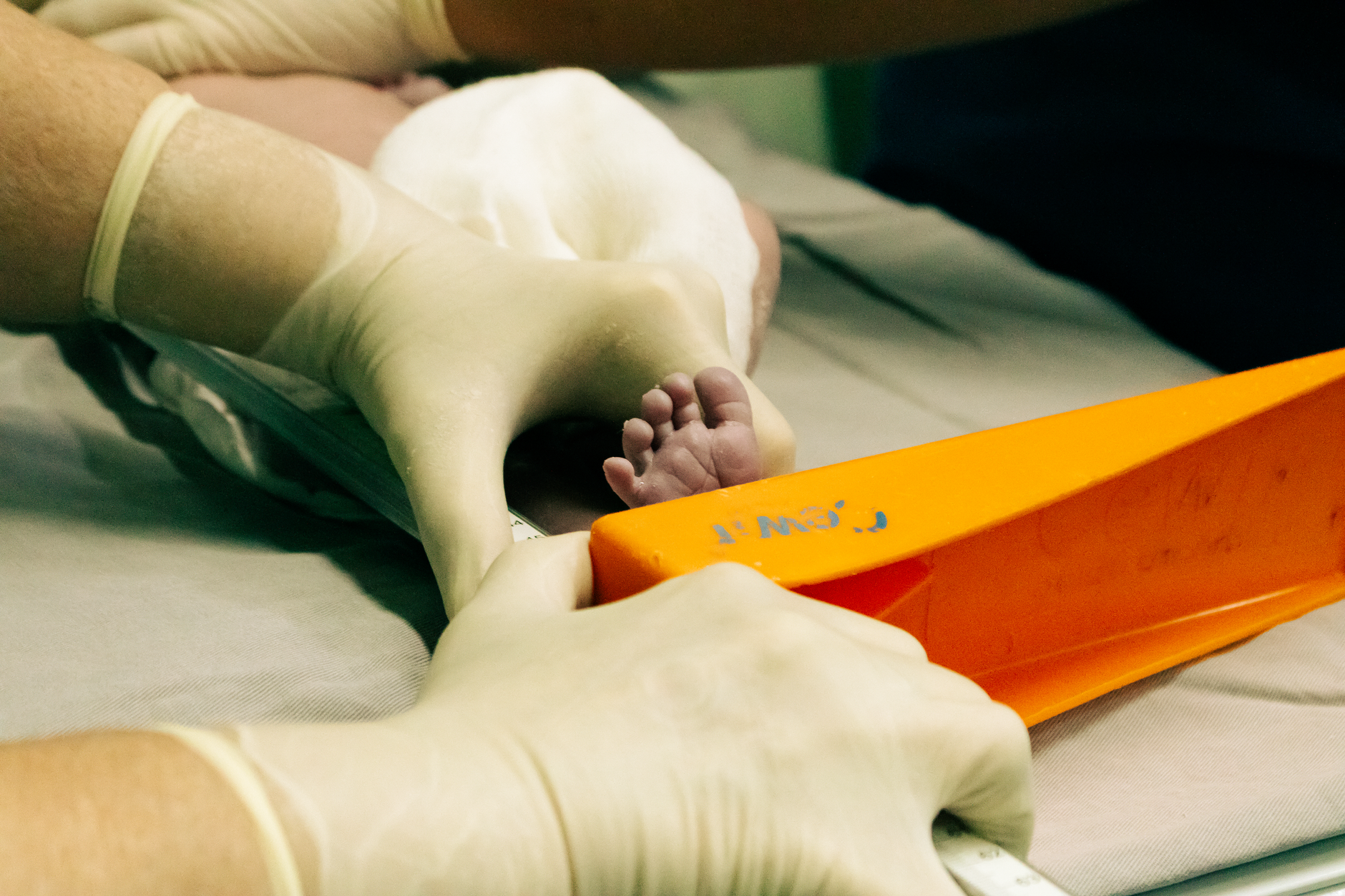
Hands‑on assessment of chest movement is the first step in scoring respiratory distress.
Interpreting Silverman thresholds: mild, moderate, and severe distress
Once you have a total score, the next question is: what does it mean? Clinicians commonly group scores into three bands, each with its own recommended actions.
0–3 (Mild distress): The infant may have a slight lag in upper chest rise or minimal nasal flaring, but overall breathing is adequate. Close monitoring (every 2–4 hours) is sufficient, and most babies in this range improve with supplemental oxygen or gentle positioning.
4–6 (Moderate distress): Two or more signs are present at a moderate level (e.g., visible intercostal retractions and audible grunting). At this threshold, many NICUs initiate non‑invasive support such as nasal continuous positive airway pressure (nCPAP) or high‑flow nasal cannula (HFNC). The goal is to keep the lungs inflated and reduce the work of breathing.
7–10 (Severe distress): Multiple signs are severe, indicating significant hypoxia and high work of breathing. This band usually triggers invasive ventilation (mechanical ventilation) and may prompt surfactant administration, especially if the infant is under 32 weeks gestation.
These thresholds are not rigid laws; they are guides that clinicians combine with blood gas results, oxygen saturation trends, and the infant’s gestational age. For example, a 28‑week infant with a score of 5 and falling oxygen saturations will likely be placed on nCPAP sooner than a 36‑week infant with the same score. The AAP recommends that a score of ≥7 in a baby <30 weeks should prompt immediate consideration of surfactant therapy (AAP, 2022).
Gestational age also influences interpretation. Very preterm infants (<28 weeks) often have higher baseline scores due to immature musculature, so clinicians may accept a score of 4 as “moderate” but still proceed with early CPAP to avoid rapid deterioration. Conversely, term‑equivalent infants rarely score above 2 unless a serious pathology is present.
Guidelines for respiratory intervention based on Silverman thresholds
National guidelines from bodies such as the AAP Committee on Fetus and Newborn (COFN) and the UK’s Royal College of Paediatrics and Child Health (RCPCH) outline stepwise approaches that align closely with Silverman bands. Below is a distilled version that most NICUs follow.
Score 0–3: Maintain thermoneutral environment, ensure optimal positioning (e.g., prone for very preterm infants), and monitor SpO₂ (target 90–95%). Supplemental oxygen via hood or low‑flow nasal cannula may be used if SpO₂ drops below target.
Score 4–6: Initiate non‑invasive ventilation:
nCPAP at 5–7 cm H₂O for infants ≥28 weeks or those with persistent retractions.
High‑flow nasal cannula (HFNC) at 4–6 L/min for infants ≥30 weeks, especially if nCPAP is poorly tolerated.
Re‑assess the score after 30 minutes; if the score falls to ≤3, continue monitoring; if it rises, consider escalation.
Score 7–10: Prepare for intubation and mechanical ventilation. Administer surfactant via the INSURE method (Intubate, Surfactant, Extubate) when the infant is <32 weeks and the score remains ≥7 after initial stabilization. Follow with gentle ventilation strategies to avoid barotrauma.
All interventions aim to keep the infant’s PaO₂ (arterial oxygen tension) within a safe range (50–80 mm Hg) and to minimize hyperoxia, which can increase the risk of bronchopulmonary dysplasia (BPD). Continuous capnography and regular blood gas checks are part of the protocol, especially when the baby is on invasive ventilation.
Guideline nuances matter. NICE advises that HFNC be considered only after a trial of nCPAP fails, whereas the AAP allows HFNC as a first‑line option in infants >30 weeks when CPAP is contraindicated (e.g., nasal trauma). Understanding these local differences helps families interpret why a particular modality is chosen for their baby.
Comparison of respiratory support methods for preterm infants
Choosing the right support modality depends on the infant’s gestational age, the severity of distress, and how the baby tolerates each method. The table below summarizes the main options, their typical indications, benefits, and potential drawbacks.
Support Method
Typical Indication (Silverman score)
Key Benefits
Potential Risks / Drawbacks
Room air / low‑flow nasal cannula (≤2 L/min)
0–3
Least invasive, maintains natural breathing, easy to wean
Limited oxygen delivery; may be insufficient for moderate distress
High‑flow nasal cannula (HFNC)
4–6
Provides modest positive airway pressure, better tolerance than nCPAP
Variable pressure delivery; risk of nasal trauma if flow too high
Nasal CPAP (continuous positive airway pressure)
4–6 (especially <28 weeks)
Stabilizes alveoli, reduces work of breathing, well‑studied in RDS
Can cause nasal injury, may require sedation for tolerance
Bi‑level Positive Airway Pressure (BiPAP)
5–7 (when nCPAP insufficient)
Higher pressure support during inspiration, lower during expiration
More complex to set, limited evidence in very preterm infants
Mechanical ventilation (invasive)
7–10
Full control of ventilation, essential for severe RDS or apnea
Risk of barotrauma, volutrauma, and bronchopulmonary dysplasia
Surfactant therapy (INSURE)
7–10 (often combined with ventilation)
Improves lung compliance, reduces mortality in RDS
Requires intubation; potential for airway injury
Neurally Adjusted Ventilatory Assist (NAVA)
7–10 (selected centers)
Synchronizes ventilator to infant’s own breathing effort, may lower ventilation time
In practice, many NICUs start with the least invasive option that matches the score, then “step‑up” if the infant’s condition does not improve within 30–60 minutes. This approach balances the need for oxygenation with the long‑term goal of minimizing lung injury.
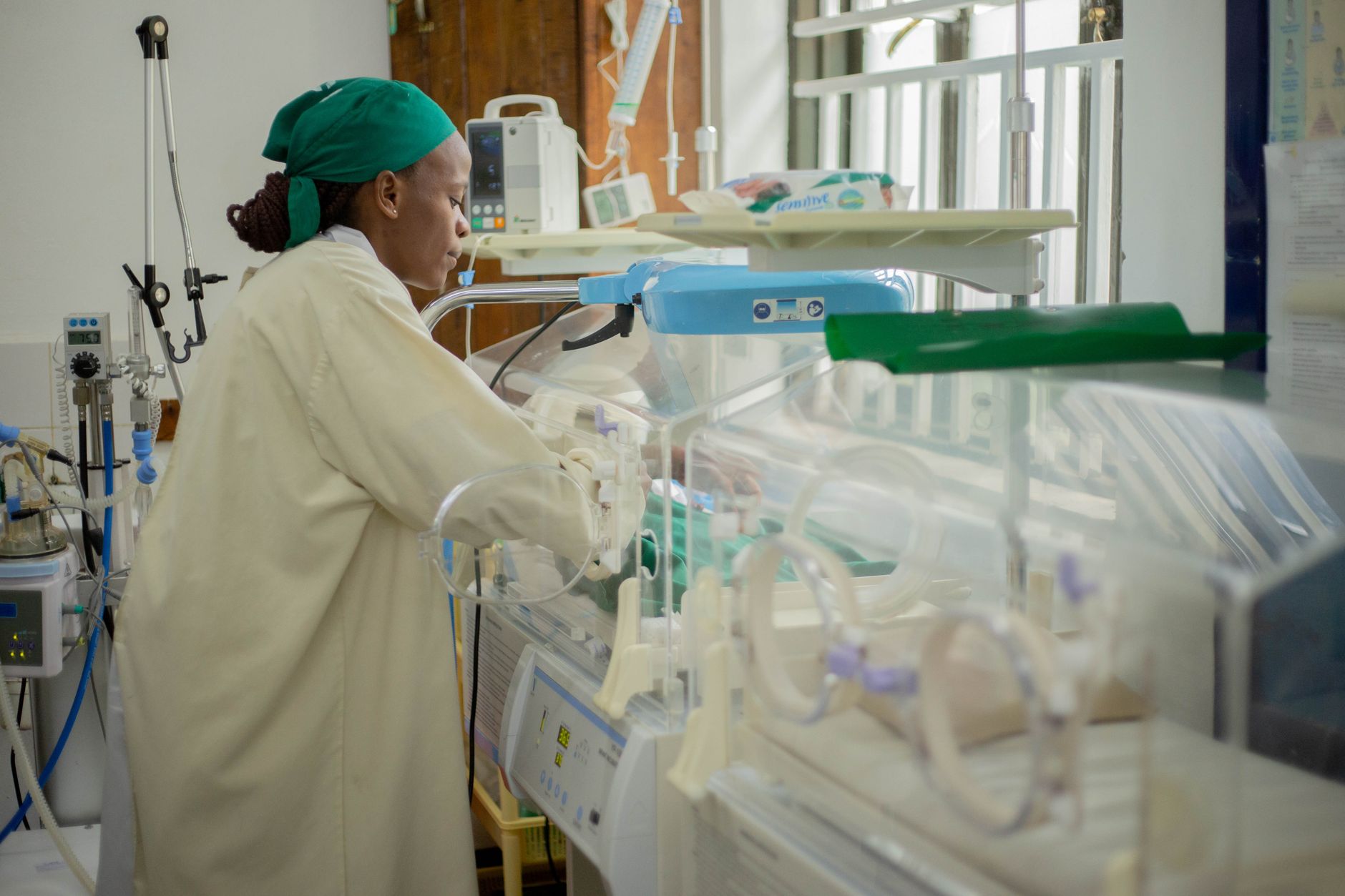
nCPAP is a common first‑line support for infants with moderate respiratory distress.
Potential risks and complications of preterm respiratory distress
Even with prompt support, preterm respiratory distress can lead to several short‑ and long‑term complications. Understanding these helps families ask informed questions and recognize warning signs.
Bronchopulmonary dysplasia (BPD): A chronic lung disease that results from prolonged ventilation and oxygen exposure. Studies from the AAP indicate that BPD rates rise sharply when infants require invasive ventilation beyond 7 days.
Intraventricular hemorrhage (IVH): Fluctuations in cerebral blood flow caused by abrupt changes in oxygenation can increase the risk of brain bleed, especially in infants <28 weeks.
Pneumothorax: Air leaks can occur when high airway pressures are used; careful monitoring of chest X‑ray and ventilation settings mitigates this risk.
Retinopathy of prematurity (ROP): High oxygen levels (>30% for extended periods) are linked to abnormal retinal vessel growth. Protocols now target the lowest effective FiO₂.
Neurodevelopmental delays: Chronic hypoxia and BPD can affect brain growth, leading to motor and cognitive challenges later in childhood. Early intervention services are recommended for high‑risk infants.
Long‑term pulmonary function decline: Follow‑up studies show that children who required mechanical ventilation before 32 weeks often have reduced FEV₁ values at school age, emphasizing the importance of lung‑protective strategies (NICHD, 2019).
Most of these complications are preventable or reducible with vigilant care, adherence to gentle ventilation strategies, and timely weaning from support as soon as the infant’s Silverman score improves.
The role of neonatologists and the broader care team
While the Silverman score is a bedside tool, its interpretation and the subsequent treatment plan involve a multidisciplinary team. Neonatologists lead the medical decision‑making, but respiratory therapists, neonatal nurses, pharmacists, and dietitians all contribute.
Neonatologists: Review the score, order blood gases, decide on surfactant administration, and determine when intubation is necessary.
Respiratory therapists: Set up and adjust CPAP or ventilator settings, ensure equipment is functioning, and train staff on mask fitting.
Nurses: Perform the initial scoring, monitor vitals, provide comfort measures (e.g., kangaroo care), and communicate changes promptly.
Pharmacists: Manage medications such as caffeine citrate (used to stimulate breathing) and ensure safe dosing of antibiotics if infection is suspected.
Family liaison: Many NICUs assign a social worker or family support coordinator to keep parents updated, explain procedures, and arrange follow‑up services.
Effective communication among these professionals, anchored by a shared understanding of the Silverman thresholds, ensures that each infant receives the right level of support at the right time. Parents are encouraged to ask for daily briefings, request a copy of the score trend, and voice any concerns about the baby’s breathing pattern.
Tracking Silverman score trends over time
One single score tells you where the baby is at a moment, but a trend line tells the story of how the infant is responding to treatment. Most NICUs chart the score on the infant’s bedside flow sheet every 30–60 minutes during the acute phase, then every 4–6 hours once the baby stabilizes. This longitudinal view helps clinicians spot subtle deterioration that might be missed if only the last reading is considered.
Research published in the Journal of Perinatology (2021) showed that a rising trend of ≥2 points over a 4‑hour window predicts the need for escalation to mechanical ventilation with a sensitivity of 85 %. Conversely, a steady decline of ≥2 points within 12 hours often predicts successful weaning from CPAP. For families, seeing the trend plotted in a simple line graph can be reassuring, especially when the score drops from 6 to 3 over a day.
Score trajectory
Typical intervention
Expected outcome
Stable 0–2 for 24 h
Continue low‑flow oxygen or room air
Minimal respiratory support; discharge planning
Increase 4→7 over 6 h
Escalate to nCPAP → consider intubation
Higher likelihood of surfactant need
Decrease 6→2 in 12 h
Wean from CPAP to low‑flow cannula
Reduced ventilation days, lower BPD risk
Ask the bedside nurse for a copy of the trend chart; it can be a useful reference when you discuss progress with the neonatology team.
Supporting families: what you can do at the bedside
Even though the medical team drives the technical aspects of respiratory care, parents and partners have a powerful role in supporting the infant’s recovery. Simple actions can improve oxygenation, reduce stress, and promote lung development.
Skin‑to‑skin (kangaroo) care: When the infant’s condition allows, holding the baby against your chest stabilizes heart rate, improves breathing regularity, and may lower the Silverman score by reducing work of breathing (NICE, 2021).
Positioning: Prone positioning (on the stomach) is often preferred for very preterm infants because it opens the airway and improves lung expansion. The NICU staff will guide you on safe times for repositioning.
Quiet environment: Minimizing noise and sudden lights helps keep the baby’s breathing rhythm steady. Soft voices, dimmed lights, and gentle rocking can be soothing.
Hydration and nutrition: Adequate fluid intake supports surfactant production. Breastmilk, when available, provides immunologic benefits that may reduce infection‑related respiratory compromise.
Ask questions: Use the score as a conversation starter. “I see the score is 5 today; what does that mean for our baby’s breathing plan?” shows you’re engaged and helps the team tailor explanations to your understanding.
Most NICUs have a “family guide” that outlines safe times for kangaroo care, how to dress the baby for optimal temperature, and signs of distress to watch for. Keep that guide handy, and don’t hesitate to request a brief refresher from the nurse if you’re unsure.
Emerging research and technology in neonatal respiratory support
Science never stands still, and several promising tools are reshaping how clinicians assess and treat preterm respiratory distress.
Lung ultrasound: Point‑of‑care ultrasound can detect surfactant deficiency, interstitial fluid, and atelectasis faster than a chest X‑ray. A 2022 meta‑analysis in Ultrasound in Medicine & Biology found that ultrasound‑guided surfactant administration reduced the need for mechanical ventilation by 30 %.
Electrical impedance tomography (EIT): This non‑invasive imaging technique maps ventilation distribution across the lungs in real time, helping clinicians fine‑tune CPAP pressures to avoid over‑distension.
Artificial intelligence (AI) predictive models: Algorithms trained on large datasets of Silverman scores, blood gases, and gestational ages can forecast the probability of ventilation failure within the next 12 hours, giving teams a heads‑up to intervene earlier (FDA, 2023 cleared for clinical decision support).
Novel surfactant formulations: Synthetic surfactants with protein‑like components are under investigation and may allow less invasive delivery methods, such as aerosolized surfactant via the nasal route.
While these advances are exciting, they complement—not replace—the core clinical assessment that the Silverman score provides. Your baby’s care team will discuss any new technology only after weighing the evidence and ensuring it aligns with your infant’s specific needs.
Lung ultrasound is an emerging tool that can refine surfactant decisions.
From our medical team: The Silverman‑Andersen Score is a practical, real‑time gauge of respiratory effort. When used consistently, it helps us act early, avoid unnecessary intubation, and protect fragile lungs. If your baby’s score changes quickly, we’ll reassess within an hour and adjust the support accordingly. Your observations are valuable—let us know what you see at the bedside.
🔢 Ready to crunch your numbers? Use our Silverman-Andersen Score for a personalized result in seconds.
Myth vs. fact
Myth: A Silverman score of 4 always means the baby needs a ventilator. Fact: Scores of 4–6 usually prompt non‑invasive support like nCPAP; only scores of 7 or higher typically require mechanical ventilation, and even then other clinical data are considered.
Myth: The Silverman score is only for doctors. Fact: Trained nurses and respiratory therapists regularly calculate the score, and parents are encouraged to learn what the numbers mean so they can follow their baby’s progress.
Myth: Once a baby is on CPAP, they will stay on it until discharge. Fact: Most infants are weaned off CPAP as soon as their score drops to ≤3 and they maintain stable oxygen saturations, often within a few days.
Key takeaways
The Silverman‑Andersen Score ranges from 0 (no distress) to 10 (severe distress) and guides respiratory support decisions.
Scores 0–3 usually need monitoring; 4–6 often lead to non‑invasive support (nCPAP or HFNC); 7–10 typically require invasive ventilation and surfactant.
Non‑invasive methods are preferred when possible to reduce the risk of bronchopulmonary dysplasia.
Regular reassessment (every 30–60 minutes) ensures timely escalation or de‑escalation of support.
A multidisciplinary team—including neonatologists, nurses, and respiratory therapists—collaborates around the score to protect your baby’s lungs.
Watch for red‑flag signs such as rapid worsening of the score, persistent oxygen desaturation, or new chest retractions, and alert the care team immediately.
Tracking score trends over time provides a clearer picture of progress and can guide weaning decisions.
Family‑centered actions like kangaroo care and gentle positioning can positively influence the score.
Frequently asked questions
What is the Silverman score used for in preterm infants?
The Silverman score quantifies the severity of respiratory distress by evaluating five physical signs; clinicians use it to decide when to start, adjust, or wean respiratory support.
How do you calculate the Silverman score?
You assess chest movement, intercostal retractions, nasal flaring, grunting, and inspiratory effort, assigning each 0, 1, or 2 points; the sum yields a total from 0 to 10.
What are the treatment options for preterm infants with respiratory distress?
Options range from low‑flow oxygen and room air for mild distress, to non‑invasive support like nCPAP or HFNC for moderate distress, and to invasive mechanical ventilation with surfactant for severe cases.
Can preterm babies recover from respiratory distress?
Yes—most infants improve as surfactant production increases and the lungs mature; timely, appropriate support based on the Silverman score greatly enhances recovery chances.
What are the long‑term effects of preterm birth on lung development?
Preterm birth can increase the risk of chronic lung disease (bronchopulmonary dysplasia) and asthma later in childhood, but early gentle ventilation and careful oxygen management reduce these risks.
How does the Silverman score guide respiratory support in preterm infants?
Scores 0–3 suggest monitoring; 4–6 usually trigger non‑invasive support; and 7–10 prompt invasive ventilation and surfactant, with ongoing reassessment to adjust therapy as the score changes.
How often is the Silverman score reassessed?
During the acute phase most NICUs reassess the score every 30 minutes; once the infant stabilizes, the interval is extended to every 4–6 hours, ensuring timely detection of deterioration.
Can the Silverman score predict the need for surfactant therapy?
A score of 7 or higher in a baby <32 weeks gestation is a strong predictor that surfactant will be beneficial, especially when paired with low PaO₂ or rising CO₂ levels (AAP, 2022).
When to call your doctor
If you notice any of the following, contact your neonatologist or midwife immediately: sudden increase in Silverman score to ≥7, persistent oxygen saturation below 90 % despite support, new or worsening chest retractions, grunting that becomes audible without a stethoscope, or any change in the baby’s color or responsiveness. This article is for informational purposes only and does not replace personalized medical advice.
References
American Academy of Pediatrics. Committee on Fetus and Newborn. “Guidelines for Neonatal Respiratory Support.” AAP, 2022.
National Institute for Health and Care Excellence (NICE). “Neonatal respiratory support – clinical guidelines.” NICE NG123, 2021.
Royal College of Paediatrics and Child Health (RCPCH). “Bronchopulmonary Dysplasia: Management and Prevention.” RCPCH, 2020.
World Health Organization. “Preterm birth: prevention and care.” WHO, 2021.
National Institute of Child Health and Human Development (NICHD). “Surfactant Therapy in Preterm Infants.” NICHD, 2019.
American College of Obstetricians and Gynecologists (ACOG). “Management of Preterm Labor.” ACOG Practice Bulletin No. 221, 2020.
British Paediatric Surveillance Unit. “Respiratory distress in preterm infants – national data.” BPSU, 2022.
Centers for Disease Control and Prevention (CDC). “Neonatal outcomes and respiratory support.” CDC, 2023.
National Health Service (NHS). “Inter‑rater reliability of the Silverman‑Andersen Score.” NHS Clinical Training Review, 2021.
Food and Drug Administration (FDA). “AI‑enabled decision support software for neonatal ventilation.” FDA Clearance Notice, 2023.
Journal of Perinatology. “Score trajectory predicts need for invasive ventilation.” J Perinatol, 2021.
Ultrasound in Medicine & Biology. “Lung ultrasound reduces surfactant need in preterms.” 2022.
When Shubhra Mishra was expecting her first child in 2016, she was overwhelmed by conflicting food advice — one site said yes, another said never. By the time her second baby arrived in 2019, she realized millions of mothers face the same confusion.
That sparked a five-year journey through clinical nutrition papers, cultural diets, and expert conversations — all leading to BumpBites: a calm, compassionate space where science meets everyday motherhood.
Her long-term vision is to build a global community ensuring safe, supported, and free deliveriesfor every mother — because no woman should face pregnancy alone or uninformed. 🌿
🌍 Stand with mothers, shape safer guidance
Join a small circle of experts who review BumpBites articles so expecting parents everywhere can decide with confidence.