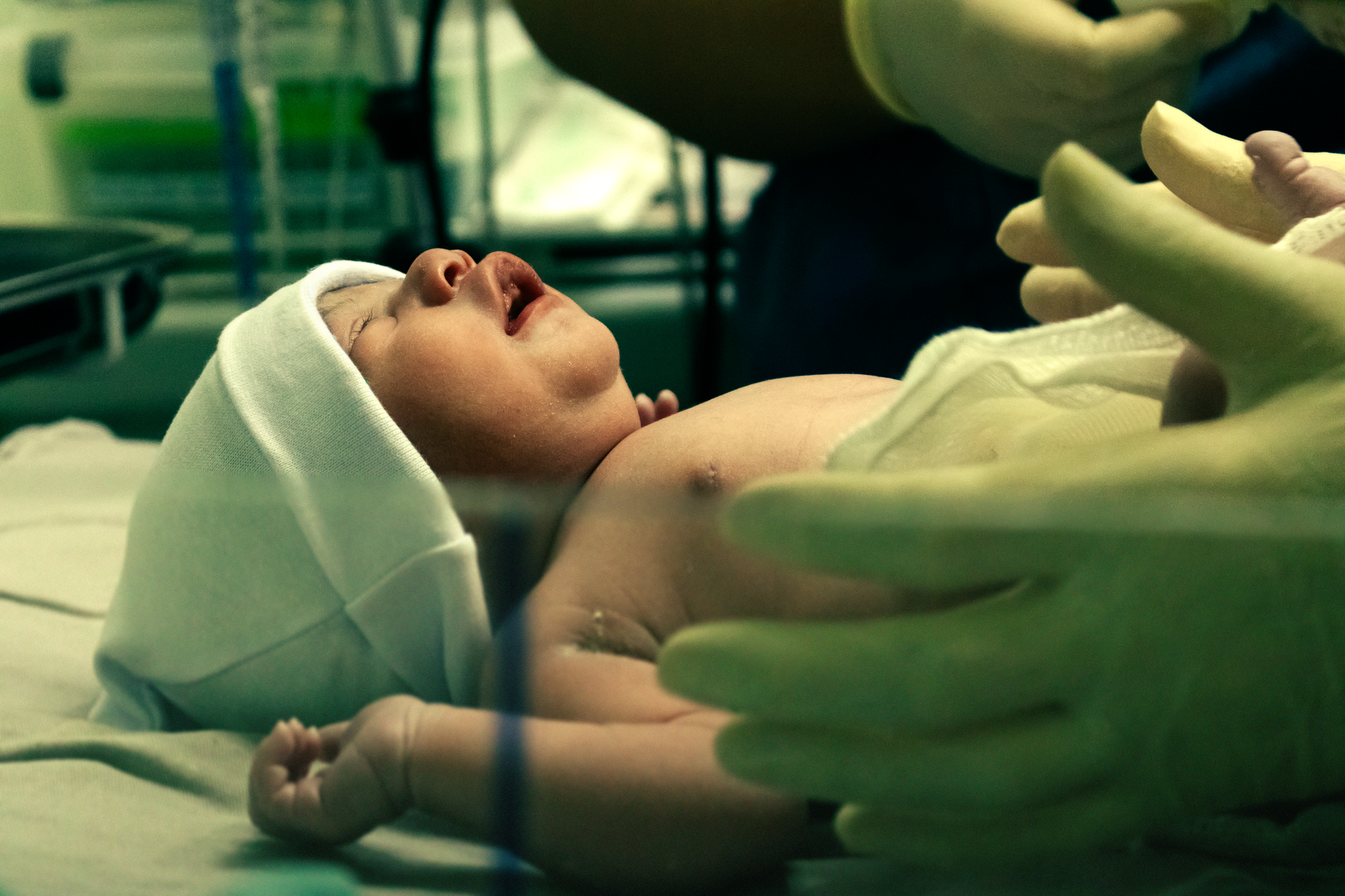
Understand the critical newborn resuscitation steps, including initial assessment, positive pressure ventilation (PPV), chest compressions, and medication administration. Learn how to respond effectively in an emergency to support your baby's health.
By Shubhra Mishra — a mom of two who turned her own confusion during pregnancy into BumpBites, a global mission to make food choices clear, safe, and stress-free for every expecting mother. 💛
Check whether any food is safe during pregnancy with the BumpBites Food Safety Checker.
Quick take: While most newborns arrive needing little to no assistance, about 10% require some help with breathing, and 1% need extensive resuscitation. Knowing the steps, from initial assessment and positive pressure ventilation to chest compressions and medications, can help you understand the expert care your baby might receive if they need it. Rest assured, medical teams are highly trained and prepared for these rare situations.
The moment your baby is born is often imagined as a perfect, serene scene, full of immediate cries and cuddles. But for a small number of families, the reality can be different. Sometimes, a newborn needs a little extra help transitioning to life outside the womb, and in rare cases, they require immediate medical attention to help them breathe or stabilize their heart rate. It's a scenario no parent wants to face, and the thought can be incredibly anxiety-inducing.
🔢 Calculate it for your situation: Use our NRP Resuscitation Algorithm for a personalized result in seconds.
If you've found yourself Googling "newborn resuscitation steps," it’s likely because you're either preparing for birth, have experienced a challenging delivery, or simply want to be informed about every possibility. Take a deep breath. While it’s a serious topic, understanding the process can actually be empowering. Our goal at BumpBites is to demystify these complex medical procedures, giving you clarity and reassurance about the expert care available to your baby.
This article will walk you through the comprehensive steps of newborn resuscitation, often guided by the Neonatal Resuscitation Program (NRP) guidelines used by healthcare providers worldwide. We'll cover everything from the initial assessment and crucial first interventions to positive pressure ventilation, chest compressions, and the rare use of medications. Knowing what goes on behind the scenes can help you feel more prepared and confident in your medical team, should your little one ever need this critical support.
Recognizing the Need for Newborn Resuscitation: Overview and Initial Assessment
Most babies are born vigorous, pink, and crying, breathing easily on their own. However, about 10% of newborns will need some form of assistance to begin breathing effectively, and roughly 1% will require more extensive resuscitation efforts, including positive pressure ventilation (PPV) or chest compressions. It's important to remember these statistics are low, but being prepared for them is key for healthcare providers.
The need for resuscitation is typically recognized immediately after birth, within the first 30 seconds. The medical team, including your obstetrician, midwife, and often a neonatologist or pediatrician, performs a rapid assessment to determine if your baby is transitioning well. This initial assessment focuses on three key questions:
Is the baby full-term? Babies born prematurely are at higher risk of needing resuscitation.
Is the baby crying or breathing well? A strong cry or regular, unlabored breathing indicates a good start.
Does the baby have good muscle tone? A flexed, active baby with good movement is a positive sign, compared to a limp baby.
If the answer to any of these questions is "no," the resuscitation team will quickly move into the initial steps of support. This rapid assessment guides their immediate actions, ensuring that interventions begin without delay if needed.
Gentle drying and warmth are among the first and most crucial steps in helping a newborn transition.
Initial Steps of Newborn Resuscitation: Warmth, Positioning, Airway, Drying, Stimulation
If yo
ur baby isn't responding optimally after the initial rapid assessment, the healthcare team will immediately begin the "initial steps" of resuscitation. These steps are simple yet incredibly effective for most newborns needing a little extra help. They are designed to help the baby establish breathing and maintain body temperature.
Providing Warmth and Drying
Newborns lose heat very quickly, which can make it harder for them to breathe and maintain stable blood sugar. The first priority is to prevent heat loss. This involves:
Placing the baby on a pre-warmed radiant warmer: This is a special bed that provides overhead heat.
Drying the baby thoroughly: Wet skin cools rapidly due to evaporation. The team will gently but vigorously dry your baby with warm towels. This drying also provides a mild form of stimulation.
Removing wet linens: Once dry, wet towels are removed and replaced with dry, warm ones.
These actions help stabilize the baby's temperature, which is crucial for overall well-being and successful transition.
Positioning the Airway and Clearing Secretions
For a baby to breathe effectively, their airway must be open. Sometimes, amniotic fluid, blood, or mucus can block the airway, especially if the baby didn't clear it adequately during birth. The team will:
Position the head and neck: The baby's head is placed in a "sniffing position" – slightly extended, like they are sniffing the air. This aligns the trachea (windpipe) and pharynx (throat) to create an open passage. Over-extension or flexion can actually close the airway.
Clear secretions (if necessary): If there are obvious secretions obstructing the airway or if the baby is gasping, a bulb syringe or suction catheter might be used. Suctioning is done gently and briefly, starting with the mouth and then the nose, to avoid stimulating the vagus nerve, which can slow the heart rate. Routine deep suctioning is not recommended unless there's a clear obstruction.
Gentle Stimulation
After drying and positioning, a little gentle stimulation can often be enough to encourage a baby to take their first good breaths. This isn't aggressive shaking but rather gentle actions like:
Rubbing the baby's back: A gentle but firm rub along the spine.
Flicking the soles of the feet: A light flick or tap on the bottom of the foot.
These actions are performed for a brief period (around 5-10 seconds). The goal is to prompt the baby to start breathing effectively and crying. Over-stimulation is avoided, as it can be counterproductive.
After these initial steps, the team reassesses the baby's breathing and heart rate. If the baby is still apneic (not breathing), gasping, or has a heart rate below 100 beats per minute (bpm), they will move on to the next critical intervention: positive pressure ventilation.
Positive Pressure Ventilation (PPV): Supporting Your Baby's First Breaths
If the initial steps haven't prompted effective breathing or if your baby's heart rate remains below 100 bpm, the next crucial step is positive pressure ventilation (PPV). This means delivering breaths to the baby using a mask and a ventilation device. It's the most common and often the most critical intervention in newborn resuscitation.
Indications for PPV
PPV is initiated when a newborn is:
Apneic: Not breathing at all.
Gasping: Taking infrequent, labored, or ineffective breaths.
Heart rate less than 100 bpm: Even if the baby is breathing, a persistently low heart rate indicates inadequate oxygenation and warrants PPV.
The goal of PPV is to inflate the baby's lungs, establish functional residual capacity (the amount of air remaining in the lungs after a normal breath), and improve oxygenation and heart rate.
Technique for Effective PPV
Proper technique is vital for PPV to be effective. The team focuses on:
Mask Selection and Seal: A appropriately sized mask is chosen that covers the baby’s mouth and nose without extending over the eyes or compressing the chin. A tight seal is crucial to ensure air goes into the lungs, not around the mask.
Ventilation Device: This can be a self-inflating bag, flow-inflating bag, or a T-piece resuscitator. T-piece resuscitators are often preferred as they allow for precise control of pressure and deliver consistent breaths.
Rate and Pressure: Breaths are delivered at a rate of 40 to 60 breaths per minute (about one breath every 1 to 1.5 seconds). The initial pressure used is typically 20-25 cm H2O, enough to achieve chest rise.
"Breath, 2, 3, Breath, 2, 3...": The team often uses this rhythm to guide the timing of breaths.
Assessing Effectiveness of PPV
The team constantly monitors the baby's response to PPV. The two most important signs of effective ventilation are:
Chest Rise: You should see the baby's chest gently rise with each breath. If there's no chest rise, the mask seal, airway position, or pressure settings need to be adjusted.
Improving Heart Rate: The baby's heart rate should start to increase, ideally rising above 100 bpm.
Other indicators include improved color (baby becoming pinker) and spontaneous breathing attempts. If the heart rate is not improving or the chest is not rising, the team will troubleshoot using the "MR. SOPA" mnemonic:
Mask adjustment
Reposition airway
Suction mouth and nose
Open mouth
Pressure increase
Alternative airway (e.g., endotracheal tube)
Effective PPV for about 30 seconds should lead to an improved heart rate. If the heart rate remains below 60 bpm despite effective PPV, the next step is chest compressions.
If you're wondering how these vital signs translate into action, you can refer to the NRP Resuscitation Algorithm for a quick overview of the decision-making tree.
Positive pressure ventilation is a common and often life-saving intervention for newborns struggling to breathe.
Chest Compressions: When and How to Support a Failing Heart
Chest compressions are a more advanced resuscitation technique, initiated only when a baby's heart rate remains critically low despite effective positive pressure ventilation. This means the baby's heart isn't circulating oxygenated blood effectively enough to support vital organs.
When to Start Chest Compressions
Chest compressions are started if the baby's heart rate is persistently below 60 beats per minute (bpm) *after* at least 30 seconds of effective positive pressure ventilation. "Effective" here means the chest is rising visibly, indicating that air is entering the lungs, but the heart still isn't responding.
Correct Technique for Newborn Chest Compressions
The technique for newborn chest compressions differs significantly from adult CPR due to the baby's small size and delicate frame. There are two primary techniques:
Thumb Technique (preferred): This is the most effective method, especially if two rescuers are present. The rescuer's thumbs are placed side-by-side on the sternum (breastbone), just below an imaginary line connecting the nipples. The fingers encircle the baby's back, providing support. This technique provides consistent pressure and depth.
Two-Finger Technique: If only one rescuer is available or if the baby is very small, two fingers (index and middle, or middle and ring) are placed on the same spot on the sternum. This technique is harder to perform consistently and can be more tiring.
Regardless of the technique, the focus is on a firm, steady compression.
Depth, Rate, and Coordination with PPV
Depth: Compressions should be approximately one-third the anterior-posterior (front-to-back) diameter of the baby's chest. This is crucial for effective blood flow.
Rate: The compressions are delivered at a rate of 90 compressions per minute. This is coordinated with ventilation.
Coordination with PPV: The rhythm is 3 compressions to 1 breath. This means delivering "One-and-Two-and-Three-and-Breath" over two seconds. This results in 90 compressions and 30 breaths per minute, a total of 120 "events" per minute. The compressions should be smooth, without leaning on the chest between compressions, allowing for full chest recoil.
Chest compressions are typically continued for 60 seconds before the baby's heart rate is re-evaluated. If the heart rate remains below 60 bpm, the team may continue compressions and consider the administration of medications.
It's a high-stress situation, but the medical team trains extensively for this coordination, ensuring each compression and ventilation is performed correctly and on time to give your baby the best chance.
Medications in Neonatal Resuscitation: When Every Second Counts
Medications are rarely needed in newborn resuscitation, but when they are, their timely and accurate administration can be life-saving. They are typically considered only if the baby's heart rate remains below 60 bpm despite adequate positive pressure ventilation and chest compressions for at least 60 seconds.
Key Medications and Their Use
The primary medications used in neonatal resuscitation are Epinephrine and volume expanders. Naloxone has very limited indications.
Medication
Primary Indication
Route(s) of Administration
Key Considerations
Epinephrine (Adrenaline)
Heart rate < 60 bpm after effective PPV and chest compressions for 60 seconds.
Intravenous (IV) via umbilical venous catheter (UVC), Intraosseous (IO), or Endotracheal Tube (ETT) if IV access is delayed.
Increases heart rate and strength of contractions. IV/IO route is preferred for faster onset and more reliable dosing. ETT route has variable absorption and is less effective.
Volume Expanders (e.g., Normal Saline)
Suspected hypovolemia (blood loss/low blood volume) due to acute blood loss (e.g., placental abruption, cord rupture) AND signs of shock (pallor, weak pulse).
Intravenous (IV) via UVC or IO.
Restores circulating blood volume. Administered slowly (over 5-10 minutes) to avoid rapid fluid shifts. Often given in conjunction with Epinephrine if hypovolemia is suspected.
Naloxone
Severe respiratory depression in a newborn with a known history of maternal opioid administration within the last 4 hours, AND who has good respiratory effort but is apneic due to opioids.
Intravenous (IV), Intraosseous (IO), Intramuscular (IM), or Endotracheal Tube (ETT).
Reverses opioid-induced respiratory depression. Not recommended in the initial stages of resuscitation if the primary problem is apnea or bradycardia, as it can cause seizures in opioid-exposed infants. Ventilation is always the primary treatment for apnea.
Administration Routes and Timing
Intravenous (IV): The preferred route for medications, especially Epinephrine, as it delivers the drug directly into the bloodstream for the quickest effect. This is typically achieved by inserting an umbilical venous catheter (UVC) into the baby's umbilical cord stump.
Intraosseous (IO): If IV access cannot be established quickly, an IO needle can be inserted into a bone (e.g., tibia) to deliver medications directly into the bone marrow, which acts like a non-collapsible vein.
Endotracheal Tube (ETT): While Epinephrine can be given via an ETT (a tube placed into the baby's trachea), it's less effective and absorbed variably. It's often used as a temporary measure while IV access is being established.
The decision to administer medications is made by the resuscitation team leader, following strict protocols and guidelines from organizations like the American Academy of Pediatrics (AAP) and the American Heart Association (AHA). Each dose is carefully calculated based on the baby's weight, and the response is continuously monitored.
A representative story from a new parent highlights the intensity: "Our son needed help right after birth. The team was a blur of calm, coordinated action. I remember hearing them call out numbers and medications, and while it was terrifying, seeing their focused expertise made me feel like he was in the best hands. He turned the corner quickly once they gave him that 'epi' shot." This illustrates the rapid, precise nature of medication administration in these critical moments.
Post-Resuscitation Care and Ongoing Management: Stabilizing Your Newborn
Once a newborn has been successfully resuscitated and has stable vital signs (heart rate above 100 bpm, effective spontaneous breathing, and good color), the immediate crisis may be over, but the care doesn't stop there. The baby still needs careful, ongoing management to ensure full recovery and to address any potential complications from the events surrounding birth or the resuscitation itself.
Stabilization and Monitoring
After resuscitation, your baby will be moved to a neonatal intensive care unit (NICU) or special care nursery for continuous monitoring. This involves:
Continuous Vital Sign Monitoring: Heart rate, respiratory rate, blood pressure, and oxygen saturation (SpO2) will be tracked closely.
Temperature Regulation: Maintaining a stable body temperature is critical. Hypothermia (low body temperature) can worsen outcomes, so incubators or radiant warmers are used.
Blood Glucose Monitoring: Stress and oxygen deprivation can affect a baby's blood sugar levels. Regular checks and glucose administration (if needed) are common.
Blood Gas Analysis: Blood tests will assess the baby's oxygen, carbon dioxide, and pH levels to determine how well their body is recovering from the stress.
Addressing Potential Complications
Newborns who require resuscitation are at higher risk for certain complications. The care team will be vigilant for:
Respiratory Issues: Some babies may need continued respiratory support, such as supplemental oxygen, CPAP (continuous positive airway pressure), or even mechanical ventilation for a period.
Brain Injury: Hypoxic-ischemic encephalopathy (HIE), a type of brain injury caused by lack of oxygen and blood flow, is a serious concern. Depending on the severity and duration of oxygen deprivation, therapeutic hypothermia (cooling the baby's body to a lower temperature) may be initiated. This treatment, often started within 6 hours of birth, has been shown to improve neurological outcomes by reducing brain damage.
Organ Dysfunction: Other organs, such as the kidneys, liver, and intestines, can also be affected by oxygen deprivation. The team will monitor their function and provide supportive care as needed.
Parental Support and Communication
This is an incredibly stressful time for parents. The medical team understands this and prioritizes clear, compassionate communication. They will provide regular updates on your baby's condition, explain the treatments being given, and answer your questions. Psychosocial support, including access to social workers or parent support groups, is often offered to help families cope with the emotional toll.
One mom shared, "After the initial panic, the NICU nurses were amazing. They helped me understand all the monitors and wires, encouraged me to hold my baby, and reminded me that every small improvement was a victory. It was a long road, but their support made all the difference."
The goal of post-resuscitation care is not just survival, but optimal long-term health and development for your baby.
After resuscitation, continuous monitoring in a NICU ensures ongoing stability and addresses any potential complications.
The Team Approach and Communication: A Coordinated Effort
Newborn resuscitation is never a solo effort. It requires a highly skilled, well-coordinated team working seamlessly together. This team approach is crucial for efficiency, accuracy, and ultimately, the best possible outcome for your baby.
Importance of a Coordinated Effort
Imagine a symphony orchestra: each musician knows their part and plays in harmony with the others. Neonatal resuscitation is similar. Each team member has a specific role, and their actions are synchronized to maximize effectiveness and minimize delays. This coordination prevents duplication of effort and ensures that all necessary interventions are performed in the correct sequence and at the right time.
Hospitals often conduct regular simulation drills for their delivery room teams, practicing various resuscitation scenarios. This training helps reinforce roles, improve communication, and build muscle memory for these high-stakes situations.
Clear Roles and Responsibilities
A typical resuscitation team might include:
Team Leader: Often a neonatologist, pediatrician, or experienced nurse practitioner. This person directs the resuscitation, making decisions based on the baby's response and calling out instructions.
Airway/Ventilation Provider: Responsible for positioning the airway, applying the mask, and delivering positive pressure ventilation.
Compression Provider: Performs chest compressions if needed, coordinating with the ventilation provider.
Medication Provider/Circulation Assistant: Prepares and administers medications, establishes IV/IO access, and monitors the baby's heart rate.
Timekeeper/Recorder: Tracks time, records interventions, and monitors vital signs, providing critical information to the team leader.
Each role is vital, and team members often cross-train to be proficient in multiple areas, ensuring flexibility and coverage.
Effective Communication Strategies
In a high-stress environment, clear and concise communication is paramount. The team uses specific strategies to ensure everyone is on the same page:
Closed-Loop Communication: The team leader gives an instruction (e.g., "Start PPV at 40 breaths per minute"), the team member repeats the instruction ("Starting PPV at 40 breaths per minute"), and then confirms when it's done ("PPV started at 40, chest rise noted"). This confirms the message was received and acted upon.
Clear, Concise Language: Avoiding jargon and speaking clearly, even when emotions are high, helps prevent misunderstandings.
Anticipatory Communication: The team leader often anticipates the next step and prepares the team. For example, "If the heart rate doesn't improve in 30 seconds, we'll start compressions. Prepare for chest compressions."
"Time-outs" and Debriefing: After the immediate crisis, the team often takes a moment to debrief, reviewing what went well and what could be improved. This continuous learning is essential for enhancing future care.
This coordinated, communicative approach is a testament to the dedication of healthcare professionals to provide the highest level of care for every newborn, especially those facing initial challenges.
From our medical team: "It's natural to feel overwhelmed when thinking about newborn resuscitation, but it's important to know that medical teams are highly trained and prepared for these rare events. The NRP (Neonatal Resuscitation Program) guidelines provide a clear, evidence-based roadmap for every step, ensuring a standardized, effective approach. Trust in your care team's expertise and focus on the fact that they are doing everything possible to support your baby."
Myth: Every baby needs to cry immediately after birth to be healthy. Fact: While a strong cry is a good sign of vigorous breathing, not all healthy babies cry instantly. Some take a few moments to adjust and start breathing effectively. The key is effective breathing, not just crying.
Myth: If a baby needs resuscitation, it means something went wrong during the delivery or pregnancy. Fact: While some resuscitation needs can be linked to birth complications, many occur in seemingly healthy pregnancies and deliveries. Sometimes, a baby just needs a little extra help transitioning to life outside the womb, and it’s nobody’s fault.
Myth: Newborn resuscitation is the same as adult CPR. Fact: Neonatal resuscitation is specifically tailored to newborns, with different ventilation rates, compression depths, and medication dosages. The causes of distress in newborns (often respiratory) also differ from adults (often cardiac).
Myth: If a baby needs resuscitation, there will be long-term problems. Fact: Many babies who receive resuscitation, even extensive interventions like PPV and chest compressions, recover fully with no long-term issues. The key is prompt and effective resuscitation. Outcomes depend on the underlying cause and the duration/severity of oxygen deprivation.
Key Takeaways
Most newborns transition smoothly, but about 10% need some breathing assistance, and 1% require more extensive resuscitation.
Initial steps like providing warmth, drying, positioning the airway, and gentle stimulation are often enough to help a struggling newborn.
Positive pressure ventilation (PPV) is the most common intervention, used if a baby is apneic, gasping, or has a heart rate below 100 bpm.
Chest compressions are initiated if the heart rate remains below 60 bpm despite 30 seconds of effective PPV.
Medications (primarily Epinephrine and volume expanders) are rarely needed and are used only if heart rate remains critically low after compressions and ventilation.
Post-resuscitation care focuses on continuous monitoring, temperature regulation, and addressing potential complications like brain injury (e.g., therapeutic hypothermia).
Newborn resuscitation is a highly coordinated team effort, relying on clear communication and specific roles to ensure efficient and effective care.
Frequently Asked Questions
What are the 5 steps of newborn resuscitation?
The core sequence of newborn resuscitation, as outlined by the NRP, involves a rapid initial assessment, followed by five intervention categories: 1) Initial Steps (warmth, drying, positioning, stimulation, airway clearance), 2) Positive Pressure Ventilation (PPV), 3) Chest Compressions, 4) Medications (Epinephrine, volume expanders), and 5) Post-Resuscitation Care.
When do you start chest compressions on a newborn?
Chest compressions are started on a newborn if their heart rate remains below 60 beats per minute (bpm) *after* at least 30 seconds of effective positive pressure ventilation (PPV). Effective PPV means the baby's chest is visibly rising with each breath, indicating air is entering the lungs.
What is the first step in neonatal resuscitation?
The very first step in neonatal resuscitation is a rapid initial assessment, asking three questions: Is the baby full-term? Is the baby crying or breathing well? Does the baby have good muscle tone? If the answer to any is "no," the team immediately proceeds to the "Initial Steps" of resuscitation: providing warmth, drying, positioning the airway, and gentle stimulation.
What drugs are used in neonatal resuscitation?
The primary drugs used in neonatal resuscitation are Epinephrine (adrenaline), which increases heart rate and the strength of contractions, and volume expanders (like normal saline), used to restore blood volume in cases of suspected acute blood loss. Naloxone is rarely used, and only for respiratory depression due to known recent maternal opioid administration.
How long can a newborn go without breathing?
A newborn can only go without breathing for a very short time before serious consequences occur. Brain damage can begin after just a few minutes of oxygen deprivation (hypoxia). This is why rapid assessment and immediate initiation of positive pressure ventilation are critical in neonatal resuscitation, aiming to restore effective breathing and oxygenation within the first minutes of life.
What is the most critical step in newborn resuscitation?
While all steps are important, effective positive pressure ventilation (PPV) is often considered the most critical and frequently needed intervention in newborn resuscitation. The vast majority of newborns requiring assistance simply need help establishing effective breathing, and PPV can quickly improve oxygenation and heart rate, preventing the need for more advanced interventions like chest compressions or medications.
When to Call Your Doctor
This article is for informational purposes only and is not a substitute for professional medical advice, diagnosis, or treatment. Newborn resuscitation is a complex medical procedure performed by trained healthcare professionals in a hospital setting. As a parent, you will not be performing these steps yourself.
If you have any concerns about your baby's health or breathing, or if your baby shows any signs of distress after birth, such as difficulty breathing, blue discoloration, or limpness, **call for immediate medical help or inform your medical care team right away.** Your healthcare provider is your best resource for personalized medical advice and care.
References
American Academy of Pediatrics (AAP) and American Heart Association (AHA). Neonatal Resuscitation Program (NRP) 8th Edition.
World Health Organization (WHO). Guidelines on basic newborn resuscitation.
National Institute for Health and Care Excellence (NICE). Intrapartum care: care of women and their babies during labour and birth.
Mayo Clinic. Neonatal Resuscitation Program (NRP).
American College of Obstetricians and Gynecologists (ACOG). Neonatal Encephalopathy and Cerebral Palsy: Defining the Pathogenesis and Pathophysiology.
Centers for Disease Control and Prevention (CDC). Birth Defects.
When Shubhra Mishra was expecting her first child in 2016, she was overwhelmed by conflicting food advice — one site said yes, another said never. By the time her second baby arrived in 2019, she realized millions of mothers face the same confusion.
That sparked a five-year journey through clinical nutrition papers, cultural diets, and expert conversations — all leading to BumpBites: a calm, compassionate space where science meets everyday motherhood.
Her long-term vision is to build a global community ensuring safe, supported, and free deliveriesfor every mother — because no woman should face pregnancy alone or uninformed. 🌿
🌍 Stand with mothers, shape safer guidance
Join a small circle of experts who review BumpBites articles so expecting parents everywhere can decide with confidence.