Quick take: The newborn hearing test is a safe, quick screening that all babies should receive before leaving the hospital. It detects hearing loss early, allowing prompt intervention that supports language, learning, and social development. Most screenings are done with an otoacoustic emissions (OAE) or auditory brainstem response (ABR) test, take just a few minutes, and are covered by insurance in the United States.
It’s late‑night. You’re holding your sleepy newborn, and a nurse gently places a tiny probe in the baby’s ear. A soft “click” sounds, and you wonder: what exactly is happening? You’ve heard the term “newborn hearing test” but haven’t seen it yourself. You’re not alone—many parents feel a mix of curiosity and anxiety the first time their infant is screened.
Early detection of hearing loss can make a profound difference. The first three years of life are a critical window for language acquisition; if a hearing problem is caught early, interventions such as hearing aids, cochlear implants, or speech therapy can be started before delays set in. This article walks you through everything you need to know about the newborn hearing test: why it matters, when it’s done, how it’s performed, how to read the results, what to do if the screen is “refer,” and what the costs and insurance landscape look like.
We’ll answer the exact questions you’re likely typing into Google, share real‑world stories from parents who’ve been through the process, and give you a clear action plan for each possible outcome. By the end, you’ll feel confident navigating the newborn hearing test and advocating for your baby’s hearing health.
What is the newborn hearing test and why is it important?
The newborn hearing test is a universal screening that evaluates an infant’s ability to detect sound. It’s not a diagnostic exam; rather, it is a quick check that tells you whether the baby passed the screen or needs a more detailed assessment. The primary goal is early identification of hearing loss so that treatment can begin before speech and language milestones are missed.
Why does early detection matter? Studies from the American Speech‑Language‑Hearing Association (ASHA) and the National Institute on Deafness and Other Communication Disorders (NIDCD) consistently show that children whose hearing loss is identified before six months of age achieve language scores comparable to their hearing peers, whereas delays in identification lead to lower vocabulary and academic performance. In short, a simple screening can set the stage for lifelong communication success.
Most countries, including the United States, Canada, the United Kingdom, and Australia, have adopted universal newborn hearing screening programs based on recommendations from the Joint Committee on Infant Hearing (JCIH). The program’s core principle—“screen by 1 month, diagnose by 3 months, intervene by 6 months”—has become the global standard for protecting children’s hearing development.
Difference between OAE and ABR hearing tests for infants
Both tests are painless, use gentle sounds or tiny electrodes, and do not require sedation. Most hospitals start with OAE because it’s quick and cost‑effective; if the baby does not pass, an ABR is scheduled for a more comprehensive evaluation.
Guidelines for the newborn hearing test have been refined over the years. The most recent newborn hearing test guidelines 2024 from the Joint Committee on Infant Hearing recommend that every infant receive a screening before discharge from the birth facility, ideally within the first 24‑48 hours of life. If the baby is in the NICU, the screening should be completed before 30 days of age, or earlier if the infant’s medical condition permits.
For full‑term babies, the typical schedule looks like this:
- Day 0–2: Initial OAE screening in the hospital nursery.
- Day 3–7 (if “refer”): Repeat OAE or proceed directly to ABR.
- By 1 month: All infants should have a definitive hearing assessment (ABR) if earlier screens were inconclusive.
Premature infants follow a slightly different timeline because their auditory pathways continue to mature after birth. The hearing test for premature babies schedule generally recommends the first screening at 34–36 weeks corrected gestational age, with a follow‑up ABR before the infant reaches 44 weeks corrected age. This ensures the test captures the infant’s true hearing ability once the ear structures are mature enough to produce reliable results.
In practice, most hospitals coordinate the screening with routine newborn checks, so you rarely need to schedule a separate appointment. However, if your baby is discharged early or you miss the in‑hospital screen, you can arrange a community‑based hearing screening through your pediatrician’s office or a local early‑intervention program.
How is the newborn hearing test conducted in the hospital?
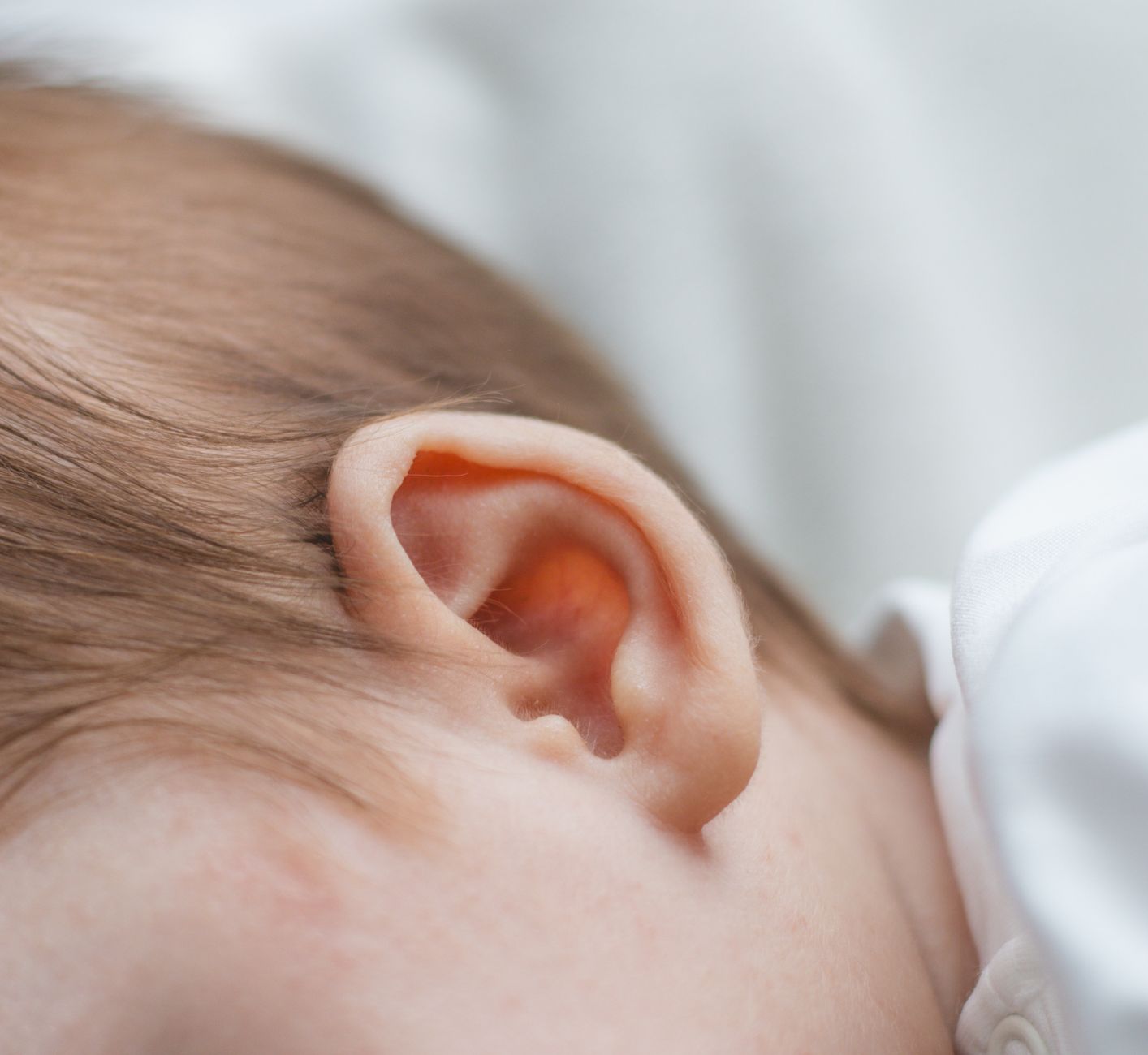
When you’re in the postpartum unit, a hearing screener—often a nurse or audiology technician—will gently place a soft silicone probe into the baby’s ear canal. The device emits a brief click or tone and measures the ear’s response. The whole process takes less than a minute per ear, and the baby usually remains calm because the probe is the size of a small bead.
Here’s a step‑by‑step walk‑through of the OAE portion, which is the most common initial test:
- Preparation: The baby’s ears are inspected for any wax, fluid, or blockage. If there’s excess vernix or fluid, the screener may gently suction it away.
- Probe placement: The soft probe is placed just inside the ear canal. A tiny speaker inside the probe delivers a click, and a microphone records the echo (otoacoustic emission) that the cochlea generates.
- Recording: The device automatically analyzes the echo. If the ear responds appropriately, the screen is marked as “pass.” If not, the result is a “refer.”
- Repeat for the other ear: The same steps are done on the opposite side.
- Result communication: The screener writes the outcome on the baby’s discharge paperwork and informs the parents.
If the baby “refers,” the hospital typically schedules an ABR test before discharge or arranges a follow‑up visit with a pediatric audiologist. The ABR uses tiny electrodes placed on the baby’s scalp to record brainwave responses to sounds played through earphones. The baby may be swaddled and allowed to sleep naturally; no sedation is needed.
For families with infants in the NICU, the ABR is often the first test because background noise and fluid in the ear canal can interfere with OAE results. The NICU staff will coordinate the timing to avoid interfering with other medical care.
What are the signs that a newborn might need a hearing test?
Even though universal screening is recommended, some parents notice early clues that suggest a hearing concern before the routine test. While the newborn hearing test is offered to every baby, recognizing these signs can prompt an earlier evaluation if the initial screen is missed or inconclusive.
- Failure to startle or turn toward sudden noises, such as a doorbell or a parent’s voice.
- Persistent lack of response to high‑frequency sounds like a rattle or a toy that makes a “ding‑ding” noise.
- Difficulty with breastfeeding or bottle feeding that may be linked to poor auditory cues.
- Delayed or absent development of babbling and cooing by 4–6 months of age.
- Family history of hearing loss, especially genetic conditions like connexin 26 mutations.
These observations form a symptoms checklist that many pediatricians use to decide whether a baby should receive a prompt diagnostic hearing evaluation, even if the newborn hearing test was already performed.
How to interpret newborn hearing test results for parents?
When the screening is complete, you’ll receive one of three outcomes: “Pass,” “Refer,” or “Inconclusive.” Here’s what each means:
- Pass: The baby’s ears responded as expected. This does not guarantee perfect hearing, but the risk of moderate‑to‑severe hearing loss is low. Routine pediatric check‑ups continue as usual.
- Refer (or Fail): The screening did not capture a clear response. This indicates that a more detailed diagnostic test, usually an ABR, is needed to determine if there is a hearing loss and its severity.
- Inconclusive: The test could not be completed due to excessive noise, fluid in the ear, or the baby’s movement. A repeat screening is scheduled.
Most parents feel a surge of worry when they see “refer.” Remember that a refer does not equal permanent hearing loss; it simply means the baby needs a follow‑up evaluation. In fact, up to 80 % of infants who refer on the initial OAE pass a subsequent ABR, indicating transient factors like fluid or ear canal debris.
If your baby passes, keep an eye on developmental milestones. If any concerns arise—such as delayed speech or lack of response to sounds—bring them up with your pediatrician, who may order a diagnostic ABR regardless of the initial pass.
What are the next steps if a newborn fails the hearing screening?
A “refer” result triggers a clear pathway designed to get your baby the care they need as quickly as possible. The steps typically look like this:
- Schedule a diagnostic ABR: This is usually arranged within 2 weeks of the refer. Many hospitals have an audiology department that can perform the test before discharge; otherwise, a community clinic will be identified.
- Complete the ABR: The ABR will pinpoint the type (conductive, sensorineural, or mixed) and the degree (mild, moderate, severe) of hearing loss.
- Consult an audiologist or ENT specialist: Based on the ABR results, a specialist will discuss treatment options—hearing aids, cochlear implants, or observation.
- Begin early‑intervention services: If any degree of hearing loss is confirmed, state early‑intervention programs will be activated. These services provide speech‑language therapy, family counseling, and equipment support.
- Follow‑up monitoring: Even if initial testing shows mild loss, regular audiologic assessments every 3–6 months are recommended to track changes.
During this period, it’s normal to feel overwhelmed. Many parents find comfort in connecting with support groups. For example, the Hearing Loss Association of America (HLAA) and local early‑intervention agencies offer peer‑to‑peer counseling, which can demystify the process and provide practical tips for home language stimulation.
Does insurance cover the newborn hearing test and what are the costs?
In the United States, the newborn hearing test is considered a preventive service and is covered by most private insurers, Medicaid, and the Children’s Health Insurance Program (CHIP) under the Affordable Care Act. The cost to the provider is typically bundled into the newborn’s birth admission, so families usually incur no out‑of‑pocket expense for the initial screening.
If a diagnostic ABR is required, most plans also cover it, though you may encounter a modest copay (often $10‑$30) depending on your plan’s tier. For families without insurance, many hospitals and community clinics offer sliding‑scale fees or can connect you with state‑funded early‑intervention programs that cover the test at no charge.
Financial assistance options include:
- Hospital charity care programs.
- State early‑intervention agencies that fund diagnostic testing and hearing devices.
- Nonprofit organizations such as the Starkey Hearing Foundation, which provides free hearing aids for qualifying children.
Always verify coverage with your insurer before scheduling a follow‑up ABR, and ask the hospital’s billing office for a detailed estimate. Documentation of the initial “refer” result is usually required for insurance reimbursement.
Can a newborn hearing test be done at home or only in a clinic?
The universal newborn hearing test is designed to be performed in a controlled environment—either in the hospital’s newborn nursery or a qualified outpatient clinic. The equipment (OAE and ABR devices) requires calibrated microphones, sound‑attenuating rooms, and trained professionals to interpret the results.
That said, there are emerging home‑screening technologies that allow parents to conduct a basic OAE check using a handheld device connected to a smartphone. These kits are still under evaluation and are not yet endorsed by the Joint Committee on Infant Hearing for universal screening. They may be useful for families who live far from audiology services, but a positive or inconclusive home result must still be confirmed by a certified audiologist.
In short, the recommended and most reliable approach is to have the newborn hearing test performed in a hospital or clinic setting. This ensures accurate results, proper documentation, and immediate access to follow‑up care if needed.
Newborn hearing test guidelines 2024: What clinicians are recommending today
The 2024 update from the Joint Committee on Infant Hearing (JCIH) emphasizes three core targets:
- Screen by 1 month: All infants should have a hearing screen completed by 30 days of age, with a goal of finishing before hospital discharge.
- Diagnose by 3 months: If a screen is “refer,” a definitive diagnostic ABR should be completed by 3 months of age.
- Intervene by 6 months: Early‑intervention services, hearing‑assistive technology, and family counseling should begin by 6 months to support language development.
These benchmarks are supported by data from the Centers for Disease Control and Prevention (CDC) showing that when the 1‑3‑6 timeline is met, children with hearing loss achieve language outcomes comparable to their hearing peers. The guidelines also note that infants with risk factors—such as NICU stay longer than 5 days, family history of hearing loss, or craniofacial anomalies—should receive a diagnostic ABR regardless of the screening outcome.
How long does a newborn hearing screening take?
The entire screening process is remarkably brief. An OAE screen typically requires 1–2 minutes per ear, plus a few minutes for preparation and documentation—so you can expect the whole encounter to last about 5 minutes. An ABR, when required, takes longer—about 5–10 minutes per ear—because the technologist needs to place electrodes and ensure the infant is calm or asleep. Even with the ABR, most clinics schedule the test for a 20‑minute slot, allowing time for set‑up and post‑test discussion.
Because the test is quick, it fits easily into routine newborn care without adding significant stress or delay to discharge plans.
What to expect after a failed newborn hearing test?
If your baby “refers,” the next few weeks can feel uncertain. Here’s a realistic roadmap of what typically happens:
- Notification: The hospital staff will give you a written notice explaining the result and the next steps.
- Appointment scheduling: Within 1–2 weeks, a pediatric audiologist will contact you to schedule a diagnostic ABR.
- Diagnostic testing: The ABR will determine the type and degree of hearing loss, if any.
- Results discussion: A specialist will meet with you to review the findings, answer questions, and outline treatment options.
- Early‑intervention referral: If hearing loss is confirmed, a case manager from your state’s early‑intervention program will be assigned to coordinate services.
- Family support: You’ll receive resources such as parent education classes, sign‑language workshops, and counseling.
Most families report that the process, while initially stressful, becomes manageable once the care team explains each step clearly. Communication is key—don’t hesitate to ask for written summaries, interpreter services, or a second opinion if needed.
Best hospitals for newborn hearing screening in the US
While the newborn hearing test is widely available, some hospitals have earned reputations for excellence in pediatric audiology. According to the American Academy of Pediatrics (AAP) and the National Institute on Deafness and Other Communication Disorders (NIDCD), top facilities typically have:
- Dedicated newborn hearing screening programs with certified audiologists.
- Integrated early‑intervention teams that begin services within days of diagnosis.
- Research affiliations that keep protocols aligned with the latest JCIH guidelines.
Based on recent surveys, the following institutions consistently rank among the best:
- Boston Children’s Hospital (Massachusetts)
- Children’s Hospital of Philadelphia (Pennsylvania)
- UCLA Ronald Reagan Medical Center (California)
- Johns Hopkins Children’s Center (Maryland)
- Children’s Hospital Colorado (Colorado)
Choosing a hospital with a strong newborn hearing program can reduce wait times for follow‑up testing and provide a smoother transition into early‑intervention services.
Myth vs. fact
Myth: “If my baby passes the newborn hearing test, they will never have hearing problems.”
Fact: A pass indicates low risk at the time of screening, but hearing can change due to infections, ototoxic medications, or later‑onset genetic conditions. Ongoing developmental monitoring is essential.
Myth: “The newborn hearing test is painful and can damage the baby’s ear.”
Fact: The test uses soft clicks or tiny electrodes; it is painless and safe. No known adverse effects have been reported in thousands of screenings.
Myth: “If my baby fails the test, they will need a cochlear implant.”
Fact: Most infants who refer have mild to moderate loss that can be managed with hearing aids or, in some cases, may resolve after medical treatment of fluid or infection.
Key takeaways
- The newborn hearing test is a quick, painless screening that should happen before hospital discharge.
- Early detection (by 3 months) and intervention (by 6 months) are crucial for language development.
- OAE is the first‑line screen; ABR is the follow‑up diagnostic test if a “refer” occurs.
- Premature infants follow a slightly delayed schedule, but the same 1‑3‑6 goals apply.
- Insurance typically covers both screening and diagnostic testing; financial aid is available for uninsured families.
- If a baby fails the screen, a clear pathway exists: ABR → specialist → early‑intervention services.
Frequently asked questions
How soon after birth is the hearing test done?
Most hospitals perform the newborn hearing test within the first 24–48 hours of life, before the baby leaves the nursery. If the infant is in the NICU, the test is usually completed by 30 days of age.
What does a newborn hearing test involve?
The test uses either otoacoustic emissions (OAE) or auditory brainstem response (ABR) technology. A soft probe or tiny electrodes are placed in the ear, a gentle click or tone is played, and the device records the ear’s response. The whole process takes about 5 minutes.
What happens if a baby fails the hearing screening?
A “refer” result means a follow‑up diagnostic ABR is scheduled, typically within 2 weeks. The ABR determines the type and severity of any hearing loss, after which a specialist will discuss treatment options and connect the family with early‑intervention services.
Is the newborn hearing test painful?
No. The probe or electrodes are very gentle, and most babies do not react. The test is considered painless and safe for all newborns, including premature infants.
Can a newborn’s hearing test be repeated?
Yes. If the initial screen is inconclusive or if there is a concern about the infant’s hearing later on, the test can be repeated at any time. Many hospitals will re‑screen before discharge if the first attempt was affected by noise or fluid.
Are there any risks associated with newborn hearing tests?
Risks are extremely low. The OAE probe delivers a soft click, and the ABR uses low‑level sounds that are well below any level that could cause damage. The only potential issue is a brief discomfort if the baby has a lot of earwax, which can be cleared before testing.
When to see a doctor / specialist
If your baby receives a “refer” result, contact a pediatric audiologist within 2 weeks. Even with a “pass,” you should bring any of the following concerns to your pediatrician promptly, as they may indicate a hearing issue that the screen missed:
- Failure to startle at loud noises by 2 months.
- Persistent lack of response to your voice or a rattle.
- Delayed babbling or speech milestones.
- Family history of hearing loss or known genetic conditions.
- Any ear infection that recurs or lasts longer than 2 weeks.
In these cases, request a diagnostic ABR or referral to an ENT (ear, nose, throat) specialist. Early assessment and intervention are essential for optimal language development.
References
- Joint Committee on Infant Hearing. "Year 2024 Position Statement: Early Hearing Detection and Intervention." American Academy of Pediatrics.
- American Speech‑Language‑Hearing Association. "Newborn Hearing Screening: Guidelines and Best Practices." 2023.
- National Institute on Deafness and Other Communication Disorders. "Universal Newborn Hearing Screening." NIH, 2024.
- American Academy of Pediatrics. "Guidelines for Audiologic Screening of Infants and Children." Pediatrics, 2022.
- Centers for Disease Control and Prevention. "Newborn Hearing Screening." CDC, 2024.
- Hearing Loss Association of America. "Early Intervention Services for Children with Hearing Loss." HLAA, 2023.
- World Health Organization. "Early Detection of Hearing Loss in Infants." WHO Technical Report, 2023.



