Neonatal cooling for HIE requires four mandatory steps—start within six hours, maintain target temperature, monitoring, and trained staff—to improve outcomes.
By Shubhra Mishra — a mom of two who turned her own confusion during pregnancy into BumpBites, a global mission to make food choices clear, safe, and stress-free for every expecting mother. 💛
Check whether any food is safe during pregnancy with the BumpBites Food Safety Checker.
Quick take: Neonatal cooling (therapeutic hypothermia) is the only proven treatment for hypoxic-ischemic encephalopathy (HIE) in newborns — but it must start within 6 hours of birth and meet four strict criteria: the baby must be at least 36 weeks gestation, weigh over 1,800 grams, show moderate-to-severe encephalopathy, and have evidence of oxygen deprivation at birth. The therapy lowers the baby’s core temperature to 33.5°C for 72 hours, then slowly rewarming over 6–12 hours. Not every hospital can offer it, and not every baby qualifies, but when done correctly, it can reduce death and disability by up to 25%.
It’s 3:17 a.m. The delivery room is quiet now, except for the rhythmic beep of monitors. Your baby was born floppy, blue, and not breathing. The NICU team worked fast — suction, oxygen, chest compressions — and finally, a weak cry. Now, as the neonatologist explains what happened, one phrase keeps repeating: hypoxic-ischemic encephalopathy. HIE. Brain injury from lack of oxygen. And then, the words that feel like a lifeline: neonatal cooling. They say it can protect your baby’s brain. But only if it starts soon. Only if your baby meets the rules. Only if the hospital has the right equipment.
You’re not alone. Every year, about 1–3 in 1,000 full-term babies develop HIE after a difficult birth. And for those families, neonatal cooling isn’t just a medical term — it’s a race against time. In this guide, we’ll walk you through the four mandatory requirements for neonatal cooling, why timing is everything, what the therapy actually looks like, and what happens after. This isn’t just information. It’s what you need to know, right now, to advocate for your baby.
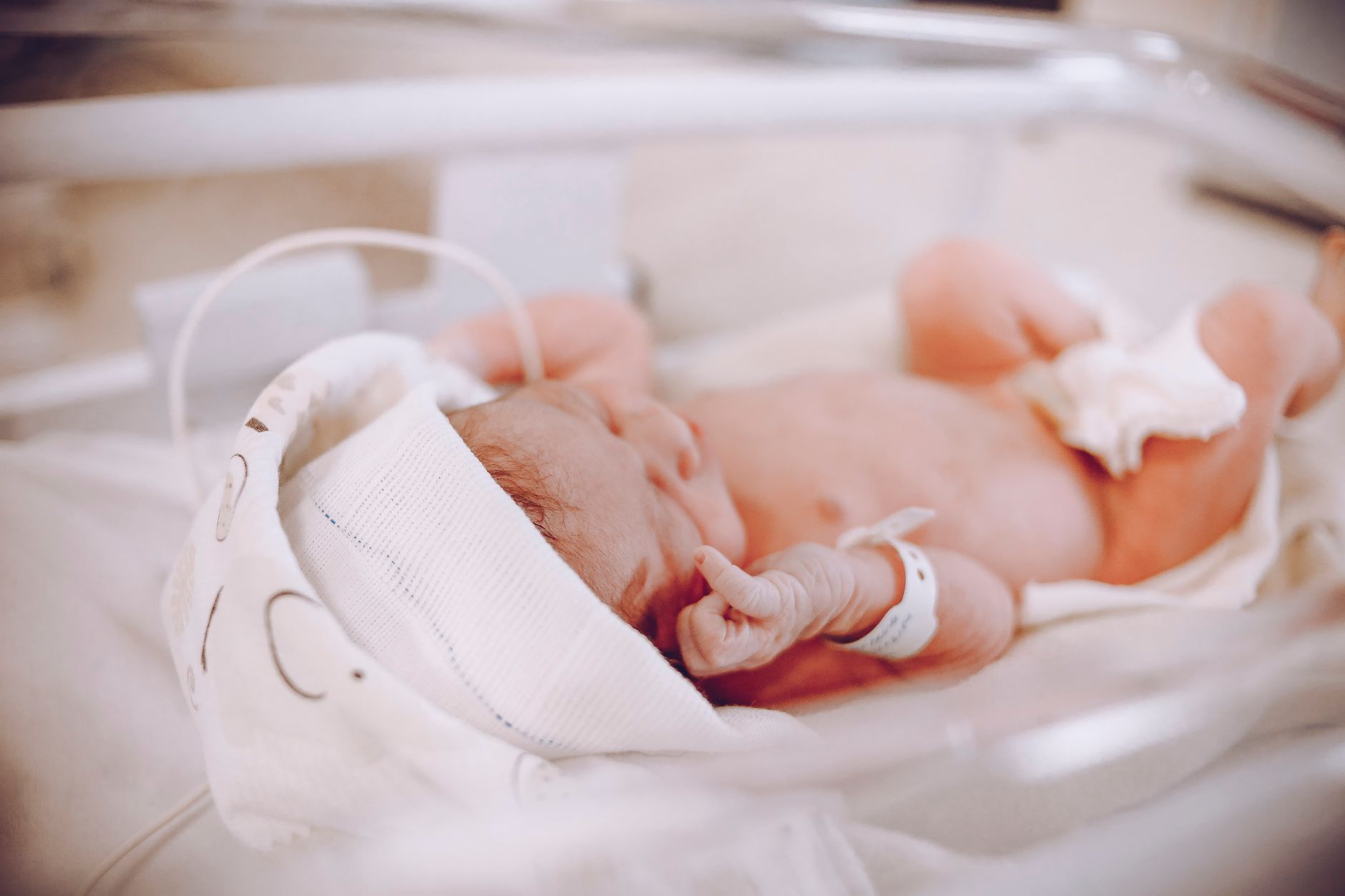
The moment cooling begins: a NICU nurse secures a newborn into a whole-body cooling blanket, starting the 72-hour therapy that can protect the brain after oxygen deprivation.
What is neonatal cooling — and how does it help?
Neonatal cooling, also called therapeutic hypothermia, is a treatment that lowers a newborn’s body temperature to protect the brain after oxygen deprivation. When a baby’s brain is starved of oxygen (hypoxia) and blood flow (ischemia), cells begin to die. But cooling slows down the brain’s metabolism, reduces inflammation, and gives damaged cells time to recover. It doesn’t reverse injury — but it can prevent further damage.
Here’s how it works: the baby’s core temperature is lowered to 33–34°C (about 91–93°F) for 72 hours. This isn’t accidental cooling — it’s controlled, precise, and monitored every minute. After 72 hours, the baby is slowly rewarmed to normal body temperature over 6–12 hours. The whole process takes about 4 days.
One mom, Sarah, described the moment her son was placed on the cooling blanket: “It felt like we were finally doing something. The team explained every step. I could see the numbers on the monitor — his temperature dropping, his heart rate steady. It wasn’t easy to watch, but it was hope.”
And the evidence backs that hope. Multiple large studies show that neonatal cooling reduces the risk of death or severe disability by about 25% in babies with moderate-to-severe HIE. That means more babies grow up with fewer developmental delays, cerebral palsy, or learning challenges. But it only works if it’s started quickly and done correctly.
The 4 mandatory requirements for neonatal cooling
Not e
very baby who has a difficult birth qualifies for neonatal cooling. There are four strict criteria that must be met — and all of them must be checked within the first 6 hours of life. If your baby doesn’t meet all four, cooling isn’t recommended. Here’s what the medical team is looking for:
1. Gestational age: at least 36 weeks
Neonatal cooling is only proven safe and effective for babies born at or after 36 weeks of gestation. Why? Because the brain of a preterm baby (under 35 weeks) is still developing differently, and cooling hasn’t been shown to help — and may even cause harm. Most guidelines (ACOG, AAP, NICE) set 36 weeks as the minimum.
If your baby was born at 35 weeks and 6 days, they don’t qualify. If they were born at 36 weeks and 1 day, they do. It’s that precise.
2. Birth weight: at least 1,800 grams (about 4 pounds)
The cooling equipment is designed for babies who weigh at least 1,800 grams. Smaller babies may not tolerate the cooling process well, and there’s not enough evidence to support cooling in very low birth weight infants. This weight cutoff is standard across most hospitals.
If your baby weighs 1,750 grams, they don’t meet the criteria. If they weigh 1,850 grams, they do.
3. Evidence of oxygen deprivation at birth
This is about what happened during delivery. The medical team looks for signs that the baby’s brain was deprived of oxygen. They check three things:
Low Apgar scores: The Apgar score is a quick test done at 1 and 5 minutes after birth. A score of 5 or less at 10 minutes is a strong sign of oxygen deprivation.
Need for resuscitation: If the baby needed help breathing (like positive pressure ventilation or chest compressions) for more than 10 minutes after birth, that’s a red flag.
Blood gas results: A blood test (usually from the umbilical cord) shows if the baby’s blood was too acidic (pH < 7.0) or had high levels of lactate, both signs of oxygen deprivation.
Not every baby with a low Apgar score has HIE — but if the score stays low and the blood test is abnormal, the team will move quickly to assess the next requirement.
4. Moderate-to-severe encephalopathy
Encephalopathy means brain dysfunction. In newborns, it’s assessed using a standardized exam called the Sarnat staging or the Thompson score. The team checks for:
Level of consciousness (is the baby lethargic or unresponsive?)
Muscle tone (is the baby floppy or stiff?)
Reflexes (are they weak or absent?)
Seizures (are there any abnormal movements or EEG findings?)
Autonomic function (breathing, heart rate, pupil response)
Encephalopathy is graded as mild, moderate, or severe. Only babies with moderate or severe encephalopathy qualify for cooling. Mild cases don’t benefit from the therapy and may not need it.
Here’s a quick comparison:
Severity of Encephalopathy
Signs
Qualifies for Cooling?
Mild
Hyperalert, irritable, normal muscle tone, no seizures
No
Moderate
Lethargic, weak cry, decreased muscle tone, possible seizures
Yes
Severe
Coma, no spontaneous movement, absent reflexes, frequent seizures
Yes
If your baby meets all four criteria — 36+ weeks, 1,800+ grams, evidence of oxygen deprivation, and moderate-to-severe encephalopathy — the team will recommend starting neonatal cooling immediately. But there’s one more critical factor: timing.
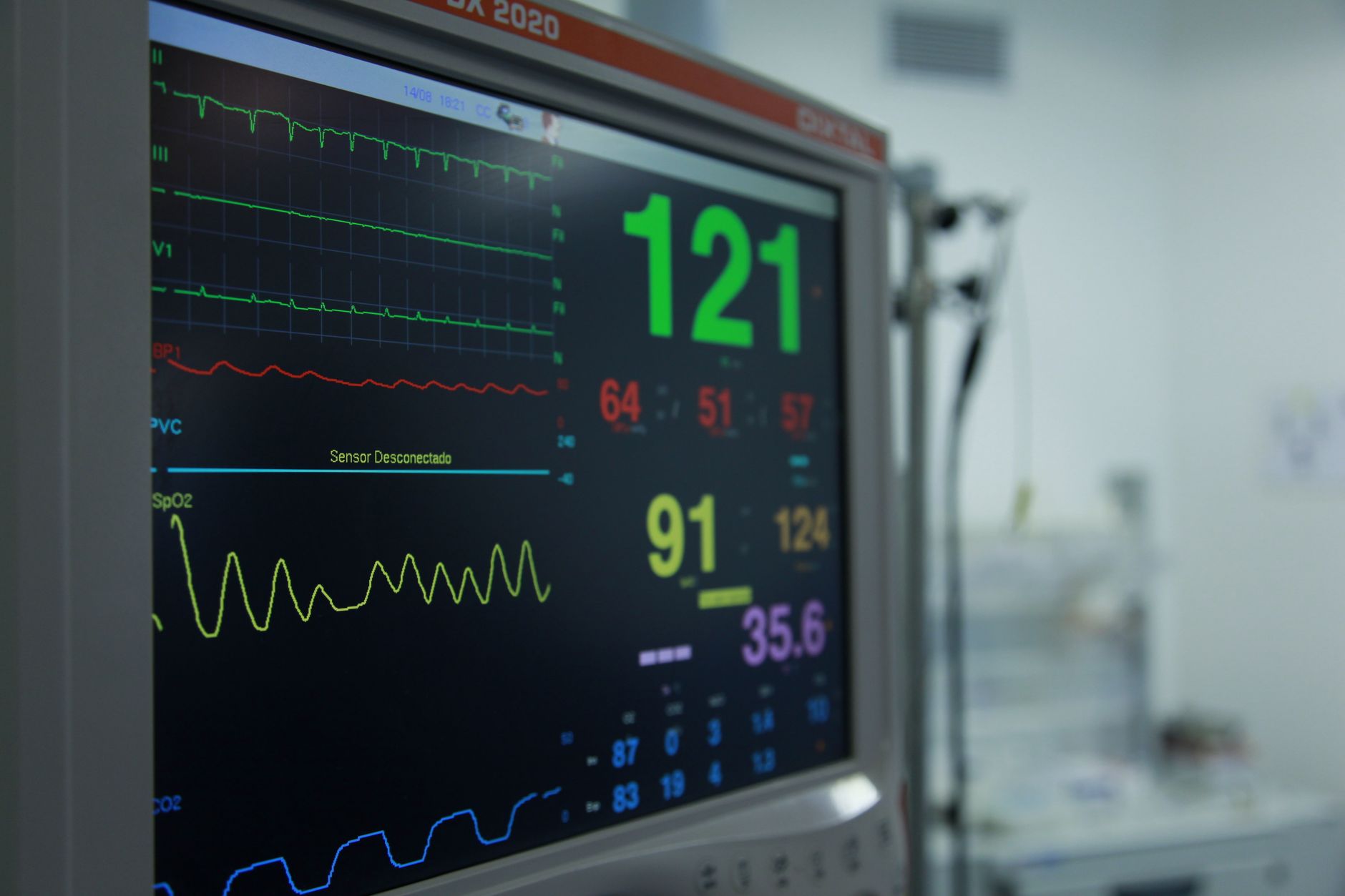
The target: a NICU monitor shows a newborn’s core temperature held steady at 33.5°C during the 72-hour cooling phase.
Timing: the 6-hour window that can change everything
Neonatal cooling must start within 6 hours of birth. This isn’t a suggestion — it’s a hard deadline. The therapy is most effective when begun as early as possible, ideally within the first 3–4 hours. After 6 hours, the benefits drop sharply, and cooling isn’t recommended.
Why 6 hours? Because brain injury from oxygen deprivation happens in two phases. The first phase is immediate cell death during the lack of oxygen. The second phase — called reperfusion injury — happens hours later, when blood flow returns and triggers inflammation and further damage. Cooling works by slowing down this second phase, giving the brain time to heal.
One neonatologist put it simply: “Think of it like putting out a fire. The sooner you start cooling, the less damage the fire can do.”
This 6-hour window is why some babies are transferred to specialized hospitals. If your local hospital doesn’t offer neonatal cooling, the team may arrange a neonatal transport to a Level III or IV NICU that does. These transports are done by trained teams in ambulances or helicopters equipped with portable cooling devices. The goal is to start cooling as soon as possible — even during the ride.
If you’re delivering at a smaller hospital, ask your provider ahead of time: “Do you offer neonatal cooling? If not, where will my baby be transferred?” Knowing the plan can ease some of the fear if things don’t go as expected.
How neonatal cooling is done: equipment and methods
There are two main ways to cool a newborn: whole-body cooling and selective head cooling. Both methods lower the brain’s temperature, but they do it differently. Here’s how they work:
Whole-body cooling
This is the most common method in the U.S. and many other countries. The baby is placed on a special cooling blanket or mattress filled with circulating water. The water temperature is controlled by a machine that keeps the baby’s core temperature at 33–34°C. The baby is usually swaddled and may wear a small hat to prevent heat loss from the head.
Whole-body cooling is preferred because it’s easier to control and monitor. It’s also the method used in most of the large clinical trials that proved cooling works.
Selective head cooling
In this method, the baby wears a cooling cap filled with circulating water. The cap lowers the temperature of the scalp and brain while the rest of the body stays at a normal temperature. This method is less common and is mainly used in some European countries.
Both methods are effective, but whole-body cooling is generally considered the gold standard. Your hospital will use the method they’re trained in and equipped for.
Here’s what the setup looks like in the NICU:
Cooling device: A machine that circulates water through a blanket or cap. The temperature is set to maintain the baby’s core temperature at 33.5°C.
Temperature probe: A small sensor (usually placed in the baby’s esophagus or rectum) that continuously measures core temperature. This is how the team knows if the cooling is working.
Vital signs monitor: A machine that tracks heart rate, oxygen levels, blood pressure, and breathing. This is standard in the NICU, but it’s especially important during cooling.
EEG monitor: An electroencephalogram (EEG) tracks brain activity and watches for seizures. Many babies with HIE have seizures that aren’t visible to the naked eye, so the EEG is crucial.
One dad, Mark, described the first few hours: “It was overwhelming. There were wires everywhere, alarms going off, nurses checking things constantly. But they explained every beep, every adjustment. We could see the temperature on the screen — it was dropping slowly, but steadily. It felt like we were in a race, and every degree mattered.”
Monitoring during cooling: what the team is watching for
Neonatal cooling isn’t “set it and forget it.” The baby is monitored continuously for the entire 72 hours. Here’s what the medical team is watching:
Core temperature
The target temperature is 33–34°C (usually 33.5°C). The team checks the temperature probe every 15–30 minutes to make sure it stays in range. If the temperature drifts too low or too high, they adjust the cooling device.
It’s important to keep the temperature steady. Too cold (below 32°C) can cause heart rhythm problems or bleeding. Too warm (above 34.5°C) can reduce the therapy’s effectiveness.
Heart rate and blood pressure
Cooling can slow the heart rate (bradycardia) and lower blood pressure. The team watches for:
Heart rate below 80 beats per minute (normal for a cooled baby is 80–100 bpm)
Blood pressure that’s too low (hypotension) or too high (hypertension)
Any irregular heart rhythms
If the heart rate drops too low or blood pressure falls, the team may adjust the cooling or give medications to support the heart.
Oxygen levels
The baby’s oxygen saturation (SpO2) is kept in a normal range (usually 90–95%). Too little oxygen can worsen brain injury, while too much can cause other problems.
Blood sugar and electrolytes
Cooling can affect metabolism. The team checks blood sugar and electrolytes (like sodium, potassium, and calcium) regularly to make sure they stay in a safe range. Low blood sugar (hypoglycemia) is especially common and needs to be treated quickly.
Brain activity (EEG)
An EEG is used to monitor brain activity and watch for seizures. Many babies with HIE have seizures that aren’t visible — they may not have jerking movements or other obvious signs. The EEG helps the team detect and treat these “silent” seizures with anti-seizure medications.
Skin condition
The cooling blanket or cap can cause skin irritation or pressure sores. The team checks the baby’s skin regularly and may reposition them or use protective dressings.
All of this monitoring means the baby is never alone. There’s always a nurse or doctor nearby, ready to respond to any changes. It’s intense — but it’s also why cooling works.
The rewarming process: slow and steady
After 72 hours of cooling, it’s time to rewarm the baby. This isn’t as simple as turning off the cooling device. Rewarming must be done slowly — usually at a rate of 0.5°C per hour. That means it takes about 6–12 hours to return the baby to a normal temperature (36.5–37.5°C).
Why so slow? Because rapid rewarming can cause:
Rebound brain swelling
Seizures
Low blood pressure
Electrolyte imbalances
During rewarming, the team continues to monitor the baby closely. They watch for:
Changes in heart rate or blood pressure
Signs of seizures
Fluid shifts (edema or swelling)
Changes in brain activity on the EEG
Once the baby is fully rewarmed, the cooling device is removed. But the monitoring doesn’t stop. The baby will stay in the NICU for several more days (or weeks) to watch for complications and provide supportive care.
One mom, Priya, described rewarming as “the scariest part.” “We’d gotten used to seeing 33.5 on the monitor. When it started climbing, I kept thinking, Is this too fast? Is something wrong? But the nurses were calm. They said, ‘This is normal. We’re almost there.’ And they were right.”
Contraindications: when neonatal cooling isn’t an option
Neonatal cooling isn’t safe for every baby with HIE. There are some conditions that make cooling too risky. These are called contraindications. If your baby has any of these, the team won’t recommend cooling:
Severe bleeding: Babies with major bleeding (like intraventricular hemorrhage) are at high risk of more bleeding during cooling.
Severe infection (sepsis): Cooling can weaken the immune system and make it harder to fight infection.
Congenital anomalies: Some birth defects (like major heart or brain malformations) may make cooling unsafe.
Severe growth restriction: Babies who are very small for their gestational age may not tolerate cooling well.
Terminal condition: If the baby’s injury is so severe that survival is unlikely, cooling may not be offered.
If your baby has one of these conditions, the team will focus on other supportive care, like managing seizures, supporting breathing, and preventing complications. It’s a difficult conversation, but it’s important to trust the medical team’s expertise.
Expected outcomes: what happens after cooling?
Neonatal cooling doesn’t guarantee a perfect outcome — but it does improve the odds. Here’s what the evidence shows:
About 40–50% of babies with moderate HIE who receive cooling will have no long-term disabilities.
About 20–30% of babies with severe HIE will survive without severe disability.
Cooling reduces the risk of death or severe disability by about 25%.
But every baby is different. Some recover fully. Others may have:
Cerebral palsy (mild to severe)
Developmental delays (in motor skills, speech, or learning)
Epilepsy (recurrent seizures)
Vision or hearing problems
The team will monitor your baby closely after cooling. They’ll do:
Brain imaging: An MRI (usually around day 5–7) to look for signs of brain injury. This helps predict long-term outcomes.
Neurological exams: Regular checks to see how the baby is responding and developing.
Early intervention: If there are signs of developmental delays, the team will connect you with therapists (physical, occupational, speech) to start support as early as possible.
One neonatologist told us: “We can’t erase what happened. But we can give the brain the best chance to heal. And we can give families the tools to support their baby’s development from day one.”
If you’re wondering whether your baby qualifies for cooling, or what their numbers mean, our Therapeutic Hypothermia Eligibility calculator can help. It walks you through the criteria and gives you a clear picture of where your baby stands.
From our medical team: “Neonatal cooling is one of the most powerful tools we have in the NICU — but it’s not magic. It works best when started early, in the right babies, with careful monitoring. Families often ask, ‘Will my baby be okay?’ The honest answer is: we don’t know yet. But we do know that cooling gives the brain the best possible environment to heal. And that’s worth fighting for.”
Myth: Neonatal cooling is experimental and only done in research hospitals.
Fact: Neonatal cooling is a standard, evidence-based treatment recommended by ACOG, AAP, and NICE. It’s offered in Level III and IV NICUs worldwide, not just in research settings. The therapy has been studied in large clinical trials and is considered the gold standard for babies with moderate-to-severe HIE.
Myth: Cooling can reverse brain damage.
Fact: Cooling doesn’t reverse injury — it prevents further damage. It slows down the brain’s metabolism and reduces inflammation, giving damaged cells time to recover. But it can’t bring back cells that have already died. That’s why timing is so critical.
Myth: If my baby doesn’t qualify for cooling, there’s nothing that can be done.
Fact: Even if your baby doesn’t meet the criteria for cooling, there’s still supportive care that can help. This includes managing seizures, supporting breathing, maintaining normal blood sugar and electrolytes, and preventing complications. The NICU team will tailor care to your baby’s needs, whether or not cooling is an option.
Key takeaways
Neonatal cooling (therapeutic hypothermia) is the only proven treatment for hypoxic-ischemic encephalopathy (HIE) in newborns.
There are four mandatory requirements for cooling: gestational age ≥36 weeks, birth weight ≥1,800 grams, evidence of oxygen deprivation, and moderate-to-severe encephalopathy.
Cooling must start within 6 hours of birth to be effective. The sooner, the better.
The therapy lowers the baby’s core temperature to 33–34°C for 72 hours, then slowly rewarming over 6–12 hours.
Two methods are used: whole-body cooling (most common) and selective head cooling.
Babies are monitored continuously for temperature, heart rate, blood pressure, oxygen levels, brain activity, and more.
Not all babies qualify for cooling. Contraindications include severe bleeding, infection, or congenital anomalies.
Cooling reduces the risk of death or severe disability by about 25%, but outcomes vary. Early intervention and follow-up care are key.
Frequently asked questions
What are the four mandatory requirements for neonatal cooling in HIE?
The four mandatory requirements are: (1) gestational age of at least 36 weeks, (2) birth weight of at least 1,800 grams, (3) evidence of oxygen deprivation at birth (low Apgar scores, need for resuscitation, or abnormal blood gas results), and (4) moderate-to-severe encephalopathy confirmed by a neurological exam. All four must be met within 6 hours of birth for cooling to be recommended.
When is the optimal window to start therapeutic hypothermia after birth?
The optimal window to start neonatal cooling is within 6 hours of birth. The therapy is most effective when begun as early as possible, ideally within the first 3–4 hours. After 6 hours, the benefits drop sharply, and cooling isn’t recommended. This is why some babies are transferred to specialized hospitals quickly.
How is the target temperature maintained during neonatal cooling?
The target temperature (33–34°C, usually 33.5°C) is maintained using a cooling device — either a whole-body blanket or a selective head cap. The device circulates water at a controlled temperature, and a core temperature probe (placed in the esophagus or rectum) provides continuous feedback. The medical team adjusts the device as needed to keep the temperature steady.
What monitoring is required while a newborn is undergoing cooling therapy?
Babies undergoing neonatal cooling are monitored continuously for: core temperature, heart rate, blood pressure, oxygen levels, blood sugar, electrolytes, brain activity (EEG), and skin condition. This ensures the therapy is working safely and allows the team to respond quickly to any changes.
Are there any infants who should not receive therapeutic hypothermia?
Yes. Babies with severe bleeding, severe infection, major congenital anomalies, or terminal conditions are not candidates for cooling. These conditions make the therapy too risky. The medical team will assess each baby individually and recommend supportive care instead if needed.
What are the expected outcomes after completing neonatal cooling for HIE?
Neonatal cooling reduces the risk of death or severe disability by about 25%. About 40–50% of babies with moderate HIE and 20–30% of babies with severe HIE who receive cooling will survive without long-term disabilities. However, some babies may still have cerebral palsy, developmental delays, epilepsy, or vision/hearing problems. Early intervention and follow-up care are crucial for supporting development.
When to call your doctor
If your baby has undergone neonatal cooling, you’ll be in close contact with the NICU team. But if you notice any of these signs after discharge, call your pediatrician or seek emergency care:
Fever or temperature instability
Seizures (jerking movements, staring spells, or unusual stiffness)
Difficulty feeding or poor weight gain
Extreme irritability or lethargy
Weakness or floppiness in the arms or legs
Delays in reaching developmental milestones (like not smiling by 2 months or not sitting by 6 months)
This article is for informational purposes only and is not a substitute for professional medical advice, diagnosis, or treatment. Always seek the advice of your physician or other qualified health provider with any questions you may have regarding a medical condition.
References
American College of Obstetricians and Gynecologists (ACOG). (2019). Neonatal Encephalopathy and Neurologic Outcome, Second Edition. ACOG Committee Opinion No. 767.
American Academy of Pediatrics (AAP). (2021). Hypoxic-Ischemic Encephalopathy: Therapeutic Hypothermia. AAP Clinical Report.
National Institute for Health and Care Excellence (NICE). (2021). Therapeutic Hypothermia with Intracorporeal Temperature Monitoring for Hypoxic Perinatal Brain Injury. NICE Guideline NG233.
Edwards, A. D., et al. (2010). Neurological outcomes at 18 months of age after moderate hypothermia for perinatal hypoxic ischaemic encephalopathy: synthesis and meta-analysis of trial data. BMJ, 340, c363.
Shankaran, S., et al. (2005). Whole-body hypothermia for neonates with hypoxic-ischemic encephalopathy. New England Journal of Medicine, 353(15), 1574-1584.
World Health Organization (WHO). (2020). Standards for Improving Quality of Maternal and Newborn Care in Health Facilities. WHO Guidelines.
Mayo Clinic. (2023). Hypoxic-Ischemic Encephalopathy (HIE). Patient Care & Health Information.
Royal College of Obstetricians and Gynaecologists (RCOG). (2017). Each Baby Counts: 2017 Progress Report.
When Shubhra Mishra was expecting her first child in 2016, she was overwhelmed by conflicting food advice — one site said yes, another said never. By the time her second baby arrived in 2019, she realized millions of mothers face the same confusion.
That sparked a five-year journey through clinical nutrition papers, cultural diets, and expert conversations — all leading to BumpBites: a calm, compassionate space where science meets everyday motherhood.
Her long-term vision is to build a global community ensuring safe, supported, and free deliveriesfor every mother — because no woman should face pregnancy alone or uninformed. 🌿
🌍 Stand with mothers, shape safer guidance
Join a small circle of experts who review BumpBites articles so expecting parents everywhere can decide with confidence.