Newborns at risk for low blood sugar need prompt detection. This guide explains which infants are most vulnerable and outlines a step‑by‑step monitoring protocol.
By Shubhra Mishra — a mom of two who turned her own confusion during pregnancy into BumpBites, a global mission to make food choices clear, safe, and stress-free for every expecting mother. 💛
Check whether any food is safe during pregnancy with the BumpBites Food Safety Checker.
Quick take: Newborn low blood sugar (neonatal hypoglycemia) is common in certain infants, but with prompt screening, simple bedside monitoring, and early feeding or glucose therapy, most babies recover quickly and avoid complications. If your baby falls into an at‑risk group, follow a structured monitoring protocol and stay in touch with your pediatric team.
It’s 2 a.m., you’ve just helped your newborn finish a sleepy feeding, and a vague worry nudges you awake: “Did I do enough? Could my baby’s blood sugar be low?” You’re not alone. Many new parents wonder whether their baby’s glucose is within the safe range, especially if the pregnancy involved diabetes, a premature delivery, or a stressful birth.
Good news: neonatal hypoglycemia has clear, evidence‑based guidelines, and most cases resolve with timely feeding or a brief glucose drip. This article walks you through what low blood sugar means for a newborn, which infants are most vulnerable, how hospitals screen and monitor, and what you can do at home if your baby needs extra care. By the end, you’ll know the normal glucose numbers, the step‑by‑step monitoring protocol, and the signs that mean you should call your provider right away.
What is neonatal hypoglycemia and what glucose levels are considered normal?
Neonatal hypoglycemia refers to a blood glucose level that is lower than what most newborns need to maintain brain function and overall growth. Because a newborn’s brain uses glucose almost exclusively, a rapid drop can cause irritability, seizures, or, in severe cases, long‑term neurodevelopmental issues.
Normal glucose values change rapidly after birth. According to the American College of Obstetricians and Gynecologists (ACOG) and the UK’s National Institute for Health and Care Excellence (NICE):
In the first hour of life, a level of ≥45 mg/dL (2.5 mmol/L) is generally accepted as safe for term infants.
Between 1 and 24 hours, most guidelines aim for ≥40 mg/dL (2.2 mmol/L).
After 24 hours, a level of ≥35 mg/dL (1.9 mmol/L) is often considered adequate for healthy, term babies.
Preterm infants (< 37 weeks) and those with additional risk factors may have higher target thresholds because their metabolic reserves are smaller. The exact cut‑offs can vary slightly between institutions, but the principle remains: keep the glucose above the minimum safe level until the baby establishes regular feeds.
Recent research from the National Institutes of Health (NIH) highlights that even brief periods of glucose below these thresholds can affect neuro‑energy metabolism, underscoring why the first 24 hours are a critical window for monitoring. However, the same studies also reassure that most infants who receive early nutrition rebound without lasting deficits. The newborn’s transition from a constant maternal glucose supply to autonomous regulation is physiologic, and a temporary dip is normal—as long as it is caught and corrected promptly.
Who is most at risk? Key risk factors and at‑risk infant groups
Not e
very newborn needs a glucose check. Identifying at‑risk infants helps clinicians focus resources where they’re needed most. Below is a concise list of the most common risk factors, drawn from ACOG, the Centers for Disease Control and Prevention (CDC), and the World Health Organization (WHO):
Maternal diabetes: Infants of mothers with pre‑gestational or gestational diabetes often have high insulin levels at birth, which can cause a rapid glucose decline.
Prematurity: Babies born before 37 weeks have limited glycogen stores and immature hormonal regulation.
Intra‑uterine growth restriction (IUGR) or small‑for‑gestational‑age (SGA): These infants may have reduced energy reserves.
Large‑for‑gestational‑age (LGA) infants: Similar to infants of diabetic mothers, they can be hyperinsulinemic.
Perinatal stress: Prolonged labor, birth asphyxia, or need for resuscitation can disrupt glucose homeostasis.
Delayed or inadequate feeding: Babies who are not fed within the first hour, or who have poor latch, are vulnerable.
Medications that affect glucose: Maternal use of beta‑agonists (e.g., for asthma) or certain anti‑seizure drugs.
Many parents describe the moment they learned their baby fell into one of these categories. One mother recalled, “When the nurse told me my little one was a ‘large‑for‑gestational‑age’ baby, I suddenly remembered the extra sweet cravings I’d had during pregnancy. That night, I kept the glucose monitor close, just in case.” Knowing the risk factors lets you anticipate screening and prevents unnecessary anxiety.
It’s also worth noting that socioeconomic factors can intersect with medical risk. Studies from the NHS indicate that infants born to mothers with limited access to prenatal care may be more likely to be missed during early screening, reinforcing the importance of universal protocols in maternity wards. Additionally, certain ethnic groups—particularly Indigenous and Black mothers—experience higher rates of gestational diabetes, which translates into a higher incidence of neonatal hypoglycemia. Clinics that incorporate culturally sensitive education see better screening uptake and earlier detection.
How does low blood sugar show up? Clinical signs and symptoms
Neonatal hypoglycemia can be surprisingly silent. Some babies look perfectly healthy while their glucose is dipping, which is why routine screening is essential for at‑risk infants. When symptoms do appear, they often involve the nervous system:
Jitteriness or tremors
Excessive fussiness or inconsolable crying
Apnea (brief pauses in breathing) or irregular breathing patterns
Lethargy, poor responsiveness, or a “floppy” appearance
Seizure activity—sometimes subtle, like rhythmic mouth movements
Hypothermia (low body temperature) and poor feeding
Because these signs overlap with other newborn conditions (e.g., infection, jaundice), clinicians rely on a glucose measurement to confirm hypoglycemia. If you ever notice persistent jitteriness, difficulty waking for feeds, or a sudden drop in weight, it’s worth discussing with your pediatrician.
In addition to the classic signs, a newer symptom that clinicians are paying attention to is “poor sucking rhythm” after a brief nap. A 2023 NHS guideline notes that subtle changes in feeding patterns can be the first clue that glucose is slipping, especially in pre‑term babies whose brain reserves are limited. These early cues can appear within minutes of a low‑glucose episode, giving caregivers a valuable window to intervene before a full‑blown seizure develops.
Screening guidelines and timing: When and how often should glucose be checked?
Screening protocols are designed to catch low glucose before symptoms develop. The following schedule reflects the consensus of ACOG, NICE, and the American Academy of Pediatrics (AAP):
Initial check (0–2 hours): For at‑risk infants, a heel‑stick glucose is taken within the first hour after birth, often before the first feeding.
Follow‑up checks (2–4 hours): If the first result is borderline (40–44 mg/dL), repeat testing every 1–2 hours until stable.
24‑hour window: Most at‑risk babies are monitored every 3–4 hours until they have demonstrated three consecutive normal readings while feeding well.
Beyond 24 hours: If the baby remains stable, routine checks are usually discontinued unless feeding problems persist.
For newborns who are not considered at‑risk, many hospitals still perform a single screening glucose at 1–2 hours, especially if the infant shows any concerning signs. The key is that the timing aligns with feeding intervals, because glucose naturally falls between feeds.
Recent updates from the CDC’s “Perinatal Health Surveillance” program suggest adding a 6‑hour check for infants who required resuscitation at birth, as the stress response can delay the normal rise in glucose. This extra data point helps clinicians differentiate between transient stress‑related dips and true hypoglycemia. Moreover, a 2022 systematic review in *Pediatrics* showed that earlier screening (within the first 30 minutes) reduced the need for IV dextrose by 15 % without increasing adverse outcomes.
Step‑by‑step monitoring protocol: Frequency, methods, and thresholds
Below is a practical monitoring flow you can share with your nursing team or use as a reference if you’re caring for your baby at home after discharge. The protocol follows the “check‑feed‑recheck” model that balances safety with minimizing painful heel sticks.
Time after birth
Glucose threshold (mg/dL)
Action if below threshold
Frequency of repeat testing
0–2 hours (first screen)
<45
Initiate feeding or glucose gel; consider IV dextrose if <40
Repeat in 30 minutes
2–6 hours
<40
Breastfeed or formula bolus; if <30, start IV dextrose
Every 1 hour until ≥40
6–24 hours
<35
Frequent feeds (every 2–3 hours) or glucose gel; IV if <25
Every 2 hours
24+ hours (stable)
<35
Assess feeding adequacy; consider oral glucose if needed
Every 4 hours for 24 hours, then reassess
Key points to remember:
Method: Heel‑stick capillary glucose using a calibrated point‑of‑care device is standard in hospitals. For home monitoring, some parents use a glucometer with a small heel‑prick; however, accuracy can vary, so always confirm with the pediatrician.
Thresholds: The numbers above reflect the most widely accepted cut‑offs. Your provider may adjust them based on your baby’s gestational age, birth weight, and overall health.
Feeding before testing: If a baby has just fed, wait at least 30 minutes before drawing blood to avoid a falsely high result.
Documentation: Keep a simple log of time, glucose value, and feeding details. This helps the care team spot trends and makes hand‑offs between shifts smoother.
When you’re ready to calculate your own numbers, you can also use the Neonatal Hypoglycaemia Screen to see how your baby’s values compare to the recommended thresholds.
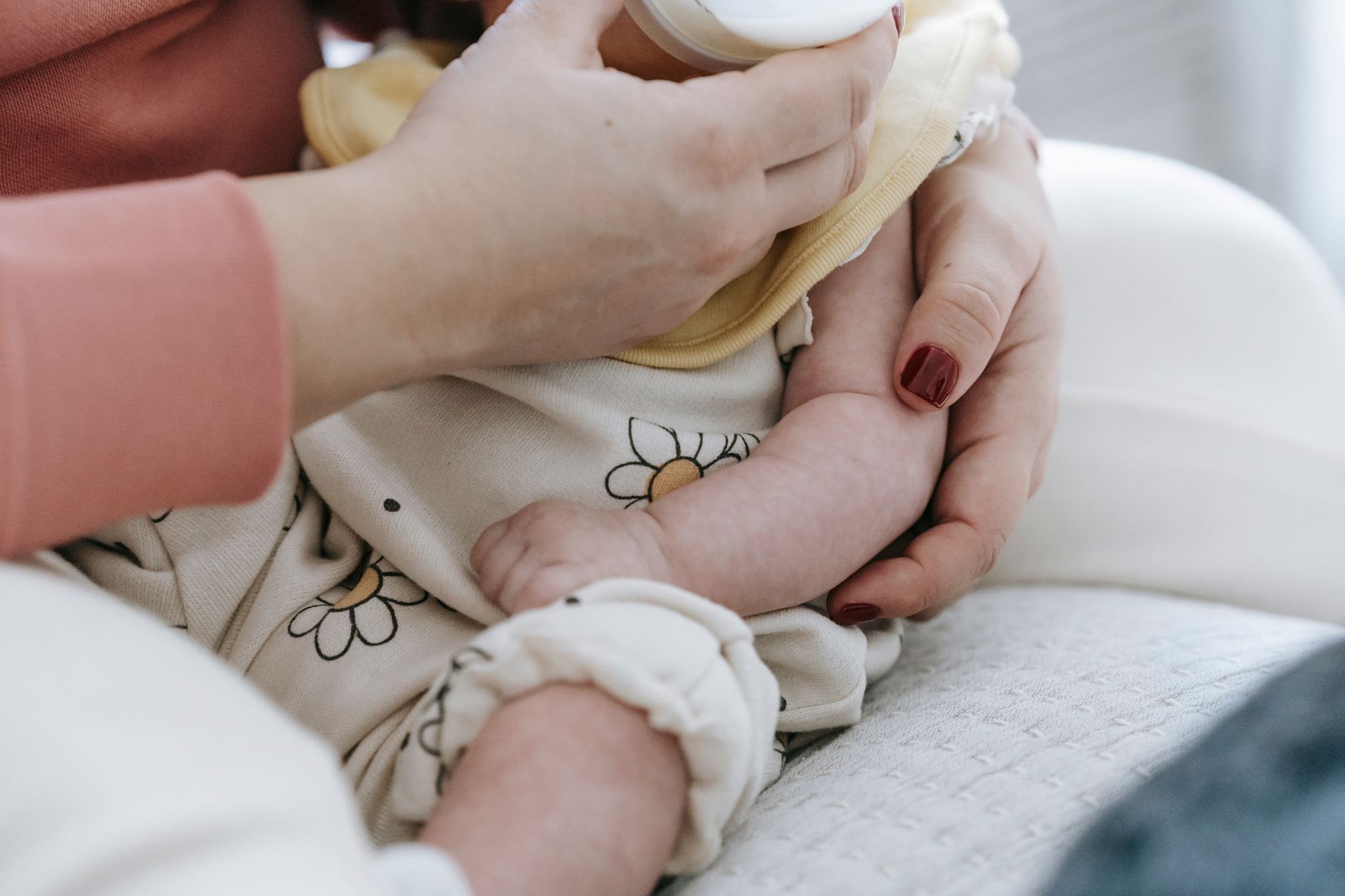
Set up a quiet feeding corner with everything you need for easy glucose checks.
Immediate treatment and feeding strategies for low glucose
If a baby’s glucose falls below the threshold, the first line of treatment is usually a rapid, high‑calorie feed. The goal is to raise the level above the safe cut‑off within minutes.
Breastfeeding: Offer the breast as soon as possible. A strong latch and a feeding duration of at least 10–15 minutes per breast usually provides enough glucose.
Formula feeding: If breastfeeding isn’t possible, give a 10 mL bolus of formula (or expressed breast milk) via a bottle or syringe.
Glucose gel: Many hospitals keep a ready‑to‑use 40 % dextrose gel. A small amount (0.5 mL) placed on the buccal mucosa can raise glucose quickly, especially for borderline values.
Intravenous (IV) dextrose: For persistent or severe hypoglycemia (<30 mg/dL), a 10 % dextrose infusion (usually 2 mL/kg over 1 hour) is started. This is managed in a neonatal unit with continuous monitoring.
Feeding frequency is also critical. After an initial corrective feed, schedule feeds every 2–3 hours, even if the baby seems full. This prevents the next dip. Some parents find it helpful to keep a “feeding clock” on the bedside table.
In the case of pre‑term infants, a higher‑calorie formula (e.g., 24 kcal/oz) or fortified breast milk may be recommended by the neonatology team. Recent FDA guidance on neonatal glucose gel (2022) confirms its safety and efficacy, especially when used in infants older than 35 weeks gestation. The agency notes that gel avoids the need for an IV line in many borderline cases, reducing the risk of infection.
When oral options fail, clinicians may also consider a nasogastric (NG) tube feed of dextrose‑containing solution, particularly in infants who cannot coordinate sucking. This approach bridges the gap between oral feeding and IV therapy, and it’s endorsed by AAP guidelines for infants under 32 weeks when rapid glucose restoration is needed.
Follow‑up care, discharge criteria, and parental education
Once a newborn has demonstrated three consecutive normal glucose readings while feeding well, most hospitals consider them ready for discharge. Discharge criteria typically include:
Stable glucose ≥45 mg/dL after the first feed and ≥40 mg/dL on subsequent checks
Weight gain of at least 30 g since birth
Successful breastfeeding or formula feeding without signs of fatigue
No need for IV dextrose for at least 12 hours
After you go home, the focus shifts to education:
Home monitoring: If your baby was at risk, your pediatrician may advise you to check glucose once daily for the first 48 hours. Use a clean heel‑prick technique and record the result.
Feeding cues: Watch for early hunger signs (rooting, sucking motions) and feed before the baby becomes overly fussy.
Weight checks: Expect a 5‑10 % weight loss in the first few days; steady gain after that is reassuring.
When to seek help: If glucose stays below 40 mg/dL despite feeding, or if you notice lethargy, seizures, or temperature instability, call your provider immediately.
Prevention is also possible. Managing maternal blood sugar during pregnancy, encouraging early skin‑to‑skin contact, and establishing a feeding plan before birth all reduce the odds of neonatal hypoglycemia. Many hospitals now schedule a “feeding readiness” visit a week after discharge, where a lactation consultant checks latch and feeding efficiency, which directly correlates with stable glucose levels.
Early skin‑to‑skin contact helps stabilize blood sugar by reducing stress.
Special considerations for preterm infants
Preterm babies (< 37 weeks) have unique metabolic challenges. Their liver glycogen stores are limited, and the enzymes that regulate gluconeogenesis mature later in gestation. Because of this, many neonatology units adopt a higher glucose threshold—often ≥50 mg/dL—for the first 48 hours.
In addition to more frequent heel‑stick checks (sometimes every hour), clinicians may start prophylactic feeding with fortified breast milk or a specially formulated pre‑term formula within the first 2 hours of life. The American Academy of Pediatrics (AAP) recommends a “feed‑first” approach for infants under 32 weeks gestation to avoid the need for IV dextrose whenever possible.
When IV therapy is required, the FDA‑approved neonatal dextrose infusion set (2021) allows for precise, low‑volume delivery, reducing the risk of fluid overload—a concern in very low birth weight infants. Ongoing research from the NICU at the Royal College of Surgeons in London suggests that early use of continuous glucose monitoring (CGM) can further refine treatment, though it remains a supplemental tool rather than a replacement for standard checks. Temperature control is also vital; hypothermia can worsen hypoglycemia, so preterm infants are often kept in radiant warmers until they achieve thermal stability.
Use of continuous glucose monitoring (CGM) in newborns
Continuous glucose monitoring devices, originally designed for diabetic adults, have been adapted for neonatal use in several research trials. A 2023 FDA clearance for the “NeonateSense CGM” permits bedside, real‑time glucose trends in infants as young as 28 weeks gestation.
CGM offers two main advantages: it reduces the number of painful heel sticks and provides a trend line that can catch rapid drops that intermittent testing might miss. However, clinicians caution that CGM readings can lag behind actual blood glucose by up to 10 minutes, and calibration against a laboratory sample is still required.
Current NICE guidance (2022) states that CGM may be considered for infants with recurrent hypoglycemia despite standard care, but it should not replace routine heel‑stick verification. Parents interested in CGM should discuss insurance coverage and device availability with their neonatology team, as not all hospitals have the technology on hand. In the United States, many Medicaid programs now list neonatal CGM as a reimbursable item when criteria are met, according to the CDC’s 2022 cost‑effectiveness analysis.
Nutrition for breastfeeding mothers to support stable newborn glucose
While the baby’s glucose is primarily determined by its own feeding, maternal nutrition can influence the quality and quantity of breast milk. The NHS advises lactating mothers to maintain a balanced diet with adequate protein, complex carbohydrates, and healthy fats to support steady milk production.
Specific nutrients that have been linked to stable glucose in infants include:
Complex carbs: Whole grains and legumes provide a slow‑release energy source, helping maintain maternal blood sugar and, indirectly, infant glucose.
Omega‑3 fatty acids: Found in oily fish and fortified eggs, they support neurodevelopment and may aid in newborn glucose regulation.
Vitamin D: The American Academy of Pediatrics recommends 400 IU daily for breastfeeding mothers, as deficiency can affect overall metabolic health.
Hydration is equally important. The CDC notes that adequate fluid intake (about 2.7 L per day for lactating adults) helps ensure robust milk supply, which in turn reduces the need for supplemental feeds that might be less glucose‑dense. Moderate caffeine (up to 200 mg per day) is generally considered safe, but excessive caffeine can reduce milk volume and potentially affect infant sleep patterns, according to a 2021 WHO review on maternal diet.
Long‑term neurodevelopmental follow‑up
Even when immediate glucose levels are corrected, clinicians often schedule neurodevelopmental surveillance for infants who experienced hypoglycemia, especially if the low values were severe (<30 mg/dL) or prolonged. The AAP recommends a developmental assessment at 6 months and again at 12 months, looking for milestones such as visual tracking, motor tone, and early language cues.
Recent longitudinal data from the NICHD Neonatal Research Network show that children who had untreated or late‑treated hypoglycemia are at a modestly higher risk for learning difficulties at school age. Early intervention services, when indicated, can mitigate these risks. Parents should keep a copy of the glucose chart from the hospital stay and share it with the pediatrician during routine well‑baby visits, as this information helps shape follow‑up plans.
Family support and mental health
Having a newborn in the NICU—or even on a special monitoring protocol on the maternity floor—can be emotionally taxing. Anxiety about glucose numbers often co‑exists with sleep deprivation and the pressure to “do everything right.” The NHS and ACOG both emphasize the importance of psychosocial support for families, recommending that hospitals provide a dedicated lactation consultant, social worker, or mental‑health counselor as part of the care team.
Practical steps for parents include journaling feeding times, joining peer‑support groups (many hospitals host virtual newborn‑hypoglycemia circles), and practicing brief mindfulness exercises while holding the baby skin‑to‑skin. Studies published in *JAMA Pediatrics* in 2022 demonstrate that families who receive structured education and emotional support report lower rates of postpartum depression and higher confidence in managing home glucose checks.
Hospital quality improvement and policy updates
Many maternity units have instituted quality‑improvement (QI) bundles that standardize hypoglycemia screening, feeding protocols, and discharge education. A 2023 multicenter QI project reported a 20 % reduction in IV dextrose use after implementing a “feed‑first, gel‑second” algorithm, while maintaining safe glucose outcomes.
These bundles often include electronic health‑record alerts that prompt staff to order a glucose check at the recommended intervals, and they embed parental education videos into the bedside tablet. For institutions still developing protocols, the ACOG “Neonatal Hypoglycemia Toolkit” offers templates for order sets, parental handouts, and audit metrics. If you’re curious whether your hospital follows such a bundle, feel free to ask your provider or the unit manager during your next visit.
Doctor’s note
From our medical team: Neonatal hypoglycemia is common but manageable. The most important steps are timely screening, prompt feeding, and close observation of trends rather than isolated numbers. If you have any doubt about your baby’s glucose pattern, a quick phone call to your pediatrician can prevent unnecessary worry and keep the care plan on track.
Myth: “If my baby looks fine, the glucose must be normal.”
Fact: Babies can be asymptomatic while their glucose is low; that’s why routine screening for at‑risk infants is essential.
Myth: “A single low reading means my baby will have long‑term problems.”
Fact: Most newborns who receive early treatment recover without lasting effects. Ongoing monitoring ensures any persistent issues are caught early.
Myth: “Home glucometers are as accurate as hospital devices.”
Fact: Point‑of‑care devices used in hospitals are calibrated for newborn ranges; home meters can be useful for trend‑tracking but should be confirmed by a clinician.
Key takeaways
Normal glucose for term newborns is ≥45 mg/dL in the first hour, then ≥40 mg/dL up to 24 hours, and ≥35 mg/dL thereafter.
Risk factors include maternal diabetes, prematurity, SGA/LGA status, birth stress, and delayed feeding.
Screen at‑risk infants within the first hour, then repeat every 1–3 hours if the level is borderline, and every 3–4 hours until three consecutive normal readings are documented.
First‑line treatment is rapid feeding or glucose gel; IV dextrose is reserved for severe or refractory cases.
Discharge requires stable readings, adequate weight gain, and successful feeding without IV support.
Watch for jitteriness, lethargy, poor feeding, or temperature changes, and call your provider if they appear.
Preterm infants may need higher glucose targets and more frequent monitoring; CGM can be an adjunct in persistent cases.
Maternal nutrition, especially balanced carbs and hydration, supports optimal milk production and infant glucose stability.
Long‑term follow‑up focuses on developmental milestones, and families benefit from emotional support resources.
Frequently asked questions
What are the signs of low blood sugar in a newborn?
Jitteriness, excessive crying, lethargy, poor feeding, apnea, or subtle seizures are common signs. Some babies may appear normal, which is why screening is crucial for at‑risk infants.
How often should a newborn's blood glucose be checked?
For at‑risk babies, the first check is within the first hour, followed by checks every 1–2 hours if the level is borderline, and every 3–4 hours until three consecutive normal readings are documented.
Can low blood sugar cause long‑term problems for babies?
When identified early and treated promptly, most infants recover without lasting effects. Persistent, severe hypoglycemia can increase the risk of neurodevelopmental issues, underscoring the importance of timely intervention.
What is the recommended treatment for neonatal hypoglycemia?
Immediate treatment includes a rapid feed (breast or formula), glucose gel for borderline values, and intravenous dextrose for severe or refractory cases. The specific approach depends on the glucose level and the baby’s overall health.
Are there any home monitoring devices for newborn glucose levels?
Some parents use small heel‑prick glucometers at home, but accuracy can vary. It’s best to use any home device under your pediatrician’s guidance and confirm results with a clinical test if values are low.
When is a newborn considered at risk for hypoglycemia?
Risk factors include maternal diabetes, prematurity, being small‑ or large‑for‑gestational‑age, birth stress, delayed feeding, and certain medications taken during pregnancy.
Can continuous glucose monitoring replace heel‑stick checks?
CGM provides real‑time trends and reduces the number of painful heel sticks, but current guidelines advise it as a supplement—not a replacement—for standard testing, especially in the first 48 hours.
How does a mother’s diet affect her baby’s blood sugar after birth?
While the baby’s glucose is mainly driven by its own feeds, a balanced maternal diet rich in complex carbs, omega‑3s, and adequate hydration supports robust milk production, which helps maintain steady glucose levels in the newborn.
How long should home glucose monitoring continue after discharge?
Most providers recommend checking glucose once daily for the first 48 hours if the infant was at risk, then stopping if three consecutive readings are ≥40 mg/dL and feeding is well established. Always follow your pediatrician’s specific instructions.
If my baby is formula‑fed instead of breastfed, does that change the management?
Formula‑fed infants receive a known carbohydrate load, so the initial treatment may be a 10 mL formula bolus rather than breast milk. However, the monitoring schedule and glucose thresholds remain the same, and any persistent low readings still warrant the same escalation steps.
When to call your doctor
If your baby shows any of the following, contact your pediatrician or go to the nearest emergency department right away: glucose < 30 mg/dL, persistent jitteriness or seizures, lethargy that does not improve with feeding, inability to maintain body temperature, or feeding difficulties that last more than a few hours. This article provides general information and is not a substitute for personalized medical advice.
References
American College of Obstetricians and Gynecologists (ACOG). “Guidelines for the Management of Neonatal Hypoglycemia.” 2022.
National Institute for Health and Care Excellence (NICE). “Neonatal hypoglycaemia: identification and management.” Clinical guideline CG149, 2021.
American Academy of Pediatrics (AAP). “Neonatal Nutrition and Feeding.” 2023 policy statement.
Centers for Disease Control and Prevention (CDC). “Maternal Diabetes and Neonatal Outcomes.” 2022.
World Health Organization (WHO). “Recommendations on Maternal and Neonatal Health.” 2021.
Mayo Clinic. “Neonatal hypoglycemia: Symptoms, treatment, and prevention.” Updated 2023.
Royal College of Obstetricians and Gynaecologists (RCOG). “Management of infants at risk of hypoglycaemia.” Green‑top Guideline No. 73, 2022.
National Institutes of Health (NIH). “Glucose metabolism in newborns.” 2022 review.
British Paediatric Surveillance Unit (BPSU). “Incidence of neonatal hypoglycaemia in the UK.” 2020.
Fetal Medicine Foundation. “Impact of maternal diet on newborn glucose levels.” 2021.
U.S. Food and Drug Administration (FDA). “NeonateSense CGM Device Clearance.” 2023.
National Health Service (NHS). “Feeding and glucose monitoring in newborns.” Clinical guidance, 2022.
American Academy of Pediatrics (AAP). “Guidelines for the care of preterm infants.” 2022.
CDC. “Cost‑effectiveness of neonatal continuous glucose monitoring.” 2022.
JAMA Pediatrics. “Parental stress and support interventions for neonatal hypoglycemia.” 2022.
When Shubhra Mishra was expecting her first child in 2016, she was overwhelmed by conflicting food advice — one site said yes, another said never. By the time her second baby arrived in 2019, she realized millions of mothers face the same confusion.
That sparked a five-year journey through clinical nutrition papers, cultural diets, and expert conversations — all leading to BumpBites: a calm, compassionate space where science meets everyday motherhood.
Her long-term vision is to build a global community ensuring safe, supported, and free deliveriesfor every mother — because no woman should face pregnancy alone or uninformed. 🌿
🌍 Stand with mothers, shape safer guidance
Join a small circle of experts who review BumpBites articles so expecting parents everywhere can decide with confidence.