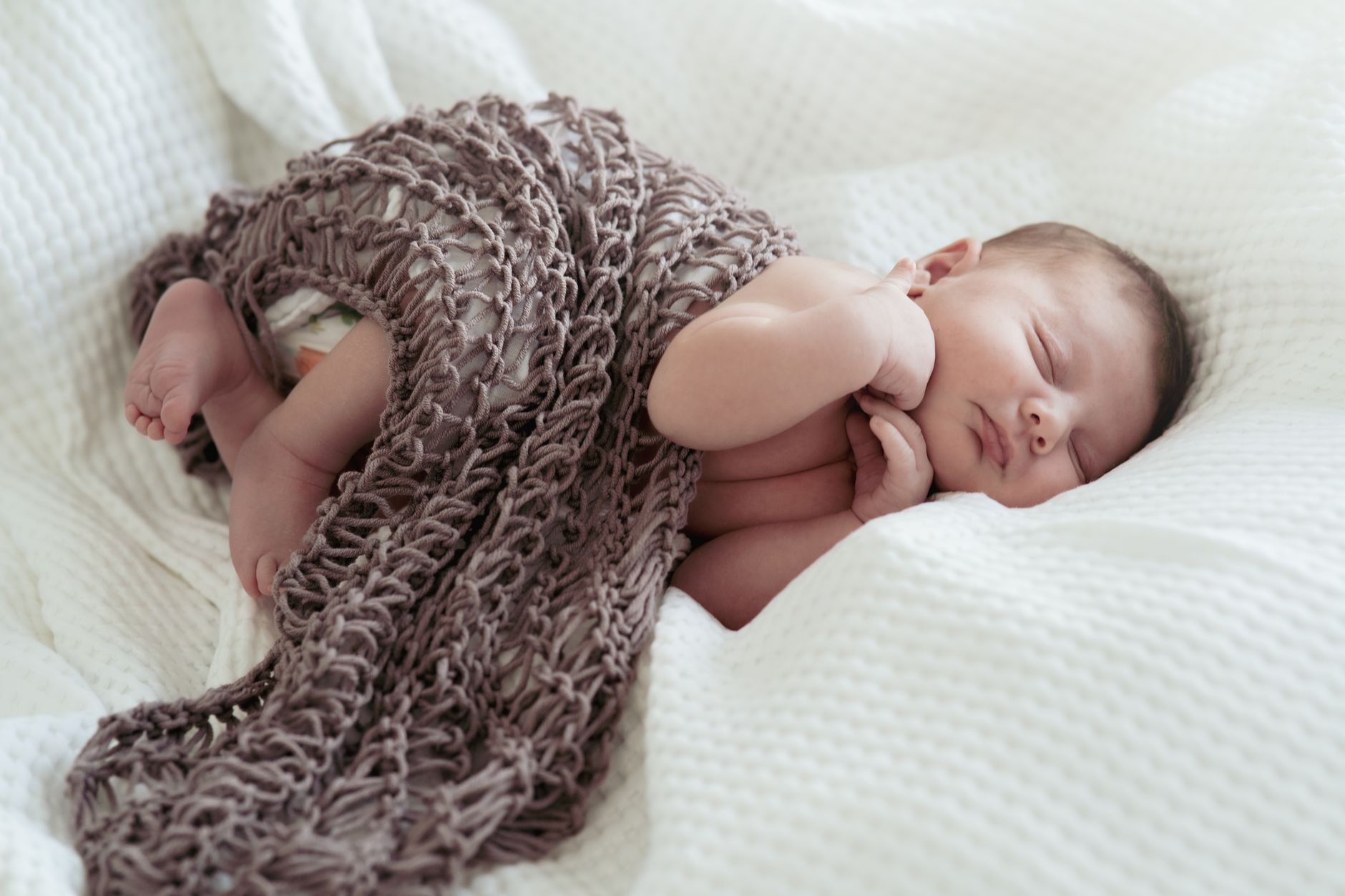
Struggling with managing sleep with twin newborns? Learn practical strategies to survive sleep deprivation, sync schedules, and get rest while caring for twins.
By Shubhra Mishra — a mom of two who turned her own confusion during pregnancy into BumpBites, a global mission to make food choices clear, safe, and stress-free for every expecting mother. 💛
Check whether any food is safe during pregnancy with the BumpBites Food Safety Checker.
Quick take: Twin newborns can share safe sleep spaces, but each baby still needs an individual, firm surface and a consistent routine. Aim for about 14‑17 hours of sleep per 24‑hour period, use side‑by‑side cribs or separate bassinets, and handle nighttime feeds with a prepared “twin team” to keep both babies calm and rested.
It’s 2 a.m., the house is quiet, and you hear the soft whimper of one twin while the other sleeps soundly. You’re not alone—most parents of newborn twins face the same nightly puzzle: how to create a sleep routine that works for two little people at once. The good news is that with a few evidence‑based strategies, you can build a predictable schedule, keep sleep environments safe, and reduce those endless night‑time awakenings.
In this guide we’ll walk through everything you need to know about managing sleep with twin newborns. We’ll cover how to set up a sleep schedule, the safest positions, how many hours they need, ways to stretch those precious sleep blocks, safe co‑sleeping options, what to do when one wakes up, and how to juggle nighttime feeds. We’ll also compare twin sleep needs to a single baby, share swaddle recommendations, and let you know when it’s appropriate to begin gentle sleep training.
All advice follows the latest recommendations from the American Academy of Pediatrics (AAP), the UK’s National Institute for Health and Care Excellence (NICE), and the World Health Organization (WHO). Keep reading for a step‑by‑step plan you can start tonight.
How to create a sleep schedule for twin newborns
Creating a schedule for twins starts with understanding their natural sleep‑wake cycles. Newborns typically cycle every 2‑3 hours, driven by hunger and the need to be changed. The key is to align those cycles as closely as possible without forcing a rigid timetable.
Step 1: Track the first week. Use a simple chart or a notes app to record each baby’s sleep start and end times, feed length, and diaper changes. Look for patterns—most twins will settle into a 2‑hour rhythm by day 3‑4.
Step 2: Choose a “anchor” bedtime. Pick a time that feels realistic for you (e.g., 7 p.m.) and aim to have both babies in their sleep spaces by then. Consistency signals to their brains that it’s time to wind down.
Step 3: Implement a short pre‑sleep routine. A calming routine—dim lights, a gentle lullaby, a swaddle—should last 5‑10 minutes. Keep the same order each night (e.g., diaper, feed, swaddle, story).
Step 4: Use “cluster feeding” in the evening. Offer extra feeds between 5 p.m. and 8 p.m. to fill their stomachs, which often leads to a longer first sleep stretch.
Step 5: Adjust as they grow. By 4‑6 weeks many twins will start sleeping for 3‑4 hours at a stretch. Update the schedule accordingly, but stay flexible—growth spurts and developmental milestones will cause temporary regressions.
Remember, a schedule is a guide, not a law. If a baby wakes early, respond quickly but calmly, and get back to the routine as soon as possible.
Set a consistent bedtime routine to help both twins settle together.
Best sleep positions for twin babies at night
The AAP’s safe‑sleep policy states that all infants should be placed on their backs (supine) for every sleep episode. This applies to twins as well as singletons. The supine position reduces the risk of sudden infant death syndrome (SIDS) by keeping the airway open.
If you’re using a side‑by‑side crib, each baby should have their own safe sleep surface with a firm mattress, fitted sheet, and no loose bedding. The babies can be positioned head‑to‑head or head‑to‑foot; the most important factor is that each infant’s head is free to turn.
Some parents wonder about the “tummy‑time” position at night. The AAP advises against tummy‑sleeping until the baby is at least one year old and can roll both ways. However, supervised tummy‑time while awake is excellent for motor development.
For families who prefer a slightly inclined sleep surface to help with reflux, the AAP cautions that any angle greater than 10 degrees can increase the risk of SIDS. If you need to address reflux, discuss a pediatric‑approved wedge or a medication with your provider rather than altering the sleep angle.
In short, place twins on their backs, keep the sleep surface firm and separate, and avoid any pillows, blankets, or plush toys in the crib.
How many hours should twin newborns sleep each day (and how does that differ from a single baby)?
Newborn sleep needs are remarkably consistent across the board. The AAP and NICE recommend **14‑17 hours of sleep in a 24‑hour period** for all infants, whether they are twins or a single baby. The main difference lies in how that sleep is distributed.
Twins often have synchronized sleep periods, but they may also have staggered awakenings because each baby’s hunger cues can differ slightly. A single baby might have three longer stretches, whereas twins might have four shorter ones due to feeding two infants.
Typical daily breakdown for twins:
3‑4 hours of “nighttime” sleep (often broken into 2‑hour blocks)
4‑5 hours of daytime naps, usually split into 3‑4 short naps
By the end of the first month, you may notice one twin beginning to nap a little longer while the other still needs a feed. This is normal and usually evens out by 6 weeks.
It’s worth noting that twins may experience slightly more frequent night awakenings because each feeding session doubles the demand. However, the total sleep time remains within the same range as a singleton.
Tips for getting twin newborns to sleep longer stretches
Extending sleep blocks is a top priority for many parents. Here are evidence‑based tactics that work for twins:
Cluster feed before bedtime. Offer extra feeds between 5 p.m. and 8 p.m. to top‑up their stomachs.
Use consistent swaddling. A snug swaddle mimics the womb and reduces startle reflexes. Choose breathable fabrics like cotton or muslin.
Control the sleep environment. Keep the room dark (blackout curtains), maintain a temperature of 68‑72 °F (20‑22 °C), and use white‑noise machines set to a low volume.
Implement “dual‑soothing” techniques. Gentle shushing, rocking, or a pacifier can help both babies settle simultaneously.
Minimize stimulation during night feeds. Keep lights low, speak softly, and avoid turning on bright overhead lights.
Stagger diaper changes. If both babies need a diaper change, try to change them one after the other while keeping the other baby in a safe sleep position to reduce unnecessary wake‑ups.
Many parents find that a “twin team” approach—one caregiver handling each baby—creates a smoother routine. If you have a partner, assign one to each infant for feeds and diaper changes; if you’re solo, keep a “twin kit” (burp cloths, wipes, formula) within arm’s reach to minimize movement.
How to safely co‑sleep with twin newborns (including crib safety)
Co‑sleeping can mean sharing a bed, a side‑by‑side crib, or a larger bassinet. The AAP strongly recommends room‑sharing without bed‑sharing for the first six months to lower SIDS risk. For twins, room‑sharing usually involves a side‑by‑side (SBS) crib or two bassinets placed side‑by‑side.
Side‑by‑side crib safety checklist:
Feature
Why it matters
Separate firm mattresses
Prevents one baby from rolling onto the other and reduces suffocation risk.
Spacing at least 6 inches between cribs
Allows easy access for parents and prevents entanglement.
Fixed side rails
Ensures stability; no removable or loose parts.
No pillows, blankets, or toys
Eliminates suffocation hazards.
Breathable, fitted sheet
Reduces risk of overheating and entrapment.
If you choose a bedside sleeper, make sure it meets the same safety standards and is positioned at the same height as your adult bed to avoid a step.
Bed‑sharing is discouraged by the AAP and NHS because of increased SIDS risk, especially with twins. However, some families in cultures where bed‑sharing is common find it works for them. If you decide to bed‑share, follow these strict conditions:
Both parents are non‑smokers and have no alcohol or medication that could impair arousal.
The sleep surface is firm, without gaps, and the babies are on their backs.
No loose bedding, pillows, or stuffed animals.
The infant’s head remains uncovered and free to turn.
Most pediatric experts still advise against it for twins under 4 months, so discuss your plan with your provider.
What to do when one twin wakes up and the other is still sleeping
It’s common for one twin to stir while the other remains asleep. The goal is to attend to the awake baby while preserving the sleeping infant’s rest.
Step 1: Keep lights dim. Use a night‑light or a phone’s flashlight at a low setting to avoid startling the sleeping twin.
Step 2: Use a “quiet feed.” If the baby needs feeding, keep the feed as calm as possible—no talking, no TV. For breast‑feeding, consider a “football hold” that lets you keep the other baby in the same sleep space without moving them.
Step 3: Swaddle or use a sleep sack. A snug swaddle can keep the sleeping twin comfortable and reduce the chance of them waking from a sudden movement.
Step 4: Minimize handling. If you must move the sleeping twin (e.g., to change a diaper), do so gently, keeping the head supported and the body aligned. Re‑swaddle quickly and place them back promptly.
Many parents find it helpful to have a “one‑hand” strategy: one hand holds the sleeping twin, the other manages the awake twin’s feed or diaper. Practicing this during the day can make nighttime smoother.
How to handle nighttime feedings and diaper changes for twin newborns
Nighttime feeds are inevitable for newborn twins. Efficiency and calm are the keys to keeping both babies—and you—well‑rested.
Preparation is everything. Before bedtime, set up a “twin feeding station” within arm’s reach. Include:
Two pre‑filled bottles or a ready breast‑milk supply
Burp cloths and nipple wipes
Diaper changing pad and wipes
A soft, dim night‑light
Feeding technique. If you’re bottle‑feeding, try the “double‑feed” method: hold both bottles simultaneously, alternating sips if one baby feeds faster. This reduces the total number of trips to the crib.
Diaper changes. Change both babies in the same session when possible. If only one needs a change, keep the other swaddled and use a portable diaper caddy so you don’t have to leave the room.
Stay mindful of “over‑stimulation.” Keep the room quiet, limit eye contact, and avoid checking your phone. The calmer you stay, the faster both babies will settle back to sleep.
Organize a twin feeding station to streamline nighttime feeds.
When can I start sleep training twin newborns (and what are the best swaddles for twin newborns)?
Sleep training is generally not recommended before 4 months of age, as newborns still need frequent feeds and have immature circadian rhythms. The AAP suggests waiting until the infant demonstrates a consistent 3‑hour stretch before introducing any form of sleep training.
For twins, you can begin a gentle “progressive waiting” approach once both babies show at least 3‑hour sleep periods. Here’s a simple plan:
Week 1: After a feed, place each baby in their sleep space and give a brief 30‑second pause before offering a gentle pat or shush.
Week 2: Increase the pause to 45 seconds, then a gentle rub if needed.
Week 3: Extend to 60 seconds, and gradually reduce any soothing touch.
Throughout, keep the sleep environment consistent—same swaddle, same room temperature, same white‑noise level.
Regarding swaddles, look for products that are:
Made of breathable cotton or bamboo
Have a “fast‑forward” Velcro design that allows easy one‑hand access for feeds
Are sized for newborn weight (up to 8 lb/3.6 kg)
Include a “hip‑healthy” leg opening to prevent hip dysplasia, as recommended by the AAP.
Brands such as SwaddleMe, Halo, and Aden + Anais meet these criteria and are widely used in hospitals. Rotate swaddles every few nights to keep the babies comfortable.
From our medical team: Twin newborns share many of the same sleep fundamentals as single infants—back‑sleeping, a firm surface, and a cool, quiet room. The biggest difference is logistics. Preparing a twin feeding station, using side‑by‑side cribs, and coordinating schedules can make the night feel less chaotic. If you ever feel uncertain about safe sleep or feeding patterns, reach out to your pediatrician or midwife for personalized guidance.
Myth vs. fact
Myth: Twins need twice the amount of sleep as a single baby.
Fact: Both twins and single infants require 14‑17 hours of sleep per day; the difference lies in how that time is divided.
Myth: It’s safe to bed‑share with twins from birth.
Fact: The AAP and NHS advise against bed‑sharing for infants under six months due to increased SIDS risk. A side‑by‑side crib in the same room is the safest option.
Myth: Twins will naturally develop the same sleep schedule.
Fact: While many twins sync up, each baby’s hunger cues and temperament can create staggered sleep patterns. Flexible routines are essential.
Key takeaways
Place both twins on their backs on firm, separate surfaces—side‑by‑side cribs are ideal.
Aim for 14‑17 hours of sleep daily, divided into 2‑hour night blocks and several short naps.
Use a consistent pre‑sleep routine and “cluster feed” in the early evening to encourage longer stretches.
Set up a twin feeding station with bottles, wipes, and a night‑light to minimize night‑time disruptions.
When one twin wakes, keep lights dim, use a quiet feed, and protect the sleeping twin with a swaddle.
Delay formal sleep training until both babies can stay asleep for at least 3 hours, usually around 4 months of age.
Choose breathable, hip‑healthy swaddles and follow AAP safe‑sleep guidelines at every sleep episode.
Frequently asked questions
Can twin newborns share a crib safely?
Yes—if the crib meets AAP safety standards with two firm, separate mattresses and at least 6 inches of space between them, twins can safely share a crib in the same room.
How many naps should twin newborns have each day?
Twins typically need 4‑5 short naps totaling 10‑12 hours, plus nighttime sleep, to reach the recommended 14‑17 hours of sleep per 24 hours.
What is the recommended bedtime routine for twins?
A calming routine of dim lighting, a gentle lullaby, a brief diaper change, a feed, and a snug swaddle—kept consistent each night—helps signal sleep time for both babies.
Is it normal for twin newborns to wake up every few hours?
Yes—newborns, including twins, have short stomachs and need to feed every 2‑3 hours. This pattern usually steadies by 3‑4 months.
How can I prevent one twin from disturbing the other's sleep?
Use separate swaddles, keep the sleep surfaces firm and side‑by‑side, and handle night feeds with a dim light and minimal movement to reduce wake‑ups.
When can I start sleep training twin newborns?
Most experts recommend waiting until the twins are at least 4 months old and can stay asleep for a minimum of 3 hours before beginning gentle sleep‑training methods.
When to call your doctor
If either twin shows any of the following, contact your pediatrician or midwife promptly: persistent crying that cannot be soothed, fever over 100.4 °F (38 °C), breathing difficulties, bluish lips or skin, signs of dehydration, or any sudden change in feeding or sleep patterns. This article provides general information and is not a substitute for personalized medical advice.
References
American Academy of Pediatrics. “Safe Sleep for Babies.” AAP Policy Statement, 2023.
National Institute for Health and Care Excellence (NICE). “Newborn and Infant Care.” NICE Guideline NG95, 2022.
World Health Organization. “Recommendations on Infant Feeding.” WHO Guidelines, 2021.
Centers for Disease Control and Prevention (CDC). “Sudden Unexpected Infant Death (SUID) and Sudden Infant Death Syndrome (SIDS).” CDC, 2022.
Royal College of Obstetricians and Gynaecologists (RCOG). “Guidelines for Safe Sleep in the First Year.” RCOG, 2023.
Mayo Clinic. “Newborn Sleep: What to Expect.” Mayo Clinic, 2024.
National Health Service (NHS). “Safe Sleeping for Babies.” NHS, 2023.
When Shubhra Mishra was expecting her first child in 2016, she was overwhelmed by conflicting food advice — one site said yes, another said never. By the time her second baby arrived in 2019, she realized millions of mothers face the same confusion.
That sparked a five-year journey through clinical nutrition papers, cultural diets, and expert conversations — all leading to BumpBites: a calm, compassionate space where science meets everyday motherhood.
Her long-term vision is to build a global community ensuring safe, supported, and free deliveriesfor every mother — because no woman should face pregnancy alone or uninformed. 🌿
🌍 Stand with mothers, shape safer guidance
Join a small circle of experts who review BumpBites articles so expecting parents everywhere can decide with confidence.