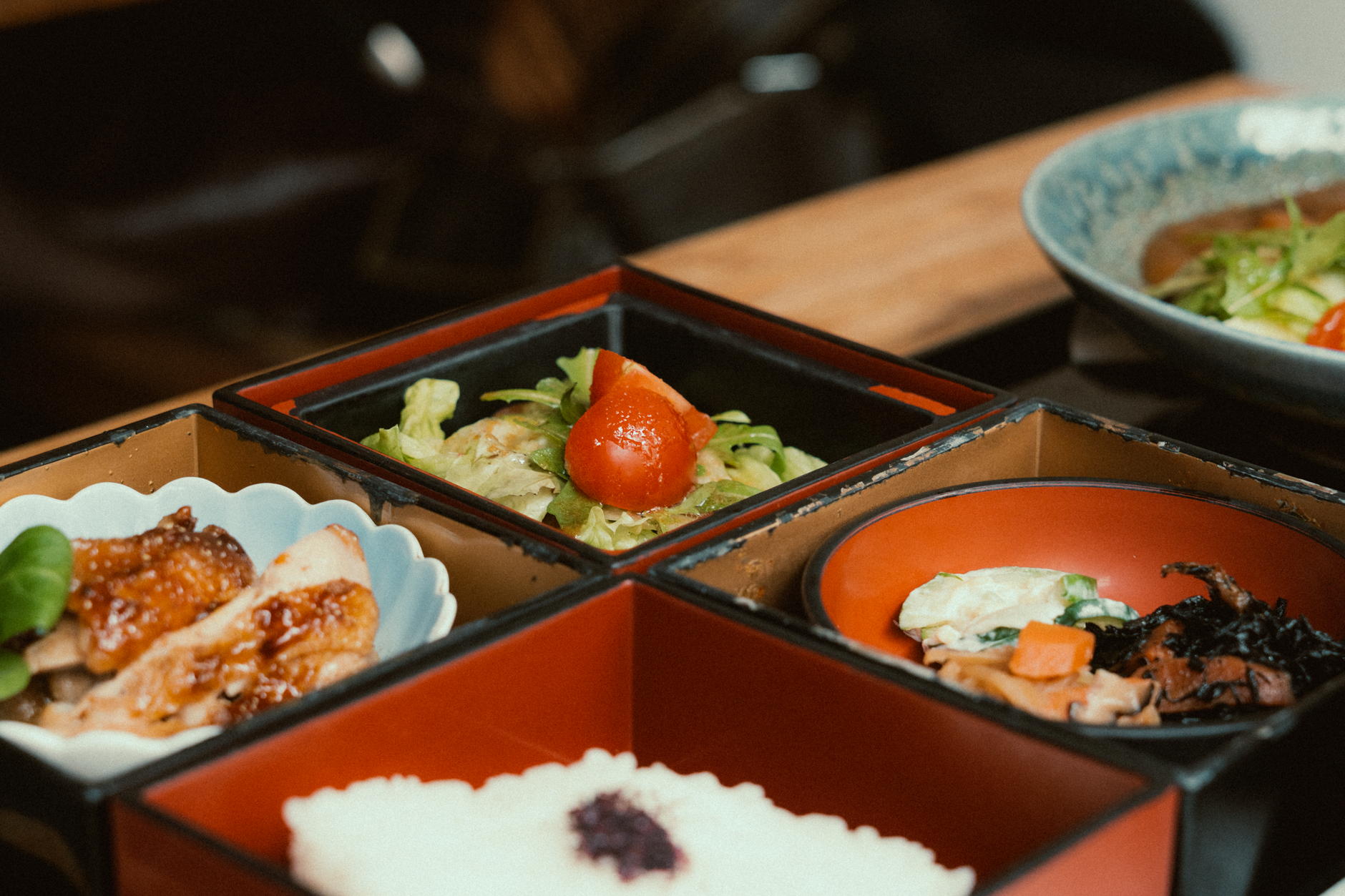
traditional Japanese diet isn't just about losing weight; it's about fostering a healthier body composition, which often includes maintaining or even gaining lean muscle mass while shedding excess fat. This dual benefit stems from its unique nutritional profile and emphasis on specific food groups.
One of the primary ways this diet aids weight loss is through its inherently low calorie density and high nutrient density. Most of the foods central to the Japanese diet – vegetables, fruits, seaweed, and lean fish – are high in water and fiber, but relatively low in calories. This means you can eat a satisfying volume of food without consuming excessive calories, which is crucial for creating the caloric deficit needed for weight loss. The high fiber content also plays a significant role in satiety, helping you feel full for longer and reducing the urge to snack between meals.
For muscle gain, protein is paramount, and the Japanese diet offers excellent sources of lean protein. Fish, especially fatty fish like salmon and mackerel, provides high-quality protein along with beneficial omega-3 fatty acids. Tofu, edamame, and other soy products are plant-based protein powerhouses, making this diet suitable for those looking to limit animal products while still supporting muscle synthesis. These lean protein sources help preserve muscle mass during weight loss and provide the building blocks for new muscle when combined with regular physical activity.
Beyond macronutrients, the Japanese diet is rich in micronutrients and bioactive compounds. For instance, green tea contains epigallocatechin gallate (EGCG), which some research suggests may boost metabolism and fat oxidation. The abundance of vegetables and fruits provides a wide array of vitamins, minerals, and antioxidants that support overall metabolic health, reduce inflammation, and improve energy levels – all factors that indirectly aid in both weight loss and the body's ability to recover from exercise and build muscle.
Furthermore, the emphasis on whole, unprocessed foods means a lower intake of refined sugars and unhealthy fats, which are known to contribute to insulin resistance and fat storage. By stabilizing blood sugar levels and improving insulin sensitivity, the Japanese diet helps your body more efficiently use stored fat for energy, rather than holding onto it. This shift is particularly beneficial for reducing visceral fat, the type of fat that accumulates around organs and is associated with increased health risks. Many women find that improved insulin sensitivity also helps to balance hormones, which can be a key factor in stubborn weight.
A 7-Day Japanese Diet Meal Plan for Weight Loss
Adopting the Japanese diet doesn't have to be complicated. The beauty of this eating style lies in its simplicity and reliance on fresh, accessible ingredients. This 7-day meal plan provides a blueprint, focusing on traditional components and balanced nutrition to support your weight loss goals. Remember, portions are typically smaller than Western meals, and mindful eating is encouraged.
Here's a sample meal plan to get you started:
Japanese Diet Grocery List Essentials
To follow this plan, you'll want to stock your pantry and fridge with these staples:
- Grains: Short-grain white rice, brown rice, quinoa, soba noodles, buckwheat noodles.
- Proteins: Fresh fish (salmon, cod, mackerel, tuna, shrimp), tofu (silken, firm), tempeh, edamame, eggs, lean chicken breast.
- Vegetables: Bok choy, spinach, broccoli, asparagus, mushrooms (shiitake, enoki), carrots, daikon radish, cucumber, bell peppers, snap peas, eggplant, sweet potatoes, onions.
- Seaweed: Nori sheets, wakame, kombu (for dashi).
- Fermented Foods: Miso paste, natto, pickled ginger, kimchi (optional, but a great probiotic boost).
- Fruits: Berries, apples, oranges, pears.
- Healthy Fats: Avocado, sesame oil (for flavoring), small amounts of other cooking oils (canola, grapeseed).
- Seasonings & Condiments: Low-sodium soy sauce, mirin, rice vinegar, dashi granules/kombu, ginger, garlic, green tea.
- Nuts & Seeds: Almonds, walnuts, sesame seeds.
Simple Japanese Diet Recipes to Try
- Miso Soup: Boil dashi stock, dissolve miso paste, add cubes of tofu and chopped green onions. Simple, warming, and packed with probiotics.
- Salmon Teriyaki: Marinate salmon fillets in a mixture of low-sodium soy sauce, mirin, a touch of honey, and grated ginger. Bake or pan-fry until cooked through. Serve with steamed vegetables.
- Stir-fried Bok Choy: Lightly sauté chopped garlic in a small amount of oil, add bok choy, and stir-fry until tender-crisp. Season with a dash of soy sauce.
- Cucumber Salad (Sunomono): Thinly slice cucumber, lightly salt and let sit for 10 minutes, then squeeze out excess water. Dress with rice vinegar, a pinch of sugar, and a dash of soy sauce.
Remember that preparation is key to making this diet work for you. Spend a little time on the weekend preparing dashi stock, chopping vegetables, or cooking a larger batch of rice. This makes assembling quick, healthy meals during the week much easier.
What Are the Heart Health Benefits of the Japanese Diet for Weight Loss?
Beyond its effectiveness for weight management, the traditional Japanese diet is widely recognized for its profound benefits for cardiovascular health. This isn't a coincidence; the same dietary choices that promote a healthy weight often contribute significantly to a healthier heart. For women, who face unique heart health risks, adopting these principles can be particularly impactful.
One of the most significant heart-protective aspects of the Japanese diet is its low content of saturated and trans fats. Instead of relying on red meats and processed foods high in unhealthy fats, it prioritizes lean protein sources like fish and plant-based options. Fatty fish such as salmon, mackerel, and sardines are staples, providing a rich supply of omega-3 fatty acids (EPA and DHA). The American Heart Association (AHA) highlights omega-3s as crucial for heart health, as they can help reduce triglycerides, lower blood pressure, decrease the risk of blood clots, and reduce inflammation throughout the body.
The diet is also incredibly rich in fiber, primarily from vegetables, fruits, whole grains (like brown rice), and legumes. Dietary fiber is known to help lower LDL ("bad") cholesterol levels, which is a key factor in preventing atherosclerosis, the buildup of plaque in the arteries. Soluble fiber, found abundantly in many Japanese diet foods, forms a gel-like substance in the digestive tract that can bind to cholesterol and prevent its absorption.
Furthermore, the Japanese diet's high intake of fresh produce means a significant boost in antioxidants and phytochemicals. Vegetables like bok choy, spinach, and daikon, along with fruits and green tea, are packed with compounds that combat oxidative stress and inflammation – two major contributors to heart disease. Green tea, in particular, is celebrated for its catechins, which have been studied for their role in improving endothelial function (the health of the lining of blood vessels) and reducing the risk of cardiovascular events.
While fermented foods like miso and natto are central to the Japanese diet, it's true that some traditional preparations can be higher in sodium. However, when followed thoughtfully, focusing on low-sodium soy sauce and balancing meals with plenty of fresh vegetables, the overall impact on blood pressure can be positive. The high potassium content from vegetables often helps to counteract the effects of sodium, contributing to better blood pressure regulation.
By emphasizing whole, unprocessed foods, healthy fats, lean proteins, and an abundance of plant-based ingredients, the Japanese diet creates an environment within the body that supports optimal cardiovascular function. It helps to manage weight, lower cholesterol, regulate blood pressure, and reduce inflammation, all of which are essential for a strong and healthy heart throughout every stage of a woman's life.
Japanese Diet for Weight Loss vs. Other Popular Diets
In the vast landscape of dietary approaches for weight loss, the Japanese diet stands out for its unique blend of cultural tradition, nutritional science, and emphasis on overall well-being. Understanding how it compares to other popular diets can help you determine if it's the right fit for your goals. Let's look at a comparison, particularly against the keto diet for weight loss, and touch on others like Atkins and AIP.
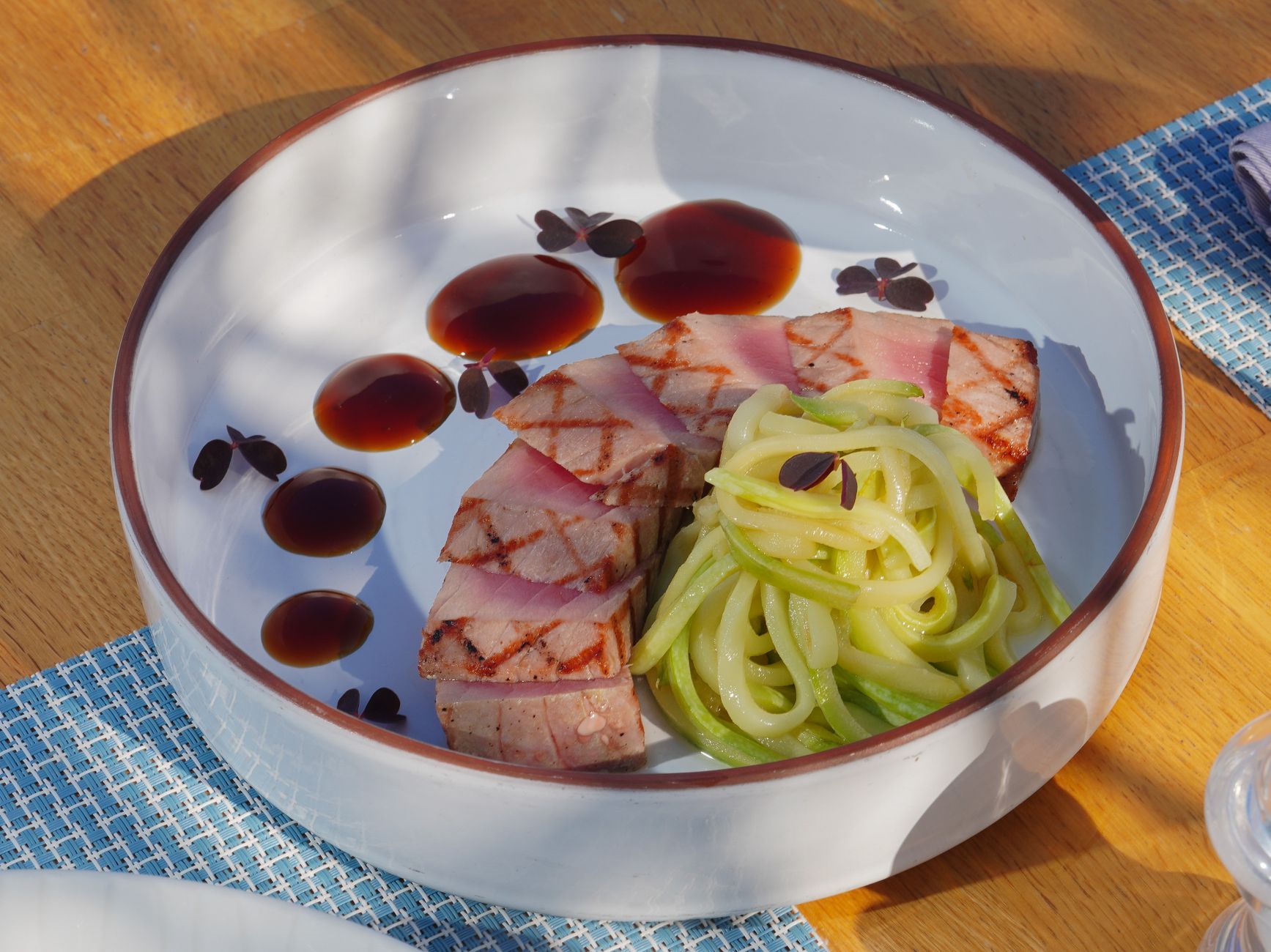 The **Keto Diet** is a high-fat, very low-carb approach designed to put your body into a metabolic state called ketosis, where it burns fat for fuel instead of carbohydrates. While effective for rapid weight loss and blood sugar control for some, it's a significant departure from the Japanese diet. The Japanese diet embraces complex carbohydrates like rice as a staple, while keto strictly limits them. The fat content is also vastly different, with keto being very high in fat compared to the Japanese diet's lean approach. For individuals considering keto, understanding the nuances of how it works is key, as explored in articles like "Keto Diet for Weight Loss: The Proven 2026 Guide to Fat Loss."
Other popular diets, like the **Atkins Diet**, also focus on carbohydrate restriction, particularly in its initial phases. While the Atkins diet has evolved to include more vegetables, its core principle of limiting carbs for weight loss contrasts with the balanced macronutrient profile of the Japanese diet. If you're exploring carb-restricted options, resources like "Beginner’s Atkins Diet Food List: Approved Foods for Weight Loss" and "100+ Easy Atkins Diet Breakfast Ideas for Weight Loss in 2026" can provide more specific guidance. The Japanese diet, by contrast, doesn't eliminate entire food groups, making it feel less restrictive for many and easier to integrate into social eating.
The **AIP (Autoimmune Protocol) Elimination Diet**, as discussed in "AIP Elimination Diet for Weight Loss: Science-Backed Plan for", is a highly restrictive diet primarily used to identify food sensitivities for those with autoimmune conditions. While both AIP and the Japanese diet prioritize whole foods and can lead to weight loss, AIP has a much stricter elimination phase, cutting out common Japanese staples like rice, soy, and eggs temporarily. The Japanese diet is not an elimination diet but a long-term eating pattern.
In summary, the Japanese diet offers a balanced, whole-foods approach that promotes gradual, sustainable weight loss through nutrient density and mindful eating, without the severe restrictions of diets like keto or Atkins. It emphasizes balance and variety, making it a potentially more sustainable long-term lifestyle for many compared to highly restrictive diets focused on specific metabolic states.
Getting Started: A Japanese Diet Guide for Beginners
Transitioning to a new eating style can feel daunting, but adopting the Japanese diet for weight loss is more about gradual shifts and embracing new flavors than radical overhauls. For beginners, the key is to start small, experiment, and build habits that feel natural and enjoyable.
Embrace the "Ichi-Jū Sansai" Philosophy
Instead of trying to replicate complex Japanese recipes immediately, start by understanding the "one soup, three sides" concept. This means making sure each meal has:
- A Staple: A small bowl of rice (try brown rice first for extra fiber) or other whole grain.
- A Soup: A simple miso soup is perfect. You can buy instant dashi or miso paste to make this quickly.
- A Main Dish: A lean protein like grilled fish, baked tofu, or a small portion of lean chicken.
- Two Vegetable Sides: Think steamed greens, a quick cucumber salad, or roasted root vegetables. Focus on variety and color.
This framework ensures you’re getting a balanced mix of macronutrients and micronutrients at every meal.
Stock Your Pantry Wisely
A well-stocked kitchen is half the battle. Focus on acquiring these essentials:
- Rice: Short-grain white rice is traditional, but brown rice or mixed grains are excellent for added fiber and nutrients.
- Miso Paste: A fermented soybean paste, essential for miso soup and dressings.
- Soy Sauce: Opt for low-sodium versions.
- Mirin and Rice Vinegar: Key flavor enhancers for dressings, marinades, and simmering.
- Dashi: A basic Japanese stock, often made from kombu (kelp) and bonito flakes. Instant dashi granules are a beginner-friendly shortcut.
- Nori Seaweed: Great for snacks, wraps, or adding to soups.
- Tofu: Versatile and an excellent plant-based protein.
- Fresh Produce: Fill your fridge with a variety of seasonal vegetables, especially leafy greens, root vegetables, and mushrooms.
- Fish: Incorporate different types of fish, both lean and fatty. Frozen fillets can be a convenient option.
Start with Simple Cooking Methods
You don't need specialized equipment to cook Japanese food. Focus on methods that are easy and healthy:
- Steaming: Excellent for vegetables and fish.
- Grilling/Broiling: Great for fish and lean meats.
- Light Stir-frying: Use minimal oil and plenty of vegetables.
- Simmering: For dishes like nimono (simmered vegetables or fish).
Try to prepare one new Japanese-inspired dish each week, gradually expanding your repertoire. There are countless simple Japanese recipes online that are perfect for beginners.
Practice Mindful Eating
This is perhaps the most powerful yet challenging aspect for many.
- Eat Slowly: Savor each bite, noticing flavors and textures.
- Use Smaller Plates: This naturally helps with portion control.
- Stop at 80% Full (Hara Hachi Bun Me): Pay attention to your body's signals. It takes practice, but it's a game-changer for weight management.
- Limit Distractions: Try eating without your phone or TV.
Hydrate with Green Tea
Swap sugary drinks for green tea. It's refreshing, provides antioxidants, and can be a calming ritual. Unsweetened green tea is best.
By making these small, consistent changes, you’ll gradually integrate the principles of the Japanese diet into your daily life. Remember, progress over perfection. Even incorporating a few of these habits can make a significant difference in your weight loss journey and overall well-being.
Potential Side Effects and Considerations of the Japanese Diet
While the traditional Japanese diet is widely praised for its health benefits and potential for sustainable weight loss, it's important to be aware of potential considerations and side effects, especially when adopting any new eating pattern. Most concerns are manageable with mindful planning.
Sodium Intake
One of the most common concerns is the potential for high sodium intake. Many traditional Japanese ingredients, such as soy sauce, miso paste, and pickled vegetables, can be high in sodium. For individuals sensitive to sodium or those with high blood pressure, this can be a significant consideration.
- Mitigation: Opt for low-sodium soy sauce, use miso sparingly, and balance sodium-rich foods with plenty of fresh, potassium-rich vegetables. Pay attention to processed Japanese foods, which can be much higher in sodium than homemade versions.
Iodine Intake
Seaweed (like nori, wakame, and kombu) is a cornerstone of the Japanese diet and an excellent source of iodine. While iodine is essential for thyroid function, excessive intake can sometimes lead to thyroid dysfunction, particularly in individuals with pre-existing thyroid conditions.
- Mitigation: Consume seaweed in moderation, especially kombu, which has the highest iodine content. If you have a thyroid condition, discuss your dietary changes with your healthcare provider or an endocrinologist.
Nutrient Deficiencies (Less Common but Possible)
While generally very nutrient-dense, if the diet isn't varied enough, or if certain food groups are over-restricted, there could be a theoretical risk of certain nutrient deficiencies.
- Vitamin D: If sun exposure is limited and fatty fish intake is low, Vitamin D levels could be a concern, as dairy (a common source in Western diets) is less prevalent.
- Calcium: Similarly, with lower dairy consumption, ensuring adequate calcium from other sources like fortified tofu, leafy greens, and sesame seeds is important.
- Iron: While fish and some plant foods provide iron, women, especially those with heavy periods, need to ensure sufficient intake.
- Mitigation: Ensure a wide variety of vegetables, fish, and plant-based proteins. If you have dietary restrictions or specific health concerns, consult with a registered dietitian to ensure nutritional adequacy.
Sustainability and Accessibility
For those living outside of Japan, sourcing fresh, high-quality Japanese ingredients can sometimes be a challenge or more expensive.
- Mitigation: Focus on the *principles* of the diet (whole foods, lean protein, plenty of vegetables, mindful eating) using locally available ingredients. Many Japanese ingredients are now widely available in larger grocery stores or Asian markets.
Cultural Adaptation
The Japanese diet is deeply intertwined with cultural practices, including specific meal times, social customs, and preparation rituals. Adopting the dietary aspects without the cultural context might feel less authentic or harder to sustain for some.
- Mitigation: Embrace the spirit of mindful eating and appreciation for food, even if you can't replicate every cultural nuance. Focus on what you *can* integrate comfortably into your lifestyle.
Overall, the Japanese diet is a safe and highly beneficial eating pattern for most people. By being aware of these potential considerations and making minor adjustments, you can enjoy its numerous health and weight loss advantages without undue concern. Always listen to your body and consult with a healthcare professional if you have specific health conditions or dietary questions.
Myth vs. Fact
Navigating dietary information can be tricky, especially with popular diets. Let's clear up some common misconceptions about the Japanese diet for weight loss.
Myth: The Japanese diet is inherently low-calorie and requires strict calorie counting.
Fact: While the traditional Japanese diet tends to be lower in calorie density due to its emphasis on whole, unprocessed foods and lean proteins, it doesn't typically involve strict calorie counting. The weight loss benefits come more from the inherent nutrient density, high fiber content, and mindful eating practices (like *hara hachi bun me* – eating until 80% full) that naturally lead to appropriate calorie intake and satiety.
Myth: Eating white rice on the Japanese diet will hinder weight loss.
Fact: White rice is a staple in the traditional Japanese diet, and it's consumed in controlled portions as part of a balanced meal. When paired with plenty of vegetables, lean protein (like fish or tofu), and miso soup, the overall glycemic impact is moderated. While brown rice offers more fiber, white rice can still be part of a healthy, weight-loss-oriented Japanese diet, especially when portion sizes are managed and it’s not consumed in isolation.
Myth: The Japanese diet is just sushi and ramen.
Fact: This is a common Westernized perception. While sushi (especially traditional, fish-based sushi) and ramen can be part of the Japanese culinary landscape, they don't represent the everyday, traditional diet. The core Japanese diet focuses more on grilled fish, steamed vegetables, miso soup, rice, and fermented foods. Many popular restaurant versions of sushi and ramen can be high in calories, sodium, and unhealthy fats, differing significantly from the home-cooked, balanced meals central to the traditional diet.
Key Takeaways
- The Japanese diet emphasizes whole, unprocessed foods like vegetables, fish, rice, and fermented products.
- Mindful eating practices, such as *hara hachi bun me* (eating until 80% full), are crucial for natural portion control and weight management.
- It promotes weight loss through high nutrient density, low calorie density, and abundant fiber, leading to satiety and improved metabolism.
- The diet offers significant heart health benefits due to its high omega-3 content, low saturated fat, and rich antioxidant profile.
- Compared to restrictive diets like keto, the Japanese diet is more balanced and potentially more sustainable long-term.
- For beginners, focus on gradually incorporating staples like miso soup, rice, fish/tofu, and a variety of steamed or stir-fried vegetables.
- Be mindful of sodium intake and excessive seaweed consumption, especially if you have specific health conditions.
Frequently Asked Questions
What is the Japanese diet for weight loss?
The Japanese diet for weight loss is a traditional eating pattern focused on whole, unprocessed foods such as fish, vegetables, fruits, rice, and fermented soy products. It emphasizes balanced meals, mindful eating, and portion control, leading to natural calorie reduction and improved metabolism without strict deprivation.
How does the Japanese diet help with weight loss?
The Japanese diet promotes weight loss by focusing on nutrient-dense, low-calorie-density foods that are high in fiber, like vegetables and fish. This keeps you feeling full and satisfied on fewer calories. Its emphasis on lean protein helps preserve muscle mass, while reduced intake of processed foods and sugars improves insulin sensitivity, encouraging the body to burn fat more efficiently.
Is the Japanese diet safe for weight loss?
For most healthy individuals, the traditional Japanese diet is generally considered very safe and beneficial for weight loss. Its emphasis on whole foods and balanced nutrition provides a wide range of essential nutrients. However, individuals with specific health conditions, such as thyroid issues or high blood pressure, should be mindful of iodine and sodium intake, and consult a healthcare provider.
Can the Japanese diet help with belly fat?
Yes, the Japanese diet can be effective in reducing belly fat (visceral fat). Its principles of reducing processed foods, refined sugars, and unhealthy fats, combined with a high intake of fiber and lean protein, help improve insulin sensitivity and reduce overall body fat, including stubborn belly fat. Regular physical activity alongside this diet can enhance these effects.
What are the key foods in the Japanese diet for weight loss?
Key foods include a variety of fresh vegetables (leafy greens, root vegetables), fresh fish (salmon, cod, mackerel), rice (often white, in controlled portions), soy products (tofu, miso, edamame, natto), seaweed, and green tea. Fruits, pickled vegetables, and small amounts of healthy fats like avocado are also common.
How long does it take to see results on the Japanese diet?
Results can vary depending on individual metabolism, starting weight, and adherence. However, because the Japanese diet promotes gradual, sustainable changes, many people begin to notice improvements in energy, digestion, and a steady, healthy weight loss within a few weeks to a couple of months. Consistent long-term adherence typically yields the best and most lasting results.
When to See a Doctor or Specialist
While the Japanese diet is generally safe and beneficial for most people, it's always wise to consult with a healthcare professional before making significant dietary changes, especially if you have pre-existing health conditions.
Talk to your doctor or a registered dietitian if:
- You have a chronic medical condition, such as diabetes, heart disease, kidney disease, or a thyroid disorder.
- You are pregnant, breastfeeding, or planning to become pregnant.
- You are taking any medications that might interact with dietary changes (e.g., blood thinners, which might be affected by high Vitamin K in certain foods or omega-3s).
- You have concerns about potential nutrient deficiencies or specific dietary restrictions (e.g., allergies, veganism).
- You experience any adverse symptoms after starting the diet, such as digestive upset, fatigue, or unusual changes in blood pressure or thyroid function.
This article is for informational purposes only and is not intended to be a substitute for professional medical advice, diagnosis, or treatment. Always seek the advice of your physician or other qualified health provider with any questions you may have regarding a medical condition.
References
- American Heart Association. (2024). *Fish and Omega-3 Fatty Acids*. Retrieved from heart.org
- Harvard T.H. Chan School of Public Health. (2024). *The Nutrition Source: Healthy Eating Plate*. Retrieved from hsph.harvard.edu
- World Health Organization. (2023). *Healthy diet*. Retrieved from who.int
- Mayo Clinic. (2023). *Healthy eating: The Japanese diet*. Retrieved from mayoclinic.org
- National Institutes of Health. (2024). *Dietary Supplements for Weight Loss: Fact Sheet for Health Professionals*. Retrieved from ods.od.nih.gov
- Academy of Nutrition and Dietetics. (2023). *Eating Right for a Healthy Weight*. Retrieved from eatright.org
- Centers for Disease Control and Prevention. (2023). *Healthy Eating for a Healthy Weight*. Retrieved from cdc.gov