

Quick take: An Italian diet meal plan during pregnancy can be a nourishing, balanced choice—packed with heart-healthy fats, lean proteins, fiber-rich whole grains, and antioxidant-rich vegetables. Focus on whole foods like olive oil, fresh herbs, lean meats, fish, legumes, and seasonal produce while limiting processed foods, excessive salt, and high-mercury fish. Always consult your provider before making dietary changes, especially if you have conditions like gestational diabetes or morning sickness. This 7-day plan is designed to support both your energy levels and your baby’s development while keeping meals simple and satisfying.Italian Diet Meal Plan 7 Day: The Complete 2026 Guide
It was 2:37 AM, and the glow of your phone screen was the only light in the kitchen. You’re six weeks pregnant, and the thought of another bland smoothie or sad salad has you scrolling through meal ideas—until you land on a photo of a rustic Italian supper: a wooden table laden with fresh basil, a bowl of cherry tomatoes, and a plate of grilled fish. Your stomach growls. You’ve heard the Mediterranean diet is great for pregnancy, but you’re not sure where to start. This is the moment many expectant mothers find themselves in—excited by the idea of wholesome, flavorful meals but overwhelmed by the details. You’re not alone, and this is where we come in.
An Italian-inspired diet during pregnancy isn’t just about enjoying delicious food; it’s about nourishing your body with nutrients that support both your health and your baby’s development. Rich in olive oil, fresh vegetables, lean proteins, and whole grains, this approach aligns with the Mediterranean diet’s well-documented benefits for maternal and fetal health. But with morning sickness, cravings, and the ever-present question of "what’s safe to eat?"—it can feel like navigating a minefield. This 7-day meal plan is designed to simplify that for you, offering practical, pregnancy-friendly recipes that honor tradition while keeping your needs front and center.
Whether you’re dealing with gestational diabetes, morning sickness, or simply looking for a way to manage your weight without feeling deprived, this guide will walk you through the key principles of the Italian diet for pregnancy, provide a detailed 7-day meal plan, and offer tips for adapting the diet to fit your unique situation. You’ll also learn which foods to prioritize, which to limit, and how to prepare meals in a way that saves time and keeps your meals exciting. Let’s dive in.
--- ## Is a 7-day Italian diet meal plan safe for pregnant women?If you’ve ever wondered whether the Italian diet is safe to follow during pregnancy, the answer is a resounding yes—with a few important caveats. The Italian diet, rooted in the Mediterranean diet, is widely recognized for its health benefits, including heart health, reduced inflammation, and improved digestion. For pregnant women, it offers a wealth of nutrients essential for fetal development, such as omega-3 fatty acids, folate, calcium, and antioxidants. However, safety isn’t just about the foods you eat; it’s also about how you prepare and consume them. Some traditional Italian dishes may contain ingredients that aren’t ideal during pregnancy, like raw eggs, undercooked meat, or certain types of cheese. The key is to focus on whole, fresh ingredients and avoid high-risk foods.
One of the biggest concerns for pregnant women is foodborne illness. The Centers for Disease Control and Prevention (CDC) advises avoiding raw or undercooked foods, unpasteurized dairy, and certain types of fish that are high in mercury. Luckily, the Italian diet offers plenty of safe, nutrient-dense alternatives. For example, opt for well-cooked pasta, grilled or baked fish, and pasteurized cheeses. If you’re unsure about a particular dish, it’s always best to consult your healthcare provider. The good news is that the Italian diet is naturally flexible, allowing you to adapt it to your changing needs as your pregnancy progresses.
Many women tell us they worry about gaining too much weight or not getting enough protein. The Italian diet can help with both. It emphasizes lean proteins like chicken, fish, and legumes, which support muscle growth and satiety, while also incorporating healthy fats like olive oil and nuts to keep you full and energized. The focus on vegetables and whole grains ensures you’re getting plenty of fiber, which is crucial for digestion and preventing constipation—a common pregnancy complaint.
If you’re new to the Italian diet, start by introducing one or two meals a week and gradually build up. This way, you can gauge how your body responds and make adjustments as needed. And remember, every pregnancy is different, so what works for one woman may not work for another. The most important thing is to listen to your body and prioritize foods that make you feel your best.
--- ## What are the key principles of the Italian diet for maternal health?The Italian diet isn’t just about eating pasta and pizza—it’s a lifestyle centered around fresh, seasonal ingredients, mindful eating, and social connection. When adapted for pregnancy, these principles become even more powerful. Here’s what makes the Italian diet so beneficial for maternal health:
- Olive oil as the primary fat source: Extra virgin olive oil is the cornerstone of the Italian diet, packed with monounsaturated fats and antioxidants that support heart health and reduce inflammation. For pregnant women, it also helps with nutrient absorption and may lower the risk of gestational diabetes.
- Lean proteins: The diet emphasizes fish, poultry, legumes, and lean cuts of meat. These provide essential amino acids for your baby’s growth and development, as well as iron and B vitamins to combat fatigue.
- Fiber-rich whole grains: Whole wheat pasta, brown rice, and whole-grain bread are staples in the Italian diet. Fiber supports digestion, helps manage weight gain, and keeps blood sugar levels stable—especially important if you’re managing gestational diabetes.
- Plenty of vegetables and fruits: The Italian diet is rich in colorful produce, which provides vitamins, minerals, and antioxidants. Leafy greens like spinach and kale are particularly beneficial for pregnant women, offering folate and iron.
- Limited processed foods and added sugars: Traditional Italian cooking avoids excessive salt, sugar, and processed ingredients. This reduces the risk of hypertension and excess weight gain during pregnancy.
- Hydration with water and herbal teas: Staying hydrated is crucial during pregnancy, and the Italian diet encourages drinking plenty of water, along with herbal teas like chamomile or peppermint, which can help with nausea.
- Mindful eating and portion control: Italians enjoy their meals slowly and with family, which promotes healthier eating habits. During pregnancy, this means paying attention to hunger and fullness cues to avoid overeating.
One of the most underrated aspects of the Italian diet is its emphasis on anti-inflammatory foods. Chronic inflammation can complicate pregnancy, and foods like tomatoes, garlic, and leafy greens are known to reduce inflammation. Additionally, the diet’s focus on fresh, unprocessed ingredients minimizes exposure to additives and preservatives, which can be particularly beneficial for sensitive pregnant women.
If you’re looking to incorporate these principles into your routine, start by swapping out processed snacks for fresh fruit or nuts. Use olive oil instead of butter for cooking, and fill half your plate with vegetables at every meal. Small changes like these can make a big difference in how you feel and how your baby grows.
--- ## Sample 7-day Italian meal plan tailored for pregnancy nutritionNow that you understand the principles, let’s put them into action with a 7-day Italian-inspired meal plan designed specifically for pregnancy. This plan balances nutrition, flavor, and convenience, ensuring you’re getting everything you need without feeling like you’re eating a "pregnancy diet." Each day includes breakfast, lunch, dinner, and two snacks, with a focus on whole foods, lean proteins, and plenty of vegetables.
Before we dive in, a few notes:
- Portion sizes may need adjustment based on your appetite and energy levels. If you’re dealing with morning sickness, smaller, more frequent meals may work better.
- Hydration is key. Aim for at least 8–10 cups of water daily, and add herbal teas or infused water for variety.
- If you have dietary restrictions or conditions like gestational diabetes, consult your healthcare provider before making changes.
Here’s your 7-day plan:
| Day | Breakfast | Snack | Lunch | Snack | Dinner |
|---|---|---|---|---|---|
| Day 1 | Greek yogurt with honey, walnuts, and fresh berries | Handful of almonds and an apple | Caprese salad with whole-grain bread and a side of grilled chicken | Baby carrots with hummus | Baked salmon with roasted Brussels sprouts and quinoa |
| Day 2 | Whole-grain toast with avocado and a poached egg | Sliced pear with a sprinkle of cinnamon | Minestrone soup with a side of whole-grain bread | Hard-boiled egg with a side of cherry tomatoes | Grilled shrimp with zucchini noodles and a lemon-olive oil dressing |
| Day 3 | Smoothie with spinach, banana, Greek yogurt, and flaxseeds | Handful of grapes and a small handful of pistachios | Grilled chicken Caesar salad (with light dressing) and whole-grain crackers | Cottage cheese with pineapple chunks | Stuffed bell peppers with lean ground turkey, brown rice, and tomatoes |
| Day 4 | Oatmeal with almond butter, chia seeds, and sliced banana | Fresh orange slices | Tuna salad (with light mayo) wrapped in whole-grain tortilla with lettuce | Sliced cucumber with feta cheese (pasteurized) | Baked cod with roasted asparagus and wild rice |
| Day 5 | Scrambled eggs with sautéed spinach and whole-grain toast | Handful of walnuts and a small apple | Lentil soup with a side of whole-grain bread and a small salad | Greek yogurt with a drizzle of honey | Grilled chicken with roasted sweet potatoes and a side of steamed broccoli |
| Day 6 | Chia pudding with almond milk, topped with fresh berries | Sliced pear with a sprinkle of cinnamon | Grilled salmon salad with mixed greens, cherry tomatoes, and a light olive oil dressing | Hard-boiled egg with a side of sliced bell peppers | Vegetable risotto with a sprinkle of Parmesan cheese (pasteurized) |
| Day 7 | Whole-grain toast with ricotta cheese, sliced peaches, and a drizzle of honey | Handful of almonds and a small orange | Grilled chicken and vegetable skewers with a side of couscous | Cottage cheese with sliced strawberries | Baked turkey meatballs with marinara sauce, served over whole-grain spaghetti and a side salad |
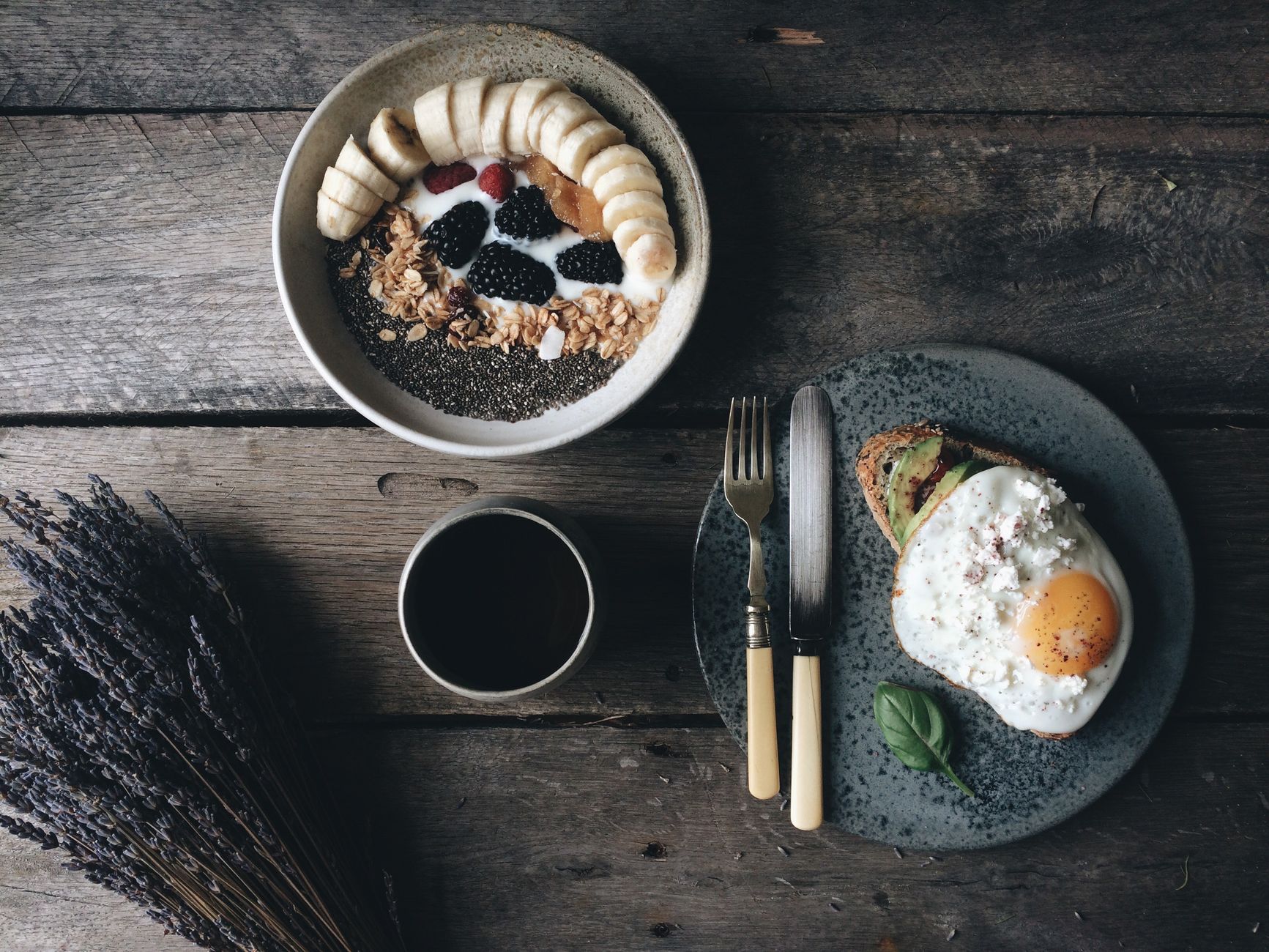
To make the most of the Italian diet during pregnancy, you’ll want to focus on specific ingredients that are both delicious and nutrient-dense. Here’s a breakdown of the must-have foods and why they’re beneficial:
- Extra virgin olive oil: The gold standard of Italian cooking, olive oil is rich in monounsaturated fats and antioxidants. Use it for cooking, dressing salads, or drizzling over vegetables. It supports heart health and may help lower the risk of gestational diabetes.
- Fresh vegetables: Tomatoes, zucchini, eggplant, spinach, and arugula are staples in Italian cuisine. These vegetables are packed with vitamins A, C, and K, as well as fiber. Aim to include at least two servings of vegetables at each meal.
- Lean proteins: Chicken, turkey, fish (like salmon and cod), and legumes (such as lentils and chickpeas) are excellent sources of protein. They support your baby’s growth and help you maintain energy levels. If you’re craving meat, opt for lean cuts and cook them thoroughly.
- Whole grains: Whole-grain pasta, brown rice, quinoa, and whole-grain bread provide fiber and B vitamins, which are essential for digestion and energy. They also help stabilize blood sugar levels, which is particularly important if you’re managing gestational diabetes.
- Fresh herbs and spices: Basil, oregano, rosemary, and garlic not only add flavor but also have anti-inflammatory and antioxidant properties. They can help reduce bloating and improve digestion, which is a welcome relief during pregnancy.
- Healthy fats: Nuts, seeds (like flaxseeds and chia seeds), and avocados are rich in healthy fats that support brain development in your baby. They also keep you feeling full and satisfied.
- Fruit: Berries, apples, pears, and citrus fruits are excellent sources of vitamins and antioxidants. They’re also low in sugar, making them a great snack option.
One of the most exciting aspects of the Italian diet is how easy it is to incorporate these ingredients into meals. For example, you can turn a simple salad into a nutrient powerhouse by adding a variety of vegetables, lean protein, and a drizzle of olive oil. Similarly, swapping white pasta for whole-grain pasta in your favorite recipes can make a big difference in your nutrient intake.
If you’re looking for inspiration, try making a simple aip elimination diet-style meal but with Italian twists—like a zucchini noodle salad with cherry tomatoes, basil, and olive oil, or a lentil and vegetable stew served with whole-grain bread. The possibilities are endless!
--- ## How to modify an Italian diet for common pregnancy conditions like gestational diabetesIf you’ve been diagnosed with gestational diabetes, the Italian diet can still be a great fit—with a few key adjustments. The goal is to manage blood sugar levels while still enjoying flavorful, satisfying meals. Here’s how to adapt the Italian diet for gestational diabetes:
- Focus on low-glycemic carbohydrates: Opt for whole grains like quinoa, brown rice, and whole-grain pasta instead of refined carbohydrates like white bread or pasta. These foods have a lower impact on blood sugar levels.
- Prioritize lean proteins and healthy fats: Include lean proteins like chicken, fish, and legumes at every meal to help stabilize blood sugar. Pair them with healthy fats like olive oil, nuts, and avocados to slow digestion and prevent spikes.
- Load up on non-starchy vegetables: Vegetables like spinach, zucchini, eggplant, and bell peppers are low in carbohydrates and high in fiber, making them an excellent choice for managing blood sugar.
- Limit added sugars and processed foods: Avoid sugary sauces, desserts, and processed snacks. Instead, satisfy your sweet tooth with fresh fruit or a small piece of dark chocolate (at least 70% cocoa).
- Monitor portion sizes: Even healthy foods can impact blood sugar levels if eaten in large quantities. Use measuring cups or a food scale to ensure you’re eating appropriate portions.
- Choose complex carbohydrates wisely: If you’re craving pasta, opt for whole-grain varieties and pair them with a large portion of vegetables and lean protein to balance the meal.
For example, instead of a traditional pasta dish with heavy cream sauce, try a whole-grain pasta salad with grilled chicken, cherry tomatoes, basil, and a light olive oil and lemon dressing. This meal is rich in flavor and nutrients but much lower in carbohydrates and sugar.
If you’re dealing with morning sickness, the Italian diet can also help. Herbal teas like ginger or peppermint can soothe your stomach, and small, frequent meals with easy-to-digest foods like toast, crackers, or bananas can keep nausea at bay. Many women find that bland, starchy foods like whole-grain toast or crackers are the easiest to tolerate when they’re feeling queasy.
If you’re unsure how to adapt your diet for gestational diabetes or other pregnancy-related conditions, don’t hesitate to reach out to a registered dietitian or your healthcare provider. They can provide personalized guidance tailored to your specific needs.
--- ## Nutritional benefits of the Italian diet for mother and baby developmentThe Italian diet isn’t just delicious—it’s packed with nutrients that support both maternal and fetal health. Here’s a breakdown of the key benefits for you and your baby:
- Heart-healthy fats: Olive oil and nuts are rich in monounsaturated fats, which support heart health and reduce inflammation. These fats also play a crucial role in brain development for your baby.
- Omega-3 fatty acids: Found in fatty fish like salmon and sardines, omega-3s are essential for your baby’s brain and eye development. They also support your own heart health and may reduce the risk of postpartum depression.
- Folate and iron: Leafy greens, legumes, and whole grains are excellent sources of folate and iron, which are critical for preventing neural tube defects and combating fatigue during pregnancy.
- Antioxidants and vitamins: Vegetables like tomatoes, bell peppers, and spinach are rich in vitamins C and A, as well as antioxidants that support your immune system and protect your baby from oxidative stress.
- Fiber for digestion: The high fiber content of whole grains, vegetables, and legumes helps prevent constipation, a common pregnancy complaint, and supports healthy digestion.
- Calcium and vitamin D: Dairy products like yogurt and cheese (pasteurized), as well as fortified plant-based milks, provide calcium and vitamin D, which are essential for your baby’s bone development.
- Probiotics for gut health: Fermented foods like yogurt and kefir support gut health, which is particularly important during pregnancy when hormonal changes can affect digestion.
One of the most compelling benefits of the Italian diet is its role in reducing the risk of pregnancy complications. Studies have shown that women who follow a Mediterranean-style diet are less likely to develop gestational diabetes or hypertension. Additionally, the diet’s emphasis on lean proteins and healthy fats can help you maintain a healthy weight gain during pregnancy, which is linked to better birth outcomes.
If you’re looking to maximize the benefits of the Italian diet, consider adding a prenatal vitamin to ensure you’re getting all the nutrients you need. Your prenatal vitamin should include folic acid, iron, and other essential vitamins and minerals. But remember, food should always be your first source of nutrition—supplements are just a backup.
--- ## Easy and healthy Italian recipes for busy expectant mothersLet’s face it: pregnancy can be exhausting. Between doctor’s appointments, morning sickness, and adjusting to your new body, finding time to cook can feel like a luxury. That’s why we’ve included some easy, healthy Italian recipes that are perfect for busy expectant mothers. These meals are quick to prepare, packed with nutrients, and require minimal effort.
- One-pot minestrone soup: This classic Italian soup is a one-pot wonder that’s packed with vegetables, beans, and whole-grain pasta. To make it even easier, use pre-chopped vegetables or a soup mix. Serve with a side of whole-grain bread for a complete meal.
- Grilled chicken and vegetable skewers: Marinate chicken and vegetable skewers in olive oil, garlic, and herbs, then grill or bake. This meal is quick, healthy, and perfect for meal prep. Serve with a side of couscous or quinoa.
- Caprese salad with whole-grain bread: This classic Italian salad is a breeze to make. Layer fresh tomatoes, mozzarella cheese (pasteurized), and basil leaves. Drizzle with olive oil and balsamic vinegar, and serve with whole-grain bread.
- Stuffed bell peppers: Fill bell peppers with a mixture of lean ground turkey, brown rice, tomatoes, and herbs. Bake until tender. This meal is packed with protein and fiber and can be prepped ahead of time.
- Lentil soup with whole-grain bread: Lentils are a great source of plant-based protein and fiber. Simmer lentils with vegetables, garlic, and herbs for a hearty, nourishing soup. Serve with a side of whole-grain bread.
- Grilled shrimp with zucchini noodles: Toss zucchini noodles with olive oil, garlic, and herbs, then grill or bake. Serve with grilled shrimp for a light, protein-packed meal.
- Vegetable risotto: Risotto is a comforting Italian dish that’s easy to make with pre-chopped vegetables. Use whole-grain rice and top with a sprinkle of Parmesan cheese (pasteurized) for extra flavor.
If you’re short on time, consider batch-cooking meals like soups, stews, or grains. Store them in the fridge or freezer for easy reheating. Many of these recipes can also be adapted to meal prep—simply divide into portions and freeze for later.
For more meal prep inspiration, check out our Atkins diet sample day for ideas on how to plan ahead, though we’d recommend focusing on the Italian-inspired approach for your pregnancy needs.
--- ## Foods to limit or avoid on an Italian diet during pregnancyWhile the Italian diet is generally safe and nutritious during pregnancy, there are certain foods you should limit or avoid to protect both you and your baby. Here’s what to watch out for:
- Raw or undercooked meats and seafood: Avoid raw or undercooked meats, poultry, and seafood, as they can contain harmful bacteria like Salmonella or Listeria. This includes sushi, tartare, and raw oysters. Cook all meats and seafood thoroughly to kill any bacteria.
- Unpasteurized dairy and soft cheeses: Avoid soft cheeses like Brie, Camembert, and blue cheese unless they’re made with pasteurized milk. Also avoid unpasteurized dairy products like raw milk, soft cheeses, and some types of yogurt. These can contain Listeria, which is harmful to your baby.
- High-mercury fish: Limit your intake of fish high in mercury, such as shark, swordfish, king mackerel, and tilefish. These can harm your baby’s developing nervous system. Opt for low-mercury fish like salmon, cod, and sardines instead.
- Excessive caffeine: While a small amount of caffeine is generally safe, limit your intake to less than 200 mg per day (about one cup of coffee). Too much caffeine can increase the risk of miscarriage or low birth weight.
- Processed meats: Limit your intake of processed meats like salami, prosciutto, and pepperoni. These are high in sodium and nitrates, which can be harmful in excess. If you do eat them, opt for lean, fresh cuts of meat instead.
- Excessive salt: While Italian cuisine is known for its flavorful dishes, many traditional recipes are high in salt. Use herbs, garlic, and lemon to add flavor instead of salt. This can help you avoid excessive sodium intake, which can lead to high blood pressure.
- Alcohol: Avoid alcohol entirely during pregnancy. There’s no safe amount of alcohol to drink while pregnant, as it can harm your baby’s development.
- Excessive sugar and refined carbohydrates: While the Italian diet emphasizes whole foods, it’s easy to overindulge in sugary desserts or refined carbohydrates like white bread and pasta. Limit these to occasional treats and focus on whole-grain and fiber-rich alternatives.
If you’re unsure about a particular food, it’s always best to err on the side of caution. When in doubt, ask your healthcare provider or a registered dietitian for guidance. They can help you navigate any concerns and ensure you’re making the safest choices for you and your baby.
--- ## Healthy Italian recipes for pregnancy meal prepMeal prepping during pregnancy can feel overwhelming, but with the right plan, it’s entirely doable—and incredibly helpful for busy moms-to-be. The Italian diet lends itself beautifully to meal prep because many of its staples (like grains, legumes, and vegetables) store well and can be cooked in bulk. Here’s how to make meal prep a breeze:
- Cook grains in advance: Whole-grain pasta, quinoa, brown rice, and couscous can all be cooked in large batches and stored in the fridge for up to 5 days or in the freezer for longer. Use them as a base for salads, soups, or one-pot meals.
- Pre-chop vegetables: Wash and chop vegetables like bell peppers, zucchini, and carrots and store them in airtight containers in the fridge. This makes it easy to toss them into meals throughout the week.
- Batch-cook proteins: Grill or bake chicken, turkey, or fish in large quantities and use them in salads, wraps, or pasta dishes. Legumes like lentils and chickpeas can also be cooked ahead and used in soups, stews, or salads.
- Make sauces and dressings in advance: Italian dressings like olive oil and lemon, balsamic vinegar, or a simple herb-infused oil can be made ahead and stored in the fridge for up to a week. This makes it easy to add flavor to meals on the fly.
- Pre-portion snacks: Divide nuts, seeds, fresh fruit, and cheese into individual containers for easy grab-and-go snacks. This is especially helpful if you’re dealing with morning sickness or low energy levels.
- Freeze individual meals: Soups, stews, and casseroles freeze well and can be reheated quickly. Portion them into freezer-safe containers for a convenient dinner option.
- Plan for leftovers: When cooking a new recipe, make extra portions to enjoy later in the week. This reduces the need to cook from scratch every night.
One of the best things about meal prepping with the Italian diet is that many dishes taste even better the next day. For example, a simple pasta salad or a hearty lentil soup can be even more flavorful after a night in the fridge. Plus, knowing you have a healthy meal ready to go can take the stress out of your pregnancy.
If you’re new to meal prep, start with one or two meals a week and gradually build up. This way, you can test what works best for you and your schedule. And if you ever feel stuck, don’t hesitate to reach out to a registered dietitian or check out resources like our AIP elimination diet sample day for inspiration on how to plan ahead.
--- ## Mediterranean diet benefits for pregnancy weight managementOne of the biggest concerns for many pregnant women is weight gain. While it’s completely normal to gain weight during pregnancy, managing it in a healthy way can help you feel your best and reduce the risk of complications like gestational diabetes or high blood pressure. The Mediterranean diet, which the Italian diet is a part of, is particularly effective for weight management because it emphasizes whole foods, healthy fats, and lean proteins while limiting processed ingredients and added sugars.
Here’s how the Mediterranean diet can support healthy weight gain during pregnancy:
- Healthy fats keep you full: Olive oil, nuts, and avocados are rich in monounsaturated fats, which help you feel satisfied and reduce cravings for unhealthy snacks.
- Lean proteins support muscle growth: Chicken, fish, and legumes provide protein without excess calories, helping you maintain muscle mass and energy levels.
- Fiber-rich whole grains stabilize blood sugar: Whole grains like quinoa, brown rice, and whole-grain pasta help regulate blood sugar levels, preventing energy crashes and overeating.
- Vegetables and fruits provide volume without excess calories: Non-starchy vegetables and fruits are low in calories but high in fiber and water, helping you feel full without gaining too much weight.
- Mindful eating practices prevent overeating: The Italian diet encourages slow, mindful eating, which helps you tune into your body’s hunger and fullness cues.
If you’re looking to manage your weight gain more intentionally, focus on portion control and balancing your meals with a mix of protein, healthy fats, and fiber. For example, instead of a large plate of pasta, opt for a smaller portion of whole-grain pasta paired with a large portion of vegetables and a lean protein. This way, you’re getting the nutrients you need without overeating.
It’s also important to remember that every pregnancy is different, and weight gain varies from woman to woman. The key is to focus on nourishing your body with wholesome foods and listening to your body’s hunger and fullness cues. If you’re concerned about your weight gain, talk to your healthcare provider—they can provide personalized guidance tailored to your needs.
--- ## Safe Italian cheeses and cured meats during pregnancyOne of the biggest challenges of following an Italian diet during pregnancy is navigating the world of cheeses and cured meats. Many traditional Italian dishes feature soft cheeses and cured meats that aren’t safe to consume during pregnancy due to the risk of Listeria or other bacteria. But don’t worry—there are plenty of safe alternatives that still let you enjoy the flavors you love.
- Safe cheeses:
- Parmesan cheese (pasteurized)
- Pecorino Romano (pasteurized)
- Gouda (pasteurized)
- Swiss cheese (pasteurized)
- Mozzarella (pasteurized)
- Ricotta (pasteurized)
- Cottage cheese
- Feta cheese (pasteurized)
- Safe cured meats (when cooked thoroughly):
- Prosciutto (cooked thoroughly)
- Salami (cooked thoroughly)
- Capicola (cooked thoroughly)
- Genoa salami (cooked thoroughly)
- Safe alternatives:
- Opt for fresh mozzarella or burrata instead of soft cheeses like Brie or Camembert.
- Use pasteurized yogurt or kefir as a substitute for soft cheeses in recipes.
- Choose lean, fresh cuts of meat like grilled chicken or fish instead of cured meats.
If you’re craving a classic Italian dish like lasagna or a charcuterie board, you can still enjoy it—just make sure to use safe ingredients. For example, swap out the soft cheeses for Parmesan or mozzarella, and cook any cured meats thoroughly before serving. Many restaurants also offer pregnancy-safe options, so don’t hesitate to ask about their ingredients.
If you’re unsure about a particular cheese or meat, it’s always best to check with your healthcare provider or a registered dietitian. They can help you navigate any concerns and ensure you’re making the safest choices for you and your baby.
--- ## Best whole grains for an Italian pregnancy dietWhole grains are a cornerstone of the Italian diet, providing fiber, B vitamins, and minerals that support both maternal and fetal health. During pregnancy, whole grains can help manage weight gain, stabilize blood sugar levels, and prevent constipation—all common concerns for expectant mothers. Here are some of the best whole grains to incorporate into your Italian-inspired pregnancy diet:
- Whole-grain pasta: Swap out white pasta for whole-grain varieties like whole-wheat, chickpea, or lentil pasta. These


