Is Zip Lining Safe During Pregnancy? Risks and Expert Advice

Is Zip Lining Safe During Pregnancy? Risks and Expert Advice
On this page

Avoid zip lining during pregnancy due to fall risks and harness pressure. Experts recommend safer alternatives, especially in the first trimester.

Shubhra Mishra

By Shubhra Mishra — a mom of two who turned her own confusion during pregnancy into BumpBites, a global mission to make food choices clear, safe, and stress-free for every expecting mother. 💛

Are you a qualified maternal-health or nutrition expert? Join our reviewer circle.

Wondering about another food?

Check whether any food is safe during pregnancy with the BumpBites Food Safety Checker.

Quick verdict: ❌ Best avoided. Most obstetricians and major health organizations, including the American College of Obstetricians and Gynecologists (ACOG), strongly advise against zip lining during pregnancy due to the significant risks of falls, abdominal trauma, and other potential complications for both you and your baby.
For many expecting parents, the news of a baby on the way brings a mix of excitement and a whole new level of caution, especially when it comes to beloved activities. If you’re an adventurous spirit, you might be wondering, "is zip lining safe during pregnancy?" It's a natural question to ask when evaluating how to keep yourself and your developing baby healthy. The thought of soaring through the air, feeling the wind, sounds thrilling, but your body is undergoing incredible changes, and what was once a fun activity might now pose unforeseen risks. The good news is that we understand that urge for adventure doesn't just disappear with a positive pregnancy test. However, when it comes to high-impact or high-risk activities like zip lining, medical guidance leans heavily towards caution. While it might be disappointing to put this particular thrill on hold, understanding the 'why' behind the recommendations can help you make informed choices and discover plenty of other safe and enjoyable ways to stay active and engaged throughout your pregnancy.
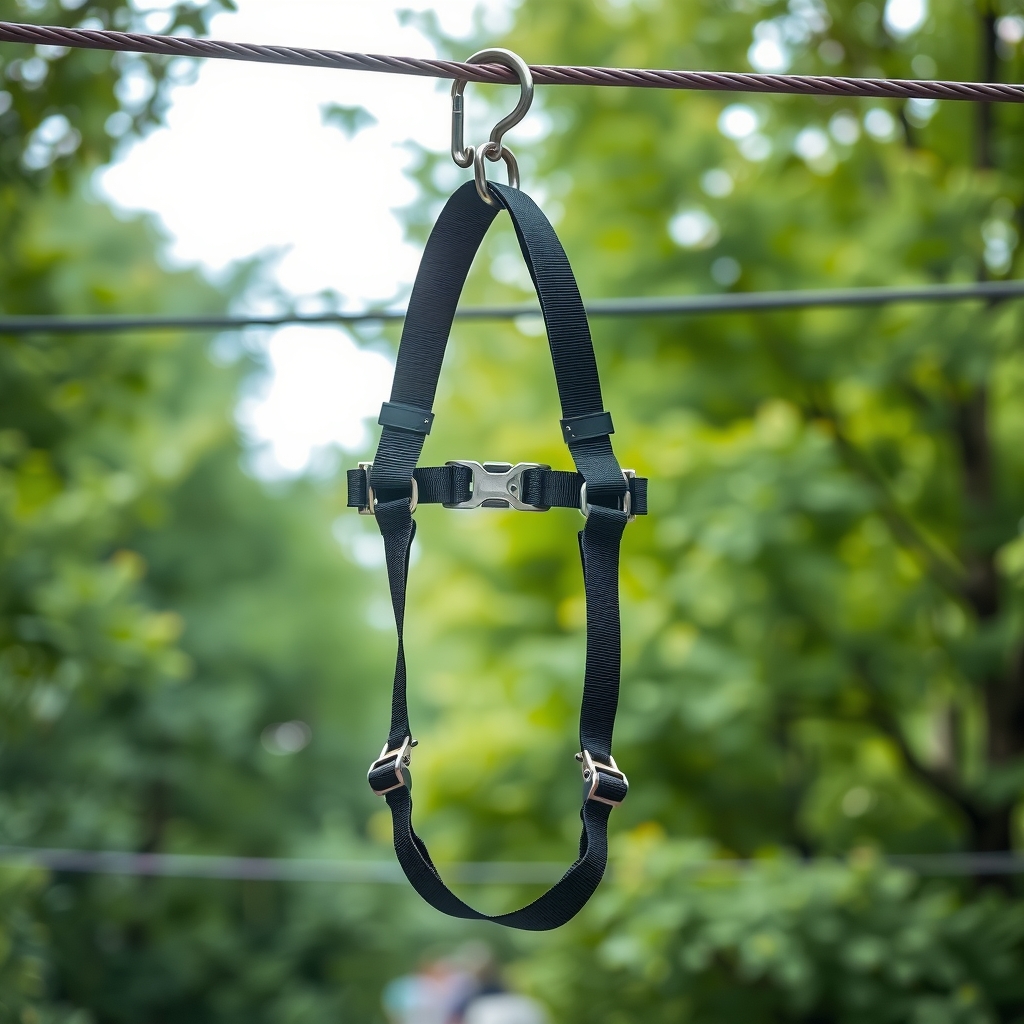
A sturdy zip line harness hanging on a hook, with a blurry background of lush green trees and an adventure park setting, emphasizing safety equipment.
While zip line harnesses are designed for safety, they are not tailored for the unique physical changes of pregnancy.

Safety Snapshot: Zip Lining During Pregnancy

Trimester / Stage Verdict Notes
First Trimester ❌ Best Avoided Even early on, the risk of falls, sudden stops, and abdominal impact can be harmful, especially during critical organ development. Hormonal changes can also affect balance.
Second Trimester ❌ Best Avoided Your growing uterus becomes more exposed to potential trauma. Increased joint laxity (due to relaxin) makes you more susceptible to sprains and injuries from sudden movements.
Third Trimester ❌ Best Avoided Significant abdominal size increases risk of direct trauma, placental abruption, and premature labor. Balance is further compromised, and the physical strain is much higher.
Breastfeeding ✅ Generally Safe Once cleared by your doctor post-partum, zip lining is generally safe while breastfeeding. Consider comfort (engorgement), hydration, and potential for injury affecting infant care.

What is Zip Lining?

Zip
lining is an adventure activity where a person is suspended by a harness and pulley, then propelled by gravity along a steel cable, or "zip line," from a higher point to a lower point. Participants typically reach varying speeds, often soaring through scenic landscapes like forests, mountains, or over canyons. The experience combines the thrill of speed with breathtaking views, offering a unique perspective of the environment. The equipment involved usually includes a full-body or seat harness, a trolley or pulley system, gloves, and a helmet. Riders are attached to the cable via the trolley, which glides along the line. Braking systems vary, from active hand braking to passive systems that gradually slow the rider at the end of the line. The forces experienced during a zip line ride can include rapid acceleration, sudden stops, and potential swinging or jostling, all of which contribute to the exhilarating sensation. Zip lining is popular at adventure parks, resorts, and eco-tourism destinations worldwide, attracting those seeking an adrenaline rush and a connection with nature.

Is Zip Lining Safe During Pregnancy?

When you're expecting, the question "is zip lining safe during pregnancy?" is a crucial one, and the consensus among medical professionals is a resounding **no**. Major health organizations, including the American College of Obstetricians and Gynecologists (ACOG), advise against activities that carry a significant risk of falls or abdominal trauma during pregnancy. Zip lining falls squarely into this category. The primary concern with zip lining during pregnancy stems from several factors. Firstly, there's the inherent risk of a fall, even if rare. While zip lines are designed with safety in mind, equipment malfunctions, operator error, or even a moment of dizziness could lead to a fall, which could have devastating consequences for a pregnant person and their baby. Secondly, the nature of zip lining involves rapid acceleration and, critically, sudden stops. These abrupt decelerations can cause significant jostling or impact, potentially leading to abdominal trauma. This trauma could result in complications such such as placental abruption, where the placenta detaches from the uterine wall, or even premature labor. Furthermore, the harness itself, while designed to be secure, applies pressure to the body. For a pregnant person, this pressure could potentially be exerted on the abdomen, especially as the uterus grows. The G-forces and vibrations experienced during the ride, even if seemingly minor, could also be problematic. Your body is already under increased strain, with ligaments softening due to pregnancy hormones like relaxin, making you more susceptible to sprains and joint injuries. Given these combined risks, most healthcare providers and zip line operators themselves will strongly advise against participation for pregnant individuals.

Safety by Trimester

Is zip lining safe in the first trimester of pregnancy?

Even in the first trimester, when your bump might not yet be visible, is zip lining safe during pregnancy? The answer remains no. While the uterus is still protected within the pelvis, the embryo is undergoing rapid and critical development, making it highly vulnerable to external forces. Sudden impacts, jolts, or falls during this delicate period could potentially disrupt implantation or early organogenesis. Moreover, many pregnant individuals experience nausea, fatigue, or dizziness in the first trimester, which could impair judgment or increase the risk of a fall, even if the activity itself isn't directly impacting the abdomen. The surge in hormones can also affect your balance and coordination, making any activity that requires stability more challenging.

Can you go zip lining in the second trimester if you feel fine?

As you enter the second trimester, you might feel a surge of energy and a reduction in early pregnancy symptoms, leading you to wonder, "can you go zip lining in the second trimester if you feel fine?" Despite feeling better, this is still not a recommended activity. By the second trimester, your uterus has grown significantly and is no longer protected by your pelvic bones, making it more exposed to potential abdominal trauma. The risk of placental abruption from a sudden impact or deceleration becomes a more serious concern. Additionally, the hormone relaxin continues to soften your ligaments and joints, increasing your susceptibility to sprains, dislocations, or other musculoskeletal injuries from the jerky movements inherent in zip lining. While your energy might be up, your body's physical vulnerability to high-impact activities is also increasing.

Why is zip lining dangerous during the third trimester?

In the third trimester, the question "why is zip lining dangerous during the third trimester?" becomes even more critical. Your growing abdomen is at its largest and most vulnerable, making it highly susceptible to direct trauma. Any impact, however minor, carries a significant risk of placental abruption, premature labor, or fetal distress. Your center of gravity has shifted dramatically, severely impacting your balance, and the physical exertion required, even just getting into and out of the harness or walking to the platform, can be strenuous. The increased blood volume and heart rate during pregnancy mean that the adrenaline rush and physical strain of zip lining could put undue stress on your cardiovascular system. For all these reasons, the risks in the third trimester are amplified, making zip lining unequivocally unsafe.

Zip Lining While Breastfeeding

Once your baby has arrived and you've received clearance from your healthcare provider for physical activity, zip lining is generally considered safe while breastfeeding. The direct risks to pregnancy are no longer a concern. However, there are still a few things to consider for your comfort and well-being. If you are prone to engorgement, the harness might feel uncomfortable or put pressure on your breasts. It's a good idea to feed your baby or pump shortly before the activity. Staying well-hydrated is also crucial, especially during physical exertion, to support your milk supply. As always, listen to your body and ensure you're fully recovered postpartum before engaging in strenuous activities.

Key Considerations and Company Policies

Because zip lining is an activity with inherent risks, most reputable zip line companies have strict policies regarding pregnant participants. You'll find that many operators explicitly prohibit pregnant individuals from participating, often citing safety concerns for both the individual and the unborn baby, as well as liability issues. When you sign a waiver to participate in a zip line activity, it almost always includes a clause stating that you are not pregnant and are medically fit to engage in the activity. These policies are not designed to be discriminatory but rather to safeguard the health of pregnant individuals and their babies. The companies understand the potential for injury from falls, sudden stops, or harness pressure, and they are unwilling to take on that risk. Even if a company doesn't explicitly ask, it is crucial to be honest about your pregnancy for your safety. Attempting to hide your pregnancy could void insurance coverage and put you in a dangerous situation without proper medical considerations. Always check with the specific zip line operator beforehand, but be prepared for a firm "no" based on industry-standard safety protocols.

☢ Side Effects and Risks of Zip Lining While Pregnant

Engaging in zip lining while pregnant carries several serious risks that go beyond typical concerns, primarily due to the unique physiological changes occurring in your body and the vulnerability of your developing baby. * **Abdominal Trauma:** This is perhaps the most significant risk. Sudden impacts, jolts, or pressure from the harness during rapid acceleration or abrupt stops can directly injure your uterus. This can lead to serious complications such as: * **Placental Abruption:** Where the placenta partially or completely detaches from the uterine wall before birth. This is a medical emergency that can cause severe bleeding, oxygen deprivation to the baby, and premature birth. * **Uterine Rupture:** Though rare, extreme trauma can lead to a tear in the uterine wall, which is life-threatening for both you and your baby. * **Fetal Injury:** Direct trauma to the abdomen can also cause injury to the fetus itself. * **Falls and Collisions:** While safety measures are in place, the risk of a fall or collision with another person or structure, however small, is amplified during pregnancy. A fall can lead to fractures, head injuries, or direct abdominal trauma. * **Musculoskeletal Injuries:** Pregnancy hormones, particularly relaxin, loosen ligaments and joints throughout your body, making you more susceptible to sprains, strains, and dislocations. The sudden, jerky movements of zip lining can easily overstress these softened joints, leading to injuries in your back, hips, knees, or ankles. * **Increased Heart Rate and Blood Pressure:** The adrenaline rush and physical exertion of zip lining can significantly elevate your heart rate and blood pressure. While your body is designed to handle some stress, excessive or prolonged increases can put strain on your cardiovascular system, which is already working harder during pregnancy. * **Dehydration and Heat Exhaustion:** Being outdoors and physically active, especially in warm weather, increases the risk of dehydration and heat exhaustion. Pregnant people are more susceptible to these conditions, which can lead to dizziness, fainting, and potentially affect blood flow to the baby. * **Dizziness and Fainting:** Changes in blood volume and circulation, combined with potential nausea or low blood sugar, can make pregnant individuals more prone to dizziness or fainting. This risk is particularly dangerous when suspended high above the ground. * **Premature Labor:** Any significant physical trauma or extreme stress could potentially trigger premature contractions and lead to early labor. These risks are why medical professionals strongly advise against zip lining throughout all trimesters of pregnancy.

Are there any pregnancy-safe adventure activities to replace zip lining?

Absolutely! While zip lining might be off-limits for now, there are many fantastic ways to satisfy your adventurous spirit and enjoy nature safely during pregnancy. Here are some excellent pregnancy-safe adventure activities to consider:
  • Nature Walks: Enjoy the beauty of local parks, nature preserves, or gentle forest trails. It's a low-impact way to stay active and connect with nature.
  • Prenatal Yoga: Many studios offer specialized prenatal yoga classes that focus on gentle stretching, strengthening, and relaxation, perfect for preparing your body for birth.
  • Swimming: The buoyancy of water is incredibly therapeutic during pregnancy, relieving pressure on joints and making you feel weightless. It's a full-body workout that's gentle on your body.
  • Gentle Hiking: Choose well-maintained, flat, or minimally inclined trails. Always wear supportive footwear, stay hydrated, and let someone know your route.
  • Indoor Rock Climbing (with harness and supervision): While traditional climbing is risky, some indoor gyms offer bouldering walls or top-rope climbing with full-body harnesses that can be adjusted to avoid abdominal pressure. Always consult with your doctor and the gym staff about safe practices.
  • Scenic Train Rides: Experience breathtaking landscapes from the comfort and safety of a train. It's a relaxing way to explore new areas and enjoy stunning views.
  • Bird Watching: Grab some binoculars and a field guide and head to a local park or wildlife sanctuary. It’s a peaceful, engaging activity that gets you outdoors.
  • Picnics in Safe, Shaded Areas: Pack a delicious meal and enjoy it outdoors in a calm, beautiful setting. It’s a wonderful way to spend quality time with loved ones amidst nature.
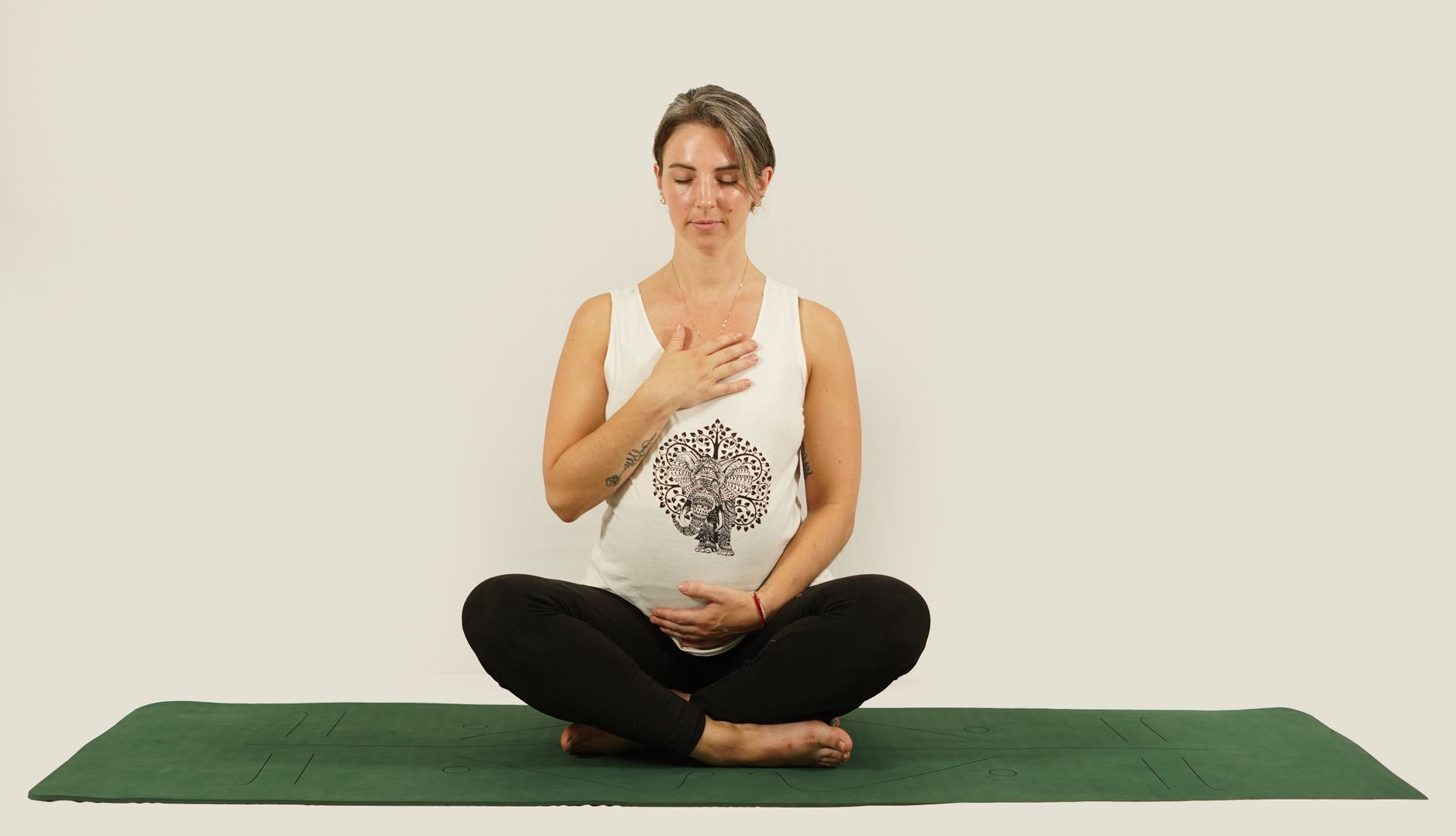
A pregnant woman practicing a gentle prenatal yoga pose outdoors on a mat, surrounded by lush green foliage, bathed in soft, natural light.
Prenatal yoga offers a gentle yet effective way to maintain fitness and flexibility during pregnancy.
Understanding the safety of zip lining often leads to questions about other adventure activities. Here's a quick look at the pregnancy safety of some similar thrilling pursuits:
Activity Verdict Notes
Roller Coasters ❌ Best Avoided Sudden stops, rapid acceleration, and G-forces pose significant risks of abdominal trauma and placental abruption.
Bungee Jumping ❌ Best Avoided Extreme G-forces, sudden jerking motions, and high impact are extremely dangerous for pregnancy.
Skydiving ❌ Best Avoided High-impact landing, extreme pressure changes, and potential for falls make this unsafe.
White-Water Rafting ❌ Best Avoided Risk of capsizing, falls, impacts with rocks, and being thrown from the raft.
Scuba Diving ❌ Best Avoided Pressure changes can cause decompression sickness in the fetus, and limited research on safety.
Horseback Riding ❌ Best Avoided High risk of falls and direct abdominal impact. Even gentle riding carries risk.
Amusement Park Rides (High-Thrill) ❌ Best Avoided Similar to roller coasters, any ride with sudden movements, drops, or impacts is unsafe.
Hot Air Balloon Rides ⚠️ Safe with Limits Generally considered safe if landings are smooth and weather is calm. Avoid if prone to motion sickness or during very windy conditions. Always check with provider.
Parasailing ❌ Best Avoided Risk of hard landings, falls, and sudden drops, which can cause abdominal trauma.
Mountain Biking ❌ Best Avoided High risk of falls, especially on uneven terrain, leading to potential abdominal trauma.

Myth vs. Fact

When it comes to activities like zip lining during pregnancy, there are often common misconceptions that can lead to confusion. Let's clear up some of these myths. * Myth: "My bump isn't showing yet, so zip lining in the first trimester is fine." Fact: While your bump might not be visible, your baby is undergoing critical development in the first trimester. The risks of sudden impacts, jolts, and falls can be just as dangerous, if not more so, to the developing embryo. Hormonal changes can also affect your balance, increasing the risk of accidents. * Myth: "I'm very athletic and fit, so I can handle the physical demands of zip lining." Fact: Your fitness level before pregnancy doesn't negate the physiological changes of pregnancy that make activities like zip lining risky. Hormones like relaxin soften ligaments, increasing injury risk, and your body's center of gravity shifts, impacting balance. The concern isn't your athletic ability, but rather the specific risks of abdominal trauma and falls that are amplified during pregnancy, regardless of fitness. * Myth: "The zip line harness will protect my baby." Fact: Zip line harnesses are designed to secure an adult body to the cable, not to protect a pregnant abdomen from impact or trauma. In fact, the pressure from the harness itself, especially around the abdomen, could be problematic during a sudden stop or jolt. No standard zip line harness is designed with fetal protection in mind.

Key Takeaways

Here’s a quick summary of what you need to know about zip lining during pregnancy:
  • Most medical professionals and major health organizations, including ACOG, strongly advise against zip lining throughout all trimesters of pregnancy.
  • The primary risks include abdominal trauma (potentially leading to placental abruption), falls, musculoskeletal injuries due to loosened ligaments, and excessive physical strain.
  • Many zip line operators have strict policies prohibiting pregnant individuals from participating due to safety and liability concerns.
  • Even in the first trimester, when the bump is not visible, critical fetal development makes the baby vulnerable to impacts and falls.
  • There are numerous safe and enjoyable adventure alternatives, such as nature walks, swimming, prenatal yoga, and gentle hiking, that can satisfy your adventurous spirit.
  • Always prioritize your and your baby's safety, and discuss any activity concerns with your healthcare provider.

Frequently Asked Questions

Can you go zip lining at 4 weeks pregnant?

No, you should not go zip lining at 4 weeks pregnant. Even at this very early stage, the risks of sudden impacts, jerking movements, and potential falls can be detrimental to the newly implanted embryo and the critical early stages of fetal development. It's best to avoid high-risk activities from the moment you know or suspect you are pregnant.

What happens if you fall while zip lining pregnant?

If you fall while zip lining pregnant, the consequences can be severe. A fall could lead to direct abdominal trauma, which might cause placental abruption (the placenta detaching from the uterine wall), premature labor, or injury to the fetus. You could also sustain fractures, sprains, or head injuries, posing risks to both you and your baby.

Are there any zip lines that allow pregnant women?

It is highly unlikely that any reputable zip line operator will allow pregnant women to participate. Due to the inherent risks of falls, sudden impacts, and potential abdominal trauma, most companies have strict policies prohibiting pregnant individuals for safety and liability reasons. Always disclose your pregnancy if asked, or check their policies beforehand.

How does adrenaline affect pregnancy?

While occasional mild adrenaline surges from everyday life are generally not harmful, sustained or extreme adrenaline rushes, like those from high-risk activities, can impact pregnancy. High levels of stress hormones can increase your heart rate and blood pressure, potentially reducing blood flow to the uterus in extreme cases. Chronic stress is linked to adverse outcomes, so avoiding activities that induce significant stress is often recommended. For more information on how certain substances can affect pregnancy, you might want to read about Botox safety during pregnancy or Radiesse during pregnancy.

Is it safe to do adventure sports while pregnant?

Most adventure sports that involve a risk of falls, high impact, rapid changes in speed, or abdominal trauma are generally not considered safe during pregnancy. This includes activities like zip lining, rock climbing (without proper modifications), horseback riding, and contact sports. The key is to prioritize activities that are low-impact and pose minimal risk of injury or falls.

What are the safest activities for pregnant women?

The safest activities for pregnant women are typically low-impact and carry minimal risk of falls or abdominal trauma. Excellent choices include walking, swimming, prenatal yoga, stationary cycling, and gentle hiking on flat terrain. These activities help maintain fitness, reduce stress, and prepare your body for childbirth without posing undue risks.

Can zip lining cause a miscarriage?

Yes, zip lining carries a risk of causing complications that could lead to a miscarriage, especially in early pregnancy, or premature labor in later stages. The severe abdominal trauma, sudden impacts, or falls associated with zip lining can disrupt the pregnancy, potentially leading to placental abruption or other serious issues that could result in pregnancy loss.

What trimester is safest for travel and activities?

The second trimester (weeks 14-27) is generally considered the safest and most comfortable for travel and many activities. Morning sickness often subsides, energy levels increase, and the risk of early pregnancy complications has decreased. However, high-risk activities like zip lining remain unsafe in all trimesters, and travel should always be discussed with your healthcare provider.

When to Call Your Doctor

While we strongly advise against zip lining during pregnancy, if you have already participated in the activity, or experienced any fall or abdominal trauma during pregnancy, it is crucial to contact your healthcare provider immediately. Seek urgent medical attention if you experience any of the following symptoms after any physical activity:
  • Vaginal bleeding, even light spotting
  • Sudden, severe abdominal pain or cramping
  • Persistent contractions (more than four in an hour)
  • Leakage of fluid from the vagina
  • Decreased fetal movement (if you are far enough along to feel it)
  • Dizziness, lightheadedness, or fainting
  • Shortness of breath that doesn't resolve with rest
  • Chest pain
  • Calf pain or swelling
This information is for educational purposes only and is not a substitute for professional medical advice, diagnosis, or treatment. Always seek the advice of your physician or other qualified health provider with any questions you may have regarding a medical condition.

References

  1. American College of Obstetricians and Gynecologists (ACOG). (2020). Physical Activity and Exercise During Pregnancy and the Postpartum Period. Committee Opinion No. 804.
  2. National Health Service (NHS). (2023). Exercise in pregnancy. Retrieved from www.nhs.uk/pregnancy/keeping-well/exercise/
  3. Centers for Disease Control and Prevention (CDC). (2022). Physical Activity During Pregnancy. Retrieved from www.cdc.gov/physicalactivity/basics/pregnancy/index.htm
  4. Mayo Clinic. (2023). Pregnancy and exercise: Baby, let's move! Retrieved from www.mayoclinic.org/healthy-lifestyle/pregnancy-week-by-week/in-depth/pregnancy-and-exercise/art-20046896

Editor's pick for this topic

Not sure about the label on Is Zip Lining Safe During Pregnancy products?

Snap the ingredients list and SafeFilter checks every ingredient for your stage — only 3 free scans this month, then you're locked until reset. Unlimited from $7/mo or $50/yr.

Informational only — not medical advice.

Shubhra Mishra

About the Author

When Shubhra Mishra was expecting her first child in 2016, she was overwhelmed by conflicting food advice — one site said yes, another said never. By the time her second baby arrived in 2019, she realized millions of mothers face the same confusion.

That sparked a five-year journey through clinical nutrition papers, cultural diets, and expert conversations — all leading to BumpBites: a calm, compassionate space where science meets everyday motherhood.

Her long-term vision is to build a global community ensuring safe, supported, and free deliveriesfor every mother — because no woman should face pregnancy alone or uninformed. 🌿

🌍 Stand with mothers, shape safer guidance

Join a small circle of experts who review BumpBites articles so expecting parents everywhere can decide with confidence.

⚠️ Always consult your doctor for medical advice. This content is informational only.

Recommended picks

Ritual Ritual Essential Prenatal

Prenatal pick

RitualRitual Essential Prenatal

Choline + DHA + folate from methylfolate (not synthetic).

$39Check prenatal →
Nordic Naturals Nordic Naturals Prenatal DHA (Strawberry Softgels)

Prenatal pick

Nordic NaturalsNordic Naturals Prenatal DHA (Strawberry Softgels)

Premium fish-oil DHA in strawberry softgels — gentle on the stomach.

$55Check prenatal →