is working with a forklift safe during pregnancy? expert safety
Is working with a forklift safe during pregnancy? Experts recommend limiting exposure in the first trimester due to vibration risks. Learn safe alternatives
By Shubhra Mishra — a mom of two who turned her own confusion during pregnancy into BumpBites, a global mission to make food choices clear, safe, and stress-free for every expecting mother. 💛
Check whether any food is safe during pregnancy with the BumpBites Food Safety Checker.
Quick verdict: ⚠️ Working with a forklift during pregnancy is not recommended due to risks of falls, collisions, and physical strain, but if it’s unavoidable, strict safety measures and ergonomic adjustments can reduce risks. Most employers and ACOG recommend alternative tasks or modified equipment during pregnancy.
You’re standing in a warehouse at 2 AM, the fluorescent lights buzzing overhead, when you realize: I’m pregnant. The forklift in front of you—its hydraulic lift humming, the keys still in your pocket—suddenly feels like a ticking time bomb. Maybe you’ve already operated one all day before you realized you were pregnant. Or maybe you’re deciding whether to keep doing your job now that you’ve taken a test. Either way, your stomach is in knots, and Google’s not giving you clear answers. Is working with a forklift safe during pregnancy? Can you even keep doing your job? And if not, what do you do now?
Here’s what you need to know: ACOG and occupational safety guidelines strongly advise against forklift operation during pregnancy due to the risks of injury, stress on your body, and potential harm to your baby. But if your workplace won’t accommodate you, or if you’re in a high-risk industry, we’ll break down how to minimize risks, what alternatives exist, and when to call your doctor. This isn’t just about avoiding a ticket—it’s about protecting your pregnancy and your future.
Below, we’ll cover everything from trimester-specific risks to safer equipment options, employer responsibilities, and what to do if you’ve already been exposed. We’ll also dive into how to advocate for yourself at work, what to ask your doctor during your next appointment, and how to prepare for your return-to-work conversation. By the end, you’ll know exactly what to ask your employer, how to advocate for yourself, and whether your job is still safe—or if it’s time for a change.
Trimester / Situation
Safety Verdict
Notes
First Trimester
⚠️ Not recommended
Highest risk of miscarriage and organ development. Falls or collisions could cause severe injury to you or your baby.
Second Trimester
⚠️ Not recommended
Physical strain increases, and some studies link heavy lifting to preterm labor. Employers should provide alternatives.
Third Trimester
❌ Avoid
Center of gravity shifts, balance is compromised, and the risk of injury (to you or the baby) is significantly higher.
Breastfeeding
⚠️ Safe if no injury
Only if you’ve had no accidents, collisions, or physical strain during pregnancy. Exposure to hazardous materials during operation could affect milk quality.
Ergonomic adjustments and safety protocols can reduce risks—but forklift operation is still not recommended during pregnancy.
---
## What is forklift operation?
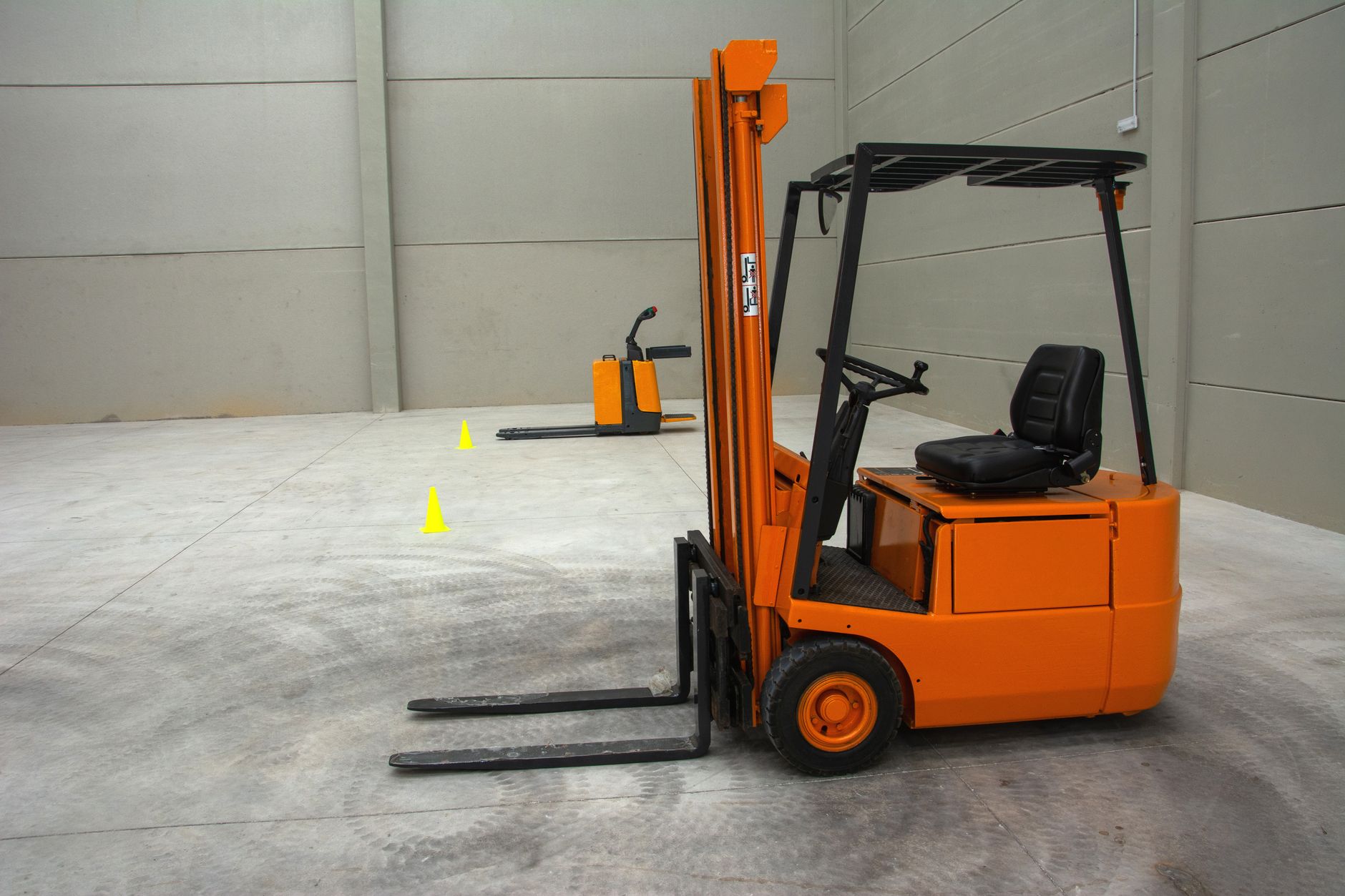
A forklift is a powered industrial truck used to lift and move heavy pallets or loads in warehouses, factories, and construction sites. These machines come in various types—electric, diesel, gas, and even remote-controlled—and are essential for industries like logistics, manufacturing, and retail. Forklifts operate by lifting a horizontal "fork" or attachment under loads, allowing workers to transport materials vertically or horizontally.
Forklift operation requires training, certification, and physical strength to maneuver the machine safely. Operators must navigate tight spaces, lift heavy loads, and sometimes work in awkward positions, which can strain the back, legs, and core. While forklifts are designed with safety features like stability controls and backup alarms, the nature of the job—repetitive lifting, sudden stops, and potential collisions—makes it one of the riskiest industrial tasks, especially for pregnant women.
Many workers in warehouse or manufacturing roles rely on forklifts daily, but the physical demands and potential hazards raise serious questions about safety during pregnancy. If you’re already operating one, or considering whether to continue, understanding the risks—and the alternatives—is critical.
---
## Is working with a forklift safe during pregnancy?
The short answer is **no, forklift operation is not considered safe during pregnancy** by most occupational health guidelines, including those from the American College of Obstetricians and Gynecologists (ACOG) and the Occupational Safety and Health Administration (OSHA). Here’s why:
### **Physical Risks to You and Your Baby**
Forklift operation involves **repetitive lifting, sudden movements, and prolonged standing**, which can strain your back, legs, and core—muscles that already bear extra weight during pregnancy. A fall or collision (even at low speeds) could cause severe injury to you, which may lead to complications like placental abruption or preterm labor. Studies suggest that **high-impact trauma during pregnancy is linked to an increased risk of miscarriage or fetal injury**, particularly in the first and third trimesters.
### **Stress and Fatigue**
Pregnancy increases your body’s demand for oxygen and nutrients, making fatigue more likely. Operating a forklift for long hours—especially in hot or poorly ventilated environments—can exacerbate this, leading to dizziness, nausea, or even fainting. Exposure to extreme temperatures or poor air quality (common in warehouses) may also affect your baby’s development.
### **Psychological Stress**
Even if you’re physically capable, the **anxiety of operating heavy machinery while pregnant** can’t be underestimated. Many women report heightened stress levels when performing tasks they perceive as risky, which may contribute to complications like hypertension or preterm labor. Employers should provide **mental health support and stress-reducing alternatives** if forklift operation is unavoidable.
### **What the Evidence Says**
While there are no large-scale studies *specifically* on forklift operation and pregnancy outcomes, the risks align with broader occupational safety guidelines:
- **ACOG** advises against jobs involving **high physical strain, repetitive lifting, or exposure to hazardous materials** during pregnancy.
- **OSHA** recommends that employers **accommodate pregnant workers** by modifying duties or providing safer equipment when possible.
- The **CDC** notes that **falls and collisions** are leading causes of workplace injuries during pregnancy, particularly in the third trimester.
If your workplace refuses to accommodate you, you may have legal protections under laws like the **Pregnant Workers Fairness Act (PWFA)**, which requires employers to provide reasonable adjustments.
---
## How to advocate for yourself at work
If your employer insists you continue operating a forklift, it’s time to **take control of your workplace safety**. Here’s how to advocate for yourself effectively:
### **Step 1: Document Your Concerns**
Keep a written record of:
- Dates and times you’ve operated a forklift.
- Any incidents (near-misses, accidents, or injuries).
- Discussions with your supervisor about accommodations.
This documentation can be crucial if you need to escalate the issue later.
### **Step 2: Request a Medical Evaluation**
Schedule a visit with your doctor to discuss your job duties. Ask for a **written note** stating that forklift operation is unsafe during pregnancy. This can be a powerful tool when negotiating with your employer.
### **Step 3: Explore Accommodations**
Under the **PWFA**, employers must provide reasonable accommodations if they don’t pose undue hardship. Examples include:
- **Temporary reassignment** to a lighter-duty role.
- **Modified equipment** (e.g., electric pallet jacks).
- **Flexible scheduling** (e.g., shorter shifts or no night work).
### **Step 4: Know Your Rights**
If your employer refuses to accommodate you, you may have legal recourse. The **PWFA** protects pregnant workers from discrimination, and many states have additional protections. Consult an employment lawyer if needed.
---
## Safety by trimester
### **Is it safe to operate a forklift during the first trimester of pregnancy?**
⚠️ Not recommended. The first trimester is the most critical period for fetal development, as organs and systems are forming. A fall or collision—even a minor one—could cause **miscarriage or birth defects**, though most miscarriages occur due to genetic factors rather than physical trauma. However, the risk of injury to you (e.g., internal bleeding, placental issues) is still a concern.
**What to do instead:**
- Request a **temporary reassignment** to a lighter-duty role, such as organizing inventory or using a **hand pallet truck** (see alternatives below).
- If you must operate a forklift, **limit shifts to 4 hours or less** and avoid heavy loads.
- Wear **supportive shoes and a back brace** if approved by your doctor.
---
### **What are the risks of forklift operation for pregnant women in the second trimester?**
⚠️ Still not recommended, but slightly lower risk than the first trimester. While the risk of miscarriage decreases after the first trimester, the **physical strain of forklift operation increases** as your belly grows. Studies suggest that **heavy lifting or repetitive motions** may contribute to preterm labor, especially if combined with other stressors like fatigue or dehydration.
**Key risks in the second trimester:**
- **Back and joint pain** from prolonged standing or awkward lifting.
- **Increased fatigue**, which can impair reaction time.
- **Risk of falls** due to shifting balance as your center of gravity changes.
**What to do instead:**
- Ask your employer for **ergonomic modifications**, such as **lowered pallets** or **electric pallet jacks**.
- Avoid **night shifts** if possible, as fatigue worsens at night.
- If you’re already operating a forklift, **wear a seatbelt** (if your forklift has one) and avoid carrying loads on your back.
---
### **How much forklift exposure is considered safe for pregnant workers in the third trimester?**
❌ Avoid forklift operation in the third trimester. Your belly is largest, your balance is worst, and the risk of **preterm labor or placental issues** increases significantly. Even minor collisions can cause **internal bleeding or uterine contractions**, which may lead to early delivery.
**Third-trimester-specific risks:**
- **Increased risk of falls** due to limited mobility.
- **Higher likelihood of fainting** from blood pooling in your legs.
- **Potential for preterm labor** if you experience trauma or stress.
**What to do instead:**
- **Transition to a desk or light administrative role** if possible.
- If your job requires movement, use **remote-controlled forklifts** or **pallet trucks**.
- **Consult your doctor** before returning to any physically demanding tasks.
---
### **What if I’ve already operated a forklift before I knew I was pregnant?**
If you’ve already operated a forklift and haven’t experienced any symptoms, **you’re likely fine**. However, it’s important to **monitor for any changes** in the coming weeks. Pay attention to:
- **Vaginal bleeding or spotting**.
- **Severe abdominal pain or cramping**.
- **Leaking amniotic fluid**.
- **Increased contractions**.
If you experience any of these symptoms, **contact your doctor immediately**. Otherwise, **discuss your job duties with your provider** at your next appointment to ensure your workplace is safe.
---
### **Is forklift operation safe while breastfeeding?**
⚠️ Safe if no injury occurred during pregnancy. If you operated a forklift safely and had no accidents, collisions, or excessive strain during pregnancy, there’s no direct risk to breastfeeding. However, **exposure to fumes, dust, or chemicals** (common in warehouses) could affect milk quality, so avoid operating forklifts in poorly ventilated areas.
**What to do instead:**
- If your workplace requires forklift operation, **switch to a non-physical role** (e.g., quality control, data entry).
- If you must operate one, **wear a respirator** if fumes are present.
- **Monitor your baby’s feeding patterns**—if they seem fussy or have digestive issues, consult your pediatrician.
---
## Safe dosage/amount/brands
There’s no "safe amount" of forklift operation during pregnancy—**the goal is to avoid it entirely**. However, if your job requires it and you’re unable to switch roles, here’s how to **minimize risks**:
### **Safe Workload Guidelines**
| **Activity** | **Safe Limits During Pregnancy** | **Notes** |
|-----------------------------|--------------------------------------------------------------------------------------------------|------------------------------------------------------------------------------------------------|
| **Forklift Operation** | Not recommended at any point during pregnancy. | If unavoidable, limit to **4-hour shifts max**, avoid heavy loads, and use ergonomic adjustments. |
| **Lifting Loads** | No lifting over 20 lbs (ACOG guideline). | Use **pallet trucks or forklifts** for heavier items. |
| **Shift Duration** | No more than 8-hour shifts (with frequent breaks). | Long shifts increase fatigue and fall risk. |
| **Temperature Exposure** | Avoid extreme heat or cold (OSHA recommends temps between 60–80°F). | Dehydration worsens fatigue; wear cooling vests if needed. |
| **Chemical Exposure** | Zero exposure to solvents, fumes, or dust (use respirators if required). | Some warehouse chemicals (e.g., xylene) are teratogens. |
### **Safest Forklift Brands & Ergonomic Features**
If your employer insists on forklift operation, look for models with:
- **Lowered forks** (to reduce bending).
- **Seat belts** (for stability).
- **Electric or hybrid models** (quieter, less vibration).
- **Backup cameras or sensors** (to avoid collisions).
**Recommended brands with ergonomic features:**
- **Toyota Industrial Trucks** (known for stability and seat options).
- **Hyster** (offers electric forklifts with lower center of gravity).
- **Kion Group** (remote-controlled options for reduced physical strain).
**Brands to avoid (unless modified):**
- Older diesel forklifts (noise and vibration).
- Models without seatbelts or stability controls.
---
## ⚠ Side effects and risks
While the primary concern is **physical injury to you or your baby**, there are other potential risks to watch for:
### **Immediate Risks (During Operation)**
- **Falls or collisions**: Even at low speeds, a forklift can cause **internal bleeding, placental abruption, or preterm labor**.
- **Back or joint injuries**: Repetitive lifting can lead to **herniated discs or chronic pain**, which may persist postpartum.
- **Fatigue and dizziness**: Prolonged standing or hot environments can cause **fainting**, increasing fall risk.
### **Long-Term Risks (Post-Pregnancy)**
- **Increased risk of preterm labor** if you experience stress or physical strain in later trimesters.
- **Postpartum recovery challenges** if you suffer an injury during pregnancy.
- **Emotional stress** from job insecurity or fear of harming your baby.
### **When to Stop Immediately**
Call your doctor **right away** if you experience:
- **Vaginal bleeding or spotting**.
- **Severe abdominal pain or cramping**.
- **Leaking amniotic fluid**.
- **Sudden swelling in your hands/face** (sign of preeclampsia).
- **Dizziness or fainting** while operating equipment.
---
## Safer alternatives to forklift operation
If your workplace won’t accommodate you, these alternatives can keep you productive while minimizing risks:
1. **Electric pallet jack** – Lighter than a forklift, requires minimal lifting, and is easier to maneuver.
2. **Hand pallet truck** – No engine needed; ideal for short distances and lighter loads.
3. **Manual pallet jack** – Similar to a hand truck but designed for pallets; reduces bending.
4. **Remote-controlled forklift** – Lets you operate from a safe distance, eliminating physical strain.
5. **Forklift escort service** – A non-pregnant coworker can operate the forklift while you guide it.
6. **Forklift safety training program** – If you must operate one, **certification refreshers** can improve situational awareness.
7. **Desk or administrative role** – Transition to inventory management, data entry, or quality control.
8. **Light assembly or packaging** – Tasks that require standing but no heavy lifting or machinery.
**Pro tip:** Many warehouses have **underutilized roles**—ask your supervisor about temporary reassignments. Under the **PWFA**, employers must provide reasonable accommodations.
---
## How to prepare for your return-to-work conversation
If you’re returning to work after maternity leave, **prepare for your return-to-work conversation** by following these steps:
### **1. Review Your Job Description**
Identify which tasks involve forklift operation or heavy lifting. Highlight these as concerns during your meeting.
### **2. Request a Medical Note**
Ask your doctor to provide a note stating that forklift operation is unsafe during pregnancy. This can be a powerful tool in negotiations.
### **3. Propose Accommodations**
Be ready with suggestions, such as:
- **Temporary reassignment** to a lighter-duty role.
- **Modified equipment** (e.g., electric pallet jacks).
- **Flexible scheduling** (e.g., shorter shifts).
### **4. Know Your Employer’s Responsibilities**
Under the **PWFA**, employers must provide reasonable accommodations unless they pose undue hardship. If they refuse, you may have legal recourse.
### **5. Document Everything**
Keep a record of your discussions, including dates, times, and any promises made by your employer.
---
## Related items — safety at a glance
Here’s how other warehouse and material-handling tasks compare in terms of pregnancy safety:
| **Item** | **Safety Verdict** | **Notes** |
|-------------------------|-----------------------------------|------------------------------------------------------------------------------------------------|
| **Pallet jack** | ✅ Generally safe | Lighter than forklifts; minimal lifting required. |
| **Hand truck** | ✅ Generally safe | Good for short distances; avoid heavy loads (>50 lbs). |
| **Electric pallet truck** | ✅ Generally safe | Battery-powered; reduces physical strain. |
| **Stacker (manual)** | ⚠️ Safe with limits | Avoid in third trimester; use for light loads only. |
| **Reach stacker** | ⚠️ Safe with limits | Higher risk of falls; best for first trimester only. |
| **Order picker** | ❌ Avoid | Requires climbing; high fall risk, especially in later trimesters. |
| **Conveyor belt** | ✅ Generally safe | Minimal physical strain; avoid if belts are hot or poorly maintained. |
| **Crane (industrial)** | ⚠️ Safe with training | Only if you’re certified and no heavy loads; avoid in third trimester. |
| **Forklift (remote)** | ✅ Generally safe | Operated from a distance; reduces physical strain. |
---
## Myth vs. fact
### **Myth:** "I’ve been operating a forklift all day and haven’t had any problems—it’s fine."
**Fact:** Just because you haven’t noticed issues yet doesn’t mean there aren’t risks. **Miscarriages and birth defects often occur without warning**, and even minor injuries (like a sprained ankle) can lead to complications. **ACOG recommends avoiding high-risk jobs during pregnancy**, regardless of how you’ve felt so far.
### **Myth:** "My employer won’t let me switch jobs, so I have to keep operating the forklift."
**Fact:** Under the **Pregnant Workers Fairness Act (PWFA)**, employers must provide **reasonable accommodations** if they don’t pose undue hardship. If they refuse, **document your concerns** and consult an employment lawyer if needed.
### **Myth:** "I can just take it easy and it’ll be fine."
**Fact:** Pregnancy isn’t a "light" condition—your body is undergoing massive changes, and **even small risks can have big consequences**. The safest approach is to **avoid forklift operation entirely** and explore alternatives with your employer.
### **Myth:** "I don’t need to tell my doctor about my job—it’s not their concern."
**Fact:** Your doctor needs to know about **high-risk jobs or physical strains** during pregnancy. They can advise you on safety measures or recommend accommodations. **Open communication with your provider is key to a healthy pregnancy.**
---
## Key takeaways
- **❌ Forklift operation is not recommended during any trimester** due to risks of falls, collisions, and physical strain.
- **⚠️ In the first and second trimesters**, the risk of miscarriage or preterm labor increases with heavy lifting or stress.
- **❌ Third trimester is the highest-risk period**—balance is worst, and injuries are more likely to affect the baby.
- **✅ Safer alternatives exist**: Electric pallet jacks, hand trucks, remote-controlled forklifts, or desk roles.
- **📞 Employers must accommodate you** under laws like the PWFA—ask for a temporary job change.
- **🚨 Stop immediately** if you experience bleeding, pain, or dizziness while operating machinery.
- **💡 Document everything**—keep records of discussions with your employer in case of disputes.
- **🩺 Schedule a check-up** with your doctor to discuss your job duties and safety concerns.
---
## Frequently asked questions
### **Can pregnant women operate a forklift safely?**
No, forklift operation is not considered safe during pregnancy due to the risks of falls, collisions, and physical strain. Even with precautions, the potential for injury—especially in the first or third trimester—makes it a high-risk activity. If your job requires it, **request a temporary reassignment** to a lighter-duty role.
### **What are the risks of forklift operation during pregnancy?**
The main risks include:
- **Falls or collisions** (leading to placental abruption or preterm labor).
- **Back and joint injuries** (from repetitive lifting).
- **Fatigue-related accidents** (dizziness or fainting).
- **Exposure to fumes or chemicals** (if your warehouse uses solvents).
If you’ve already operated a forklift and feel fine, **monitor for symptoms** like bleeding, cramping, or swelling—but the safest path is to avoid it.
### **Is forklift operation allowed in the first trimester?**
No, it’s not recommended. The first trimester is when organs are forming, and **any trauma—even from a minor fall—could increase the risk of miscarriage**. If you’re already operating one, **limit exposure as much as possible** and avoid heavy loads. Consider switching to a **hand pallet truck** or desk role if feasible.
### **How much forklift exposure is safe during pregnancy?**
There is no "safe" amount. The goal is to **avoid forklift operation entirely**. If you must operate one, **follow these limits**:
- **No more than 4-hour shifts**.
- **Avoid heavy loads (>50 lbs)**.
- **Use ergonomic equipment** (e.g., lowered forks, seatbelts).
- **Avoid night shifts** (fatigue worsens reaction time).
### **What alternatives are available for pregnant forklift operators?**
Many warehouses have **underutilized roles** that don’t require heavy lifting:
- **Electric pallet jack** (lighter than a forklift).
- **Hand pallet truck** (manual, no engine needed).
- **Desk or administrative tasks** (inventory, data entry).
- **Quality control or packaging** (standing but no machinery).
- **Remote-controlled forklift** (if you must operate one, this reduces physical strain).
### **Do forklift safety guidelines differ for pregnant workers?**
Yes, employers must provide reasonable accommodations. Under the **Pregnant Workers Fairness Act (PWFA)**, your employer should:
- Offer **alternative tasks** (e.g., pallet trucks).
- Modify **workstations** (lowered pallets, ergonomic tools).
- Provide **frequent breaks** to prevent fatigue.
If they refuse, **document your requests** and consult an employment lawyer.
### **Can forklift operation affect fetal development?**
While **most injuries don’t directly harm the fetus**, severe trauma (e.g., a collision or fall) can cause:
- **Placental abruption** (bleeding between the uterus and placenta).
- **Preterm labor** (if you experience stress or physical strain).
- **Miscarriage** (in the first trimester, even minor trauma may increase risk).
The safest approach is to **avoid high-risk activities** during pregnancy.
### **What should pregnant workers know about forklift safety?**
1. **Your employer must accommodate you**—don’t accept "no" without exploring alternatives.
2. **Wear supportive shoes and a back brace** if you must operate a forklift.
3. **Avoid night shifts**—fatigue increases fall risk.
4. **Use ergonomic equipment** (lowered forks, seatbelts, remote controls).
5. **Monitor for symptoms**—bleeding, pain, or dizziness means **stop immediately**.
6. **Document everything** in case of disputes with your employer.
### **What if I’ve already operated a forklift before I knew I was pregnant?**
If you’ve already operated a forklift and haven’t experienced any symptoms, **you’re likely fine**. However, **monitor for any changes** in the coming weeks. Pay attention to:
- **Vaginal bleeding or spotting**.
- **Severe abdominal pain or cramping**.
- **Leaking amniotic fluid**.
- **Increased contractions**.
If you experience any of these symptoms, **contact your doctor immediately**. Otherwise, **discuss your job duties with your provider** at your next appointment to ensure your workplace is safe.
### **How can I advocate for myself at work?**
1. **Document your concerns**—keep a record of incidents and discussions.
2. **Request a medical evaluation**—ask your doctor for a note stating forklift operation is unsafe.
3. **Explore accommodations**—propose alternatives like electric pallet jacks or desk roles.
4. **Know your rights**—under the PWFA, employers must provide reasonable adjustments.
5. **Escalate if needed**—consult an employment lawyer if your employer refuses to accommodate you.
---
## When to call your doctor
Contact your healthcare provider **right away** if you experience any of these symptoms **after forklift operation or heavy lifting**:
- **Vaginal bleeding or spotting** (could indicate placental issues).
- **Severe abdominal pain or cramping** (possible preterm labor or abruption).
- **Leaking amniotic fluid** (water breaking early).
- **Sudden swelling in your hands/face** (sign of preeclampsia).
- **Dizziness or fainting** (could indicate dehydration or low blood pressure).
- **Increased contractions** (especially if they’re regular or painful).
**Even if you don’t have symptoms but are worried**, call your doctor to discuss:
- Whether your job is safe.
- How to modify your workload.
- Signs to watch for in the coming days.
---
## References
1. American College of Obstetricians and Gynecologists (ACOG) Guidelines on Occupational Safety During Pregnancy.
2. Occupational Safety and Health Administration (OSHA) Pregnant Workers Fact Sheet.
3. CDC Workplace Safety Recommendations for Pregnant Workers.
4. National Institute for Occupational Safety and Health (NIOSH) Ergonomic Guidelines.
5. U.S. Department of Labor – Pregnant Workers Fairness Act (PWFA).
6. U.S. Office on Women’s Health – Workplace Safety During Pregnancy.
Remote-controlled forklifts and coworker guidance can reduce risks for pregnant workers.Not all warehouse tasks are equal—some are safer alternatives to forklift operation.Advocating for yourself at work can make all the difference during pregnancy.
Not sure about the label on Is Working With Forklift Safe During Pregnancy products?
Snap the ingredients list and SafeFilter checks every ingredient for your stage — only 3 free scans this month, then you're locked until reset. Unlimited from $7/mo or $50/yr.
When Shubhra Mishra was expecting her first child in 2016, she was overwhelmed by conflicting food advice — one site said yes, another said never. By the time her second baby arrived in 2019, she realized millions of mothers face the same confusion.
That sparked a five-year journey through clinical nutrition papers, cultural diets, and expert conversations — all leading to BumpBites: a calm, compassionate space where science meets everyday motherhood.
Her long-term vision is to build a global community ensuring safe, supported, and free deliveriesfor every mother — because no woman should face pregnancy alone or uninformed. 🌿
🌍 Stand with mothers, shape safer guidance
Join a small circle of experts who review BumpBites articles so expecting parents everywhere can decide with confidence.