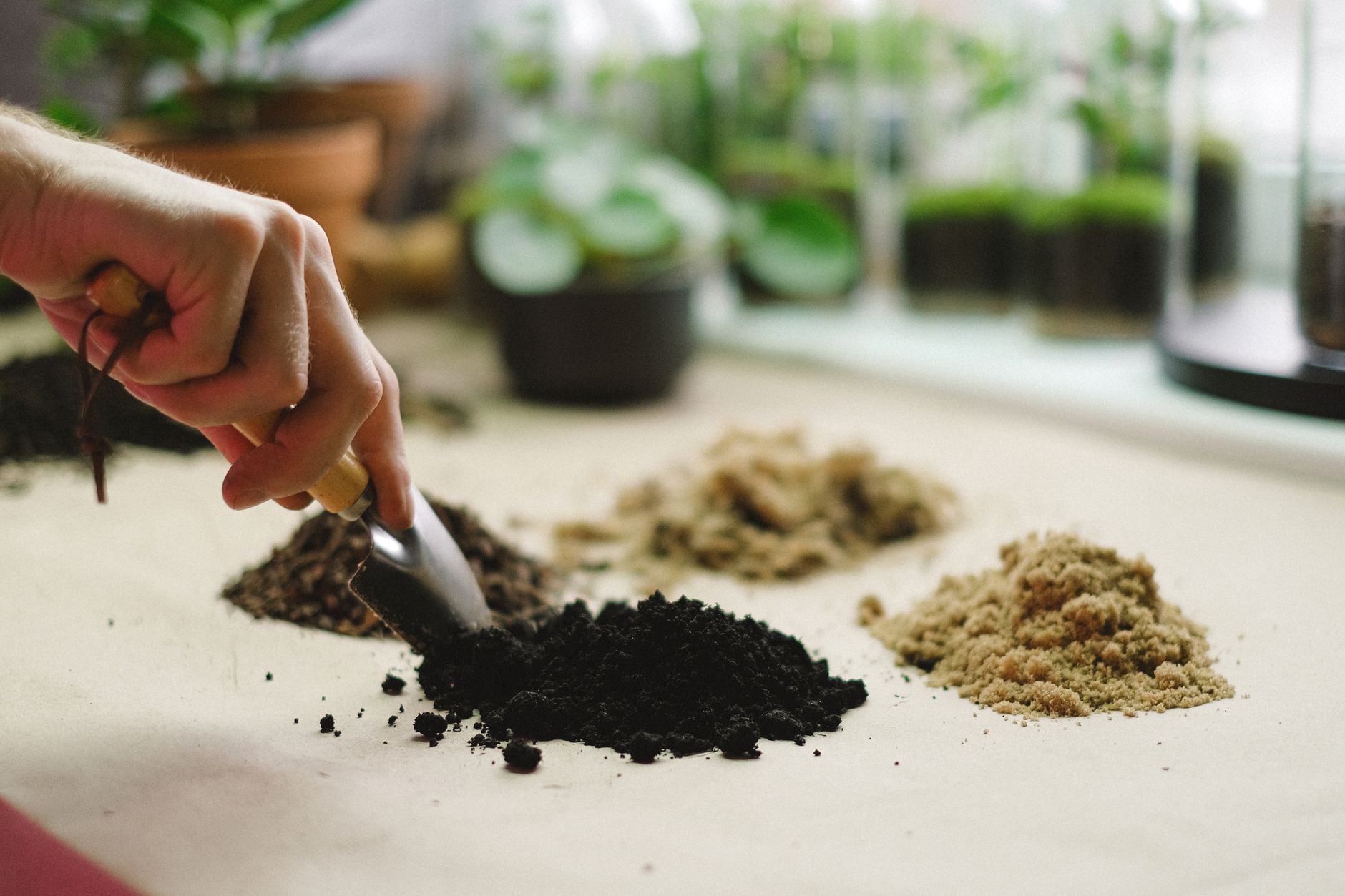
Is working with fertilizer safe during pregnancy? Experts say limit exposure—especially in the first trimester—to avoid potential risks like miscarriage or
By Shubhra Mishra — a mom of two who turned her own confusion during pregnancy into BumpBites, a global mission to make food choices clear, safe, and stress-free for every expecting mother. 💛
Check whether any food is safe during pregnancy with the BumpBites Food Safety Checker.
Quick verdict: ⚠️ Working with fertilizer during pregnancy is generally safe with precautions, but exposure to certain chemicals—especially in the first trimester—should be minimized. Organic options and proper protective measures (like gloves and ventilation) significantly reduce risk.
You’re kneeling in your garden, hands buried in rich, dark soil, when you remember: you’re pregnant. The bag of fertilizer you just grabbed sits unopened, its label blurry with warnings about "chemicals" and "hazardous materials." Is working with fertilizer safe during pregnancy? The thought of inhaling dust or absorbing unknown compounds through your skin sends a chill down your spine—especially when you think about how vulnerable your baby is in those early weeks. Maybe you’ve already applied some without realizing; now you’re scrolling at 2 AM, heart pounding, wondering if you’ve just put your pregnancy at risk.
Here’s the good news: most commercial and organic fertilizers are not outright banned during pregnancy, but that doesn’t mean they’re risk-free. The real concern isn’t the fertilizer itself—it’s the chemicals it contains, how you handle it, and which trimester you’re in. We’ll break down the science, the safest brands, and practical steps to protect yourself and your baby—so you can keep gardening without the panic.
Below, you’ll find a clear safety snapshot, a deep dive into the chemicals to watch for, trimester-by-trimester guidance, and safer alternatives if you’re worried. And if you’ve already been exposed? We’ll tell you exactly what to do next.
---
Trimester/Stage
Safety Verdict
Notes
First Trimester
⚠️ Minimize exposure
Critical organ development window. Avoid inhaling dust or skin contact with synthetic chemicals. Organic fertilizers are safer but still require caution.
Second Trimester
⚠️ Use with precautions
Lower risk than first trimester, but still avoid high-concentration chemicals. Wear gloves, a mask, and work in well-ventilated areas.
Third Trimester
⚠️ Proceed with care
Focus on organic or low-toxicity options. Avoid heavy lifting or prolonged exposure to dust.
Breastfeeding
⚠️ Avoid synthetic fertilizers
Chemicals may transfer through milk. Stick to organic or natural amendments like compost or manure.
---
What is fertilizer?
Fertilizer is any substance added to soil to improve plant growth by supplying essential nutrients—primarily nitrogen (N), phosphorus (P), and potassium (K), often called the "big three." These nutrients are critical for photosynthesis, root development, and flowering, but they’re often lacking in depleted soils. Fertilizers come in two broad categories:
Synthetic fertilizers: Chemically manufactured, often in concentrated forms (e.g., urea, ammonium nitrate). These release nutrients quickly but can contain hazardous additives like arsenic, heavy metals, or volatile organic compounds (VOCs).
Organic fertilizers: Derived from natural sources like compost, manure, bone meal, or plant-based materials. They release nutrients slowly and are generally considered safer for humans and the environment.
Fertilizers also include pesticides, herbicides, and soil amendments (like lime or sulfur), which can introduce additional risks. The confusion lies in the chemical composition of these products—what’s safe for plants isn’t always safe for pregnant people. Even "natural" fertilizers can contain pathogens (like E. coli from manure) or irritants (like dust from dried plant matter).
Many pregnant women turn to gardening for stress relief and the joy of nurturing life—but the last thing you want is for your baby’s development to be affected by something as simple as a bag of "plant food." The key is understanding which chemicals to avoid, how to handle fertilizers safely, and what to use instead if you’re concerned.
---
Is working with fertilizer safe during pregnancy?
T
he short answer is: it depends on the type of fertilizer, how you use it, and which trimester you’re in. The American College of Obstetricians and Gynecologists (ACOG) doesn’t have a blanket ban on fertilizer use, but it does emphasize minimizing exposure to harmful chemicals during pregnancy, particularly in the first trimester when organs are forming. The CDC’s NIOSH guidelines also warn about occupational exposures to agricultural chemicals, including fertilizers.
The primary risks come from:
Inhalation: Dust from synthetic fertilizers can contain ammonia, phosphoric acid, or volatile gases that irritate the respiratory system and may cross the placenta.
Skin absorption: Chemicals like urea or glyphosate (found in some fertilizers) can be absorbed through the skin, potentially affecting fetal development.
Systemic toxicity: Heavy metals (e.g., cadmium, lead) or endocrine-disrupting chemicals (e.g., atrazine) in some fertilizers have been linked to developmental issues in animal studies.
However, organic fertilizers are generally considered safer, as they lack the concentrated synthetic additives. The UK’s NHS advises pregnant women to avoid unnecessary exposure to pesticides and synthetic chemicals, but it doesn’t ban gardening entirely. The focus is on reducing risk rather than eliminating all contact.
One common misconception is that any fertilizer is safe if it’s "natural." This isn’t true—even organic fertilizers can harbor pathogens (like Listeria in compost) or contain high levels of nitrogen, which can create ammonia fumes when overapplied. The safest approach is to choose low-toxicity options, use protective gear, and limit direct contact.
---
Is it safe to use fertilizer during the first trimester?
The first trimester (weeks 1–12) is the most critical period for fetal development, particularly the first 8 weeks when the neural tube forms—the foundation for your baby’s brain and spinal cord. This is why the ACOG advises avoiding unnecessary exposure to teratogens (substances that can cause birth defects) during this time.
For fertilizer use, the first trimester poses the highest risk because:
Your baby’s organs are developing rapidly, and chemical exposure—even in small amounts—could theoretically interfere with this process.
Your immune system is slightly suppressed, making you more vulnerable to infections from contaminated soil or fertilizers.
Your blood volume increases, which can amplify the effects of any absorbed chemicals.
What to do:
**Avoid synthetic fertilizers entirely** in the first trimester. If you must use one, opt for low-toxicity, water-soluble options (e.g., fish emulsion or seaweed extract) and apply them only when you’re not handling them directly (e.g., let someone else spread it).
**Wear protective gear**: A NIOSH-approved N95 mask to block dust, long sleeves, gloves, and closed-toe shoes. Avoid working when it’s windy, as dust can drift into your lungs.
**Work in well-ventilated areas**—preferably outdoors with cross-breezes. If indoors, open windows and use a fan to disperse fumes.
**Wash thoroughly after handling**: Use mild soap and warm water to remove any residue from your skin or hair. Like working with hazardous materials, fertilizer use requires diligent hygiene.
If you’ve already applied fertilizer in the first trimester and feel unwell (nausea, headache, or dizziness), monitor for symptoms and contact your provider if they persist. Most exposure is low-risk, but it’s better to be cautious.
---
How much fertilizer exposure is safe for pregnant women?
There’s no single "safe amount" of fertilizer exposure because risk depends on:
The type of fertilizer (synthetic vs. organic).
The chemical composition (e.g., ammonia levels in urea, glyphosate in Roundup).
The method of exposure (inhalation, skin contact, ingestion).
The duration of exposure (a one-time application vs. daily handling).
The Occupational Safety and Health Administration (OSHA) sets workplace exposure limits for some agricultural chemicals, but these are for occupational settings (e.g., farmers) and don’t directly apply to hobby gardeners. For pregnant women, the precautionary principle applies: if there’s a potential risk, reduce exposure.
Here’s a general guideline for safe handling:
Fertilizer Type
Safe Handling Practices
Exposure Limits
Synthetic (e.g., urea, ammonium nitrate)
Use only in well-ventilated areas. Wear a mask and gloves. Avoid inhaling dust.
Minimize to occasional use in first trimester; limit to 1–2 applications per month in later trimesters.
Organic (e.g., compost, manure, bone meal)
Wear gloves and wash hands after handling. Avoid fresh manure (can contain pathogens).
Safe for regular use if properly composted and handled with care.
Liquid fertilizers (e.g., fish emulsion, seaweed extract)
Dilute to half-strength before use. Avoid skin contact; wear gloves.
Safe for use 1–2 times per month if diluted and handled carefully.
Slow-release granules
Apply with a spreader (avoid hand-spreading). Water in immediately to prevent dust.
Safe for use monthly if granules are water-soluble and low-toxicity.
If you’re unsure about a specific product, check the Material Safety Data Sheet (MSDS) or Safety Data Sheet (SDS) on the label. Look for:
**Low volatile organic compound (VOC) content** (VOCs can cause respiratory irritation).
**No heavy metals** (e.g., arsenic, lead, cadmium).
Pro tip: If you’re applying fertilizer to your garden, let someone else do the heavy lifting—especially in the first trimester. Even organic fertilizers can be messy, and you don’t need to risk unnecessary exposure.
---
What are the safest fertilizer brands for pregnant women?
Not all fertilizers are created equal. Some brands prioritize safety and transparency, while others contain hidden chemicals or high levels of potential irritants. Here are the safest options for pregnant women, ranked from lowest to moderate risk:
Compost: The gold standard. Made from decomposed organic matter, it’s nutrient-rich and free of synthetic chemicals. Safe for all trimesters if properly aged (avoid fresh compost, which can harbor pathogens).
Manure (composted): Cow, horse, or chicken manure (if composted for at least 6 months) is a natural fertilizer. Avoid fresh manure—it can contain E. coli or Salmonella.
Seaweed extract (liquid or powder): Contains natural growth hormones and minerals. Look for OMRI Listed brands like Sea Magic or Big Tree Bio-Gro. Safe for all trimesters.
Fish emulsion: Made from fish waste, it’s high in nitrogen and phosphorus. Choose water-soluble, low-ammonia options like Neptune’s Harvest. Dilute to half-strength before use.
Bone meal: A slow-release organic fertilizer rich in phosphorus. Safe if handled with gloves, but avoid inhaling dust.
Worm castings: Vermicompost is nutrient-dense and pathogen-free. Excellent for all trimesters.
Brands to avoid during pregnancy:
Synthetic granular fertilizers (e.g., Miracle-Gro, Scotts): Often contain urea, which can release ammonia fumes.
Glyphosate-based products (e.g., Roundup): Linked to developmental concerns in animal studies.
Chemical soil amendments with heavy metals (e.g., some lime or sulfur products).
When in doubt, choose organic-certified brands or look for the OMRI (Organic Materials Review Institute) Listed seal. These products undergo rigorous testing to ensure they’re safe for organic farming—and, by extension, for pregnant people.
---
Are there alternative gardening products safe for pregnancy?
If you’re concerned about fertilizer exposure, there are plenty of safer alternatives to nourish your soil without risking your baby’s health. These methods focus on building soil health naturally rather than relying on external inputs:
Compost: The ultimate soil builder. Mix kitchen scraps (fruit/veggie peels, coffee grounds) with yard waste (leaves, grass clippings) in a bin. Safe for all trimesters and reduces the need for additional fertilizers.
Green manure (cover crops): Plant fast-growing crops like clover or buckwheat, then till them into the soil. They add nitrogen and improve soil structure without chemicals.
Mulch: Use straw, wood chips, or leaves to retain moisture and suppress weeds. No handling required—just spread and forget.
Bio-fertilizers: Microbial inoculants (e.g., Mycorrhizal fungi) help plants absorb nutrients naturally. Safe and long-lasting.
Algae-based fertilizers: Seaweed extracts (e.g., Seaweed Solutions) provide trace minerals and growth hormones. OMRI Listed and safe for all trimesters.
Microbial inoculants: Products like BioAdvanced (for lawns) introduce beneficial bacteria to break down organic matter. Low-risk if handled with gloves.
Plant-based amendments: Banana peels (potassium), egg shells (calcium), or wood ash (potassium) can be composted and used as natural fertilizers.
These methods not only eliminate chemical exposure but also create healthier soil, which means your plants will be stronger and less susceptible to pests (reducing the need for pesticides). For example, working with synthetic pesticides is far riskier than using natural alternatives like neem oil or garlic spray.
---
What risks does fertilizer pose to pregnancy complications?
The risks of fertilizer exposure during pregnancy are not well-studied in humans, but animal research and occupational health guidelines provide clues about potential concerns. Here’s what the evidence suggests:
1. Neural Tube Defects
Some synthetic fertilizers contain folic acid antagonists (e.g., certain herbicides mixed with fertilizers) that theoretically could interfere with folate metabolism. While folic acid supplements are critical for preventing neural tube defects, excessive exposure to certain chemicals might theoretically counteract this benefit. The CDC emphasizes folic acid’s protective role, so ensuring you’re taking your prenatal vitamin is your first line of defense.
2. Respiratory Irritation
Inhaling fertilizer dust—even organic—can trigger asthma-like symptoms (coughing, wheezing, or shortness of breath). During pregnancy, your lungs are already working harder to supply oxygen to two people, so irritation can be more pronounced. Symptoms like these are a sign to stop using fertilizer immediately and consult your provider.
3. Endocrine Disruption
Some chemicals in fertilizers (e.g., atrazine, glyphosate, or synthetic auxins) have been linked to endocrine-disrupting effects in animal studies. While the evidence in humans is inconclusive, the Environmental Working Group (EWG) advises minimizing exposure to these compounds during pregnancy. If you’re concerned, opt for organic or mineral-based fertilizers instead.
4. Birth Defects (Rare but Possible)
There’s no definitive proof that fertilizer use causes birth defects in humans, but a few studies in agricultural workers suggest a possible link between high pesticide/fertilizer exposure and congenital anomalies. For example, a 2018 study in Environmental Health Perspectives found that women exposed to glyphosate-based herbicides (often mixed with fertilizers) had a slightly higher risk of hypospadias (a rare male birth defect). However, this was not specific to fertilizers alone.
The bottom line: While the risk is low, it’s better to err on the side of caution. If you must use fertilizer, choose organic, low-toxicity options and follow safety protocols.
---
Can pregnant women use organic fertilizer safely?
Organic fertilizers are generally safer than synthetic ones, but they’re not without risks. The key difference is that organic fertilizers are made from natural sources and don’t contain the same concentrated chemicals as synthetic products. However, they can still pose risks if not handled properly:
Pathogens: Fresh manure or compost can harbor E. coli, Salmonella, or Listeria. Always use composted manure (aged for at least 6 months) and avoid fresh animal waste.
Ammonia fumes: Overapplying nitrogen-rich organic fertilizers (e.g., blood meal) can create ammonia, which irritates the respiratory system.
Heavy metals: Some organic fertilizers (e.g., bone meal) may contain trace amounts of lead or cadmium, though levels are usually low.
Dust irritation: Even organic granules can create dust that irritates your lungs or eyes.
**Wear gloves and a mask** when applying, especially with powdery or granular products.
**Avoid fresh manure**—it can contain harmful bacteria.
**Water in thoroughly** to prevent dust and reduce ammonia fumes.
**Wash hands and clothes** after handling to avoid skin absorption.
Organic fertilizers like seaweed extract, fish emulsion, and worm castings are among the safest choices. They’re low-toxicity, OMRI Listed, and free of synthetic additives, making them ideal for pregnant women.
---
How to protect yourself from fertilizer chemicals while pregnant
If you love gardening but want to minimize fertilizer exposure, these practical steps will keep you and your baby safe:
Work with a partner: Delegate the heavy lifting (spreading, mixing) to your partner, family member, or a friend. You can oversee and water in the fertilizer afterward.
Use protective gear:
A NIOSH-approved N95 mask to block dust.
Long sleeves and pants to prevent skin contact.
Gloves (nitrile or latex-free) to avoid absorption.
Closed-toe shoes to protect your feet.
Work in well-ventilated areas: Never apply fertilizer indoors. If outdoors, choose a day with no wind to prevent dust from drifting into your lungs.
Avoid direct handling: Use a spreader or broadcast tool instead of hand-spreading. If you must hand-mix, work in short bursts and take frequent breaks.
Wash thoroughly after use: Use mild soap and warm water to remove any residue from your skin, hair, and clothes. Shower before bed to avoid overnight absorption.
Store fertilizers safely: Keep bags in a cool, dry place away from food and children. If you’re unsure about a product, check the label for hazard warnings.
Monitor for symptoms: If you experience headaches, dizziness, nausea, or respiratory irritation after handling fertilizer, stop use immediately and contact your provider.
If you’re worried about accidental exposure, don’t panic. Most single exposures are low-risk, but if you’ve been handling fertilizer regularly—especially synthetic types—consider switching to soil-building alternatives like compost or cover crops.
---
Protective gear and organic fertilizers make safe handling easier.
---
Related items — safety at a glance
If you’re researching fertilizer safety, you might also be curious about these related gardening products. Here’s a quick comparison:
Linked to developmental risks; organic alternatives like neem oil are safer.
Herbicides
❌ Best avoided
Glyphosate and 2,4-D are teratogens; opt for manual weeding or vinegar sprays.
Soil amendments (lime, sulfur)
⚠️ Use with caution
Lime can raise soil pH; sulfur may irritate skin—wear gloves and avoid inhalation.
Plant growth regulators
❌ Best avoided
Hormone-like chemicals may disrupt fetal development; natural alternatives exist.
Chemical fertilizers (urea, ammonium nitrate)
⚠️ Safe with limits
Ammonia fumes can irritate lungs; use sparingly and in well-ventilated areas.
Nitrogen fertilizers
⚠️ Safe with precautions
High ammonia risk; opt for slow-release organic nitrogen sources.
Phosphorus fertilizers
⚠️ Safe with limits
Bone meal is organic-safe; synthetic phosphates may contain heavy metals.
Potassium fertilizers
⚠️ Safe with precautions
Muriate of potash can irritate skin; potassium sulfate is a safer alternative.
Synthetic fertilizers
⚠️ Safe with limits
Avoid during first trimester; use organic options in later stages.
Organic fertilizers
✅ Generally safe
Compost, seaweed, and worm castings are top choices; always wear gloves.
---
Myth vs. fact
Myth: "All fertilizers are safe if they’re organic."
Fact: Organic fertilizers are lower-risk than synthetic ones, but they’re not risk-free. Fresh manure can contain pathogens, and overapplying nitrogen-rich organic fertilizers can create ammonia fumes. Always wear gloves, wash hands, and avoid fresh compost.
Myth: "I can’t garden at all during pregnancy."
Fact: Gardening is safe and encouraged—just avoid synthetic chemicals and use protective measures. Focus on organic soil building (compost, mulch) and natural fertilizers like seaweed or fish emulsion.
Myth: "One-time exposure to fertilizer won’t hurt my baby."
Fact: While most single exposures are unlikely to cause harm, chronic or high-level exposure—especially in the first trimester—could theoretically pose risks. The precautionary principle applies: if you’re concerned, reduce exposure.
---
Key takeaways
Fertilizer use during pregnancy is generally safe with precautions. Organic options are lower-risk than synthetic.
Avoid synthetic fertilizers in the first trimester due to organ development risks.
Wear protective gear (mask, gloves, long sleeves) whenever handling fertilizer.
Work in well-ventilated areas to avoid inhaling dust or fumes.
Wash thoroughly after handling to remove any residue from skin or hair.
Choose organic-certified or OMRI Listed products for the safest option.
If you’ve already been exposed, monitor for symptoms like nausea, dizziness, or respiratory irritation.
Safer alternatives exist—compost, seaweed extract, and cover crops are excellent substitutes.
---
Frequently asked questions
Is it safe to use fertilizer while pregnant?
It’s not unsafe to use fertilizer during pregnancy if you take precautions. The risk comes from synthetic chemicals, inhalation of dust, or skin absorption. Organic fertilizers are safer, but even they require protective gear and proper handling. If you’re in your first trimester, minimize exposure and opt for compost or seaweed-based fertilizers instead.
What chemicals in fertilizer are harmful to pregnancy?
The most concerning chemicals in fertilizers include:
Ammonia (from urea or fresh manure—can irritate lungs).
Phosphoric acid (found in some synthetic fertilizers—may cause skin irritation).
Glyphosate (in herbicide-tainted fertilizers—linked to developmental concerns).
Heavy metals (e.g., arsenic, cadmium—found in some synthetic blends).
Volatile organic compounds (VOCs) (from synthetic granules—can cause headaches).
Organic fertilizers avoid these, but always check labels for hidden additives.
Can I use organic fertilizer during pregnancy?
Yes, organic fertilizer is the safest choice for pregnancy
—but it still requires caution. Stick to composted manure, seaweed extract, or worm castings, and always wear gloves. Avoid fresh manure (can contain pathogens) and overapplying nitrogen-rich organic fertilizers (creates ammonia fumes).
How much fertilizer exposure is safe during pregnancy?
There’s no strict "safe amount," but the precautionary principle applies: minimize exposure. For synthetic fertilizers, limit use to 1–2 applications per month in the second/third trimester; avoid them entirely in the first trimester. Organic fertilizers can be used more frequently if handled safely (with gloves and ventilation).
What are the risks of fertilizer exposure during pregnancy?
The risks are low but not zero. Potential concerns include:
Respiratory irritation from inhaling dust or ammonia fumes.
Theoretical endocrine disruption from certain chemicals (e.g., glyphosate).
Pathogen exposure from fresh manure or poorly composted materials.
Neural tube defects (unlikely but possible if folic acid is counteracted by certain chemicals).
Most risks are theoretical or overstated—the real danger is unnecessary stress. Focus on safety measures instead.
Are there safer alternatives to chemical fertilizers for pregnant women?
Not sure about the label on Is Working With Fertilizer Safe During Pregnancy products?
Snap the ingredients list and SafeFilter checks every ingredient for your stage — only 3 free scans this month, then you're locked until reset. Unlimited from $7/mo or $50/yr.
When Shubhra Mishra was expecting her first child in 2016, she was overwhelmed by conflicting food advice — one site said yes, another said never. By the time her second baby arrived in 2019, she realized millions of mothers face the same confusion.
That sparked a five-year journey through clinical nutrition papers, cultural diets, and expert conversations — all leading to BumpBites: a calm, compassionate space where science meets everyday motherhood.
Her long-term vision is to build a global community ensuring safe, supported, and free deliveriesfor every mother — because no woman should face pregnancy alone or uninformed. 🌿
🌍 Stand with mothers, shape safer guidance
Join a small circle of experts who review BumpBites articles so expecting parents everywhere can decide with confidence.