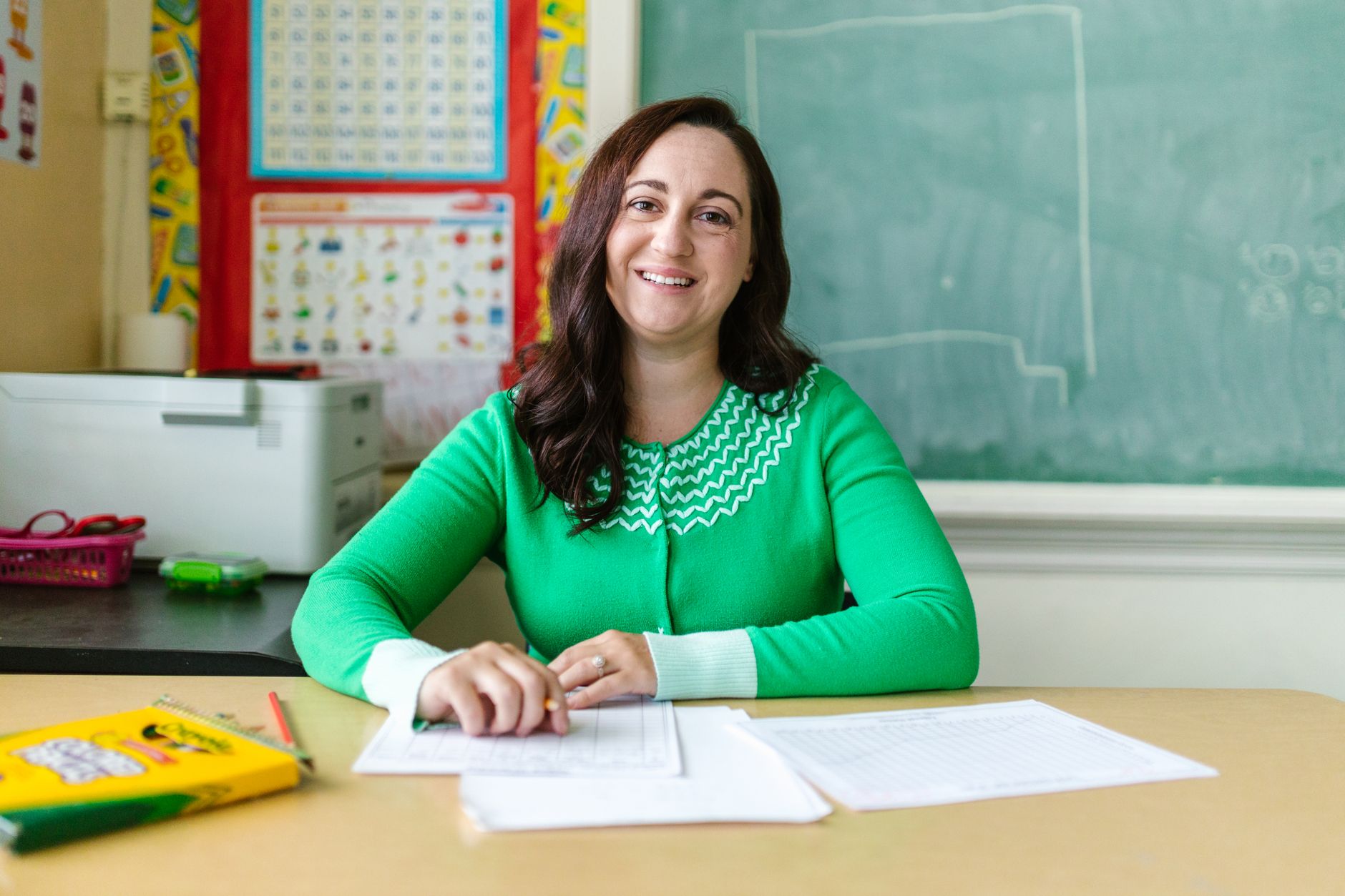

Quick verdict: ⚠️ Working in preschool during pregnancy is generally safe for most women, but risks vary by trimester and depend on factors like exposure to germs, physical demands, and stress levels. The first trimester is the highest-risk window, and you may need to adjust duties or take precautions—especially if you’re at higher risk for complications. Always discuss your specific situation with your obstetrician or healthcare provider. Note: If your preschool has outbreaks of contagious illnesses like Fifth Disease or RSV, temporary leave may be the safest option.--- ### Is working in preschool safe during pregnancy? You’re standing in the middle of a preschool classroom, your hands covered in finger-paint smudges, when suddenly, a child with a runny nose sneezes nearby—your stomach twists with worry. Or maybe you’re lifting a wiggly toddler into your arms, feeling the familiar ache in your lower back, and wondering if this is safe for your growing baby. If you’re pregnant and working in a preschool, you’re not alone in your concerns. Many expecting teachers wonder: *Is working in preschool safe during pregnancy?* The answer isn’t a simple yes or no—it’s a nuanced balance between career, health, and the well-being of your baby. While some moms-to-be continue teaching with minor adjustments, others opt for temporary leave or modified roles. The key is understanding the risks, knowing when to take precautions, and having a plan for when things feel overwhelming. This guide will help you navigate the safety snapshot, trimester-by-trimester risks, practical adjustments, and safer alternatives if needed. We’ll also address your rights as a pregnant worker and how to communicate your needs with your employer. Whether you’re already pregnant or planning ahead, you’ll leave here with clear, actionable steps to keep both your career and your baby safe. --- ### Safety snapshot: working in preschool during pregnancy Here’s a quick breakdown of what to expect in each trimester—and after birth—when working in a preschool setting: | **Trimester/Breastfeeding** | **Verdict** | **Notes** | |-----------------------------|---------------------------------------|-------------------------------------------------------------------------------------------------------------------------------------------------------------------------------------------------------------| | **First trimester** | ⚠️ Safe with precautions | Higher risk for organ development; avoid heavy lifting, reduce stress, and monitor for infections like CMV or Fifth Disease. Consider temporary leave if high-risk or during outbreaks. | | **Second trimester** | ✅ Generally safe with adjustments | Risk decreases, but continue hygiene practices, limit contact with sick children, and use ergonomic tools for lifting. Stress management and regular breaks are key. | | **Third trimester** | ⚠️ Safe with modifications | Avoid standing for long periods, reduce lifting, and plan for frequent breaks. Discuss with your employer about accommodations like a stool, reduced hours, or a modified schedule. | | **Breastfeeding** | ✅ Safe (with hygiene precautions) | Handwashing and avoiding direct contact with sick children are critical. Some infections (e.g., Fifth Disease) may require temporary pumping breaks or remote work. | --- ### What is working in preschool? Working in preschool means immersing yourself in a world of tiny hands, boundless energy, and endless creativity—while also managing the physical and emotional demands of caring for young children. Your daily tasks might include planning engaging lessons, supervising arts and crafts, leading outdoor playtime, and assisting with diaper changes or transitions. While the job is incredibly rewarding, it also comes with unique challenges during pregnancy, particularly regarding **germ exposure, physical strain, and emotional stress**. Preschool environments are hotspots for infectious diseases like **cytomegalovirus (CMV), Fifth Disease, and Hand, Foot, and Mouth Disease**, which can pose risks if you’re not immune. Additionally, the physical demands of lifting toddlers, bending to pick up toys, and standing for hours can take a toll on your body as it changes to support your growing baby. Even the emotional labor of managing a classroom—balancing patience, creativity, and discipline—can contribute to stress, which is linked to complications like preterm birth. --- ### Is working in preschool safe during pregnancy? The answer depends on how you manage risks, but **most obstetricians and the American College of Obstetricians and Gynecologists (ACOG)** recognize that working in preschool is *not inherently unsafe* for healthy pregnancies. However, the first trimester—when your baby’s organs are forming—is the highest-risk window. The **CDC and NHS** emphasize that **infections, physical strain, and stress** are the primary concerns, not the act of teaching itself. #### **Key risks to consider:** 1. **Infectious diseases**: Preschoolers are a hotspot for illnesses like **cytomegalovirus (CMV)**, Fifth Disease (erythema infectiosum), and Hand, Foot, and Mouth Disease. CMV, in particular, can pose risks if you’re not immune (about 40% of women aren’t). Fifth Disease, while usually harmless, can cause complications if you contract it during pregnancy. 2. **Physical demands**: Lifting children, bending to pick up toys, and standing for hours can strain your body, especially as your center of gravity shifts. This is particularly true in the third trimester, when your belly grows and your balance changes. 3. **Chemical exposures**: Cleaning supplies, art materials (e.g., non-toxic but still potent dyes), and glue fumes may require ventilation or gloves. Some preschools also use essential oils or air fresheners, which can be irritating or unsafe in high concentrations. 4. **Stress and fatigue**: Long hours, emotional labor, and uncertainty about your health can take a toll. Chronic stress is linked to higher risks of preterm birth and low birth weight, according to a 2021 study in *JAMA Pediatrics*. 5. **Travel and field trips**: If your preschool organizes outings, you’ll need to consider travel safety, hydration, and exposure to other germs outside the classroom. #### **What the evidence says:** - A 2019 study published in *Pediatrics* found that **teachers who worked in childcare settings had a slightly higher risk of preterm birth**, but this was attributed to **stress and fatigue**, not the act of teaching itself. The study highlighted the importance of **reducing workload and managing stress** during pregnancy. - The **CDC recommends** that pregnant women in high-exposure environments (like healthcare) take precautions, but preschools are generally lower-risk unless you’re working with sick children frequently. The CDC also notes that **handwashing and avoiding contact with sick children** are the most effective ways to reduce infection risks. - **ACOG guidelines** suggest that if you’re healthy and your job doesn’t involve heavy lifting or extreme stress, continuing to work is usually fine—**but always discuss your specific situation with your provider**. ACOG also recommends **vaccinations** (like flu and Tdap) to protect both you and your baby. - Research from the **UK’s NHS** supports the idea that **working in childcare is safe for most pregnant women**, provided they take precautions like **handwashing, using ergonomic tools, and reducing contact with sick children**. The NHS advises pregnant teachers to **monitor their health closely** and **adjust their workload as needed**. --- ### Safety by trimester #### **First trimester: Higher vigilance needed** The first 12 weeks are critical for your baby’s organ development, so **minimizing risks is essential**. Focus on: - **Infection control**: Wash hands frequently, avoid contact with sick children, and consider temporary leave if a cold or flu outbreak occurs. The **CDC recommends** that pregnant women avoid direct contact with children who have symptoms like fever, cough, or rash. - **Physical adjustments**: Use ergonomic tools for lifting (e.g., step stools, lifting aids), and avoid bending over for long periods. The **Mayo Clinic** suggests using a **stool or chair** to reduce strain on your back and hips. - **Stress management**: If your job feels overwhelming, discuss part-time hours or remote planning with your employer. The **American Psychological Association (APA)** notes that **chronic stress can affect fetal development**, so it’s important to prioritize relaxation techniques like meditation or short walks. - **Vaccination check**: Ensure you’re up to date on **flu and Tdap vaccines** (safe during pregnancy and recommended by ACOG). The **WHO** also recommends the **COVID-19 vaccine** if you’re eligible, as it protects both you and your baby. - **Monitor for symptoms**: Pay attention to any unusual fatigue, dizziness, or changes in your body. If you experience **severe headaches, vision changes, or swelling**, contact your provider immediately—these could be signs of **preeclampsia**. *Example:* If you’re exposed to a child with Fifth Disease (a common preschool illness), monitor for symptoms like a "slapped cheek" rash. Though it’s rarely harmful, it’s best to avoid direct contact until cleared by your doctor. If you’re not immune to CMV (common in about 40% of women), **avoid saliva exposure**, such as kissing toddlers on the mouth or sharing food. #### **Second trimester: More comfort, same precautions** By now, your baby’s organs are formed, and the risk of major birth defects drops significantly. However, **germ exposure and physical strain remain concerns**. Key steps: - **Continue hygiene practices**: Handwashing after diaper changes or playtime is non-negotiable. The **CDC** recommends using **alcohol-based hand sanitizer** when soap and water aren’t available. - **Limit heavy lifting**: Use a stool or chair to avoid standing for hours, and ask for help lifting children. The **ACOG** advises against lifting objects heavier than **20-25 pounds**, which is often the weight of a toddler. - **Monitor for fatigue**: If you’re exhausted, it’s okay to take breaks or reduce hours—your health comes first. The **National Sleep Foundation** suggests that pregnant women need **7-9 hours of sleep per night**, so prioritize rest when possible. - **Adjust for growing belly**: If your belly is growing, avoid activities that require bending or reaching, such as picking up toys from the floor. Instead, use **low tables or shelves** for activities. - **Stay hydrated and eat well**: Preschoolers can be unpredictable with their snack schedules, so pack healthy snacks and drinks to keep your energy up. The **ACOG** recommends **eating a balanced diet** rich in folic acid, iron, and calcium. *Example:* If you’re teaching outdoor activities, wear sunscreen and stay hydrated, but avoid overexertion in heat. The **American Academy of Pediatrics (AAP)** advises pregnant women to **limit outdoor activity in extreme heat** and take frequent breaks in the shade. #### **Third trimester: Focus on comfort and safety** As your belly grows, **physical demands increase**, and employers should accommodate you. Prioritize: - **Reduced lifting**: Use babywearing slings (if safe and approved by your provider) or ask for assistance with transitions. The **La Leche League** notes that **babywearing can reduce back pain** for some pregnant women, but always check with your provider first. - **Frequent breaks**: Sit during storytime or use a stool for activities. The **Occupational Safety and Health Administration (OSHA)** recommends **taking breaks every 30-60 minutes** to avoid overexertion. - **Stress reduction**: If your job feels stressful, discuss a modified role or temporary leave. The **AAP** suggests **practicing mindfulness or deep breathing** to manage stress. - **Travel planning**: If your preschool has field trips, check with your doctor about travel safety (e.g., seatbelt use, hydration, and avoiding crowded spaces). The **CDC** advises pregnant women to **avoid travel to areas with high risk of Zika or other infectious diseases**. - **Plan for delivery**: Start thinking about your **maternity leave plan** and discuss it with your employer. Under the **Family and Medical Leave Act (FMLA) in the US**, you’re entitled to **12 weeks of unpaid leave** for pregnancy-related issues. *Example:* If you’re due soon, your employer may allow you to finish the school year on light duty, such as planning or administrative tasks. The **UK’s Maternity and Parental Leave Regulations** guarantee **statutory maternity leave**, so you can take time off without losing your job. #### **Breastfeeding: Hygiene is key** Once your baby arrives, **working in preschool while breastfeeding is safe**—but you’ll need to adjust for hygiene. Focus on: - **Handwashing**: Wash hands before pumping or feeding, and avoid direct contact with sick children. The **WHO** recommends **handwashing with soap and water** as the most effective way to prevent infections. - **Pumping breaks**: If a cold goes around, you may need to pump in a private space to avoid contamination. The **CDC** suggests **expressing milk in a clean, designated area** away from sick children. - **Vaccination reminders**: Ensure you’re up to date on **flu and pertussis (whooping cough) vaccines** to protect your baby. The **ACOG** recommends the **whooping cough vaccine (Tdap)** between **27-36 weeks of pregnancy**. - **Avoiding direct contact**: If a child in your class has a contagious illness, consider **remote work or temporary leave** until the outbreak passes. The **NHS** advises pregnant women to **avoid contact with sick children** if possible. - **Expressing milk safely**: If you’re pumping at work, use **clean containers and a cooler bag** to store milk until you can refrigerate or freeze it at home. --- ### Safe adjustments and modifications While working in preschool during pregnancy is generally safe, **small adjustments can make it smoother**. Here’s what to aim for: | **Modification** | **Why It Helps** | **Example** | |---------------------------------|-----------------------------------------------------------------------------------|-----------------------------------------------------------------------------| | **Ergonomic lifting tools** | Reduces back strain and risk of injury. | Use a step stool to lift children instead of bending. | | **Handwashing stations** | Cuts down on germ exposure. | Place sanitizer near the classroom entrance and after diaper changes. | | **Reduced hours** | Lowers stress and physical fatigue. | Switch to 3 days a week instead of 5. | | **Remote planning** | Minimizes in-person exposure to germs. | Use email or video calls to plan lessons from home. | | **Ventilation for art supplies**| Reduces exposure to fumes from glue or paint. | Open windows or use a fan when crafting. | | **Stress-management breaks** | Prevents burnout and anxiety. | Take 10-minute walks outside during the day. | | **Employer accommodations** | Legally required in many countries (e.g., FMLA in the US). | Request a stool, reduced lifting, or a modified schedule. | | **Substitute teaching** | Allows you to step back from direct childcare. | Cover for another teacher on your days off to reduce your workload. | | **Outdoor supervision only** | Reduces indoor germ exposure while still engaging with children. | Focus on leading outdoor playtime instead of indoor activities. | | **Digital documentation** | Minimizes physical strain from paperwork. | Use tablets or digital tools to track progress instead of manual records. | --- ### ⚠ Side effects and risks to watch for Most risks are manageable, but **some signs mean you should consult your doctor or adjust your work**: - **Infections**: Fever, rash (especially if it spreads), or persistent cough (could indicate Fifth Disease, CMV, or flu). The **CDC** warns that **CMV can cause hearing loss or developmental delays** in babies if contracted during pregnancy. - **Physical symptoms**: Dizziness, shortness of breath, or back pain (signs of overexertion or preeclampsia). The **Mayo Clinic** notes that **preeclampsia can develop suddenly**, so it’s important to monitor your symptoms closely. - **Emotional stress**: Anxiety, insomnia, or feeling overwhelmed (linked to preterm birth risks). The **APA** highlights that **chronic stress can affect fetal development**, so it’s crucial to address emotional well-being. - **Exposure to chemicals**: Headaches, nausea, or dizziness after using cleaning supplies (could indicate sensitivity). The **EPA** advises pregnant women to **avoid strong chemicals** and use **ventilation or gloves** when cleaning. - **Swelling or vision changes**: Sudden swelling in your hands, face, or feet, or blurred vision (possible preeclampsia). The **ACOG** emphasizes that **preeclampsia requires immediate medical attention**. *If you experience any of these, talk to your provider—especially if you’re in your first trimester.* --- ### Safer alternatives if working in preschool feels risky If you’re concerned about germs, physical demands, or stress, consider these alternatives: - **Teaching online**: Shift to virtual lessons, reducing in-person exposure to children and germs. Many preschools now offer **hybrid programs** where you can teach remotely part-time. - **Substitute teaching**: Work fewer hours or days, allowing more time for rest and self-care. Substitute teaching often involves **shorter shifts**, making it easier to manage your workload. - **Administrative roles**: Move into planning, curriculum development, or office work (less physical strain). This allows you to contribute to the preschool without direct childcare responsibilities. - **Working from home**: If applicable, use remote tools to plan lessons or grade papers. Many educators find that **remote work reduces stress** and allows for better work-life balance. - **Part-time teaching**: Reduce your schedule to 2–3 days a week to balance work and safety. This gives you more time to rest and attend prenatal appointments. - **Requesting non-contact roles**: Ask to focus on activities that don’t involve direct childcare (e.g., library time, outdoor supervision, or special events coordination). The **ACOG** supports **job modifications** for pregnant women to ensure safety. - **Temporary leave of absence**: If your job feels too stressful or risky, take a short break to prioritize your health. Under the **FMLA in the US**, you’re entitled to **unpaid leave** for pregnancy-related issues. - **Freelance or consulting**: Offer your expertise in areas like **curriculum design or professional development** without the physical demands of teaching. - **Volunteering**: If you love working with children but want to reduce stress, consider **volunteering at a library or community center** instead of a preschool. - **Focus on creative or administrative tasks**: Use your skills to create **lesson plans, parent newsletters, or educational materials** from home. --- ### Related items: safety at a glance Here’s how working in similar environments compares to preschool during pregnancy: | **Job/Environment** | **Verdict** | **Notes** | |------------------------------------------|---------------------------------------|-------------------------------------------------------------------------------------------------------------------------------------------------------------------------------------------------------------| | Working as a kindergarten teacher | ⚠️ Safe with precautions | Similar risks to preschool, but older kids may have better hygiene habits. Focus on handwashing and reduced lifting. Older children are less likely to share saliva, reducing CMV risk. | | Working in a hospital | ⚠️ Avoid if exposed to high-risk areas | Higher risk of infections (e.g., TB, chemo patients). See our guide for safe alternatives. | | Working as a nurse | ⚠️ Avoid if in direct patient care | Risk of infections like flu or strep. Check TB exposure risks and wear a mask if needed. | | Working with toddlers | ⚠️ Safe with hygiene precautions | Similar to preschool but may involve more diaper changes (increase handwashing). Toddlers are more likely to put things in their mouths, increasing germ exposure. | | Working in a school | ✅ Generally safe with adjustments | Lower germ exposure than daycare; focus on stress management and ergonomics. Schools often have fewer outbreaks of contagious illnesses compared to preschools. | | Working with sick children | ❌ Avoid if possible | High risk of infections like RSV or Fifth Disease. Request temporary leave or remote work. The **CDC** advises avoiding contact with sick children if you’re pregnant. | | Working in a lab | ⚠️ Safe if non-toxic chemicals | Avoid hazardous substances; check for chemical risks. Use ventilation and gloves if needed. | | Working with X-rays/radiology | ❌ Avoid if exposed to radiation | See our guide for safe alternatives; wear a lead apron if unavoidable. | | Working in a daycare for older kids | ✅ Generally safe with adjustments | Lower risk of CMV and Fifth Disease; focus on handwashing and reduced lifting. Older kids are less likely to share saliva or have close physical contact. | | Working in a childcare center | ⚠️ Safe with precautions | Similar to preschool but may involve more infants (higher diaper change exposure). Use gloves and wash hands frequently. | --- ### Myth vs. fact **Myth:** *"Working in preschool will definitely cause a miscarriage."* **Fact:** There’s no evidence that teaching itself causes miscarriage. Risks are tied to **infections, stress, or physical strain**, not the act of teaching. Most healthy pregnancies continue without issues. The **ACOG** states that **miscarriage rates are not increased by working in childcare**, provided precautions are taken. **Myth:** *"If I’m exposed to a sick child, my baby will definitely get sick."* **Fact:** Most childhood illnesses (like colds) are **not transmitted to babies in the womb**. However, some infections (e.g., CMV, Fifth Disease) can pose risks, so handwashing and avoiding direct contact are key. The **CDC** notes that **CMV is the most concerning**, as it can cross the placenta and affect fetal development. **Myth:** *"I have to quit my job immediately if I’m pregnant."* **Fact:** Unless your job involves extreme risks (e.g., heavy chemicals, radiation), **you can continue working with adjustments**. Discuss your concerns with your employer and healthcare provider. The **International Labour Organization (ILO)** supports **reasonable accommodations** for pregnant workers worldwide. **Myth:** *"Pregnant teachers can’t lift anything."* **Fact:** You don’t have to avoid lifting entirely, but **avoid heavy lifting or bending** after your first trimester. Use ergonomic tools like step stools, and ask for help with lifting. The **ACOG** recommends **lifting no more than 20-25 pounds** during pregnancy. **Myth:** *"Working in preschool is just like working with adults—no extra risks."* **Fact:** Preschools have unique risks, including **higher rates of infectious diseases** and **physical demands** like lifting toddlers. The **WHO** emphasizes that **childcare settings require extra precautions** due to the nature of the work. --- ### Key takeaways - **First trimester is the highest-risk window**—focus on infection control and reduced stress. Avoid contact with sick children and use ergonomic tools for lifting. - **Handwashing and hygiene are non-negotiable**—wash hands after diaper changes, playtime, or contact with sick children. The **CDC** recommends **frequent handwashing** as the best way to prevent infections. - **Physical adjustments matter**—use ergonomic tools for lifting, take breaks, and avoid standing for long periods. The **Mayo Clinic** suggests **using a stool or chair** to reduce back strain. - **Stress and fatigue increase risks**—if your job feels overwhelming, discuss part-time hours or remote work. The **APA** notes that **chronic stress can affect fetal development**, so prioritize relaxation. - **Employer accommodations are your right**—many countries (including the US under FMLA) require adjustments for pregnant workers. The **ILO** supports **reasonable accommodations** globally. - **If in doubt, consult your provider**—they can tailor advice to your health and pregnancy risks. Always discuss your concerns with your obstetrician or midwife. - **Plan for maternity leave early**—understand your rights and start conversations with your employer well before your due date. The **ACOG** advises **planning for maternity leave at least 3 months before your due date**. - **Vaccinations protect you and your baby**—ensure you’re up to date on **flu, Tdap, and COVID-19 vaccines** (if eligible). The **WHO** recommends **vaccinations during pregnancy** to reduce risks of complications. - **Listen to your body**—if you’re feeling exhausted, dizzy, or overwhelmed, it’s okay to take a break. Your health and the health of your baby come first. --- ### Frequently asked questions #### **What are the dangers of working in a daycare while pregnant?** The main dangers are **infections (like CMV or Fifth Disease), physical strain from lifting, and stress**. While most preschools are low-risk, avoiding contact with sick children and using ergonomic tools can minimize risks. If you’re exposed to a contagious illness, monitor for symptoms and wash hands frequently. The **CDC** notes that **CMV is the most concerning**, as it can cross the placenta and affect fetal development. #### **Can I get a doctor’s note to stop working in daycare while pregnant?** Yes! If your job feels too risky (e.g., during a flu outbreak or if you’re high-risk), your doctor can provide a **note for temporary leave or modified duties**. Many employers are required to accommodate pregnant workers under laws like the **Pregnancy Discrimination Act (US)** or **Maternity and Parental Leave Regulations (UK)**. The **ACOG** supports **job modifications** to ensure safety during pregnancy. #### **What infections can pregnant teachers get from children?** Common preschool infections include: - **Cytomegalovirus (CMV)**: Can cross the placenta if you’re not immune (about 40% of women aren’t). - **Fifth Disease (erythema infectiosum)**: Usually harmless but can cause anemia in severe cases. - **Hand, Foot, and Mouth Disease**: Highly contagious but rarely serious for pregnant women. - **RSV or flu**: Can cause respiratory issues—avoid contact with sick children. - **Norovirus**: Highly contagious and can cause dehydration; avoid contact with sick children. #### **Is it safe to lift children while pregnant?** Lifting children is **not inherently unsafe**, but **avoid heavy lifting or bending** after your first trimester. Use ergonomic tools like step stools, ask for help, and avoid lifting if you feel strain. If you’re due soon, switch to supervisory roles instead. The **ACOG** advises **lifting no more than 20-25 pounds** during pregnancy. #### **How do I tell my employer I’m pregnant as a teacher?** You’re legally protected from discrimination under laws like the **Pregnancy Discrimination Act (US)** or **Equality Act (UK)**. Start with a casual conversation (e.g., *"I’m excited to share some news—I’m pregnant and will need to discuss accommodations"*), then follow up with a formal email outlining your needs (e.g., reduced lifting, remote planning). The **EEOC** provides **guidelines for employers** on accommodating pregnant workers. #### **Can working in childcare cause miscarriage?** No evidence links teaching itself to miscarriage. Risks are tied to **infections, stress, or physical strain**, not the act of working with children. Most healthy pregnancies continue without issues, but **always discuss your concerns with your provider**. The **ACOG** states that **working in childcare does not increase miscarriage risk** if precautions are taken. #### **What are my rights as a pregnant teacher?** Under US law (FMLA), you’re entitled to **unpaid leave for serious health conditions**, and many states offer paid leave. In the UK, you’re guaranteed **maternity leave and pay**. You can also request **reasonable accommodations** (e.g., stool for standing, reduced hours). Consult your HR department or a labor rights organization for specifics. The **ILO** supports **global protections for pregnant workers**. #### **How much sick leave can a pregnant teacher take?** This depends on your country and employer: - **US (FMLA)**: Up to 12 weeks of unpaid leave for pregnancy-related issues. - **UK**: Statutory maternity leave (39+ weeks) with pay after 26 weeks. - **Many employers offer**: Paid sick leave for pregnancy complications—check your contract or HR policies. The **CDC** recommends **taking sick leave if you’re exposed to contagious illnesses**. #### **What if I’m exposed to a contagious illness at work?** If you’re exposed to a contagious illness like Fifth Disease or RSV, **monitor for symptoms** and wash your hands frequently. If you develop symptoms like fever, rash, or cough, contact your provider. The **CDC** advises **avoiding contact with sick children** and **handwashing** as the best ways to prevent infection. #### **Can I work in preschool while breastfeeding?** Yes, but you’ll need to adjust for hygiene. Focus on **handwashing, pumping in private spaces, and avoiding direct contact with sick children**. The **WHO** recommends **expressing milk safely** and **handwashing before pumping**. If a cold goes around, consider **remote work or temporary leave** until the outbreak passes. #### **What if my preschool has a flu outbreak?** If your preschool has a flu outbreak, **avoid contact with sick children** and consider **temporary leave or remote work**. The **CDC** recommends **getting the flu vaccine** to protect yourself and your baby. If you’re exposed, monitor for symptoms and wash your hands frequently. #### **How can I reduce stress while working in preschool during pregnancy?** To reduce stress, **practice mindfulness, take frequent breaks, and communicate with your employer**. The **APA** suggests **deep breathing, meditation, or short walks** to manage stress. You can also **delegate tasks** or **switch to part-time hours** if needed. The **ACOG** advises **prioritizing self-care** during pregnancy. #### **What if I’m not immune to CMV?** If you’re not immune to CMV (common in about 40% of women), **avoid exposure to saliva, urine, or stool** from young children. This means **not kissing toddlers on the mouth, changing diapers without gloves, or sharing food**. The **CDC** notes that **CMV can cross the placenta**, so precautions are especially important. --- ### When to call your doctor Contact your provider if you experience: - **Fever or rash** after exposure to a sick child (could indicate Fifth Disease or CMV). - **Severe fatigue, dizziness, or shortness of breath** (signs of preeclampsia or overexertion). - **Bleeding, cramping, or contractions** (could indicate preterm labor). - **Exposure to a contagious illness** (e.g., measles, mumps) if you’re not immune. - **Persistent back pain or swelling** in your hands, face, or feet (possible preeclampsia). - **Headaches or vision changes** (could be signs of preeclampsia or high blood pressure). - **Exposure to toxic chemicals** (e.g., strong cleaning supplies) if you experience headaches or nausea. *If you’re unsure whether a symptom is normal, call your provider—better safe than sorry.* --- ### References 1. American College of Obstetricians and Gynecologists (ACOG). *Pregnancy and Work*. [https://www.acog.org](https://www.acog.org) 2. Centers for Disease Control and Prevention (CDC). *Infections During Pregnancy*. [https://www.cdc.gov](https://www.cdc.gov) 3. National Health Service (NHS). *Working During Pregnancy*. [https://www.nhs.uk](https://www.nhs.uk) 4. Pediatrics. *Childcare and Preterm Birth Risk*. (2019). [https://pediatrics.aappublications.org](https://pediatrics.aappublications.org) 5. U.S. Department of Labor. *FMLA Eligibility*. [https://www.dol.gov](https://www.dol.gov) 6. World Health Organization (WHO). *Pregnancy and Vaccinations*. [https://www.who.int](https://www.who.int) 7. American Psychological Association (APA). *Stress and Pregnancy*. [https://www.apa.org](https://www.apa.org) 8. Mayo Clinic. *Pregnancy and Ergonomics*. [https://www.mayoclinic.org](https://www.mayoclinic.org) 9. Occupational Safety and Health Administration (OSHA). *Pregnancy and Workplace Safety*. [https://www.osha.gov](https://www.osha.gov) 10. International Labour Organization (ILO). *Pregnant Workers’ Rights*. [https://www.ilo.org](https://www.ilo.org) ---