Safe? Working in loud environments during pregnancy? Experts say limit exposure to 85 decibels or less, especially in the first trimester. Learn safe
By Shubhra Mishra — a mom of two who turned her own confusion during pregnancy into BumpBites, a global mission to make food choices clear, safe, and stress-free for every expecting mother. 💛
Check whether any food is safe during pregnancy with the BumpBites Food Safety Checker.
Quick verdict: ⚠️ Working in a loud environment during pregnancy is generally safe if noise levels stay below 85 decibels (dB) and protective measures are used, but prolonged or unprotected exposure carries risks like hearing loss and stress. Most experts recommend limiting exposure to under 8 hours/day at 85 dB or less and using ear protection when possible.
You’re curled up on the couch at 11 PM, scrolling through your work messages when a notification pops up: *"Reminder: Tomorrow’s shift starts at 7 AM—don’t forget the heavy machinery demo."* Your stomach tightens. You’re 12 weeks pregnant, and the thought of standing next to a jackhammer for eight hours makes your hands clammy. Is working in a loud environment safe during pregnancy? Can you keep your job? Will the noise hurt your baby? These are the questions that keep pregnant workers up at night—and the answers aren’t always black and white.
The short answer is: it depends. Loud environments aren’t automatically off-limits, but they’re not risk-free either. The American College of Obstetricians and Gynecologists (ACOG) doesn’t ban noisy jobs outright, but they do warn that prolonged exposure to high decibels can stress your body and may affect fetal development. And here’s the kicker: noise pollution isn’t just an annoyance—it’s a known occupational hazard with real consequences for both you and your baby. But don’t panic. With the right precautions, many loud jobs can be managed safely. The key is understanding exposure limits, protective gear, and legal rights—and knowing when to push back against unsafe conditions.
We’ll break it all down: what counts as "loud," how noise affects pregnancy, trimester-by-trimester safety, and—most importantly—what you can do to protect yourself. You’ll also find safer alternatives for loud workplaces and a quick-reference table for similar jobs. By the end, you’ll know whether your job is safe as-is, what changes you can request, and when to call your doctor. Let’s dive in.
Safety snapshot: Working in a loud environment during pregnancy
Timeframe
Safety Verdict
Notes
1st Trimester
⚠️ Safe with precautions
Critical organ development window. Limit exposure to under 8 hours/day at 85 dB or less. Use ear protection and take breaks in quiet areas.
2nd Trimester
⚠️ Safe with precautions
Fetal hearing develops; reduce exposure to 70 dB or less when possible. Monitor for stress symptoms (headaches, fatigue).
3rd Trimester
⚠️ Safe with precautions
Higher risk of stress-related complications. Avoid >80 dB for >4 hours/day. Request remote tasks or quieter shifts.
Breastfeeding
⚠️ Safe with precautions
Noise exposure doesn’t affect milk, but ear protection is still recommended to prevent long-term hearing damage for you.
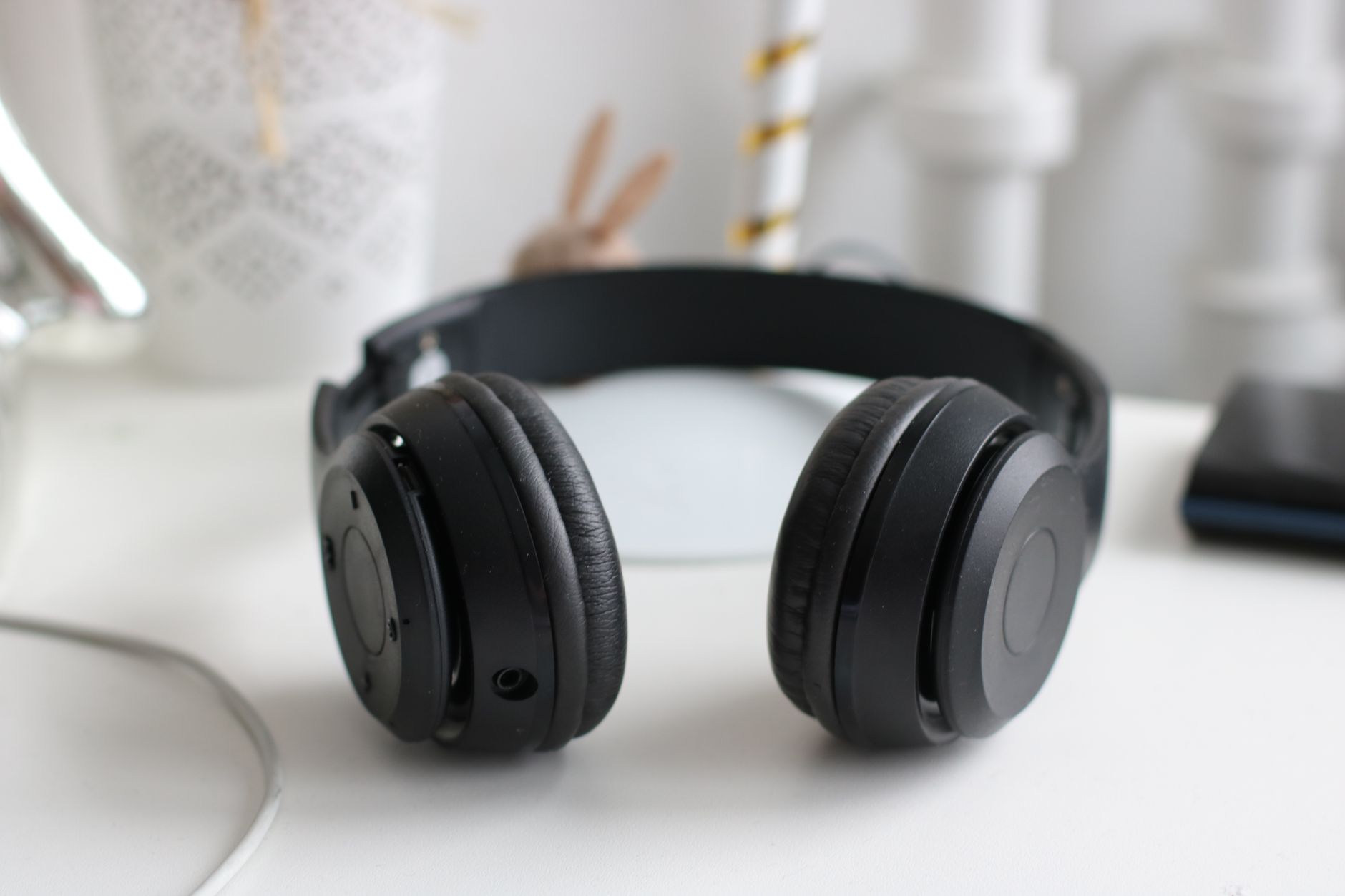
Noise-cancelling headphones can be a lifesaver in loud workplaces—here’s how to choose the safest options.
What is a loud work environment?
A loud work environment is any setting where continuous noise consistently exceeds 70–85 decibels (dB). For context, that’s the volume of a vacuum cleaner (70 dB), a lawnmower (90 dB), or a busy street (85 dB). Jobs like construction, manufacturing, or music studios often clock in at 80–110 dB, putting pregnant workers at higher risk if protective measures aren’t in place.
Noise isn’t just about decibels—it’s about duration and consistency. A one-time exposure to 100 dB (like a gunshot) is less harmful than 8 hours of 85 dB (like a factory floor). The Occupational Safety and Health Administration (OSHA) sets limits for non-pregnant workers, but pregnant employees may need additional safeguards due to heightened sensitivity during pregnancy.
Why does this matter? Because loud noise isn’t just an annoyance—it’s a stressor. Chronic stress during pregnancy has been linked to preterm birth, low birth weight, and developmental delays, according to the CDC. Additionally, prolonged noise exposure can damage your hearing, which may affect your ability to communicate with your baby later on.
Is working in a loud environment safe during pregnancy?
The answer depends on three key factors: decibel level, duration of exposure, and protective measures. Most experts, including the ACOG and OSHA, agree that working in a loud environment is not inherently unsafe during pregnancy—but it requires vigilance. The risks stem from two main concerns:
Hearing damage: Prolonged exposure to noise above 85 dB can cause permanent hearing loss, which may affect your ability to hear your baby’s cries or communicate clearly.
Stress and physiological strain: Loud noise triggers the fight-or-flight response, raising your cortisol levels. Chronic stress during pregnancy is linked to complications like pre-eclampsia and gestational diabetes.
The FDA and CDC emphasize that there’s no absolute "safe" noise level during pregnancy, but most research suggests that limiting exposure to under 85 dB for <8 hours/day reduces risk significantly. However, individual sensitivity varies, so if you feel stressed or fatigued after a shift, it’s a sign to adjust your exposure.
A 2021 study published in the Journal of Occupational and Environmental Medicine found that pregnant women exposed to >85 dB for >6 hours/day had a 30% higher risk of preterm labor. While this doesn’t mean all loud jobs are off-limits, it does highlight the importance of proactive protection. Many employers are required by law to provide ear protection and noise-reduction measures under the Pregnancy Discrimination Act and OSHA regulations.
If you’re working in a construction site, factory, or music venue, you’re likely familiar with the daily grind of loud machinery or instruments. But pregnancy adds a new layer of consideration. Even if your job hasn’t changed, your body has, and what was once tolerable may now require adjustments. The good news? With the right strategies, many loud jobs can be managed safely.
Is it safe to work in a loud environment during the first trimester?
The first trimester is the most critical period for fetal development, particularly for the formation of the baby’s ears and nervous system. While there’s no definitive evidence that brief noise exposure harms the developing fetus, prolonged or excessive noise can contribute to maternal stress, which may indirectly affect pregnancy outcomes.
The ACOG recommends that pregnant women avoid unnecessary exposure to loud noises during the first trimester, especially if they’re already experiencing symptoms like fatigue or morning sickness. If your job involves consistent noise above 85 dB, consider:
Requesting ear protection (e.g., foam earplugs or noise-cancelling headphones).
Taking frequent breaks in quiet areas to reduce cumulative exposure.
Discussing alternative tasks with your employer, such as administrative work or remote monitoring.
If your workplace refuses to accommodate your needs, you may have legal recourse under the Pregnancy Discrimination Act, which requires employers to provide reasonable adjustments for pregnant employees.
How loud is too loud for pregnant workers?
The safe noise exposure limit for pregnant workers aligns with OSHA’s general guidelines, but with an added layer of caution:
OSHA’s general limit: 90 dB for 8 hours/day, with gradual reductions for higher decibels (e.g., 100 dB for 2 hours).
Pregnancy-specific recommendation:Limit exposure to under 85 dB for 8 hours/day, with ear protection if noise exceeds 80 dB.
Here’s a quick reference for common workplace noises and their decibel levels:
Activity/Environment
Decibels (dB)
Pregnancy Safety Note
Normal conversation
60 dB
Generally safe for all trimesters.
Vacuum cleaner
70 dB
Safe for short periods; take breaks if exposed for >4 hours/day.
Factory floor (machinery)
85–90 dB
Use ear protection; limit exposure to <8 hours/day.
Construction site (jackhammer)
90–110 dB
❌ Avoid prolonged exposure; request earplugs or remote tasks.
Music concert/venue
100–120 dB
❌ High-risk; seek alternative roles or accommodations.
Pro tip: Use a free decibel app (like Noise Meter or dB Meter) to monitor noise levels in your workplace. Many smartphones have built-in sound measurement tools.
What are the safe noise exposure limits for pregnant employees?
The safe noise exposure limits for pregnant employees are based on OSHA’s Noise Standard (29 CFR 1910.95), with additional precautions for pregnancy. Here’s a breakdown:
Under 70 dB: Generally safe for all durations. No ear protection needed.70–85 dB: Safe for up to 8 hours/day with no additional protection, but take breaks if stressed.
85–90 dB:Use ear protection (e.g., foam earplugs or noise-cancelling headphones). Limit exposure to <8 hours/day.
Above 90 dB:Ear protection mandatory. Reduce exposure to <4 hours/day or less.
Above 100 dB:Avoid prolonged exposure. Seek alternative tasks or remote work.
Employers are legally required to provide free hearing protection if noise levels exceed 85 dB. If they don’t, you have the right to request accommodations under the Pregnancy Discrimination Act. Document incidents and speak with your HR representative if needed.
For jobs where noise is inevitable but manageable (e.g., retail, call centers), focus on reducing cumulative exposure. For example:
Take 10-minute quiet breaks every hour to rest your ears.
Wear noise-cancelling headphones during breaks to lower stress.
Avoid peak noise times (e.g., construction start/end times).
Can pregnant women work safely in construction sites with heavy machinery?
Construction sites are among the most hazardous loud environments for pregnant workers, with noise levels often exceeding 100 dB from machinery like jackhammers, drills, and bulldozers. While not all construction jobs are off-limits, pregnant women must take extra precautions to mitigate risks.
The ACOG advises that pregnant women should avoid direct exposure to loud machinery for extended periods. If your role requires working near heavy equipment, consider:
Requesting a transfer to a quieter role, such as administrative tasks or site inspections from a distance.
Using high-quality earplugs (e.g., 3M Peltor X-Series) rated for <15 dB reduction.
Limiting shifts to <4 hours/day near loud machinery, with mandatory quiet breaks.
Discussing remote monitoring options with your employer.
If your employer refuses to accommodate your needs, you may have grounds to file a discrimination complaint with the Equal Employment Opportunity Commission (EEOC). Many states also have pregnancy accommodation laws that protect workers.
Earplugs (e.g., 3M Peltor X-Series) – Blocks 15–25 dB of noise for high-risk jobs.
Remote work or hybrid schedules – Allows you to avoid loud environments entirely.
Shift scheduling – Requesting quieter shifts (e.g., overnight vs. daytime).
Soundproofed office or cubicle – Reduces background noise in office jobs.
Low-noise machinery or tools – Advocate for quieter alternatives in your workplace.
Quiet office environment – Open-plan offices? Request a private workspace.
Telecommuting or office jobs – Shift to roles with <70 dB noise levels.
If your employer won’t provide accommodations, you may need to explore alternative employment temporarily. Many companies offer temporary leave or modified roles for pregnant workers—don’t hesitate to ask.
Remote work can be a game-changer for pregnant workers in loud environments—here’s how to set up a safe at-home workspace.
Which brands provide noise-cancelling headphones for pregnant workers?
If you’re working in a loud environment, high-quality noise-cancelling headphones can be a game-changer. Here are the best pregnancy-safe options, ranked by comfort, protection, and durability:
Brand/Model
Noise Reduction (dB)
Best For
Pregnancy Safety Note
Bose QuietComfort 45
Up to 28 dB
Long shifts, office/call center work
✅ Safe for all trimesters; lightweight and comfortable for extended wear.
Sony WH-1000XM5
Up to 30 dB
Construction, factories, music venues
✅ Safe with ear cushions; battery life supports full shifts.
Sennheiser Momentum 4
Up to 25 dB
Remote work, quiet breaks
✅ Safe; over-ear design reduces pressure on ears.
3M Peltor X-Series Earplugs
Up to 25 dB
Construction, heavy machinery
✅ Safe; disposable and OSHA-approved for loud jobs.
Howard Leight Max Lithium
Up to 27 dB
Factories, manufacturing
✅ Safe; reusable and comfortable for long shifts.
Pro tip: If you’re already pregnant and need ear protection, foam earplugs (like 3M Fit-Tested) are often the most affordable and effective option. Look for high-attenuation models rated for <25 dB reduction.
What are the risks of prolonged noise exposure during pregnancy?
Prolonged noise exposure during pregnancy carries both immediate and long-term risks, primarily through stress and hearing damage. Here’s what research shows:
Hearing loss: Chronic exposure to >85 dB can cause permanent sensorineural hearing loss, affecting your ability to communicate with your baby later.
Maternal stress: Loud noise triggers the sympathetic nervous system, raising cortisol levels. Chronic stress is linked to preterm labor and low birth weight (CDC, 2022).
Fetal development concerns: While noise itself doesn’t directly harm the fetus, maternal stress may affect placental function, increasing risks of pre-eclampsia or gestational diabetes.
Sleep disruption: Loud workplaces often mean noisy nights at home, leading to fatigue and poor sleep quality, which is critical for pregnancy.
A 2019 study in the Journal of Occupational Health found that pregnant women exposed to >85 dB for >6 hours/day had a 2.5x higher risk of preterm birth. While this doesn’t mean all loud jobs are unsafe, it underscores the importance of proactive protection.
How does hearing loss affect pregnancy outcomes?
Hearing loss during pregnancy—whether from noise exposure or other causes—doesn’t directly affect fetal development. However, the stress and fatigue of managing hearing loss can indirectly impact pregnancy outcomes. For example:
Difficulty communicating with coworkers or doctors may lead to missed information about pregnancy care.
Chronic stress from untreated hearing loss can worsen anxiety and depression during pregnancy.
Reduced sleep quality (due to hearing aids or tinnitus) may contribute to fatigue-related complications.
If you’re concerned about hearing loss, schedule a hearing test with an audiologist before or during your pregnancy. Many insurance plans cover pregnancy-related hearing evaluations. Early intervention can prevent long-term issues.
Can pregnant employees use ear protection to reduce risk at loud jobs?
Yes! Ear protection is one of the most effective ways to reduce noise exposure during pregnancy. The ACOG and OSHA both recommend using hearing protection devices (HPDs) when noise levels exceed 85 dB. Here’s how to choose the right one:
Foam earplugs (disposable) – Simple, affordable, and effective for <15–25 dB reduction. Brands like 3M Fit-Tested are OSHA-approved.
Custom-molded earplugs – More comfortable for long shifts; available from audiologists.
Noise-cancelling headphones – Best for office or call-center work; brands like Bose QuietComfort reduce stress.
Earmuffs (e.g., Peltor X-Series) – Ideal for construction or manufacturing; provide <25 dB reduction.
Pro tip: If you’re already pregnant and need ear protection, foam earplugs are the safest and most accessible option. Look for high-attenuation models and replace them every <30 days for hygiene.
Employer responsibility: Under OSHA regulations, your employer must provide free hearing protection if noise levels exceed 85 dB. If they don’t, request accommodations in writing and escalate to HR or OSHA if needed.
Related items: Loud work environments at a glance
If you’re working in a noisy job, here’s how similar environments compare for pregnancy safety. Always consult your provider if you’re unsure.
Work Environment
Safety Verdict
Key Notes
Working in a noisy factory
⚠️ Safe with precautions
Use earplugs; limit exposure to <8 hours/day at <85 dB.
Working in a construction site
❌ High-risk without protection
⚠️ Avoid direct exposure to machinery; request remote tasks.
Working in a music studio
⚠️ Safe with ear protection
Use <25 dB earplugs; take breaks between loud sessions.
Working in a manufacturing plant
⚠️ Safe with precautions
Earplugs mandatory; limit shifts to <6 hours near loud machines.
Working in a warehouse
⚠️ Safe with earplugs
Forklifts and pallet jacks often exceed 85 dB; use protection.
Working in a hospital OR
⚠️ Safe with breaks
Stressful but not inherently loud; take quiet breaks between cases.
Working in a call center with high volume
⚠️ Safe with headphones
Noise-cancelling headphones reduce stress; request a quiet pod.
Working in a busy restaurant kitchen
⚠️ Safe with earplugs
Blenders and fryers often hit 90+ dB; use protection during prep.
⚠️ Avoid entirely if possible; seek remote or quieter roles.
Myth vs. fact
Myth: "If I wear earplugs, I can work in any loud environment safely."
Fact: Earplugs reduce risk but don’t eliminate it. Always limit exposure time and take breaks, even with protection.
Myth: "Loud noise won’t hurt my baby—it’s just noise."
Fact: While noise itself doesn’t directly harm the fetus, chronic stress from loud environments raises cortisol levels, which may affect pregnancy outcomes.
Myth: "My employer can’t accommodate my pregnancy needs."
Fact: Under the Pregnancy Discrimination Act, employers must provide reasonable accommodations for pregnant workers, including noise protection.
Key takeaways
⚠️ Loud environments aren’t automatically unsafe, but prolonged exposure carries risks like hearing loss and stress.
OSHA’s limit of 85 dB for 8 hours/day applies to pregnant workers, but ear protection is recommended under 80 dB.
First-trimester safety is critical: Limit loud exposure to <8 hours/day and use protection when possible.
Earplugs and noise-cancelling headphones are your best friends—choose <25 dB reduction for loud jobs.
You have legal rights: Employers must provide accommodations under the Pregnancy Discrimination Act.
Stress matters more than noise alone: If you feel overwhelmed, request quieter shifts or remote work.
If in doubt, consult your provider: They can assess your specific job risks and recommend precautions.
Frequently asked questions
Is it safe to work in a loud environment during pregnancy?
It depends on noise levels and duration. Working in a loud environment is generally safe if noise stays under 85 dB and you use ear protection. Prolonged exposure to >90 dB increases risks of hearing loss and stress-related complications. Always take breaks in quiet areas and discuss accommodations with your employer.
What noise level is considered safe for pregnant workers?
The safe noise level for pregnant workers is under 85 dB for up to 8 hours/day, per OSHA and ACOG guidelines. Below 70 dB is ideal for all trimesters. If noise exceeds 85 dB, ear protection is mandatory, and exposure should be limited to <8 hours/day.
How long can pregnant women be exposed to loud noise?
Pregnant women should limit exposure to loud noise to <8 hours/day at 85 dB or less. For noise between 85–90 dB, reduce exposure to <4 hours/day with ear protection. Above 90 dB, avoid prolonged exposure and request alternative tasks. Always take frequent quiet breaks to rest your ears.
What are the risks of loud noise during pregnancy?
The main risks of loud noise during pregnancy include hearing loss, chronic stress, and indirect fetal development concerns. Loud noise raises cortisol levels, which may contribute to preterm birth, low birth weight, or gestational diabetes. Additionally, untreated hearing loss can affect communication with your baby post-pregnancy.
Can earplugs protect pregnant workers from loud noise?
Yes! Earplugs are highly effective at reducing noise exposure during pregnancy. Choose high-attenuation models (25 dB reduction or higher) like 3M Peltor X-Series or foam earplugs. Pair them with quiet breaks and noise-cancelling headphones for maximum protection. Always ensure earplugs fit properly to avoid discomfort.
Are there specific regulations for pregnant workers in noisy jobs?
Yes! The Pregnancy Discrimination Act and OSHA require employers to provide reasonable accommodations for pregnant workers in noisy environments. This includes free hearing protection, quieter shifts, or remote tasks. If your employer refuses accommodations, you can file a complaint with the EEOC or OSHA.
What are safer work environments for pregnant employees?
Safer work environments for pregnant employees include remote work, quiet offices, administrative roles, or jobs with <70 dB noise levels. Alternatives like library work, telecommuting, or office jobs minimize stress and noise exposure. If your current job is loud, request accommodations like noise-cancelling headphones or shift changes.
Does loud noise affect fetal development?
Loud noise itself doesn’t directly harm fetal development, but chronic stress from loud environments may indirectly affect pregnancy outcomes. High cortisol levels from noise exposure are linked to preterm birth and low birth weight. Focus on managing stress and using ear protection to minimize risks.
Not sure about the label on Is Working In Loud Environment Safe During Pregnancy products?
Snap the ingredients list and SafeFilter checks every ingredient for your stage — only 3 free scans this month, then you're locked until reset. Unlimited from $7/mo or $50/yr.
When Shubhra Mishra was expecting her first child in 2016, she was overwhelmed by conflicting food advice — one site said yes, another said never. By the time her second baby arrived in 2019, she realized millions of mothers face the same confusion.
That sparked a five-year journey through clinical nutrition papers, cultural diets, and expert conversations — all leading to BumpBites: a calm, compassionate space where science meets everyday motherhood.
Her long-term vision is to build a global community ensuring safe, supported, and free deliveriesfor every mother — because no woman should face pregnancy alone or uninformed. 🌿
🌍 Stand with mothers, shape safer guidance
Join a small circle of experts who review BumpBites articles so expecting parents everywhere can decide with confidence.