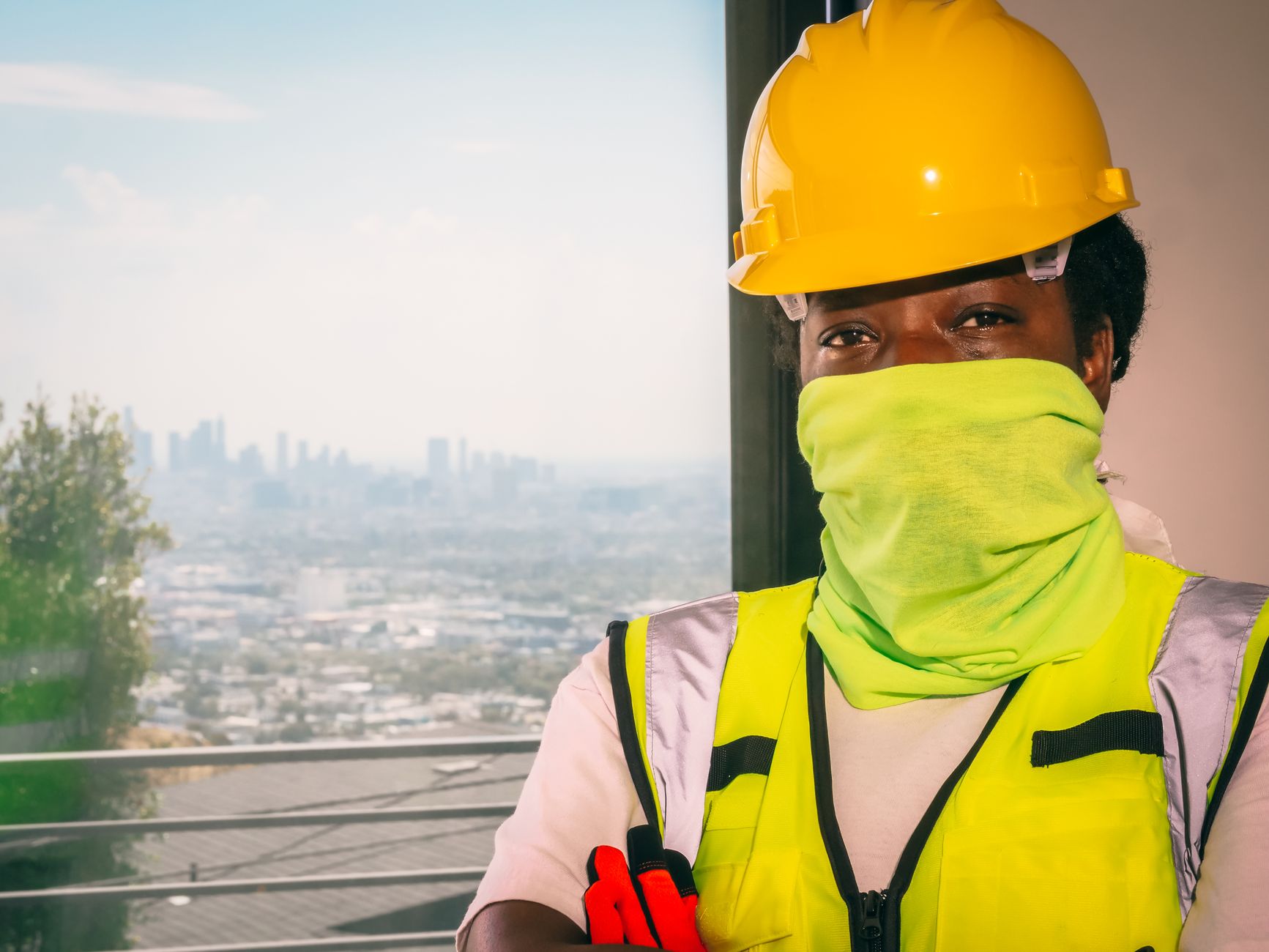
Is working in construction safe during pregnancy? Experts say limit heavy lifting in the first trimester—learn safe alternatives and job modifications for a
By Shubhra Mishra — a mom of two who turned her own confusion during pregnancy into BumpBites, a global mission to make food choices clear, safe, and stress-free for every expecting mother. 💛
Check whether any food is safe during pregnancy with the BumpBites Food Safety Checker.
Quick verdict: ⚠️ Working in construction during pregnancy is generally not recommended due to risks like heavy lifting, chemical exposure, and falls, but some modified roles or precautions may allow limited work in the second trimester with doctor approval. First and third trimesters are higher-risk windows, and many hazards can’t be fully eliminated.
It’s 6:30 AM, and you’re already on-site—hammer in hand, blueprint in your pocket—when the realization hits: you’re pregnant. The site hums around you: power tools roar, cement mixers grind, and the scent of solvents lingers in the air. Your hands cramp from lifting drywall, your back aches from bending over pipes, and that new morning sickness makes standing still feel like a luxury. Is working in construction safe during pregnancy? The answer isn’t a simple yes or no. It’s a complicated balancing act of risks, regulations, and your body’s ever-changing needs.
Construction work is physically demanding, exposing pregnant workers to hazards like heavy lifting, chemical fumes, loud noises, and unstable surfaces. The American College of Obstetricians and Gynecologists (ACOG) advises against high-risk physical labor during pregnancy, particularly in the first and third trimesters, when the risk of complications like preterm labor or miscarriage is higher. But what does that mean for you? Can you keep working? If so, how? And what are the safest alternatives if you can’t? This guide breaks down the science, the risks, and the practical steps to navigate construction work during pregnancy—so you can make an informed decision that feels right for you and your baby.
We’ll cover everything from trimester-specific risks to legal protections, safer job roles, and the red flags that mean it’s time to step back. Whether you’re already on-site or just starting to wonder, here’s what you need to know to stay safe—and sane—throughout your pregnancy.
Trimester
Verdict
Key Notes
First Trimester
❌ Not recommended
Highest risk of miscarriage and organ development issues. Heavy lifting, vibrations, and chemical exposure are especially dangerous.
Second Trimester
⚠️ Possible with modifications
May tolerate lighter duties or office-based roles with doctor approval. Avoid high-risk tasks like scaffolding or heavy machinery.
Third Trimester
❌ Not recommended
Increased risk of preterm labor and physical strain. Fatigue and balance issues make falls and injuries more likely.
Breastfeeding
✅ Generally safe if hazards were avoided during pregnancy
No direct risks to baby, but continued avoidance of construction hazards (e.g., lead, asbestos) is advised.
---
What is construction work?
Construction work encompasses a broad range of jobs—from framing and electrical wiring to site management and demolition—that involve building, repairing, or maintaining structures. It’s physically demanding, often requiring heavy lifting, repetitive motions, and exposure to environmental hazards like dust, noise, and chemicals. Roles vary widely: some are hands-on (e.g., carpenters, laborers), while others are more administrative (e.g., project coordinators, estimators). The chemical and physical demands of construction make it one of the riskiest industries for pregnant workers, especially when combined with pregnancy-related changes like increased fatigue or balance issues.
For many women, construction has been a career or passion—one that offers job security, physical activity, and a sense of accomplishment. But pregnancy introduces new layers of risk, particularly when it comes to tasks that could strain your body or expose you (or your baby) to toxins. Understanding these risks is the first step in deciding whether to continue working, modify your role, or take time off entirely.
---
Is working in construction safe during pregnancy?
The short answer is no, it’s not considered safe by most obstetric and occupational health guidelines. The Occupational Safety and Health Administration (OSHA) and ACOG classify construction as a high-risk industry for pregnant workers due to the combination of physical strain, chemical exposure, and ergonomic hazards. Even with precautions, many hazards—like falls from heights or vibrations from power tools—can’t be fully mitigated.
The risks aren’t just theoretical. Studies show that pregnant workers in physically demanding jobs have higher rates of complications like preterm birth (birth before 37 weeks) and low birth weight (babies weighing less than 5.5 pounds at birth). A 2019 study published in the Journal of Occupational and Environmental Medicine found that women exposed to heavy lifting or whole-body vibration during pregnancy were nearly twice as likely to deliver preterm. Meanwhile, exposure to toxic chemicals—like solvents, lead, or asbestos—can cross the placenta and harm your baby’s developing organs.
Yet, the reality for many pregnant construction workers is that they have to work. Whether it’s financial necessity, fear of losing their job, or a lack of alternatives, some women continue in construction with modifications. If you’re in this position, the key is to minimize risks as much as possible—and know when to step back. Your doctor’s input is critical here, especially if you’re in your first or third trimester.
If you’re already pregnant and working in construction, don’t panic. Many moms tell us they did work through their pregnancies with adjustments, but the goal is to avoid preventable risks. If you’re planning to start a construction job while pregnant, the safest path is to explore alternatives or discuss a temporary leave with your employer.
---
Safety by trimester
Is it safe to work in construction during the first trimester?
The first trimester (weeks 1–12) is the most critical period for your baby’s development, as major organs and systems are forming. This is also when the risk of miscarriage is highest—about 10–20% of pregnancies end in miscarriage, and physical or chemical stress can increase that risk. For construction workers, this means:
Heavy lifting (e.g., moving drywall, concrete blocks) can strain your core and back, potentially triggering contractions or increasing the risk of placental abruption (where the placenta detaches too early).
Chemical exposure (e.g., solvents, paints, adhesives) may disrupt fetal development, particularly if you’re exposed to lead, formaldehyde, or other teratogens (substances that can cause birth defects).
Vibrations and noise from power tools or machinery can contribute to stress and fatigue, which may indirectly affect your baby.
Falls and slips are more likely in the first trimester due to hormonal changes that loosen ligaments and joints (a condition called relaxin), making balance more challenging.
Most obstetricians and occupational health experts strongly advise against continuing full-time construction work in the first trimester. If you’re already on-site, focus on reducing exposure to high-risk tasks and discussing a temporary leave with your employer. If you’re planning to start a construction job while pregnant, this is the time to explore safer alternatives.
Can pregnant workers safely perform heavy lifting on a construction site?
Heavy lifting is one of the most physically dangerous aspects of construction for pregnant women. The OSHA recommends that pregnant workers avoid lifting objects heavier than 20–25 pounds (the weight of a large bag of cement or a full toolbox), and even that can be risky depending on your fitness level and trimester. Lifting incorrectly can strain your back, increase blood pressure, or—worst case—trigger preterm labor.
Pregnancy changes your center of gravity, making you more prone to back pain and balance issues. A 2021 study in BMC Pregnancy and Childbirth found that pregnant women who lifted heavy objects were three times more likely to experience lower back pain, which can be exacerbated by the weight of a growing uterus. Even if you’ve lifted heavy objects your whole career, your body’s needs are shifting now.
If you must lift on-site, follow these guidelines:
Use your legs, not your back—bend at the knees, keep the load close to your body, and avoid twisting.
Avoid lifting above shoulder height or for prolonged periods.
Take frequent breaks to rest your core and avoid overheating.
Wear a pregnancy support belt (like the Mamanita or Bump Belly belts) to reduce strain on your lower back.
If possible, switch to lighter tasks like measuring, organizing materials, or assisting with non-physical duties.
If you’re in your second trimester and your doctor approves, you might be able to continue with these precautions—but in the first and third trimesters, heavy lifting should be avoided entirely.
What safety precautions should pregnant construction workers take?
If you’re working in construction during pregnancy, your safety plan should be aggressive. Here’s how to minimize risks:
Modify your duties: Switch to tasks that don’t involve heavy lifting, climbing, or chemical exposure. Examples include:
Office-based roles (e.g., project coordination, estimating, or quality control)
Site inspections (if you can avoid physical labor)
Assisting with non-physical tasks (e.g., organizing permits, documenting progress)
Wear proper PPE: Even if you’re not lifting, hazards like noise, dust, and vibrations persist. Use:
Earmuffs or earplugs (to reduce noise exposure below 85 decibels)
Respirators or masks (if exposed to dust, fumes, or solvents)
Non-slip shoes with arch support (to prevent falls)
High-visibility vests (to ensure you’re visible to equipment operators)
Avoid power tools: Vibrations from tools like jackhammers or angle grinders can cause hand-arm vibration syndrome, which may lead to nerve damage or circulation issues. If you must use tools, limit use to 10–15 minutes at a time with breaks in between.
Stay hydrated and cool: Pregnancy increases your body’s demand for fluids, and construction sites can be hot. Drink water regularly, take shade breaks, and avoid working in extreme heat.
Communicate with your employer: Under the Americans with Disabilities Act (ADA), employers must provide reasonable accommodations for pregnant workers. This could include:
Assigning you to lighter duties
Providing a stool or chair for tasks that require standing
Adjusting your schedule to avoid peak heat or noise hours
If your employer refuses to accommodate you, you may have legal recourse. The U.S. Department of Labor provides resources for pregnant workers facing discrimination.
Are there safer construction job roles for pregnant employees?
Not all construction jobs are created equal—some roles are far safer for pregnant workers than others. If you’re looking to stay in the industry while minimizing risks, consider transitioning to a role that:
Eliminates heavy lifting (e.g., office-based construction management, project coordination)
Reduces chemical exposure (e.g., architectural design, construction estimating)
Minimizes physical strain (e.g., construction site safety inspection, quality control)
Avoids heights or unstable surfaces (e.g., drafting, procurement, or materials management)
For example:
Construction project scheduling: You’d organize timelines, allocate resources, and coordinate with teams—all from an office or site office. This role involves minimal physical labor and no direct exposure to hazards.
Construction estimating: You’d calculate costs, materials, and labor for projects, working with spreadsheets and blueprints. This is a desk job with no physical demands.
Construction quality control: You’d inspect work for compliance with codes and standards, often using tools like moisture meters or leveling devices. If you can avoid climbing or heavy lifting, this can be a safer option.
Architectural design: If you’re already in a design or planning role, you can continue working on-site (e.g., reviewing plans, consulting with contractors) while avoiding manual labor.
Transitioning to one of these roles may require retraining or a temporary pay cut, but it could also protect your pregnancy and your job long-term. Many construction firms have return-to-work programs for employees who take pregnancy leave, so it’s worth discussing your options with your manager.
What are the risks of chemical exposure for pregnant construction workers?
Construction sites are chemical cockpails, with everything from paint thinners to concrete additives to cleaning solvents lurking in toolboxes and storage areas. Some of these chemicals are teratogens—meaning they can cause birth defects or developmental issues if you’re exposed during pregnancy. Others can trigger miscarriage or preterm labor. Here are the biggest offenders:
Chemical
Common Sources in Construction
Pregnancy Risks
Safety Tips
Lead
Old paint, pipes, batteries, some adhesives
Can cause developmental delays, low birth weight, or miscarriage. Even low-level exposure is risky.
Avoid sanding or scraping lead-based paint. Use a lead abatement certified contractor for renovations.
Asbestos
Insulation, roofing materials, older buildings
Linked to lung disease in adults and birth defects in babies. Even brief exposure is dangerous.
Avoid asbestos-containing materials entirely. If you suspect asbestos, contact a certified asbestos removal team.
Solvents (e.g., toluene, xylene)
Paint thinners, adhesives, degreasers
Can cause neurological issues in babies and increase miscarriage risk.
Use low-VOC (volatile organic compound) paints and adhesives. Work in well-ventilated areas or with respirators.
Formaldehyde
Insulation, plywood, some cleaning products
May increase risk of birth defects, particularly in the first trimester.
Opt for formaldehyde-free materials when possible. Avoid sanding or cutting formaldehyde-containing products.
Silica dust
Sandblasting, cutting stone or brick
Linked to preterm birth and low birth weight. Can also cause lung disease in adults.
Use water mist or dust suppression methods. Wear an N95 respirator if sanding or cutting.
If you’re exposed to these chemicals, reduce your risk by:
Wearing a proper respirator (NIOSH-approved) when handling hazardous materials.
Avoiding sanding, cutting, or grinding materials that may release dust or fumes.
Working in well-ventilated areas or with fans to disperse chemicals.
Washing your hands and changing clothes immediately after exposure to avoid skin absorption.
Discussing blood lead testing with your doctor if you’ve worked with lead-based materials.
How does pregnancy affect the ability to use power tools on a construction site?
Power tools are a double-edged sword in construction: they’re essential for getting the job done, but they’re also a leading cause of injuries on-site. Pregnancy adds another layer of risk because:
Vibration from tools like jackhammers, angle grinders, or chain saws can cause hand-arm vibration syndrome, which may lead to nerve damage or poor circulation in your hands.
Noise from power tools (often 85–100 decibels) can contribute to hearing loss and increase stress hormones, which may affect your baby.
Fatigue from prolonged use can make you more prone to slips, trips, or falls, especially as your balance shifts in pregnancy.
Heat generation from tools can cause overheating, which is risky for pregnant women (especially in the first trimester).
The OSHA recommends limiting exposure to power tools during pregnancy, but if you must use them, follow these precautions:
Take frequent breaks (every 15–30 minutes) to rest your hands and avoid overheating.
Use tools with vibration reduction features (e.g., cordless drills with ergonomic grips).
Avoid loud tools (e.g., jackhammers) by using earplugs or earmuffs rated for 85+ decibels.
Wear gloves with grip to reduce hand strain and improve control.
If possible, switch to manual tools (e.g., hammers, wrenches) for tasks that don’t require power.
If you’re in your second trimester and your doctor approves, you might be able to continue using power tools with these precautions—but in the first and third trimesters, avoid them entirely if possible.
---
Best protective measures for pregnant construction workers
If you’re determined to keep working in construction during pregnancy, your safety plan should be comprehensive and proactive. Here’s a checklist to protect yourself and your baby:
Protective measures for pregnant construction workers include PPE, modified duties, and frequent breaks.
1. Modify Your Work Schedule
Pregnancy fatigue is real—and it’s not just about the baby. Hormonal changes, increased blood volume, and the weight of your uterus can leave you exhausted. Adjust your schedule to:
Work shorter shifts (e.g., 6–7 hours instead of 8–10).
Avoid peak heat hours (10 AM–4 PM) if possible.
Take more frequent breaks (every 30–60 minutes) to sit, stretch, and hydrate.
Switch to morning or evening shifts if you’re more energized at those times.
2. Reduce Physical Strain
Your body is changing, and so should your workload. Aim to:
Avoid lifting more than 20–25 pounds (or as directed by your doctor).
Use mechanical aids (e.g., dolly, forklift, or hoist) for heavy materials.
Stand on anti-fatigue mats to reduce lower-body strain.
Wear a pregnancy support belt to ease back pain.
3. Minimize Chemical and Dust Exposure
Even small amounts of certain chemicals can harm your baby. To stay safe:
Wear a respirator rated for the chemicals you’re exposed to (e.g., N95 for dust, organic vapor respirator for solvents).
Avoid sanding, cutting, or grinding materials that release dust or fumes.
Use low-VOC paints and adhesives when possible.
Wash your hands and change clothes immediately after exposure.
4. Protect Your Hearing and Vision
Construction sites are loud, and prolonged noise exposure can damage your hearing—and your baby’s developing ears. To protect yourself:
Wear hearing protection (e.g., foam earplugs or earmuffs) rated for 85+ decibels.
Avoid loud tools (e.g., jackhammers, chain saws) by using them for short periods only.
Take regular breaks in a quiet area to rest your ears.
Wear safety glasses to protect your eyes from debris.
5. Stay Cool and Hydrated
Pregnancy increases your body’s demand for fluids, and construction sites can be hot. To stay safe:
Drink water every 15–20 minutes, even if you’re not thirsty.
Avoid peak sun hours (10 AM–4 PM) by working in shade or taking breaks in air-conditioned areas.
Wear lightweight, breathable clothing and a wide-brimmed hat.
Use a cooling towel or misting fan if available.
6. Communicate with Your Employer
Under the ADA and OSHA, employers must provide reasonable accommodations for pregnant workers. This could include:
Assigning you to lighter duties (e.g., office work, inspections).
Providing a stool or chair for tasks that require standing.
Adjusting your schedule to avoid peak heat or noise hours.
Offering training on pregnancy safety for you and your coworkers.
If your employer refuses to accommodate you, you may have legal options. The U.S. Department of Labor provides resources for pregnant workers facing discrimination.
---
Should pregnant construction workers avoid working with asbestos or lead?
If there’s one non-negotiable rule for pregnant construction workers, it’s this: avoid asbestos and lead at all costs. These materials are toxic, and even brief exposure can have devastating effects on your baby’s health. Here’s why:
Asbestos
Asbestos is a known carcinogen that causes lung diseases like mesothelioma and asbestosis. During pregnancy, exposure can also:
Increase the risk of preterm birth and low birth weight.
Cause respiratory issues in the baby, even years after birth.
Lead to birth defects in rare cases.
Asbestos is often found in:
Older buildings (pre-1980s)
Insulation materials
Roofing and flooring
Pipe wraps and gaskets
If you suspect asbestos in a project, do not disturb it. Instead:
Notify your supervisor and the site safety officer immediately.
Do not sand, drill, or cut materials that look like insulation or textured coatings.
If removal is needed, hire a certified asbestos abatement contractor.
Lead
Lead exposure is particularly dangerous during pregnancy because it:
Can cross the placenta and accumulate in your baby’s bones and organs.
Is linked to low birth weight, preterm birth, and developmental delays.
Can cause miscarriage or stillbirth in severe cases.
Lead is often found in:
Old paint (especially pre-1978 homes)
Pipes and plumbing fixtures
Batteries and some adhesives
Some types of concrete and masonry
If you’re working with lead:
Wear a high-efficiency particulate air (HEPA) respirator or a respirator rated for lead.
Avoid sanding, scraping, or burning lead-based paint.
Wash your hands and face immediately after exposure with soap and water.
Consider blood lead testing if you’ve been exposed, especially if you’re in your first trimester.
If you’re unsure whether a material contains asbestos or lead, assume it does and avoid handling it. Your health—and your baby’s—isn’t worth the risk.
---
Safer alternatives to construction work during pregnancy
If you’re looking to step away from physical labor but stay in the construction industry (or transition to a related field), there are plenty of safer alternatives. Many of these roles pay competitively and offer opportunities to return to hands-on work after pregnancy. Here are some of the best options:
Office-based construction management – Oversee projects from an office, coordinating timelines, budgets, and teams without physical labor.
Project coordination – Act as a liaison between contractors, architects, and clients, ensuring projects stay on track.
Architectural design – If you have design experience, you can work on blueprints, 3D modeling, or sustainability plans for buildings.
Construction site safety inspection – Inspect sites for compliance with safety regulations, often involving paperwork and minor observations rather than manual labor.
Construction project scheduling – Plan and organize project timelines using software like Primavera or Microsoft Project.
Construction estimating – Calculate costs for materials and labor, working with spreadsheets and industry databases.
Construction procurement – Source and purchase materials for projects, often involving negotiations and supplier coordination.
Construction quality control – Inspect work for compliance with codes and standards, using tools like moisture meters or leveling devices.
Many of these roles can be done remotely or from home during your pregnancy, making them ideal for moms-to-be. If you’re already in a construction career, transitioning to one of these roles may require some upskilling—but it could also protect your job and your health long-term.
If you’re worried about losing your career, many construction firms have return-to-work programs for employees who take pregnancy leave. You might even find that you enjoy the mental focus and organization of an office-based role more than the physical demands of construction.
---
Related items: Safety at a glance
Construction work involves a wide range of hazards, many of which overlap with other industries or tasks. Here’s a quick reference for related safety concerns:
Not sure about the label on Is Working In Construction Safe During Pregnancy products?
Snap the ingredients list and SafeFilter checks every ingredient for your stage — only 3 free scans this month, then you're locked until reset. Unlimited from $7/mo or $50/yr.
When Shubhra Mishra was expecting her first child in 2016, she was overwhelmed by conflicting food advice — one site said yes, another said never. By the time her second baby arrived in 2019, she realized millions of mothers face the same confusion.
That sparked a five-year journey through clinical nutrition papers, cultural diets, and expert conversations — all leading to BumpBites: a calm, compassionate space where science meets everyday motherhood.
Her long-term vision is to build a global community ensuring safe, supported, and free deliveriesfor every mother — because no woman should face pregnancy alone or uninformed. 🌿
🌍 Stand with mothers, shape safer guidance
Join a small circle of experts who review BumpBites articles so expecting parents everywhere can decide with confidence.