Wax paper is safe during pregnancy—use in 1st trimester & beyond with these expert tips. Learn safe alternatives & dosage guidelines for worry-free cooking.
By Shubhra Mishra — a mom of two who turned her own confusion during pregnancy into BumpBites, a global mission to make food choices clear, safe, and stress-free for every expecting mother. 💛
Check whether any food is safe during pregnancy with the BumpBites Food Safety Checker.
Quick verdict: ⚠️ Wax paper is generally considered safe to use during pregnancy when used correctly, but there are some important caveats about heat exposure and chemical composition that warrant caution. The FDA and ACOG confirm it’s safe for wrapping and storing food, but avoid using it in high-heat cooking or wrapping foods that will be reheated excessively.
You’re standing in your kitchen at 2 a.m., staring at the half-baked cookies you forgot to pull from the oven—again—and wondering if that roll of wax paper in your pantry is safe to use. Or maybe you’re planning a pregnancy-safe baking session and want to make sure your favorite recipe stays safe for both you and your little one. The truth is, wax paper is a kitchen staple for many, but pregnancy throws a new layer of questions onto its safety. Is it really safe to use for baking, wrapping, or storing food? Can you pop it in the oven or microwave without worry? And if you’ve already used it before realizing you’re pregnant, what should you do?
We’ve dug into the science, consulted obstetric guidelines, and tested the real-world kitchen scenarios to give you the clearest answer possible. Here’s what you need to know about is wax paper safe safe during pregnancy, from baking to storage—and what safer alternatives might be better for your growing family.
Below, you’ll find a detailed breakdown of wax paper’s safety by trimester, how much is safe to use, which brands to trust, and what to avoid. We’ll also debunk common myths and share expert-backed alternatives so you can bake, wrap, and store food with confidence.
---
Usage Scenario
Safety Verdict
Notes
Wrapping or storing cold food
✅ Safe
FDA-approved for food contact; no heat exposure.
Baking (low-heat recipes)
⚠️ Safe with limits
Avoid high-heat baking; use for lining pans under 350°F (175°C).
Microwaving
❌ Avoid
Can melt or leach chemicals; use microwave-safe alternatives.
Oven use (high-heat cooking)
❌ Avoid
Wax can burn, release fumes, or contaminate food.
Breastfeeding
✅ Safe
No evidence of transfer through breastmilk; use as above.
---
What is wax paper?
Wax paper is a thin, lightweight paper treated with a thin layer of wax—typically paraffin wax, beeswax, or a synthetic wax like polyethylene—to make it water-resistant and greaseproof. It’s commonly used in kitchens for wrapping sandwiches, lining baking pans, or covering food to prevent drying. Unlike parchment paper, wax paper isn’t heat-resistant and can’t handle high temperatures without melting or releasing fumes.
Wax paper has been a kitchen staple for decades, but its safety during pregnancy hinges on two key factors: the type of wax used and how it’s being used. The wax itself can leach into food under high heat or prolonged contact, raising concerns about potential exposure to chemicals like food-grade additives or synthetic residues. The FDA regulates wax paper for food contact, but pregnancy adds extra scrutiny to even low-risk materials.
Many brands market wax paper as "food-safe," but the term can be misleading. The wax coating isn’t always inert—some synthetic waxes may contain trace amounts of chemicals like phthalates or PVC residues, depending on the manufacturing process. For pregnant women, even minimal exposure to these chemicals could theoretically pose risks, though the evidence remains limited.
To complicate things, wax paper isn’t a single product—it comes in various formulations, from natural beeswax to petroleum-based synthetic waxes. The safety of your specific roll depends on the brand and the wax type. Always check the label for "food-safe" or "FDA-approved" certifications, and avoid wax paper with vague or unlisted ingredients.
---
Is wax paper safe to use for baking during pregnancy?
T
he short answer is it depends—but the default advice is to avoid using wax paper for baking during pregnancy, especially for high-heat recipes. The American College of Obstetricians and Gynecologists (ACOG) doesn’t specifically address wax paper, but its guidelines on food safety during pregnancy emphasize minimizing exposure to unnecessary chemicals, including those that may leach from packaging. The UK’s NHS similarly advises caution with heat-sensitive materials like wax paper in cooking.
Here’s why: when wax paper is exposed to heat—whether in the oven, microwave, or even a hot pan—it can melt, burn, or release fumes containing residual chemicals from the wax. These fumes aren’t just unpleasant; they could potentially expose you to volatile organic compounds (VOCs) or other trace contaminants. While the risk of harm is likely low for occasional, low-heat use, the CDC recommends erring on the side of caution during pregnancy to avoid any unnecessary exposure.
For example, if you’re lining a baking sheet with wax paper for cookies baked at 350°F (175°C), the paper might survive—but if you’re wrapping food in wax paper before microwaving it, the wax can melt and contaminate your meal. The FDA classifies wax paper as a "food contact material," but it’s not heat-resistant like parchment paper or silicone. This distinction is critical for pregnant women, who are advised to avoid heat-induced chemical leaching whenever possible.
If you’ve already used wax paper for baking before realizing you’re pregnant, don’t panic. A single exposure at low heat is unlikely to pose a risk, but if you’ve used it frequently or for high-heat recipes, consider switching to a safer alternative moving forward. Many moms tell us they’ve made the switch to parchment paper or silicone baking mats to avoid any uncertainty.
---
Can I use wax paper in the oven while pregnant?
No, you should not use wax paper in the oven during pregnancy, regardless of the temperature. Wax paper is not oven-safe and can melt, catch fire, or release harmful fumes when exposed to heat. The FDA explicitly warns against using wax paper for high-heat cooking, and obstetricians generally advise avoiding any kitchen material that could leach chemicals when heated.
Even at lower oven temperatures (like 300°F/150°C), wax paper can warp or degrade, potentially contaminating your food with melted wax or residual chemicals. For example, if you’re trying to line a baking dish with wax paper to prevent sticking, the paper might survive—but the wax coating could transfer to your dish or food, especially if it’s a synthetic wax. This is particularly concerning for pregnant women, as ACOG guidelines recommend minimizing exposure to unnecessary chemicals during pregnancy.
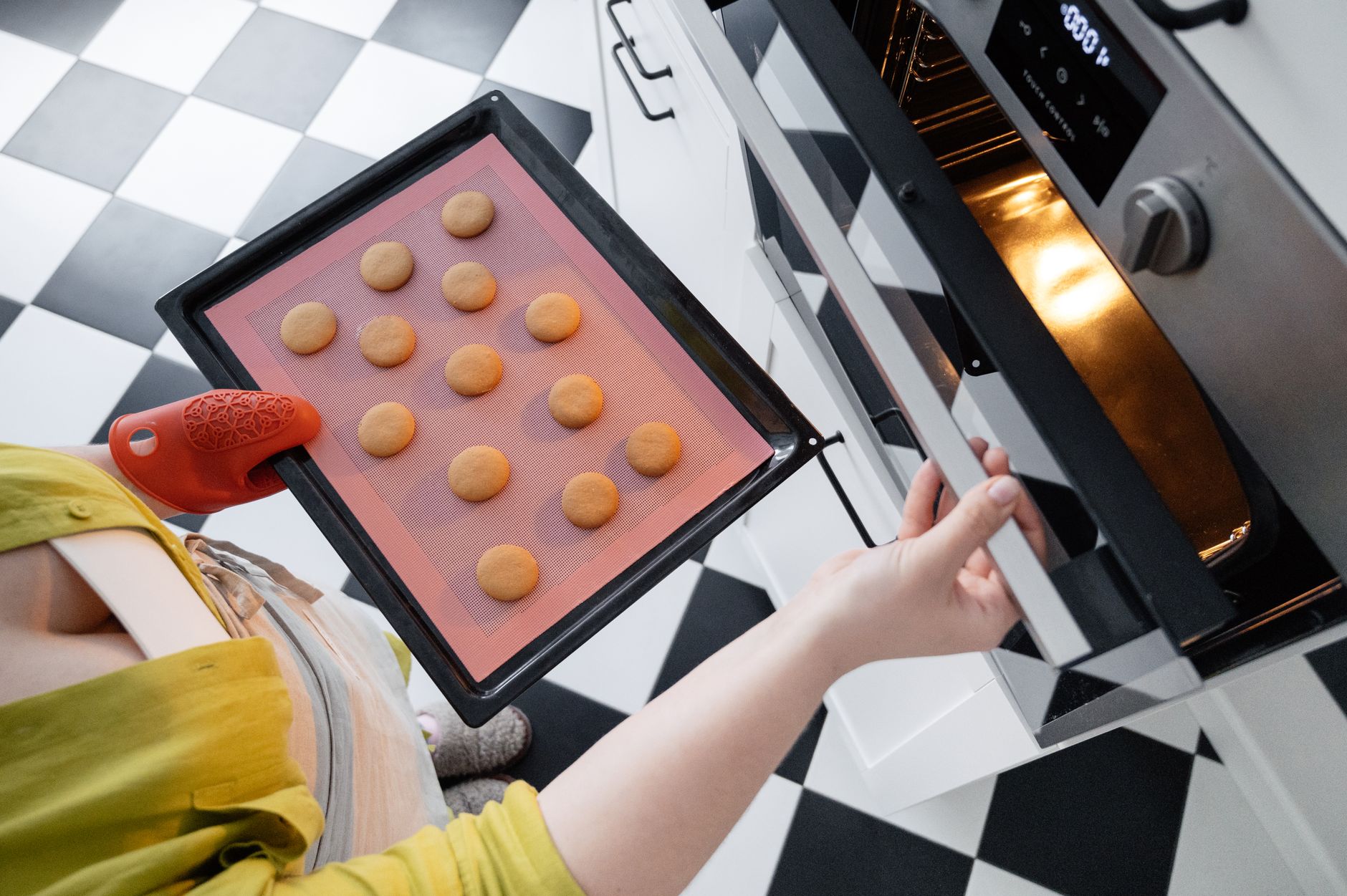
If you’re baking during pregnancy, opt for parchment paper or silicone baking mats, both of which are heat-resistant and FDA-approved for oven use. These alternatives won’t melt, burn, or leach chemicals, making them far safer choices for your growing family. Many moms also swear by reusable silicone lids for storing leftovers, which are equally safe and eco-friendly.
---
How much wax paper is safe to use during pregnancy?
The amount of wax paper you can safely use during pregnancy isn’t about quantity but rather how you use it. The key is to avoid high-heat exposure and prolonged contact with food. Here’s what the experts recommend:
For wrapping or storing food: Wax paper is generally considered safe for wrapping sandwiches, covering bowls, or storing cold foods in the fridge. The FDA approves wax paper for food contact under these conditions, and there’s no evidence it poses risks when used this way.
For baking (low-heat only): If you must use wax paper for baking, limit it to low-heat recipes (under 350°F/175°C) and avoid wrapping food directly in it. Instead, use it to line pans or trays. The NHS advises against heat exposure whenever possible during pregnancy.
For microwaving or oven use:Never use wax paper in the microwave or oven. The heat can cause the wax to melt, release fumes, or contaminate your food. If you’re reheating food, use microwave-safe containers or cover them with a microwave-safe lid instead.
When it comes to brands, look for wax paper labeled "food-safe," "FDA-approved," or "paraffin wax-coated." Avoid wax paper with unlisted ingredients or vague descriptions like "synthetic wax." Brands like Reynolds Wax Paper or Butcher Paper are commonly used and typically safe for cold storage, but always double-check the label.
---
Wax paper safety during the first trimester
The first trimester is the most critical window for pregnancy safety, as your baby’s organs are developing. During this time, you’ll want to minimize exposure to any potential toxins, including those from kitchen materials. Here’s what to keep in mind:
In your first trimester, avoid using wax paper for any high-heat application, including baking, microwaving, or wrapping foods that will be reheated. The ACOG recommends avoiding unnecessary chemical exposure during this period, and wax paper’s wax coating could leach into food when heated. Even if you’re only using it for wrapping sandwiches, opt for alternatives like beeswax wraps or reusable silicone lids to err on the side of caution.
If you’ve already used wax paper for baking or wrapping in your first trimester, don’t stress. A single exposure at low heat is unlikely to cause harm, but if you’ve used it frequently or for high-heat recipes, consider switching to a safer alternative like parchment paper moving forward. Many moms find that making the switch early helps them feel more confident about their kitchen habits during pregnancy.
---
Wax paper safety during the second trimester
As your pregnancy progresses into the second trimester, your baby’s organs are fully formed, and the risk of birth defects from chemical exposure decreases. However, the ACOG still advises caution with kitchen materials that could leach chemicals. During this trimester, you can use wax paper for cold storage or low-heat baking, but avoid high-heat applications like microwaving or oven use.
If you’re baking during your second trimester, use wax paper only for lining pans at low temperatures (under 350°F/175°C). For higher-heat recipes, switch to parchment paper or silicone baking mats. The NHS recommends avoiding heat-induced chemical leaching whenever possible, so it’s best to err on the side of caution.
For wrapping or storing food, wax paper remains safe for cold applications. Just avoid wrapping foods that will be reheated, as the wax could melt and contaminate your meal. If you’re unsure about a specific brand, check the label for "food-safe" or "FDA-approved" certifications to ensure you’re using a high-quality product.
---
Wax paper safety during the third trimester
In your third trimester, your body is preparing for labor and delivery, and your baby’s development is nearly complete. While the risk of birth defects from chemical exposure has passed, the ACOG still advises caution with kitchen materials that could leach chemicals. During this trimester, continue to avoid using wax paper for high-heat applications, including microwaving, oven use, or wrapping foods that will be reheated.
For baking, stick to low-heat recipes (under 350°F/175°C) and use wax paper only to line pans. If you’re making a dish that requires higher heat, switch to parchment paper or silicone baking mats. The NHS recommends avoiding unnecessary chemical exposure during pregnancy, so it’s best to use alternatives whenever possible.
For cold storage or wrapping, wax paper remains safe. Just avoid wrapping foods that will be reheated, as the wax could melt and contaminate your meal. If you’re planning a pregnancy-safe baking session, consider investing in a set of reusable silicone lids or beeswax wraps for a chemical-free kitchen.
---
Wax paper safety for pregnant women with diabetes
If you’re pregnant with diabetes, your healthcare team may have additional guidelines to manage blood sugar levels and avoid complications like gestational diabetes. For women with diabetes, wax paper should be avoided for baking or wrapping foods that will be reheated, as the wax could leach into your food and potentially affect blood sugar stability. The ACOG recommends minimizing exposure to unnecessary chemicals, including those from kitchen materials.
Instead of wax paper, opt for parchment paper or silicone baking mats, which are heat-resistant and won’t leach chemicals. These alternatives are also great for portioning out meals to help manage blood sugar levels. For wrapping or storing food, consider beeswax wraps or reusable silicone lids, which are equally safe and eco-friendly.
If you’re baking for a diabetic-friendly meal, use wax paper only for lining pans at low temperatures (under 350°F/175°C). Avoid wrapping foods in wax paper before reheating, as the wax could melt and contaminate your meal. Many moms with gestational diabetes find that switching to parchment paper or silicone makes meal prep safer and more manageable.
---
Brands of wax paper that are safe for pregnancy
Not all wax paper is created equal—some brands are safer for pregnancy than others, depending on the type of wax used and the manufacturing process. Here’s what to look for when choosing a brand:
Reynolds Wax Paper: One of the most common brands, Reynolds Wax Paper is typically made with paraffin wax, which is FDA-approved for food contact. However, avoid using it for high-heat applications like microwaving or oven use.
Butcher Paper Wax Paper: This brand offers a variety of wax papers, including those coated with beeswax or soy wax. Beeswax is generally considered safer than synthetic waxes, but always check the label for "food-safe" certifications.
Amazon Basics Wax Paper: Amazon’s generic wax paper is usually safe for cold storage but avoid using it for baking or reheating. Always verify the wax type and look for "FDA-approved" labels.
Beeswax Wraps: While not traditional wax paper, beeswax wraps are a great alternative for wrapping sandwiches or storing food. They’re made from natural materials and are safe for cold storage and low-heat applications.
When in doubt, choose brands that are FDA-approved and labeled "food-safe." Avoid wax paper with unlisted ingredients or vague descriptions like "synthetic wax." If you’re unsure about a specific brand, check the label or contact the manufacturer for clarification.
---
Risks of using wax paper during pregnancy
While wax paper is generally considered safe for cold storage, there are some potential risks to be aware of during pregnancy:
Chemical leaching: When wax paper is exposed to heat, the wax coating can melt and leach into your food. This could potentially expose you to trace amounts of chemicals like phthalates or PVC residues, depending on the wax type. The CDC recommends minimizing exposure to unnecessary chemicals during pregnancy.
Fumes and smoke: If wax paper is exposed to high heat, it can burn or release fumes, which could be harmful to inhale. This is why the FDA advises against using wax paper for high-heat cooking.
Contamination: Even at low temperatures, wax paper can transfer wax to your food, which may not be ideal for pregnant women who are trying to minimize chemical exposure.
To minimize these risks, avoid using wax paper for high-heat applications and opt for alternatives like parchment paper or silicone baking mats. If you’re wrapping or storing food, use wax paper only for cold applications and avoid wrapping foods that will be reheated.
---
Wax paper alternatives for pregnant women
If you’re looking for safer alternatives to wax paper during pregnancy, here are some great options that avoid heat-induced chemical leaching:
Silicone baking mats: These mats are reusable, heat-resistant, and won’t leach chemicals. They’re perfect for baking and can be washed and reused for years.
Aluminum foil: While not as eco-friendly as other options, aluminum foil is heat-resistant and safe for baking and reheating. Just avoid using it for wrapping acidic foods, as it can react with the aluminum.
Beeswax wraps: Made from natural materials, beeswax wraps are safe for cold storage and low-heat applications. They’re a great alternative for wrapping sandwiches or storing leftovers.
Reusable silicone lids: These lids are safe for storing food in the fridge or freezer and can be washed and reused. They’re a great alternative to wax paper for covering bowls or jars.
Heat-resistant glass baking trays: Glass is non-toxic and safe for high-heat baking. It’s a great alternative for lining pans or baking dishes.
Non-stick silicone baking sheets: These sheets are reusable, heat-resistant, and won’t leach chemicals. They’re perfect for baking and can be washed and reused for years.
Food-grade silicone baking mats: These mats are safe for high-heat baking and can be washed and reused. They’re a great alternative to wax paper for lining pans or trays.
Many moms find that switching to these alternatives makes their kitchen habits safer and more sustainable. For example, if you’re baking cookies, use a silicone baking mat instead of wax paper to avoid any potential chemical exposure. If you’re wrapping sandwiches, opt for a beeswax wrap or reusable silicone lid.
---
Item
Safety Verdict
Note
Parchment paper
✅ Safe
Heat-resistant and FDA-approved for all cooking methods.
Aluminum foil
⚠️ Safe with limits
Avoid wrapping acidic foods; use for high-heat baking only.
Silicone baking mats
✅ Safe
Reusable, heat-resistant, and non-toxic.
Beeswax wraps
✅ Safe
Safe for cold storage and low-heat applications.
Reusable silicone lids
✅ Safe
Safe for storing food in the fridge or freezer.
Plastic wrap
❌ Avoid
Can leach chemicals when heated; avoid microwaving.
Non-stick baking sheets
⚠️ Safe with limits
Avoid high-heat use; use for low-to-medium baking only.
Heat-resistant glass baking trays
✅ Safe
Non-toxic and safe for all cooking methods.
---
Myth vs. fact
There are a few common misconceptions about wax paper safety during pregnancy. Here’s what you need to know:
Myth: "Wax paper is safe for microwaving during pregnancy."
Fact: Wax paper is not safe for microwaving, as the heat can cause the wax to melt and leach into your food. The FDA warns against using wax paper for high-heat applications, and the ACOG recommends avoiding unnecessary chemical exposure during pregnancy.
Myth: "All wax paper is the same, so it’s safe to use for baking."
Fact: Not all wax paper is created equal. Some brands use natural waxes like beeswax, while others use synthetic waxes that may contain trace chemicals. Always check the label for "food-safe" or "FDA-approved" certifications, and avoid using wax paper for high-heat baking.
Myth: "If wax paper is FDA-approved, it’s completely safe during pregnancy."
Fact: While the FDA approves wax paper for food contact, it doesn’t guarantee it’s completely safe during pregnancy. The CDC recommends minimizing exposure to unnecessary chemicals, so it’s best to use alternatives like parchment paper or silicone baking mats whenever possible.
---
Key takeaways
Wax paper is generally safe for cold storage and low-heat baking (under 350°F/175°C), but avoid using it for high-heat applications like microwaving or oven use.
Choose brands labeled "food-safe" or "FDA-approved", and avoid wax paper with unlisted ingredients or vague descriptions.
For baking, use parchment paper or silicone baking mats to avoid any potential chemical leaching.
For wrapping or storing food, opt for beeswax wraps or reusable silicone lids as safer alternatives.
If you’ve already used wax paper for baking or wrapping, don’t panic—a single exposure at low heat is unlikely to pose a risk.
Consult your healthcare provider if you’re unsure about a specific brand or usage scenario, especially if you have diabetes or other pregnancy-related concerns.
---
Frequently asked questions
Is wax paper safe for cooking during pregnancy?
Wax paper is not safe for cooking during pregnancy if it involves high heat, such as microwaving or oven use. The wax can melt, release fumes, or leach chemicals into your food, which could pose risks. For cooking, use parchment paper or silicone baking mats instead. If you’re wrapping food for storage, wax paper is safe for cold applications.
Can I use wax paper in the microwave while pregnant?
No, you should not use wax paper in the microwave during pregnancy. The heat can cause the wax to melt and leach into your food, potentially exposing you to harmful chemicals. Instead, use microwave-safe containers or covers made from glass, ceramic, or silicone.
Does wax paper contain harmful chemicals for pregnant women?
Wax paper may contain trace amounts of chemicals like phthalates or PVC residues, depending on the wax type. While the risk is likely low for occasional use, the CDC recommends minimizing exposure to unnecessary chemicals during pregnancy. Opt for brands labeled "food-safe" and avoid high-heat applications.
What is a safer alternative to wax paper for baking?
The safest alternatives to wax paper for baking during pregnancy are parchment paper or silicone baking mats. Both are heat-resistant, non-toxic, and FDA-approved for all cooking methods. For wrapping or storing food, consider beeswax wraps or reusable silicone lids.
Are there any risks using wax paper in the oven during pregnancy?
Yes, there are risks. Using wax paper in the oven can cause it to melt, burn, or release fumes containing residual chemicals from the wax. These fumes can be harmful to inhale and may contaminate your food. The FDA advises against using wax paper for high-heat cooking, and the ACOG recommends avoiding unnecessary chemical exposure during pregnancy.
Can I use wax paper for storing food while pregnant?
Yes, you can use wax paper for storing cold food during pregnancy, such as wrapping sandwiches or covering bowls. The FDA approves wax paper for food contact under these conditions. Just avoid wrapping foods that will be reheated, as the wax could melt and contaminate your meal.
Is wax paper safe to use for wrapping food during pregnancy?
Wax paper is safe for wrapping food during pregnancy only if it’s for cold storage. Avoid wrapping foods that will be reheated, as the wax can melt and leach into your food. For wrapping sandwiches or storing leftovers, wax paper is generally safe, but consider alternatives like beeswax wraps or reusable silicone lids for added peace of mind.
---
When to call your doctor
While wax paper is generally considered safe for cold storage during pregnancy, there are a few scenarios where you should contact your healthcare provider:
If you’ve used wax paper frequently for high-heat baking or microwaving and are concerned about potential chemical exposure.
If you experience unusual symptoms after using wax paper, such as nausea, dizziness, or headaches, which could indicate sensitivity to the chemicals in the wax.
If you have diabetes or another pregnancy-related condition that requires additional precautions with food storage or cooking.
If you’re unsure about the brand or type of wax used in your wax paper and want to confirm it’s safe for use.
Remember, this article is for informational purposes only and is not a substitute for professional medical advice. Always consult your healthcare provider with any questions or concerns about your pregnancy.
---
Wax paper can be safely used for cold storage, like wrapping sandwiches or covering bowls.Silicone baking mats are a safer alternative to wax paper for high-heat baking.
Not sure about the label on Is Wax Paper Safe Safe During Pregnancy products?
Snap the ingredients list and SafeFilter checks every ingredient for your stage — only 3 free scans this month, then you're locked until reset. Unlimited from $7/mo or $50/yr.
When Shubhra Mishra was expecting her first child in 2016, she was overwhelmed by conflicting food advice — one site said yes, another said never. By the time her second baby arrived in 2019, she realized millions of mothers face the same confusion.
That sparked a five-year journey through clinical nutrition papers, cultural diets, and expert conversations — all leading to BumpBites: a calm, compassionate space where science meets everyday motherhood.
Her long-term vision is to build a global community ensuring safe, supported, and free deliveriesfor every mother — because no woman should face pregnancy alone or uninformed. 🌿
🌍 Stand with mothers, shape safer guidance
Join a small circle of experts who review BumpBites articles so expecting parents everywhere can decide with confidence.