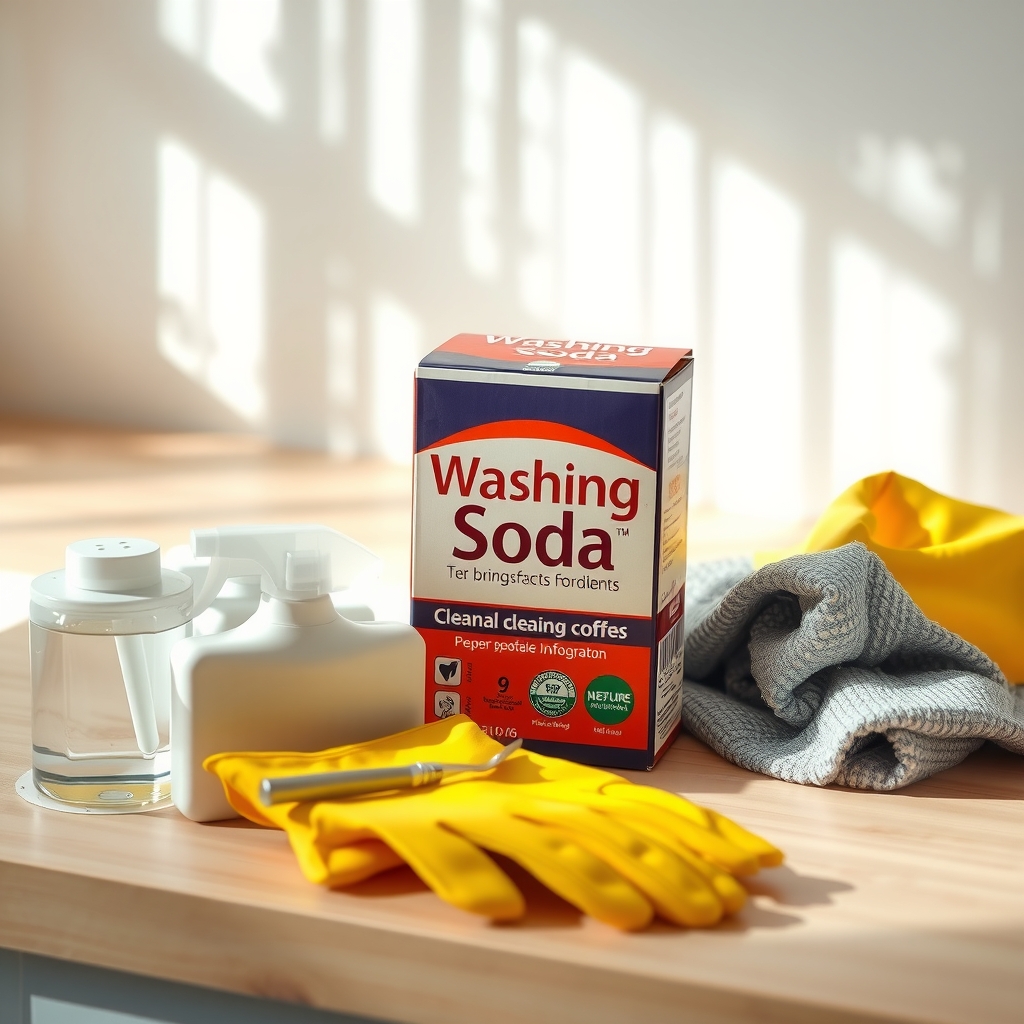
Limit washing soda during pregnancy, especially in the first trimester. Safe in small amounts for cleaning, but avoid skin contact or ingestion—experts explain
By Shubhra Mishra — a mom of two who turned her own confusion during pregnancy into BumpBites, a global mission to make food choices clear, safe, and stress-free for every expecting mother. 💛
Check whether any food is safe during pregnancy with the BumpBites Food Safety Checker.
Quick verdict: ⚠️ Washing soda is generally safe to use during pregnancy in small amounts for cleaning, but you should take precautions to avoid skin irritation, inhalation, or accidental ingestion. Always wear gloves, work in a well-ventilated area, and keep it out of reach of children. If you have sensitive skin or respiratory issues, consider safer alternatives like baking soda or vinegar.
You’re standing in the laundry aisle, staring at the box of washing soda, your mind racing: Is this safe to use now that I’m pregnant? Maybe you’ve already used it a few times and now you’re panicking. Or maybe you’re just trying to keep your home clean without putting your baby at risk. Take a deep breath—you’re not alone. Many expecting parents worry about the products they use daily, especially when it comes to cleaning.
So, is washing soda safe during pregnancy? The short answer is yes, but with some important caveats. Washing soda (sodium carbonate) is a powerful cleaner, but it’s also a strong alkaline substance that can irritate your skin, lungs, and digestive system. During pregnancy, your body is more sensitive to irritants, and what might have been a minor annoyance before could now cause discomfort or even harm. In this article, we’ll break down everything you need to know—how much is safe, which trimester matters most, what to watch out for, and safer alternatives if you’d rather skip it altogether.
We’ll also cover what to do if you’ve already used it, how to handle it safely, and when to call your doctor. By the end, you’ll have a clear, evidence-based answer so you can stop Googling at 11 pm and get back to nesting (or resting—no judgment here).
Washing Soda Safety During Pregnancy: Trimester Breakdown
Trimester
Verdict
Notes
First Trimester
⚠️ Safe with precautions
Avoid prolonged skin contact or inhalation. Organ development is most vulnerable during this time, so minimize exposure to strong chemicals.
Second Trimester
⚠️ Safe with precautions
Your skin may be more sensitive now. Wear gloves and work in a ventilated area to reduce irritation or respiratory discomfort.
Third Trimester
⚠️ Safe with precautions
Your respiratory system is under more strain, so avoid inhaling fumes. Stick to small amounts and rinse surfaces thoroughly.
Breastfeeding
⚠️ Safe with precautions
Washing soda isn’t known to pass into breast milk, but skin irritation or inhalation could still be an issue. Continue using gloves and ventilation.
What Is Washing Soda?
Washing soda, also called sodium carbonate (Na₂CO₃), is a white, powdery substance that’s a staple in many households for deep cleaning. Unlike baking soda (sodium bicarbonate), washing soda is much more alkaline, which makes it a powerful degreaser, stain remover, and laundry booster. You’ll often find it in the laundry aisle, but it’s also used for scrubbing sinks, unclogging drains, and even removing built-up grime from pots and pans.
Chemically, washing soda raises the pH of water, which helps break down grease, oils, and dirt. It’s also a water softener, which makes it great for laundry—especially if you have hard water. Many people mix it with vinegar or Castile soap to create homemade cleaning solutions. Brands like Arm & Hammer are common, but you can also find it in bulk or as a store-brand product.
While it’s effective, washing soda is not the same as baking soda. Baking soda is milder and often used in baking, personal care (like toothpaste or deodorant), and gentle cleaning. Washing soda, on the other hand, is much stronger and can be harsh on skin, fabrics, and surfaces if not used correctly. During pregnancy, this difference matters even more because your body is more sensitive to irritants.
Washing soda is a powerful cleaner, but always wear gloves to protect your skin—especially during pregnancy.
Is Washing Soda Safe During Pregnancy?
The good news is that washing soda is not classified as a teratogen (a substance known to cause birth defects) by major health authorities like the FDA, ACOG, or NHS. This means that, in general, using washing soda for cleaning is unlikely to harm your baby. However, that doesn’t mean it’s risk-free. The main concerns during pregnancy are:
Skin irritation: Washing soda is highly alkaline, which can dry out or irritate your skin. During pregnancy, your skin is often more sensitive, and conditions like eczema or dermatitis can flare up. Prolonged contact could lead to redness, itching, or even chemical burns in severe cases.
Inhalation: Breathing in washing soda dust or fumes can irritate your respiratory tract. Pregnancy already puts extra strain on your lungs (thanks to that growing baby!), so inhaling strong chemicals could make you cough, wheeze, or feel short of breath.
Accidental ingestion: While rare, swallowing washing soda can cause nausea, vomiting, or diarrhea. In large amounts, it could be harmful, though this is unlikely with normal cleaning use.
The American College of Obstetricians and Gynecologists (ACOG) doesn’t have a specific guideline on washing soda, but they do recommend that pregnant people minimize exposure to strong chemicals, especially those that can cause skin or respiratory irritation. The NHS echoes this advice, suggesting that pregnant women avoid unnecessary contact with harsh cleaning products when possible.
Most obstetricians agree that occasional, careful use of washing soda is fine, but if you’re using it frequently (like daily for deep cleaning), it’s worth considering safer alternatives. The key is to limit exposure—wear gloves, avoid inhaling the powder, and rinse surfaces thoroughly after cleaning.
Is Washing Soda Safe to Use During the First Trimester of Pregnancy?
The first trimester is a critical time for your baby’s development. During these first 12 weeks, your baby’s organs, brain, and spinal cord are forming, and this is when they’re most vulnerable to potential toxins. While washing soda isn’t known to cause birth defects, it’s still a good idea to minimize your exposure to strong chemicals during this time.
If you’re using washing soda for laundry or cleaning, take these precautions:
Wear gloves: This protects your skin from irritation and prevents absorption through your hands.
Work in a ventilated area: Open windows or turn on a fan to avoid inhaling dust or fumes.
Avoid mixing it with other chemicals: Never combine washing soda with vinegar, bleach, or ammonia—this can create harmful gases.
Rinse surfaces thoroughly: If you’re using washing soda to clean countertops, sinks, or floors, rinse them well with water afterward to remove any residue.
If you’ve already used washing soda a few times in your first trimester, don’t panic. The risk of harm is very low, especially if you took basic precautions. However, if you’re feeling anxious, this might be a good time to switch to a gentler cleaner for the rest of your pregnancy.
Can You Use Washing Soda in the Second or Third Trimester Without Risk?
By the second and third trimesters, your baby’s major organs are mostly developed, so the risk of birth defects from chemical exposure is much lower. However, that doesn’t mean you can throw caution to the wind. Your body is still more sensitive during pregnancy, and washing soda can still cause issues like:
Skin irritation: Your skin may be more prone to dryness or rashes, especially in the third trimester. Washing soda can exacerbate this.
Respiratory discomfort: As your baby grows, your lungs have less room to expand, which can make breathing in dust or fumes more uncomfortable.
Heartburn or nausea: The strong smell of washing soda (or any cleaning product) might trigger pregnancy-related nausea or acid reflux.
The same precautions apply in these trimesters as in the first: wear gloves, work in a ventilated area, and avoid mixing it with other chemicals. If you’re using washing soda for laundry, consider adding it to the washing machine yourself (rather than pouring it in by hand) to minimize dust inhalation.
One thing to keep in mind: if you’re experiencing pregnancy-related constipation, you might be tempted to use washing soda as a home remedy (some people mix it with water for this purpose). Do not do this. Washing soda is not safe to ingest, even in small amounts. Stick to pregnancy-safe laxatives or natural remedies like prune juice or fiber-rich foods.
How Much Washing Soda Is Safe to Use While Pregnant?
There’s no official "safe dosage" for washing soda during pregnancy because it’s not meant to be ingested or applied directly to your skin. However, for cleaning purposes, small amounts are generally fine as long as you’re taking precautions. Here’s a rough guide:
Safe Amounts of Washing Soda for Common Uses
Use
Safe Amount
Precautions
Laundry booster
½ cup per load
Add to the washing machine drum (not the detergent tray) to minimize dust. Wear gloves if handling the powder.
Stain remover
1-2 tbsp mixed with water
Apply with a cloth or sponge, then rinse thoroughly. Avoid scrubbing with bare hands.
Drain cleaner
½ cup mixed with boiling water
Pour slowly to avoid splashing. Wear gloves and eye protection.
All-purpose cleaner
1 tbsp mixed with 1 quart of water
Use a spray bottle and wipe surfaces with a damp cloth. Rinse well afterward.
If you’re using washing soda more than once a week, consider switching to a gentler alternative for some tasks. For example, you might use washing soda for tough laundry stains but opt for baking soda or vinegar for everyday cleaning.
What Are the Risks of Inhaling Washing Soda Fumes During Pregnancy?
Inhaling washing soda dust or fumes can irritate your nose, throat, and lungs. During pregnancy, your respiratory system is already working harder to supply oxygen to your baby, so inhaling strong chemicals can feel even more uncomfortable. Here’s what to watch out for:
Coughing or wheezing: Washing soda dust can trigger a cough or make it harder to breathe, especially if you have asthma or allergies.
Sore throat: The alkaline nature of washing soda can irritate your throat, leading to discomfort or hoarseness.
Shortness of breath: If you’re already feeling breathless (a common pregnancy symptom), inhaling fumes could make it worse.
Headache or dizziness: Strong chemical smells can sometimes cause headaches, especially if you’re sensitive to them.
To minimize these risks, always:
Use washing soda in a well-ventilated area (open windows, turn on fans).
Avoid pouring or scooping the powder in a way that creates dust. Instead, pour it slowly or mix it with water first.
Wear a mask or bandana over your nose and mouth if you’re sensitive to dust.
Keep the area humidified to reduce airborne particles (a bowl of water nearby can help).
If you accidentally inhale a large amount of washing soda dust and experience severe coughing, difficulty breathing, or chest pain, call your doctor or seek medical attention immediately. While rare, severe respiratory irritation can be dangerous during pregnancy.
Always open windows or turn on fans when cleaning during pregnancy to avoid inhaling fumes or dust.
Are There Pregnancy-Safe Alternatives to Washing Soda for Cleaning?
If you’re looking to avoid washing soda altogether, there are plenty of pregnancy-safe alternatives that are just as effective for cleaning. Here are some of the best options, along with what they’re best for:
Baking soda: A milder alkaline cleaner that’s safe for most surfaces. Great for scrubbing sinks, tubs, and ovens. Mix with water to form a paste for tough stains.
White vinegar: A natural disinfectant and deodorizer. Use it to clean glass, countertops, and floors. Mix with water (1:1 ratio) to dilute its acidity. Note: Don’t mix vinegar with bleach or hydrogen peroxide—it can create harmful gases.
Castile soap: A plant-based, non-toxic soap that’s safe for cleaning almost anything. Use it for floors, dishes, and even as a gentle hand soap. Brands like Dr. Bronner’s are popular.
Oxygen-based bleach (e.g., OxiClean): A safer alternative to chlorine bleach. It’s great for whitening laundry and removing stains. Follow package instructions for dilution.
Lemon juice: A natural bleach and deodorizer. Use it to remove hard water stains, clean cutting boards, or freshen up your garbage disposal.
Hydrogen peroxide (3%): A mild disinfectant that’s safe for cleaning countertops, sinks, and even produce. Store it in a dark bottle to prevent breakdown.
Eco-friendly laundry detergents: Brands like Seventh Generation, ECOS, and Molly’s Suds are free from harsh chemicals and fragrances. They’re gentle on sensitive skin and safe for pregnancy.
Soap nuts: A natural, plant-based laundry detergent that’s hypoallergenic and biodegradable. They’re especially great if you have allergies or sensitive skin.
Borax (in limited amounts): While borax is a natural mineral, it’s still a strong alkaline substance. If you choose to use it, limit exposure and wear gloves. Avoid it if you have sensitive skin.
For a simple all-purpose cleaner, try mixing equal parts water and white vinegar in a spray bottle, then adding a few drops of essential oil (like lemon or lavender) for scent. If you need something stronger, baking soda or Castile soap are great options. These alternatives are not only safe for pregnancy but also better for the environment and your overall health.
Is Arm & Hammer Washing Soda Safe During Pregnancy?
Arm & Hammer is one of the most popular brands of washing soda, and yes, it’s safe to use during pregnancy—as long as you follow the same precautions you would with any washing soda. The ingredients are the same as other brands: 100% sodium carbonate. There are no added fragrances, dyes, or harsh chemicals that would make it riskier than generic washing soda.
That said, Arm & Hammer washing soda is still a strong alkaline cleaner, so the same risks apply:
Skin irritation (wear gloves).
Respiratory irritation (avoid inhaling dust).
Eye irritation (avoid contact with eyes; wear goggles if needed).
If you’re using Arm & Hammer washing soda for laundry, the brand recommends adding ½ cup per load. For other cleaning tasks, follow the dilution guidelines on the package or the safe amounts listed earlier in this article.
One thing to note: Arm & Hammer also makes baking soda, which is a much gentler alternative. If you’re unsure about using washing soda, switching to baking soda for cleaning is a safe and effective option.
Can Washing Soda Cause Skin Irritation or Allergic Reactions in Pregnant Women?
Yes, washing soda can cause skin irritation or allergic reactions, and pregnancy can make you more susceptible to these issues. Here’s why:
Increased skin sensitivity: Hormonal changes during pregnancy can make your skin more prone to dryness, itching, or rashes. Washing soda’s high alkalinity can exacerbate this.
Eczema or dermatitis flare-ups: If you have a history of eczema or dermatitis, washing soda could trigger a flare-up.
Chemical burns: In rare cases, prolonged skin contact with washing soda can cause redness, blistering, or even chemical burns. This is more likely if your skin is already irritated or broken.
Signs of skin irritation from washing soda include:
Redness or rash.
Itching or burning sensation.
Dry, flaky, or cracked skin.
Blisters or swelling (in severe cases).
If you notice any of these symptoms, stop using washing soda immediately and wash the affected area with plenty of water. Apply a gentle moisturizer or aloe vera gel to soothe your skin. If the irritation is severe or doesn’t improve within a day or two, contact your healthcare provider.
To prevent skin irritation, always wear gloves when handling washing soda, and avoid using it on your skin (e.g., as a scrub or deodorant). If you’re using it for laundry, consider adding it to the washing machine yourself rather than pouring it in by hand to minimize contact.
Is Washing Soda Safe for Laundry If I Have Sensitive Skin During Pregnancy?
If you have sensitive skin during pregnancy, washing soda can be a bit of a double-edged sword. On one hand, it’s great for removing tough stains and softening hard water, which can make your laundry feel cleaner. On the other hand, its high alkalinity can irritate your skin, especially if you’re already dealing with dryness, eczema, or rashes.
Here’s how to use washing soda safely for laundry if you have sensitive skin:
Limit the amount: Use no more than ½ cup per load, and avoid using it in every wash. For example, you might use it for whites or heavily soiled clothes but skip it for everyday loads.
Add it to the drum: Instead of pouring washing soda into the detergent tray (where it can sit in direct contact with your clothes), add it directly to the washing machine drum. This helps it dissolve more evenly and reduces residue on your clothes.
Rinse thoroughly: Use an extra rinse cycle to ensure all traces of washing soda are removed from your clothes.
Wear gloves: If you’re handling washing soda powder, wear gloves to protect your skin.
Patch test: If you’re trying washing soda for the first time during pregnancy, do a patch test first. Dissolve a small amount in water and apply it to a small area of your skin (like your inner arm). Wait 24 hours to see if you have a reaction.
If you find that washing soda is still irritating your skin, switch to a fragrance-free, hypoallergenic laundry detergent like Seventh Generation Free & Clear or ECOS Magnolia & Lily. These are formulated for sensitive skin and are safe to use during pregnancy. You can also add a ½ cup of white vinegar to the rinse cycle to help remove detergent residue and soften your clothes naturally.
What Precautions Should I Take When Using Washing Soda While Pregnant?
Using washing soda safely during pregnancy is all about minimizing exposure and protecting yourself from irritation. Here’s a checklist of precautions to follow every time you use it:
Wear gloves: Always wear rubber or nitrile gloves when handling washing soda to protect your skin from irritation. If you’re using it for laundry, wear gloves when measuring or pouring the powder.
Work in a ventilated area: Open windows or turn on fans to avoid inhaling dust or fumes. If you’re cleaning in a small space (like a bathroom), consider wearing a mask or bandana over your nose and mouth.
Avoid mixing with other chemicals: Never combine washing soda with vinegar, bleach, ammonia, or other cleaning products. Mixing chemicals can create harmful gases or reactions.
Rinse surfaces thoroughly: After using washing soda to clean countertops, sinks, or floors, rinse the area with water to remove any residue. This is especially important if you’re preparing food on the surface later.
Store it safely: Keep washing soda in a sealed container, out of reach of children and pets. Label it clearly to avoid accidental ingestion.
Avoid skin contact: If washing soda gets on your skin, rinse it off immediately with plenty of water. Don’t use it as a scrub or deodorant—it’s too harsh for direct skin application.
Don’t ingest it: Washing soda is not safe to eat or drink. If you’re looking for a natural remedy for heartburn or constipation, talk to your doctor about pregnancy-safe options.
Limit frequency: If you’re using washing soda regularly (e.g., daily or weekly), consider switching to a gentler alternative for some tasks. For example, use washing soda for tough stains but opt for baking soda or vinegar for everyday cleaning.
Wear eye protection: If you’re using washing soda for tasks like unclogging drains or scrubbing tough stains, wear safety goggles to protect your eyes from splashes.
Listen to your body: If you start to feel dizzy, nauseous, or short of breath while using washing soda, stop immediately and move to a well-ventilated area. If symptoms persist, call your doctor.
By following these precautions, you can minimize the risks of using washing soda during pregnancy while still enjoying its cleaning power. If you’re ever unsure, err on the side of caution and choose a gentler alternative.
Pregnancy Safety of Common Household Cleaners: At a Glance
Cleaner
Verdict
Notes
Bleach
❌ Best avoided
Can irritate skin and lungs. If used, dilute heavily and ventilate well. Never mix with ammonia or vinegar.
Ammonia
❌ Best avoided
Strong fumes can cause respiratory irritation. Avoid mixing with bleach or other chemicals.
Dishwasher detergent
⚠️ Safe with precautions
Generally safe for its intended use, but avoid skin contact. Choose fragrance-free options if you have sensitivities.
Some contain strong fragrances or chemicals that can irritate sensitive skin. Use sparingly or opt for wool dryer balls.
All-purpose cleaners
⚠️ Safe with precautions
Choose non-toxic, pregnancy-safe brands (e.g., Branch Basics, Mrs. Meyer’s). Avoid those with strong fumes or harsh chemicals.
Oven cleaners
❌ Best avoided
Often contain lye or other harsh chemicals. Use baking soda and vinegar instead for a safer clean.
Disinfectant sprays
⚠️ Safe with precautions
Choose alcohol-based or hydrogen peroxide-based sprays. Avoid those with strong fumes or synthetic fragrances.
Mold and mildew removers
⚠️ Safe with precautions
Some contain bleach or other harsh chemicals. Opt for vinegar or hydrogen peroxide-based solutions.
Drain cleaners
❌ Best avoided
Often contain lye or sulfuric acid. Use a drain snake or baking soda/vinegar instead.
Myth vs. Fact
Myth: Washing soda is the same as baking soda, so it’s completely safe to use during pregnancy.
Fact: While washing soda and baking soda are related, they’re not the same. Washing soda (sodium carbonate) is much more alkaline and can irritate your skin, lungs, and digestive system. Baking soda (sodium bicarbonate) is milder and safer for a wider range of uses during pregnancy. Always check the label to make sure you’re using the right product.
Myth: If washing soda is safe for cleaning, it’s also safe to use as a home remedy for heartburn or constipation during pregnancy.
Fact: Washing soda is not safe to ingest, even in small amounts. Swallowing it can cause nausea, vomiting, or diarrhea, and in large quantities, it could be harmful. If you’re dealing with heartburn or constipation, talk to your doctor about pregnancy-safe remedies like antacids or fiber supplements.
Myth: You don’t need to take precautions when using washing soda because it’s a "natural" cleaner.
Fact: Just because something is natural doesn’t mean it’s harmless. Washing soda is a strong alkaline substance that can cause skin irritation, respiratory discomfort, and other issues—especially during pregnancy. Always wear gloves, work in a ventilated area, and avoid mixing it with other chemicals.
Key Takeaways
Washing soda is generally safe to use during pregnancy for cleaning, but you should take precautions to avoid skin irritation, inhalation, or accidental ingestion.
Always wear gloves, work in a well-ventilated area, and avoid mixing washing soda with other chemicals. These steps help minimize risks to you and your baby.
The first trimester is the most critical time to limit exposure to strong chemicals, but precautions are important throughout pregnancy. Your skin and respiratory system are more sensitive now, so even mild irritants can cause discomfort.
Safe amounts of washing soda vary by use: For laundry, limit it to ½ cup per load. For other cleaning tasks, use no more than 1-2 tablespoons mixed with water.
If you have sensitive skin or respiratory issues, consider safer alternatives like baking soda, vinegar, or eco-friendly laundry detergents. These are just as effective and gentler on your body.
If you experience skin irritation, respiratory discomfort, or other symptoms after using washing soda, stop using it and contact your doctor if symptoms persist. It’s always better to err on the side of caution.
Frequently Asked Questions
Can washing soda harm my baby during pregnancy?
No, washing soda is not known to harm your baby during pregnancy when used correctly for cleaning. It’s not a teratogen (a substance that causes birth defects), so occasional, careful use is unlikely to pose a risk. However, inhaling large amounts of dust or getting it on your skin could cause irritation or discomfort for you, which is why precautions are important.
Is it safe to touch washing soda while pregnant?
Yes, it’s safe to touch washing soda while pregnant, but you should wear gloves to protect your skin. Washing soda is highly alkaline and can cause dryness, redness, or irritation, especially if you have sensitive skin. If you do get it on your skin, rinse it off immediately with plenty of water.
What happens if I accidentally swallow washing soda while pregnant?
If you accidentally swallow a small amount of washing soda, you’ll likely experience nausea, vomiting, or diarrhea. While this is unpleasant, it’s unlikely to harm your baby. However, swallowing large amounts could be dangerous. If you or someone else ingests washing soda, call Poison Control (1-800-222-1222 in the U.S.) or seek medical attention immediately.
Can washing soda cause miscarriage or birth defects?
No, washing soda is not known to cause miscarriage or birth defects. It’s not classified as a teratogen, and there’s no evidence linking it to pregnancy loss or developmental issues. However, as with any strong chemical, it’s best to minimize exposure and use it safely.
Is washing soda the same as baking soda for cleaning during pregnancy?
No, washing soda and baking soda are not the same, though they’re related. Washing soda (sodium carbonate) is much more alkaline and stronger, making it better for tough cleaning tasks but also more likely to irritate your skin or lungs. Baking soda (sodium bicarbonate) is milder and safer for a wider range of uses during pregnancy, including gentle cleaning and personal care.
How do I safely use washing soda for laundry when pregnant?
To safely use washing soda for laundry during pregnancy, follow these steps: Wear gloves when handling the powder, add no more than ½ cup per load, and pour it directly into the washing machine drum (not the detergent tray). Use an extra rinse cycle to remove residue, and avoid using it in every wash if you have sensitive skin.
Are there any natural alternatives to washing soda for cleaning?
Yes, there are several natural alternatives to washing soda that are safe for pregnancy: Baking soda, white vinegar, Castile soap, lemon juice, and hydrogen peroxide are all effective and gentler on your skin and lungs. You can also use eco-friendly laundry detergents like Seventh Generation or ECOS for
Not sure about the label on Is Washing Soda Safe During Pregnancy products?
Snap the ingredients list and SafeFilter checks every ingredient for your stage — only 3 free scans this month, then you're locked until reset. Unlimited from $7/mo or $50/yr.
When Shubhra Mishra was expecting her first child in 2016, she was overwhelmed by conflicting food advice — one site said yes, another said never. By the time her second baby arrived in 2019, she realized millions of mothers face the same confusion.
That sparked a five-year journey through clinical nutrition papers, cultural diets, and expert conversations — all leading to BumpBites: a calm, compassionate space where science meets everyday motherhood.
Her long-term vision is to build a global community ensuring safe, supported, and free deliveriesfor every mother — because no woman should face pregnancy alone or uninformed. 🌿
🌍 Stand with mothers, shape safer guidance
Join a small circle of experts who review BumpBites articles so expecting parents everywhere can decide with confidence.