Venlafaxine (Effexor) during pregnancy: **Safe in limited doses** (consult your doctor first). Learn risks, trimesters, and alternatives for mental health
By Shubhra Mishra — a mom of two who turned her own confusion during pregnancy into BumpBites, a global mission to make food choices clear, safe, and stress-free for every expecting mother. 💛
Check whether any food is safe during pregnancy with the BumpBites Food Safety Checker.
Quick verdict: ⚠️ Venlafaxine (Effexor) is generally not recommended during pregnancy unless the benefits clearly outweigh the risks, as it belongs to the FDA Pregnancy Category C and may increase the risk of complications like preterm birth or low birth weight. If you're taking it, work closely with your provider to monitor your baby's growth and discuss safer alternatives.
You’re scrolling through your phone at 2 am, heart pounding, when the search bar glows with your question: is venlafaxine effexor safe during pregnancy? Maybe you just found out you’re pregnant and realized you’ve been taking Effexor for months. Or perhaps you’re deciding whether to start it now that you’re trying to conceive. Either way, the answer isn’t simple—it’s a delicate balance between managing your mental health and protecting your baby’s development. The good news? You’re not alone. Millions of pregnant women and providers navigate this exact dilemma every year, and the guidelines have evolved to give clearer answers.
Here’s what you need to know: Venlafaxine (sold as Effexor, Effexor XR, and generic versions) is not the first-choice antidepressant for pregnancy, but it’s not automatically banned either. The American College of Obstetricians and Gynecologists (ACOG) and the FDA categorize it as Pregnancy Category C, meaning animal studies show risks, but human data is limited. Recent research—including studies published in JAMA Psychiatry and the British Journal of Psychiatry—suggests venlafaxine may increase the risk of preterm birth, low birth weight, and neonatal complications, though the absolute risk remains low for most women. The key is individualized decision-making with your provider, weighing your depression’s severity against these potential risks.
This article breaks down exactly when and how venlafaxine is considered safe (or not), what dosages to avoid, safer alternatives, and what to watch for in each trimester. We’ll also address the questions that keep pregnant women up at night—like whether you can switch brands, how venlafaxine affects fetal development, and what side effects demand immediate attention. By the end, you’ll know whether to stop, stay, or switch—and how to talk to your doctor about your options.
Let’s start with the most critical question: how safe is venlafaxine during pregnancy, really?
---
Time in Pregnancy
Safety Verdict
Key Notes
First Trimester
⚠️ Use with caution
Higher risk of organogenesis disruption (birth defects) due to venlafaxine’s mechanism. ACOG recommends avoiding if possible unless depression is severe or treatment-resistant.
Second Trimester
⚠️ Limited safety data
Some studies link venlafaxine to preterm birth and low birth weight. Monitor fetal growth closely.
Third Trimester
⚠️ Higher risk of neonatal complications
May cause withdrawal symptoms or respiratory distress in newborns. Tapering may be recommended.
Breastfeeding
⚠️ Use with caution
Small amounts pass into breast milk. Monitor baby for irritability or feeding issues. Safer alternatives exist.
---
What is Venlafaxine (Effexor)?
Venlafaxine, sold under the brand name Effexor (including the extended-release version, Effexor XR), is a serotonin-norepinephrine reuptake inhibitor (SNRI)—a type of antidepressant that boosts two key brain chemicals: serotonin and norepinephrine. Unlike selective serotonin reuptake inhibitors (SSRIs) like Prozac or Zoloft, venlafaxine also affects norepinephrine, which can make it more effective for conditions like chronic pain, anxiety, or treatment-resistant depression.
Doctors prescribe venlafaxine for:
Major depressive disorder (MDD) when SSRIs haven’t worked
Generalized anxiety disorder (GAD)
Social anxiety disorder
Neuropathic pain (e.g., diabetic neuropathy)
It comes in immediate-release (IR) and extended-release (XR) forms, with doses ranging from 37.5 mg to 225 mg daily. Many women start on 37.5–75 mg/day and adjust based on response. While venlafaxine can be highly effective for some, its black-box warning for increased suicide risk in young adults—and its potential teratogenic effects—make pregnancy a complicated scenario.
If you’re taking venlafaxine for chronic pain or anxiety, you may wonder how it differs from SSRIs. The short answer? Venlafaxine is stronger and faster-acting but also carries more risks during pregnancy. For pain management, non-pharmacological options like physical therapy or acupuncture are often recommended first—though we’ll cover safer medication alternatives later.
---
Is venlafaxine effexor safe during pregnancy?
T
he answer depends on three critical factors:
Your mental health history: If you’ve had severe depression or anxiety in the past, the risks of untreated mood disorders often outweigh the risks of venlafaxine.
Your current dose: Higher doses (e.g., 150 mg+) are associated with more complications than lower doses.
Your provider’s guidance: No two pregnancies are the same, and your doctor will consider your baby’s growth, your symptoms, and alternative treatments.
The FDA categorizes venlafaxine as Pregnancy Category C, meaning:
Animal studies show adverse effects, but human data is insufficient. It’s not proven safe but also not automatically banned—the decision is case-by-case.
Recent studies—including a 2022 meta-analysis in JAMA Psychiatry—found that women taking venlafaxine during pregnancy had:
A 1.5x higher risk of preterm birth (<28 weeks)
A 1.3x higher risk of low birth weight (<2,500 grams)
A slightly increased risk of neonatal intensive care unit (NICU) admission
Possible withdrawal symptoms in newborns (irritability, feeding difficulties)
“Venlafaxine should be avoided in pregnancy unless the benefits clearly outweigh the risks.” If you’re already taking it, do not stop abruptly—tapering under medical supervision is safer.
Many women wonder: “Is venlafaxine safer than other antidepressants?” The answer is no. SSRIs like sertraline (Zoloft) or escitalopram (Lexapro) are generally considered safer first-line options during pregnancy, with less evidence of fetal harm. But if you’ve tried SSRIs and they haven’t worked, venlafaxine may still be an option—with close monitoring.
If you’re planning a pregnancy and taking venlafaxine, the FDA and ACOG recommend:
“Switch to a safer antidepressant 3–6 months before conception, if possible.” This reduces exposure during the critical first trimester when organ development is most vulnerable.
---
Is venlafaxine effexor safe in the first trimester?
The first trimester (weeks 1–12) is the most critical window for fetal development, as your baby’s major organs—like the heart, brain, and spine—are forming. This is why venlafaxine is strongly discouraged early in pregnancy, unless:
Your depression is severe or treatment-resistant
You’ve tried and failed safer alternatives like therapy or SSRIs
Your provider weighs the risks and determines the benefits clearly outweigh them
The biggest concern in the first trimester is organogenesis disruption—the process where organs develop. While no definitive link has been proven between venlafaxine and birth defects, animal studies show it may interfere with neural tube formation (which can lead to spina bifida). Human data is limited but concerning:
A 2020 study in Reproductive Toxicology found a 1.2x higher risk of congenital anomalies in babies exposed to venlafaxine in the first trimester.
The UK’s National Birth Defects Study reported no increased risk of major birth defects, but higher rates of preterm birth.
If you already took venlafaxine before realizing you were pregnant in the first trimester, don’t panic. Most experts agree that:
“A single exposure in early pregnancy is unlikely to cause harm.” The risk increases with prolonged use or high doses.
What should you do now?
Schedule a prenatal visit to confirm your baby’s development.
Discuss tapering with your psychiatrist—abrupt withdrawal can worsen depression.
Explore safer alternatives like citalopram (Celexa) or fluoxetine (Prozac), which have better safety profiles.
---
What is the recommended dosage of Venlafaxine (Effexor) during pregnancy?
There is no universally recommended dosage for venlafaxine during pregnancy—every woman’s dose is individualized. However, lower doses are generally preferred to minimize risks:
Dosage Range
Safety Consideration
Notes
37.5–75 mg/day
⚠️ Preferred if effective
Lowest dose that controls symptoms. Monitor fetal growth closely.
75–150 mg/day
⚠️ Use with caution
Higher risk of preterm birth. Consider alternatives if possible.
150 mg+/day
❌ Avoid if possible
Strongest link to complications. Tapering may be recommended.
Key points:
Extended-release (XR) is preferred over immediate-release (IR) to reduce peak blood levels and potential fetal exposure.
Do not crush or chew XR tablets—this can cause a rapid release of medication and increase risks.
If you’re breastfeeding, venlafaxine passes into milk in small amounts. The ACOG recommends monitoring your baby for irritability, poor feeding, or excessive sleepiness.
If you’re starting venlafaxine during pregnancy, your provider may:
Start at 37.5 mg/day and titrate slowly.
Use open-label dosing (no strict protocol—just what works for you).
Recommend weekly ultrasounds to monitor fetal growth.
---
What are the risks of using Venlafaxine (Effexor) in the second trimester?
The second trimester (weeks 13–26) is often called the “honeymoon phase” of pregnancy—nausea eases, energy returns, and many women feel better physically. But for those on venlafaxine, this is also when fetal risks become more pronounced:
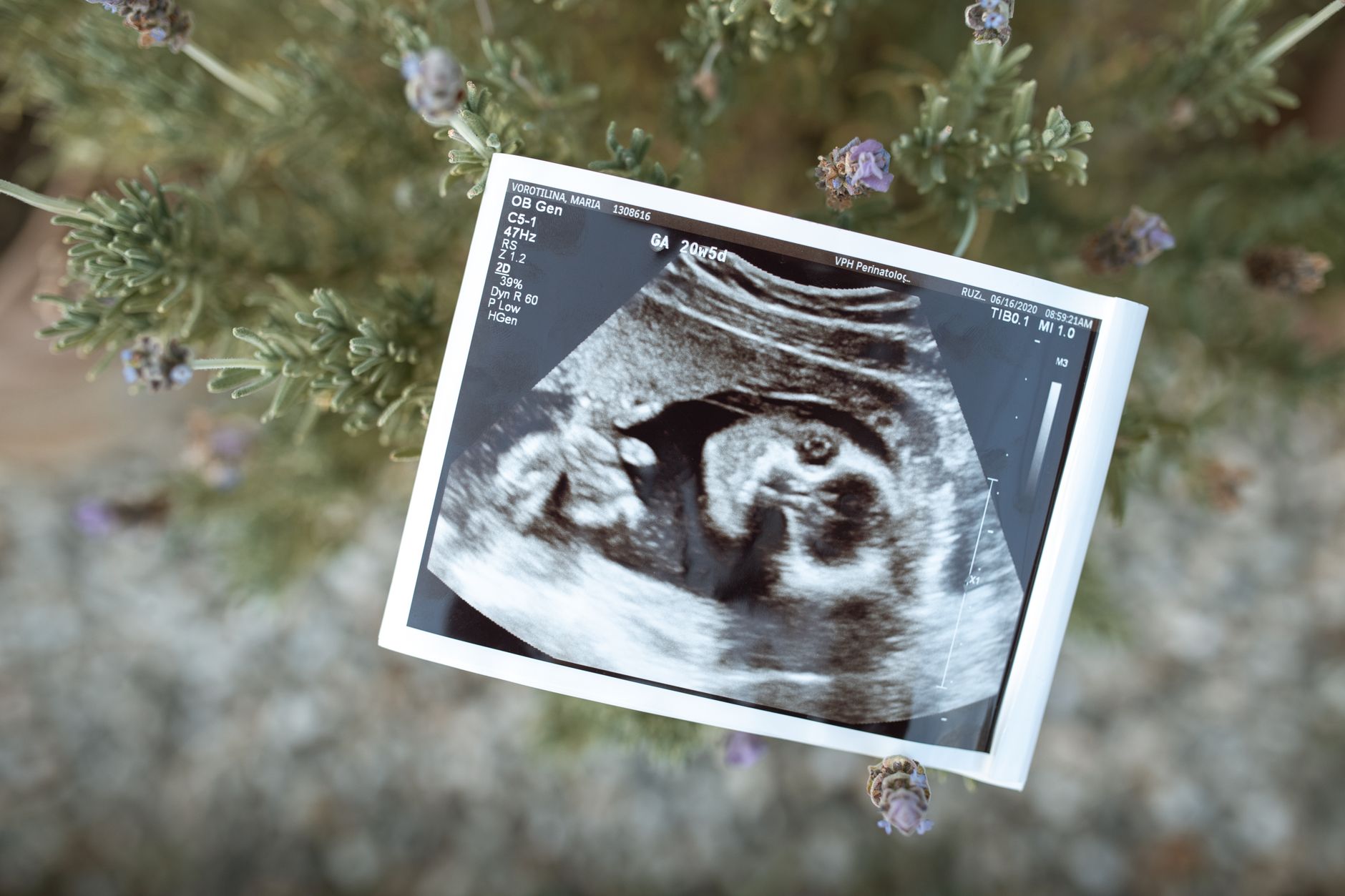
Fetal growth monitoring is critical when taking venlafaxine in the second trimester.
The main risks in this trimester include:
Preterm birth (<37 weeks): Some studies link venlafaxine to a 1.5–2x higher risk, though the absolute risk is still low (5–10%).
Low birth weight (<2,500 grams): Babies may weigh less, which can complicate newborn care.
Neonatal adaptation syndrome: Newborns may experience jitteriness, feeding difficulties, or respiratory distress due to withdrawal from venlafaxine.
Placental abnormalities: Rare cases of placental insufficiency have been reported.
What can you do to minimize risks?
Attend all prenatal appointments—your provider will track your baby’s growth with ultrasounds and growth charts.
Avoid high doses—stick to 75 mg/day or less if possible.
Consider switching to an SSRI like sertraline or escitalopram if your symptoms are manageable.
Discuss tapering if you’re concerned—gradual reduction is safer than stopping cold turkey.
If you’re taking venlafaxine for chronic pain, ask your provider about non-pharmacological options like:
Physical therapy
Acupuncture
Cognitive behavioral therapy (CBT)
Topical pain relievers (e.g., lidocaine patches)
---
Are there safer antidepressants than Venlafaxine (Effexor) for pregnant women?
Yes! While venlafaxine is effective for some, SSRIs are generally considered safer during pregnancy—especially sertraline (Zoloft), escitalopram (Lexapro), and fluoxetine (Prozac). The ACOG and NICE rank these as first-line choices because:
Better safety data with no increased risk of birth defects.
Lower risk of preterm birth compared to venlafaxine.
Easier to taper if you need to stop during pregnancy.
Here’s a quick comparison of safer alternatives:
---
Safer alternatives to Venlafaxine (Effexor)
If you’re looking to switch, these antidepressants are generally considered safer during pregnancy (consult your provider before changing medications):
Sertraline (Zoloft) – One of the most studied and safest SSRIs for pregnancy, with no increased risk of birth defects.
Escitalopram (Lexapro) – Metabolized more slowly, so lower doses may be effective with fewer side effects.
Fluoxetine (Prozac) – Long half-life means steady levels in your system, which can be helpful for consistency.
Citalopram (Celexa) – Generally safe, but doses over 40 mg/day are not recommended due to heart rhythm risks.
Bupropion (Wellbutrin) – Not an SSRI or SNRI, so it may be an option if you’ve tried others—though it’s linked to a slightly higher risk of preterm birth.
Mirtazapine (Remeron) – Can help with sleep and appetite, but may cause weight gain and has less evidence for pregnancy safety.
Non-pharmacological options:
Cognitive Behavioral Therapy (CBT) – Highly effective for depression and anxiety.
Mindfulness and meditation – Reduces stress hormones naturally.
Exercise (walking, yoga, swimming) – Boosts serotonin and endorphins.
If you’re already on venlafaxine and want to switch, your provider may recommend:
Gradual tapering (over 4–6 weeks) to avoid withdrawal.
Starting the new medication at a low dose and slowly increasing.
Monitoring for 2–4 weeks to ensure the new med controls your symptoms.
---
Can I take the brand name Effexor XR while pregnant?
The brand name Effexor XR (extended-release venlafaxine) is not inherently safer or riskier than generic venlafaxine—it’s the same active ingredient with a controlled-release mechanism to reduce side effects. However, there are a few key considerations:
Effexor XR is the extended-release version of venlafaxine—here’s what you need to know about taking it during pregnancy.
Key points about Effexor XR:
Extended-release means slower absorption
Reduces peak blood levels (which may lower fetal exposure).
Fewer side effects like nausea or dizziness.
Do not crush, chew, or break the tablets
This can cause a rapid release of medication, increasing risks.
If you have trouble swallowing, ask your provider about liquid or dissolving forms.
Generic venlafaxine XR is equally safe
No difference in efficacy or safety compared to brand-name Effexor XR.
Cost savings can make generics a practical choice.
If you’re switching from immediate-release (IR) to XR
Your provider may adjust your dose—XR is not a direct swap.
Start with a lower dose and monitor for side effects.
If you’re planning to switch brands, talk to your psychiatrist first—some women experience withdrawal-like symptoms when changing formulations abruptly.
---
How does Venlafaxine (Effexor) affect fetal development?
Venlafaxine’s mechanism—blocking serotonin and norepinephrine reuptake—can indirectly affect fetal development in a few ways:
Neural Development
Animal studies suggest venlafaxine may disrupt serotonin pathways in the developing brain.
Human data is limited but suggests no clear link to autism or ADHD—though more research is needed.
Placental Blood Flow
Some evidence links venlafaxine to reduced placental perfusion, which could limit nutrient and oxygen delivery to the baby.
This may contribute to low birth weight or preterm birth.
Neonatal Adaptation
Babies exposed to venlafaxine in utero may experience withdrawal symptoms after birth, such as:
Irritability or excessive crying
Poor feeding or difficulty latching
Tremors or jitteriness
Respiratory distress (rare)
Long-Term Effects?
Most studies do not show increased risk of developmental delays.
However, large-scale longitudinal studies are still ongoing.
If you’re concerned about fetal exposure, ask your provider about:
Amniocentesis or non-invasive prenatal testing (NIPT) to monitor fetal health.
Weekly ultrasounds to track growth and placental function.
Blood tests for markers of preterm labor (e.g., fibronectin).
Remember: most babies born to mothers on venlafaxine are healthy. The risks are relative—they depend on your dose, duration of use, and overall health.
---
Are there alternative treatments for depression during pregnancy instead of Venlafaxine (Effexor)?
If you’re wanting to avoid venlafaxine or switch to a safer option, there are many effective alternatives—both medication-based and non-pharmacological. The best choice depends on your symptoms, medical history, and personal preferences. Here’s a breakdown:
Non-pharmacological options like yoga, therapy, and mindfulness can be powerful alternatives to venlafaxine.
Non-Pharmacological Options:
Cognitive Behavioral Therapy (CBT) – One of the most evidence-backed treatments for depression and anxiety. Many studies show it’s as effective as low-dose antidepressants for mild-to-moderate symptoms.
Mindfulness and Meditation – Reduces cortisol (stress hormone) levels and improves mood. Apps like Headspace or Calm offer pregnancy-safe programs.
Exercise (Walking, Swimming, Yoga) – Boosts serotonin and endorphins naturally. Even 20–30 minutes daily can improve mood.
Support Groups – Connecting with other pregnant women reduces feelings of isolation. Many hospitals and online communities offer prenatal support groups.
Acupuncture – Some women find relief from anxiety and depression symptoms. Look for licensed practitioners with experience in pregnancy.
Pharmacological Alternatives:
If therapy isn’t enough, these safer antidepressants are often recommended:
Sertraline (Zoloft) – One of the most studied and safest SSRIs for pregnancy.
Escitalopram (Lexapro) – Metabolized more slowly, so lower doses may work with fewer side effects.
Fluoxetine (Prozac) – Long half-life means steady levels, which can be helpful for consistency.
Bupropion (Wellbutrin) – Not an SSRI, so it may be an option if you’ve tried others—though it’s linked to a slightly higher risk of preterm birth.
Mirtazapine (Remeron) – Can help with sleep and appetite, but may cause weight gain.
If you’re considering stopping venlafaxine, your provider may recommend:
A slow taper (over 4–6 weeks) to avoid withdrawal symptoms.
Starting a new medication at a low dose and gradually increasing.
Monitoring for 2–4 weeks to ensure the new med controls your symptoms.
If you’re not ready to take medication, many women find relief through:
Prenatal yoga or tai chi (gentle movement + breathing)
Journaling or creative outlets (art, music, writing)
Prenatal massage or chiropractic care (with a pregnancy-certified provider)
Diet and supplements (e.g., omega-3s, magnesium, or folate—though always check with your provider before adding supplements).
---
What side effects should pregnant patients watch for when taking Venlafaxine (Effexor)?
Venlafaxine can cause side effects in both the mother and baby. While some are annoying but harmless, others demand immediate medical attention. Here’s what to watch for:
Common (but usually harmless) side effects:
Nausea or vomiting (especially when starting or increasing the dose)
Headaches or dizziness (often improves after a few weeks)
Insomnia or vivid dreams (take the medication in the morning)
Dry mouth or sweating
Increased heart rate or blood pressure (monitor with regular check-ups)
Sexual dysfunction (e.g., low libido, difficulty orgasming)
Serious side effects (call your doctor immediately if you experience):
Signs of preterm labor (regular contractions, pelvic pressure, back pain, water breaking)
Not sure about the label on Is Venlafaxine Effexor Safe During Pregnancy products?
Snap the ingredients list and SafeFilter checks every ingredient for your stage — only 3 free scans this month, then you're locked until reset. Unlimited from $7/mo or $50/yr.
When Shubhra Mishra was expecting her first child in 2016, she was overwhelmed by conflicting food advice — one site said yes, another said never. By the time her second baby arrived in 2019, she realized millions of mothers face the same confusion.
That sparked a five-year journey through clinical nutrition papers, cultural diets, and expert conversations — all leading to BumpBites: a calm, compassionate space where science meets everyday motherhood.
Her long-term vision is to build a global community ensuring safe, supported, and free deliveriesfor every mother — because no woman should face pregnancy alone or uninformed. 🌿
🌍 Stand with mothers, shape safer guidance
Join a small circle of experts who review BumpBites articles so expecting parents everywhere can decide with confidence.