Avoid superglue cyanoacrylate during pregnancy, especially in the first trimester. Learn safe alternatives and risks of exposure to fumes and skin contact.
By Shubhra Mishra — a mom of two who turned her own confusion during pregnancy into BumpBites, a global mission to make food choices clear, safe, and stress-free for every expecting mother. 💛
Check whether any food is safe during pregnancy with the BumpBites Food Safety Checker.
Quick verdict: ❌ Best avoided. Superglue (cyanoacrylate) isn’t considered safe during pregnancy due to potential risks from fumes, skin absorption, and accidental ingestion. While small, one-time exposure is unlikely to harm your baby, it’s best to choose pregnancy-safe alternatives for any repairs or crafts.
You’re halfway through fixing your toddler’s favorite toy when it hits you: the strong smell of superglue filling the room. Or maybe you just patched up a loose sole on your shoe and now your fingers are sticky with residue. If you’re pregnant, that moment of realization can turn into full-blown panic. Is superglue cyanoacrylate safe during pregnancy? What if you already inhaled the fumes? What if a tiny bit got on your skin?
Take a deep breath. We’ve got you. In this guide, we’ll walk through what the science actually says about superglue and pregnancy, whether it matters which trimester you’re in, what to do if you’ve already been exposed, and—most importantly—what safer glues you can use instead. You’re not alone in this worry, and by the end, you’ll know exactly what to do (and what to avoid).
Superglue (cyanoacrylate) safety during pregnancy at a glance
Stage
Verdict
Notes
First trimester
❌ Avoid
Highest risk period for chemical exposure. Even small amounts of fumes or skin contact may pose risks.
Second trimester
❌ Avoid
While the risk of birth defects decreases, fumes and skin absorption can still affect your health and baby’s development.
Third trimester
❌ Avoid
Exposure can still cause respiratory irritation and stress, which isn’t ideal as you near delivery.
Breastfeeding
⚠️ Use with caution
Avoid direct skin contact. Fumes should be minimized, but small, occasional use in well-ventilated areas is less risky.
What is superglue (cyanoacrylate)?
Superglue is the go-to adhesive for quick fixes—broken ceramics, loose shoe soles, even minor household repairs. Its active ingredient, cyanoacrylate, is a fast-acting, strong-bonding chemical that hardens almost instantly when exposed to moisture (even the tiny amount in the air). That’s why it works so well—and also why it can be tricky to use safely.
Cyanoacrylate glues (like Krazy Glue, Loctite Super Glue, and Gorilla Super Glue) are part of a family of adhesives called instant adhesives. They’re not the same as wood glue, school glue, or epoxy, which have different chemical compositions and safety profiles. Superglue’s strength comes from its ability to create a tight, durable bond in seconds, but that same reaction releases fumes and heat, which can be irritating—or worse—if you’re pregnant.
You might also encounter cyanoacrylate in other products, like nail glue for press-on nails or even some medical adhesives. The risks are similar across all cyanoacrylate-based products, so the same precautions apply.
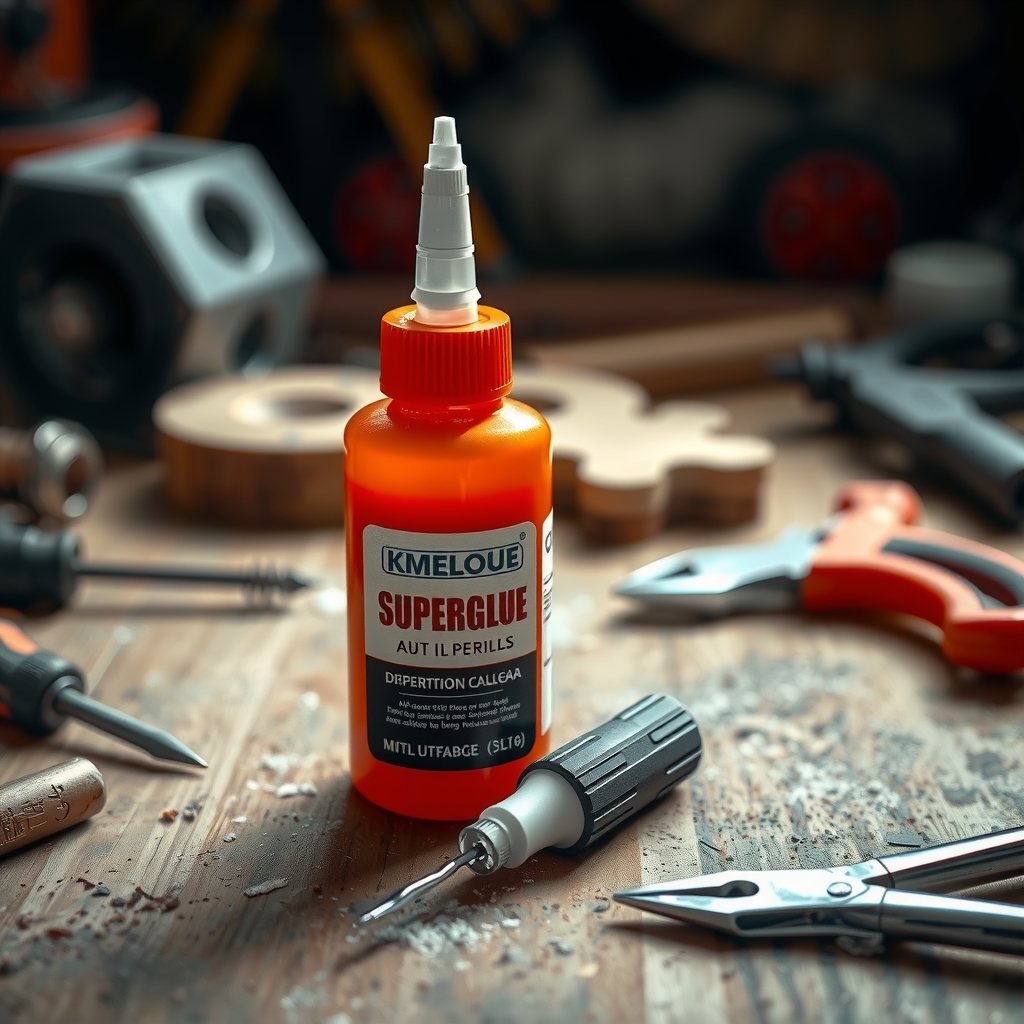
Superglue is a household staple for quick fixes, but its strong fumes and chemical composition make it a concern during pregnancy.
Is it safe to use superglue (cyanoacrylate) during pregnancy?
The short answer: no, superglue isn’t considered safe during pregnancy. Here’s why:
Cyanoacrylate glues release fumes as they cure, and those fumes contain chemicals that can irritate your respiratory system. When you’re pregnant, your body is already working overtime, and your immune system is more sensitive. Inhaling these fumes can cause headaches, dizziness, nausea, or even breathing difficulties—none of which you want to deal with while growing a baby. The NHS and ACOG both recommend minimizing exposure to strong chemical fumes during pregnancy, especially in the first trimester when your baby’s organs are developing.
But it’s not just the fumes. Superglue can also be absorbed through your skin. While the amount absorbed is usually small, cyanoacrylate is a chemical that hasn’t been extensively studied for safety during pregnancy. The FDA classifies cyanoacrylate as a medical adhesive for external use only, but that classification doesn’t account for the risks of repeated or accidental exposure during pregnancy. Most obstetricians err on the side of caution and advise avoiding it altogether.
What about accidental exposure? If you’ve already used superglue once or twice, don’t panic. The risk of harm to your baby from a single, small exposure is very low. The concern is more about repeated or prolonged exposure—like using superglue frequently for crafts or repairs. If that’s the case, it’s worth switching to a safer alternative (more on those later).
One common question we hear: “Is Loctite superglue safe to use during pregnancy?” The answer is the same as for any cyanoacrylate glue: it’s best avoided. Loctite’s superglue products contain the same active ingredient as other brands, so the risks are identical. The brand name doesn’t change the chemical composition or the potential risks.
Can you use superglue in the first trimester of pregnancy?
The first trimester is the most critical window for your baby’s development. During these 12 weeks, their organs, brain, and nervous system are forming, and this is when they’re most vulnerable to external influences—including chemicals. Using superglue in the first trimester is especially risky because of the potential for fumes to interfere with this delicate process.
Cyanoacrylate fumes can cross the placenta, and while there’s no direct evidence that they cause birth defects in humans, animal studies have shown that high levels of exposure can lead to developmental issues. The CDC and WHO both classify cyanoacrylate as a chemical that should be avoided during pregnancy due to the lack of safety data. Since we don’t know the exact threshold for harm, it’s best to play it safe and avoid superglue entirely during these early weeks.
If you’ve already used superglue in your first trimester—maybe you didn’t realize you were pregnant yet—try not to stress. The risk of harm from a one-time exposure is very low. But moving forward, it’s a good idea to switch to a pregnancy-safe glue for any future repairs or projects.
Is superglue safe during the second or third trimester?
By the second and third trimesters, your baby’s major organs have already formed, so the risk of birth defects from chemical exposure is lower. But that doesn’t mean superglue is suddenly safe. The risks shift from developmental concerns to potential irritation and stress on your body.
In the second trimester, your baby is growing rapidly, and your body is working hard to support them. Inhaling superglue fumes can cause respiratory irritation, headaches, or nausea, which can make you feel miserable—and when you’re pregnant, feeling miserable is the last thing you need. The fumes can also trigger asthma symptoms or allergic reactions in some people, which can be dangerous for both you and your baby.
In the third trimester, your body is preparing for labor, and your immune system is more sensitive. Exposure to superglue fumes can cause inflammation in your airways, which isn’t ideal as you near delivery. Plus, the stress of dealing with respiratory irritation can increase your cortisol levels, which isn’t great for your baby either.
If you must use superglue in the second or third trimester—say, for an urgent repair—take these precautions:
Work in a well-ventilated area, like near an open window or outside.
Wear gloves to avoid skin contact.
Use the smallest amount possible to get the job done.
Leave the area immediately after applying the glue to avoid inhaling fumes.
Avoid using superglue for crafts or projects that require prolonged exposure.
But honestly? It’s still better to skip it if you can. There are plenty of safer alternatives that’ll get the job done without the risks.
What happens if you accidentally inhale superglue fumes while pregnant?
First, don’t panic. If you’ve inhaled superglue fumes once or twice, the risk to your baby is very low. The fumes can be irritating, though, so here’s what to do:
Get fresh air immediately. Step outside or open a window to clear the fumes from your lungs.
Rinse your nose and mouth. Use saline nasal spray or plain water to flush out any lingering fumes.
Drink water. Staying hydrated helps your body flush out any irritants.
Monitor for symptoms. If you experience dizziness, nausea, headaches, or difficulty breathing, call your doctor.
Most of the time, the symptoms of superglue fume inhalation are mild and temporary. The fumes can cause a burning sensation in your nose or throat, coughing, or watery eyes. These symptoms usually go away once you’re in fresh air. However, if you have asthma or a respiratory condition, the fumes can trigger more severe reactions, so it’s especially important to avoid exposure if you’re in this group.
If you’re worried about the exposure, mention it to your doctor at your next appointment. They can reassure you and monitor for any potential issues. But in most cases, a one-time exposure isn’t a cause for concern.
Are there pregnancy-safe alternatives to superglue for minor repairs?
Yes! There are plenty of safer glues you can use during pregnancy for household repairs, crafts, and DIY projects. Here are some of the best options, along with what they’re best for:
Elmer’s Glue-All: A classic, non-toxic PVA glue that’s safe for most household repairs and crafts. It’s water-soluble, easy to clean up, and doesn’t release harmful fumes. Best for paper, wood, and lightweight materials.
Gorilla Wood Glue: A strong, waterproof glue that’s safe for woodworking projects. It’s non-toxic once cured and doesn’t release strong fumes. Best for furniture repairs and wood crafts.
Titebond Original Wood Glue: Another great option for wood repairs. It’s non-toxic, water-resistant, and dries clear. Best for indoor and outdoor wood projects.
3M Scotch-Weld Epoxy Adhesive (low-odor): A two-part epoxy that’s low-odor and non-toxic after curing. Best for metal, plastic, and ceramic repairs. Use in a well-ventilated area.
Aleene’s Original Tacky Glue: A versatile, non-toxic craft glue that’s safe for paper, fabric, and lightweight materials. Best for scrapbooking, card-making, and kids’ crafts.
Mod Podge: A decoupage glue that’s non-toxic and safe for crafts. Best for sealing and decorating surfaces like wood, paper, and fabric.
School glue (PVA-based): A safe, non-toxic option for kids’ projects and lightweight repairs. Best for paper, cardboard, and school crafts.
Double-sided tape: A no-mess, no-fume option for temporary fixes. Best for paper, photos, and lightweight materials.
Hot glue (with caution): Hot glue is generally safe to use during pregnancy, but it can release mild fumes when heated. Use it in a well-ventilated area and avoid inhaling the fumes. Best for crafts, fabric, and lightweight repairs.
If you’re unsure which glue to choose, check the label for words like non-toxic, AP Certified (for art materials), or ASTM D-4236 (a safety standard for art supplies). These labels indicate that the product has been tested for safety and is less likely to contain harmful chemicals.
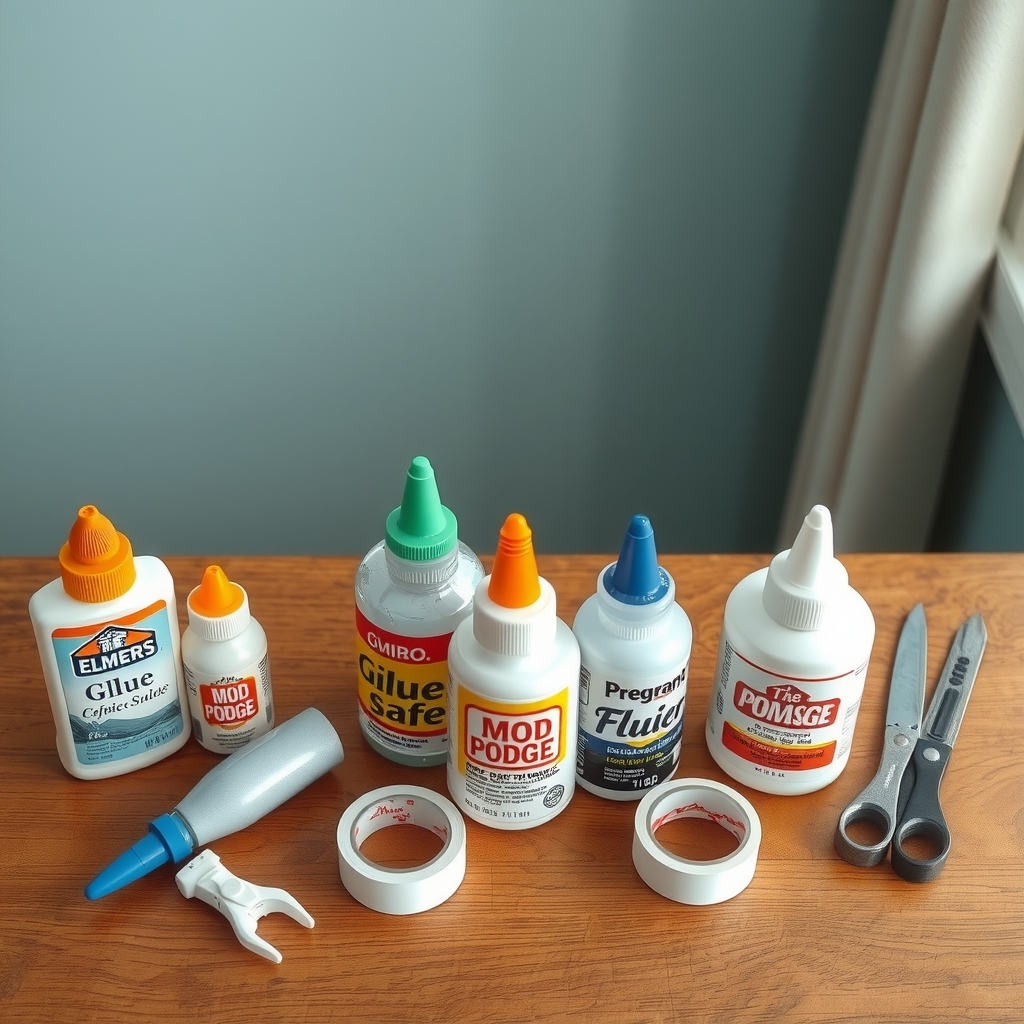
From wood glue to double-sided tape, there are plenty of pregnancy-safe alternatives to superglue for all your repair and craft needs.
Does cyanoacrylate in superglue cause birth defects or miscarriage?
This is one of the biggest worries for pregnant people who’ve been exposed to superglue. The good news: there’s no direct evidence that cyanoacrylate causes birth defects or miscarriage in humans. However, the lack of evidence doesn’t mean it’s completely risk-free.
Animal studies have shown that high levels of cyanoacrylate exposure can lead to developmental issues, but these studies don’t always translate directly to humans. The Mayo Clinic and ACOG both recommend avoiding unnecessary chemical exposures during pregnancy, including cyanoacrylate, because we simply don’t have enough data to confirm its safety.
What we do know is that cyanoacrylate fumes can cause respiratory irritation, which can lead to stress and inflammation in your body. Chronic stress and inflammation aren’t ideal during pregnancy, as they can affect your overall health and, in some cases, increase the risk of complications. That’s why most obstetricians advise erring on the side of caution and avoiding superglue when possible.
If you’re worried about a past exposure, mention it to your doctor. They can monitor your pregnancy more closely and provide reassurance. But in most cases, a one-time or occasional exposure isn’t a cause for alarm.
Is Loctite superglue safe to use during pregnancy?
No, Loctite superglue isn’t considered safe during pregnancy—and the same goes for any other brand of cyanoacrylate glue. Loctite’s superglue products contain the same active ingredient (cyanoacrylate) as other instant adhesives, so the risks are identical.
Loctite’s website and product labels don’t provide specific guidance for pregnant people, but the general advice from medical authorities is to avoid cyanoacrylate glues during pregnancy due to the potential risks from fumes and skin absorption. If you’re looking for a safer alternative, Loctite does make other types of adhesives, like their water-based glues, which are non-toxic and safer for pregnancy. Always check the label to confirm the ingredients before using any adhesive.
Can small amounts of superglue exposure harm my baby?
Probably not. Small, one-time exposures to superglue are unlikely to harm your baby. The risks come from repeated or prolonged exposure, like using superglue frequently for crafts or repairs over a long period. If you’ve used superglue once or twice, try not to stress—your baby is likely fine.
That said, it’s still a good idea to minimize exposure moving forward. Cyanoacrylate fumes can cause respiratory irritation, headaches, or nausea, which can make you feel unwell. And when you’re pregnant, feeling unwell is the last thing you need. Plus, there’s always a small chance that repeated exposure could have unknown effects, so it’s best to play it safe and choose a pregnancy-safe alternative for any future projects.
If you’re worried about a past exposure, mention it to your doctor at your next appointment. They can provide reassurance and monitor for any potential issues. But in most cases, a small amount of superglue exposure isn’t a cause for concern.
What should I do if I got superglue on my skin while pregnant?
First, don’t panic. Superglue on your skin is annoying, but it’s not an emergency. Here’s what to do:
Don’t pull or peel. Superglue bonds quickly to skin, and pulling can cause irritation or even small tears.
Soak the area in warm, soapy water. This can help loosen the bond over time. Gently rub the area with a soft cloth or sponge.
Use acetone (with caution). If the glue isn’t coming off with soap and water, you can try a small amount of acetone (found in nail polish remover). Apply it to a cotton ball and gently rub the glued area. Note: Acetone can be drying to your skin, so use it sparingly and wash the area thoroughly afterward. Avoid acetone if you have sensitive skin or open cuts.
Moisturize. After removing the glue, apply a gentle moisturizer to soothe your skin.
Monitor for irritation. If your skin becomes red, swollen, or itchy, stop trying to remove the glue and call your doctor.
If the glue is on a sensitive area (like your eyelids or lips), don’t try to remove it yourself. Call your doctor or seek medical advice. For most people, superglue on the skin is more of a nuisance than a health risk, but it’s always better to be cautious during pregnancy.
Are there non-toxic glues safe for pregnancy?
Absolutely! There are plenty of non-toxic glues that are safe to use during pregnancy. The key is to look for products that are labeled non-toxic, AP Certified, or ASTM D-4236, which means they’ve been tested for safety and don’t contain harmful chemicals. Here are some of the best options:
PVA-based glues: These are water-based glues that are non-toxic and safe for most household and craft projects. Examples include Elmer’s Glue-All, school glue, and wood glues like Titebond Original.
Epoxy adhesives (low-odor): Some epoxy glues are low-odor and non-toxic after curing. Look for products labeled non-toxic or low-VOC (volatile organic compounds). Use them in a well-ventilated area.
Craft glues: Glues like Aleene’s Original Tacky Glue and Mod Podge are non-toxic and safe for crafts, scrapbooking, and decoupage.
Double-sided tape: A no-mess, no-fume option for temporary fixes. Best for paper, photos, and lightweight materials.
Hot glue (with caution): Hot glue is generally safe to use during pregnancy, but it can release mild fumes when heated. Use it in a well-ventilated area and avoid inhaling the fumes.
When in doubt, check the label or do a quick search for the product’s safety data sheet (SDS). This will tell you exactly what’s in the glue and whether it’s safe for pregnancy. If you’re still unsure, ask your doctor or pharmacist for advice.
Related adhesives: pregnancy safety at a glance
Adhesive
Verdict
Notes
Nail glue (cyanoacrylate)
❌ Avoid
Same risks as superglue. Opt for press-on nails with adhesive tabs instead.
Instant adhesives (e.g., Krazy Glue)
❌ Avoid
All cyanoacrylate-based glues pose similar risks. Choose a non-toxic alternative.
Epoxy resins
⚠️ Use with caution
Some epoxies are low-odor and non-toxic after curing. Use in a well-ventilated area.
Rubber cement
❌ Avoid
Contains solvents that can release harmful fumes. Not safe for pregnancy.
Spray adhesives
❌ Avoid
Fumes can be inhaled easily. Opt for a non-aerosol alternative.
Model glue (plastic cement)
❌ Avoid
Contains solvents that can release harmful fumes. Not safe for pregnancy.
Contact cement
❌ Avoid
Contains strong solvents and fumes. Not safe for pregnancy.
Fabric glue
⚠️ Use with caution
Some fabric glues are non-toxic. Check the label for safety certifications.
Wood glue (PVA-based)
✅ Generally safe
Non-toxic and safe for most woodworking projects. Examples: Titebond, Gorilla Wood Glue.
Hot glue
⚠️ Use with caution
Generally safe, but can release mild fumes when heated. Use in a well-ventilated area.
Myth vs. fact
Myth: Superglue is safe to use during pregnancy because it’s just a household product.
Fact: Superglue contains cyanoacrylate, a chemical that releases fumes and can be absorbed through the skin. While small exposures are unlikely to harm your baby, repeated or prolonged use isn’t recommended during pregnancy. It’s always better to choose a non-toxic alternative.
Myth: If you’ve used superglue once or twice during pregnancy, your baby will definitely have birth defects.
Fact: There’s no evidence that small, one-time exposures to superglue cause birth defects in humans. The risk comes from repeated or prolonged exposure, which can cause respiratory irritation and stress. If you’re worried, talk to your doctor—they can provide reassurance and monitor your pregnancy.
Myth: All glues are the same, so it doesn’t matter which one you use during pregnancy.
Fact: Not all glues are created equal. Some, like PVA-based wood glues and craft glues, are non-toxic and safe for pregnancy. Others, like cyanoacrylate-based superglues, pose potential risks. Always check the label and choose a pregnancy-safe alternative when possible.
Key takeaways
Superglue (cyanoacrylate) isn’t considered safe during pregnancy due to potential risks from fumes, skin absorption, and accidental ingestion. It’s best to avoid it when possible.
The first trimester is the highest-risk period for chemical exposure, but superglue should still be avoided in the second and third trimesters to prevent respiratory irritation and stress.
Small, one-time exposures are unlikely to harm your baby, but repeated or prolonged use should be avoided. If you’ve already been exposed, don’t panic—just switch to a safer alternative moving forward.
There are plenty of pregnancy-safe alternatives to superglue, including PVA-based glues (like Elmer’s and Titebond), low-odor epoxies, and double-sided tape. Always check the label for safety certifications.
If you get superglue on your skin, soak the area in warm, soapy water or use a small amount of acetone (with caution). Avoid pulling or peeling, which can cause irritation.
When in doubt, ask your doctor. They can provide personalized advice and reassurance based on your specific situation.
Frequently asked questions
Is cyanoacrylate toxic to babies?
Cyanoacrylate itself isn’t classified as toxic to babies, but the fumes it releases can be irritating and potentially harmful if inhaled in large amounts. There’s no direct evidence that cyanoacrylate causes harm to babies during pregnancy, but the lack of safety data means it’s best to avoid it when possible. If you’re breastfeeding, small amounts of exposure are less risky, but it’s still a good idea to minimize contact with the glue and its fumes.
What glue is safe to use during pregnancy?
Several types of glue are considered safe during pregnancy, including PVA-based glues (like Elmer’s Glue-All and Titebond Wood Glue), low-odor epoxies, and craft glues like Aleene’s Original Tacky Glue and Mod Podge. Double-sided tape and hot glue (used in well-ventilated areas) are also safe options. Always check the label for words like non-toxic or AP Certified to confirm safety.
Can superglue fumes cause miscarriage?
There’s no direct evidence that superglue fumes cause miscarriage in humans. However, animal studies have shown that high levels of cyanoacrylate exposure can lead to developmental issues, and the fumes can cause respiratory irritation and stress, which aren’t ideal during pregnancy. To be safe, it’s best to avoid superglue and choose a pregnancy-safe alternative instead.
How long do superglue fumes stay in the air?
Superglue fumes typically dissipate within a few hours, depending on ventilation. In a well-ventilated area (like near an open window), the fumes will clear more quickly. In a small, enclosed space, they can linger longer. If you’ve inhaled superglue fumes, step outside for fresh air and rinse your nose and mouth with water to help clear any lingering irritants.
Is it safe to use superglue on a cut while pregnant?
No, superglue should never be used on open wounds or cuts, whether you’re pregnant or not. Superglue is not sterile and can trap bacteria inside the wound, increasing the risk of infection. If you have a minor cut, clean it with soap and water, apply an antibiotic ointment, and cover it with a bandage. For deeper cuts, seek medical attention.
What should I do if I swallowed a tiny bit of superglue while pregnant?
First, don’t panic. Swallowing a tiny amount of superglue is unlikely to harm you or your baby. Superglue isn’t digestible, so it will pass through your system without being absorbed. Drink plenty of water to help flush it out, and monitor for symptoms like nausea, vomiting, or stomach pain. If you experience any of these, call your doctor. If you swallowed a larger amount, seek medical attention immediately.
Can I use superglue to fix a broken nail while pregnant?
No, superglue isn’t safe for fixing broken nails during pregnancy. Nail glue (which is also cyanoacrylate-based) poses the same risks as superglue, including fumes and skin absorption. Instead, opt for press-on nails with adhesive tabs or visit a salon for a professional fix. If you’re dealing with brittle nails, try a pregnancy-safe nail strengthener or moisturizer instead.
Are there any non-toxic superglues?
Superglue itself isn’t considered non-toxic due to its cyanoacrylate content, but there are plenty of non-toxic alternatives that can handle similar tasks. PVA-based glues (like Elmer’s and Titebond), low-odor epoxies, and craft glues (like Aleene’s and Mod Podge) are all non-toxic and safe for pregnancy. For a temporary fix, double-sided tape is a great no-mess option.
When to call your doctor
While small, one-time exposures to superglue are unlikely to harm your baby, there are some situations where you should reach out to your doctor:
You’ve inhaled superglue fumes and are experiencing difficulty breathing, dizziness, or persistent nausea.
You got superglue on your skin and it’s causing redness, swelling, or itching that doesn’t go away with soaking or acetone.
You swallowed a large amount of superglue and are experiencing stomach pain, vomiting, or signs of an obstruction.
You’ve been using superglue frequently and are concerned about repeated exposure.
You’re experiencing any unusual symptoms after superglue exposure, like headaches, fatigue, or skin irritation.
Remember, this article is for informational purposes only and isn’t a substitute for medical advice. If you’re ever unsure about a product or exposure, your doctor is the best person to ask. They can provide personalized guidance based on your health and pregnancy.
References
American College of Obstetricians and Gynecologists (ACOG). Reducing Prenatal Exposure to Toxic Environmental Agents. 2021.
National Health Service (NHS). Chemicals in Pregnancy. 2022.
U.S. Food and Drug Administration (FDA). Medical Adhesives and Pregnancy. 2020.
Centers for Disease Control and Prevention (CDC). Reproductive Health and the Workplace: Adhesives. 2021.
Mayo Clinic. Pregnancy and Chemical Exposure. 2023.
World Health Organization (WHO). Guidelines for Safe Use of Chemicals During Pregnancy. 2019.
Not sure about the label on Is Superglue Cyanoacrylate Safe During Pregnancy products?
Snap the ingredients list and SafeFilter checks every ingredient for your stage — only 3 free scans this month, then you're locked until reset. Unlimited from $7/mo or $50/yr.
When Shubhra Mishra was expecting her first child in 2016, she was overwhelmed by conflicting food advice — one site said yes, another said never. By the time her second baby arrived in 2019, she realized millions of mothers face the same confusion.
That sparked a five-year journey through clinical nutrition papers, cultural diets, and expert conversations — all leading to BumpBites: a calm, compassionate space where science meets everyday motherhood.
Her long-term vision is to build a global community ensuring safe, supported, and free deliveriesfor every mother — because no woman should face pregnancy alone or uninformed. 🌿
🌍 Stand with mothers, shape safer guidance
Join a small circle of experts who review BumpBites articles so expecting parents everywhere can decide with confidence.