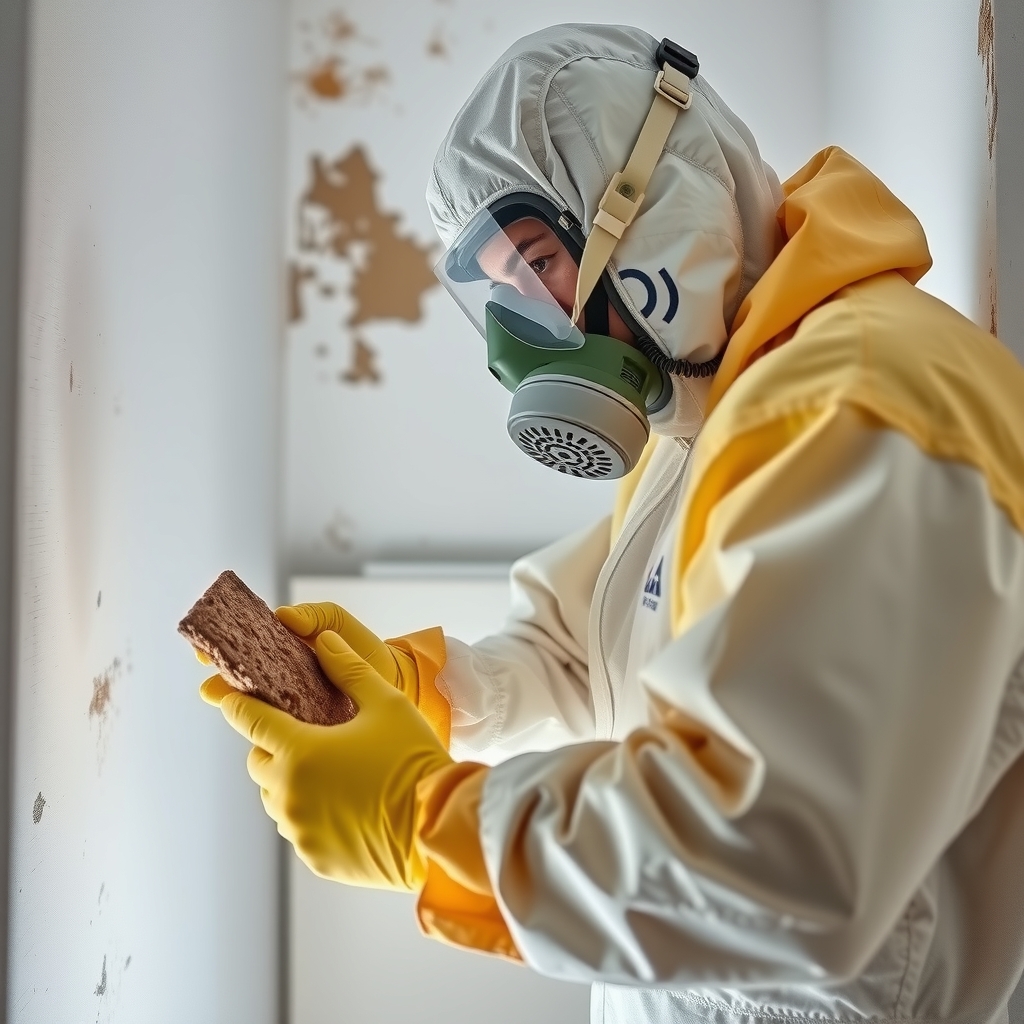
Avoid: Is Stachybotrys mold safe during pregnancy? No. Exposure poses serious risks to both mother and baby. Seek immediate medical advice if you suspect black
By Shubhra Mishra — a mom of two who turned her own confusion during pregnancy into BumpBites, a global mission to make food choices clear, safe, and stress-free for every expecting mother. 💛
Check whether any food is safe during pregnancy with the BumpBites Food Safety Checker.
Quick verdict: ❌ Best avoided. Exposure to Stachybotrys mold, often called "black mold," is not considered safe during pregnancy due to potential respiratory issues, allergic reactions, and other health concerns for both the pregnant person and the developing fetus. We recommend taking steps to avoid and remove it safely.
Finding mold in your home can be distressing at any time, but when you're pregnant, every concern feels magnified. You might be staring at a suspicious patch on your wall, wondering, "Is Stachybotrys mold safe during pregnancy?" and immediately feeling a surge of anxiety. Take a deep breath. We understand this worry, and you're not alone in seeking clear answers. While direct evidence linking Stachybotrys mold to birth defects in humans is limited, health authorities universally recommend avoiding exposure, especially for vulnerable populations like pregnant individuals and young children.
At BumpBites, we prioritize your health and your baby's well-being. This article will break down why `is Stachybotrys mold safe during pregnancy` is a critical question, outlining the potential risks, what symptoms to watch for, and most importantly, how to safely address mold in your environment. We'll cover what to do if you've already been exposed, safer alternatives for remediation, and key prevention strategies to keep your home healthy throughout your pregnancy journey.
Trimester/Stage
Verdict
Notes
First Trimester
❌ Avoid Exposure
Critical period of fetal development. Risks primarily include maternal respiratory issues, allergies, and systemic illness, which can indirectly impact fetal health.
Second Trimester
❌ Avoid Exposure
Continued risk of maternal respiratory problems, allergic reactions, and potential immune system strain.
Third Trimester
❌ Avoid Exposure
Increased risk of maternal respiratory distress (e.g., asthma exacerbation), fatigue, and general malaise. Severe illness could potentially contribute to preterm labor.
Breastfeeding
❌ Avoid Exposure
Maternal illness from mold exposure can impact milk supply and the ability to care for the infant. While mycotoxin transfer through breast milk isn't a primary concern, avoiding exposure protects maternal health.
What is Stachybotrys Mold?
Stachybotrys chartarum, commonly known as "black mold" or "toxic black mold," is a greenish-black fungus that thrives in damp, cellulose-rich materials like drywall, wood, paper, and insulation. Unlike some common molds that can be dry and powdery, Stachybotrys often appears slimy or gooey. It requires significant moisture for an extended period (typically several weeks) to grow, making it common in areas with water damage, leaks, or high humidity.
What makes Stachybotrys a particular concern is its ability to produce mycotoxins – toxic compounds that can be harmful when inhaled or ingested. These mycotoxins, specifically trichothecene mycotoxins, are thought to suppress the immune system and cause a range of health issues. While `is Stachybotrys mold safe during pregnancy` is a question often asked due to its "toxic" reputation, it's important to understand that the primary risks are generally related to allergic reactions, respiratory problems, and irritation, rather than direct poisoning from casual exposure. However, for vulnerable populations like pregnant people, children, and those with compromised immune systems, any exposure is best avoided.
Is Stachybotrys Mold Safe During Pregnancy?
No,
Stachybotrys mold is generally *not* considered safe during pregnancy, and health experts strongly advise against exposure. While the idea of "toxic black mold" causing severe, specific pregnancy complications like birth defects has not been definitively proven in human studies, the consensus among medical professionals and organizations like the Centers for Disease Control and Prevention (CDC) and the Environmental Protection Agency (EPA) is that mold exposure, particularly to Stachybotrys, should be minimized or eliminated, especially for pregnant individuals.
The primary concern with mold exposure during pregnancy revolves around the pregnant person's health. Mold spores and mycotoxins can trigger allergic reactions, asthma attacks, and respiratory infections. Symptoms can range from nasal congestion, wheezing, and skin rashes to more severe issues like bronchitis and persistent fatigue. Any illness during pregnancy, especially one that impacts respiratory function or causes systemic inflammation, can place additional stress on the pregnant body and indirectly affect fetal well-being. For example, severe asthma exacerbations could reduce oxygen supply, though this is a rare and extreme scenario.
The American College of Obstetricians and Gynecologists (ACOG) emphasizes creating a healthy environment during pregnancy, which includes avoiding environmental toxins and irritants. While Stachybotrys mycotoxins have shown toxic effects in animal studies, the direct transfer of mycotoxins in quantities sufficient to harm a human fetus through maternal inhalation is not well-established. However, the potential for maternal illness and discomfort is reason enough to take mold exposure seriously. If you're asking `is Stachybotrys mold safe during pregnancy` because you've found it, the safest course of action is to have it professionally remediated and to avoid the affected area.
Visible mold can be alarming, especially when you're expecting. Always prioritize your health and seek professional advice.
Safety by Trimester
Is Stachybotrys Mold Exposure Safe in the First Trimester?
The first trimester is a critical period for fetal development, as all major organs are forming. While there's no direct scientific evidence linking Stachybotrys mold exposure to birth defects in humans during this specific window, the general recommendation remains to avoid it. The primary concern during the first trimester, as with later trimesters, is the impact on the pregnant person's health. Developing severe respiratory symptoms, persistent headaches, or systemic illness from mold exposure could lead to increased stress, fatigue, and require medications that you might otherwise prefer to avoid. If you're experiencing symptoms like persistent coughing, wheezing, or unexplained fatigue, especially if you suspect mold exposure, it's crucial to discuss this with your healthcare provider. Addressing the mold promptly and safely is the best approach to protect both you and your developing baby.
Stachybotrys Mold Exposure in the Second Trimester
During the second trimester, the baby continues to grow rapidly, and organ systems mature. The risks associated with Stachybotrys mold exposure remain largely centered on maternal health. Respiratory issues, allergies, and general malaise can persist or worsen, making pregnancy more uncomfortable and potentially impacting your energy levels and overall well-being. Chronic exposure to mold can exacerbate existing conditions like asthma or trigger new sensitivities. While the baby is less vulnerable to the initial stages of organogenesis compared to the first trimester, a healthy maternal environment is still paramount. Maintaining good air quality and addressing any mold issues proactively contributes to a smoother pregnancy.
Stachybotrys Mold Exposure in the Third Trimester
As you enter the third trimester, your body is already under significant strain, carrying extra weight and often experiencing some shortness of breath as the uterus presses on your diaphragm. Exposure to Stachybotrys mold during this time can be particularly challenging. Respiratory symptoms like coughing, wheezing, and congestion can feel much more severe, potentially leading to sleep disturbances and increased fatigue. There's also a theoretical, albeit unproven, concern that severe maternal illness or inflammation could, in very rare cases, contribute to complications like preterm labor. While this is not a direct, proven link, avoiding any unnecessary health stressors is always recommended. Ensuring your home environment is mold-free can help you conserve energy and focus on preparing for your baby's arrival.
Stachybotrys Mold Exposure While Breastfeeding
While the direct transfer of mycotoxins from Stachybotrys mold into breast milk is not a common concern or a well-documented risk, exposure to mold while breastfeeding can still impact your health and, indirectly, your ability to care for your baby. If you become ill with respiratory infections, severe allergies, or chronic fatigue due to mold exposure, it can affect your milk supply, make breastfeeding uncomfortable, or simply diminish your energy to care for your newborn. Your health is crucial for your baby's health, and maintaining a mold-free environment ensures you can stay well and focus on nurturing your infant. If you're wondering `is Stachybotrys mold safe during pregnancy` and considering its impact on breastfeeding, the answer remains consistent: minimize exposure for your overall well-being.
No Safe Dosage or Amount of Stachybotrys Mold Exposure
When it comes to Stachybotrys mold, there is no "safe" dosage or amount of exposure recommended during pregnancy, or indeed, at any time. Health authorities advise against any level of exposure, especially for vulnerable populations. Unlike medications where a specific dosage might be deemed safe, mold spores and mycotoxins are environmental contaminants that should be avoided entirely.
The severity of symptoms from mold exposure can vary greatly depending on individual sensitivity, the duration of exposure, and the concentration of mold spores and mycotoxins in the air. Some individuals might experience symptoms at very low levels of exposure, while others might tolerate higher levels without immediate noticeable effects. However, for a pregnant person, even mild symptoms like persistent coughing or nasal congestion can be uncomfortable and potentially lead to more significant issues if left unaddressed. Therefore, the safest approach is to consider `is Stachybotrys mold safe during pregnancy` with a firm "no" and aim for a completely mold-free environment. There are no specific brands of mold or "pregnancy-safe" molds; all visible mold growth should be treated as a potential health hazard.
Side Effects and Risks
The risks associated with Stachybotrys mold exposure during pregnancy primarily affect the pregnant person, and through their health, can indirectly impact the developing fetus. It's important to understand the actual potential dangers without undue alarm.
What Are the Risks of Black Mold Exposure During Pregnancy?
The main risks of black mold (Stachybotrys) exposure during pregnancy include:
Respiratory Issues: Mold spores are irritants and allergens. Exposure can trigger or worsen asthma, cause persistent coughing, wheezing, shortness of breath, and nasal congestion. For a pregnant person, respiratory distress can be particularly uncomfortable and stressful.
Allergic Reactions: Many people are allergic to mold. Symptoms can include skin rashes, itchy eyes, sneezing, runny nose, and headaches. These reactions can cause significant discomfort and require symptomatic relief, which may involve medications.
Infections: While less common for healthy individuals, prolonged exposure to mold can potentially lead to fungal infections, especially in individuals with compromised immune systems. Pregnant people experience natural immune system changes, which might make them slightly more susceptible to certain infections.
Systemic Symptoms: Some individuals report symptoms like fatigue, headaches, nausea, and general malaise when exposed to mold. While not directly harmful to the fetus, these symptoms certainly impact the pregnant person's quality of life and ability to manage pregnancy comfortably.
Stress and Anxiety: The mere presence of mold and the worry about its effects can cause significant emotional stress, which is best avoided during pregnancy.
It's important to differentiate between general mold exposure and the specific "toxic" claims often associated with Stachybotrys. While Stachybotrys produces mycotoxins, the primary health concerns for humans typically stem from allergic and irritant effects rather than acute poisoning from airborne exposure.
Can Stachybotrys Chartarum Cause Birth Defects or Miscarriage?
This is a common and understandable concern for expecting parents asking `is Stachybotrys mold safe during pregnancy?` The current scientific consensus in humans is that there is **no definitive, direct evidence** linking Stachybotrys chartarum exposure to birth defects or miscarriage. While animal studies have shown that high doses of mycotoxins can have reproductive effects, these studies involve much higher concentrations and different exposure routes than typical human environmental exposure.
The primary risk remains the impact on the pregnant person's health. If a pregnant person becomes severely ill from mold exposure, experiencing prolonged respiratory distress, significant immune system strain, or systemic inflammation, there is a theoretical, indirect risk to the pregnancy. However, this would be due to the severity of the maternal illness itself, rather than a direct teratogenic (birth defect-causing) effect of the mold. The focus should be on preventing maternal illness by avoiding exposure.
What Symptoms of Mold Exposure Should Pregnant Women Watch For?
If you suspect mold in your home and are experiencing any of these symptoms, it's wise to consult your doctor:
Persistent coughing or wheezing
Shortness of breath or difficulty breathing
Nasal congestion, runny nose, or sneezing
Sore throat or hoarseness
Headaches or migraines
Fatigue or general malaise
Skin rashes, redness, or itching
Eye irritation (red, watery, itchy eyes)
Exacerbation of asthma or allergies
These symptoms are often non-specific and can be mistaken for common pregnancy discomforts, colds, or allergies. However, if they are persistent, worsen indoors, or improve when you leave the affected environment, mold exposure should be considered as a potential cause.
What to Do if You Find Stachybotrys Mold in Your Home While Pregnant?
Discovering mold, especially Stachybotrys, in your home when you're pregnant can be incredibly stressful. Your immediate priority should be to minimize your exposure and address the problem safely. The good news is that there are clear steps you can take.
Are There Safe Ways to Remove Black Mold When Pregnant?
As a pregnant person, `is Stachybotrys mold safe during pregnancy` applies not just to exposure but also to remediation. We strongly recommend that **pregnant individuals avoid direct contact with mold and should not attempt to clean or remove significant mold growth themselves.** This is because cleaning mold stirs up spores and potentially releases more mycotoxins into the air, increasing your exposure risk.
For small areas of mold (less than 10 square feet, roughly a 3-foot by 3-foot patch), a non-pregnant household member can attempt to clean it using appropriate protective gear (N95 mask, gloves, eye protection) and a diluted bleach solution (1 cup bleach per gallon of water) or a commercial mold cleaner. Ensure the area is well-ventilated during and after cleaning. However, for Stachybotrys, even small areas are often best handled with extra caution.
For larger areas, or if the mold is extensive, hidden behind walls (which you can learn more about in our article on Is Mold in Walls Safe During Pregnancy?), or if you suspect it's Stachybotrys, the safest approach is to:
Isolate the Area: Close doors and windows to the affected room to prevent spores from spreading.
Ventilate: If possible, open windows in the affected area to air it out, but ensure the airflow doesn't spread spores to other parts of the house.
Consider Temporary Relocation: If the mold is extensive or you're experiencing symptoms, consider staying with family or friends until the issue is resolved. This is often the safest option.
Hire Professionals: For significant mold growth (more than 10 square feet), recurrent mold, or if you suspect Stachybotrys, hiring a professional mold remediation service is highly recommended. They have the expertise, equipment, and protective gear to safely contain and remove the mold without spreading spores.
Safer Alternatives and Options for Mold Remediation
When faced with mold, especially Stachybotrys, during pregnancy, the emphasis is on safe, effective, and professional solutions. Here are the recommended safer alternatives to DIY mold removal for pregnant individuals:
Professional Mold Remediation Service: This is the gold standard for significant mold issues. Professionals will assess the extent of the contamination, safely contain the area, remove the mold, clean affected surfaces, and address the underlying moisture problem. They use specialized equipment to prevent spore spread and ensure thorough cleaning, making it the safest option when `is Stachybotrys mold safe during pregnancy` is a concern.
High-Efficiency Particulate Air (HEPA) Filter: While not a remediation method, a HEPA air purifier can help reduce airborne mold spores in areas adjacent to or after mold removal. It's a good supplementary tool for improving indoor air quality, but it won't remove the source of the mold.
Dehumidifier: Mold thrives in humidity. Using a dehumidifier can help control moisture levels in damp areas like basements, bathrooms, and crawl spaces, thereby preventing future mold growth. This is a crucial preventative measure.
Improved Home Ventilation: Ensuring good airflow throughout your home, especially in moisture-prone areas (bathrooms, kitchens, laundry rooms), can significantly reduce the risk of mold. Use exhaust fans, open windows when appropriate, and ensure your HVAC system is functioning properly.
N95 Respirator Mask (for very brief, minimal exposure, with caution): If a non-pregnant household member is handling a *very small* patch of mold (e.g., a few spots in the shower), they should wear an N95 respirator mask, gloves, and eye protection. A pregnant person should *not* be in the vicinity during this process. This is not for Stachybotrys or any significant mold.
Consulting an Environmental Health Specialist: If you're unsure about the extent or type of mold, or if you have persistent symptoms, an environmental health specialist can test for mold, identify its source, and provide expert recommendations for remediation. This can be particularly helpful if you suspect hidden mold or have health concerns.
Remember, the best approach to `is Stachybotrys mold safe during pregnancy` is to prevent mold growth in the first place, or to address it immediately and professionally if it appears.
Professional mold remediation ensures safe and thorough removal of mold, protecting your family from exposure.
Related Items – Safety at a Glance
Understanding the safety of Stachybotrys mold during pregnancy often leads to questions about other environmental concerns. Here's a quick look at how other common household and environmental factors stack up:
Item
Verdict
Notes
Aspergillus mold
⚠️ Safe with limits
Common mold, generally less toxic than Stachybotrys. Can cause allergic reactions and respiratory issues, especially for those with asthma or compromised immunity. Avoid exposure.
Penicillium mold
⚠️ Safe with limits
Common mold, often found on food. Can cause allergic reactions and respiratory symptoms. Avoid exposure, especially if visible or causing symptoms.
Cladosporium mold
⚠️ Safe with limits
Very common outdoor and indoor mold. Primarily an allergen, causing hay fever-like symptoms. Avoid prolonged exposure, particularly if allergic.
Alternaria mold
⚠️ Safe with limits
Common outdoor mold, often found indoors. A known allergen, can trigger asthma. Avoid exposure, especially if visible or causing symptoms.
Radon gas
❌ Best avoided
Naturally occurring radioactive gas. Long-term exposure increases lung cancer risk. Test your home and mitigate if levels are high.
Lead paint
❌ Best avoided
Lead dust can be harmful if inhaled or ingested, especially for children and pregnant people. Avoid disturbing old paint; encapsulate or professionally remove.
Pesticides
❌ Best avoided
Many pesticides are harmful; avoid exposure during pregnancy. Use integrated pest management or professional services with pregnancy-safe options.
Formaldehyde
⚠️ Safe with limits
Common in building materials, furniture. Can cause respiratory irritation. Ensure good ventilation, especially with new products.
Surface fungi, generally less invasive than mold. Can cause respiratory irritation and allergies. Clean promptly with mild solutions and ventilation.
Myth vs. Fact
When you're pregnant and worried about something like `is Stachybotrys mold safe during pregnancy`, myths can circulate and cause undue panic. Let's clear up some common misconceptions.
Myth: Any exposure to Stachybotrys mold will cause severe birth defects or miscarriage.
Fact: While Stachybotrys mold exposure should be avoided during pregnancy, there is no definitive scientific evidence in humans that directly links typical environmental exposure to birth defects or miscarriage. The primary risks are to the pregnant person's respiratory health and general well-being. Severe maternal illness could theoretically pose an indirect risk, but direct causation is not established.
Myth: "Black mold" is always Stachybotrys chartarum and is always deadly.
Fact: Not all black mold is Stachybotrys chartarum. Many types of mold can appear black, and most are not considered "toxic" in the way Stachybotrys is often portrayed. While Stachybotrys does produce mycotoxins, the idea that it's "deadly" from typical airborne exposure is an exaggeration. It's certainly harmful and should be removed, but panic isn't helpful. All visible mold, regardless of color, should be treated as a potential health concern and addressed promptly.
Myth: You can safely clean any amount of "black mold" yourself with bleach while pregnant.
Fact: Pregnant individuals should avoid cleaning any significant mold growth, especially if it's suspected to be Stachybotrys. Cleaning stirs up spores and releases irritants. While bleach can kill mold on non-porous surfaces, it can also release strong fumes that are irritating to the respiratory system. For anything beyond a very small, superficial patch, professional remediation is the safest option. If a non-pregnant person cleans a small area, they should use proper ventilation and protective gear, and you should leave the area until it's aired out.
Key Takeaways
Stachybotrys mold (black mold) is generally considered unsafe during pregnancy, and exposure should be avoided.
The primary risks are to the pregnant person's respiratory health, immune system, and overall well-being, not direct birth defects.
Symptoms of mold exposure can include persistent coughing, wheezing, headaches, fatigue, and skin irritation.
There is no "safe" level of Stachybotrys mold exposure for pregnant individuals.
If you find significant mold, especially suspected Stachybotrys, professional mold remediation is the safest and most recommended solution.
Preventing mold growth through moisture control and good ventilation is crucial.
If you suspect exposure or are experiencing symptoms, consult your healthcare provider promptly.
Frequently Asked Questions
Can mold exposure affect a developing fetus?
Direct evidence linking typical environmental mold exposure to specific fetal harm, such as birth defects, is not definitively established in humans. However, any severe maternal illness, including respiratory distress or systemic inflammation caused by mold exposure, could indirectly impact the developing fetus by placing stress on the pregnant person's body. The safest approach is to minimize exposure to protect maternal health.
What are the symptoms of mold exposure during pregnancy?
Symptoms of mold exposure during pregnancy can include persistent coughing, wheezing, shortness of breath, nasal congestion, runny nose, sore throat, headaches, fatigue, skin rashes, and eye irritation. These symptoms are often similar to allergies or colds but may worsen when in the affected environment.
Is black mold dangerous for babies?
Yes, black mold (Stachybotrys) can be dangerous for babies and young children, who are particularly vulnerable to respiratory issues and allergic reactions due to their developing immune systems and smaller airways. Exposure can exacerbate asthma, cause chronic coughing, and other respiratory problems. The CDC recommends avoiding mold exposure for infants and children.
How do you get rid of black mold when pregnant?
As a pregnant person, you should not attempt to remove black mold yourself. For any significant mold growth or suspected Stachybotrys, the safest and most effective method is to hire a professional mold remediation service. They have the expertise and equipment to safely contain and remove the mold without spreading spores, protecting your health and your baby's.
Can mold cause problems in the first trimester?
While direct evidence of mold causing specific first-trimester birth defects is lacking in humans, mold exposure can cause significant health problems for the pregnant person, such as severe respiratory issues or allergic reactions. Any illness during this critical developmental period can cause stress and discomfort for the expectant parent, which is best avoided.
What kind of mold is dangerous during pregnancy?
While all types of mold should ideally be avoided, "black mold" (Stachybotrys chartarum) is of particular concern due to its mycotoxin production, which can cause more severe allergic reactions and respiratory issues. Other common molds like Aspergillus, Penicillium, and Cladosporium can also trigger allergies and respiratory symptoms and should also be addressed.
Should I move out if I have mold while pregnant?
If the mold in your home is extensive, you suspect it's Stachybotrys, or you are experiencing significant symptoms of mold exposure, temporarily moving out until the mold has been professionally remediated and the air quality is confirmed safe is often the wisest and safest choice. Your health and your baby's well-being are paramount.
When to Call Your Doctor
It's always best to err on the side of caution when you're pregnant. If you've been exposed to Stachybotrys mold or any significant mold, or if you're experiencing any of the following symptoms, contact your obstetrician or healthcare provider right away:
Persistent or worsening cough, wheezing, or shortness of breath.
Severe or unexplained headaches.
Unusual fatigue or malaise that doesn't improve.
New or worsening skin rashes or allergic reactions.
Any signs of infection, such as fever or body aches.
If you are highly anxious about the exposure and need reassurance or guidance.
Your doctor can assess your symptoms, provide appropriate medical advice, and help you determine the best course of action for your health and your pregnancy. This information is for educational purposes only and is not a substitute for professional medical advice, diagnosis, or treatment. Always seek the advice of your physician or other qualified health provider with any questions you may have regarding a medical condition.
Not sure about the label on Is Stachybotrys Mold Safe During Pregnancy products?
Snap the ingredients list and SafeFilter checks every ingredient for your stage — only 3 free scans this month, then you're locked until reset. Unlimited from $7/mo or $50/yr.
When Shubhra Mishra was expecting her first child in 2016, she was overwhelmed by conflicting food advice — one site said yes, another said never. By the time her second baby arrived in 2019, she realized millions of mothers face the same confusion.
That sparked a five-year journey through clinical nutrition papers, cultural diets, and expert conversations — all leading to BumpBites: a calm, compassionate space where science meets everyday motherhood.
Her long-term vision is to build a global community ensuring safe, supported, and free deliveriesfor every mother — because no woman should face pregnancy alone or uninformed. 🌿
🌍 Stand with mothers, shape safer guidance
Join a small circle of experts who review BumpBites articles so expecting parents everywhere can decide with confidence.