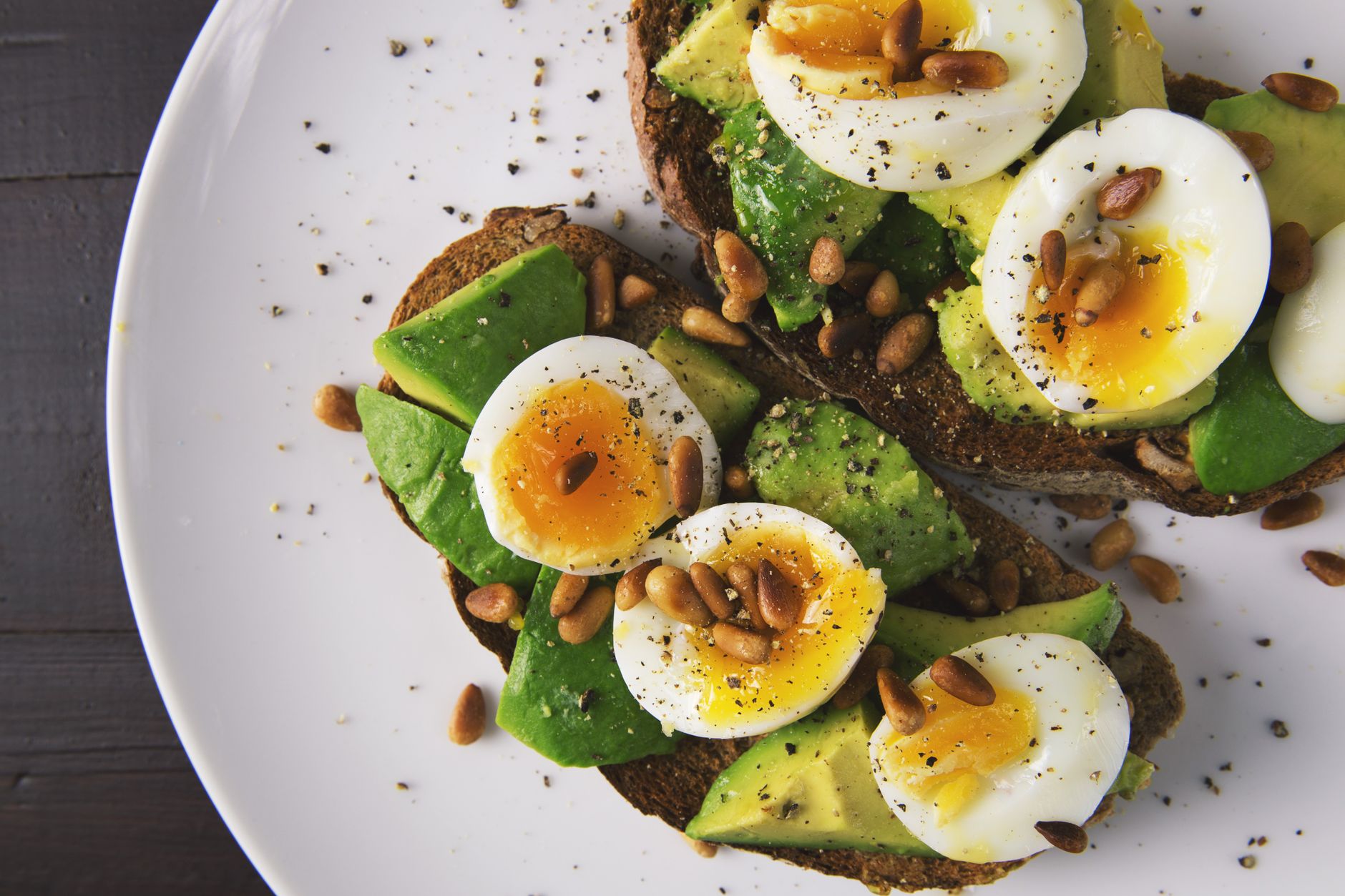
Is the paleo diet safe during pregnancy? Safe with balanced planning—focus on protein, healthy fats, and iron-rich foods in the first trimester for optimal
By Shubhra Mishra — a mom of two who turned her own confusion during pregnancy into BumpBites, a global mission to make food choices clear, safe, and stress-free for every expecting mother. 💛
Check whether any food is safe during pregnancy with the BumpBites Food Safety Checker.
Quick verdict: ⚠️ The Paleo diet can be safe during pregnancy if carefully planned, but it carries risks of nutrient deficiencies (especially iron, calcium, and vitamin D) and requires close monitoring. Most obstetricians recommend avoiding strict Paleo unless supervised by a dietitian familiar with pregnancy nutrition. If you choose to try it, prioritize nutrient-dense foods, supplement strategically, and adjust portions as your needs change by trimester.
You’re scrolling through meal prep ideas at 2 am, heart racing, when the question hits: is paleo diet during pregnancy safe during pregnancy? Maybe you’ve been following it for months before realizing you’re expecting—or maybe you’re curious if you can swap your usual meals for a "caveman-friendly" approach now. Either way, the worry is real: Will this cut out grains and dairy hurt my baby’s growth? What about protein? What if I’m missing something critical? You’re not alone. Many pregnant women turn to elimination diets or ancestral eating plans, but the Paleo diet—with its strict rules—isn’t a one-size-fits-all solution, especially when you’re growing a tiny human.
Here’s the bottom line: the Paleo diet is not inherently unsafe during pregnancy, but it’s risky without careful planning. The American College of Obstetricians and Gynecologists (ACOG) emphasizes that no diet is "perfect" for pregnancy—even "healthy" ones can fall short if they exclude entire food groups. The Paleo diet’s elimination of grains, legumes, dairy, and processed foods means you’ll need to actively replace nutrients like fiber, calcium, and B vitamins. Many obstetricians and dietitians recommend modifying Paleo to include nutrient-dense staples (like leafy greens, nuts, and fatty fish) or opting for a Paleo-inspired approach that’s been tailored for pregnancy.
We’ll break down exactly how to make Paleo work—or when to avoid it—by trimester, with safe food swaps, supplement strategies, and red flags to watch for. You’ll also find safer diet alternatives if Paleo feels too restrictive. By the end, you’ll know whether to stick with it, tweak it, or pivot entirely—without the panic.
Note: If you’ve already been on Paleo before pregnancy and didn’t notice deficiencies, that doesn’t mean you’re in the clear now. Pregnancy doubles your need for certain nutrients (like iron and folate), so what was "safe" pre-conception may not be enough now.
Trimester / Feeding
Safety Verdict
Key Considerations
First Trimester
⚠️ Safe with nutrient planning
Critical window for organ development; avoid deficiencies in folate, iron, and calcium. Supplement if needed.
Focus on calcium and vitamin D (from fatty fish, eggs, or supplements) to support bone growth.
Breastfeeding
⚠️ Safe with supplements
Lactation increases nutrient demands; add a prenatal vitamin and consider DHA-rich fish oil.
Prioritize these nutrient-dense Paleo foods to meet pregnancy needs.
---
What is the Paleo diet?
The Paleo diet is an eating plan based on the idea that humans thrived on foods available to our hunter-gatherer ancestors—think meat, fish, fruits, vegetables, nuts, and seeds—while avoiding grains, legumes, dairy, and processed foods. Proponents argue it reduces inflammation, stabilizes blood sugar, and improves digestion. But during pregnancy, the diet’s strict exclusions can create gaps in essential nutrients.
The diet’s appeal lies in its simplicity and focus on "whole" foods, but pregnancy isn’t the time for simplicity when it comes to nutrition. Your body is working overtime to grow a baby, and certain nutrients—like folate, iron, and calcium—are non-negotiable. Without a plan, Paleo can easily fall short.
Many who follow Paleo pre-conception report improved energy and digestion, but extreme elimination diets like Carnivore or unmodified Paleo have been linked to deficiencies in pregnant women. The key is adaptation—not just elimination.
---
Is the Paleo diet safe during pregnancy?
T
he Paleo diet isn’t inherently unsafe during pregnancy, but it’s not the default "safe" choice either. The American College of Obstetricians and Gynecologists (ACOG) states that no diet is inherently "best" for pregnancy—what matters is whether it meets your nutritional needs. The Paleo diet’s elimination of entire food groups can create risks if not carefully managed.
The primary concern is nutrient inadequacy. Pregnant women need more:
Folate (critical for neural tube development in the first trimester)
Iron (to prevent anemia and support blood volume increases)
Calcium (for baby’s bone development)
Vitamin D (to support immune function and calcium absorption)
Omega-3s (DHA/EPA) (for baby’s brain and eye development)
Fiber (to prevent constipation, a common pregnancy symptom)
Grains (like whole wheat) and legumes (like lentils) are excellent sources of folate and fiber, while dairy provides calcium and vitamin D. Without these, you’d need to rely on supplements or alternative foods—like leafy greens for calcium or eggs for vitamin D—which can be harder to meet in sufficient amounts.
The National Institutes of Health (NIH) notes that pregnant women should consume at least 1,000 mg of calcium daily, but Paleo dieters often fall short without fortified foods or supplements. Similarly, the CDC recommends 27 mg of iron daily during pregnancy, a target that’s challenging to hit without legumes or fortified grains.
That said, some women do follow Paleo safely during pregnancy—but only with:
If you’re curious about Paleo, the ACOG recommends consulting a registered dietitian who specializes in pregnancy nutrition to create a modified plan that covers all your bases.
Myth: "Paleo is just a healthier way to eat—it’s fine for pregnancy." Fact: While Paleo emphasizes whole foods, its exclusions can create nutrient gaps that are critical during pregnancy. Always work with a provider to tailor it safely.
---
Is the Paleo diet safe during the first trimester?
The first trimester is the most critical window for your baby’s development, particularly for the neural tube (which forms into the brain and spinal cord). This is why folate is non-negotiable—and why the Paleo diet’s elimination of fortified grains and legumes can be risky.
Most obstetricians recommend avoiding strict Paleo in the first trimester unless you’re already eating a nutrient-dense version with supplements. Here’s why:
Folate deficiency can lead to neural tube defects (like spina bifida). While leafy greens and eggs provide some folate, they’re not enough to replace the folic acid in fortified grains.
Iron deficiency increases the risk of anemia, which can cause fatigue and preterm labor. Paleo’s lack of legumes means you’d need to rely on red meat, which can be high in saturated fat.
Calcium and vitamin D are essential for bone development. Without dairy or fortified foods, you’d need to eat large amounts of leafy greens or take supplements.
What to do instead:
Take a prenatal vitamin with folic acid (400–600 mcg daily).
Include iron-rich foods like grass-fed beef, organ meats, and lentil substitutes (e.g., sunflower seeds).
Eat calcium-rich Paleo foods like sardines (with bones), kale, or almonds.
Get vitamin D from fatty fish (salmon, mackerel) or a supplement.
If you’re already on Paleo and pregnant, transition gradually—don’t cut out all grains or dairy abruptly. Your body may need time to adjust, and sudden changes can worsen symptoms like nausea or fatigue.
---
How much Paleo diet can I eat each day while pregnant?
There’s no single "Paleo portion" for pregnancy—it depends on your pre-pregnancy weight, activity level, and trimester. However, the National Academy of Medicine (NAM) provides general calorie targets:
First trimester: ~2,000–2,200 calories/day
Second trimester: ~2,200–2,400 calories/day
Third trimester: ~2,400–2,600 calories/day
On a Paleo diet, you’ll need to prioritize calorie-dense, nutrient-rich foods to meet these needs. Here’s a sample daily breakdown (adjust based on your body’s needs):
Protein: 75–100g (from meat, fish, eggs)
Healthy fats: 50–70g (avocados, olive oil, nuts)
Carbohydrates: 150–200g (from fruits, vegetables, and starchy roots like sweet potatoes)
Fiber: 25–30g (from vegetables, berries, and seeds)
To avoid deficiencies, focus on:
Iron: 3–4 oz of grass-fed beef or liver 2–3x/week + leafy greens daily.
Calcium: 3–4 servings of sardines (with bones) or fortified coconut water weekly.
Folate: 1–2 cups of spinach or kale daily + a prenatal vitamin.
Omega-3s: 2–3 servings of fatty fish (salmon, mackerel) weekly.
Warning: If you’re following Paleo and notice symptoms like dizziness, fatigue, or hair loss, these could signal deficiencies. Get bloodwork done to check iron, vitamin D, and folate levels.
---
Paleo diet alternatives that are safer for pregnancy
If Paleo feels too restrictive or risky, these diets are better supported for pregnancy because they’re more flexible or include nutrient-dense foods:
Mediterranean diet — Rich in olive oil, fish, vegetables, and whole grains (like quinoa), which provide fiber, omega-3s, and B vitamins. Studies show it reduces pregnancy complications like gestational diabetes.
DASH diet — Designed to lower blood pressure, it includes lean proteins, fruits, vegetables, and low-fat dairy (if tolerated), making it easy to meet calcium and vitamin D needs.
Plant-based diet — Can be safe if well-planned with fortified foods, legumes, and seeds to cover iron and B12. Supplements are a must for vitamin B12 and DHA.
Whole30 diet — Similar to Paleo but shorter-term (30 days). While it eliminates dairy and grains, it’s often used as a reset rather than a long-term plan. Not ideal for pregnancy unless supervised.
Gluten-free diet — Only necessary if you have celiac disease. Otherwise, it can lead to nutrient gaps (like fiber and B vitamins) unless you replace gluten-containing foods with nutrient-dense alternatives.
Pescatarian diet — Focuses on fish, vegetables, and healthy fats, which are excellent for omega-3s and protein. Avoid high-mercury fish (like shark or swordfish) and ensure enough iron.
Low-carb keto diet — Not recommended during pregnancy due to risks of ketosis and insufficient fiber. The ACOG advises against it unless medically supervised.
If you love the simplicity of Paleo but want a safer option, consider a "Paleo-lite" approach—keeping the focus on whole foods while adding back nutrient-dense staples like:
Fortified coconut water (for calcium)
Lentil or chickpea substitutes (for fiber and folate)
Dairy alternatives like almond milk (fortified with calcium)
Small amounts of honey or maple syrup (for quick energy)
---
Which Paleo diet brands are safe for pregnant women?
If you’re relying on Paleo-branded foods (like meal replacement shakes, snacks, or supplements), not all are created equal for pregnancy. Here’s what to look for—and avoid:
Product Type
Safe Brands (Look For)
Avoid
Meal Replacement Shakes
Paleo Lean, Primal Kitchen (check for added vitamins), Nutiva (nut-based)
Shakes with artificial sweeteners (e.g., sucralose) or low protein (<30g)
Paleo chips (made from sweet potato or kale), RXBAR (check for no added sugar)
Store-bought Paleo snacks with added oils or excessive salt
Supplements
Prenatal vitamins (like Garden of Life or Fullwell), Nordic Naturals Omega-3
Unverified brands or supplements without third-party testing
Key tips:
Always check the Nutrition Facts Label for added vitamins (like folate and DHA).
Avoid products with artificial sweeteners (e.g., sucralose, aspartame), which are linked to developmental concerns in animal studies.
If using meal replacements, prioritize those with at least 20g of protein to support muscle growth.
For snacks, opt for whole-food-based options (like nuts or jerky) over processed bars.
If you’re unsure about a brand, contact the manufacturer to confirm their testing protocols for pregnancy-safe ingredients.
---
Potential side effects of the Paleo diet during pregnancy
The Paleo diet isn’t inherently dangerous, but poor planning can lead to side effects—especially if you’re missing key nutrients. Here’s what to watch for:
Common (but manageable) issues
Constipation — Without fiber from grains or legumes, stools can become hard. Solution: Eat more berries, chia seeds, and prunes.
Fatigue or dizziness — Signs of low iron or blood sugar. Solution: Include iron-rich foods at every meal and snack on nuts.
Nausea — Some Paleo foods (like fatty meats or strong spices) can worsen morning sickness. Solution: Opt for bland proteins (boiled eggs, chicken) and ginger tea.
Serious risks (if unaddressed)
Iron-deficiency anemia — Can lead to preterm labor or low birth weight. Red flag: Extreme fatigue, pale skin, or rapid heartbeat.
Calcium deficiency — May cause bone pain or muscle cramps. Red flag: Tingling in hands/feet or frequent muscle spasms.
Vitamin D deficiency — Linked to gestational diabetes and preeclampsia. Red flag: Persistent fatigue or frequent infections.
Low birth weight — If protein or calorie intake is insufficient. Red flag: Noticeable weight gain below your provider’s target.
What to do if you experience side effects:
Get a complete blood panel to check iron, vitamin D, and folate levels.
Add nutrient-dense swaps (e.g., bone broth for collagen, avocados for healthy fats).
Consider a short-term modification (e.g., adding back dairy or grains temporarily).
---
Paleo diet safety for pregnant women with gestational diabetes
If you’ve been diagnosed with gestational diabetes, the Paleo diet can be part of the solution—but with adjustments. The diet’s emphasis on low-glycemic foods (like vegetables, nuts, and fatty fish) can help stabilize blood sugar. However, some Paleo staples (like nuts and seeds) are high in fat and calories, which may require portion control.
The American Diabetes Association (ADA) recommends:
Prioritize non-starchy vegetables (spinach, zucchini, broccoli) to fill meals without spiking blood sugar.
Limit high-fat nuts and seeds (e.g., almonds, macadamias) to 1 oz/day to prevent blood sugar spikes.
Monitor carbohydrate intake—aim for 150–175g/day (mostly from fruits and starchy roots like sweet potatoes).
Avoid processed Paleo snacks (like jerky or chips), which can be high in sodium and preservatives.
Supplement recommendations for gestational diabetes:
Chromium (50–200 mcg/day) — May help improve insulin sensitivity.
Magnesium (300–400 mg/day) — Supports muscle and nerve function.
Alpha-lipoic acid (300–600 mg/day) — Some studies suggest it may lower blood sugar.
Warning: If your blood sugar remains uncontrolled, your provider may recommend medical intervention (like insulin) alongside dietary changes.
---
Can I follow a strict Paleo diet in the third trimester?
The third trimester brings even higher nutritional demands—your baby’s bones, brain, and organs are developing rapidly, and your body is preparing for labor. A strict Paleo diet can still work, but you’ll need to be more intentional about nutrient-dense foods and supplements.
Key adjustments for the third trimester:
Increase calcium and vitamin D — Aim for 1,000–1,300 mg of calcium daily (from sardines, leafy greens, or supplements). Vitamin D is critical for bone health; get tested and supplement if needed.
Boost omega-3s — Add 2–3 servings of fatty fish weekly (or take a DHA supplement). These support brain development and reduce the risk of preterm labor.
Prioritize protein — Your needs increase to ~75–100g/day. Include grass-fed beef, eggs, and lentil substitutes (like sunflower seed "lentils") for variety.
Watch for constipation — With increased progesterone, digestion slows. Add more fiber (from berries, chia seeds, or avocados) and stay hydrated.
Monitor weight gain — Aim for 0.5–1 lb/week. If you’re gaining too slowly, add healthy fats (avocados, olive oil) or calorie-dense foods (nuts, coconut milk).
Supplements to consider:
Prenatal vitamin (with folic acid, iron, and DHA)
Vitamin D3 + K2 (if you’re not getting enough from food)
Magnesium glycinate (to support muscle and nerve function)
Probiotics (to support gut health and immunity)
Red flags in the third trimester:
Severe swelling or headaches (could indicate preeclampsia).
Persistent dizziness or fainting (sign of low iron or blood sugar).
Noticeable weight loss (could mean insufficient calories).
Excessive fatigue or shortness of breath (could indicate anemia).
If you’re following Paleo and notice any of these, contact your provider immediately.
---
Safer alternatives to the Paleo diet for pregnancy
If you’re looking for diets that are better supported for pregnancy—or simply easier to navigate—here are the top alternatives, ranked by safety and flexibility:
Mediterranean diet — Best for overall health and pregnancy safety. Rich in olive oil, fish, vegetables, and whole grains (like quinoa), it’s linked to lower risks of gestational diabetes and preeclampsia. Easy to adapt with iron-rich foods like lentils and spinach.
DASH diet — Ideal for blood pressure control. Includes lean proteins, fruits, vegetables, and low-fat dairy (if tolerated), making it easy to meet calcium and vitamin D needs. Great for women with a history of hypertension.
Plant-based diet — Safe if well-planned. Focus on fortified foods, legumes, and seeds to cover iron and B12. Supplements are a must for vitamin B12 and DHA.
Pescatarian diet — Excellent for omega-3s. Fish provides DHA for baby’s brain development, while vegetables and whole grains cover fiber and vitamins. Avoid high-mercury fish (like shark or swordfish).
Gluten-free diet — Only necessary if you have celiac disease. Otherwise, it can lead to nutrient gaps (like fiber and B vitamins) unless you replace gluten-containing foods with nutrient-dense alternatives.
Whole30 diet — Not recommended long-term. While it eliminates dairy and grains, it’s often used as a short-term reset. Not ideal for pregnancy unless supervised by a dietitian.
Low-carb keto diet — Not recommended during pregnancy. Risks of ketosis and insufficient fiber can harm both mom and baby. The ACOG advises against it unless medically supervised.
---
Related diets — safety at a glance
If you’re curious about other diets, here’s a quick comparison of their safety during pregnancy:
Diet
Safety Verdict
Key Notes
Low-carb diet
⚠️ Safe with monitoring
Can work if protein/fiber-rich, but avoid strict low-carb without provider approval.
Whole30 diet
⚠️ Safe for short-term use
Eliminates dairy and grains; not ideal long-term without dietitian guidance.
Only necessary for celiac disease; otherwise, can create nutrient gaps.
Vegan diet
⚠️ Safe with supplements
Requires B12, DHA, iron, and calcium supplements to avoid deficiencies.
Pescatarian diet
✅ Generally safe
Fish provides DHA; avoid high-mercury fish and ensure enough iron.
Mediterranean diet
✅ Generally safe
Rich in omega-3s, fiber, and antioxidants; easiest to meet pregnancy needs.
---
Myth vs. fact
Myth: "Paleo is just a healthier way to eat—it’s fine for pregnancy." Fact: While Paleo emphasizes whole foods, its exclusions can create nutrient gaps critical during pregnancy. Always work with a provider to tailor it safely.
Myth: "If I’ve been on Paleo before pregnancy, I don’t need to worry about deficiencies now." Fact: Pregnancy doubles your need for certain nutrients (like iron and folate), so what was "safe" pre-conception may not be enough now.
Myth: "I can just eat more meat and fish to make up for missing grains." Fact: Meat and fish provide protein and iron, but they lack the fiber, folate, and calcium found in grains, legumes, and dairy.
---
Key takeaways
Paleo can be safe during pregnancy if carefully planned—but most obstetricians recommend avoiding strict Paleo unless supervised by a dietitian.
Nutrient gaps are the biggest risk: Folate, iron, calcium, and vitamin D are hard to get without grains, legumes, or dairy. Supplements are a must.
First trimester is the most critical window for avoiding deficiencies in folate and iron, which are linked to neural tube defects and anemia.
Safe swaps exist: Add fortified foods (like coconut water for calcium) or modify Paleo to include nutrient-dense staples (e.g., lentil substitutes for fiber).
Monitor symptoms closely: Fatigue, dizziness, or constipation could signal deficiencies. Get bloodwork done if you’re unsure.
Alternatives like Mediterranean or pescatarian diets are easier to adapt for pregnancy and still provide all essential nutrients.
---
Frequently asked questions
Is the Paleo diet safe for pregnant women?
✅ The Paleo diet can be safe during pregnancy if carefully planned with a dietitian’s guidance and supplements to cover nutrient gaps. However, most obstetricians recommend avoiding strict Paleo unless you’re already eating a nutrient-dense version with bloodwork monitoring. The diet’s elimination of grains, legumes, and dairy can lead to deficiencies in folate,
Not sure about the label on Is Paleo Diet During Pregnancy Safe During Pregnancy products?
Snap the ingredients list and SafeFilter checks every ingredient for your stage — only 3 free scans this month, then you're locked until reset. Unlimited from $7/mo or $50/yr.
When Shubhra Mishra was expecting her first child in 2016, she was overwhelmed by conflicting food advice — one site said yes, another said never. By the time her second baby arrived in 2019, she realized millions of mothers face the same confusion.
That sparked a five-year journey through clinical nutrition papers, cultural diets, and expert conversations — all leading to BumpBites: a calm, compassionate space where science meets everyday motherhood.
Her long-term vision is to build a global community ensuring safe, supported, and free deliveriesfor every mother — because no woman should face pregnancy alone or uninformed. 🌿
🌍 Stand with mothers, shape safer guidance
Join a small circle of experts who review BumpBites articles so expecting parents everywhere can decide with confidence.