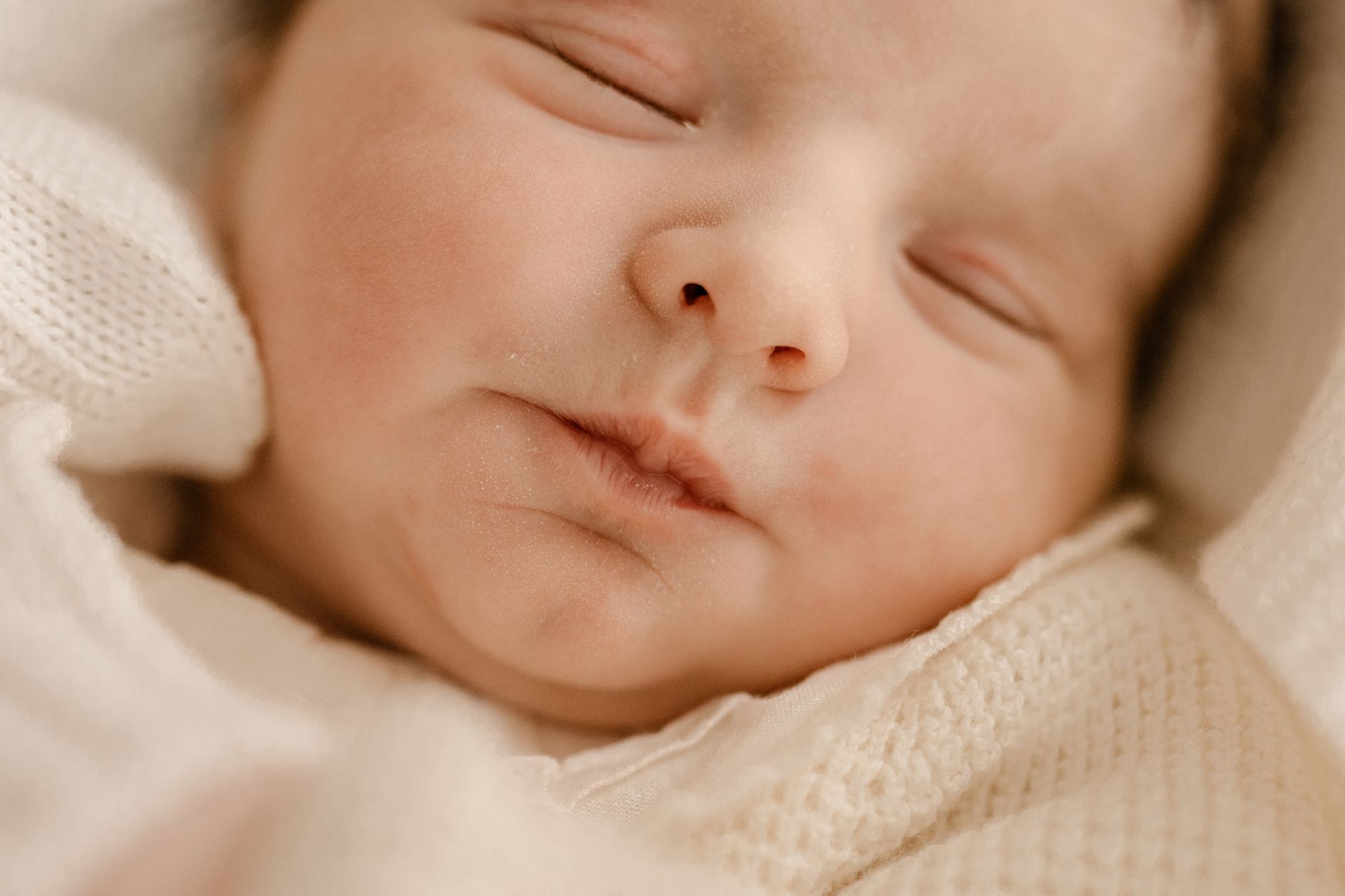
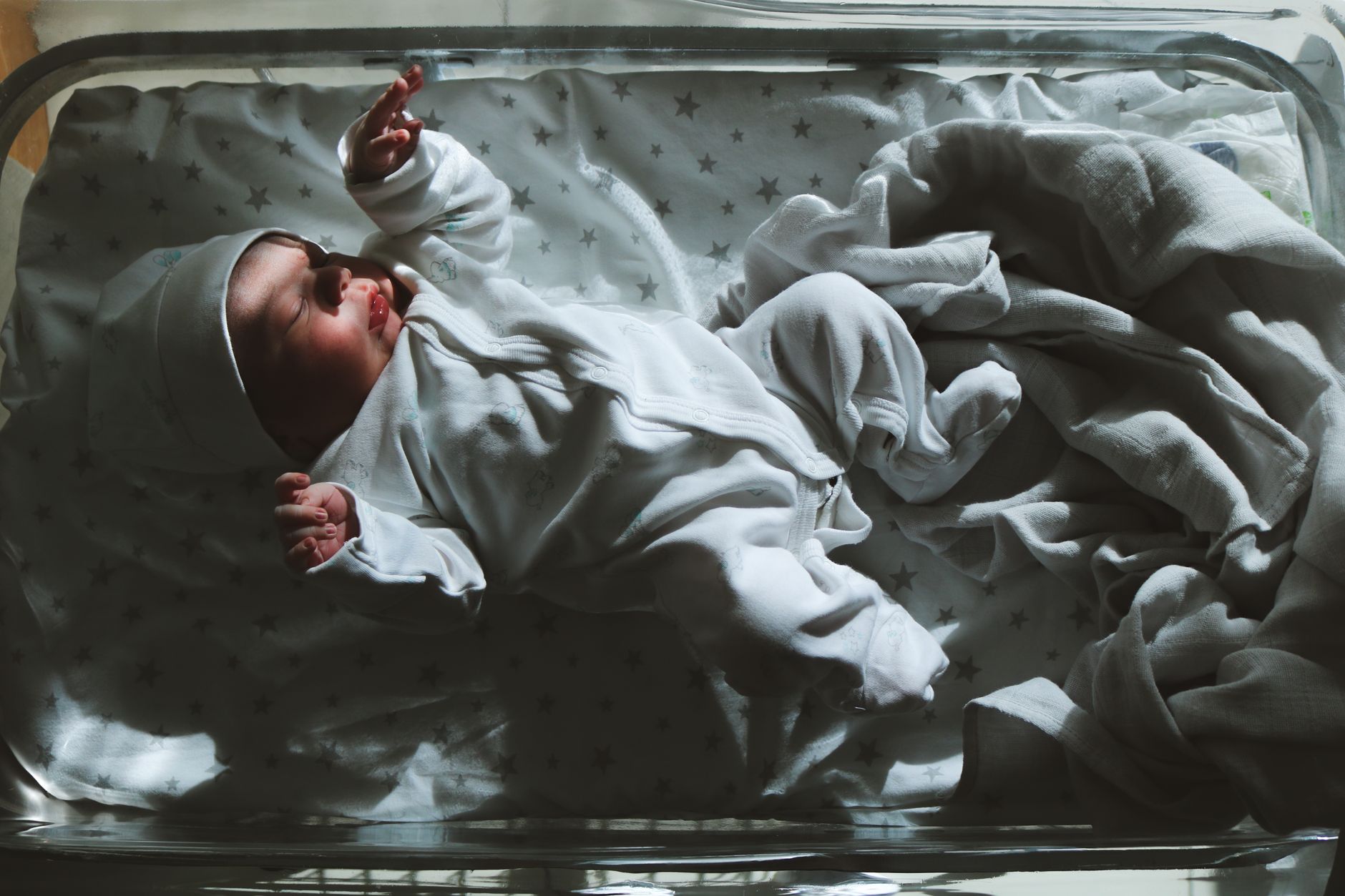
Yes, mild newborn jaundice is often normal and resolves as the liver matures. Learn how to interpret bilirubin levels, when to seek care, and what treatments are available.
By Shubhra Mishra — a mom of two who turned her own confusion during pregnancy into BumpBites, a global mission to make food choices clear, safe, and stress-free for every expecting mother. 💛
Check whether any food is safe during pregnancy with the BumpBites Food Safety Checker.
Quick take: Most newborns develop mild jaundice in the first days after birth, and it’s usually harmless. If your baby’s bilirubin stays below the treatment threshold for their age and risk factors, the jaundice is considered normal. Watch the skin and eye color, keep feeding frequent, and follow up with your pediatrician—especially if the levels rise or the baby looks unusually sleepy or high‑pitched.
It’s 2 a.m., you’ve just finished soothing your newborn’s hiccups, and you notice that the baby’s skin has taken on a yellow hue. Your heart races. Is this something you need to call a doctor about right away, or is it just the normal “baby‑glow” that many parents hear about?
We get it. Jaundice is one of the most common concerns in the first week of life, and the word “bilirubin” can sound scarier than it really is. In this guide, we’ll break down what newborn jaundice is, why it happens, how doctors measure bilirubin, when the numbers become worrisome, and what you can do at home to keep your baby safe and comfortable.
By the end of this article you’ll know the typical bilirubin ranges for newborns, the signs that merit a quick call, the treatment options if levels climb too high, and practical steps you can take right now. And if you ever want to plug in your baby’s numbers, our Newborn Bilirubin Calculator can give you a personalized snapshot.
What is newborn jaundice and why does it happen?
Definition
Newborn jaundice is a yellow discoloration of the skin and whites of the eyes caused by an excess of bilirubin in the baby’s bloodstream. Bilirubin is a pigment that forms when red blood cells break down. In the womb, the placenta and the mother’s liver handle most of the bilirubin processing. After birth, the baby’s own liver must take over, and that transition can be a little “behind schedule,” especially in the first few days.
Common causes and risk factors
Most cases are “physiologic” – the normal, temporary rise that happens to almost every full‑term infant. However, several factors can push bilirubin higher:
Breast‑feeding jaundice: Inadequate milk intake in the first 48–72 hours can reduce fluid intake and slow bilirubin excretion.
Breast‑milk jaundice: Certain substances in breast milk may inhibit bilirubin processing; this typically appears after the first week.
Prematurity: A baby born before 37 weeks has an immature liver that clears bilirubin more slowly.
Blood‑type incompatibilities: If the mother’s blood type (e.g., O) and the baby’s (e.g., A or B) differ, antibodies can cause increased red‑cell breakdown (hemolysis).
Bruising or birth trauma: More red‑cell breakdown from bruises can raise bilirubin.
Genetic conditions: Rare enzyme deficiencies such as Gilbert or Crigler‑Najjar syndrome affect bilirubin metabolism.
The American College of Obstetricians and Gynecologists (ACOG) notes that over 60 % of term infants develop visible jaundice within the first week, but most resolve without intervention.
Even though physiologic jaundice is common, it’s still worth understanding the underlying physiology. Bilirubin is produced when hemoglobin in red blood cells is broken down into heme, then converted to unconjugated bilirubin. The newborn’s immature liver lacks fully developed enzymes (like UDP‑glucuronosyltransferase) that attach a sugar molecule to make bilirubin water‑soluble. Until those enzymes mature, the excess circulates and deposits in tissues, giving the characteristic yellow color.
How to recognize jaundice in your baby
Jaund
ice is most easily spotted by looking at the yellow tint of the skin and the sclera (the whites of the eyes). Because newborn skin is thin, the yellow color often appears first on the face, then spreads down the chest, abdomen, and finally the legs.
Here’s a quick visual guide:
Day 1–2: A faint yellowish tint on the face only; often normal.
Day 3–5: Yellow spreads to the chest and abdomen; still usually physiologic.
Day 6 and beyond: Yellow reaches the thighs or feet, or the baby looks unusually sleepy or irritable – this may signal a problem.
Other signs that accompany jaundice can include:
High‑pitched crying (a sign of bilirubin affecting the brain).
Lethargy or difficulty waking for feeds.
Dry, poor skin turgor (possible dehydration).
Dark urine or pale stools (indicating bilirubin excretion issues).
One parent we spoke with described the moment they first saw the yellow hue: “I thought the baby was turning into a banana, but the nurse said it was common. I still checked the eyes because that’s what I was told to look for.” This mix of anxiety and reassurance is exactly what we aim to address.
In practice, many hospitals use a simple “heel‑stick” screen before discharge. If the result is within the low‑risk zone, they usually reassure parents and provide a written guide on what to watch for at home. If the reading is borderline, they may schedule a follow‑up call or a repeat test within 24 hours. Knowing that a brief check can catch a problem early helps many parents feel more in control.
Measuring bilirubin – the numbers that matter
Types of bilirubin
Doctors usually measure total serum bilirubin (TSB), which includes both indirect (unconjugated) and direct (conjugated) bilirubin. In newborn jaundice, the unconjugated form dominates. Some labs also report direct bilirubin to rule out liver disease; a direct level above 1 mg/dL (or >20 % of total) may warrant further investigation.
How labs and transcutaneous meters work
Two main methods are used:
Blood test (serum bilirubin): A small heel‑stick draws a few drops of blood, sent to the lab for precise TSB values. This is the gold standard and is required before starting phototherapy.
Transcutaneous bilirubinometer (TcB): A handheld device shines a light on the baby’s skin and estimates bilirubin without a needle. It’s convenient for screening and can reduce the number of heel sticks, but a confirmatory blood test is still needed if the TcB reading is high.
Both the CDC and the NHS recommend confirming any TcB value that approaches the treatment threshold with serum testing.
Typical bilirubin ranges
The following chart shows the commonly referenced “hour‑specific” bilirubin thresholds for term infants (≥38 weeks) based on the American Academy of Pediatrics (AAP) 2022 guidelines. Values below the “low‑risk zone” are generally considered normal; values in the “intermediate zone” warrant closer monitoring; and values above the “high‑risk zone” often trigger phototherapy.
Age (hours)
Low‑risk threshold (mg/dL)
Intermediate threshold (mg/dL)
High‑risk threshold (mg/dL)
24
5.0
7.0
10.0
48
6.5
9.0
12.5
72
8.0
11.0
14.0
96
9.0
12.5
15.5
120
10.0
13.5
16.5
Preterm infants have lower thresholds; your pediatrician will use specific nomograms for those babies. Remember, the exact cut‑off can vary based on birth weight, gestational age, and whether the baby is feeding well.
It’s also helpful to understand that bilirubin levels naturally peak around 3–5 days of life for most term infants. A rising curve after that point is a red flag, whereas a gradual decline after the peak is reassuring. The AAP’s hour‑specific chart is designed to capture that dynamic pattern.
Even a mild yellow tint on the face can be the first sign of physiologic jaundice.
When is jaundice considered normal vs concerning?
“Normal” jaundice stays below the treatment line for the baby’s age and risk profile. The AAP’s “phototherapy guidelines” outline when light therapy should start, based primarily on the bilirubin level, age in hours, and presence of risk factors such as prematurity, hemolysis, or poor feeding.
Key points to keep in mind:
Age matters: A bilirubin of 9 mg/dL is often fine at 72 hours but may be high at 24 hours.
Feeding adequacy: Babies who feed at least 8–12 times per day usually clear bilirubin faster.
Risk factors raise the threshold: If your baby is premature or has a blood‑type incompatibility, the “high‑risk” line shifts lower.
In practice, if a serum bilirubin reading falls into the intermediate zone, doctors usually repeat the test in 12–24 hours and advise more frequent feeding. If it climbs into the high‑risk zone, phototherapy is started, often within a few hours of the decision.
It’s also worth noting that the “intermediate zone” isn’t a danger zone—it simply signals that the baby needs closer observation. Many babies in this range never require treatment, especially if they improve with better hydration and feeding.
Treatment options and what to expect
Most cases of newborn jaundice resolve with simple measures, but it’s crucial to intervene promptly when bilirubin climbs too high.
Phototherapy
Phototherapy (also called “light therapy”) uses blue‑green light (≈460 nm) to convert bilirubin into water‑soluble forms that the baby can excrete without liver processing. The baby lies naked under a light blanket or in a “bili‑box.” Treatment typically lasts 12–48 hours, with bilirubin levels checked every 4–6 hours.
Side effects are mild and include temporary skin rash, dehydration (hence the importance of feeding), and occasional diaper discoloration. According to the WHO, phototherapy reduces the risk of severe hyperbilirubinemia and kernicterus dramatically.
Exchange transfusion
In rare cases where bilirubin exceeds 25 mg/dL or the baby shows signs of acute bilirubin encephalopathy, an exchange transfusion replaces the infant’s blood with donor blood. This is a high‑risk, hospital‑based procedure performed in a neonatal intensive care unit (NICU). The CDC notes that modern exchange transfusion techniques have a success rate above 95 % for preventing permanent brain damage.
Adjunctive measures
Enhanced feeding: More frequent breastfeeding or formula feeds increases stool output, which helps eliminate bilirubin.
Intravenous immunoglobulin (IVIG): For hemolytic disease due to blood‑type incompatibility, IVIG can reduce the need for exchange transfusion.
Hydration: In some cases, supplemental fluids (e.g., expressed breast milk via syringe) are given.
Most parents will see the baby’s skin color return to pink within a day or two after phototherapy ends. Follow‑up labs ensure bilirubin stays low before discharge.
Phototherapy is safe, effective, and the most common treatment for high bilirubin.
Potential complications of high bilirubin
While most jaundice resolves without lasting effects, excessively high unconjugated bilirubin can cross the immature blood‑brain barrier and cause neurotoxicity. The most feared complication is kernicterus, a permanent form of brain injury that can lead to:
Movement disorders (e.g., cerebral palsy‑like stiffness)
Hearing loss
Vision problems
Cognitive delays
Early detection and treatment cut the risk of kernicterus to less than 0.1 % in developed‑world settings (AAP 2022). Other, less severe, short‑term effects include temporary feeding difficulties and mild, reversible jaundice‑related irritability.
Because the newborn brain is still developing, even modest elevations can be concerning if they persist. That’s why many hospitals schedule a repeat bilirubin check within 24 hours of discharge for babies who had borderline levels. Prompt follow‑up is a safety net that protects against the rare but serious outcome.
Prevention and home management strategies
There’s no guaranteed way to prevent physiologic jaundice, but several practices can keep bilirubin from climbing too high:
Feed often: Aim for 8–12 feeds per 24 hours. Breastfed babies may need to be “cluster‑fed” in the first days.
Ensure adequate milk transfer: Look for signs of effective latch, audible swallowing, and wet diapers (at least six per day).
Monitor weight: Babies should regain birth weight by day 5–7. Weight loss beyond 10 % may signal insufficient intake.
Check bilirubin at discharge: Many hospitals perform a bilirubin screen before you leave; ask for the result and the “safe range” for your baby’s age.
Schedule follow‑up: The AAP recommends a bilirubin check at 24–48 hours after discharge for most newborns, and earlier if risk factors exist.
Stay alert to changes: If the skin yellow‑ness spreads to the legs, or if your baby becomes unusually sleepy, lethargic, or high‑pitched in cries, call your pediatrician.
One mother we heard from shared: “I kept a log of every feeding, diaper, and weight on my phone. The nightly checks gave me confidence that the baby was getting enough milk, and the jaundice faded by day 4.” Keeping a simple record can turn anxiety into actionable data.
Another practical tip: expose your baby’s skin to indirect sunlight for a few minutes a day (while keeping them clothed and avoiding direct UV exposure). Sunlight can help break down bilirubin, but it should never replace medical monitoring. The NHS advises that sunlight is a supportive measure only when bilirubin is low‑risk and the baby is otherwise healthy.
Understanding bilirubin metabolism in newborns
While the earlier sections explained the “what” and “why,” it helps to see the full metabolic pathway. After birth, red blood cells that are a few weeks old are broken down by the spleen. The resulting unconjugated bilirubin travels bound to albumin in the bloodstream. In the liver, the enzyme UDP‑glucuronosyltransferase attaches a glucuronic acid molecule, turning bilirubin into a water‑soluble form that can be excreted in bile, then into stool.
In the first few days, the enzyme production is still ramping up. This physiological lag explains why term infants often peak at 5–7 mg/dL before the liver catches up. Premature infants have even lower enzyme activity, which is why they are monitored more closely. Understanding this timeline reassures parents that a rise early on is usually expected, but a continued rise after day 5 warrants a check.
Using the bilirubin nomogram and risk calculators
The bilirubin nomogram is a graphical tool that plots a baby’s age (in hours) on the x‑axis and bilirubin level on the y‑axis. The AAP’s hour‑specific nomogram contains three zones: low‑risk (green), intermediate (yellow), and high‑risk (red). By locating your baby’s point on the chart, clinicians can quickly decide whether to observe, repeat testing, or start phototherapy.
Our Newborn Bilirubin Calculator automates this process. You enter the baby’s age in hours, the bilirubin value, and any risk factors (prematurity, hemolysis, exclusive breastfeeding). The tool then tells you which zone you fall into and suggests the next step, mirroring the AAP’s algorithm. While it’s a useful guide, always confirm the results with your pediatrician, especially if the calculator flags a high‑risk zone.
Risk calculators also incorporate other variables like birth weight and gestational age. The Royal College of Obstetricians and Gynaecologists (RCOG) recommends using these adjusted nomograms for infants under 38 weeks, because their liver capacity is lower and the safe bilirubin ceiling drops by roughly 2 mg/dL.
Planning follow‑up and discharge after jaundice evaluation
After an initial bilirubin screen, most hospitals have a discharge plan that includes a follow‑up appointment within 48 hours. This visit typically includes a repeat bilirubin check, a weight measurement, and a feeding assessment. If the baby’s bilirubin is trending down and the weight is stable, discharge is usually safe.
For babies who required phototherapy, the hospital will schedule a post‑treatment check before the baby goes home. Parents are instructed to watch for rebound jaundice—a rise in bilirubin after treatment stops—especially if feeding patterns change. The AAP advises a final bilirubin measurement 24 hours after the last phototherapy session to confirm that levels remain below treatment thresholds.
In some regions, outpatient phototherapy units are available, allowing families to return home while the baby receives light treatment. If you’re discharged with a home‑phototherapy device, your provider will give clear instructions on positioning, duration, and how to monitor the baby’s temperature and hydration.
From our medical team
From our medical team: “Most cases of newborn jaundice are benign and resolve with proper feeding and monitoring. However, bilirubin can rise quickly, especially in the first 24–48 hours, so we advise parents to keep a close eye on skin color and feeding patterns. If you ever feel unsure, a quick phone call to your pediatrician can provide peace of mind and prevent unnecessary emergencies.”
Fact: About 60 % of term infants develop mild jaundice that resolves on its own; only those who cross the AAP’s phototherapy thresholds need intervention.
Myth: Breast‑feeding causes dangerous jaundice.
Fact: Breast‑feeding itself is protective; however, insufficient milk intake can exacerbate bilirubin levels. Frequent feeding and proper latch usually keep bilirubin in check.
Myth: Yellow eyes mean the baby is sick and needs antibiotics.
Fact: The yellow color of the sclera is a sign of bilirubin, not infection. Antibiotics are not indicated unless there is a separate infection concern.
Key takeaways
Physiologic jaundice appears in most newborns; it’s usually harmless if bilirubin stays below age‑specific thresholds.
Watch for yellow skin that spreads past the abdomen or yellow eyes, and monitor feeding frequency.
Serum bilirubin tests and transcutaneous meters give accurate numbers; use the chart above to gauge risk.
Phototherapy is safe and effective; exchange transfusion is rare and reserved for severe cases.
Frequent feeding, adequate hydration, and early weight checks help prevent bilirubin from climbing too high.
Call your pediatrician promptly if the baby is lethargic, has a high‑pitched cry, or if bilirubin levels exceed the high‑risk zone.
Frequently asked questions
What are the symptoms of jaundice in newborns?
Jaundice shows as a yellow tint first on the face and then spreading down the chest, abdomen, and legs; the whites of the eyes turn yellow as well. Look for poor feeding, lethargy, or a high‑pitched cry as warning signs.
How is bilirubin level measured in newborns?
Doctors use a heel‑stick blood test for total serum bilirubin (the most accurate) or a non‑invasive transcutaneous bilirubinometer that estimates levels through the skin. High readings on the meter are confirmed with a blood test.
Can jaundice in newborns be prevented?
While physiologic jaundice can’t be fully prevented, early and frequent feeding, ensuring good milk transfer, and monitoring weight loss can keep bilirubin from rising excessively.
What are the risks of high bilirubin levels in newborns?
Very high unconjugated bilirubin can cross the brain’s protective barrier, leading to kernicterus—a permanent form of brain injury that can cause movement disorders, hearing loss, or visual problems. Prompt treatment dramatically reduces this risk.
How often should I check my newborn's bilirubin levels?
Most hospitals check bilirubin before discharge and again at 24–48 hours after homecoming. If your baby has risk factors (prematurity, hemolysis, poor feeding), your pediatrician may advise more frequent checks.
What is the normal range for bilirubin levels in newborns?
For term infants, a total serum bilirubin under about 8 mg/dL at 72 hours is typically low‑risk. The exact “normal” zone shifts with age and risk factors; the table above provides the standard hour‑specific thresholds.
Can sunlight help treat newborn jaundice?
Indirect sunlight can aid bilirubin breakdown, but it should never replace medical monitoring. The NHS advises using sunlight only for low‑risk babies and always under a caregiver’s supervision. If bilirubin is high‑risk, phototherapy in a hospital is the recommended treatment.
Is formula feeding better than breastfeeding for jaundice?
Breastfeeding is generally protective, but inadequate milk intake can worsen jaundice. If a baby is not gaining weight or has persistent high bilirubin, a pediatrician may suggest supplementing with formula or expressed breast milk to ensure enough fluid intake.
When to call your doctor
If you notice any of the following, contact your pediatrician or go to the nearest emergency department immediately:
Yellowing that spreads to the legs or feet.
Persistent yellow eyes after 24 hours.
Baby is unusually sleepy, difficult to wake, or has a high‑pitched cry.
Feeding less than 8 times in 24 hours or weight loss >10 % of birth weight.
Any signs of dehydration (dry mouth, few wet diapers).
This article is for informational purposes only and does not replace personalized medical advice. Always discuss your baby’s specific situation with your health care provider.
References
American College of Obstetricians and Gynecologists (ACOG). “Management of Hyperbilirubinemia in the Newborn.” 2022 clinical guidance.
American Academy of Pediatrics (AAP). “Guidelines for Phototherapy and Exchange Transfusion.” Pediatrics, 2022.
Centers for Disease Control and Prevention (CDC). “Neonatal Jaundice: Prevention and Treatment.” Updated 2023.
World Health Organization (WHO). “Neonatal Jaundice and Kernicterus.” 2021 technical brief.
National Health Service (NHS) UK. “Jaundice in Newborn Babies.” Patient information leaflet, 2023.
Mayo Clinic. “Newborn Jaundice – Symptoms and Treatment.” Accessed June 2026.
Royal College of Obstetricians and Gynaecologists (RCOG). “Guidelines on Neonatal Hyperbilirubinemia.” 2022.
American Academy of Pediatrics (AAP). “Bilirubin Nomograms for Preterm Infants.” 2021.
Food and Drug Administration (FDA). “Phototherapy Devices for Neonatal Jaundice – Safety and Effectiveness.” 2022.
National Institute for Health and Care Excellence (NICE). “Neonatal Jaundice: Assessment and Management.” 2023.
When Shubhra Mishra was expecting her first child in 2016, she was overwhelmed by conflicting food advice — one site said yes, another said never. By the time her second baby arrived in 2019, she realized millions of mothers face the same confusion.
That sparked a five-year journey through clinical nutrition papers, cultural diets, and expert conversations — all leading to BumpBites: a calm, compassionate space where science meets everyday motherhood.
Her long-term vision is to build a global community ensuring safe, supported, and free deliveriesfor every mother — because no woman should face pregnancy alone or uninformed. 🌿
🌍 Stand with mothers, shape safer guidance
Join a small circle of experts who review BumpBites articles so expecting parents everywhere can decide with confidence.