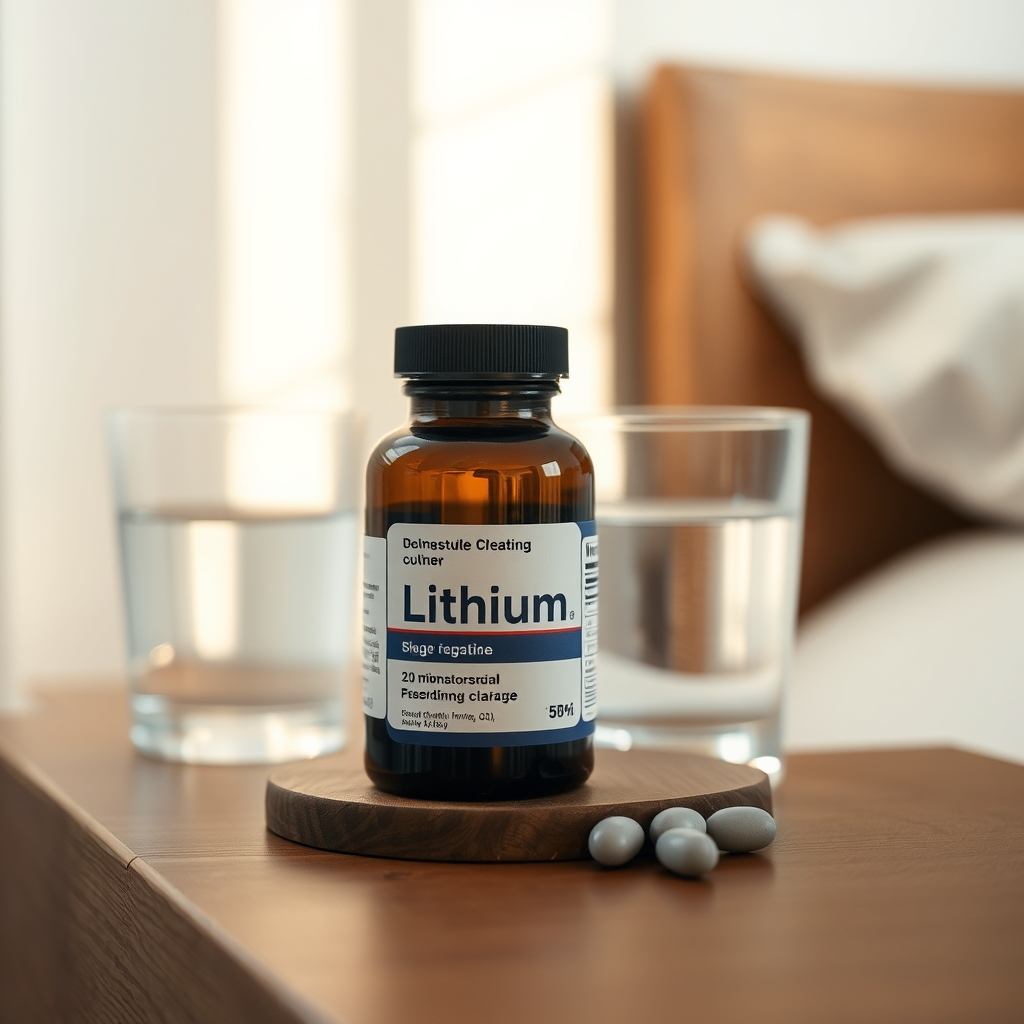
Safe: Is lithium safe during pregnancy? It can be used with caution, limited to low doses (≤300 mg) and avoided in the first trimester.
By Shubhra Mishra — a mom of two who turned her own confusion during pregnancy into BumpBites, a global mission to make food choices clear, safe, and stress-free for every expecting mother. 💛
Check whether any food is safe during pregnancy with the BumpBites Food Safety Checker.
Quick verdict: ⚠️ Talk to your doctor first. Lithium can be used during pregnancy, but it requires close monitoring, dose adjustments, and consideration of safer alternatives.
It’s completely understandable to feel a rush of anxiety when you discover you’re pregnant and you’re already taking lithium for bipolar disorder. You might be wondering, is lithium safe during pregnancy, and whether you should keep taking it or stop immediately. The short answer is that lithium is not outright forbidden, but it does carry specific risks that need careful management by you and your health‑care team.
In this article we’ll walk through exactly what the current medical guidance says about lithium use in each trimester, how blood‑level monitoring works, what dosage tweaks may be needed, and which alternative mood‑stabilizing options are considered safer for a developing baby. We’ll also compare the two most common lithium brands, outline red‑flag symptoms, and give you a clear action plan so you can stop worrying and start focusing on your health and your baby’s.
Whether you’re in the early weeks of pregnancy or already into the third trimester, we’ve organized the information so you can find the answer to the exact question that’s on your mind, like “Is lithium safe to use in the first trimester of pregnancy?” or “What dosage of lithium is considered safe during pregnancy?” Let’s dive in.
Remember, every pregnancy is unique. The guidance below reflects broad recommendations from leading authorities such as ACOG, the NHS, and the FDA, but your personal situation may differ. Keeping an open line of communication with both your psychiatrist and obstetrician is the safest way to navigate medication decisions.
Keep your medication where you can see it, but store it out of reach of children.
Stage
Verdict
Notes
First trimester
⚠️ Use with caution
Higher risk of cardiac malformations; close serum‑level monitoring recommended.
Second trimester
⚠️ Use with caution
Risk of neonatal toxicity; dose often reduced.
Third trimester
⚠️ Use with caution
Potential for neonatal withdrawal; monitor levels at delivery.
Breastfeeding
❌ Generally avoided
Lithium passes into breast milk; most guidelines advise against nursing while on lithium.
What is lithium?
Lithium is a naturally occurring mineral that has been used for decades as a mood stabilizer, primarily for bipolar disorder. It works by influencing neurotransmitter signaling and intracellular pathways that affect mood regulation, helping to reduce the frequency and severity of manic and depressive episodes. The most common prescription forms are lithium carbonate tablets, sold under brand names such as Lithobid and Eskalith, as well as generic versions.
Because lithium has a narrow therapeutic window—the range between an effective dose and a toxic dose—it requires regular blood‑level checks. Typical therapeutic serum concentrations fall between 0.6 and 1.2 mEq/L for most adults. Levels outside this range can cause side effects ranging from mild tremor to serious kidney or thyroid issues. For pregnant people, the challenge is balancing the need for mood stability with the potential impact of lithium on the developing fetus.
In addition to its psychiatric effects, lithium influences sodium transport across cell membranes, which is why it can affect kidney function and fluid balance. Understanding these mechanisms helps explain why pregnancy, a state of increased renal filtration, often necessitates dose adjustments.
Is lithium safe during pregnancy?
T
he short answer, according to the American College of Obstetricians and Gynecologists (ACOG) and the UK’s National Health Service (NHS), is that lithium is not absolutely contraindicated, but it is considered a medication that requires careful risk‑benefit analysis. ACOG notes that lithium exposure during pregnancy is associated with a modest increase in the risk of cardiac malformations, particularly Ebstein’s anomaly, a rare heart defect. However, the absolute risk remains low—estimated at about 1 in 1,000 to 1 in 2,000 births, versus a baseline risk of roughly 1 in 20,000.
Both ACOG and the FDA advise that if a woman is already stable on lithium, abrupt discontinuation can lead to relapse, which itself poses risks such as poor self‑care, substance use, and even suicide. Therefore, many clinicians recommend continuing lithium with close monitoring, especially if the benefits outweigh the potential fetal risks. The UK’s NICE guidelines echo this stance, recommending that clinicians discuss the limited data, consider dose adjustments, and arrange more frequent serum‑level checks (often every 2–4 weeks) throughout pregnancy.
In practice, the decision hinges on three factors: the severity of the mother’s bipolar disorder, the dose of lithium being taken, and the stage of pregnancy. For many patients, a modest reduction in dose—often guided by serum‑level trends—can keep both mother and baby safe. Nonetheless, if a woman is planning a pregnancy, it is advisable to discuss pre‑conception counseling with a psychiatrist and obstetrician to map out a personalized plan.
Recent reviews from the World Health Organization (WHO) also highlight that the risk of untreated bipolar disorder—particularly severe mania—can outweigh the modest medication‑related risks, reinforcing the importance of individualized care.
Creating a written plan with your health team can reduce anxiety and keep you on track.
Safety by trimester
First trimester
The first trimester is the period of organogenesis, when the baby’s heart and other major organs are forming. During this window, lithium exposure carries the highest relative risk for cardiac anomalies, especially the rare Ebstein’s anomaly. Studies published in the American Journal of Psychiatry and reviewed by the CDC indicate that while the risk is statistically higher than in unexposed pregnancies, the absolute likelihood remains low.
Because of this, ACOG recommends that clinicians discuss the potential risk with patients and consider a dose reduction if the therapeutic effect can be maintained. If a woman has a history of severe manic episodes that could jeopardize her health, continuing lithium at the lowest effective dose—while closely monitoring serum levels—may be the safest compromise. In any case, a thorough ultrasound, including fetal echocardiography, is often offered between weeks 18–22 to assess heart development.
Second trimester
During the second trimester, the fetal heart is largely formed, but lithium’s ability to cross the placenta can still affect the developing nervous system and kidney function. The primary concern shifts toward neonatal toxicity, as maternal renal clearance changes and lithium concentrations can rise. ACOG suggests targeting a slightly lower serum lithium level (0.5–0.8 mEq/L) and continuing blood‑level checks every 2–4 weeks.
Many obstetricians also recommend a detailed anatomy scan at 20 weeks, which can reassure parents that organ development is proceeding normally. If the mother experiences side effects such as tremor or thyroid changes, her psychiatrist may adjust the dose or consider a switch to an alternative mood stabilizer.
Third trimester
In the third trimester, the fetus’s kidneys mature, and lithium clearance can fluctuate again, sometimes leading to higher maternal serum levels. This raises the possibility of neonatal adaptation syndrome—a set of withdrawal‑like symptoms that can include tremors, irritability, and feeding difficulties after birth. Close monitoring of maternal lithium levels at the time of delivery is essential; many clinicians aim for a level just below the therapeutic range to minimize neonatal exposure.
After birth, pediatricians typically check the newborn’s lithium level, thyroid function, and cardiac status. Early identification of any toxicity allows for prompt supportive care, which usually resolves quickly once the drug is cleared.
Breastfeeding
Lithium readily passes into breast milk, reaching concentrations that can be up to 50 % of the maternal serum level. Because newborns have immature renal function, they are at risk for accumulation and toxicity. The FDA and ACOG therefore advise against breastfeeding while on lithium, unless the mother and infant are monitored closely and the benefits of breastfeeding are deemed to outweigh the risks.
In rare cases where a mother wishes to continue lactation, some clinicians may suggest measuring infant serum lithium levels and closely watching for signs of toxicity. However, most guidelines recommend using formula or expressed breast milk that has been pumped and filtered to remove the medication, if possible.
Regular blood‑level checks help keep both you and your baby safe.
Can I continue my lithium dosage during pregnancy without risk?
Continuing lithium “without risk” is a nuanced statement. The medication itself is not teratogenic in the classic sense, but it does increase the odds of certain outcomes, such as cardiac malformations and neonatal toxicity. The prevailing guidance from ACOG and the FDA is that lithium can be continued, but the dose often needs to be lowered to account for the increased plasma concentration that occurs during pregnancy due to reduced renal clearance.
Most obstetric specialists advise a target serum level of 0.5–0.8 mEq/L in the second and third trimesters, compared with the usual 0.6–1.2 mEq/L in non‑pregnant adults. This adjustment helps keep the drug effective while minimizing fetal exposure. Frequent blood‑level checks—sometimes every 2 weeks—allow clinicians to fine‑tune the dose. If you’re already on lithium, do not stop abruptly; instead, schedule an appointment with your psychiatrist and obstetrician to discuss a tailored plan.
In addition to serum monitoring, many providers also check thyroid and kidney function every trimester because lithium can affect both systems. Adjustments to other medications, such as thyroid hormone replacement, may be necessary to keep maternal health optimal.
What are the risks of lithium exposure for the unborn baby?
Beyond the aforementioned cardiac concerns, lithium can cross the placenta and lead to several neonatal complications:
Neonatal toxicity: Elevated lithium levels in the newborn can cause lethargy, poor feeding, and respiratory distress.
Transient hypothyroidism: The infant’s thyroid gland may be suppressed, requiring monitoring of thyroid function after birth.
Neonatal adaptation syndrome: Babies may show signs of withdrawal such as tremors or irritability in the first days of life.
These risks are generally manageable with appropriate perinatal monitoring. Importantly, untreated bipolar disorder can also affect pregnancy outcomes, increasing the chance of preterm birth, low birth weight, and maternal self‑harm. The decision matrix therefore balances the modest increase in fetal risk against the potentially greater risk of maternal relapse.
Recent cohort studies have shown that when lithium is carefully monitored, the rates of major congenital anomalies remain comparable to the general population, reinforcing the principle that individualized care can mitigate many of the theoretical dangers.
Are there safer alternative mood stabilizers for pregnant women?
If you and your provider decide that lithium’s risks outweigh its benefits, several alternative treatments have more reassuring safety profiles during pregnancy:
Lamictal (lamotrigine): Considered relatively safe; it does not appear to increase major birth defects, though dose adjustments may be needed due to altered metabolism.
Zyprexa (olanzapine): An atypical antipsychotic with extensive data supporting use in pregnancy; monitor weight gain and glucose.
Seroquel (quetiapine): Another atypical antipsychotic that has not shown a clear teratogenic signal; watch for sedation.
Abilify (aripiprazole): Generally regarded as low‑risk for birth defects, but limited data exist; preferred when other options fail.
Psychotherapy (CBT): Cognitive‑behavioral therapy can reduce relapse risk without medication exposure.
Omega‑3 fish oil supplements: May have mood‑stabilizing benefits and are safe for most pregnant women.
Each alternative has its own side‑effect profile, and the choice should be individualized. Discuss any switch well before conception whenever possible, as titration periods can be stressful.
How do different lithium brands (e.g., Lithobid, Eskalith) affect pregnancy outcomes?
The two most common lithium carbonate brands—Lithobid and Eskalith—contain the same active ingredient and are bioequivalent. The minor differences lie in excipients (inactive ingredients) and tablet size, which do not meaningfully affect fetal exposure. Clinical studies have not demonstrated a disparity in pregnancy outcomes between these brands. Therefore, the safety considerations focus on the lithium dose itself rather than the brand name.
Some patients report that one brand feels easier on the stomach, but such preferences are anecdotal and should not drive the safety decision. If you experience gastrointestinal upset, your provider may suggest taking the tablet with food or switching to a different brand for tolerability, but the underlying monitoring protocol remains the same.
What dosage of lithium is considered safe during pregnancy?
There is no universally “safe” fixed dose; instead, safety is gauged by maintaining therapeutic serum levels while minimizing excess exposure. The FDA labeling acknowledges that pregnancy can increase lithium concentration by up to 50 % because of reduced renal clearance. Consequently, clinicians often start with a modest dose reduction—typically 20–30 %—and then adjust based on blood‑level results.
For example, a woman taking 900 mg of lithium carbonate daily may be reduced to 600–750 mg after confirming a serum level within the target range of 0.5–0.8 mEq/L. The exact amount varies with body weight, kidney function, and trimester. Frequent monitoring (every 2–4 weeks) is essential, especially as the third trimester approaches, when renal clearance can change again.
In addition to dosage, timing of the dose relative to meals can help reduce gastrointestinal side effects. Some clinicians advise splitting the total daily dose into two or three smaller doses to maintain steadier serum levels.
Brand
Typical adult dose
Pregnancy‑adjusted dose
Notes
Lithobid (lithium carbonate)
900–1200 mg/day
600–900 mg/day, adjusted to serum level 0.5–0.8 mEq/L
Take with meals to reduce GI upset.
Eskalith (lithium carbonate)
900–1200 mg/day
600–900 mg/day, titrated per serum level
Same monitoring schedule as Lithobid.
How often should lithium blood levels be checked during pregnancy?
Because pregnancy alters kidney function and fluid balance, most obstetricians recommend checking lithium serum concentrations every 2–4 weeks throughout the first and second trimesters, then increasing frequency to weekly or bi‑weekly as you approach delivery. This schedule aligns with ACOG’s guidance for medications with narrow therapeutic windows.
If you experience symptoms such as increased tremor, excessive thirst, or changes in urine output, your provider may order an earlier check. Consistent monitoring helps catch rising levels before they become toxic and allows timely dose adjustments.
Does lithium increase the risk of birth defects or miscarriage?
Current evidence indicates that lithium does not significantly raise the risk of miscarriage beyond the baseline rate for the general pregnant population. The primary concern remains the modest increase in cardiac malformations, particularly Ebstein’s anomaly. The absolute risk remains low—roughly 0.05 % to 0.1 %—and many clinicians consider this acceptable when balanced against the dangers of untreated bipolar disorder.
Other birth defects, such as neural tube defects or cleft palate, have not been consistently linked to lithium exposure. However, because lithium can affect thyroid function, regular fetal thyroid screening is recommended, especially if the mother has pre‑existing thyroid issues.
How does bipolar disorder affect lithium safety decisions in pregnancy?
Bipolar disorder is a chronic condition that can have severe mood swings, including manic episodes that may lead to risky behaviors, poor nutrition, and medication non‑adherence. The severity and pattern of a patient’s bipolar episodes heavily influence the risk‑benefit calculus. For women with a history of frequent, severe mania, the potential harm from stopping lithium may outweigh the modest fetal risk, prompting clinicians to continue the medication with close monitoring.
Conversely, if a woman’s bipolar disorder is well‑controlled and her episodes are infrequent, a switch to a medication with a more favorable pregnancy safety profile—such as lamotrigine—might be considered. Shared decision‑making, involving the obstetrician, psychiatrist, and the patient, is essential to tailor the plan to the individual’s psychiatric history and pregnancy goals.
Importantly, postpartum relapse rates are high for bipolar disorder. Maintaining mood stability during pregnancy can reduce the likelihood of a severe postpartum episode, which is another factor clinicians weigh when deciding whether to continue lithium.
Side effects and risks
Both mother and baby can experience side effects from lithium:
Maternal: Tremor, increased thirst, frequent urination, mild nausea, and potential thyroid or kidney function changes.
Fetal/Neonatal: Cardiac anomalies (especially Ebstein’s anomaly), neonatal lithium toxicity (manifesting as lethargy, poor feeding, or respiratory distress), and transient hypothyroidism.
Most of these issues are manageable with routine prenatal labs (kidney, thyroid, lithium serum level) and targeted fetal ultrasounds. However, if you notice severe tremors, persistent vomiting, or signs of dehydration, contact your provider promptly.
Safer alternatives
Lamictal (lamotrigine) – widely used for bipolar depression; low teratogenic risk.
Zyprexa (olanzapine) – atypical antipsychotic with extensive pregnancy safety data.
Seroquel (quetiapine) – another atypical antipsychotic considered low‑risk for birth defects.
Abilify (aripiprazole) – relatively safe but limited data; useful when other options fail.
Psychotherapy (CBT) – non‑pharmacologic mood stabilization that eliminates fetal drug exposure.
Omega‑3 fish oil supplements – safe, may improve mood stability, and support fetal brain development.
High risk of neural tube defects and other malformations.
Zyprexa (olanzapine)
✅ Generally safe
Extensive data; monitor weight and glucose.
Seroquel (quetiapine)
✅ Generally safe
Low teratogenic signal; watch for sedation.
Abilify (aripiprazole)
✅ Generally safe
Limited data but no clear birth‑defect signal.
Myth vs. fact
Myth: “Lithium always causes birth defects, so you must stop it as soon as you learn you’re pregnant.”
Fact: Lithium modestly raises the risk of a specific heart defect, but the absolute risk is low, and many clinicians continue the drug with careful monitoring.
Myth: “All mood stabilizers are unsafe during pregnancy.”
Fact: Some mood stabilizers, such as lamotrigine and certain atypical antipsychotics, have evidence supporting safe use in pregnancy when properly managed.
Myth: “If I’m on lithium, I can’t breastfeed at all.”
Fact: Lithium does pass into breast milk, and most guidelines advise against nursing while on lithium; however, a few cases have reported successful breastfeeding with close infant monitoring.
Key takeaways
Lithium can be used during pregnancy, but it requires close serum‑level monitoring and often a dose reduction.
The first trimester carries the highest relative risk for cardiac anomalies; fetal echocardiography is recommended.
Alternative mood stabilizers like lamotrigine, olanzapine, quetiapine, and aripiprazole generally have a more favorable safety profile.
Never stop lithium abruptly; coordinate any changes with both your psychiatrist and obstetrician.
Watch for maternal side effects (tremor, thirst) and neonatal signs of toxicity (lethargy, poor feeding).
Regular thyroid and kidney function tests, plus frequent lithium level checks, help keep both you and baby safe.
Frequently asked questions
Can you take lithium while pregnant?
Yes, you can, but it should be done under close supervision with regular blood‑level checks and possibly a reduced dose. Your provider will weigh the benefits for your mental health against the modest fetal risks.
What are the side effects of lithium for a baby?
Babies exposed to lithium may experience neonatal toxicity (lethargy, poor feeding), transient hypothyroidism, and a slightly increased chance of a rare heart defect called Ebstein’s anomaly.
Is it safe to breastfeed while on lithium?
Most guidelines advise against breastfeeding while taking lithium because the drug passes into breast milk and can affect the infant’s heart and thyroid; if you choose to breastfeed, discuss close infant monitoring with your pediatrician.
How does lithium affect fetal development?
Lithium can cross the placenta, modestly raising the risk of cardiac malformations during organ formation and potentially causing neonatal toxicity if levels remain high at birth.
Should I stop lithium before trying to conceive?
Ideally, discuss pre‑conception planning with your psychiatrist; some women successfully taper lithium before pregnancy, while others continue at the lowest effective dose with monitoring. The decision is individualized.
What are the alternatives to lithium for bipolar disorder during pregnancy?
Safer options include lamotrigine, olanzapine, quetiapine, aripiprazole, psychotherapy (CBT), and omega‑3 supplements, each offering a different balance of efficacy and safety.
Does lithium cause birth defects?
Lithium is associated with a small increase in the risk of Ebstein’s anomaly, a rare heart defect, but the overall absolute risk remains low compared with many other medications.
What is the recommended lithium blood level during pregnancy?
Guidelines suggest targeting a serum lithium level of 0.5–0.8 mEq/L in the second and third trimesters, slightly lower than the typical non‑pregnant therapeutic range.
Can I switch from lithium to another medication while pregnant?
Switching is possible but should be done under close medical supervision. A gradual taper of lithium combined with a careful titration of the new medication helps minimize relapse risk and maintains mood stability.
What should I know about lithium and postpartum relapse?
Postpartum relapse rates for bipolar disorder are high. Continuing lithium through pregnancy and into the postpartum period, with appropriate monitoring, can reduce the chance of a severe mood episode after delivery.
When to call your doctor
Contact your obstetrician or psychiatrist right away if you notice any of the following: severe tremor, persistent vomiting, signs of dehydration (dry mouth, dizziness), sudden mood changes, or if your infant after birth shows lethargy, poor feeding, or unusual breathing patterns. These symptoms may signal lithium toxicity or other complications that need prompt evaluation.
Remember, this article provides general information and does not replace personalized medical advice. Always discuss medication changes with your health‑care team.
References
American College of Obstetricians and Gynecologists (ACOG). “Practice Bulletin: Mood Disorders in Pregnancy.” 2023.
National Health Service (NHS). “Lithium and Pregnancy.” Updated 2022.
U.S. Food and Drug Administration (FDA). “Lithium Carbonate: Drug Label.” 2021.
Centers for Disease Control and Prevention (CDC). “Birth Defects: Ebstein’s Anomaly.” 2020.
World Health Organization (WHO). “Guidelines for the Management of Bipolar Disorder.” 2022.
Mayo Clinic. “Lithium Therapy: Risks and Benefits During Pregnancy.” 2023.
National Institute for Health and Care Excellence (NICE). “Bipolar Disorder in Adults: Management.” 2021.
Not sure about the label on Is Lithium Safe During Pregnancy products?
Snap the ingredients list and SafeFilter checks every ingredient for your stage — only 3 free scans this month, then you're locked until reset. Unlimited from $7/mo or $50/yr.
When Shubhra Mishra was expecting her first child in 2016, she was overwhelmed by conflicting food advice — one site said yes, another said never. By the time her second baby arrived in 2019, she realized millions of mothers face the same confusion.
That sparked a five-year journey through clinical nutrition papers, cultural diets, and expert conversations — all leading to BumpBites: a calm, compassionate space where science meets everyday motherhood.
Her long-term vision is to build a global community ensuring safe, supported, and free deliveriesfor every mother — because no woman should face pregnancy alone or uninformed. 🌿
🌍 Stand with mothers, shape safer guidance
Join a small circle of experts who review BumpBites articles so expecting parents everywhere can decide with confidence.