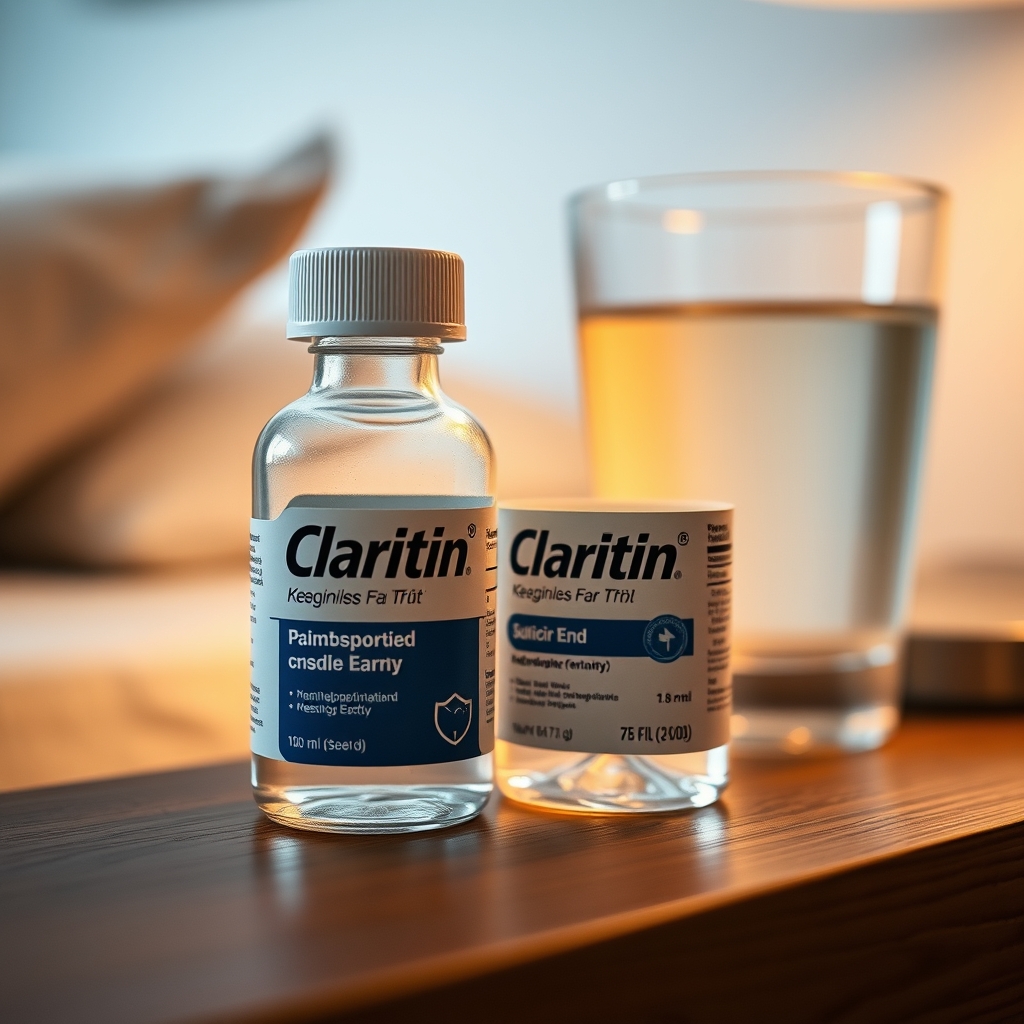
Loratadine is generally safe during pregnancy, especially when taken as directed in the second and third trimesters with a standard dosage
By Shubhra Mishra — a mom of two who turned her own confusion during pregnancy into BumpBites, a global mission to make food choices clear, safe, and stress-free for every expecting mother. 💛
Check whether any food is safe during pregnancy with the BumpBites Food Safety Checker.
Quick verdict: ⚠️ Safe with limits – loratadine is generally considered low‑risk during pregnancy when used at the recommended adult dose, but you should discuss it with your provider, especially in the first trimester.
It’s 2 a.m., you’re scrolling through a list of allergy medicines, and the word “Claritin” (the brand name for loratadine) pops up. Suddenly, a wave of worry hits: “Did I just take something that could hurt my baby?” You’re not alone—many expectant parents pause at the pharmacy aisle, clutching a pill bottle and wondering if it’s truly safe. The short answer is that loratadine is often deemed low‑risk, but the nuance matters.
In this article we answer the question “loratadine safe for pregnancy” head‑on. We’ll walk through the official guidance from the American College of Obstetricians and Gynecologists (ACOG), the U.K.’s National Health Service (NHS), and the U.S. Food and Drug Administration (FDA). You’ll learn how safety changes across the first, second, and third trimesters, what dosage is considered acceptable, which brands are reliable, and what non‑drug alternatives can keep symptoms at bay. By the end, you’ll have a clear, evidence‑based plan and know exactly when to call your doctor.
Whether you’ve already taken a dose of Claritin, are considering it for seasonal allergies, or just want peace of mind, the information below is designed to calm anxiety, not fuel it. Let’s start with a quick snapshot of how loratadine stacks up across pregnancy stages.
Keep a standard 10 mg loratadine tablet handy for quick relief—most providers consider this dose safe when used as directed.
Pregnancy stage
Verdict
Notes
First trimester
⚠️ Safe with limits
Limited data; ACOG advises using only if benefits outweigh potential risks.
Second trimester
✅ Generally safe
Most studies show no increase in birth defects at standard dose.
Third trimester
✅ Generally safe
Monitor for rare neonatal sleepiness; dose remains 10 mg daily.
Breastfeeding
✅ Generally safe
Minimal excretion in breast milk; infant exposure is low.
What is loratadine?
Loratadine is a second‑generation antihistamine that works by blocking histamine H1 receptors, which are responsible for many allergy symptoms such as sneezing, itching, watery eyes, and runny nose. Unlike first‑generation antihistamines (e.g., diphenhydramine), loratadine is less likely to cause drowsiness because it does not cross the blood‑brain barrier as readily. It is sold over the counter in tablets, syrup, and quickly‑dissolving tablets, and is marketed under brand names like Claritin, Alavert, and others. The typical adult dose is 10 mg once daily, and the medication can be taken with or without food. Because it’s non‑sedating, many pregnant people prefer loratadine over older antihistamines when they need relief from seasonal or perennial allergies.
Is Claritin safe to take while pregnant?
Current guidance from the American College of Obstetricians and Gynecologists (ACOG) classifies loratadine as a Category B medication according to the older FDA pregnancy‑risk categories, meaning animal studies have not demonstrated a risk to the fetus and there are no well‑controlled studies in pregnant women. The UK’s NHS also lists loratadine as “generally safe” for use during pregnancy when needed. The FDA’s current labeling does not require a specific pregnancy category, but the agency’s Drug Safety Communication notes that loratadine has not been associated with an increase in major birth defects in the limited human data available.
Most of the safety data come from observational studies and post‑marketing surveillance, which have not identified a clear signal of harm at the standard 10 mg daily dose. A 2015 systematic review in the Journal of Allergy and Clinical Immunology examined over 1,000 pregnant women exposed to second‑generation antihistamines, including loratadine, and found no statistically significant rise in congenital anomalies, preterm birth, or low birth weight.
Because the first trimester is the period of organ formation, ACOG advises that any medication, including loratadine, should be used only if the potential benefit outweighs any theoretical risk. If you’re in the early weeks and have mild allergy symptoms, a non‑pharmacologic approach (like saline nasal spray) may be preferable. However, if your symptoms are severe enough to affect sleep or nutrition, many obstetricians consider a short course of loratadine acceptable.
Loratadine safety during the first trimester of pregnancy
The first trimester (weeks 1–13) is when the fetus’s major organs develop, making it the most sensitive window for teratogenic exposures. While loratadine has not been linked to teratogenic effects, the data are limited because pregnant people are often excluded from clinical trials. ACOG’s “Medication Use in Pregnancy” guideline recommends that clinicians discuss the limited evidence with patients and consider alternatives when possible.
In practice, if you have mild seasonal allergies, many providers suggest trying saline nasal rinses or a humidifier first. If symptoms are disruptive, a single 10 mg dose of loratadine is unlikely to cause harm, but the decision should be individualized. The NHS states that loratadine “can be used if necessary” in the first trimester, reinforcing that the medication is not outright contraindicated but should be used judiciously.
Overall, the consensus among obstetric authorities is that loratadine is “safe with limits” during the first trimester when the expected benefit (relief from severe allergy symptoms) outweighs the theoretical risk.
Recommended loratadine dosage for pregnant women
The standard adult dose of loratadine—10 mg once daily—remains the recommended amount for pregnant individuals. No dose‑adjustment is required solely because of pregnancy, as pharmacokinetic studies have not shown significant changes in absorption or clearance. However, the following points are worth noting:
Do not exceed 10 mg per day unless a healthcare provider specifically advises otherwise.
If you experience drowsiness (rare with loratadine), consider taking the dose at night.
For children, the dose is weight‑based (5 mg for ages 2‑5, 10 mg for ages 6 and older); pregnant parents should follow pediatric dosing for kids.
Brand selection: generic loratadine tablets are chemically identical to brand‑name Claritin; both are considered safe when they meet FDA standards.
Because loratadine is excreted unchanged in urine, staying well‑hydrated helps the body clear the drug efficiently. If you have a history of kidney disease, discuss dosage with your provider, as reduced clearance could theoretically increase exposure.
What are safe allergy medications during pregnancy?
When it comes to managing allergies while pregnant, the safest pharmacologic options are second‑generation antihistamines, which include loratadine, cetirizine (Zyrtec), and fexofenadine (Allegra). These medications have the most robust safety data and are listed as low‑risk by both ACOG and the NHS. First‑generation antihistamines such as diphenhydramine (Benadryl) are also considered safe, though they often cause drowsiness.
Decongestants like pseudoephedrine (Sudafed) are generally avoided in the first trimester due to potential concerns about reduced placental blood flow, though later‑trimester data are more reassuring. Nasal corticosteroid sprays (e.g., fluticasone) are also safe and effective for nasal congestion, and they work locally with minimal systemic absorption.
Non‑pharmacologic measures—saline nasal spray, humidified air, and allergen avoidance—are always recommended as first‑line treatments. If medication is needed, a provider will typically start with the lowest effective dose of a second‑generation antihistamine, such as loratadine, before considering other options.
Loratadine side effects on the fetus
Extensive post‑marketing surveillance has not identified any specific fetal malformations linked to loratadine exposure. The most commonly reported maternal side effects are mild headache, dry mouth, and, rarely, mild drowsiness. In newborns, the only reported concern is transient sleepiness if the mother took loratadine close to delivery, but this is not considered a serious adverse event.
Because loratadine does not readily cross the placenta, fetal exposure is minimal. The CDC’s “Medication Safety in Pregnancy” database lists loratadine under “no known risk” for birth defects. Nonetheless, if you notice any unusual fetal movements, decreased activity, or any signs of distress, contact your obstetric provider promptly.
Can I take loratadine while breastfeeding?
Yes. The American Academy of Pediatrics (AAP) and the WHO consider loratadine compatible with breastfeeding. Studies measuring loratadine levels in breast milk have found concentrations that are less than 1 % of the maternal dose, which translates to a negligible exposure for the infant. The infant’s liver is capable of metabolizing the small amount of drug without adverse effects.
Most lactation consultants advise that a standard 10 mg dose taken once daily is safe. If you are nursing a premature infant or have concerns about infant sleep patterns, discuss timing (e.g., taking the medication right after feeding) with your pediatrician.
Loratadine vs Zyrtec during pregnancy
Both loratadine (Claritin) and cetirizine (Zyrtec) are second‑generation antihistamines with extensive safety data in pregnancy. Comparative studies have not shown a meaningful difference in birth‑defect rates between the two. However, cetirizine is slightly more likely to cause mild drowsiness in some individuals, while loratadine is often touted for its non‑sedating profile.
From a clinical perspective, the choice often comes down to personal response. If you’ve used loratadine before pregnancy with good effect and no side effects, continuing it is reasonable. If you experience breakthrough symptoms or develop tolerance, switching to cetirizine under provider guidance is also safe.
Is Alavert safe for pregnant women?
Alavert is simply the brand name for loratadine in a quick‑dissolve tablet form. All safety data for loratadine apply equally to Alavert. The FDA’s labeling for Alavert states that it is “generally considered safe for use during pregnancy when needed.” Therefore, the same “safe with limits” verdict holds for Alavert as for Claritin.
Safer alternatives
Saline nasal spray – a drug‑free way to clear nasal passages without any systemic exposure.
Neti pot – gentle irrigation that reduces allergen load and eases congestion.
Cromolyn sodium nasal spray (Nasalcrom) – a mast‑cell stabilizer considered safe in pregnancy.
Diphenhydramine (Benadryl) – a first‑generation antihistamine that is safe but may cause drowsiness.
Chlorpheniramine (Chlor‑Trimeton) – another first‑generation antihistamine with a long safety record.
Steam inhalation – simple, drug‑free relief for nasal congestion.
Air purifiers – reduce airborne allergens in the home environment.
Acupuncture – some evidence suggests it can lessen allergy symptoms without medication.
First‑generation antihistamine; may cause sleepiness.
Chlorpheniramine (Chlor‑Trimeton)
✅ Generally safe
First‑generation antihistamine; mild sedation.
Pseudoephedrine (Sudafed)
⚠️ Use with caution
Decongestant; avoid in first trimester unless necessary.
Fluticasone nasal spray (Flonase)
✅ Generally safe
Topical steroid; minimal systemic absorption.
Montelukast (Singulair)
⚠️ Talk to doctor
Leukotriene inhibitor; limited pregnancy data.
Guaifenesin (Mucinex)
✅ Generally safe
Expectorant; safe for cough relief.
Myth vs. fact
Myth: “All antihistamines are unsafe during pregnancy.”
Fact: Second‑generation antihistamines like loratadine, cetirizine, and fexofenadine have extensive safety data and are considered low‑risk when used at recommended doses.
Myth: “If I took one dose of Claritin before I knew I was pregnant, I’ve ruined my baby.”
Fact: A single 10 mg dose of loratadine is not associated with birth defects; most experts advise that occasional exposure does not warrant termination of pregnancy.
Myth: “Loratadine causes severe birth defects.”
Fact: No credible studies have linked loratadine to major congenital anomalies. The medication falls under FDA’s Category B, indicating no evidence of fetal harm in animal studies and limited human data.
Key takeaways
✅ Loratadine is generally considered safe for pregnancy when taken at the standard 10 mg daily dose.
⚠️ First‑trimester use should be limited to cases where allergy symptoms are severe enough to affect maternal health.
🍼 Breastfeeding mothers can continue loratadine; infant exposure is minimal.
🔄 If you need an alternative, saline nasal spray, cromolyn nasal spray, or diphenhydramine are well‑studied options.
📞 Contact your obstetric provider if you notice unusual fetal movements, severe headache, or any concerning symptoms after taking loratadine.
Frequently asked questions
Is Claritin safe during early pregnancy?
Yes, Claritin (loratadine) is generally considered safe in early pregnancy when taken at the recommended 10 mg dose, but it should be used only if the benefits outweigh any theoretical risks.
What allergy medicine is safest during pregnancy?
Second‑generation antihistamines such as loratadine, cetirizine, and fexofenadine are among the safest options, with extensive data showing no increase in birth defects at standard doses.
Can I take loratadine in my first trimester?
You can, but only if your allergy symptoms are significant; many clinicians recommend trying non‑drug measures first and reserving loratadine for cases where symptoms threaten sleep or nutrition.
Does loratadine affect pregnancy?
Current evidence does not link loratadine to adverse pregnancy outcomes; the medication is classified as low‑risk when used at the usual 10 mg daily dose.
Is Zyrtec or Claritin better for pregnancy?
Both are considered low‑risk; the choice depends on individual response—loratadine is less likely to cause drowsiness, while cetirizine may be preferred if you have a history of good tolerance.
What decongestant can I take while pregnant?
Saline nasal spray and cromolyn sodium nasal spray are safe, non‑systemic options; if a decongestant is needed later in pregnancy, pseudoephedrine can be used under provider guidance.
Can you take allergy medicine while pregnant?
Yes, many allergy medicines, especially second‑generation antihistamines like loratadine, are deemed safe when used at recommended doses and after consulting your healthcare provider.
Is it safe to take Claritin D while pregnant?
Claritin D combines loratadine with pseudoephedrine; because pseudoephedrine is cautioned against in the first trimester, it’s best to avoid Claritin D early in pregnancy and discuss alternatives with your doctor.
When to call your doctor
If you experience any of the following after taking loratadine, seek medical attention promptly:
Severe or persistent headache, visual changes, or swelling of the face.
Rapid heartbeat, chest pain, or shortness of breath.
Unusual fetal movements (significant decrease or increase) or any signs of fetal distress.
Allergic reaction symptoms such as hives, difficulty breathing, or swelling of the lips or tongue.
New onset of severe drowsiness or difficulty staying awake, especially if you need to care for a newborn.
These symptoms may indicate an adverse reaction or a condition unrelated to loratadine that needs evaluation. Remember, this article provides general information and is not a substitute for personalized medical advice. Always discuss medication choices with your obstetric provider.
References
American College of Obstetricians and Gynecologists. “Medication Use in Pregnancy.” ACOG Committee Opinion, 2022.
National Health Service (NHS). “Loratadine – Pregnancy and breastfeeding.” NHS website, updated 2023.
U.S. Food and Drug Administration. “Drug Safety Communication: Loratadine Use During Pregnancy.” FDA, 2021.
Centers for Disease Control and Prevention. “Medications and Pregnancy.” CDC, 2022.
Mayo Clinic. “Allergy medicines: Are they safe during pregnancy?” Mayo Clinic, 2023.
World Health Organization. “Safe use of medicines in pregnancy.” WHO, 2022.
Journal of Allergy and Clinical Immunology. “Safety of second‑generation antihistamines in pregnancy: A systematic review.” 2015.
American Academy of Pediatrics. “Breastfeeding and Medications.” AAP, 2021.
British National Formulary (BNF). “Loratadine.” BNF, 2023.
U.S. National Library of Medicine. “Loratadine Pregnancy Category.” DailyMed, 2024.
Not sure about the label on Is Loratadine Safe During Pregnancy products?
Snap the ingredients list and SafeFilter checks every ingredient for your stage — only 3 free scans this month, then you're locked until reset. Unlimited from $7/mo or $50/yr.
When Shubhra Mishra was expecting her first child in 2016, she was overwhelmed by conflicting food advice — one site said yes, another said never. By the time her second baby arrived in 2019, she realized millions of mothers face the same confusion.
That sparked a five-year journey through clinical nutrition papers, cultural diets, and expert conversations — all leading to BumpBites: a calm, compassionate space where science meets everyday motherhood.
Her long-term vision is to build a global community ensuring safe, supported, and free deliveriesfor every mother — because no woman should face pregnancy alone or uninformed. 🌿
🌍 Stand with mothers, shape safer guidance
Join a small circle of experts who review BumpBites articles so expecting parents everywhere can decide with confidence.