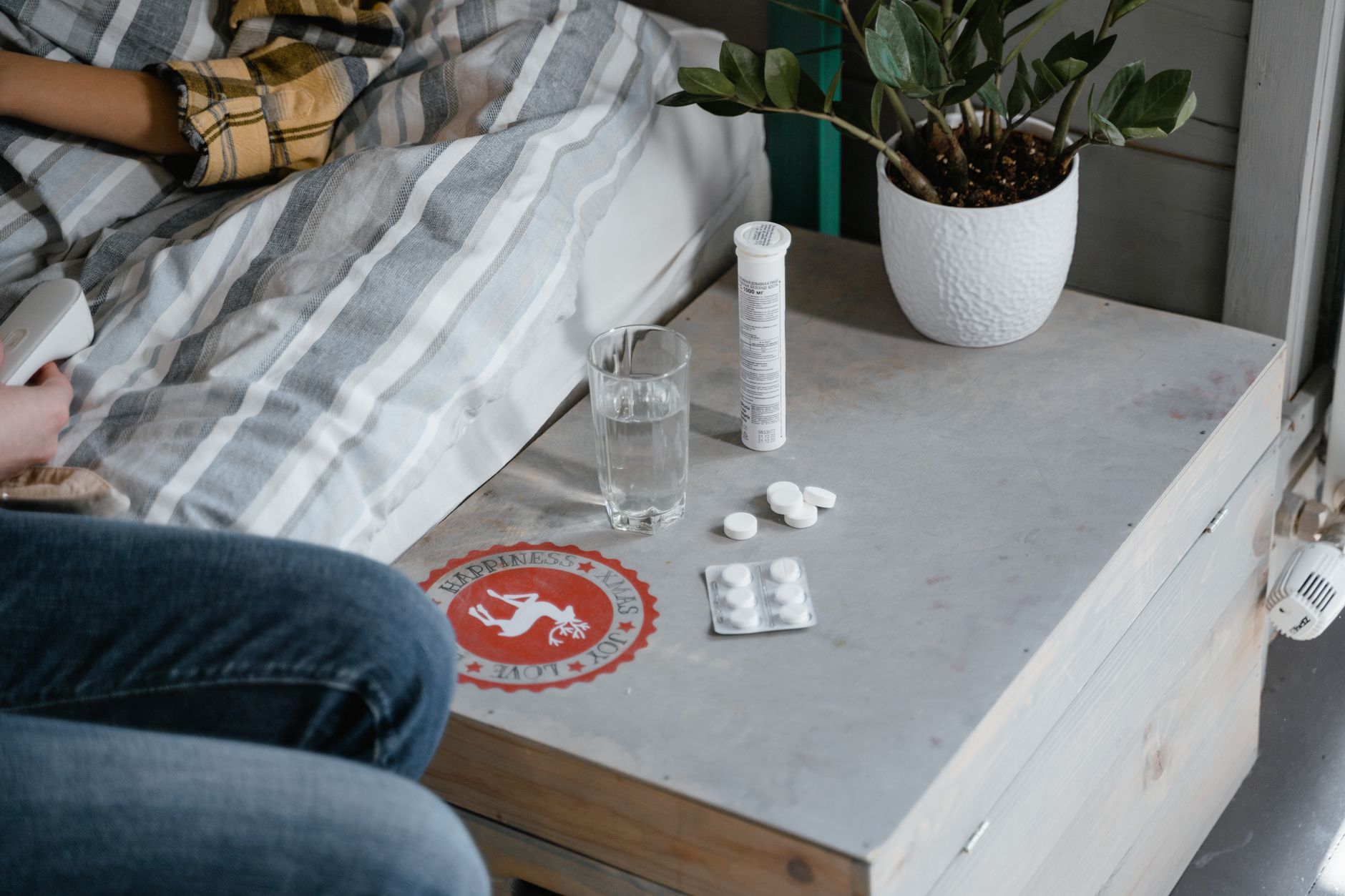
Safe in limited doses: Meclizine may be used during pregnancy, but only under medical supervision. Learn safe dosage, trimester-specific risks, and alternatives.
By Shubhra Mishra — a mom of two who turned her own confusion during pregnancy into BumpBites, a global mission to make food choices clear, safe, and stress-free for every expecting mother. 💛
Check whether any food is safe during pregnancy with the BumpBites Food Safety Checker.
Quick verdict: ⚠️ Talk to your doctor first. Meclizine can be used for nausea in pregnancy, but it should be limited to the lowest effective dose and only after discussing it with your healthcare provider.
It’s common to reach for a familiar anti‑nausea pill when morning sickness feels relentless, especially after a night shift or a long car ride. If you’ve Googled “meclizine safe for pregnancy” at 2 a.m., you’re not alone—many expecting parents wonder whether the medication they’ve used for motion sickness is appropriate for their growing baby.
In short, meclizine is not outright prohibited, but its safety depends on timing, dose, and individual health factors. Below we break down the current guidance from ACOG, the NHS, and the FDA, outline dosing recommendations, discuss trimester‑specific considerations, and suggest gentler alternatives you might try first.
Read on to see a clear verdict, dosage limits, brand options, potential side effects, and safer substitutes—so you can feel confident making the right choice for you and your pregnancy.
Having a trusted medication nearby can ease anxiety, but always check with your provider before starting.
Monitor for drowsiness; avoid if labor is imminent
Breastfeeding
⚠️ Use with caution
Small amounts pass into milk; discuss with pediatrician
What is meclizine and how does it work?
Meclizine is an antihistamine that belongs to the piperazine class. It works by blocking histamine H1 receptors in the brain, which helps reduce the vestibular stimulation that causes nausea, vomiting, and dizziness. Because it also has anticholinergic properties, it calms the inner ear’s signals that trigger motion‑related sickness. The drug is sold over the counter in the United States and Canada under brand names such as Antivert, Bonine, and Meclizine‑Hydrochloride tablets. Physicians sometimes prescribe it off‑label for pregnancy‑related nausea when other remedies have failed.
In addition to its anti‑nausea effect, meclizine can cause mild sedation, making it a popular choice for travelers who need to stay calm on long trips. Its onset of action is typically 30 minutes, and the effects can last up to 24 hours, which is why many people take it once a day for persistent symptoms. The drug is metabolized by the liver and excreted primarily in urine, with a half‑life of about 6 hours in healthy adults.
Because meclizine is an antihistamine, it also has the ability to cross the placental barrier, although the amount that reaches the fetus is low. This pharmacokinetic profile is why obstetric societies have taken a cautious, “use‑if‑necessary” stance rather than labeling it outright unsafe.
Is meclizine safe during pregnancy?
C
urrent guidance from the American College of Obstetricians and Gynecologists (ACOG) classifies meclizine as a Category B medication in the United States, meaning animal studies have not shown a risk to the fetus and there are no well‑controlled human studies confirming safety. The UK’s National Health Service (NHS) similarly notes that meclizine may be used when needed, especially after the first trimester. The U.S. Food and Drug Administration (FDA) has not issued a specific pregnancy warning for meclizine, but the agency advises that any medication taken during pregnancy should be discussed with a healthcare provider.
Because the most critical period for organ formation is the first trimester, clinicians typically recommend trying non‑pharmacologic options first—such as ginger or acupressure bands—before turning to meclizine. If nausea is severe and other measures have failed, a low dose of meclizine (often 25 mg) is considered acceptable by many obstetricians, provided the mother’s health is closely monitored.
Overall, meclizine is not universally “unsafe,” but it is a medication you should only use after weighing the benefits against the potential, albeit low, risks. Your provider can help you decide if it’s the right choice for your specific situation.
Is meclizine safe during early pregnancy?
In the first trimester, the safety data for meclizine are limited, and the risk‑benefit calculation leans more conservatively. ACOG suggests that if nausea is severe enough to cause dehydration or weight loss, a short course of meclizine may be justified, but the lowest effective dose should be used. Many providers prefer ginger, vitamin B6, or dietary changes before prescribing any antihistamine.
If you have already taken a single dose before realizing you were pregnant, try not to panic—one dose is unlikely to cause harm. However, it’s still wise to inform your obstetrician at your next appointment, especially if you plan to continue the medication.
Some clinicians also recommend timing the dose away from the period of organogenesis (weeks 3‑8) when possible, to further reduce any theoretical risk. Close follow‑up, including routine prenatal labs, helps ensure both mother and baby remain healthy.
Meclizine dosage for pregnancy nausea
The standard adult dose for motion‑related nausea is 25 mg taken orally once daily, with a possible increase to 50 mg if needed. In pregnancy, the consensus among obstetric guidelines is to start with the lowest dose—25 mg—once daily, taken with food to reduce stomach upset. Some clinicians may prescribe a 12.5 mg dose (half a tablet) for very mild symptoms.
It is important not to exceed 50 mg per day unless directed by a physician, as higher doses increase the chance of drowsiness and anticholinergic side effects. If you miss a dose, do not double up; simply resume the regular schedule.
Brand options that contain 25 mg of meclizine include Antivert, Bonine, and generic meclizine‑hydrochloride tablets. When selecting a product, check the label for “meclizine hydrochloride 25 mg” to ensure you’re getting the correct strength. In Canada, the same dosage is often sold under the name “Bonamine.”
Meclizine in third trimester safety
During the third trimester, meclizine remains generally safe, but clinicians advise caution because excessive sedation can interfere with a mother’s ability to respond to labor signs. The drug’s anticholinergic effects may also reduce amniotic fluid volume if taken in high doses, though this is rare.
Most obstetricians continue to allow a 25‑mg daily dose for persistent nausea or vertigo, emphasizing that the medication should be taken at night if drowsiness is a concern. If you are approaching labor, discuss with your provider whether to discontinue meclizine to avoid any potential impact on fetal heart rate monitoring.
In rare cases, neonatal sedation has been reported when the medication is taken within a few hours of delivery. For this reason, many providers suggest stopping meclizine at least 24 hours before a planned induction or cesarean section.
Alternatives to meclizine for morning sickness
If you’re looking for gentler options before reaching for meclizine, consider these evidence‑based alternatives, each of which has a solid safety record in pregnancy:
Vitamin B6 (pyridoxine) – 10‑25 mg three times daily can reduce nausea without side effects.
Unisom (doxylamine) – Often combined with vitamin B6 as the first‑line therapy for mild to moderate morning sickness.
Dramamine (dimenhydrinate) – An antihistamine similar to meclizine but generally considered safe in low doses.
Ginger tea – 1 gram of fresh ginger or 250 mg ginger extract up to three times daily is supported by multiple studies.
Acupressure bands – Wrist bands applying pressure to the P6 point can lessen nausea for some women.
Pyridoxine – The same as vitamin B6, often marketed specifically for pregnancy nausea.
Many clinicians suggest starting with vitamin B6 and ginger because they are inexpensive, have minimal side effects, and can be combined safely with other treatments. If those measures fail, an antihistamine such as meclizine or dimenhydrinate can be added under medical supervision.
Meclizine brand names safe for pregnancy
When choosing a product, look for reputable brands that clearly label the dosage:
Antivert – 25 mg tablets, widely used and trusted.
Bonine – 25 mg tablets, same active ingredient.
Generic meclizine hydrochloride – Often sold in bulk by pharmacies.
Avoid combination products that include other antihistamines or decongestants unless your provider specifically recommends them, as additional ingredients may carry separate pregnancy warnings. In some countries, meclizine is also available as a chewable tablet, but the dosage is typically the same as the standard 25 mg tablet.
Meclizine side effects in pregnant women
Common side effects include drowsiness, dry mouth, and mild constipation—effects that are generally not dangerous but can be uncomfortable. In rare cases, meclizine can cause blurred vision or urinary retention, which should be reported to a healthcare professional promptly.
Because pregnancy already predisposes many women to constipation and urinary changes, it’s important to stay hydrated, maintain a fiber‑rich diet, and discuss any severe side effects with your obstetrician. If you experience persistent dizziness or feel unable to stay awake while caring for a newborn, let your provider know; a dose adjustment or alternative therapy may be needed.
Meclizine for hyperemesis gravidarum treatment
Hyperemesis gravidarum (HG) is a severe form of nausea and vomiting that can lead to dehydration and weight loss. While the first‑line treatment for HG typically includes vitamin B6 and doxylamine, meclizine may be added when symptoms persist despite these measures. ACOG notes that antihistamines like meclizine can be used as part of a multimodal approach, especially when the patient cannot tolerate other medications.
In HG cases, the dosage is usually limited to 25 mg twice daily, and the patient is monitored closely for electrolyte imbalances and sedation. Always follow the specific plan laid out by your provider, as HG often requires a coordinated approach involving nutritionists, obstetricians, and sometimes inpatient care.
Meclizine dosage and administration
Take meclizine with a full glass of water and preferably with food to minimize stomach irritation. The tablet should be swallowed whole—do not crush or chew it, as this can increase the speed of absorption and heighten side effects. If you miss a dose, resume your regular schedule; do not double up.
For pregnant users, the recommended daily limit is 25 mg (one tablet) unless a higher dose is explicitly prescribed. Keep the medication out of reach of children, and store it in a cool, dry place.
Some women find that taking the medication at night helps mitigate daytime drowsiness. If you experience excessive sedation, discuss timing adjustments with your provider.
Ginger tea and vitamin B6 are often first‑line options before reaching for medication.
Meclizine and pregnancy category
In the United States, meclizine falls under FDA pregnancy Category B. This category indicates that animal reproduction studies have not demonstrated a risk to the fetus, but there are no adequate and well‑controlled studies in pregnant women. The UK’s Medicines and Healthcare products Regulatory Agency (MHRA) does not assign a specific category but aligns with the NHS recommendation that the drug may be used when necessary.
Because Category B is not a guarantee of safety, the drug should be prescribed only after a thorough discussion of risks and benefits with your obstetrician. The classification also means that the medication can be considered when the potential benefit justifies any remaining uncertainty.
Side effects and risks
Common, non‑serious side effects: drowsiness, dry mouth, mild constipation, and occasional headache. These usually resolve on their own or with simple lifestyle adjustments.
Less common but concerning signs: severe dizziness, blurred vision, urinary retention, or an allergic reaction (rash, itching, swelling). If any of these occur, stop the medication and contact your provider promptly.
Because meclizine can cross the placenta, there is a theoretical risk of neonatal sedation if taken very close to delivery. This is why many clinicians advise stopping the medication a few days before an expected delivery date, especially if the mother is experiencing labor.
Safer alternatives
Vitamin B6 (pyridoxine) – First‑line, well‑studied, and virtually free of side effects.
Unisom (doxylamine) – Often combined with vitamin B6 as a safe, OTC option.
Dramamine (dimenhydrinate) – Similar antihistamine with a comparable safety profile.
Acupressure bands – Non‑pharmacologic, easy to use, and safe for all trimesters.
Pyridoxine – Same as vitamin B6, specifically marketed for pregnancy nausea.
Safety by trimester
First trimester (weeks 1‑12)
The first trimester is the period of organogenesis, when the fetus’s major organs are forming. Because data on meclizine exposure during this window are limited, most obstetricians recommend reserving the medication for cases where nausea threatens maternal hydration or weight gain. If prescribed, the lowest possible dose (often 25 mg) should be used, and the provider may suggest spacing the dose away from the peak organ‑development weeks (3‑8).
Non‑pharmacologic measures—such as ginger, vitamin B6, or acupressure—are preferred first‑line options. If you have already taken a single dose, it is unlikely to cause harm, but you should inform your provider to keep the prenatal record complete.
Second trimester (weeks 13‑27)
During the second trimester, the placenta is more mature, and the fetus is less vulnerable to teratogenic effects. Studies and clinical experience indicate that meclizine at the standard 25‑mg dose is generally safe for most pregnant women. This is the period when many providers feel comfortable prescribing meclizine if nausea persists after trying dietary changes.
Even in the second trimester, it is wise to monitor for drowsiness, especially if you need to stay alert for work or childcare. Taking the medication in the evening can help mitigate daytime sedation.
Third trimester (weeks 28‑40)
In the third trimester, meclizine remains generally safe, but clinicians advise caution because excessive sedation can interfere with a mother’s ability to respond to labor signs. The drug’s anticholinergic effects may also reduce amniotic fluid volume if taken in high doses, though this is rare.
Most obstetricians continue to allow a 25‑mg daily dose for persistent nausea or vertigo, emphasizing that the medication should be taken at night if drowsiness is a concern. If you are approaching labor, discuss with your provider whether to discontinue meclizine to avoid any potential impact on fetal heart rate monitoring.
Breastfeeding
Meclizine does pass into breast milk in small amounts. The American Academy of Pediatrics (AAP) notes that occasional use is unlikely to harm a nursing infant, but chronic, high‑dose use should be avoided. If you are breastfeeding and need anti‑nausea relief, discuss timing (e.g., taking the dose right after a feeding) and consider alternatives such as ginger or vitamin B6, which have an excellent safety profile for both mother and baby.
Traveling while pregnant? Meclizine can be considered, but discuss timing and dosage with your provider.
Additional long‑tail topics
Can meclizine cause drowsiness in pregnancy?
Yes. Drowsiness is the most common side effect of meclizine, and pregnant women may be more sensitive to this effect. Taking the medication in the evening or before bedtime can help reduce daytime fatigue. If drowsiness interferes with daily activities, talk to your provider about adjusting the dose or switching to a different antihistamine.
Is meclizine safe for pregnant travelers?
Meclizine is often used to prevent motion sickness on trips, and it can be considered safe for pregnant travelers when taken at the lowest effective dose after a provider’s approval. However, non‑drug options such as acupressure bands, staying hydrated, and choosing seats with minimal motion should be tried first.
How does meclizine compare to dimenhydrinate in pregnancy?
Both meclizine and dimenhydrinate are antihistamines used for motion sickness. Studies suggest dimenhydrinate (Dramamine) has a similar safety profile to meclizine, but some clinicians prefer meclizine because it tends to cause less sedation. The choice often depends on personal response and provider preference.
Related items — safety at a glance
Item
Verdict
One‑line note
Dramamine (dimenhydrinate)
✅ Generally safe
Similar antihistamine; use lowest dose.
Benadryl (diphenhydramine)
✅ Generally safe
May cause more sedation; use cautiously.
Phenergan (promethazine)
⚠️ Use with caution
Higher sedation risk; often avoided.
Zofran (ondansetron)
✅ Generally safe
Prescription‑only; effective for severe nausea.
Reglan (metoclopramide)
⚠️ Use with caution
Risk of tardive dyskinesia with long‑term use.
Promethazine
⚠️ Use with caution
Can cause significant drowsiness and hypotension.
Vitamin B6 (pyridoxine)
✅ Generally safe
First‑line, minimal side effects.
Ginger root
✅ Generally safe
Natural anti‑nausea; supported by trials.
Myth vs. fact
Myth: Meclizine is completely safe in any amount during pregnancy.
Fact: While meclizine is Category B, it should be used at the lowest effective dose and only after consulting a provider.
Myth: All antihistamines are interchangeable for morning sickness.
Fact: Some antihistamines (e.g., diphenhydramine) may cause more sedation, and others may have different safety profiles; meclizine is just one option.
Myth: If you took meclizine before knowing you were pregnant, the baby will be harmed.
Fact: A single early dose is unlikely to cause fetal harm, but it’s still important to inform your obstetrician.
Myth: Meclizine can replace all other nausea treatments.
Fact: Non‑pharmacologic measures (ginger, vitamin B6, acupressure) are recommended first, and meclizine is considered a backup when those fail.
Key takeaways
Meclizine can be used for pregnancy nausea, but only after a risk‑benefit discussion with your provider.
Start with the lowest dose—typically 25 mg once daily—and avoid exceeding 50 mg per day unless prescribed.
First‑trimester use should be limited to cases where other options have failed.
Safe brand options include Antivert, Bonine, and generic meclizine 25 mg tablets.
Consider gentler alternatives such as vitamin B6, ginger tea, or acupressure bands before resorting to medication.
Report any severe side effects—especially dizziness, blurred vision, or urinary retention—to your healthcare provider promptly.
If you’re breastfeeding, use meclizine only when necessary and discuss timing with your pediatrician.
Frequently asked questions
Can I take meclizine while pregnant?
Yes, you can, but only after discussing it with your obstetrician and using the lowest effective dose, usually 25 mg once daily.
What are the side effects of meclizine in pregnancy?
Common side effects include drowsiness, dry mouth, and mild constipation; rare but concerning effects are blurred vision, urinary retention, or allergic reactions.
Is meclizine safe for morning sickness?
Meclizine is considered safe for morning sickness when other first‑line treatments (like vitamin B6) haven’t worked, and it is taken at the recommended low dose.
How much meclizine is safe during pregnancy?
The generally accepted safe amount is 25 mg once daily, not exceeding 50 mg per day unless your provider advises otherwise.
What are the risks of taking meclizine while pregnant?
Risks are low but include potential sedation, dry mouth, and the theoretical possibility of fetal exposure; the main concern is using the medication in the first trimester without a clear need.
Can meclizine cause birth defects?
Current evidence does not show a direct link between meclizine and birth defects, but it remains classified as Category B, meaning data are limited.
Is meclizine an over‑the‑counter medication for pregnancy?
Meclizine is available OTC, but it should only be used during pregnancy after a healthcare provider’s approval.
Is it safe to take meclizine with prenatal vitamins?
Yes, meclizine does not interact with most prenatal vitamins, but always confirm with your provider to avoid any rare ingredient conflicts.
Can I use meclizine if I have high blood pressure?
Meclizine is not known to raise blood pressure, but if you have hypertension you should discuss any new medication with your obstetrician to ensure it fits your overall treatment plan.
Can I take meclizine while breastfeeding?
Occasional use while breastfeeding is generally considered safe, but you should space the dose after a feeding and discuss any concerns with your pediatrician.
What should I do if I miss a dose of meclizine?
Simply take the missed dose at the next scheduled time; do not double the dose. If you’re unsure, contact your provider for guidance.
When to call your doctor
Contact your obstetrician or go to urgent care if you experience any of the following while taking meclizine: severe dizziness, blurred vision, difficulty urinating, signs of an allergic reaction (hives, swelling, difficulty breathing), or if nausea and vomiting persist despite treatment. Also, call if you have taken more than the recommended dose or if you’re unsure whether the medication is appropriate for your current trimester.
This article provides general information and is not a substitute for personalized medical advice. Always discuss your specific situation with a qualified healthcare professional.
References
American College of Obstetricians and Gynecologists (ACOG). “Medication Use During Pregnancy.” 2023.
National Health Service (NHS). “Meclizine and Pregnancy.” Updated 2022.
U.S. Food and Drug Administration (FDA). “Drug Categories and Pregnancy.” 2021.
Centers for Disease Control and Prevention (CDC). “Pregnancy and Medication Safety.” 2022.
World Health Organization (WHO). “Guidelines for the Management of Nausea and Vomiting of Pregnancy.” 2020.
Mayo Clinic. “Meclizine: Uses, Side Effects, Interactions.” Accessed July 2026.
American Academy of Pediatrics (AAP). “Medications and Breastfeeding.” 2021.
Not sure about the label on Is Meclizine Safe During Pregnancy products?
Snap the ingredients list and SafeFilter checks every ingredient for your stage — only 3 free scans this month, then you're locked until reset. Unlimited from $7/mo or $50/yr.
When Shubhra Mishra was expecting her first child in 2016, she was overwhelmed by conflicting food advice — one site said yes, another said never. By the time her second baby arrived in 2019, she realized millions of mothers face the same confusion.
That sparked a five-year journey through clinical nutrition papers, cultural diets, and expert conversations — all leading to BumpBites: a calm, compassionate space where science meets everyday motherhood.
Her long-term vision is to build a global community ensuring safe, supported, and free deliveriesfor every mother — because no woman should face pregnancy alone or uninformed. 🌿
🌍 Stand with mothers, shape safer guidance
Join a small circle of experts who review BumpBites articles so expecting parents everywhere can decide with confidence.