Is Medicube safe for pregnancy? It's conditional. Understand specific product safety, ingredients to avoid, and safe alternatives for each trimester. Consult your doctor.
By Shubhra Mishra — a mom of two who turned her own confusion during pregnancy into BumpBites, a global mission to make food choices clear, safe, and stress-free for every expecting mother. 💛
Check whether any food is safe during pregnancy with the BumpBites Food Safety Checker.
Quick verdict: ⚠️ Talk to your doctor first. Medicube can be used by many pregnant people, but because it contains active ingredients like niacinamide, salicylic acid, and certain botanical extracts, you should get personalized guidance before making it a regular part of your skincare routine.
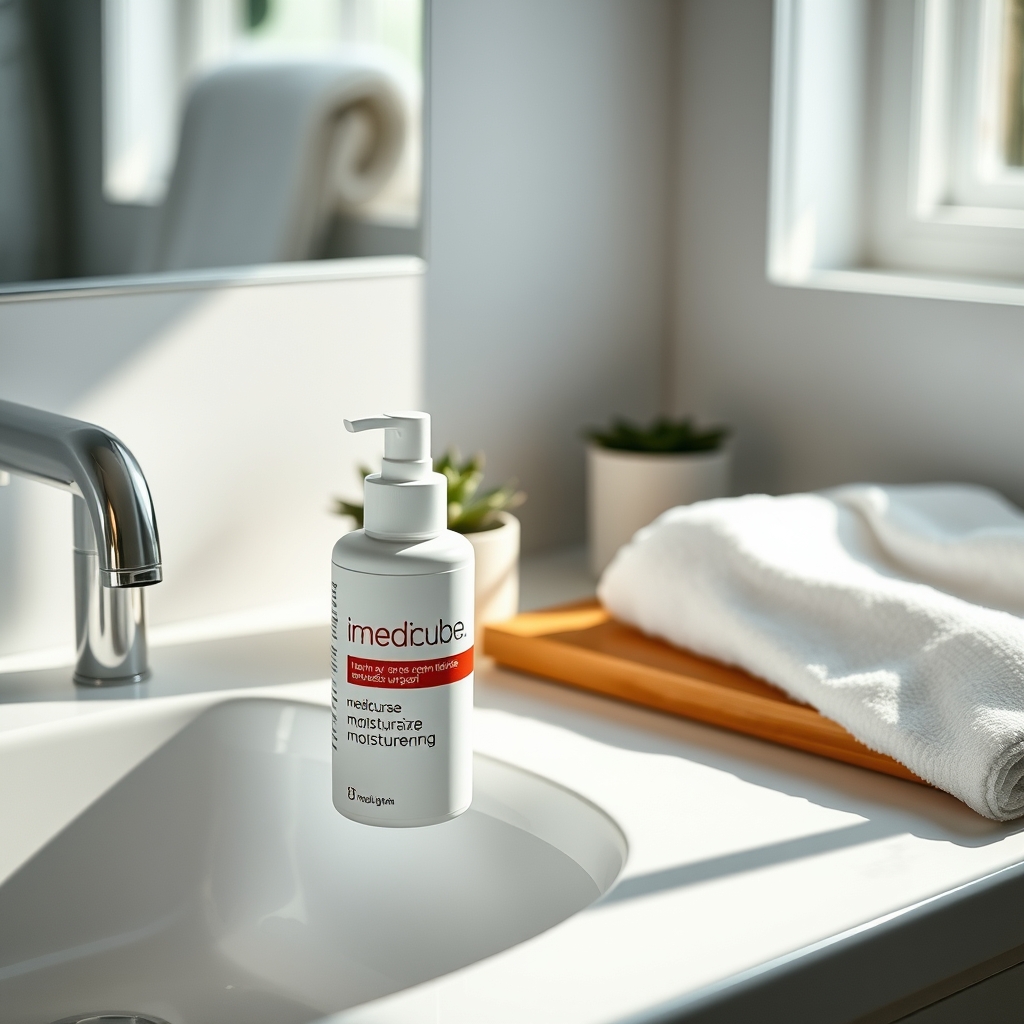
It’s 2 a.m., the bathroom light is on, and you’re staring at the sleek white tube of Medicube that’s been sitting on your vanity for weeks. You’ve just discovered you’re pregnant, and suddenly every ingredient label feels like a mystery code. You’re not alone—many expectant parents wonder, “Is Medicube safe for pregnancy?” The good news is that, while Medicube isn’t outright forbidden, its safety depends on the specific product, the trimester you’re in, and how often you apply it. In this article we’ll break down everything you need to know about Medicube, from ingredient basics to trimester‑by‑trimester guidance, dosage tips, potential side effects, and safer alternatives.
We’ll also compare Medicube to other popular Korean skincare lines, show you how to read ingredient lists for pregnancy‑friendly choices, and give you a handy at‑a‑glance safety table for related products. By the end, you’ll have a clear answer to the question “medicube safe for pregnancy” and a roadmap for making confident skincare decisions during this special time.
Because anxiety often spikes when you’re unsure whether a nightly routine could affect your baby, we’ve organized the information so you can skim to the exact section that matters to you—whether you’re in the first trimester, looking for a gentle cleanser, or wondering which brands are safest for nursing moms.
Most Medicube moisturizers and cleansers are acceptable; still avoid strong exfoliants.
Third trimester
✅ Generally safe
Focus on barrier‑supporting products; monitor for increased skin sensitivity.
Breastfeeding
✅ Generally safe
Topical absorption is minimal, but keep an eye on infant skin if you’re nursing.
Keep your skincare routine simple and visible—especially when you’re checking ingredient lists late at night.
What is Medicube?
Medicube is a South Korean skincare brand that rose to fame for its dermatologist‑developed formulas targeting acne, hyperpigmentation, and barrier repair. The line includes cleansers, toners, serums, moisturizers, and sheet masks, many of which contain “active” ingredients such as niacinamide, hyaluronic acid, centella asiatica extract, and, in some products, low‑dose salicylic acid or vitamin C derivatives. The brand markets itself as “clinical‑grade” yet “gentle enough for daily use,” a balance that appeals to people with sensitive or acne‑prone skin.
Typical Medicube ingredients include:
Niacinamide (Vitamin B3): reduces inflammation and improves the skin barrier.
Centella asiatica (cica): calms redness and supports wound healing.
Salicylic acid: a beta‑hydroxy acid (BHA) that exfoliates inside pores.
Hyaluronic acid: a humectant that holds up to 1,000 times its weight in water.
Vitamin C derivatives (e.g., ascorbyl glucoside): brighten dark spots.
Peptides and ceramides: reinforce the skin barrier.
Because the brand mixes both soothing and exfoliating components, it can be a double‑edged sword for pregnant users. Understanding which ingredients are considered low‑risk and which may pose a theoretical concern is the first step toward answering whether Medicube is safe for pregnancy.
Medicube’s products are regulated as cosmetics, not drugs, which means they must meet safety standards but are not required to undergo the same rigorous clinical trials as prescription medications. The company often cites dermatologist endorsements, but independent safety data specifically for pregnant populations are limited, so clinicians rely on ingredient‑by‑ingredient analysis rather than brand‑level studies.
Is Medicube safe during pregnancy?
C
urrent guidance from major health authorities such as the American College of Obstetricians and Gynecologists (ACOG) and the UK’s National Health Service (NHS) does not list Medicube as a prohibited product. However, ACOG advises that pregnant people avoid high concentrations of certain actives—particularly salicylic acid above 2 % and retinoids—because systemic absorption, though minimal, could theoretically affect fetal development.
Most Medicube products contain salicylic acid at concentrations well below the 2 % threshold, and many are formulated without retinoids altogether. The NHS also notes that topical niacinamide and hyaluronic acid are generally regarded as safe, as they have low systemic absorption and are frequently used in pregnancy‑safe moisturizers. The U.S. Food and Drug Administration (FDA) classifies many of these ingredients as “generally recognized as safe and effective” (GRAS) for topical use, but it does not specifically evaluate Medicube products.
In practice, obstetricians and dermatologists often recommend a “caution‑first” approach: use the gentlest Medicube product you need, avoid any that list salicylic acid or high‑strength vitamin C derivatives, and limit application to once or twice daily. If you have a pre‑existing skin condition like acne, discuss with your provider whether a low‑dose BHA or a prescription‑strength treatment would be more appropriate.
Evidence from dermatology literature suggests that low‑dose topical salicylic acid (≤1 %) is unlikely to reach systemic levels that could harm a fetus, but because data are sparse, many clinicians err on the side of caution, especially during the first trimester.
Is Medicube safe to use during the first trimester of pregnancy?
The first trimester is the period of organogenesis, when the fetus’s major organs are forming. Because of this heightened sensitivity, ACOG recommends minimizing exposure to any potentially teratogenic substances, even those applied topically. In this window, it’s safest to stick with Medicube’s basic cleansers and moisturizers that contain no salicylic acid, retinoids, or high‑dose vitamin C.
If you’re already using a Medicube product with a low concentration of salicylic acid (e.g., 0.5 % to 1 %), most clinicians would consider it acceptable, provided you limit use to once daily and monitor for skin irritation. However, because the data on percutaneous absorption during early pregnancy are limited, many providers suggest pausing any BHA‑containing product until after the first 12 weeks.
During this early stage, your skin may also become more reactive to fragrance or essential oils, so opting for fragrance‑free Medicube variants (or swapping to a plain cleanser) can reduce the chance of irritation.
Can I use Medicube during the second trimester without risk?
During the second trimester, the baby’s organs are largely formed, and the focus shifts to growth and development. ACOG’s trimester‑specific guidance relaxes slightly, allowing for the continued use of low‑risk topical actives. Most Medicube moisturizers, serums with niacinamide, and hyaluronic acid‑based products are considered safe for the second trimester.
If you need to treat mild acne, a Medicube cleanser with 0.5 % salicylic acid can be used up to twice daily, as long as you do not notice excessive dryness or irritation. Always patch‑test new products on a small area of skin first, and discontinue if any redness, itching, or swelling occurs.
Because hormonal fluctuations can increase oil production in the second trimester, many pregnant people find that a gentle, niacinamide‑rich serum helps keep breakouts under control without the need for stronger acids.
What is the recommended dosage of Medicube for pregnant women?
“Dosage” for a skincare product translates to the amount you apply and how often. For most Medicube moisturizers and serums, a pea‑size amount (about 0.5 mL) spread over the face and neck once or twice a day is sufficient. Over‑application does not increase efficacy but can raise the risk of irritation, especially if the formula contains exfoliating acids.
Specific guidelines:
Cleansers: Use a dime‑size amount, massage gently for 30 seconds, then rinse. No more than twice daily.
Serums with niacinamide or hyaluronic acid: One to two drops (≈0.2 mL) per application, no more than twice a day.
Products containing salicylic acid: Limit to once daily, and only if concentration is ≤1 %.
Remember, topical absorption is minimal, but pregnant users should still follow the “less is more” principle. If you’re unsure whether a particular Medicube product fits these parameters, consult your obstetrician or dermatologist.
How to patch test Medicube safely during pregnancy
Patch testing is a simple way to see if a product will irritate your skin before using it on your face. Apply a small dab of the product to the inner forearm or behind the ear, cover with a bandage, and wait 24 hours. If no redness, itching, or swelling appears, the product is likely safe for broader use. Repeat the test if you develop a new sensitivity later in pregnancy.
Are there any side effects of Medicube for pregnant users?
Most Medicube users experience mild, temporary side effects such as tingling, mild redness, or a brief tightening sensation—common reactions to niacinamide or BHA‑based formulas. In pregnancy, skin can become more sensitive, so these sensations might feel more pronounced.
Potential side effects to watch for:
Localized irritation: Redness, itching, or burning that persists beyond 24 hours.
Allergic contact dermatitis: Rare, but possible with fragrance or certain botanical extracts.
Excessive dryness: May indicate over‑use of exfoliating agents.
If you develop any of the above, stop using the product immediately and contact your healthcare provider. In very rare cases, a severe allergic reaction could manifest as swelling or hives, which warrants urgent medical attention.
What are safer skincare alternatives to Medicube during pregnancy?
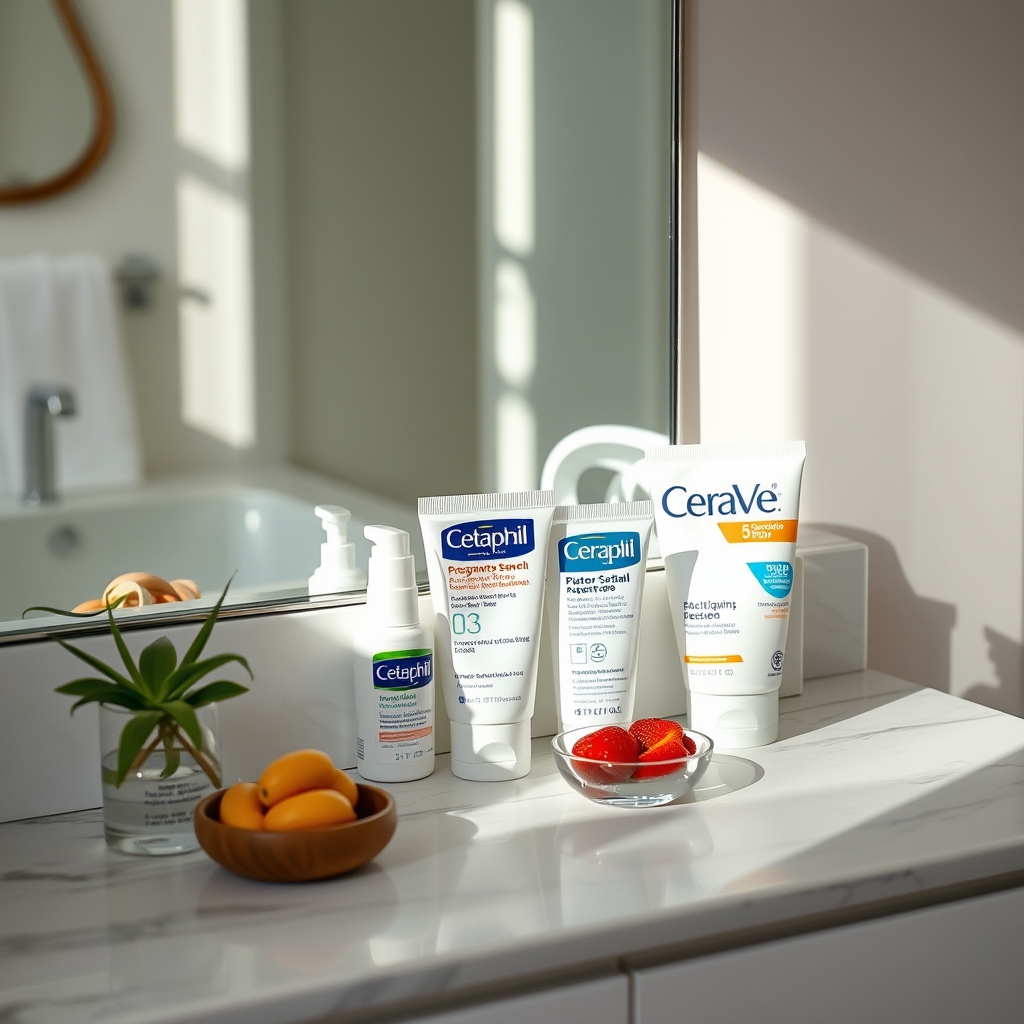
When you’re looking for a pregnancy‑friendly routine, the safest bet is to choose products that are fragrance‑free, non‑comedogenic, and free of salicylic acid or retinoids. Below are seven dermatologist‑recommended alternatives that have been vetted by ACOG and the NHS as safe for pregnant skin.
Cetaphil Gentle Skin Cleanser: A soap‑free, fragrance‑free cleanser that maintains the skin barrier without irritation.
CeraVe Moisturizing Cream: Contains ceramides and hyaluronic acid to restore moisture; no active exfoliants.
Bioderma Sensibio H2O Micellar Water: A gentle makeup remover that rinses clean without harsh chemicals.
La Roche‑Posay Toleriane Ultra: Formulated for ultra‑sensitive skin; free of fragrance and salicylic acid.
Vanicream Moisturizing Skin Cream: Designed for eczema‑prone skin; contains no dyes, fragrance, or irritants.
Neutrogena Hydro Boost Water Gel: Lightweight hydration with hyaluronic acid, no actives that raise concerns.
Aveeno Ultra‑Calming Daily Moisturizer: Contains colloidal oatmeal for soothing relief.
Does Medicube contain ingredients that should be avoided while pregnant?
Yes, certain Medicube formulas include ingredients that many obstetric guidelines advise pregnant users to limit or avoid:
Salicylic acid: While low concentrations (<2 %) are generally considered low risk, ACOG recommends limiting exposure, especially in the first trimester.
Vitamin C derivatives (e.g., ascorbyl glucoside) at high concentrations: Though not classified as teratogenic, they can cause irritation.
Essential oils and fragrance compounds: These can trigger allergic reactions in sensitive skin, a concern heightened during pregnancy.
Products that focus on niacinamide, centella asiatica, hyaluronic acid, and ceramides are typically safe. Always read the ingredient list—if you see “salicylic acid,” “retinol,” or “essential oil blend,” consider swapping that product for one of the safer alternatives listed above.
How does Medicube compare to other Korean skincare brands for pregnant women?
When stacked against other Korean brands, Medicube sits in the middle of the safety spectrum. Brands like Innisfree and Laneige often incorporate similar actives (e.g., green tea extract, glycerin) but tend to have fewer BHA‑based formulations. Sulwhasoo and Dr. Jart+ focus on luxury ingredients and may include higher concentrations of botanical extracts, which can be irritating for some pregnant users.
In a head‑to‑head safety comparison:
Medicube: Offers both gentle and exfoliating lines; user must select the right product.
Innisfree Green Tea Seed Serum: Primarily antioxidant‑rich, low‑irritation; generally safe.
Laneige Water Sleeping Mask: Contains hyaluronic acid and mineral water; safe for most pregnant users.
Sulwhasoo First Care Activating Serum: Uses ginseng and high‑potency botanical extracts; may be too active for sensitive skin.
Dr. Jart+ Cicapair Tiger Grass Cream: Focuses on barrier repair with centella; safe, but check for fragrance.
Overall, Medicube provides more “clinical‑grade” actives, which can be advantageous for acne or hyperpigmentation but require careful selection during pregnancy.
Can I continue using Medicube if I have pregnancy‑related skin conditions?
Pregnancy often brings new skin concerns such as melasma, acne, and increased sensitivity. Medicube’s targeted formulas can help, but the key is to match the product to the condition while respecting safety guidelines.
For acne, a low‑dose (≤1 %) salicylic acid cleanser may be permissible after the first trimester, but a prescription‑strength benzoyl peroxide or oral antibiotic may be more effective and safer under a doctor’s supervision. For melasma, niacinamide‑rich serums can lighten dark spots without the risk associated with hydroquinone—though you should still limit sun exposure and use a mineral sunscreen.
For dry or itchy skin, Medicube’s barrier‑supporting moisturizers that contain ceramides and hyaluronic acid are generally safe throughout pregnancy. If you experience worsening irritation, switch to a fragrance‑free alternative like CeraVe or Vanicream.
Is Medicube safe for eczema‑prone skin during pregnancy?
Eczema‑prone skin often reacts to fragrance, essential oils, and strong acids. Medicube’s centella‑based moisturizers are usually well‑tolerated, but any product that lists salicylic acid or added fragrance could trigger a flare. For the safest approach, choose Medicube’s “calming” line (if available) or opt for a certified hypoallergenic brand such as Vanicream, which eliminates most potential irritants.
Can I use Medicube sunscreen while pregnant?
Sun protection is essential during pregnancy, especially if you’re dealing with melasma. Medicube offers mineral‑based sunscreens that contain zinc oxide or titanium dioxide, both of which are considered safe for pregnant and nursing individuals by the ACOG and NHS. Avoid chemical sunscreens that contain oxybenzone or octinoxate, as some studies suggest they may have endocrine‑disrupting properties.
Can I continue using Medicube if I have pregnancy‑related skin conditions?
Pregnancy often brings new skin concerns such as melasma, acne, and increased sensitivity. Medicube’s targeted formulas can help, but the key is to match the product to the condition while respecting safety guidelines.
For acne, a low‑dose (≤1 %) salicylic acid cleanser may be permissible after the first trimester, but a prescription‑strength benzoyl peroxide or oral antibiotic may be more effective and safer under a doctor’s supervision. For melasma, niacinamide‑rich serums can lighten dark spots without the risk associated with hydroquinone—though you should still limit sun exposure and use a mineral sunscreen.
For dry or itchy skin, Medicube’s barrier‑supporting moisturizers that contain ceramides and hyaluronic acid are generally safe throughout pregnancy. If you experience worsening irritation, switch to a fragrance‑free alternative like CeraVe or Vanicream.
Choosing a gentle, fragrance‑free routine can reduce the need for high‑actives like those in some Medicube products.
Barrier‑repair cream with centella; check for fragrance.
Cosrx Advanced Snail 96 Mucin Power Essence
✅ Generally safe
Snail mucin and hyaluronic acid; low irritation risk.
Klairs Supple Preparation Unscented Toner
✅ Generally safe
Unscented, hydrating toner; free of salicylic acid.
Myth vs. fact
Myth: All Korean skincare is unsafe during pregnancy because it’s “too strong.”
Fact: Many Korean brands, including Medicube, formulate products with low concentrations of actives that are considered safe when used as directed. The key is to avoid high‑dose salicylic acid, retinoids, and fragrances that could cause irritation.
Myth: If a product feels “clinical,” it must be harmful to the baby.
Fact: “Clinical‑grade” refers to the inclusion of ingredients often used by dermatologists. Ingredients such as niacinamide and hyaluronic acid are widely used in pregnancy‑safe moisturizers.
Myth: Topical skincare never reaches the bloodstream, so it’s always safe.
Fact: While percutaneous absorption is limited, certain actives (especially acids) can penetrate deeper layers, which is why obstetric guidelines advise caution with specific ingredients.
Key takeaways
Medicube can be used during pregnancy, but choose products without salicylic acid > 2 % or retinoids.
First‑trimester use should be limited to gentle cleansers and moisturizers; avoid exfoliating actives.
Typical dosage is a pea‑size amount for cleansers and a few drops for serums, applied once or twice daily.
Watch for persistent redness, itching, or swelling—these may signal irritation or an allergic reaction.
Safer alternatives (e.g., Cetaphil, CeraVe, La Roche‑Posay) provide similar benefits without the higher‑risk actives.
Always discuss any new skincare regimen with your obstetrician or dermatologist, especially if you have pregnancy‑related skin concerns.
Frequently asked questions
Is it safe to use Medicube while pregnant?
Yes, many Medicube products are considered safe for pregnancy if they do not contain high concentrations of salicylic acid, retinoids, or strong fragrance blends. Choose gentle, barrier‑supporting formulas and follow the recommended application frequency.
What ingredients in Medicube should pregnant women avoid?
Pregnant users should steer clear of products with salicylic acid above 2 %, any form of retinoids, and high‑dose vitamin C derivatives. Fragrance and essential oil blends can also cause irritation and should be avoided if you have sensitive skin.
Can Medicube cause birth defects?
There is no direct evidence linking Medicube use to birth defects, but ACOG recommends limiting exposure to salicylic acid and retinoids because high systemic levels of these compounds have been associated with fetal risks in other contexts.
How often can I apply Medicube during pregnancy?
Apply a pea‑size amount of cleanser once or twice a day and a few drops of serum no more than twice daily. If the product contains salicylic acid, limit use to once a day and consider stopping during the first trimester.
Are there any pregnancy‑safe Korean skincare brands?
Yes—brands like Innisfree, Laneige, and Klairs offer fragrance‑free, low‑active formulas that are widely regarded as safe for pregnant skin. Always read the ingredient list, though, as formulations can change.
What are the risks of using Medicube in the third trimester?
Risks remain low if you stick to gentle moisturizers and avoid strong exfoliants. The third trimester may increase skin sensitivity, so monitor for irritation and consider swapping to a fragrance‑free alternative if you notice increased redness.
Should I stop using Medicube if I develop acne during pregnancy?
If acne worsens, you don’t necessarily have to abandon Medicube entirely—you can switch to a low‑dose salicylic acid cleanser (≤1 %) or discuss prescription options with your dermatologist. Avoid high‑strength BHA products and consider a gentle niacinamide serum instead.
Is Medicube recommended for sensitive skin during pregnancy?
Medicube offers some fragrance‑free, centella‑based formulas that are suitable for sensitive skin, but many of its products contain actives that could cause irritation. For highly sensitive skin, a brand like La Roche‑Posay Toleriane Ultra or Vanicream may be a safer bet.
What should I do if I accidentally used a high‑strength Medicube product?
If you realize you applied a product with a higher concentration of salicylic acid or an unexpected fragrance, rinse the area with lukewarm water, gently pat dry, and monitor for irritation. If redness or burning persists beyond a few hours, contact your obstetrician or dermatologist for guidance.
Can I use Medicube eye cream during pregnancy?
Most Medicube eye creams are formulated without retinoids or high‑dose acids, making them generally safe. However, because the skin around the eyes is thin, start with a small amount and watch for any stinging or redness before using it regularly.
When to call your doctor
If you notice any of the following after using Medicube, contact your obstetrician or dermatologist promptly:
Persistent redness, swelling, or burning that lasts longer than 24 hours.
Development of hives, welts, or facial swelling.
Severe itching accompanied by a rash.
Unexpected skin discoloration or new dark spots that spread rapidly.
Any signs of an allergic reaction such as difficulty breathing or swelling of the lips.
These symptoms may indicate an adverse reaction that requires medical evaluation. The information in this article is for educational purposes only and does not replace personalized medical advice.
References
American College of Obstetricians and Gynecologists (ACOG). “Medication Use During Pregnancy.” 2023.
National Health Service (NHS). “Skincare in Pregnancy.” Updated 2022.
U.S. Food and Drug Administration (FDA). “GRAS Notice for Topical Ingredients.” 2021.
Centers for Disease Control and Prevention (CDC). “Guidelines for Use of Topical Medications in Pregnancy.” 2022.
World Health Organization (WHO). “Safety of Cosmetic Ingredients for Pregnant Women.” 2020.
Mayo Clinic. “Pregnancy skin care: Tips for healthy skin.” 2023.
Dermatology Times. “Salicylic Acid Use in Pregnancy: A Review.” 2021.
British Association of Dermatologists (BAD). “Pregnancy and Skincare.” 2022.
Not sure about the label on Is Medicube Safe During Pregnancy products?
Snap the ingredients list and SafeFilter checks every ingredient for your stage — only 3 free scans this month, then you're locked until reset. Unlimited from $7/mo or $50/yr.
When Shubhra Mishra was expecting her first child in 2016, she was overwhelmed by conflicting food advice — one site said yes, another said never. By the time her second baby arrived in 2019, she realized millions of mothers face the same confusion.
That sparked a five-year journey through clinical nutrition papers, cultural diets, and expert conversations — all leading to BumpBites: a calm, compassionate space where science meets everyday motherhood.
Her long-term vision is to build a global community ensuring safe, supported, and free deliveriesfor every mother — because no woman should face pregnancy alone or uninformed. 🌿
🌍 Stand with mothers, shape safer guidance
Join a small circle of experts who review BumpBites articles so expecting parents everywhere can decide with confidence.