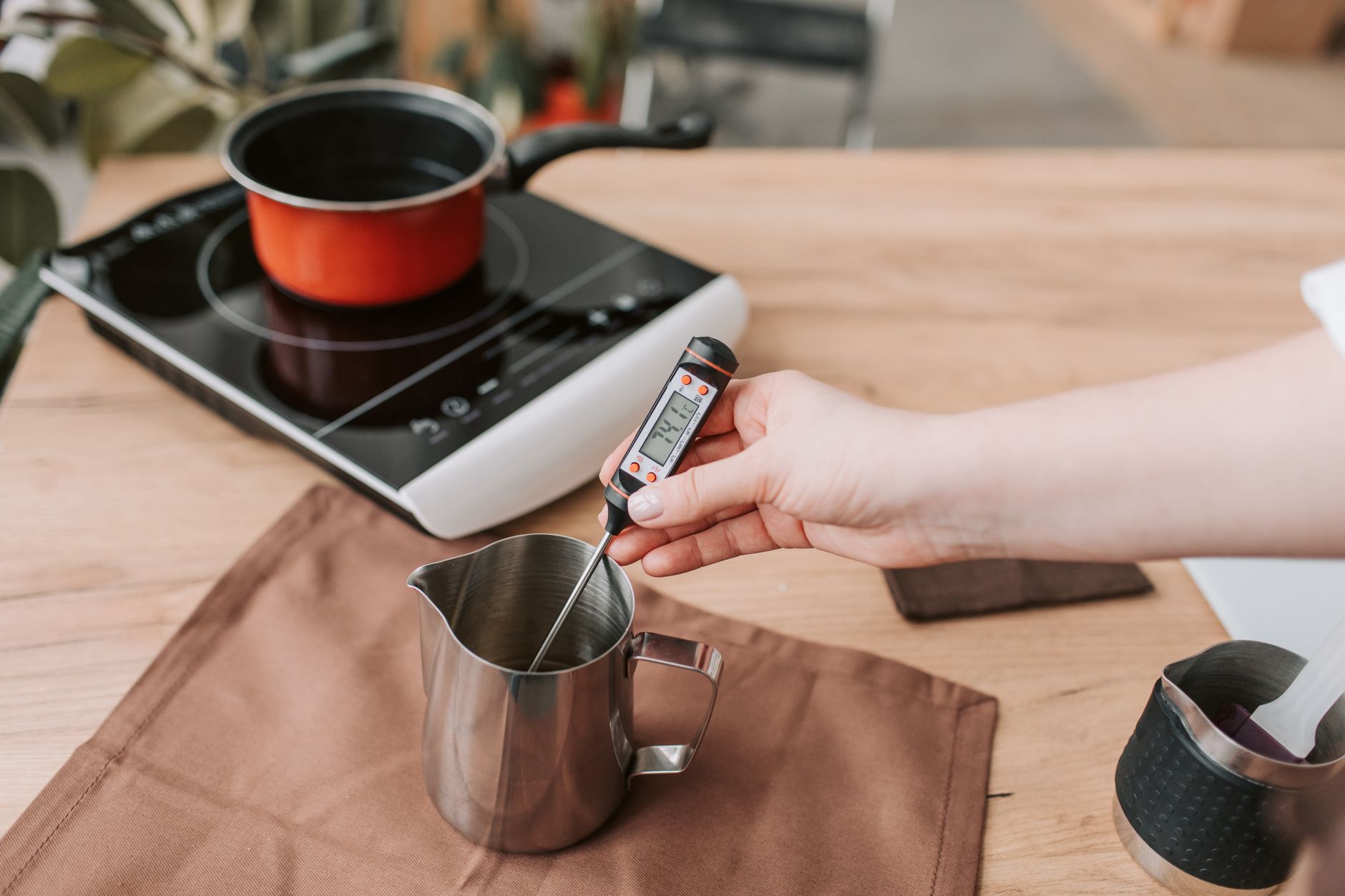
Current guidance from the American College of Obstetricians and Gynecologists (ACOG) and the UK’s National Health Service (NHS) recommends that all beef be cooked to an internal temperature of at least 71 °C (160 °F) to destroy Listeria and Toxoplasma (NHS Food Safety, 2022). The U.S. Food and Drug Administration (FDA) echoes this recommendation, stating that pink or red meat should be cooked until the juices run clear (FDA Food Code, 2023). Because a medium steak typically falls below that temperature, the consensus is that it is not reliably safe for pregnancy.
That said, many obstetricians acknowledge that occasional consumption of a properly handled medium steak—when the meat has been sourced from a reputable supplier, kept refrigerated, and cooked to at least 63 °C (145 °F) with a reliable food‑grade thermometer—may be acceptable for some patients. The key is consistency: you need to be able to verify the exact temperature each time.
Research published in the *Journal of Food Protection* (2021) showed that while the majority of Listeria contamination occurs in undercooked meats, the bacterial load drops dramatically once the internal temperature exceeds 65 °C (149 °F). However, because the safety margin is narrow, most clinicians err on the side of caution and advise well‑done preparation.
In short, the safest answer is to aim for well‑done beef (≥71 °C) during pregnancy. If you’re craving the tenderness of a medium steak, discuss it with your provider, and consider using a meat thermometer to confirm the temperature before you eat.
Can you eat medium steak in the first trimester?
The first trimester is the period of organogenesis, when the baby’s major organs are forming. Because the fetus is most vulnerable to teratogens and infections during this window, ACOG advises extra caution with foods that could harbor bacteria (ACOG Committee Opinion, 2021). A medium steak that has not reached the recommended 71 °C (160 °F) temperature could still contain Listeria or Toxoplasma, both of which have been linked to miscarriage, stillbirth, or severe neonatal disease.
If you choose to eat a medium steak in the first trimester, you should:
- Confirm the internal temperature with a calibrated food‑grade thermometer.
- Source the meat from a trusted butcher or USDA‑approved supplier.
- Consume it within a few hours of cooking and keep it refrigerated if leftovers are stored.
Even with those safeguards, many clinicians still recommend opting for well‑done steak during the first 12 weeks to eliminate any lingering doubt. The added iron from well‑cooked beef can still support the heightened maternal blood volume without the infection risk.
What are the risks of eating undercooked steak during pregnancy?
Undercooked beef can harbor two primary pathogens that are especially concerning for pregnant people:
Both organisms thrive in environments where meat is not heated enough to kill them. Symptoms in the mother can be mild—fever, muscle aches, or gastrointestinal upset—making it easy to miss. However, the impact on the baby can be serious, which is why health authorities stress thorough cooking.
Aside from infection, undercooked beef may also contain higher levels of natural beef juices that can harbor other less common bacteria such as Salmonella or E. coli. While these are less likely to cause severe outcomes in healthy adults, they can still lead to dehydration and, in rare cases, affect the pregnancy.
Prevention strategies include proper hand‑washing, keeping raw beef separate from ready‑to‑eat foods, and always using a thermometer to verify internal temperature.
How much medium steak is safe for pregnant women?
Because safety hinges on temperature rather than quantity, the primary rule is that every bite of steak must reach at least 71 °C (160 °F). If you are able to verify that temperature, a typical serving size—about 3‑4 oz (85‑115 g) of cooked beef—fits well within the recommended protein intake for pregnancy (roughly 70 g per day according to the Institute of Medicine).
If you cannot confirm the temperature, the safest approach is to limit medium‑cooked beef to occasional indulgence (no more than once a week) and always pair it with fully cooked side dishes that are less likely to harbor pathogens.
For those who are especially concerned about iron deficiency, a well‑cooked steak still provides ample heme iron, and you can boost absorption by pairing it with vitamin C‑rich foods like bell peppers or citrus. Vitamin C not only improves iron uptake but also supports immune function, adding an extra layer of protection.
Are there safe alternatives to medium steak for pregnant women?
If you love the flavor and texture of a medium steak but want to eliminate any bacterial risk, consider these alternatives that are widely regarded as safe by ACOG, NHS, and the FDA:
- Well‑done steak – fully browned throughout, meeting the 71 °C (160 °F) guideline.
- Fully cooked beef roasts – slow‑roasted to an internal temperature of 71 °C (160 °F) or higher.
- Grilled chicken breast – cooked until juices run clear (74 °C/165 °F).
- Baked salmon – reaches 63 °C (145 °F) and provides omega‑3 fatty acids.
- Lentil stew – plant‑based protein with iron, no bacterial risk.
- Black bean burgers – cooked thoroughly, offering fiber and protein.
- Grass‑fed turkey meatballs – cooked to 71 °C (160 °F) for a lean protein boost.
- Quinoa‑based veggie patties – iron‑fortified and completely free of animal‑derived pathogens.
These options preserve the satisfaction of a hearty protein meal while keeping you well within safety parameters.
What temperature should steak be cooked to for pregnancy safety?
The USDA and FDA both set the safe internal temperature for beef at 71 °C (160 °F). This temperature ensures that Listeria, Toxoplasma, and other common pathogens are destroyed. For ground beef, the same temperature applies, but for whole cuts like steak, the recommendation remains the same because the surface may be contaminated even if the interior looks pink.
To check, insert a digital meat thermometer into the thickest part of the steak, avoiding bone or fat. When the display reads 71 °C (160 °F) or higher, the steak is considered safe for pregnancy.
Cooking methods such as sous‑vide can achieve precise temperatures, but you must finish the steak with a high‑heat sear to ensure the surface reaches at least 71 °C. This dual‑step approach satisfies both safety and texture preferences.
What if I accidentally ate medium steak while pregnant?
First, take a deep breath. Accidental consumption of a medium steak is a common worry, and the risk of severe illness is relatively low if the meat was sourced from a reputable supplier and handled properly. Monitor yourself for any signs of food‑borne illness, such as fever, chills, nausea, vomiting, or diarrhea lasting more than 24 hours.
If you develop any of these symptoms, especially fever above 38 °C (100.4 °F), contact your obstetric provider promptly. Early treatment with appropriate antibiotics (if bacterial infection is confirmed) can reduce the risk of complications for both you and the baby.
In the absence of symptoms, there is generally no need for additional testing. However, if you feel uneasy, a brief check‑in with your provider can provide reassurance and personalized guidance.
Is well‑done steak safe during pregnancy?
Yes. Well‑done steak that reaches an internal temperature of at least 71 °C (160 °F) is considered safe by ACOG, NHS, and the FDA. The thorough cooking eliminates the primary pathogens of concern—Listeria and Toxoplasma—and also reduces the risk of other bacteria that thrive in undercooked meat.
While some people argue that well‑done steak can be drier, you can keep it juicy by marinating with acidic ingredients (lemon juice, vinegar) and cooking it over moderate heat. This way you enjoy both safety and flavor.
Another tip is to let the steak rest for three minutes after it reaches the target temperature; the residual heat continues to kill any lingering microbes while allowing the juices to redistribute.
Safety by trimester
First trimester
During weeks 1‑12, the baby’s organs are forming, making it the most vulnerable period. ACOG advises that any meat, including beef, should be cooked to at least 71 °C (160 °F) to avoid infection. If you choose a medium steak, verify the temperature with a thermometer and limit consumption to rare occasions.
Additionally, the first trimester often brings heightened nausea and food aversions. If you’re struggling with cravings for rare meat, consider swapping the steak for a well‑cooked chicken or plant‑based protein that satisfies the same nutrient profile without the bacterial risk.
Second trimester
From weeks 13‑27, the risk of birth defects from infections declines, but the placenta remains a route for pathogens. Continuing to aim for well‑done beef is the simplest way to stay safe. If you have a strong preference for pink meat, discuss it with your provider and consider using a thermometer for each serving.
The second trimester is also a time when iron needs increase dramatically. A well‑cooked steak can still deliver up to 2.5 mg of heme iron per 3‑oz serving, making it an efficient way to meet those needs without compromising safety.
Third trimester
In weeks 28‑40, the baby’s immune system is maturing, yet infections can still cause preterm labor or neonatal illness. Maintaining the 71 °C (160 °F) standard is still recommended. Portion size becomes more important as appetite may fluctuate; a modest 3‑oz serving of well‑cooked steak fits well into a balanced diet.
Some women experience increased heartburn in the third trimester. Pairing steak with gentle, low‑acid vegetables and a small amount of whole‑grain carbohydrates can help minimize discomfort while still providing essential nutrients.
Breastfeeding
After delivery, the same food‑safety rules apply. Pathogens in undercooked meat can be passed to the infant through breast milk if the mother has a systemic infection. Stick to the 71 °C (160 °F) guideline, and practice good kitchen hygiene—wash hands, clean surfaces, and store leftovers promptly.
Because lactating mothers often have higher caloric needs, a well‑cooked steak can be a convenient source of protein and iron, supporting both maternal recovery and milk production.
Safe dosage / amount / brands
Because safety is temperature‑based, the “dosage” question translates to portion size and cooking consistency. A typical serving of cooked beef (3‑4 oz) provides about 22 g of protein and 2.5 mg of iron—both valuable for pregnancy. If you’re aiming for the recommended 70 g of protein per day, a single serving of well‑done steak can count toward that goal.
When buying beef, look for USDA‑graded “Prime” or “Choice” labels, as they indicate higher quality and stricter handling standards. Avoid pre‑packaged “fresh‑cut” steaks that have been sitting at room temperature for extended periods. If you prefer a brand, reputable options include Organic Valley grass‑fed beef and Butcher’s Block certified‑organic selections, both of which adhere to strict safety protocols.
Side effects and risks
Most side effects from undercooked steak are related to food‑borne illness:
- Fever, chills, muscle aches: Common early signs of listeriosis or toxoplasmosis.
- Nausea, vomiting, diarrhea: Could indicate bacterial gastroenteritis; dehydration can affect pregnancy.
- Persistent abdominal pain or uterine cramping: Seek immediate medical care as it may signal infection spreading to the placenta.
These symptoms are “red‑flag” when they appear with a fever above 38 °C (100.4 °F) or last longer than 24 hours. In such cases, contact your obstetrician or go to the emergency department.
Less severe issues—like mild stomach upset that resolves within a day—are usually self‑limited, but still deserve a brief check‑in with your provider to ensure no lingering infection.
Safer alternatives
- Well‑done steak – meets the 71 °C (160 °F) temperature standard.
- Fully cooked beef roasts – same safety profile, often juicier when slow‑roasted.
- Grilled chicken breast – no risk of Toxoplasma, easy to reach 74 °C (165 °F).
- Baked salmon – provides omega‑3s and is safe at 63 °C (145 °F).
- Lentil stew – plant‑based protein, iron, and fiber without bacterial concerns.
- Black bean burgers – fully cooked patties eliminate the risk of undercooked meat.
- Grass‑fed turkey meatballs – rich in lean protein, safe when cooked to 71 °C.
- Quinoa‑based veggie patties – iron‑fortified, completely free of animal‑derived pathogens.
Myth vs. fact
Myth: “If the steak looks pink, it’s safe because the meat’s natural juices are harmless.”
Fact: Pink color indicates that the internal temperature is likely below 71 °C (160 °F), which does not guarantee destruction of Listeria or Toxoplasma. Use a thermometer, not visual cues.
Myth: “A single bite of medium steak can’t cause any harm.”
Fact: Even a small amount of contaminated meat can introduce pathogens that multiply and cross the placenta. Prompt detection and treatment are essential.
Myth: “Pregnant women don’t need to worry about beef because it’s high in iron.”
Fact: While beef is a great iron source, the safety of the meat’s preparation is equally important. Well‑cooked beef provides the same iron without infection risk.
Key takeaways
- Medium steak is not reliably safe for pregnancy unless it reaches at least 71 °C (160 °F).
- Use a digital meat thermometer for every steak to verify temperature.
- First‑trimester caution is highest; aim for well‑done beef during weeks 1‑12.
- If you accidentally ate a medium steak, watch for fever, chills, or gastrointestinal symptoms and call your provider if they appear.
- Safer alternatives include well‑done steak, fully cooked roasts, grilled chicken, baked salmon, lentil stew, and black bean burgers.
- Pair steak with vitamin C‑rich foods to boost iron absorption and support immune health.
Frequently asked questions
What happens if a pregnant woman eats undercooked steak?
Eating undercooked steak can expose a pregnant woman to Listeria or Toxoplasma, which may cause fever, flu‑like symptoms, and, in severe cases, miscarriage or congenital infection.
Can I eat medium well steak when pregnant?
“Medium‑well” typically reaches about 65 °C (149 °F), still below the 71 °C (160 °F) safety threshold, so it’s best to avoid unless you can confirm the exact temperature with a thermometer.
Is it safe to eat rare steak during pregnancy?
No. Rare steak is usually under 55 °C (130 °F), far below the temperature needed to kill harmful bacteria, making it unsafe for pregnant people.
What internal temperature is safe for steak during pregnancy?
The USDA and FDA recommend an internal temperature of at least 71 °C (160 °F) for all beef cuts, including steak, to ensure safety during pregnancy.
Can pregnant women eat steak from a restaurant?
Yes, as long as you ask the server to confirm that the steak is cooked to well‑done (≥71 °C) and, if possible, request that the kitchen use a thermometer or prepare the steak to that temperature.
How can I tell if my steak is cooked enough for pregnancy?
Use a digital meat thermometer inserted into the thickest part of the steak; a reading of 71 °C (160 °F) or higher means it’s safe for pregnancy.
Is medium rare steak safe during pregnancy UK?
UK guidelines (NHS) advise cooking beef to at least 71 °C (160 °F). Therefore, a medium‑rare steak, which is cooler, is not considered safe in the UK.
Can I eat steak if there’s a listeria outbreak in my area?
During a confirmed listeria outbreak, health agencies such as the CDC and NHS recommend avoiding all undercooked meats, including medium steak, until the outbreak is resolved.
Does cooking steak in a slow cooker affect safety during pregnancy?
Slow cookers can safely cook steak to the required temperature if the dish reaches an internal 71 °C (160 °F) and stays at that heat for at least 30 minutes; always verify with a thermometer.
When to call your doctor
If you develop any of the following after eating steak that may have been undercooked, contact your obstetric provider or go to the emergency department:
- Fever of 38 °C (100.4 °F) or higher.
- Severe abdominal pain, uterine cramping, or vaginal bleeding.
- Persistent vomiting or diarrhea lasting more than 24 hours.
- Flu‑like symptoms (muscle aches, headache) that do not improve.
These symptoms could indicate a food‑borne infection that may affect both you and your baby. Remember, this article is for informational purposes only and does not replace personalized medical advice.
References
- American College of Obstetricians and Gynecologists. “Food Safety for Pregnant Women.” ACOG Committee Opinion, 2021.
- National Health Service (NHS). “Food safety during pregnancy.” NHS, 2022.
- U.S. Food and Drug Administration (FDA). “Food Code 2023.” FDA, 2023.
- Centers for Disease Control and Prevention (CDC). “Listeria and pregnancy.” CDC, 2022.
- World Health Organization (WHO). “Toxoplasmosis.” WHO Fact Sheet, 2021.
- Institute of Medicine. “Dietary Reference Intakes for Protein.” National Academies Press, 2005.
- Journal of Food Protection. “Thermal inactivation of Listeria monocytogenes in beef.” 2021.
- CDC. “Outbreak investigation: Listeria linked to fresh produce and meat.” 2023.