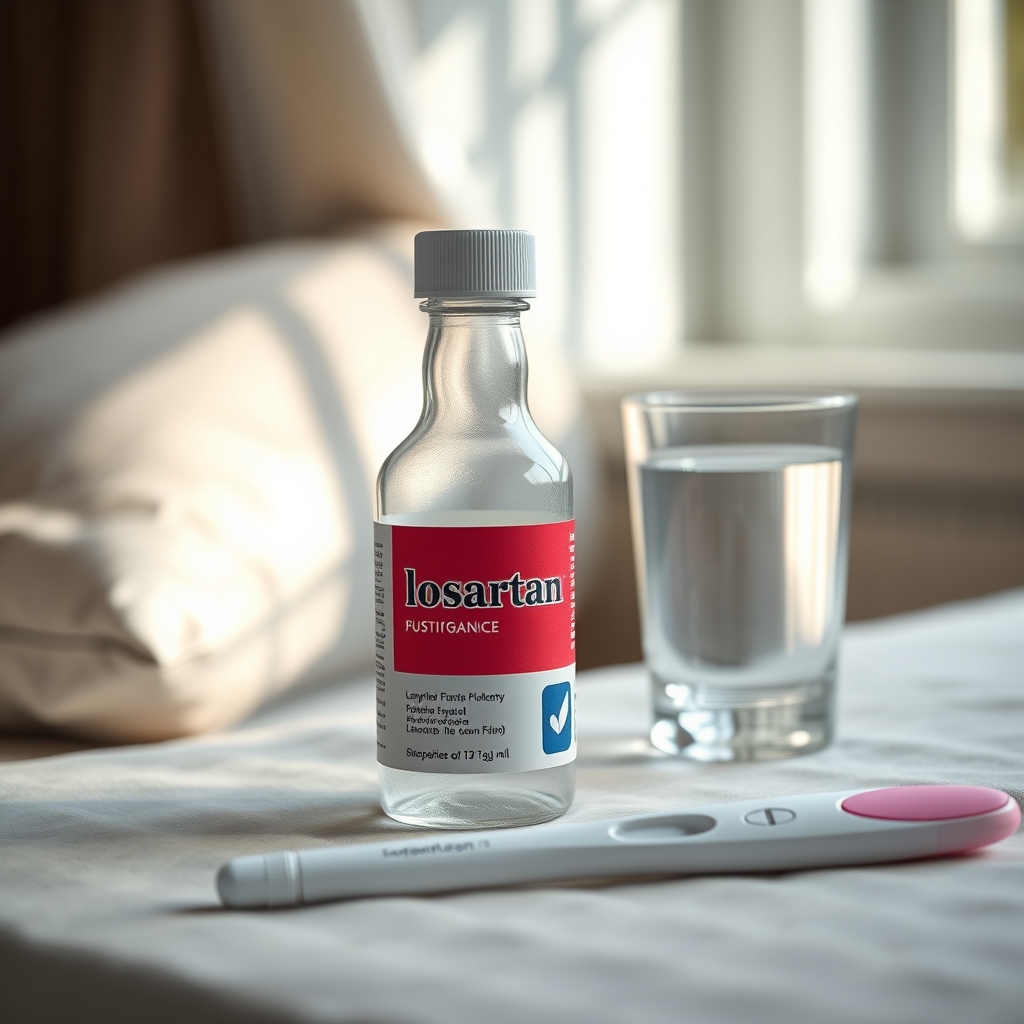
Avoid Losartan during pregnancy, especially after the first trimester, as it can cause fetal kidney damage and birth defects. Women should switch to safer alternatives before conception.
By Shubhra Mishra — a mom of two who turned her own confusion during pregnancy into BumpBites, a global mission to make food choices clear, safe, and stress-free for every expecting mother. 💛
Check whether any food is safe during pregnancy with the BumpBites Food Safety Checker.
Quick verdict: ❌ Best avoided. Losartan is not considered safe at any stage of pregnancy, and you should discuss an alternative blood‑pressure plan with your provider as soon as possible.
It’s completely normal to feel a rush of anxiety when you discover you’ve been taking a medication like losartan after learning you’re pregnant. You might be scrolling at 2 a.m., wondering, “is losartan safe during pregnancy?” and worrying about the tiny baby growing inside you. First, take a deep breath—you’re not alone, and the good news is that most of the risk comes from continued use, not a single past dose.
In this article we’ll give you a clear, evidence‑based answer to the question “is losartan safe during pregnancy,” walk you through how the drug behaves in each trimester, explain dosage concerns, compare it to other ARBs, and suggest safer blood‑pressure options that many obstetricians prefer. We’ll also cover warning signs, brand considerations, and what to do if you’ve already taken the medication.
By the end of the reading, you’ll have a concise action plan and the confidence to discuss the next steps with your healthcare team.
Seeing a familiar medication can trigger worry—understanding the safety profile helps you make informed choices.
Stage
Verdict
Notes
1st trimester
❌ Not safe
Potential for fetal renal dysplasia and oligohydramnios; avoid completely.
2nd trimester
❌ Not safe
Continued risk of fetal kidney injury; switch to a safer antihypertensive.
3rd trimester
❌ Not safe
Risk of neonatal hypotension and respiratory distress if exposure persists.
Breastfeeding
⚠️ Caution
Losartan is excreted in breast milk; most guidelines advise against use.
What is losartan?
Losartan belongs to a class of drugs called angiotensin‑II receptor blockers (ARBs). It works by blocking the action of angiotensin‑II, a hormone that narrows blood vessels and raises blood pressure. By preventing this hormone from binding to its receptor, losartan relaxes the vessels, allowing blood to flow more easily and lowering systemic pressure. The medication is commonly prescribed for hypertension, heart failure, and to protect the kidneys in people with diabetes.
Typical adult dosing starts at 50 mg once daily, with possible increases to 100 mg based on blood‑pressure response. Because it’s taken orally, losartan is absorbed fairly quickly, reaching peak levels in about an hour, and it has a half‑life of roughly 2 hours for the parent drug and 13 hours for its active metabolite, which means it stays in the body for a day or more. The drug is cleared primarily by the kidneys, which is why fetal exposure can be concerning when a pregnant person’s kidneys are still developing.
Is losartan safe during pregnancy?
The short answer—no. Major health authorities, including the American College of Obstetricians and Gynecologists (ACOG) and the United Kingdom’s National Health Service (NHS), classify losartan as contraindicated in pregnancy. The U.S. Food and Drug Administration (FDA) has placed ARBs, including losartan, in Pregnancy Category D, indicating positive evidence of risk to the fetus.
Evidence from observational studies and case reports links losartan exposure, especially during the second and third trimesters, to fetal renal dysplasia, oligohydramnios (low amniotic fluid), and even neonatal hypotension. ACOG’s “Practice Bulletin 200” advises that women who become pregnant while taking an ARB should be switched to an alternative antihypertensive as soon as pregnancy is confirmed.
The underlying risk stems from the drug’s mechanism: by inhibiting angiotensin‑II, losartan can impair the developing fetal kidney’s ability to concentrate urine, leading to reduced amniotic fluid and potential lung under‑development. While the absolute risk of major birth defects is still considered low, the potential for serious renal and cardiovascular complications makes the drug unsuitable for any stage of pregnancy.
Because the safety data are consistent across the U.S., Canada, the UK, and the European Medicines Agency, the recommendation is uniform: discontinue losartan and transition to a pregnancy‑compatible medication under medical supervision.
Switching from losartan to a safer alternative like labetalol is a common step for pregnant patients.
Is losartan safe to take during the first trimester of pregnancy?
During the first trimester, the embryo undergoes organogenesis—the formation of vital organs. Although the most dramatic renal effects of losartan appear later, early exposure can still interfere with the renin‑angiotensin system, which plays a role in fetal development. ACOG notes that even a single dose in the first few weeks may increase the risk of fetal renal anomalies, though data are limited.
Because the first trimester is a critical window for preventing teratogenic effects, most clinicians advise immediate discontinuation of losartan once pregnancy is confirmed. If you’ve taken a dose before you knew you were pregnant, the risk of a major birth defect remains low, but you should discuss it with your obstetrician to assess any need for additional monitoring.
Can losartan be used safely in the second and third trimesters?
In the second and third trimesters, the fetus’s kidneys are functional and more vulnerable to the drug’s effects. Multiple case series, including a 2015 review in the American Journal of Obstetrics & Gynecology, have documented associations between second‑trimester ARB exposure and oligohydramnios, which can lead to pulmonary hypoplasia and growth restriction.
Consequently, the consensus among ACOG, the NHS, and the FDA is that losartan should not be continued at any point in the later stages of pregnancy. If blood‑pressure control is still needed, clinicians typically transition patients to medications such as labetalol or methyldopa, which have well‑established safety records.
What dosage of losartan poses the highest risk for fetal harm?
Because any exposure carries risk, no specific dose is considered “safe.” However, higher doses (≥100 mg daily) have been linked in observational data to more pronounced fetal renal effects and lower amniotic fluid volumes. The FDA’s labeling warns that “use of losartan during pregnancy may result in fetal and neonatal morbidity or death,” without specifying a safe threshold.
In practice, obstetric guidelines advise a complete stop rather than dose reduction. If you have been on a high dose, your provider will likely monitor fetal growth and amniotic fluid levels closely after the medication is discontinued.
Are there any brand‑name versions of losartan that are safer for pregnant women?
Losartan is marketed under several brand names, including Cozaar, Hyzaar (combined with hydrochlorothiazide), and generic versions. Unfortunately, the safety profile is tied to the active ingredient, not the brand. Whether you’re taking Cozaar or a generic tablet, the risk remains the same because the pharmacologic action of blocking the angiotensin‑II receptor does not change.
Therefore, no brand‑name version of losartan is considered safer during pregnancy. The focus should be on discontinuing the drug entirely and moving to an alternative antihypertensive that is endorsed by ACOG and the NHS.
What are the potential risks and side effects of losartan use during pregnancy?
Beyond the fetal concerns already discussed, losartan can cause maternal side effects that may be amplified in pregnancy, such as dizziness, hypotension, and electrolyte imbalances. If a pregnant person experiences severe low blood pressure, there is a risk of reduced placental perfusion, which can affect fetal growth.
Specific fetal risks include:
Renal dysplasia or hypoplasia – under‑development of the kidneys.
Oligohydramnios – low amniotic fluid, which can lead to lung under‑development.
Neonatal hypotension – low blood pressure in the newborn, sometimes requiring intensive care.
Potential for fetal growth restriction – slower growth due to impaired renal function.
If any of these complications are suspected—such as reduced fetal movement, abnormal ultrasound findings, or signs of maternal hypotension—prompt evaluation by a healthcare professional is essential.
What alternative blood pressure medications are recommended for pregnant patients?
Obstetric guidelines favor a handful of antihypertensive agents with extensive safety data in pregnancy. Below are the most commonly recommended alternatives, each with a brief rationale:
Labetalol – A combined α‑ and β‑blocker that effectively lowers blood pressure without compromising fetal renal function.
Methyldopa – An older agent with a long track record of safety; works centrally to reduce sympathetic outflow.
Nifedipine – A calcium‑channel blocker often used for acute hypertensive emergencies and chronic control.
Hydralazine – A direct vasodilator reserved for severe hypertension or pre‑eclampsia.
Clonidine – A central α‑2 agonist that can be used when other agents are not tolerated.
Atenolol – A β‑blocker that may be used under close supervision; some data suggest a slight increase in fetal growth restriction, so it’s chosen cautiously.
All of these medications should be prescribed and monitored by your obstetric provider, who will tailor the choice to your specific health profile and the stage of pregnancy.
Safe dosage / amount / brands
Because the recommendation is to stop losartan entirely, there is no “safe dosage” for pregnant patients. If you are currently on losartan, discuss a tapering plan with your provider—most clinicians advise an immediate switch rather than a gradual reduction, given the drug’s relatively short half‑life.
When looking for alternatives, consider the following brand considerations:
Labetalol – Available as Trandate (immediate‑release) and Normodyne (extended‑release). Both are widely used in pregnancy.
Methyldopa – Brand name Aldomet; the generic is typically cheaper and equally safe.
Nifedipine – Procardia XL (extended‑release) is frequently prescribed for sustained control.
Hydralazine – Vasodilator is often compounded in hospital pharmacies; brand name Apresoline.
Regardless of brand, the key is to use the dosage your obstetrician prescribes and to have regular blood‑pressure checks throughout pregnancy.
Side effects and risks
While losartan’s primary concern in pregnancy is fetal renal injury, it can also cause maternal side effects that may indirectly affect the baby:
Dizziness or fainting – Can reduce uterine blood flow if blood pressure drops too low.
Elevated potassium – Hyperkalaemia may cause cardiac arrhythmias; pregnancy already shifts electrolyte balance.
Kidney function changes – Losartan can alter creatinine levels, which need monitoring in pregnant patients.
If you notice sudden swelling, severe fatigue, rapid heartbeat, or any signs of low blood pressure (e.g., light‑headedness, blurred vision), contact your provider right away.
Safer alternatives
Labetalol – Preferred first‑line agent for chronic hypertension in pregnancy; well‑studied safety record.
Methyldopa – Long‑standing use with minimal fetal risk; good for patients who need a gentle blood‑pressure control.
Nifedipine – Effective for both chronic and acute hypertension; calcium‑channel blockers are not linked to renal issues.
Hydralazine – Useful for rapid control of severe hypertension or pre‑eclampsia.
Clonidine – Alternative when other agents cause side effects; central action does not affect fetal kidneys.
Atenolol – Can be considered under close monitoring; avoid high doses to reduce growth‑restriction risk.
Related items — safety at a glance
Medication
Verdict
One‑line note
Lisinopril
❌ Best avoided
ACE inhibitor with similar fetal renal risks.
Enalapril
❌ Best avoided
ACE inhibitor; linked to oligohydramnios.
Valsartan
❌ Best avoided
Another ARB; same teratogenic concerns.
Captopril
❌ Best avoided
ACE inhibitor; early‑pregnancy exposure risky.
Irbesartan
❌ Best avoided
ARBs share fetal renal toxicity.
Telmisartan
❌ Best avoided
Long‑acting ARB; contraindicated in pregnancy.
Myth vs. fact
Myth: “A low dose of losartan is safe in the first trimester.” Fact: Even a single dose can affect the developing fetal kidney; guidelines advise complete discontinuation.
Myth: “Losartan is only risky in the third trimester.” Fact: Risks begin as early as the first trimester, with the most severe renal effects seen later, but the drug is contraindicated throughout pregnancy.
Myth: “All ARBs have the same safety profile, so switching brands helps.” Fact: The class effect is the same; no brand of losartan or other ARB is safe during pregnancy.
Key takeaways
Losartan is contraindicated in pregnancy—stop it as soon as you discover you’re pregnant.
Any dose, at any trimester, can pose fetal renal risks; there is no safe amount.
Switch to pregnancy‑approved antihypertensives such as labetalol, methyldopa, or nifedipine under medical guidance.
Monitor for maternal hypotension, dizziness, or signs of oligohydramnios if exposure occurred.
Discuss a transition plan with your provider promptly to protect both you and your baby.
Frequently asked questions
Can losartan cause birth defects?
Yes. Losartan exposure, especially in the second and third trimesters, has been linked to fetal renal dysplasia and oligohydramnios, which can lead to secondary birth‑defect concerns such as pulmonary hypoplasia.
What are the guidelines for treating hypertension in pregnant women?
ACOG and the NHS recommend using pregnancy‑compatible antihypertensives—labetalol, methyldopa, or nifedipine—while avoiding ACE inhibitors and ARBs like losartan throughout pregnancy.
Is it ever safe to continue losartan if I become pregnant?
No. Current guidance from the FDA and ACOG advises immediate discontinuation of losartan once pregnancy is confirmed, regardless of the dose.
How long does losartan stay in the body after stopping it during pregnancy?
Losartan’s active metabolite has a half‑life of about 13 hours, so it is generally cleared from the bloodstream within 2–3 days after the last dose.
What symptoms should I watch for if I took losartan while pregnant?
Watch for signs of low blood pressure (dizziness, fainting), swelling, decreased fetal movement, or abnormal ultrasound findings such as low amniotic fluid; contact your provider immediately if any occur.
Are there any natural remedies to lower blood pressure during pregnancy?
Gentle lifestyle measures—regular moderate exercise, a low‑sodium diet, and adequate hydration—can help modestly lower blood pressure, but they should complement, not replace, medically approved antihypertensives.
Do all ARBs have the same pregnancy risks as losartan?
Yes. The entire ARB class shares the same mechanism of blocking angiotensin‑II, leading to similar fetal renal risks; therefore, all ARBs are contraindicated in pregnancy.
When to call your doctor
If you experience any of the following after taking losartan while pregnant, seek medical attention promptly:
Severe dizziness, fainting, or rapid heartbeat.
Swelling of the hands, feet, or face.
Reduced fetal movement or concerns on ultrasound (e.g., low amniotic fluid).
Signs of electrolyte imbalance such as muscle weakness or irregular heart rhythm.
Even if you have only taken a single dose before knowing you were pregnant, it’s still wise to inform your obstetrician so they can arrange appropriate monitoring. This article provides general information and is not a substitute for personalized medical advice.
References
American College of Obstetricians and Gynecologists. “ACOG Practice Bulletin 200: Chronic Hypertension in Pregnancy.” 2020.
National Health Service (NHS). “High blood pressure in pregnancy.” Updated 2022.
U.S. Food and Drug Administration. “Drug Safety Communication: FDA warns about the risk of fetal toxicity with ARBs during pregnancy.” 2021.
Centers for Disease Control and Prevention (CDC). “Hypertension in Pregnancy.” 2023.
American Journal of Obstetrics & Gynecology. “Renal effects of angiotensin‑II receptor blockers in pregnancy.” 2015.
Mayo Clinic. “High blood pressure (hypertension) in pregnancy.” 2022.
World Health Organization. “WHO recommendations for prevention and treatment of pre‑eclampsia and eclampsia.” 2021.
Not sure about the label on Is Losartan Safe During Pregnancy products?
Snap the ingredients list and SafeFilter checks every ingredient for your stage — only 3 free scans this month, then you're locked until reset. Unlimited from $7/mo or $50/yr.
When Shubhra Mishra was expecting her first child in 2016, she was overwhelmed by conflicting food advice — one site said yes, another said never. By the time her second baby arrived in 2019, she realized millions of mothers face the same confusion.
That sparked a five-year journey through clinical nutrition papers, cultural diets, and expert conversations — all leading to BumpBites: a calm, compassionate space where science meets everyday motherhood.
Her long-term vision is to build a global community ensuring safe, supported, and free deliveriesfor every mother — because no woman should face pregnancy alone or uninformed. 🌿
🌍 Stand with mothers, shape safer guidance
Join a small circle of experts who review BumpBites articles so expecting parents everywhere can decide with confidence.