

Quick verdict: ⚠️ Safe with limits – cooked lobster tail can be part of a balanced pregnancy diet, but keep portions modest and avoid raw preparations.
It’s 2 a.m., you’re scrolling through recipe ideas, and a craving for buttery lobster tail pops up. Suddenly you wonder, is lobster tail safe during pregnancy? You might have already ordered a lobster dinner or are debating whether to add it to your grocery list. First, take a breath – you’re not alone, and the answer is clearer than the midnight fog.
In short, cooked lobster tail is generally considered safe for most pregnant people when eaten in moderation and fully cooked. The main concerns are mercury exposure, bacterial contamination from undercooked shellfish, and shellfish allergies. Below we break down exactly what the evidence says, how much you can enjoy each week, which trimester matters most, and what safer seafood options you might choose instead.
We’ll also guide you on picking reputable brands, recognizing red‑flag symptoms, and when it’s time to call your provider. By the end, you’ll have a clear, evidence‑based roadmap for enjoying lobster tail without unnecessary worry.
| Stage | Verdict | Notes |
|---|---|---|
| First trimester | ⚠️ Safe with limits | Limit to ≤6 oz cooked per week; ensure thorough cooking to avoid bacterial risk. |
| Second trimester | ⚠️ Safe with limits | Same portion guidance; monitor mercury intake especially if other seafood is consumed. |
| Third trimester | ⚠️ Safe with limits | Maintain portion limit; fully cooked lobster remains low‑risk for pre‑term concerns. |
| Breastfeeding | ⚠️ Safe with limits | Portion limit unchanged; ensure baby’s diet also respects mercury guidelines. |
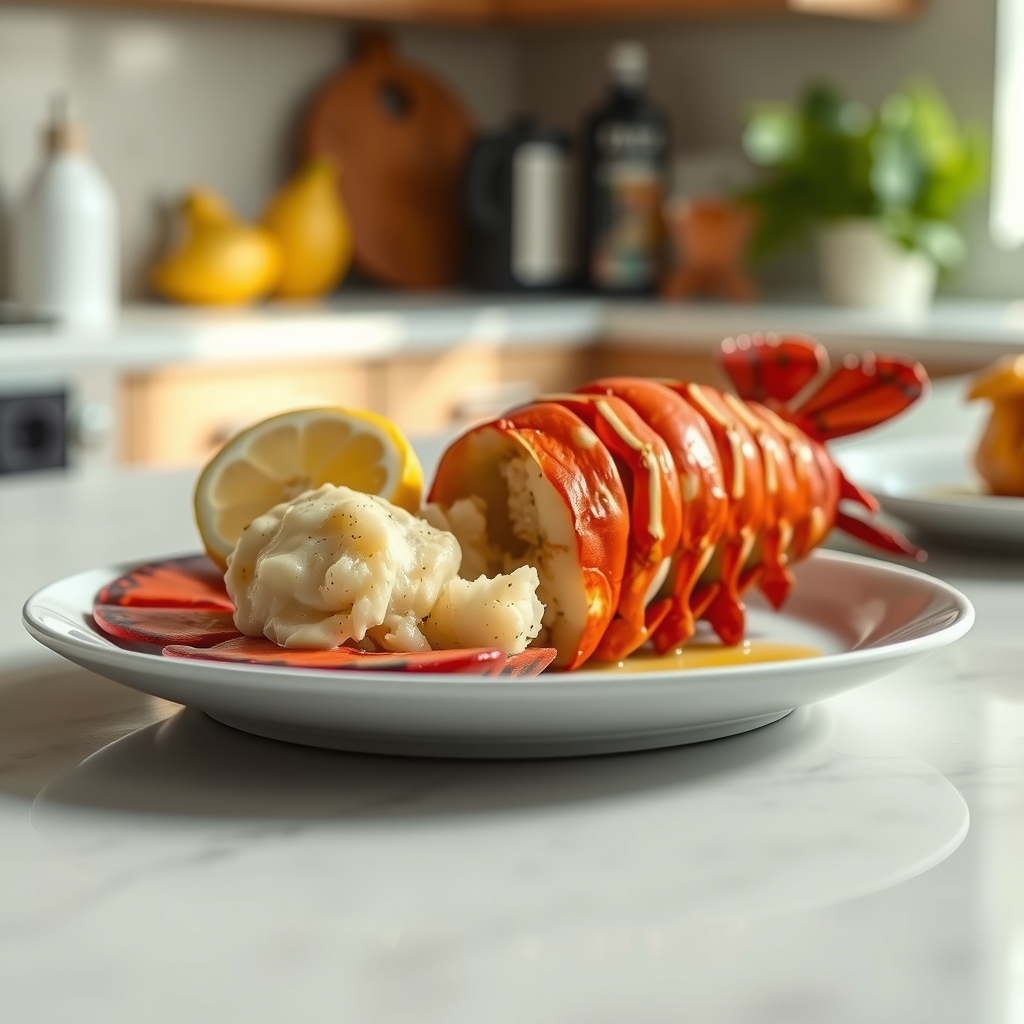
Lobster tail is the elongated, fleshy part of the lobster’s abdomen, prized for its sweet, tender meat. It’s a lean source of high‑quality protein, providing about 20 g of protein per 3‑ounce serving, along with selenium, vitamin B12, zinc, and omega‑3 fatty acids. The meat’s mild flavor makes it a popular feature in upscale dishes and casual seafood boils alike. Because lobsters are crustaceans, their shells contain chitin, a fiber that humans cannot digest, but the meat itself is completely edible and nutrient‑dense.
Overall, the consensus among leading health authorities is that cooked lobster tail is safe for most pregnant people when eaten in moderation. The American College of Obstetricians and Gynecologists (ACOG) advises limiting total seafood to 2‑3 servings per week and selecting low‑mercury options. The U.S. Food and Drug Administration (FDA) lists lobster among “best choices” for low mercury, alongside shrimp, salmon, and pollock. The UK’s NHS echoes this guidance, recommending fully cooked shellfish and cautioning against raw preparations due to bacterial risk. No large‑scale studies have linked moderate lobster consumption to adverse pregnancy outcomes, but the precautionary principle still applies to mercury and food‑borne illness.
Is lobster tail safe to eat in the first trimester?
The first trimester is the period of organogenesis, when the fetus’s major organs form, making it the most sensitive window for teratogenic exposures. However, lobster tail does not contain known teratogens. The primary safety considerations are mercury and bacterial contamination. Mercury levels in lobster are typically low (average 0.02 ppm), well below the FDA’s 0.5 ppm limit for “low‑mercury” seafood. As long as the lobster is thoroughly cooked—reaching an internal temperature of 145 °F (63 °C)—the risk of Listeria or Vibrio bacteria is minimal. Therefore, a single serving (≈3‑4 oz) of cooked lobster tail is considered safe, provided you stay within the weekly 6‑oz limit.
Is lobster tail safe to eat in the second trimester?
During the second trimester, the fetus’s growth accelerates, and nutritional needs increase. The same low‑mercury profile applies, and cooked lobster continues to be a good source of protein, iron, and omega‑3s that support fetal brain development. Maintaining the ≤6 oz per week guideline helps keep total mercury exposure well under the FDA’s acceptable daily intake (ADI) of 0.1 µg per kilogram body weight. Again, ensure the lobster is fully cooked to eliminate bacterial hazards.
Is lobster tail safe to eat in the third trimester?
In the third trimester, the baby’s organ systems are largely mature, and the focus shifts to preparing for birth. Seafood, including lobster tail, can still be beneficial for DHA (docosahexaenoic acid), which supports the newborn’s visual and cognitive development. The safety considerations remain the same: limit intake to ≤6 oz cooked per week and avoid raw preparations. Some obstetricians suggest a slightly higher frequency of omega‑3‑rich fish in the third trimester, but lobster’s modest DHA content means it can be part of a varied seafood plan without exceeding mercury limits.
Is lobster tail safe while breastfeeding?
Breast milk can transmit trace amounts of mercury, but the levels from low‑mercury seafood like lobster are negligible. The FDA’s guidance for breastfeeding mothers mirrors that for pregnant people: up to 2‑3 servings of low‑mercury fish per week, fully cooked. Thus, cooked lobster tail remains a safe, protein‑rich option for lactating parents.
How much lobster tail can a pregnant woman safely consume per week?
Guidelines from the FDA and ACOG suggest a maximum of 6 oz (≈170 g) of cooked lobster tail per week for pregnant and breastfeeding individuals. This translates to roughly one standard serving (3‑4 oz) two times a week, or a single larger serving once weekly. Keeping total seafood intake to 2‑3 servings per week ensures mercury exposure stays well below the ADI. If you also eat other low‑mercury fish (e.g., shrimp, salmon, or cod), adjust lobster portions accordingly to stay within the weekly limit.
What are the risks of eating lobster tail during pregnancy?
The primary risks are:
- Mercury exposure: Lobster is low in mercury, but cumulative intake from multiple seafood sources can add up. Excess mercury can affect fetal brain development.
- Bacterial contamination: Undercooked shellfish may harbor Listeria, Vibrio, or Salmonella, which can cause severe food‑borne illness and increase miscarriage or preterm‑birth risk.
- Shellfish allergy: If you have a known crustacean allergy, even small amounts can trigger anaphylaxis, a medical emergency.
Is raw lobster tail safe for pregnant women?
No. Raw or undercooked lobster tail is not recommended because it can contain harmful bacteria such as Listeria monocytogenes and Vibrio vulnificus. These pathogens can cross the placenta and cause serious complications, including miscarriage, stillbirth, or severe neonatal infection. The CDC and NHS both advise pregnant people to eat only thoroughly cooked shellfish.
Are there any lobster tail brands that are safer for pregnant women?
While the safety of lobster tail hinges more on how it’s cooked than the brand, reputable suppliers that practice sustainable harvesting and thorough processing can reduce contamination risk. Look for:
- MSC‑certified (Marine Stewardship Council) labels, indicating sustainable and well‑managed fisheries.
- USDA‑approved or FDA‑registered processors, which follow strict sanitation standards.
- Products that are flash‑frozen immediately after harvest, preserving freshness and limiting bacterial growth.
When buying frozen lobster tail, verify that the package lists “fully cooked” or “ready‑to‑heat” and follow the heating instructions to reach 145 °F.
What are safe seafood alternatives to lobster tail during pregnancy?
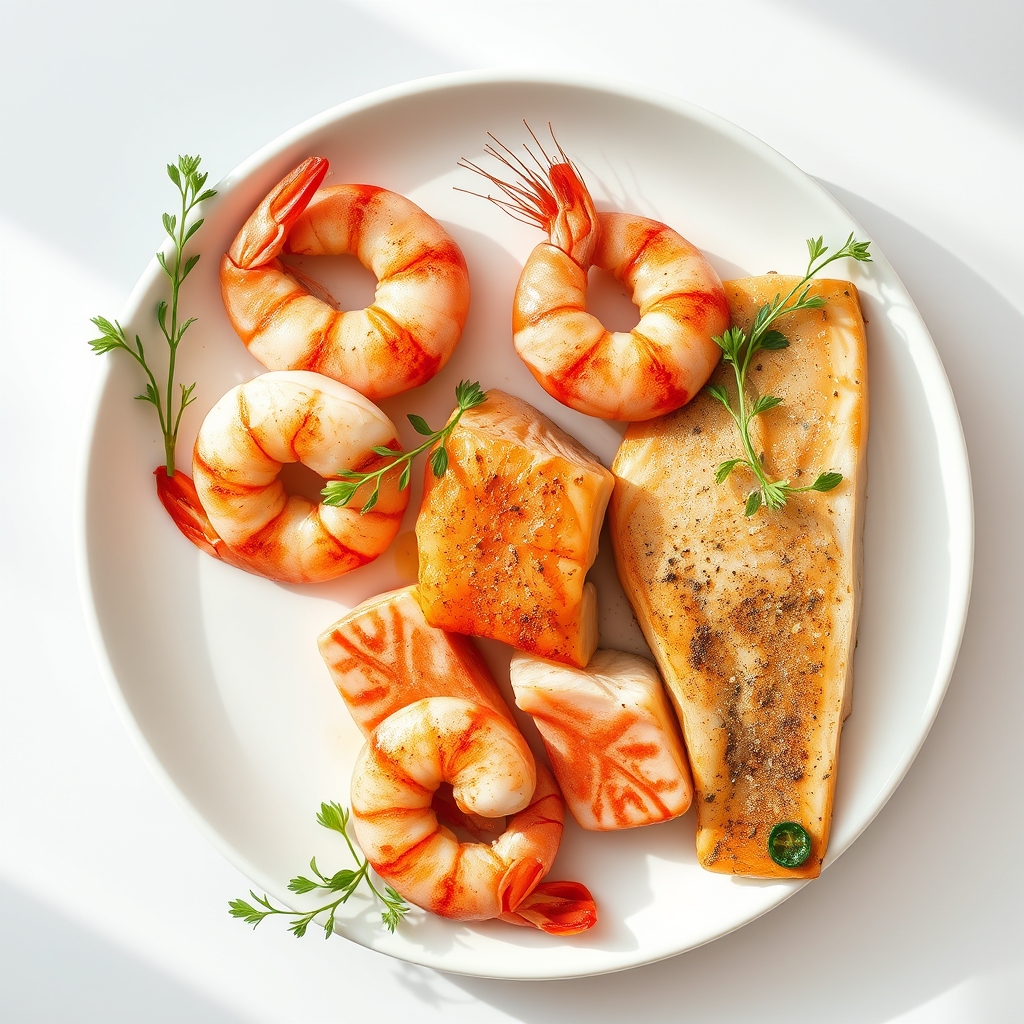
- Cooked shrimp – low in mercury, high in protein.
- Cooked salmon – rich in DHA and omega‑3s.
- Tilapia – mild flavor, low mercury.
- Catfish – affordable, low‑mercury option.
- Cod – flaky texture, safe when fully cooked.
- Pollock – versatile, low mercury.
- Sardines – packed with calcium and omega‑3s.
- Canned light tuna (limit to 2 servings/week) – watch mercury levels.
Safe dosage / amount / brands
For a typical 3‑ounce (85 g) cooked lobster tail serving, the mercury content averages 0.02 ppm, contributing roughly 1.7 µg of mercury—far below the FDA’s 0.5 ppm threshold for low‑mercury seafood. The recommended weekly limit of 6 oz (≈170 g) translates to about two standard servings. If you consume other low‑mercury seafood, adjust accordingly to keep total mercury intake under 0.5 ppm.
When selecting lobster tail, prioritize:
- MSC‑certified or sustainably sourced products.
- Fresh‑frozen lobster that’s been flash‑frozen within hours of catch.
- Packaging that states “fully cooked” and provides clear reheating instructions.
- Avoiding any product that lists “raw” or “unprocessed” on the label.
Side effects and risks
Most pregnant people experience no adverse effects from moderate lobster consumption. However, be alert for the following:
- Allergic reaction: Itching, hives, swelling, or difficulty breathing after eating lobster indicates a possible shellfish allergy—seek emergency care.
- Food‑borne illness symptoms: Fever, chills, nausea, vomiting, or diarrhea within 24‑72 hours after eating undercooked lobster may signal Listeria or Vibrio infection—contact your provider promptly.
- Excess mercury signs: Numbness or tingling in fingers, difficulty concentrating, or visual disturbances are rare but warrant medical evaluation.
Safer alternatives
- Cooked shrimp – low mercury, quick to prepare.
- Cooked salmon – high in DHA for fetal brain development.
- Tilapia – mild flavor, safe when fully cooked.
- Catfish – inexpensive and low in contaminants.
- Cod – flaky and easy to season.
- Pollock – versatile for fish sticks or tacos.
- Sardines – calcium‑rich and omega‑3 packed.
- Canned light tuna – limit to two servings per week to stay within mercury guidelines.
Related items — safety at a glance
| Seafood | Verdict | One‑line note |
|---|---|---|
| Lobster meat | ⚠️ Safe with limits | Low mercury; ensure it’s fully cooked. |
| Crab | ⚠️ Safe with limits | Low mercury; avoid raw crab cakes. |
| Shrimp | ✅ Generally safe | Low mercury, high protein. |
| Scallops | ⚠️ Safe with limits | Low mercury; cook thoroughly. |
| Clams | ⚠️ Safe with limits | Potential for bacterial contamination if raw. |
| Oysters | ❌ Best avoided | High risk of Listeria when raw. |
| King crab | ⚠️ Safe with limits | Low mercury; fully cooked only. |
| Snow crab | ⚠️ Safe with limits | Low mercury; avoid undercooked portions. |
Myth vs. fact
Myth: All shellfish are high in mercury and should be avoided during pregnancy.
Fact: Lobster tail, shrimp, and most crustaceans are among the lowest‑mercury seafood options, making them safe in moderation.
Myth: Cooking lobster eliminates all risks, so raw lobster is fine if you’re careful.
Fact: Raw lobster can harbor Listeria and Vibrio bacteria; cooking to 145 °F is essential to protect both mother and baby.
Myth: If you’ve already eaten lobster early in pregnancy, you’ve doomed the baby.
Fact: A single serving of properly cooked lobster is unlikely to cause harm; the biggest concerns arise from repeated high‑mercury or undercooked consumption.

