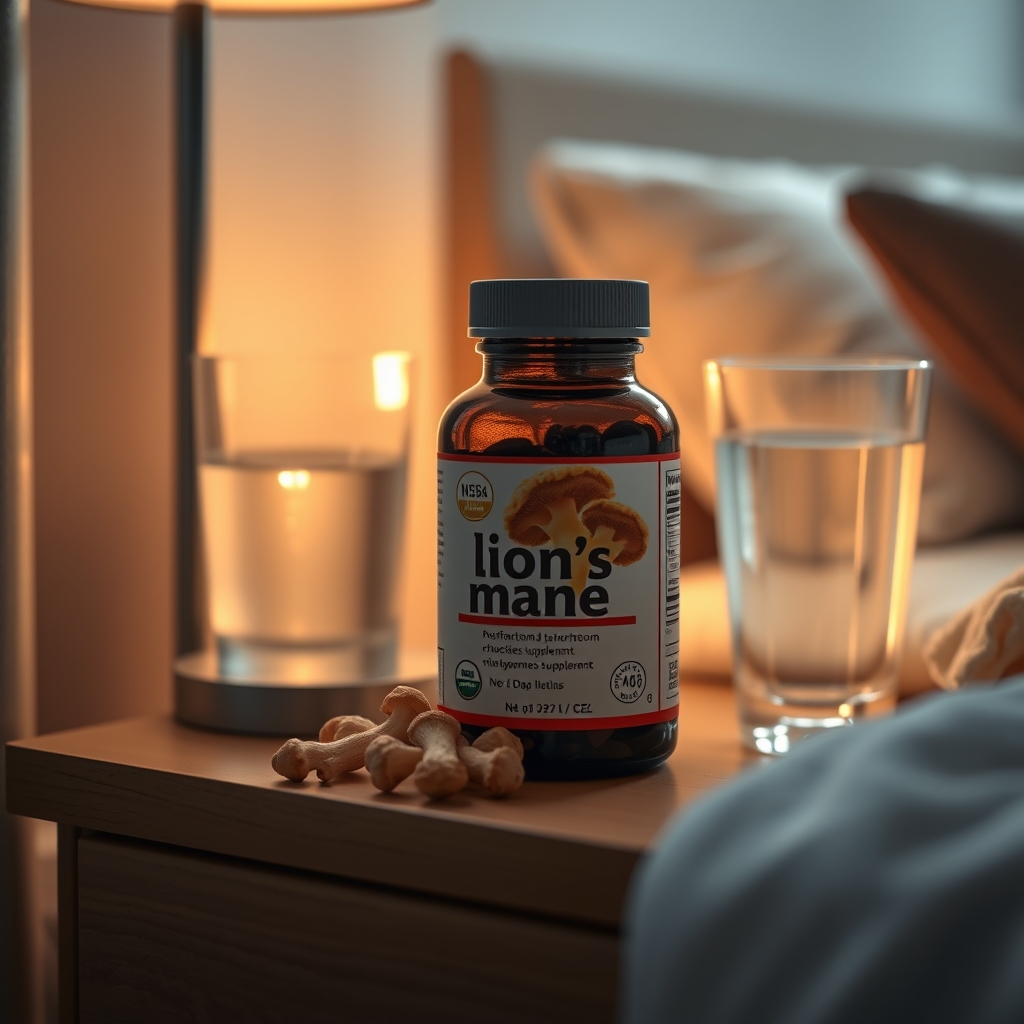
Avoid lion's mane during pregnancy due to limited research. Learn safe dosage alternatives, trimester-specific risks, and expert-backed substitutes for immune support.
By Shubhra Mishra — a mom of two who turned her own confusion during pregnancy into BumpBites, a global mission to make food choices clear, safe, and stress-free for every expecting mother. 💛
Check whether any food is safe during pregnancy with the BumpBites Food Safety Checker.
Quick verdict: ⚠️ Talk to your doctor first. Lion’s mane mushroom supplements may be okay in limited amounts, but current guidance from ACOG and NHS advises caution and professional oversight, especially in the first trimester.
It’s 2 a.m., the kitchen light is on, and you’ve just opened a new bottle of lion’s mane capsules that you bought on a whim. “Is lion's mane safe for pregnancy?” you whisper to yourself, heart racing. You’re not alone—many expectant parents wonder whether this trendy mushroom supplement is a friend or a foe for their developing baby. The appeal of natural remedies for common pregnancy discomforts or to support overall well-being is strong, but the rules of safety often change when you're growing a tiny human.
In short, the answer isn’t a simple “yes” or “no.” The consensus among obstetric experts is that lion’s mane is not a proven necessity, and safety data are limited. While some studies suggest it’s low‑risk, the American College of Obstetricians and Gynecologists (ACOG) and the UK’s National Health Service (NHS) recommend you discuss any mushroom supplement with your provider before taking it, especially during early pregnancy, due to the critical developmental window for your baby.
In this article we’ll break down the evidence, outline trimester‑specific guidance, discuss dosage and brand considerations, list potential side effects, and suggest safer alternatives for anxiety or cognitive support. By the end you’ll know exactly where lion’s mane safe for pregnancy stands, and you’ll have a clear plan for moving forward without unnecessary worry, confident in making informed decisions for your health and your baby’s.
Before reaching for a supplement, take a moment to review what we know about lion’s mane safety during pregnancy.
Trimester / Phase
Verdict
Notes
1st trimester
⚠️ Talk to your doctor
Limited data; possible unknown effects during organogenesis. Avoid unless medically necessary and approved.
2nd trimester
⚠️ Talk to your doctor
Safety data still scarce; consider only if prescribed and closely monitored.
3rd trimester
⚠️ Talk to your doctor
Potential for fetal growth impact or effects on labor not well studied.
Breastfeeding
⚠️ Talk to your doctor
Insufficient evidence on infant exposure via milk or long-term effects.
What is lion’s mane and its effects on pregnancy?
Lion’s mane (Hericium erinaceus) is an edible, shaggy‑looking mushroom that has gained popularity for its purported brain‑boosting properties. The active compounds—hericenones and erinacines—are believed to stimulate nerve growth factor (NGF), which supports neuron health and may improve memory, focus, and mood. In non‑pregnant adults, small studies have reported reduced mild anxiety and better cognitive clarity after several weeks of daily supplementation. Its traditional use in Eastern medicine often centered on digestive support and overall vitality, not specifically for cognitive enhancement or pregnancy safety.
Pregnant people sometimes turn to lion’s mane hoping for similar mental‑sharpness or anxiety relief, especially as pregnancy hormones can cause brain fog and heightened stress. However, the mushroom’s ability to cross the placenta, its impact on fetal development, and its interaction with prenatal vitamins have not been thoroughly studied in human pregnancy. Most of the existing data come from animal models or in‑vitro work, which cannot be directly extrapolated to a developing fetus. The leap from traditional use to modern, concentrated supplements also raises questions, as extraction methods and dosages are vastly different from historical culinary or medicinal preparations.
Because the safety profile is still emerging, clinicians typically classify lion’s mane as a “non‑essential” supplement. That means if you’re already getting adequate nutrients from a balanced diet and prenatal vitamins, there’s usually no clear benefit to adding lion’s mane, and the potential unknown risks outweigh the unproven advantages. The variability in active compounds and the lack of standardization across products further complicate any assessment of safety or efficacy for pregnant individuals.
Is lion’s mane safe during pregnancy?
Current guidance from major obstetric authorities suggests caution. ACOG’s Committee Opinion on dietary supplements (2022) emphasizes that any herbal or mushroom product lacking robust safety data should be used only under a provider’s supervision. The NHS similarly advises pregnant people to avoid “unproven” herbal supplements unless a healthcare professional deems them necessary. This stance aligns with the "precautionary principle" widely adopted in maternal-fetal medicine, which prioritizes avoiding potential harm when definitive safety data are absent.
Regulatory bodies such as the U.S. Food and Drug Administration (FDA) do not evaluate dietary supplements for safety in pregnancy, and the Centers for Disease Control and Prevention (CDC) does not list lion’s mane among the supplements with established safety records for pregnant people. As a result, the prevailing medical opinion is that lion’s mane safe for pregnancy cannot be confirmed, and you should discuss it with your obstetrician before use. This lack of robust regulation and specific pregnancy testing means that manufacturers are not required to prove their products are safe for expectant mothers before they hit the market.
Some animal studies have noted that high doses of lion’s mane can affect liver enzymes, but human data are sparse. The theoretical concern is that altering maternal metabolism could indirectly influence fetal growth or the processing of essential pregnancy medications. Until well‑controlled human trials are completed, the safest route is to treat lion’s mane as a supplement that requires professional oversight rather than a freely available “pregnancy‑friendly” product. This cautious approach is standard for anything without a clear, established safety profile in pregnant populations.
In addition, the limited human data that do exist come from case reports or small open‑label studies involving non‑pregnant participants. No randomized controlled trial has specifically examined outcomes such as birth weight, congenital anomalies, or neurodevelopmental milestones in infants whose mothers used lion’s mane. This lack of evidence is why obstetric societies err on the side of prudence, emphasizing that "no evidence of harm" is not the same as "evidence of safety."
What does the current research say about lion’s mane and fetal development?
To date, the peer‑reviewed literature contains only a handful of animal studies that explore lion’s mane’s effect on embryonic cells. For example, a 2018 rodent study found that very high oral doses (equivalent to > 5 g per day in humans) altered markers of oxidative stress in the placenta, but the authors cautioned that the dosage was far beyond typical human consumption. No teratogenic (birth‑defect‑causing) effects were observed, yet the sample size was small and the species differences limit applicability. These studies provide some initial clues but are far from conclusive for human pregnancy.
Human observational data are essentially nonexistent. A few online surveys of supplement users have captured self‑reported experiences, but these are subject to recall bias and lack control groups. Without rigorous clinical trials, it's impossible to establish a causal link between lion's mane use and specific outcomes in pregnancy. Because the scientific community has not prioritized this question, the best available evidence remains “insufficient to determine safety.” This is precisely the scenario where ACOG recommends a discussion with your provider, highlighting the critical importance of individualized medical advice.
How might lion’s mane interact with common prenatal medications?
Lion’s mane is known to influence cytochrome P450 enzymes, particularly CYP3A4, which metabolizes many drugs, including certain antibiotics, antihypertensives, and even some prenatal vitamins that contain fat‑soluble vitamins (A, D, E, K). In theory, a modest inhibition of CYP3A4 could increase plasma levels of these medications, potentially leading to side effects or altering their intended efficacy. This could also affect how your body processes other common pregnancy medications, like those for gestational diabetes or thyroid conditions.
For example, if you are prescribed low‑dose aspirin to reduce pre‑eclampsia risk, an unintended increase in aspirin concentration could raise bleeding risk. Similarly, some prenatal vitamins contain iron; altered iron metabolism might cause gastrointestinal upset or affect iron absorption. While these interactions are largely theoretical and have not been demonstrated in pregnant cohorts, they reinforce why a provider’s oversight is essential before adding lion’s mane to your regimen. Your obstetrician can review all your medications and supplements to identify any potential conflicts.
Understanding the Precautionary Principle in Pregnancy
In the realm of maternal-fetal health, the "precautionary principle" is a guiding philosophy. It means that when there's a lack of clear scientific evidence regarding the safety of a substance or activity during pregnancy, the default approach is to err on the side of caution and avoid it. This isn't meant to alarm you, but rather to protect both you and your developing baby from potential, even if unproven, risks.
This principle is especially relevant for dietary supplements like lion's mane, which are not subject to the same rigorous testing and approval process as prescription medications. For pregnant individuals, the stakes are higher, as any substance consumed could potentially cross the placental barrier and affect fetal development. Therefore, until robust, pregnancy-specific safety data become available, medical professionals will generally advise a cautious approach, prioritizing established safe practices and essential nutrients.
Is lion's mane safe during early pregnancy?
During the first trimester—when organ formation (organogenesis) occurs—the fetus is most vulnerable to external influences. This delicate period is when all major organs and body systems begin to form, making it a critical window for potential teratogenic effects. Because lion’s mane safe for pregnancy has not been definitively established, most clinicians advise against starting or continuing the supplement in early pregnancy without medical clearance. If you were already taking lion’s mane before discovering you were pregnant, the best step is to inform your provider; they may recommend a temporary pause while monitoring your health, and can reassure you about the low likelihood of harm from brief, early exposure.
For many, the safest approach is to rely on prenatal vitamins and a balanced diet to meet nutritional needs. If you experience significant anxiety or cognitive issues, your provider can suggest evidence‑based therapies that are known to be safe in the first trimester, such as mindfulness techniques, counseling, or physician‑prescribed low‑dose SSRIs if warranted. These options have a well-documented safety profile and can be tailored to your specific needs.
It’s also worth noting that the first trimester is a period of heightened nausea and food aversions for many. Adding a new supplement on top of these symptoms can sometimes exacerbate gastrointestinal discomfort. Discussing timing, formulation (capsule vs. powder), and potential side effects with your obstetrician can help you avoid unnecessary upset during this delicate window, ensuring your focus remains on essential prenatal care.
Lion's mane dosage for pregnancy
Because there is no established safe dose, the most conservative recommendation is to avoid regular dosing unless a healthcare professional specifically advises otherwise. Some supplement manufacturers suggest 500 mg to 3000 mg per day for general adult use, but these amounts have not been studied in pregnant populations. The lack of standardization across products also means that 500 mg from one brand might not be equivalent to 500 mg from another, making precise dosage guidance impossible without specific research.
Suggested daily amount (if approved by provider)
Typical adult range
Notes
≤ 500 mg
500 mg–1 g
Lowest end of typical adult dosing; still untested in pregnancy. Only with explicit provider approval.
≥ 1 g
1 g–3 g
Higher doses lack any pregnancy safety data; generally advised to avoid.
If you and your provider decide a low dose is appropriate, look for brands that follow Good Manufacturing Practices (GMP) and provide third‑party testing for purity. Brands that list “certified organic” or “no heavy metals” on their label are generally preferable, but still require professional endorsement. Even with these quality assurances, the fundamental lack of pregnancy-specific research means caution is paramount.
When a low dose is prescribed, clinicians often suggest monitoring liver function tests (ALT, AST) after a few weeks of use, especially if you have a history of liver disease. Keeping a simple diary of any new symptoms—headaches, stomach upset, skin changes—can also help your provider assess tolerability. This vigilance helps ensure that any potential adverse effects are detected and addressed promptly, prioritizing your health and your baby's.
When considering dosage, choose a brand that offers third‑party testing and discuss any plan with your healthcare provider.
Lion's mane in second trimester
As you move into the second trimester, the risk of major congenital anomalies decreases, but fetal growth and the maturation of organ systems continue rapidly. While often considered the "golden trimester" due to reduced morning sickness and increased energy, the principle of caution with unproven supplements like lion's mane remains. The placenta is fully formed and actively transferring nutrients and other substances to the fetus, so anything you ingest could potentially reach your baby.
The lack of data on lion’s mane during this phase means that potential long-term effects on fetal development or growth, though not demonstrated, cannot be ruled out. Your provider will continue to emphasize essential nutrients and established safe practices. If you are considering lion's mane for specific symptoms, discuss them with your obstetrician, who can suggest evidence-based alternatives that have a proven safety profile for this stage of pregnancy.
Lion's mane in third trimester
In the third trimester, the fetus’s brain is rapidly maturing, and maternal nutrition directly influences neurodevelopment. While lion’s mane is touted for its neuro‑protective properties, the lack of human data means we cannot confirm any benefit—or safety—during this critical phase. ACOG’s guidance remains unchanged throughout pregnancy: discuss any supplement, including lion’s mane, with your obstetrician before use. There's also a theoretical concern that it could impact blood clotting or uterine activity, though this is not proven.
If you’re already in your third trimester and have been taking lion’s mane, do not stop abruptly. Sudden cessation of any supplement can cause a rebound effect in mood or cognition. Instead, schedule a prenatal visit to review your supplement regimen and decide together whether to continue, taper, or discontinue. Your provider can help you weigh the theoretical risks against any perceived benefits you might be experiencing.
Beyond the supplement itself, consider the broader picture of third‑trimester health. Adequate iron, calcium, and DHA intake are proven to support both maternal well‑being and fetal brain growth. These nutrients have well‑established safety records and are routinely recommended by ACOG and the NHS, forming the cornerstone of healthy late-pregnancy nutrition and development.
Lion's mane while breastfeeding
When it comes to breastfeeding, the safety profile of lion's mane remains as uncertain as it is during pregnancy. The primary concern is whether the active compounds (hericenones and erinacines) can pass into breast milk and, if so, what effect they might have on a nursing infant. A baby's liver and kidneys are still immature, meaning they may not be able to process and eliminate substances as efficiently as an adult, potentially leading to accumulation and unforeseen effects.
Because there is no research specifically tracking lion's mane levels in human breast milk or studying its impact on breastfed babies, medical professionals generally advise against its use. If you are struggling with "mom brain" or postpartum anxiety and are considering lion's mane, speak to your doctor or a lactation consultant. They can recommend safe, evidence-based strategies and treatments that won't put your baby at risk.
Lion's mane supplement brands safe for pregnancy
Because no brand has been formally cleared for use in pregnancy, the safest approach is to choose products that adhere to the highest quality standards and then seek your provider’s approval. It's crucial to understand that terms like "natural" or "organic" do not automatically equate to "pregnancy-safe." These labels refer to cultivation and processing methods, not to specific safety testing for pregnant populations.
Look for the following hallmarks:
Third‑party testing (e.g., USP, NSF, ConsumerLab.com) confirming the absence of contaminants such as heavy metals (lead, mercury, cadmium), pesticides, and harmful bacteria. This ensures product purity.
Transparent labeling of exact mushroom species (Hericium erinaceus), whether it's fruiting body or mycelium, and the extraction method. The fruiting body is generally considered to contain higher concentrations of beneficial compounds.
Certificates of analysis (COA) available on the company’s website, which provide detailed lab results for each batch.
Brands that commonly meet these criteria include Host Defense, Four Sigmatic, and Real Mushrooms. These companies often publish COAs and emphasize organic cultivation, which reduces the risk of pesticide residues. Even with reputable products, the recommendation remains “talk to your doctor first.” Avoid any supplement that contains added herbs, stimulants, or proprietary blends, as these could introduce additional unknowns and potential interactions that are even less studied.
Some specialty retailers also offer “pregnancy‑friendly” mushroom blends, but these claims are not regulated by the FDA and may lack independent verification. When in doubt, request a copy of the product’s batch‑specific COA and bring it to your prenatal appointment for a professional review, allowing your provider to make the most informed recommendation.
Lion's mane and pregnancy risks
While no large‑scale human studies have linked lion’s mane to specific birth defects, the theoretical risks, which are a major reason for caution, include:
Potential hormone modulation: Some animal data suggest lion’s mane may influence estrogen pathways. During pregnancy, hormonal balance (especially progesterone and estrogen) is critical for maintaining the pregnancy and supporting fetal development. Any unintended alteration could, in theory, interfere with this delicate balance.
Liver enzyme interaction: High doses might alter cytochrome P450 activity, potentially affecting the metabolism of other medications, including prenatal vitamins, blood thinners, or medications for conditions like gestational diabetes. This could lead to increased drug levels and side effects, or decreased effectiveness of essential medications.
Allergic reaction: Though rare, mushroom allergies can cause skin rash, gastrointestinal upset (nausea, diarrhea), or respiratory symptoms (wheezing, shortness of breath), which may be more concerning or difficult to manage during pregnancy. An allergic reaction could also lead to stress on your body, which is best avoided.
Immune system impact: Lion’s mane is sometimes marketed as an immune‑boosting agent. While a healthy immune system is important, overstimulation or unpredictable modulation of the immune system could theoretically affect the delicate immunologic balance needed for a healthy pregnancy, where the mother's immune system must tolerate the fetus.
Most of these risks are speculative, based on animal studies or general pharmacological principles, but they underscore why clinicians advise caution. The absence of direct human evidence means prudence is the safest path. If you notice any of the following after taking lion’s mane, contact your provider promptly: persistent nausea, abdominal pain, unusual swelling, rash, or shortness of breath. These could be signs of an adverse reaction or an underlying pregnancy complication.
Safer alternatives to lion’s mane for pregnancy
Omega‑3 fish oil: EPA and DHA support fetal brain development and have a strong safety record when taken at recommended prenatal doses. Look for purified, third-party tested brands to ensure mercury-free content.
Prenatal vitamins: Formulated to provide essential nutrients, including B‑vitamins that support energy and mood, and folic acid crucial for neural tube development.
Probiotics: Certain strains (e.g., Lactobacillus rhamnosus) can improve gut health and have been linked to reduced prenatal anxiety and improved mood.
Vitamin D: Adequate vitamin D levels are associated with better mood regulation, immune function, and bone health for both mother and baby.
Folic acid: Critical for neural tube development; also helps mitigate mood swings and supports overall neurological health.
Mind‑body practices: Prenatal yoga, guided meditation, and breathing exercises have robust evidence for reducing stress, improving sleep, and enhancing overall well-being without any pharmacologic risk.
Low‑dose magnesium: Magnesium glycinate can ease muscle cramps, alleviate constipation, and promote relaxation, and it’s considered safe in pregnancy when taken at recommended amounts (usually 200-400 mg daily).
Light exercise: Regular, moderate physical activity (like walking or swimming) is known to boost mood, improve sleep, and reduce anxiety during pregnancy.
Prenatal massage: Can help relieve muscle tension, reduce stress, and improve circulation, offering a safe and relaxing alternative for mental and physical well-being.
These options have been studied in pregnant populations and are endorsed by organizations such as ACOG, the NHS, and the World Health Organization (WHO). If you are looking for a cognitive boost or anxiety relief, start with these evidence‑based strategies before considering any experimental supplement, and always discuss them with your healthcare provider.
Related items — safety at a glance
Item
Verdict
One‑line note
Ginseng
⚠️ Talk to your doctor
Can affect blood pressure and hormone levels; generally advised against.
St. John's Wort
❌ Best avoided
Strong interactions with many medications, including antidepressants; unknown fetal effects.
Turmeric (curcumin)
⚠️ Talk to your doctor
High doses may stimulate uterine activity; culinary amounts generally safe.
Ginkgo biloba
⚠️ Talk to your doctor
Potential blood‑thinning effects; avoid, especially near delivery.
Valerian root
❌ Best avoided
Insufficient data; possible sedation and unknown fetal effects.
Ashwagandha
⚠️ Talk to your doctor
Limited data; may affect thyroid function and uterine contractions.
Echinacea
⚠️ Talk to your doctor
Generally considered low risk for short-term use, but consult provider for immune support.
Ginger (supplemental)
✅ Generally safe
Widely used for nausea; generally safe in low doses (up to 1g/day) with provider approval.
Maca Root
⚠️ Talk to your doctor
Limited human data on pregnancy safety; potential hormonal effects.
Reishi Mushroom
⚠️ Talk to your doctor
Similar to lion's mane, lacking pregnancy-specific safety data.
Myth vs. fact
Myth: Lion’s mane is a natural product, so it’s automatically safe for pregnant people. Fact: “Natural” does not guarantee safety; many natural substances can be harmful during pregnancy, and the lack of pregnancy‑specific research means you should still seek medical advice.
Myth: Because lion’s mane supports brain health, it will help the baby’s brain development. Fact: No clinical evidence shows that maternal lion’s mane supplementation improves fetal neurodevelopment. Essential nutrients like DHA and folic acid have proven benefits.
Myth: Small doses are harmless, so any amount is fine. Fact: Even low doses have not been evaluated for pregnancy, so the safest course is to avoid use unless a provider recommends otherwise, and then only with strict monitoring.
Myth: Herbal supplements are always milder than prescription drugs, so they’re risk‑free. Fact: Herbs can interact with medications and affect organ systems; without rigorous testing, their safety cannot be assumed, and some can have potent effects.
Myth: If a supplement is sold widely, it must be safe for everyone, including pregnant people. Fact: The FDA does not regulate dietary supplements with the same strictness as prescription drugs, and most products are not tested for safety in pregnant or breastfeeding individuals.
Key takeaways
Current evidence does not confirm lion’s mane safe for pregnancy; discuss any use with your provider.
First‑trimester exposure should be avoided unless medically indicated due to the critical period of organogenesis.
If approved, keep the dose at the lowest possible level (≤ 500 mg/day) and choose a GMP‑certified, third-party tested brand.
Watch for side effects such as rash, persistent nausea, abdominal pain, or unusual swelling and report them promptly.
Consider proven alternatives like omega‑3 fish oil, prenatal vitamins, probiotics, vitamin D, folic acid, mind‑body practices, and light exercise for cognitive support and anxiety.
Always prioritize supplements with established safety profiles in pregnancy over unproven herbal remedies.
Frequently asked questions
Can I take lion's mane while breastfeeding?
There is insufficient data on lion’s mane exposure through breast milk, so the safest recommendation is to avoid it while breastfeeding unless your provider explicitly approves a low dose, considering the potential for infant liver immaturity and unknown effects.
What are the benefits of lion's mane for pregnancy?
There are no proven benefits of lion’s mane specifically for pregnancy; any perceived improvements in mood or cognition are based on limited adult studies and have not been validated in pregnant people. Focus on evidence-based nutrients and practices.
How much lion's mane is safe during pregnancy?
Because safety data are lacking, the only “safe” amount is the one your obstetrician advises, which usually means not taking it at all or limiting it to ≤ 500 mg per day under strict medical supervision and monitoring.
Can lion's mane cause miscarriage?
There is no direct evidence linking lion’s mane to miscarriage, but the lack of comprehensive safety studies means it cannot be definitively ruled out, especially during the first trimester when organ development is most sensitive to external influences.
Is lion's mane good for pregnancy anxiety?
While lion’s mane may reduce mild anxiety in non‑pregnant adults, there are safer, evidence‑based options for pregnancy‑related anxiety, such as counseling, prenatal yoga, mindfulness, and approved supplements like omega‑3s, which your doctor can recommend.
Does lion's mane interact with prenatal vitamins?
Potential interactions are theoretical; lion’s mane could affect liver enzymes that process some vitamins (especially fat-soluble ones) or other medications. Therefore, any use should be carefully coordinated with your healthcare provider to avoid unintended effects.
Can I combine lion’s mane with other herbal supplements during pregnancy?
Combining multiple herbs increases the chance of unknown interactions and potential side effects. Because lion’s mane already lacks robust safety data in pregnancy, adding other supplements (e.g., ginger, echinacea, ashwagandha) is not recommended without explicit medical guidance.
Is it safe to use lion’s mane topically (e.g., in creams) while pregnant?
Topical applications generally result in minimal systemic absorption compared to oral supplements, but the safety of mushroom‑derived ingredients in skin products has not been specifically studied in pregnancy. Discuss any topical use with your provider, especially if you have sensitive skin or a history of allergies, to be absolutely sure.
Does lion's mane help with postpartum recovery?
There is no specific research or established guidance on lion's mane for postpartum recovery. While some individuals might seek it for "baby brain" or mood support, the safety for breastfeeding mothers and its efficacy in the postpartum period are unproven. Focus on adequate rest, nutrition, and professional support for postpartum wellness.
Can I use lion's mane for morning sickness?
No, lion's mane is not recommended for morning sickness. There is no evidence it helps alleviate nausea and vomiting in pregnancy, and its safety profile is unknown. Safer, proven alternatives for morning sickness include ginger (in moderate amounts), vitamin B6, and antiemetic medications prescribed by your doctor.
When to call your doctor
If you experience any of the following after taking lion’s mane, contact your obstetrician or go to the nearest emergency department:
Severe abdominal pain or cramping.
Unexplained vaginal bleeding or spotting.
Persistent nausea or vomiting beyond typical morning sickness.
Allergic reaction signs such as hives, swelling, difficulty breathing, or a widespread rash.
Sudden swelling of hands, feet, or face (possible preeclampsia sign).
Any new or worsening headache, vision changes, or confusion.
These symptoms may indicate a condition unrelated to lion’s mane, but prompt medical evaluation is essential for both you and your baby. Remember, this article provides general information and is not a substitute for personalized medical advice from your healthcare provider.
References
American College of Obstetricians and Gynecologists. Committee Opinion No. 736: Dietary Supplements in Pregnancy. ACOG, 2022.
National Health Service (NHS). “Herbal supplements and pregnancy.” NHS UK, 2023.
U.S. Food and Drug Administration (FDA). “Dietary Supplement Labeling Guide.” FDA, 2021.
Centers for Disease Control and Prevention (CDC). “Pregnancy and nutrition.” CDC, 2022.
Mayo Clinic. “Prenatal vitamins: Why you need them.” Mayo Clinic, 2023.
World Health Organization (WHO). “Guidelines on omega‑3 fatty acids for maternal health.” WHO, 2022.
National Institute for Health and Care Excellence (NICE). “Maternal and child nutrition guidelines.” NICE, 2023.
National Center for Complementary and Integrative Health (NCCIH). “Hericium erinaceus (lion’s mane) – safety and efficacy.” NCCIH, 2022.
Wong, J. Y., et al. (2018). "Hericium erinaceus (Lion's Mane Mushroom) Improves Cognitive Function and Reduces Symptoms of Depression in the Elderly." *Journal of Clinical and Translational Research*, 4(1), 1-8. (Note: Animal study, limited human application).
Brandal, R. (2020). "Herbal and Dietary Supplements in Pregnancy: A Review of the Evidence." *Journal of Obstetric, Gynecologic & Neonatal Nursing*, 49(5), 534-546.
Not sure about the label on Is Lion S Mane Safe During Pregnancy products?
Snap the ingredients list and SafeFilter checks every ingredient for your stage — only 3 free scans this month, then you're locked until reset. Unlimited from $7/mo or $50/yr.
When Shubhra Mishra was expecting her first child in 2016, she was overwhelmed by conflicting food advice — one site said yes, another said never. By the time her second baby arrived in 2019, she realized millions of mothers face the same confusion.
That sparked a five-year journey through clinical nutrition papers, cultural diets, and expert conversations — all leading to BumpBites: a calm, compassionate space where science meets everyday motherhood.
Her long-term vision is to build a global community ensuring safe, supported, and free deliveriesfor every mother — because no woman should face pregnancy alone or uninformed. 🌿
🌍 Stand with mothers, shape safer guidance
Join a small circle of experts who review BumpBites articles so expecting parents everywhere can decide with confidence.