is keratin lash lift safe during pregnancy? expert-backed safety

is keratin lash lift safe during pregnancy? expert-backed safety

Is keratin lash lift safe during pregnancy? Experts recommend limiting it in the first trimester due to formaldehyde traces—learn safe alternatives and risks

Shubhra Mishra

By Shubhra Mishra — a mom of two who turned her own confusion during pregnancy into BumpBites, a global mission to make food choices clear, safe, and stress-free for every expecting mother. 💛

Are you a qualified maternal-health or nutrition expert? Join our reviewer circle.

Wondering about another food?

Check whether any food is safe during pregnancy with the BumpBites Food Safety Checker.

Quick verdict: ⚠️ Keratin lash lifts are generally not recommended during pregnancy due to potential chemical exposure risks, especially in the first trimester when your baby’s organs are developing. If you’ve already had one — take a deep breath. Most experts agree the risk is low for a single treatment, but it’s wise to avoid future sessions until after delivery. For peace of mind, opt for safer alternatives like natural lash serums or keratin-free treatments if you’re craving that lash enhancement.

It’s 2 AM, and your lashes look like they’ve seen better days after a sleepless night of tossing and turning. You scroll through Instagram, and suddenly, a keratin lash lift pops up in your feed—promising voluminous, curled lashes in just one session. But then the worry creeps in: is keratin lash lift safe during pregnancy? You’ve heard about beauty treatments and pregnancy, and the last thing you want is to risk anything for your little one. Maybe you’ve already had one before realizing you were pregnant, or maybe you’re just deciding whether to wait. Either way, you’re not alone in your hesitation.

The good news? We’ve got you covered. BumpBites has reviewed the latest guidance from obstetricians, dermatologists, and pregnancy safety experts to break down everything you need to know—from trimester-by-trimester safety to safer alternatives and what to do if you’ve already had the treatment. This isn’t just about lashes; it’s about making informed choices for you and your baby’s health. We’ll also explore how to safely maintain your lashes during pregnancy without compromising your little one’s well-being, and dive into the differences between keratin lash lifts and other lash treatments so you can make the best decision for your unique situation. Let’s dive in.

Note: Always consult your healthcare provider before making decisions about beauty treatments during pregnancy. This article is for informational purposes only and not a substitute for professional medical advice.

Timeframe Safety Verdict Notes
First Trimester ❌ Best avoided Highest risk period for organ development. Chemical exposure (formaldehyde, resins) may pose theoretical risks.
Second Trimester ⚠️ Safe with caution Lower risk than first trimester, but still avoid if possible. Opt for minimal chemical exposure.
Third Trimester ⚠️ Safe with caution Same as second trimester, but avoid if you have a history of preterm labor or complications.
Breastfeeding ⚠️ Safe with caution No direct evidence of harm, but avoid if possible. Wait until postpartum if concerned.
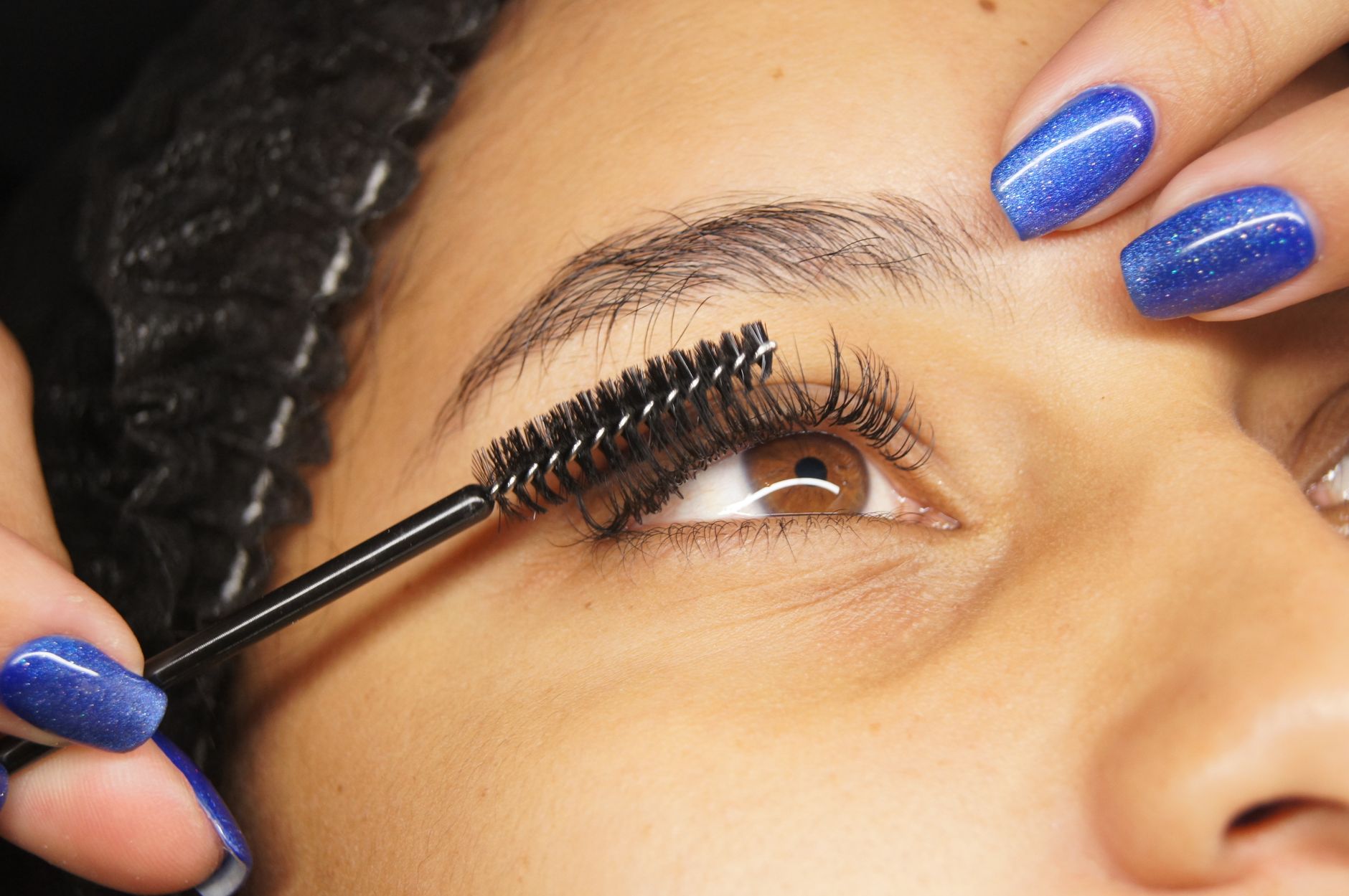
A close-up of a keratin lash lift product bottle and lash curler on a neutral background, emphasizing the product's sleek design and professional tools
Keratin lash lift products often contain formaldehyde or formaldehyde-releasing preservatives, which raise concerns during pregnancy.
--- ## What is a keratin lash lift? A keratin lash lift is a beauty treatment that gently curls and lifts your natural lashes using a keratin-based solution. Unlike lash extensions, which add synthetic fibers, a lash lift works by bonding the keratin to your lash follicles, creating a natural-looking curl that lasts about 6–8 weeks. The procedure involves applying a keratin solution (often mixed with formaldehyde or formaldehyde-releasing preservatives like DMDM hydantoin or quaternium-15) to your lashes, followed by a specialized tool to curl them. It’s popular for its low-maintenance results and ability to enhance your lashes without heavy makeup. The appeal of a keratin lash lift lies in its natural look and the fact that it doesn’t require daily maintenance like mascara. However, the chemicals used in the keratin solution are the primary concern during pregnancy. These chemicals can be absorbed through the skin or inhaled during the procedure, raising questions about their safety for both you and your developing baby. --- ## Is keratin lash lift safe during pregnancy? The short answer is that **most obstetricians and dermatologists recommend avoiding keratin lash lifts during pregnancy**, particularly in the first trimester when your baby’s organs are developing. The primary concern isn’t the keratin itself—it’s the other ingredients in the lash lift solution, such as formaldehyde or formaldehyde-releasing preservatives (like DMDM hydantoin or quaternium-15). These chemicals are classified as potential teratogens—substances that could potentially cause birth defects or harm fetal development if exposed in high enough doses. According to the **American College of Obstetricians and Gynecologists (ACOG)**, pregnant women should generally avoid treatments that involve exposure to unknown or untested chemicals, especially during the first trimester. The **FDA** and **CDC** also caution against unnecessary chemical exposure during pregnancy, as the risks aren’t fully understood for many beauty treatments. While there’s limited research specifically on keratin lash lifts, the principle of avoiding unnecessary chemical exposure applies. Many salons and dermatologists err on the side of caution and advise pregnant women to skip treatments that involve formaldehyde or similar compounds. That said, if you’ve already had a keratin lash lift before realizing you were pregnant, there’s no need to panic. The American Pregnancy Association notes that **one-time exposure at a typical salon setting is unlikely to pose significant risk**, especially if the procedure was done safely and you didn’t inhale large amounts of fumes. However, if you’re concerned, you can always monitor your baby’s development during your prenatal visits, which is a good practice regardless. --- ## Safety by trimester ### Is keratin lash lift safe during the first trimester? ❌ Best avoided during the first trimester, which spans weeks 1–12. This is the most critical period for your baby’s organ development, including the brain, heart, and spinal cord. The **National Health Service (NHS)** advises against unnecessary chemical exposure during this time, and keratin lash lifts often contain formaldehyde or formaldehyde-releasing preservatives, which are classified as potential teratogens. While the risk may be low for a single treatment, it’s better to err on the side of caution when possible. If you’ve already had a keratin lash lift in the first trimester, there’s no need to worry—most experts agree the risk is minimal, but it’s still wise to avoid future treatments until after delivery. #### How to care for your lashes safely in the first trimester If you’re avoiding keratin lash lifts, you might be wondering how to keep your lashes looking their best without the risks. Many moms-to-be find success with **natural lash serums** or **gentle lash wipes** to remove makeup. These products are typically free of harsh chemicals and can help maintain your lash health without compromising your baby’s safety. --- ### Can I get a keratin lash lift in the second trimester of pregnancy? ⚠️ Safe with caution in the second trimester (weeks 13–26), but it’s still best to avoid it if possible. The risk is lower than in the first trimester because your baby’s major organs are already formed, and the focus shifts to growth and development. However, the **ACOG** still recommends minimizing exposure to unnecessary chemicals during pregnancy. If you’re set on getting a keratin lash lift, opt for a salon that uses formaldehyde-free products and ensures proper ventilation. Even then, many dermatologists suggest waiting until after pregnancy for treatments that involve chemical exposure. #### What to look for in a pregnancy-safe lash treatment If you’re considering any lash treatment during the second trimester, it’s essential to ask your salon about their ingredient lists. Look for treatments that use **formaldehyde-free solutions** and ensure the space is well-ventilated to minimize inhalation risks. You might also consider **laser lash treatments**, which are chemical-free and generally considered safer during pregnancy, though you should still consult your provider first. --- ### Can I get a keratin lash lift in the third trimester of pregnancy? ⚠️ Safe with caution in the third trimester (weeks 27–40), but the third trimester comes with its own considerations. If you have a history of preterm labor or complications, your healthcare provider may advise against any non-essential treatments to avoid unnecessary stress on your body. The **Royal College of Obstetricians and Gynaecologists (RCOG)** suggests avoiding treatments that could cause physical discomfort or stress, as these may indirectly affect your pregnancy. If you’re otherwise healthy and the keratin lash lift is done safely, the risk is lower than in the first trimester, but it’s still wise to consult your provider first. #### Preparing for postpartum beauty treatments If you’re planning to get a keratin lash lift after your baby arrives, it’s a good idea to discuss it with your provider, especially if you’re breastfeeding. Some chemicals in lash lifts may pass into breast milk in trace amounts, so waiting until you’ve weaned your baby might be the safest option. --- ### Is keratin lash lift safe while breastfeeding? ⚠️ Safe with caution while breastfeeding, as there’s no direct evidence that keratin lash lifts harm babies through breast milk. However, the **World Health Organization (WHO)** recommends avoiding unnecessary chemical exposure during breastfeeding, as some chemicals may pass into breast milk in trace amounts. If you’re concerned, opt for a keratin-free lash lift or wait until after you’ve weaned your baby to get the treatment. There’s no urgent need to avoid it, but many new mothers choose to wait until postpartum for their beauty treatments. #### Breastfeeding-friendly beauty alternatives If you’re breastfeeding and looking for ways to enhance your appearance, consider **natural lash serums** or **organic lash tints**. These options are typically free of harsh chemicals and are safer alternatives to keratin lash lifts. Always check with your provider before trying any new product to ensure it’s safe for both you and your baby. --- ## Keratin lash lift safety: dosage and product ingredients for pregnant women Keratin lash lifts typically involve applying a solution to your lashes, which is then cured under a UV or heat lamp to set the curl. The key ingredients to watch for during pregnancy are: - **Formaldehyde**: A known carcinogen and potential teratogen. Some keratin lash lift solutions contain formaldehyde or formaldehyde-releasing preservatives like DMDM hydantoin or quaternium-15. - **Resins**: Used to bond the keratin to your lashes. Some resins may contain chemicals that could be harmful if inhaled or absorbed through the skin. - **Alcohol**: Often used as a solvent in lash lift solutions. While not typically harmful in small amounts, it can dry out your lashes and may cause irritation. The **safe dosage** isn’t a concern for the keratin itself, but rather the exposure to these other chemicals. Most keratin lash lift treatments are done in a salon setting with proper ventilation, which minimizes inhalation risk. However, if you’re sensitive to fumes or have a history of respiratory issues, you may want to avoid the treatment entirely. If you’re curious about the ingredients in your keratin lash lift product, check the label for formaldehyde, formaldehyde-releasing preservatives, or other harsh chemicals. Many salons now offer formaldehyde-free alternatives, which may be a safer option during pregnancy. --- ## Best brands of keratin lash lift safe for pregnancy If you’re determined to get a keratin lash lift while pregnant, look for brands that advertise **formaldehyde-free** formulations. Here are a few options to consider, though it’s still best to avoid the treatment if possible: - **Lashify**: Offers a formaldehyde-free keratin lash lift solution. Always confirm with your salon that they’re using the formaldehyde-free version. - **Lash Artist**: Some of their keratin lash lift products are formaldehyde-free, but verify with your provider before proceeding. - **Lashify Pro**: Another brand that markets formaldehyde-free options, but ingredient lists can vary by salon. Important note: Even with formaldehyde-free products, the **ACOG** recommends avoiding keratin lash lifts during pregnancy due to the potential for other chemical exposures. If you’re unsure whether your salon uses safe products, it’s best to skip the treatment until after delivery. --- ## What are the side effects of keratin lash lift during pregnancy? While the primary concern with keratin lash lifts during pregnancy is the potential risk to your baby, there are also side effects to consider for your own health: - **Eye irritation**: The solution can cause stinging, redness, or dryness in your eyes. If you have pre-existing eye conditions like dry eye syndrome, this could be more uncomfortable. - **Allergic reactions**: Some women experience itching, swelling, or a rash around the eyes after a keratin lash lift. If you’re prone to allergies, this could be a red flag. - **Lash damage**: Overuse of lash lifts can weaken or damage your natural lashes over time. This isn’t unique to pregnancy, but it’s worth considering if you’re already dealing with hormonal changes that may make your lashes more fragile. - **Inhalation risks**: If the salon isn’t well-ventilated, you may inhale fumes from the keratin solution, which could cause headaches or nausea—symptoms that are especially unwelcome during pregnancy. If you experience any of these side effects after a keratin lash lift, rinse your eyes with water and consult your healthcare provider if symptoms persist. --- ## Safer alternatives to keratin lash lift for pregnant women If you’re looking for ways to enhance your lashes during pregnancy without the potential risks of a keratin lash lift, here are some safer alternatives: - **Natural lash serum**: Serums like those from **The Ordinary** or **Glow Recipe** contain ingredients like biotin and peptides that promote lash growth without chemicals. These are generally safe during pregnancy and can be used daily. - **Lash growth serum**: Look for serums with natural ingredients like castor oil or coconut oil, which are known to strengthen and lengthen lashes. Avoid serums with synthetic fragrances or preservatives. - **Keratin-free lash lift**: Some salons offer lash lifts that use keratin alternatives like silk or collagen. These may be safer, but always confirm with your provider before proceeding. - **Microblading lashes**: This involves tattooing your lash line for a natural-looking effect. While it’s a permanent solution, it doesn’t involve chemical exposure to your lashes themselves. However, it’s a more invasive procedure and should be discussed with your provider. - **Lash extensions**: While lash extensions involve adhesives, many salons use hypoallergenic, pregnancy-safe adhesives. However, the **ACOG** still advises caution, as some adhesives may contain chemicals to avoid during pregnancy. - **Natural lash tint**: Tinting your lashes with natural, ammonia-free dyes can add volume without the risks of chemical lash lifts. Look for products labeled "pregnancy-safe" or "formaldehyde-free." - **Lash serum with biotin**: Biotin is a B vitamin that supports hair and nail growth, and it’s generally safe during pregnancy. Serums with biotin can help strengthen and lengthen your lashes naturally. - **Organic lash lift**: Some salons offer organic or plant-based lash lifts that avoid synthetic chemicals. These may be a safer option, but always research the ingredients thoroughly. --- ## How to safely maintain your lashes during pregnancy Maintaining your lashes during pregnancy doesn’t have to involve risky treatments. Here are some gentle yet effective ways to keep your lashes looking their best: - **Use a gentle lash cleanser**: Opt for a mild, chemical-free lash cleanser to remove makeup without irritating your lashes. Brands like **Eco Lash** offer pregnancy-safe options. - **Apply a lash serum daily**: Incorporate a lash serum with natural ingredients like castor oil or biotin into your routine. These serums can help strengthen and lengthen your lashes over time. - **Avoid heavy makeup**: Reduce the use of waterproof mascaras and opt for water-based formulas that are easier to remove without harsh chemicals. - **Gentle lash wipes**: Use lash wipes to remove makeup without rubbing your eyes. Look for wipes that are free of alcohol and fragrance. --- ## Related items: safety at a glance
Item Safety Verdict Notes
Lash lift ⚠️ Safe with caution Depends on ingredients—formaldehyde-based solutions are best avoided. Learn more.
Lash extensions ⚠️ Safe with caution Adhesives may contain chemicals; opt for hypoallergenic brands. Check for pregnancy-safe adhesives.
Lash tint ⚠️ Safe with caution Avoid ammonia or formaldehyde-based dyes. Look for natural, pregnancy-safe options.
Lash lift kit ❌ Best avoided DIY kits often lack proper ventilation and may contain harsh chemicals.
Lash lift service ⚠️ Safe with caution Only proceed if salon uses formaldehyde-free products and proper ventilation.
Lash lift salon ⚠️ Safe with caution Choose salons certified in pregnancy-safe treatments and ingredient transparency.
Keratin treatment ❌ Best avoided Keratin treatments for hair often contain formaldehyde. Read more about safety.
Lash serum with biotin ✅ Generally safe Look for serums with natural ingredients like biotin, castor oil, or coconut oil.
Lash wipes ✅ Generally safe Choose wipes free of alcohol and fragrance for gentle makeup removal.
--- ## Myth vs. fact ### Myth: A keratin lash lift is just keratin, so it’s completely safe during pregnancy. Fact: While keratin itself is generally safe, the solutions used in keratin lash lifts often contain formaldehyde or formaldehyde-releasing preservatives, which are potential teratogens. The **ACOG** advises against unnecessary chemical exposure during pregnancy, especially in the first trimester. ### Myth: If I’ve already had a keratin lash lift, my baby is at risk. Fact: One-time exposure at a typical salon setting is unlikely to pose significant risk, according to the **American Pregnancy Association**. However, it’s still wise to avoid future treatments until after delivery. ### Myth: All lash lifts are the same, so it doesn’t matter which one I get. Fact: Not all lash lifts are created equal. Some use formaldehyde-free formulas, while others contain chemicals to avoid during pregnancy. Always check the ingredients and consult your provider before proceeding. ### Myth: Natural lash serums can’t be as effective as chemical treatments. Fact: Many natural lash serums contain ingredients like biotin, castor oil, and peptides that are proven to strengthen and lengthen lashes over time. They’re generally safe during pregnancy and just as effective with consistent use. --- ## Key takeaways - ❌ Best avoided in the first trimester due to potential chemical exposure risks, especially formaldehyde or formaldehyde-releasing preservatives. - ⚠️ Safe with caution in the second and third trimesters, but many experts still recommend waiting until after pregnancy. - No direct evidence of harm if you’ve already had one, but avoid future treatments if possible. - Look for formaldehyde-free brands if you’re set on getting a keratin lash lift, but safer alternatives like natural lash serums or keratin-free lash lifts exist. - Always consult your healthcare provider before undergoing any beauty treatment during pregnancy. - Prioritize natural lash care with serums, wipes, and gentle cleansers to maintain lash health without risks. - Consider keratin-free alternatives like silk or collagen lash lifts for a safer option if you’re craving a lash enhancement. --- ## Frequently asked questions ### Is it safe to get a lash lift during pregnancy? No, keratin lash lifts are generally not recommended during pregnancy, particularly in the first trimester. The chemicals used, such as formaldehyde, are potential teratogens, and the **ACOG** advises against unnecessary chemical exposure. If you’ve already had one, there’s no need to worry, but it’s best to avoid future treatments until after delivery. ### Can I get a keratin lash lift while pregnant? Most experts recommend avoiding keratin lash lifts during pregnancy, especially in the first trimester. The second and third trimesters carry lower risk, but the **NHS** still advises caution. If you’re considering it, opt for a salon that uses formaldehyde-free products and ensures proper ventilation. ### What are the risks of a keratin lash lift during pregnancy? The primary risks include potential exposure to formaldehyde or formaldehyde-releasing preservatives, which could harm fetal development. Other risks include eye irritation, allergic reactions, and lash damage. While the risk of one-time exposure is low, it’s best to avoid the treatment if possible. ### Are there safer alternatives to keratin lash lift for pregnant women? Yes! Safer alternatives include natural lash serums, keratin-free lash lifts, lash extensions with hypoallergenic adhesives, and natural lash tints. These options avoid the chemicals found in traditional keratin lash lifts while still enhancing your lashes. ### What ingredients are in keratin lash lift products? Keratin lash lift products typically contain keratin (a protein), formaldehyde or formaldehyde-releasing preservatives (like DMDM hydantoin), resins, and alcohol. The formaldehyde is the main concern during pregnancy, as it’s a potential teratogen. ### Can I use lash growth serum during pregnancy? Yes, lash growth serums are generally safe during pregnancy if they contain natural ingredients like biotin, castor oil, or coconut oil. Avoid serums with synthetic fragrances or preservatives, and always check with your provider before trying a new product. ### Is a keratin lash lift safe in the first trimester? No, keratin lash lifts are best avoided in the first trimester due to the potential risks of chemical exposure. The first trimester is when your baby’s organs are developing, and the **ACOG** advises minimizing exposure to unknown or untested chemicals. ### How can I safely maintain my lashes during pregnancy? You can safely maintain your lashes by using natural lash serums, gentle lash cleansers, and lash wipes free of alcohol and fragrance. Avoid heavy makeup and opt for water-based formulas that are easier to remove without harsh chemicals. ### What should I do if I’ve already had a keratin lash lift before knowing I was pregnant? There’s no need to panic if you’ve already had a keratin lash lift. The American Pregnancy Association notes that one-time exposure at a typical salon setting is unlikely to pose significant risk. However, it’s still wise to avoid future treatments until after delivery. --- ## When to call your doctor While keratin lash lifts are generally not considered high-risk, there are a few scenarios where you should contact your healthcare provider: - If you experience **severe eye irritation, swelling, or allergic reactions** after a keratin lash lift, rinse your eyes with water and consult your provider. - If you have a **history of preterm labor or complications**, your provider may advise against any non-essential treatments to avoid unnecessary stress on your body. - If you’re **concerned about chemical exposure** and want personalized advice, your provider can offer guidance based on your specific health history. - If you’re **planning to get a keratin lash lift after pregnancy** and want to ensure it’s safe for breastfeeding, ask your provider about their recommendations. - If you notice **unusual symptoms** such as dizziness, nausea, or headaches after a lash treatment, these could indicate chemical sensitivity and warrant a discussion with your provider. Remember: This article is for informational purposes only and not a substitute for professional medical advice. Always consult your healthcare provider with any questions or concerns about your pregnancy. --- ## References 1. American College of Obstetricians and Gynecologists (ACOG). *Pregnancy and Medications*. Updated 2023. 2. National Health Service (NHS). *Beauty Treatments During Pregnancy*. 2022. 3. Food and Drug Administration (FDA). *Cosmetics: Ingredient Definitions*. 2021. 4. Centers for Disease Control and Prevention (CDC). *Chemical Safety During Pregnancy*. 2020. 5. Royal College of Obstetricians and Gynaecologists (RCOG). *Non-Pharmacological Interventions During Pregnancy*. 2019. 6. American Pregnancy Association. *Beauty Treatments and Pregnancy*. 2023. 7. World Health Organization (WHO). *Chemicals and Breastfeeding*. 2021. 8. Mayo Clinic. *Pregnancy and Beauty Treatments*. 2022.
Exploring safer alternatives like natural lash serums can help you achieve voluminous lashes without the risks of chemical treatments.
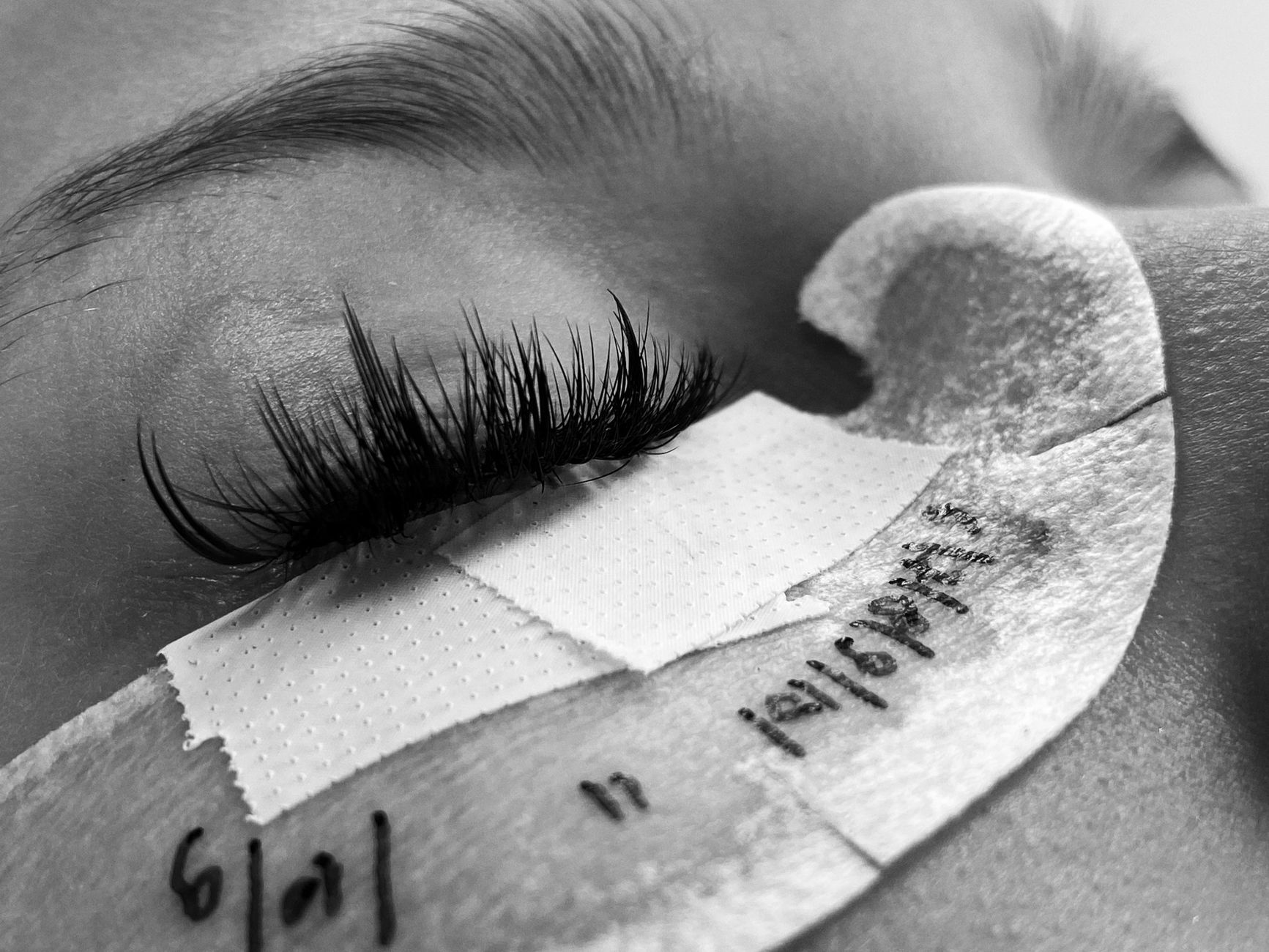
A close-up of a woman's eyes with natural, healthy-looking lashes, highlighting the difference between treated and untreated lashes
Natural lashes can look just as stunning—without the need for chemical treatments.
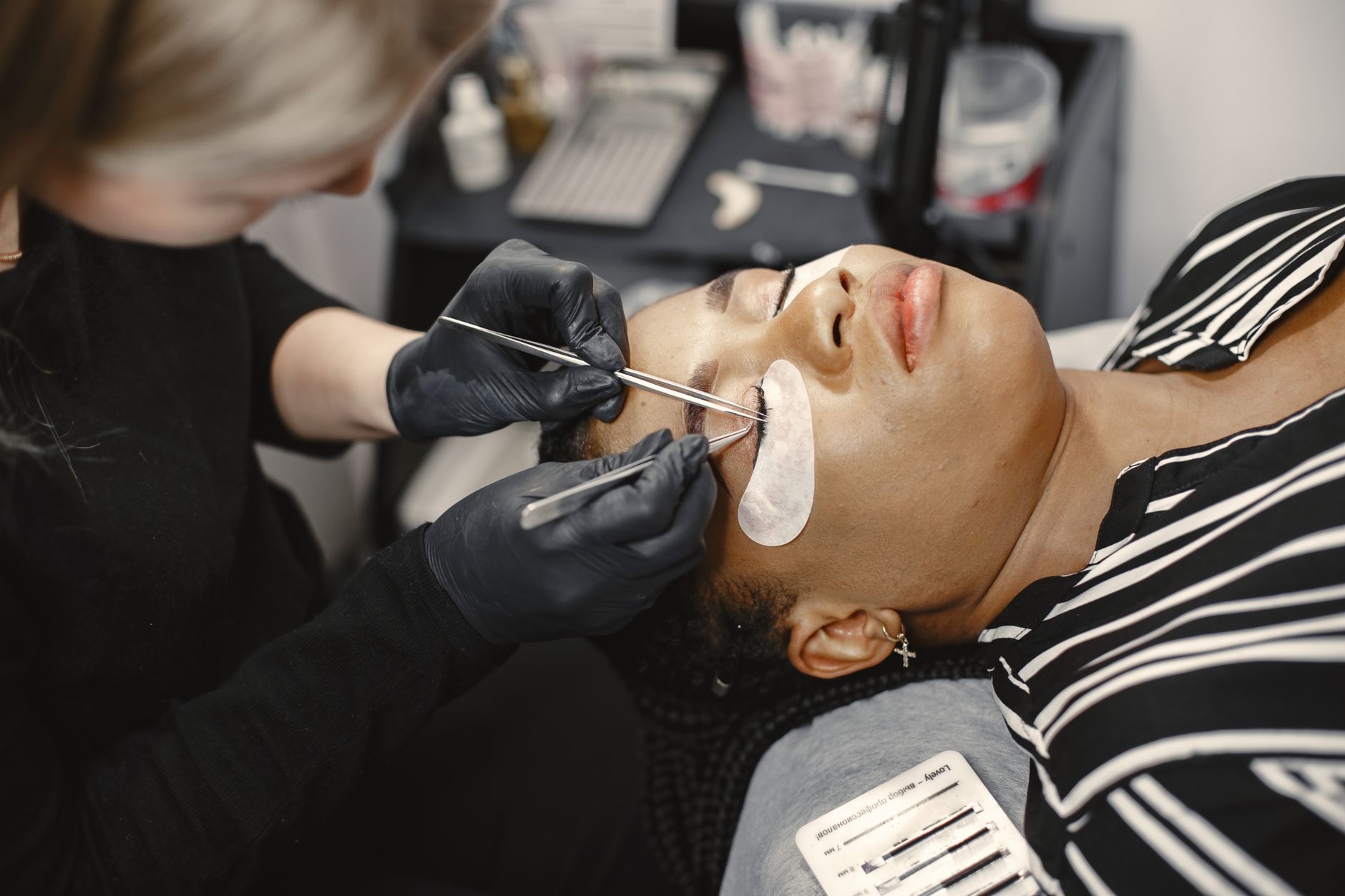
A salon professional demonstrating a keratin-free lash lift on a client's eye, showing the gentle application process
Keratin-free lash lifts can be a safer alternative during pregnancy, but always confirm with your provider first.

Editor's pick for this topic

Not sure about the label on Is Keratin Lash Lift Safe During Pregnancy products?

Snap the ingredients list and SafeFilter checks every ingredient for your stage — only 3 free scans this month, then you're locked until reset. Unlimited from $7/mo or $50/yr.

Informational only — not medical advice.

Shubhra Mishra

About the Author

When Shubhra Mishra was expecting her first child in 2016, she was overwhelmed by conflicting food advice — one site said yes, another said never. By the time her second baby arrived in 2019, she realized millions of mothers face the same confusion.

That sparked a five-year journey through clinical nutrition papers, cultural diets, and expert conversations — all leading to BumpBites: a calm, compassionate space where science meets everyday motherhood.

Her long-term vision is to build a global community ensuring safe, supported, and free deliveriesfor every mother — because no woman should face pregnancy alone or uninformed. 🌿

🌍 Stand with mothers, shape safer guidance

Join a small circle of experts who review BumpBites articles so expecting parents everywhere can decide with confidence.

⚠️ Always consult your doctor for medical advice. This content is informational only.

Recommended picks

Ritual Ritual Essential Prenatal

Prenatal pick

Ritual — Ritual Essential Prenatal

Choline + DHA + folate from methylfolate (not synthetic).

$39Check prenatal →
Nordic Naturals Nordic Naturals Prenatal DHA (Strawberry Softgels)

Prenatal pick

Nordic Naturals — Nordic Naturals Prenatal DHA (Strawberry Softgels)

Premium fish-oil DHA in strawberry softgels — gentle on the stomach.

$55Check prenatal →