Limit lash lifts during pregnancy, especially in the first trimester. Experts recommend minimal chemical exposure and suggest safer alternatives like lash serums.
By Shubhra Mishra — a mom of two who turned her own confusion during pregnancy into BumpBites, a global mission to make food choices clear, safe, and stress-free for every expecting mother. 💛
Check whether any food is safe during pregnancy with the BumpBites Food Safety Checker.
Quick verdict: ⚠️ Talk to your doctor first. A lash lift isn’t known to be harmful in small, professionally administered amounts, but the chemicals used haven’t been studied extensively in pregnancy, so it’s safest to get clearance from your obstetric provider before proceeding.
It’s completely normal to feel a flutter of anxiety when you spot a “lash lift” sign in the salon window and wonder, is lash lift safe during pregnancy?. You might have already booked an appointment, or you could be debating whether to wait until after your baby arrives. The good news is that the answer isn’t a simple “yes” or “no.” Instead, it depends on the stage of pregnancy, the ingredients in the lift solution, and the environment where the treatment is applied.
In this article we’ll break down the current medical guidance, explain what a lash lift actually involves, and walk you through trimester‑specific safety considerations. You’ll also find recommended limits for the chemicals, a list of brands that tend to be lower‑risk, safer beauty alternatives, and a quick‑reference table that compares lash lifts to other common eye‑beauty treatments. By the end you’ll have a clear, evidence‑based answer to the question is lash lift safe during pregnancy and a plan for moving forward without unnecessary worry.
Stage
Verdict
Notes
First trimester
⚠️ Talk to your doctor
Limited data; avoid if possible due to organogenesis period.
Second trimester
⚠️ Talk to your doctor
Some clinicians allow with low‑peroxide formulas and proper ventilation.
Third trimester
⚠️ Talk to your doctor
Same precautions as second trimester; consider comfort and positioning.
Breastfeeding
✅ Generally safe
Topical exposure minimal; still advise checking product ingredients.
What is a lash lift?
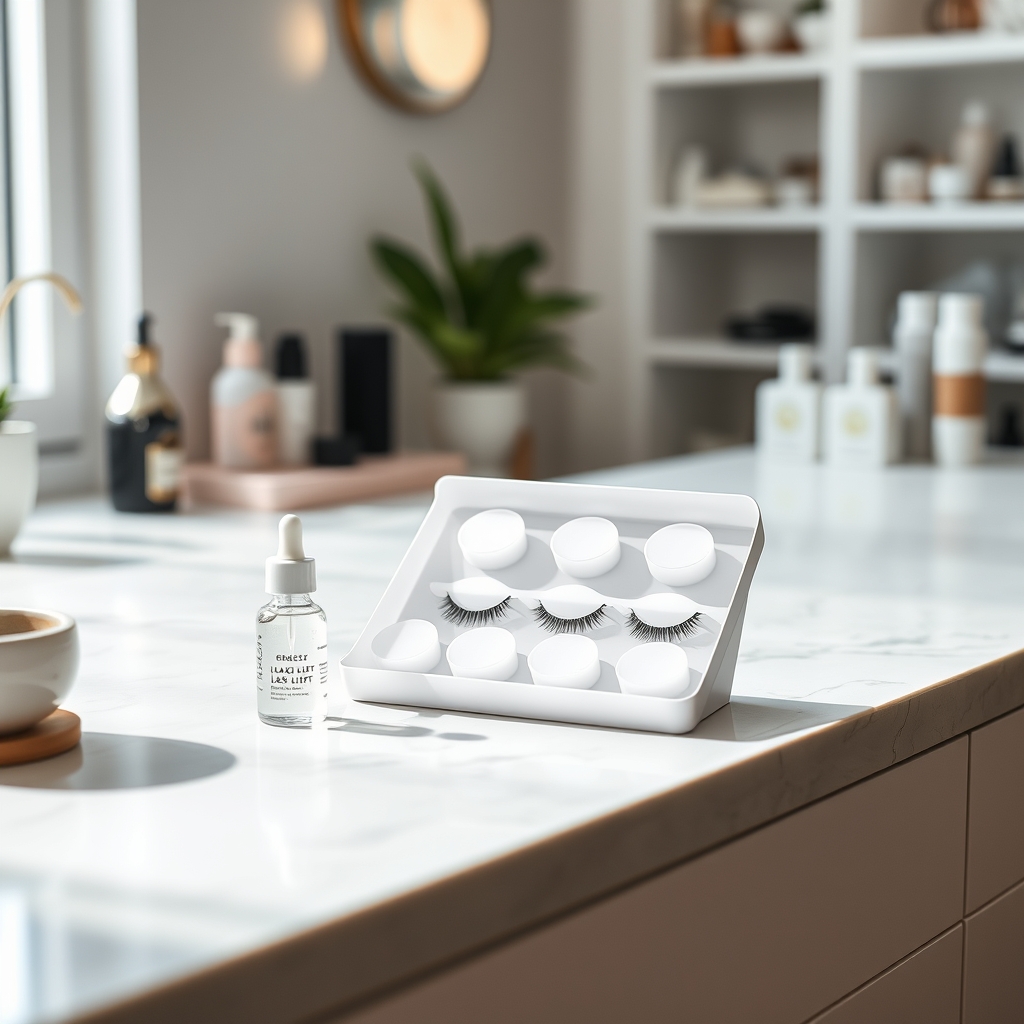
A lash lift is a semi‑permanent cosmetic procedure that curls your natural eyelashes upward, giving the appearance of longer, fuller lashes without the need for daily mascara. The process typically involves three steps: (1) a silicone pad is placed on the eyelid, (2) a lifting solution—usually containing a mild peroxide or thioglycolic‑acid‑based agent—softens the keratin in the hair shaft, and (3) a setting solution “locks in” the new shape. The entire treatment lasts about 45–60 minutes, and results can stay visible for six to eight weeks, gradually fading as the lashes grow out.
Because the chemicals are applied only to the exterior of the lashes and are rinsed off after a short exposure time, the systemic absorption is considered low. However, the exact amount that penetrates the skin varies with formulation, skin sensitivity, and the length of exposure. Salon‑grade products often list the concentration of the active ingredient, but many over‑the‑counter kits use higher concentrations to achieve faster results, which can increase irritation risk.
Professional lash lift kits usually contain a lifting solution, setting solution, and silicone pads; checking ingredient lists can help you choose a lower‑risk option.
Is a lash lift safe during the first trimester of pregnancy?
The first trimester (weeks 1‑13) is the period of organogenesis, when the baby’s major organs are forming. Because any potential teratogen—substance that could cause birth defects—poses the greatest theoretical risk during this window, many obstetric guidelines advise caution with any chemical exposure that isn’t clearly proven safe. The American College of Obstetricians and Gynecologists (ACOG) notes that “there is insufficient evidence to support the safety of many cosmetic chemicals in early pregnancy” and recommends that pregnant patients discuss any elective beauty procedures with their provider.
Most lash‑lift solutions contain low‑level hydrogen peroxide (often 3‑6 %). While peroxide is widely used as a disinfectant and is considered safe in small topical amounts, it has not been specifically evaluated for fetal safety when applied near the eyes. The UK’s NHS similarly advises pregnant women to “avoid unnecessary chemical exposure” in the first trimester, especially when the product is not regulated as a medication.
Because the risk is theoretical rather than documented, the safest approach is to postpone a lash lift until after the first trimester or obtain a clear “go‑ahead” from your obstetrician. If you’re already in the middle of a scheduled appointment, the clinician can reduce the exposure time and ensure the room is well‑ventilated, but you should still discuss the plan with your doctor beforehand.
Is a lash lift safe during the second trimester without risks?
The second trimester (weeks 14‑27) is generally considered the “golden window” for many elective procedures because organ development is largely complete and the risk of teratogenic effects is lower. Nevertheless, ACOG still recommends that any chemical exposure be limited to what is medically necessary. The FDA has not issued a specific pregnancy‑category rating for lash‑lift solutions, classifying them as “cosmetic devices” rather than drugs.
In practice, many licensed estheticians use formulations that contain less than 5 % peroxide and limit the application to 10–12 minutes. This short exposure, combined with thorough rinsing, keeps systemic absorption minimal. Some clinicians in the United States and United Kingdom have reported performing lash lifts safely in the second trimester when the client is asymptomatic, the product list is reviewed, and the salon follows strict hygiene standards.
Even with these precautions, it’s wise to confirm with your provider that you have no contraindications such as a history of allergic reactions, eczema, or a compromised immune system, all of which could increase the chance of irritation or infection.
What are the recommended limits for lash lift chemicals during pregnancy?
Lifting solution: Aim for products that list peroxide concentrations ≤ 5 % or use alternative keratin‑softening agents (e.g., sodium thioglycolate) with documented low‑risk profiles.
Application time: Keep the exposure under 15 minutes total, including both lifting and setting phases.
Ventilation: The treatment should be performed in a well‑ventilated room or with a local exhaust system to reduce inhalation of vapors.
Frequency: Limit the procedure to once every 6–8 weeks, the typical growth cycle of lashes, and avoid back‑to‑back appointments.
These limits are based on the precautionary principle outlined by the World Health Organization (WHO) for cosmetic exposures during pregnancy. While no formal “dose‑response” study exists for pregnant patients, adhering to these thresholds aligns with the general safety standards applied to other topical cosmetic procedures.
Choosing low‑peroxide formulas and limiting time under the lift can help keep exposure within recommended safety limits.
Are there any side effects of lash lifts for pregnant women?
Side effects are typically mild and localized, but pregnancy can alter skin sensitivity and immune response, making some women more prone to irritation. Reported reactions include:
Redness or mild swelling of the eyelid.
Itching or a burning sensation during the application.
Temporary darkening of the lashes if a tint is added.
Rarely, an allergic contact dermatitis that may spread beyond the lash line.
These symptoms are usually self‑limiting and resolve with a cool compress and over‑the‑counter antihistamine (such as loratadine, which is considered safe in pregnancy). However, if you develop severe swelling, blistering, or vision changes, you should seek medical attention promptly.
Which lash lift brands are considered safest for pregnant clients?
Because the FDA does not regulate cosmetic devices the same way it does drugs, safety largely depends on ingredient transparency and the salon’s hygiene practices. Brands that consistently receive positive feedback from estheticians for using low‑peroxide or peroxide‑free formulas include:
Lash Bomb – uses a 4 % peroxide lift solution with a “hypoallergenic” claim.
Lash Lift Studio – offers a “pregnancy‑friendly” line that replaces peroxide with a mild thioglycolate blend.
Yum Lash Lift – advertises a fragrance‑free, low‑pH solution that minimizes irritation.
When selecting a salon, ask to see the product safety data sheet (SDS) and confirm that the brand’s formulation meets the ≤ 5 % peroxide guideline. If a salon cannot provide this information, it’s safest to postpone the treatment.
What are safe alternatives to a lash lift while pregnant?
Maybelline Great Lash Mascara – gives instant definition without chemicals.
Ardell False Lashes – removable, disposable strips that avoid any chemical exposure.
Kiss Lash Extensions (hypoallergenic) – silicone‑based strips designed for sensitive eyes.
Lash Sensational Mascara – water‑based formula that washes out easily.
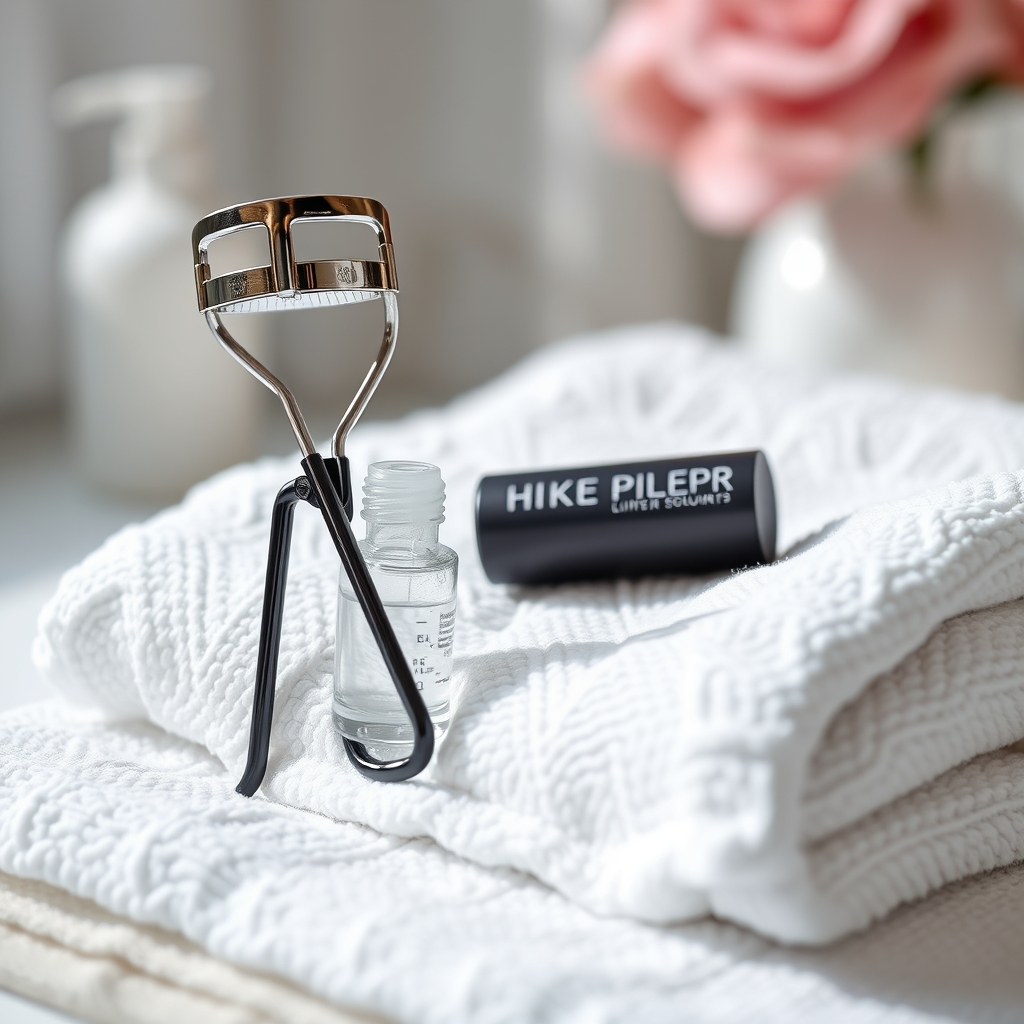
Eylure Eyelash Curler – a manual tool that creates a natural curl without any product.
RevitaLash Advanced Eyelash Conditioner – a nutrient‑rich serum that promotes healthy growth.
Lash Tints (pregnancy‑safe formulas) – semi‑permanent color that avoids the lifting chemicals altogether.
How does a lash lift affect hormonal skin changes in pregnancy?
Pregnancy hormones, especially estrogen and progesterone, can make the skin around the eyes more delicate and prone to pigmentation changes (melasma) or increased oiliness. A lash lift itself does not alter hormone levels, but the adhesive and lifting chemicals can interact with this altered skin barrier. Women who notice increased redness or dark spots after a lift often find that these changes fade once hormone levels stabilize postpartum.
If you have a history of sensitive skin or have already experienced melasma, you may want to discuss with your dermatologist whether a lash lift could exacerbate those conditions. In many cases, using a low‑irritant formula and ensuring the area is thoroughly cleaned after the procedure can mitigate any temporary discoloration.
Can a lash lift cause infections for pregnant women?
Any procedure that involves touching the eyelid carries a small risk of bacterial contamination, especially if the tools are not sterilized correctly. Pregnant women have a slightly altered immune response, which can make them marginally more susceptible to infections like bacterial conjunctivitis or styes.
Professional salons are required to follow strict sanitation protocols—using disposable applicators, sterilizing reusable tools, and applying antiseptic cleansers before and after the lift. If you notice persistent redness, pus, or pain after a lift, contact your healthcare provider promptly, as untreated eye infections can lead to complications that affect both you and the fetus.
Safe dosage / amount / brands
Because a lash lift is a topical, short‑duration procedure, “dosage” refers to the concentration of the active chemical and the length of exposure rather than a daily intake. Below is a practical guide for pregnant clients:
Component
Recommended maximum
Pregnancy‑safe brand example
Lifting solution (peroxide)
≤ 5 % concentration, ≤ 12 minutes
Lash Bomb (4 % peroxide)
Setting solution (neutralizer)
Standard commercial strength, rinsed after 5 minutes
Lash Lift Studio (low‑pH neutralizer)
Optional tint
Pregnancy‑certified, fragrance‑free dyes
Lash Tints – hypoallergenic line
When you book an appointment, ask the technician to confirm the peroxide percentage and to keep the total exposure under 15 minutes. If you’re using an at‑home kit, follow the manufacturer’s instructions meticulously, wear disposable gloves, and ensure the room is well‑ventilated. Remember, the safest route is to choose a salon that uses low‑peroxide or peroxide‑free formulas and to keep the frequency to one session per 6–8 weeks.
Side effects and risks
Most side effects are mild and resolve on their own, but it’s important to differentiate between harmless irritation and signs that require medical attention.
Common, non‑dangerous: temporary redness, mild itching, slight swelling that subsides within a few hours.
Potentially concerning: intense burning, blistering, swelling that spreads beyond the eyelid, or vision changes—these may indicate an allergic reaction or infection and warrant immediate evaluation.
Rare but serious: bacterial conjunctivitis or a stye that does not improve with basic hygiene; untreated eye infections can increase the risk of pre‑term labor according to limited case reports.
If you experience any of the concerning or serious symptoms, contact your obstetrician or an eye‑care professional right away. For mild irritation, a cool compress and a pregnancy‑safe antihistamine (e.g., cetirizine) are usually sufficient.
Safer alternatives
Maybelline Great Lash Mascara – classic, easy‑to‑apply, and free of harsh chemicals.
Ardell False Lashes – disposable strips eliminate the need for any chemical exposure.
Kiss Lash Extensions (hypoallergenic) – silicone‑based strips designed for sensitive eyes.
Lash Sensational Mascara – water‑based, washes out without residue.
Eylure Eyelash Curler – a mechanical tool that creates a natural curl without any product.
RevitaLash Advanced Eyelash Conditioner – nourishes lashes with peptides and vitamins, supporting healthy growth.
Lash Tints (pregnancy‑safe formulas) – adds color without the lifting chemicals.
Related items — safety at a glance
Item
Verdict
One‑line note
Eyelash extensions
⚠️ Talk to your doctor
Adhesives may contain formaldehyde‑releasing compounds; ask for low‑allergen glue.
Eyelash tint
✅ Generally safe
Use pregnancy‑certified, fragrance‑free dyes; minimal skin contact.
Eyebrow tint
✅ Generally safe
Same precautions as eyelash tint; avoid strong pigments.
Eyebrow threading
✅ Generally safe
Mechanical removal; no chemicals involved.
Eyebrow waxing
⚠️ Talk to your doctor
Heat and chemicals can irritate sensitive skin; consider threading.
Eyelash serum
✅ Generally safe
Look for serum with biotin and peptides; avoid retinol.
Eyelash perm
⚠️ Talk to your doctor
Similar chemicals to lash lifts; limited data in pregnancy.
Myth vs. fact
Myth: A lash lift is completely chemical‑free because it only uses a silicone pad.
Fact: The lift relies on a peroxide‑based solution that softens the keratin in the lashes. While the exposure is brief, the chemical is still present.
Myth: Because the procedure is “non‑invasive,” it’s safe at any stage of pregnancy.
Fact: “Non‑invasive” refers to the lack of incisions, not to the safety of the chemicals used. Hormonal changes and the first‑trimester sensitivity mean caution is still advised.
Myth: At‑home lash‑lift kits are safer because you control the environment.
Fact: DIY kits often lack professional ventilation and may contain higher peroxide concentrations, increasing the risk of irritation or accidental eye exposure.
Key takeaways
There’s no definitive evidence that a lash lift harms a developing baby, but the chemicals have not been specifically studied in pregnancy.
Consult your obstetric provider before scheduling a lift, especially during the first trimester.
Choose low‑peroxide (≤ 5 %) formulations, keep exposure under 15 minutes, and ensure the salon is well‑ventilated.
If you experience significant redness, swelling, or vision changes, seek medical care promptly.
Safer beauty alternatives—mascara, false lashes, or hypoallergenic tints—provide similar aesthetic results without chemical exposure.
Frequently asked questions
Can a lash lift cause pregnancy complications?
No direct link has been documented, but because the chemicals have not been studied in pregnant populations, most clinicians advise caution and recommend discussing the procedure with your provider.
Is it okay to have a lash lift after a miscarriage?
Yes, once you have cleared any medical follow‑up and feel ready, a lash lift can be performed; there’s no evidence that it affects future pregnancies.
Do lash lift chemicals get absorbed into the bloodstream?
Absorption is minimal due to the short contact time and the fact that the solution is rinsed off, but a tiny amount may penetrate the skin, which is why low‑peroxide formulas are preferred during pregnancy.
How long should I wait after a lash lift before getting pregnant?
Because the chemicals are not retained in the body, there is no required waiting period; however, many providers suggest waiting at least one full lash growth cycle (6–8 weeks) before trying to conceive.
What are the signs of an allergic reaction to a lash lift during pregnancy?
Watch for intense burning, swelling that spreads beyond the eyelid, hives, or difficulty breathing; these symptoms require immediate medical attention.
Can I use at‑home lash lift kits while pregnant?
It’s best to avoid DIY kits because they often contain higher concentrations of peroxide and lack professional ventilation, which can increase irritation risk.
Are there any restrictions on beauty treatments during pregnancy?
Most non‑invasive beauty services are allowed, but treatments involving strong chemicals (e.g., hair bleaching, certain nail polish removers) should be discussed with your doctor.
Will a lash lift affect my baby's development?
Current evidence does not show any impact on fetal development, but because data are limited, the safest route is to get clearance from your obstetrician before proceeding.
When to call your doctor
If you notice any of the following after a lash lift, contact your obstetric provider or an eye‑care professional right away:
Severe or rapidly spreading swelling of the eyelid.
Pain that worsens rather than improves within 24 hours.
Redness that extends beyond the lash line or involves the white of the eye.
Any vision changes, such as blur or double vision.
Signs of an allergic reaction (hives, difficulty breathing, swelling of the lips or face).
These symptoms may indicate an infection or a serious allergic response that requires prompt evaluation. Remember, this article provides general information and is not a substitute for personalized medical advice.
References
American College of Obstetricians and Gynecologists (ACOG). “Guidance on Cosmetic Procedures During Pregnancy.” 2023.
National Health Service (NHS). “Pregnancy and Cosmetic Treatments.” Updated 2022.
U.S. Food and Drug Administration (FDA). “Cosmetic Ingredient Review.” 2021.
World Health Organization (WHO). “Safety Assessment of Cosmetic Products.” 2020.
Mayo Clinic. “Hair and Skin Changes During Pregnancy.” Accessed July 2026.
Centers for Disease Control and Prevention (CDC). “Pregnancy‑Related Infections.” 2022.
Not sure about the label on Is Lash Lift Safe During Pregnancy products?
Snap the ingredients list and SafeFilter checks every ingredient for your stage — only 3 free scans this month, then you're locked until reset. Unlimited from $7/mo or $50/yr.
When Shubhra Mishra was expecting her first child in 2016, she was overwhelmed by conflicting food advice — one site said yes, another said never. By the time her second baby arrived in 2019, she realized millions of mothers face the same confusion.
That sparked a five-year journey through clinical nutrition papers, cultural diets, and expert conversations — all leading to BumpBites: a calm, compassionate space where science meets everyday motherhood.
Her long-term vision is to build a global community ensuring safe, supported, and free deliveriesfor every mother — because no woman should face pregnancy alone or uninformed. 🌿
🌍 Stand with mothers, shape safer guidance
Join a small circle of experts who review BumpBites articles so expecting parents everywhere can decide with confidence.