Avoid Japanese encephalitis zones during pregnancy, especially in the first trimester. Learn safe travel alternatives and vaccine risks for expectant mothers.
By Shubhra Mishra — a mom of two who turned her own confusion during pregnancy into BumpBites, a global mission to make food choices clear, safe, and stress-free for every expecting mother. 💛
Check whether any food is safe during pregnancy with the BumpBites Food Safety Checker.
Quick verdict: ⚠️ Talk to your doctor first. The Japanese Encephalitis (JE) vaccine is not routinely recommended during pregnancy due to limited safety data, but it may be considered if travel to a high-risk area is unavoidable. If you're pregnant and planning travel to a JE zone, prioritize mosquito bite prevention and discuss the risks and benefits with your healthcare provider.
You’re packing for a trip to rural Southeast Asia when you remember: Japanese Encephalitis. The name alone sends a shiver down your spine—especially now that you’re pregnant. Maybe you’ve already booked the flights, or maybe you’re just researching for a future trip. Either way, you’re here because you need to know: is Japanese Encephalitis zone safe during pregnancy? And if not, what can you do to protect yourself and your baby?
Take a deep breath. We’ve got you. This isn’t just another travel advisory—it’s a clear, evidence-based guide to help you make the safest choice for your pregnancy. Whether you’re considering the vaccine, weighing the risks of travel, or looking for safer alternatives, we’ll walk you through what the experts say, what the real risks are, and what precautions you can take. And if you’ve already been to a JE zone or received the vaccine before realizing you were pregnant, we’ll cover that too.
Here’s the bottom line: Japanese Encephalitis is rare but serious, and pregnancy adds an extra layer of concern. But with the right precautions, you can significantly reduce your risk. Let’s break it down.
Japanese Encephalitis Safety During Pregnancy at a Glance
Trimester
Vaccine Safety
Travel to JE Zone?
Notes
First Trimester
⚠️ Not routinely recommended
⚠️ Avoid non-essential travel
Highest risk for birth defects if infected; vaccine safety data is limited.
Second Trimester
⚠️ May be considered if travel is unavoidable
⚠️ Caution advised; prioritize prevention
Risk of severe illness remains; discuss vaccine with your provider.
Third Trimester
⚠️ May be considered if travel is unavoidable
⚠️ Caution advised; prioritize prevention
Risk of preterm labor or complications if infected; vaccine may be an option.
Breastfeeding
✅ Generally considered safe
✅ Safe with precautions
Vaccine is not known to harm breastfeeding infants; continue mosquito bite prevention.
What Is Japanese Encephalitis?
Japanese Encephalitis (JE) is a viral infection spread by Culex mosquitoes, primarily in rural and agricultural areas of Asia and the Western Pacific. The virus belongs to the same family as West Nile and dengue viruses, and while most infections are mild or asymptomatic, about 1 in 250 cases leads to severe illness. Symptoms of severe JE include high fever, headache, neck stiffness, seizures, and confusion—sometimes progressing to coma or death. Even among survivors, up to 50% experience long-term neurological complications like paralysis or cognitive impairment.
The disease is most common in areas where rice farming and pig farming overlap, as pigs can amplify the virus. In these regions, JE is a leading cause of viral encephalitis, particularly in children. For pregnant women, the stakes are even higher. While JE itself isn’t known to cause birth defects, the severe illness it can trigger—like high fever, seizures, or organ failure—may pose risks to both mother and baby.
There’s no specific treatment for JE. Supportive care, such as hospitalization and management of symptoms, is the standard approach. That’s why prevention—through vaccination and mosquito bite avoidance—is so critical, especially during pregnancy.
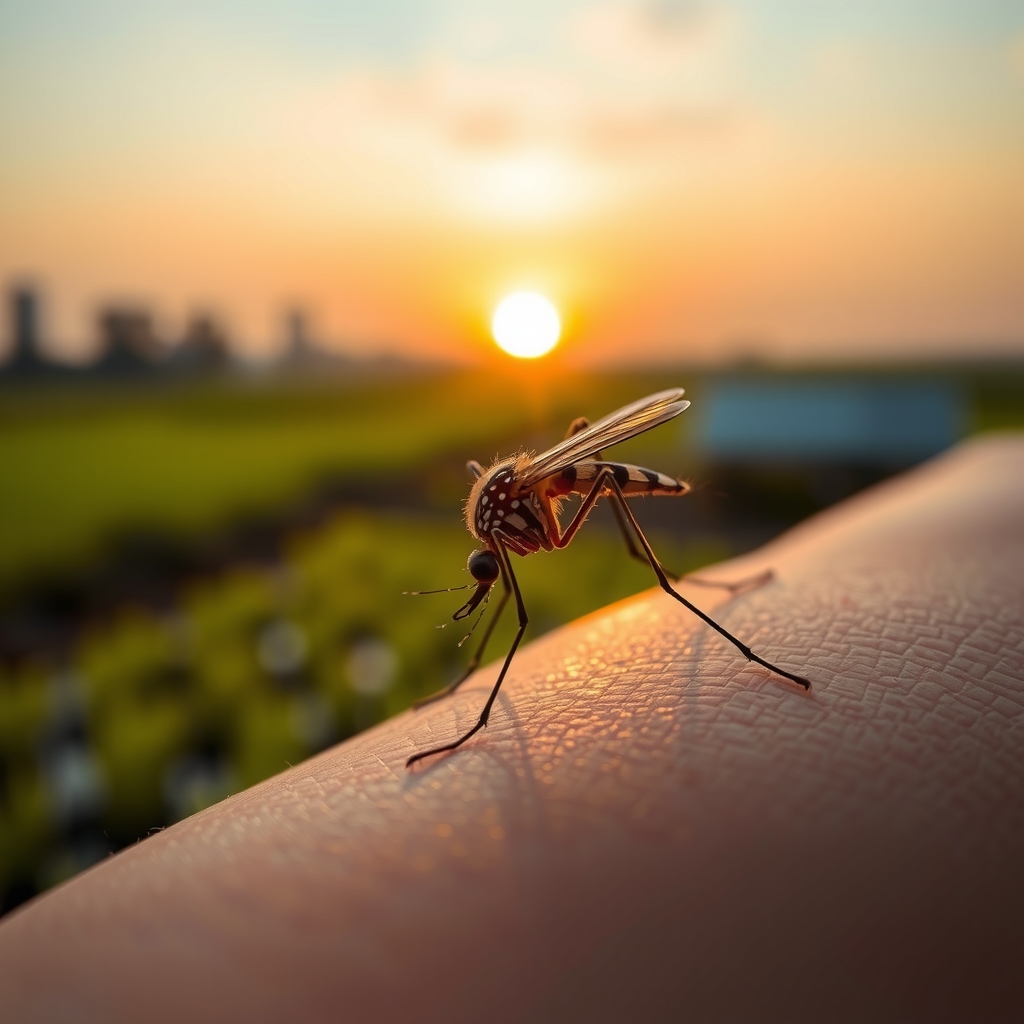
The Culex mosquito, which spreads Japanese Encephalitis, thrives in rural areas with standing water, like rice fields.
Is the Japanese Encephalitis Vaccine Safe During Pregnancy?
If you’re asking, “Is Japanese Encephalitis zone safe during pregnancy?”, the vaccine is likely part of your concern. The short answer: the JE vaccine is not routinely recommended for pregnant women, but it may be considered if the benefits outweigh the risks. Here’s what you need to know.
The two JE vaccines available in the U.S. and many other countries are Ixiaro (inactivated) and JE-VC (live-attenuated, not available in the U.S.). Ixiaro is the preferred option for travelers, but its safety during pregnancy hasn’t been extensively studied. According to the Centers for Disease Control and Prevention (CDC) and the World Health Organization (WHO), there are no well-controlled studies on the use of Ixiaro in pregnant women. However, because it’s an inactivated vaccine, it’s not expected to pose a risk to the fetus. Still, the CDC advises that the vaccine should only be given during pregnancy if the potential benefit justifies the potential risk to the fetus.
The American College of Obstetricians and Gynecologists (ACOG) echoes this caution. In their travel guidelines for pregnant women, ACOG states that while inactivated vaccines like Ixiaro are generally considered safe during pregnancy, the decision to vaccinate should be made on a case-by-case basis, weighing the risk of exposure to JE against the unknown risks of the vaccine.
So, what does this mean for you? If you’re traveling to a high-risk area—such as rural parts of India, Thailand, Vietnam, or the Philippines—your provider may recommend the vaccine, especially if your trip is long or involves outdoor activities. But if your travel is short, urban, or during the dry season (when mosquito activity is lower), they may advise skipping the vaccine and focusing on prevention instead.
If you received the JE vaccine before realizing you were pregnant, don’t panic. There’s no evidence that the vaccine causes harm to a developing fetus, but it’s still a good idea to mention it to your provider at your next appointment.
Safety by Trimester
First Trimester: Highest Risk, Lowest Data
The first trimester is a critical period for fetal development, and it’s also when the risks of severe illness from infections like JE are highest. Unfortunately, this is also the trimester with the least data on vaccine safety. The CDC and WHO both recommend avoiding non-essential travel to JE zones during the first trimester, not because the vaccine is proven unsafe, but because the risks of infection—and the potential complications from severe illness—are too great to ignore.
If you must travel to a high-risk area during your first trimester, your provider may still recommend the vaccine, particularly if you’ll be spending a lot of time outdoors or in rural settings. But they’ll likely pair this with strict mosquito bite prevention measures, like wearing long sleeves, using EPA-approved insect repellents (such as those containing DEET or picaridin), and staying in accommodations with screens or air conditioning.
If you’re in your first trimester and already received the JE vaccine before knowing you were pregnant, try not to worry. The vaccine is inactivated, and there’s no evidence linking it to birth defects. Still, let your provider know so they can monitor your pregnancy as usual.
Second Trimester: A Slightly Safer Window
By the second trimester, the risk of severe illness from JE remains, but the potential for complications like preterm labor or fetal distress may be slightly lower than in the first trimester. The NHS (UK) notes that while the JE vaccine isn’t routinely offered to pregnant women, it may be considered if travel to a high-risk area is unavoidable. This is also the trimester when many providers feel more comfortable recommending the vaccine, as the critical period of organ development has passed.
That said, the decision still depends on your specific travel plans. If you’re visiting a city with minimal mosquito exposure, your provider may advise skipping the vaccine and focusing on prevention. But if you’re heading to a rural area during the rainy season (when mosquito activity peaks), they may recommend vaccination alongside other precautions.
If you’re in your second trimester and considering travel to a JE zone, now is the time to have a detailed conversation with your provider. They can help you weigh the risks and benefits based on your destination, itinerary, and overall health.
Third Trimester: Balancing Risks
In the third trimester, the primary concern with JE is the risk of severe illness leading to complications like preterm labor, low birth weight, or maternal organ failure. The CDC notes that while the JE vaccine may be considered if travel is unavoidable, the focus should still be on preventing mosquito bites. This is because the later stages of pregnancy can make it harder for your body to fight off infections, and severe illness could put both you and your baby at risk.
If you’re in your third trimester and planning travel to a JE zone, your provider may recommend the vaccine if your trip involves significant outdoor exposure. However, they’ll likely emphasize that the best protection is avoiding mosquito bites altogether. This means using insect repellent, wearing protective clothing, and staying in screened or air-conditioned accommodations.
If you’ve already received the JE vaccine in your third trimester, there’s no need to worry. The vaccine is not known to cause harm to you or your baby, and it may provide some protection against the virus. Still, continue to take precautions to avoid mosquito bites.
Breastfeeding: Safe with Precautions
If you’re breastfeeding and considering travel to a JE zone, the good news is that the JE vaccine is considered safe for nursing mothers. The CDC states that inactivated vaccines like Ixiaro do not pose a risk to breastfeeding infants, and there’s no need to delay or interrupt breastfeeding after receiving the vaccine.
That said, breastfeeding doesn’t protect your baby from JE, so if you’re traveling with an infant, you’ll need to take extra precautions to prevent mosquito bites for both of you. Use insect repellent on your baby (if they’re old enough—check with your pediatrician for age-appropriate options), dress them in long sleeves and pants, and use mosquito nets over strollers and cribs.
If you’re breastfeeding and received the JE vaccine before or during pregnancy, there’s no need to worry about passing anything harmful to your baby through breast milk. The vaccine is inactivated, and the antibodies it helps your body produce may even offer some protection to your baby.
Using EPA-approved insect repellent is one of the most effective ways to prevent mosquito bites during pregnancy.
What Precautions Should Pregnant Women Take in Japanese Encephalitis Zones?
If you’re asking, “Is Japanese Encephalitis zone safe during pregnancy?”, the answer depends largely on the precautions you take. Even if you decide not to get the vaccine, you can still protect yourself and your baby by following these expert-recommended steps:
1. Avoid Mosquito Bites at All Costs
This is your first line of defense. Mosquitoes that carry JE are most active at dawn and dusk, but they can bite at any time. To minimize your risk:
Use EPA-approved insect repellents: Look for products containing DEET (20-30%), picaridin (20%), or IR3535. These are considered safe during pregnancy when used as directed. Apply repellent after sunscreen, and reapply as needed.
Wear protective clothing: Opt for long sleeves, long pants, and socks. Treat your clothes with permethrin, an insecticide that kills mosquitoes on contact. Permethrin is safe for pregnant women when used on clothing (not directly on skin).
Stay in screened or air-conditioned accommodations: Mosquitoes thrive in warm, humid environments. If you’re staying in a rural area, choose lodging with screens on windows and doors, or use a bed net treated with permethrin.
2. Time Your Travel Wisely
Mosquito activity peaks during the rainy season in many JE-endemic countries. If possible, plan your trip during the dry season, when mosquito populations are lower. If you must travel during the rainy season, take extra precautions to avoid bites.
3. Be Mindful of Your Itinerary
JE is most common in rural and agricultural areas, particularly where rice farming and pig farming overlap. If your travel plans include outdoor activities like hiking, camping, or visiting farms, you’ll be at higher risk. Consider adjusting your itinerary to focus on urban or indoor activities, or at least limit your time outdoors during peak mosquito hours.
4. Know the Symptoms of JE
While most JE infections are mild or asymptomatic, about 1 in 250 cases leads to severe illness. Symptoms of severe JE include:
High fever
Headache
Neck stiffness
Seizures
Confusion or disorientation
Muscle weakness or paralysis
Coma (in extreme cases)
If you experience any of these symptoms while traveling or after returning home, seek medical attention immediately. Early treatment can help manage symptoms and reduce the risk of complications.
5. Consider Pre-Travel Counseling
Before you travel, schedule an appointment with a travel medicine specialist or your obstetrician. They can help you assess your risk, discuss the pros and cons of the JE vaccine, and provide personalized advice on how to stay safe. If you’re traveling to multiple destinations, they can also help you prioritize which vaccines or precautions are most important.
Are There Pregnancy-Safe Alternatives to the Japanese Encephalitis Vaccine?
If you’re pregnant and concerned about the JE vaccine, you’re not alone. Many expecting parents wonder if there are safer ways to protect themselves from Japanese Encephalitis. While the vaccine is the most effective form of prevention, there are alternative strategies you can use to reduce your risk. Here’s what you can do instead of—or in addition to—getting vaccinated:
Strict Mosquito Bite Prevention:
This is your best defense against JE if you’re not vaccinated. Use EPA-approved insect repellents, wear permethrin-treated clothing, and stay in screened or air-conditioned accommodations. These measures can significantly reduce your risk of mosquito bites and, by extension, your risk of JE.
Adjust Your Travel Plans:
If possible, avoid traveling to high-risk areas during pregnancy, especially during the rainy season when mosquito activity is at its peak. If you must travel, opt for urban destinations with lower JE risk, and limit your time outdoors during dawn and dusk.
Use Mosquito Nets:
Sleeping under a permethrin-treated bed net is a simple but effective way to protect yourself from mosquito bites while you sleep. This is especially important if you’re staying in rural or agricultural areas where JE is more common.
Stay Informed About Outbreaks:
Before you travel, check the CDC’s Travel Health Notices or the WHO’s Disease Outbreak News for updates on JE activity in your destination. If there’s an ongoing outbreak, consider postponing your trip or taking extra precautions.
Boost Your Immune System:
While there’s no surefire way to prevent JE through diet or supplements, maintaining a healthy immune system can help your body fight off infections. Focus on eating a balanced diet rich in fruits, vegetables, and lean proteins, staying hydrated, and getting enough rest. Avoid excessive stress, which can weaken your immune response.
Consider Other Travel Vaccines:
If you’re traveling to a region where JE is a concern, you may also be at risk for other mosquito-borne illnesses like dengue or malaria. Talk to your provider about other vaccines or preventive medications that may be appropriate for your trip. For example, the hepatitis A vaccine is generally considered safe during pregnancy and can protect you from a common travel-related illness.
Discuss Antiviral Prophylaxis:
While there’s no antiviral medication specifically approved to prevent JE, some providers may recommend antiviral prophylaxis (preventive treatment) for travelers at very high risk. This is not a standard recommendation, but it’s worth discussing with your provider if you’re traveling to a high-risk area with limited mosquito protection.
How Effective Is the Japanese Encephalitis Vaccine for Pregnant Women?
If you’re considering the JE vaccine during pregnancy, you’re probably wondering: how effective is it, really? The short answer: the JE vaccine is highly effective for the general population, but its effectiveness in pregnant women hasn’t been specifically studied. Here’s what we know—and what it means for you.
The Ixiaro vaccine, which is the most widely used JE vaccine in the U.S. and many other countries, has been shown to be about 96% effective in preventing JE after a two-dose series. This data comes from clinical trials conducted in adults, but pregnant women were not included in these studies. The CDC and WHO both state that while the vaccine is expected to be effective in pregnant women, there’s no specific data on how well it works in this population.
That said, there’s no reason to believe the vaccine would be less effective during pregnancy. Inactivated vaccines like Ixiaro work by stimulating your immune system to produce antibodies against the virus. Pregnancy can cause changes in your immune system, but these changes don’t typically reduce the effectiveness of vaccines. In fact, some vaccines, like the flu shot, are specifically recommended during pregnancy because they provide protection to both mother and baby.
So, what does this mean for you? If your provider recommends the JE vaccine, it’s because they believe the benefits of vaccination outweigh the unknown risks. The vaccine is likely to provide some level of protection against JE, even if we don’t know exactly how much. And in high-risk areas, even partial protection is better than none.
If you’re still unsure, remember that the JE vaccine is just one part of your prevention strategy. Even if you get vaccinated, you should still take steps to avoid mosquito bites, as no vaccine is 100% effective. Combining vaccination with other precautions gives you the best chance of staying safe.
Which Brands of Japanese Encephalitis Vaccines Are Recommended for Pregnant Women?
If you and your provider decide that the JE vaccine is the right choice for your travel plans, you’ll want to know which brands are considered safe—or at least safer—during pregnancy. Here’s what you need to know about the available options:
1. Ixiaro (Inactivated Vaccine)
Ixiaro is the only JE vaccine currently licensed for use in the U.S., and it’s also available in many other countries. It’s an inactivated vaccine, which means it contains a killed version of the virus and cannot cause infection. Inactivated vaccines are generally considered safer during pregnancy than live vaccines, as they don’t pose a risk of transmitting the virus to the fetus.
The CDC and ACOG both state that Ixiaro may be considered during pregnancy if the benefits outweigh the risks. While there’s no specific data on its safety in pregnant women, the fact that it’s inactivated makes it the preferred option for travelers who need the vaccine.
Ixiaro is given as a two-dose series, with the second dose administered 28 days after the first. For optimal protection, you should complete the series at least one week before traveling to a high-risk area. If you’re unable to complete the series before your trip, your provider may recommend getting the first dose and then finishing the series after you return.
2. JE-VC (Live-Attenuated Vaccine)
JE-VC is a live-attenuated JE vaccine that’s available in some countries, including Australia and parts of Asia. Unlike Ixiaro, JE-VC contains a weakened but live version of the virus. Live vaccines are generally not recommended during pregnancy because of the theoretical risk that the weakened virus could cross the placenta and infect the fetus.
The CDC advises against using JE-VC during pregnancy unless there are no other options. If you’re pregnant and considering travel to a JE zone, Ixiaro is the safer choice. If Ixiaro isn’t available in your country, talk to your provider about whether the benefits of JE-VC outweigh the risks for your specific situation.
3. ChimeriVax-JE (Live-Attenuated Vaccine)
ChimeriVax-JE is another live-attenuated JE vaccine that’s available in some countries. Like JE-VC, it’s not recommended for use during pregnancy due to the theoretical risk to the fetus. If you’re pregnant and considering this vaccine, discuss the risks and benefits with your provider before making a decision.
What About Other Brands?
There are a few other JE vaccines available in certain countries, such as SA 14-14-2 (a live-attenuated vaccine used in China and other parts of Asia). These vaccines are not widely available outside their countries of origin, and their safety during pregnancy hasn’t been well studied. If you’re traveling to a country where one of these vaccines is offered, talk to your provider about whether it’s the right choice for you.
In general, Ixiaro is the safest and most widely recommended JE vaccine for pregnant women. If you’re unable to access Ixiaro, your provider can help you weigh the risks and benefits of the available alternatives.
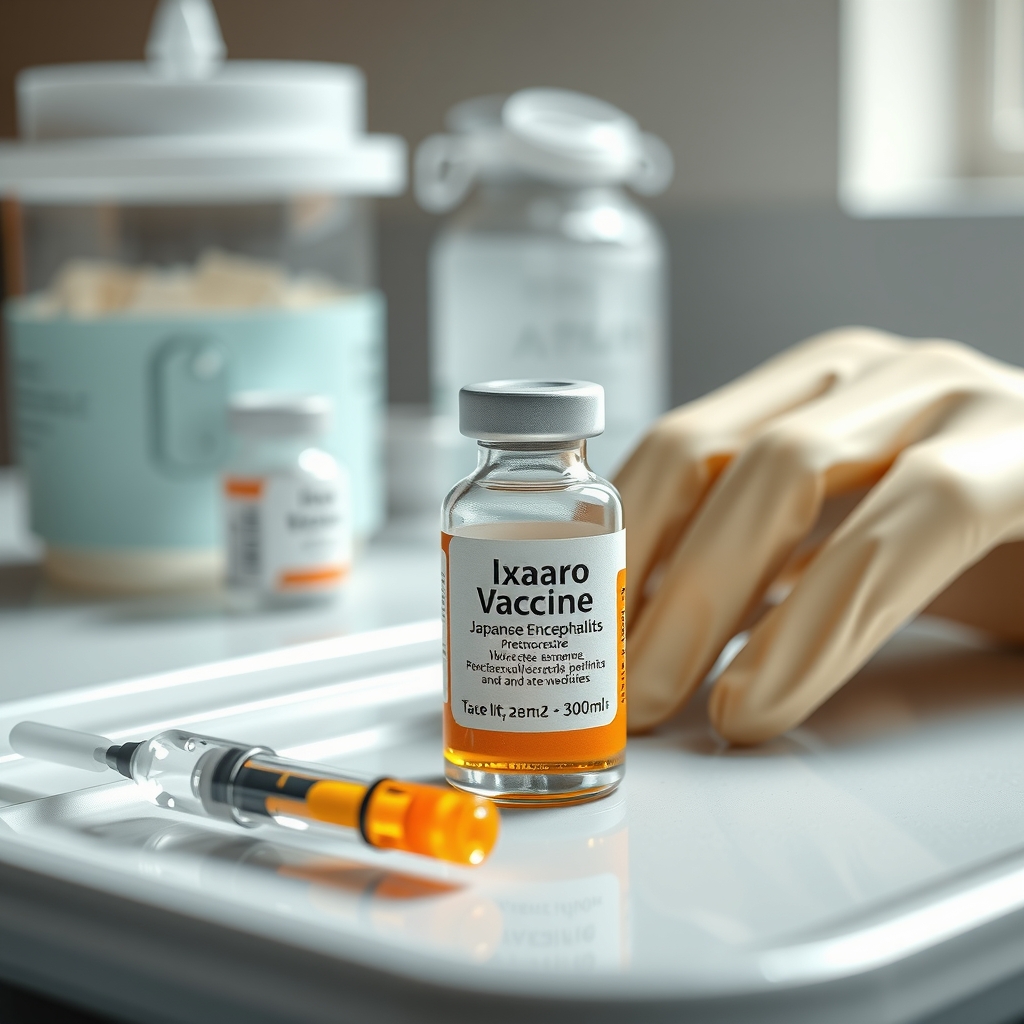
Ixiaro is the preferred Japanese Encephalitis vaccine for pregnant travelers, as it is inactivated and poses no risk of infection.
What Are the Side Effects of the Japanese Encephalitis Vaccine During Pregnancy?
If you’re considering the JE vaccine during pregnancy, it’s natural to wonder about side effects. While the vaccine is generally well-tolerated, it can cause mild to moderate reactions in some people. Here’s what you need to know about the potential side effects of the JE vaccine during pregnancy—and when to call your doctor.
Common Side Effects
The most common side effects of the Ixiaro vaccine are mild and typically resolve within a few days. These may include:
Pain, redness, or swelling at the injection site
Headache
Muscle aches
Fatigue
Low-grade fever
Nausea
These side effects are similar to those of other inactivated vaccines, like the flu shot or hepatitis A vaccine. They’re usually a sign that your immune system is responding to the vaccine, and they don’t pose a risk to your pregnancy. To manage these symptoms, you can take acetaminophen (Tylenol) as needed, stay hydrated, and get plenty of rest.
Less Common Side Effects
In rare cases, the JE vaccine can cause more serious side effects, such as:
High fever (over 102°F or 38.9°C)
Severe allergic reaction (e.g., hives, swelling of the face or throat, difficulty breathing)
Dizziness or fainting
Severe headache or neck stiffness
While these side effects are uncommon, they can be concerning—especially during pregnancy. If you experience any of these symptoms after receiving the JE vaccine, contact your provider right away. A high fever, in particular, can pose risks to your pregnancy, so it’s important to monitor your temperature and seek medical advice if it spikes.
Side Effects in Pregnancy: What We Know
Because pregnant women haven’t been included in clinical trials for the JE vaccine, we don’t have specific data on how the vaccine affects pregnancy outcomes. However, there’s no evidence to suggest that the vaccine causes miscarriage, preterm labor, or birth defects. The CDC and WHO both state that the theoretical risks of the vaccine are outweighed by the benefits of protecting yourself from JE, particularly if you’re traveling to a high-risk area.
If you’re concerned about side effects, talk to your provider before getting vaccinated. They can help you weigh the risks and benefits and provide guidance on what to expect. And if you’ve already received the vaccine and are experiencing side effects, don’t hesitate to reach out for support.
When to Call Your Doctor
While most side effects of the JE vaccine are mild, there are a few red-flag symptoms that warrant immediate medical attention. Call your provider if you experience any of the following after receiving the vaccine:
Signs of a severe allergic reaction, such as hives, swelling of the face or throat, or difficulty breathing
A high fever (over 102°F or 38.9°C) that doesn’t respond to acetaminophen
Severe headache, neck stiffness, or confusion (these could be signs of a rare neurological reaction)
Persistent vomiting or diarrhea
Decreased fetal movement (if you’re far enough along to feel your baby’s movements)
If you’re unable to reach your provider, seek care at the nearest emergency room or urgent care center. It’s always better to err on the side of caution when it comes to your health and your baby’s.
Safer Alternatives to the Japanese Encephalitis Vaccine
If you’re pregnant and hesitant about the JE vaccine, you’re not alone. Many expecting parents prefer to avoid vaccines during pregnancy unless absolutely necessary. The good news is that there are safer alternatives to protect yourself from Japanese Encephalitis without getting vaccinated. Here are some of the most effective options:
Mosquito Bite Prevention
This is the cornerstone of JE prevention, especially during pregnancy. Mosquitoes that carry JE are most active at dawn and dusk, but they can bite at any time. To minimize your risk:
Use EPA-approved insect repellents containing DEET (20-30%), picaridin (20%), or IR3535. These are considered safe during pregnancy when used as directed.
Wear long sleeves, long pants, and socks to cover exposed skin. Treat your clothes with permethrin, an insecticide that kills mosquitoes on contact.
Stay in accommodations with screens on windows and doors, or use a permethrin-treated bed net while sleeping.
Avoid High-Risk Areas
If possible, avoid traveling to rural or agricultural areas where JE is most common. Instead, opt for urban destinations with lower mosquito exposure. If you must travel to a high-risk area, try to go during the dry season, when mosquito activity is lower.
Limit Outdoor Activities During Peak Mosquito Hours
Mosquitoes that carry JE are most active at dawn and dusk. If you’re in a high-risk area, limit your time outdoors during these hours. If you must be outside, take extra precautions to avoid bites, such as wearing protective clothing and using insect repellent.
Use Mosquito Nets
Sleeping under a permethrin-treated bed net is one of the most effective ways to protect yourself from mosquito bites while you sleep. This is especially important if you’re staying in rural or agricultural areas where JE is more common.
Stay Informed About Outbreaks
Before you travel, check the CDC’s Travel Health Notices or the WHO’s Disease Outbreak News for updates on JE activity in your destination. If there’s an ongoing outbreak, consider postponing your trip or taking extra precautions.
Boost Your Immune System
While there’s no surefire way to prevent JE through diet or supplements, maintaining a healthy immune system can help your body fight off infections. Focus on eating a balanced diet rich in fruits, vegetables, and lean proteins, staying hydrated, and getting enough rest. Avoid excessive stress, which can weaken your immune response.
Consider Other Travel Vaccines
If you’re traveling to a region where JE is a concern, you may also be at risk for other mosquito-borne illnesses like dengue or malaria. Talk to your provider about other vaccines or preventive medications that may be appropriate for your trip. For example, the hepatitis A vaccine is generally considered safe during pregnancy and can protect you from a common travel-related illness.
Discuss Antiviral Prophylaxis
While there’s no antiviral medication specifically approved to prevent JE, some providers may recommend antiviral prophylaxis (preventive treatment) for travelers at very high risk. This is not a standard recommendation, but it’s worth discussing with your provider if you’re traveling to a high-risk area with limited mosquito protection.
Related Items: Japanese Encephalitis and Other Travel Risks During Pregnancy
If you’re asking, “Is Japanese Encephalitis zone safe during pregnancy?”, you’re likely also wondering about other travel-related risks. Pregnancy adds an extra layer of complexity to travel planning, especially when it comes
Not sure about the label on Is Japanese Encephalitis Zone Safe During Pregnancy products?
Snap the ingredients list and SafeFilter checks every ingredient for your stage — only 3 free scans this month, then you're locked until reset. Unlimited from $7/mo or $50/yr.
When Shubhra Mishra was expecting her first child in 2016, she was overwhelmed by conflicting food advice — one site said yes, another said never. By the time her second baby arrived in 2019, she realized millions of mothers face the same confusion.
That sparked a five-year journey through clinical nutrition papers, cultural diets, and expert conversations — all leading to BumpBites: a calm, compassionate space where science meets everyday motherhood.
Her long-term vision is to build a global community ensuring safe, supported, and free deliveriesfor every mother — because no woman should face pregnancy alone or uninformed. 🌿
🌍 Stand with mothers, shape safer guidance
Join a small circle of experts who review BumpBites articles so expecting parents everywhere can decide with confidence.