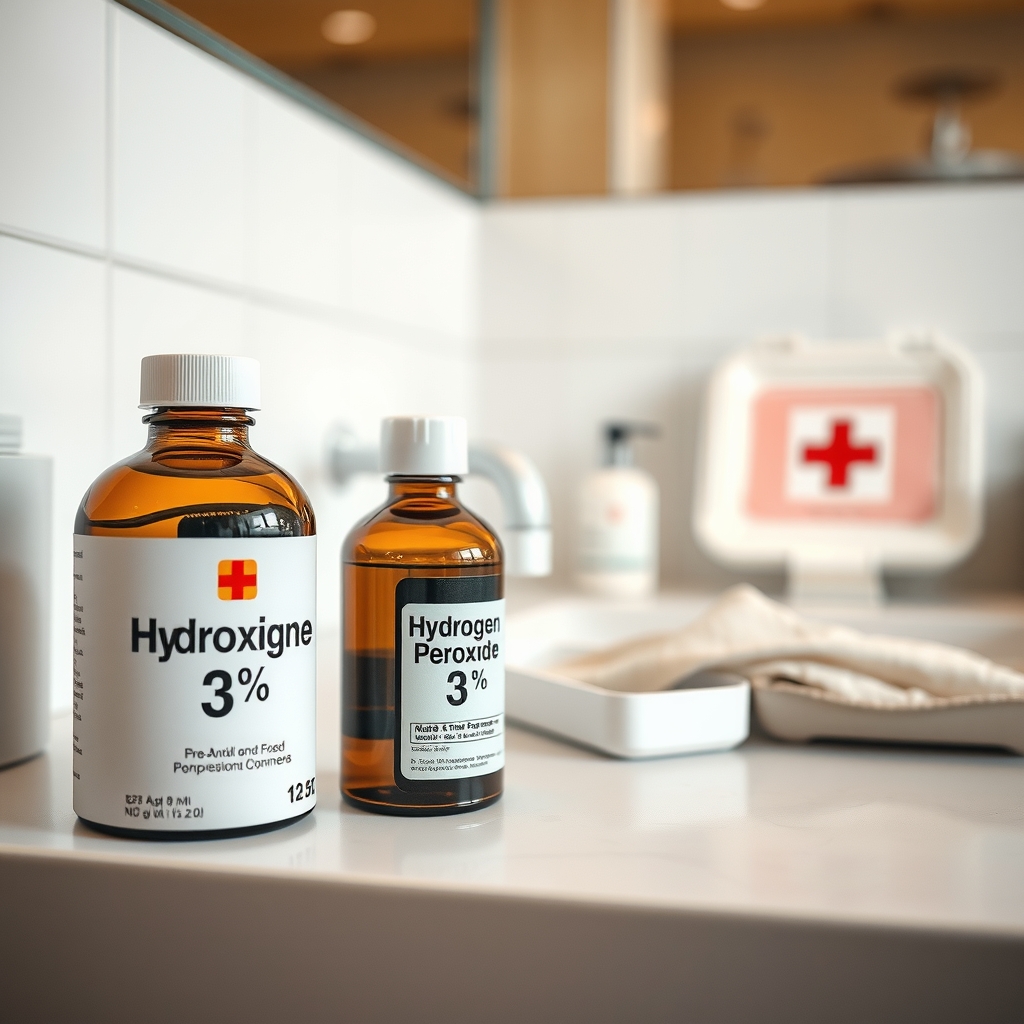
Safe in small amounts. Hydrogen peroxide 3% is generally safe during pregnancy for topical use, but avoid ingestion or high doses—especially in the first
By Shubhra Mishra — a mom of two who turned her own confusion during pregnancy into BumpBites, a global mission to make food choices clear, safe, and stress-free for every expecting mother. 💛
Check whether any food is safe during pregnancy with the BumpBites Food Safety Checker.
Quick verdict: ⚠️ Hydrogen peroxide 3 percent is generally safe for external use during pregnancy—like cleaning minor cuts or scrapes—but should never be swallowed, gargled, or used in high concentrations. Most obstetricians and the FDA consider topical use low-risk, but ingestion or inhalation can harm both you and your baby. If you’ve already used it externally, there’s no need to panic—just stick to safe practices moving forward.
You’re standing in the bathroom, holding that familiar brown bottle of hydrogen peroxide 3 percent, wondering: Is this safe to use now that I’m pregnant? Maybe you nicked your finger while chopping veggies, or you’re tempted to use it for acne, ear cleaning, or even teeth whitening. Or maybe you’ve already used it and now you’re Googling at 11 p.m., heart racing, searching for answers. Take a breath—we’ve got you.
Hydrogen peroxide 3 percent is a common household antiseptic, but pregnancy changes the rules. What’s harmless in small amounts on your skin might not be safe if swallowed, inhaled, or used in ways you’re used to. In this guide, we’ll break down exactly what’s safe, what’s not, and what to use instead—so you can stop worrying and feel confident about your choices.
Hydrogen peroxide 3 percent safety during pregnancy: trimester-by-trimester
Trimester
Verdict
Notes
First trimester
⚠️ Safe for external use only
Organ development is most sensitive now. Avoid ingestion, inhalation, or use on large wounds.
Second trimester
⚠️ Safe for external use only
Same precautions as first trimester. Stick to small, superficial wounds.
Third trimester
⚠️ Safe for external use only
No change in safety, but avoid use near delivery if you have open sores or deep cuts.
Breastfeeding
⚠️ Safe for external use only
Not absorbed in amounts that would affect breast milk, but avoid contact with nipples.
What is hydrogen peroxide 3 percent?
Hydrogen peroxide 3 percent is a mild antiseptic solution you’ve probably seen in that brown bottle at the drugstore. It’s made of water and oxygen—when it touches skin or bacteria, it bubbles, releasing oxygen that helps lift dirt and kill germs. That fizzing action is why it’s so popular for cleaning minor cuts, scrapes, and even mouth sores.
But here’s the catch: while it’s great for disinfecting, it’s not selective. Hydrogen peroxide doesn’t just kill bacteria—it can also damage healthy cells, which is why doctors usually recommend using it only for short periods and on small areas. It’s also not meant to be swallowed, inhaled, or used in high concentrations (like the 6 percent or higher solutions used for hair bleaching).
During pregnancy, your body is more sensitive, and what’s safe in small amounts on your skin might not be safe if it gets into your bloodstream. That’s why it’s important to know not just what hydrogen peroxide is, but how to use it safely—or when to skip it altogether.
Is hydrogen peroxide 3 percent safe during pregnancy?
The short answer: yes, but only for external use on small, superficial wounds. The American College of Obstetricians and Gynecologists (ACOG) and the FDA consider hydrogen peroxide 3 percent low-risk when used topically during pregnancy. That means dabbing it on a scraped knee or a minor cut is generally fine—but gargling, swallowing, or using it in ways that could lead to absorption is not.
Here’s why: hydrogen peroxide breaks down into water and oxygen, but if it’s absorbed in large amounts (like if you swallow it or use it on a deep wound), it can cause oxygen bubbles in your bloodstream. In extreme cases, this can lead to gas embolism—a rare but serious condition where bubbles block blood flow. For pregnant women, this could potentially affect blood flow to the placenta, though this is very unlikely with the 3 percent solution used externally.
Most of the concern comes from older studies on high-concentration hydrogen peroxide (35 percent or more), which is used in industrial settings and can be toxic if ingested. The 3 percent solution you buy at the drugstore is much weaker, but it’s still not risk-free if misused. The NHS and CDC both caution against swallowing hydrogen peroxide in any concentration, as even small amounts can cause nausea, vomiting, and throat irritation.
Bottom line: if you’re using hydrogen peroxide 3 percent to clean a small cut or scrape, you’re likely in the clear. But if you’re considering it for oral use, ear cleaning, or anything beyond superficial skin contact, it’s best to talk to your doctor first.
Hydrogen peroxide 3 percent safety in first, second, and third trimester
First trimester: proceed with caution
The first trimester is when your baby’s organs are forming, making it the most sensitive time for exposure to anything that could disrupt development. While topical use of hydrogen peroxide 3 percent is still considered low-risk, it’s smart to be extra cautious. Stick to small, superficial wounds—like a paper cut or a scraped elbow—and avoid using it on large areas of broken skin. If you’re unsure, saline solution or sterile water is a gentler alternative.
Second trimester: same rules apply
By the second trimester, your baby’s organs are mostly formed, but that doesn’t mean you can let your guard down. The same precautions apply: use hydrogen peroxide 3 percent only on small, external wounds. Avoid ingestion, inhalation, or use on sensitive areas like the face or near mucous membranes. If you’re dealing with acne or skin irritation, there are safer alternatives we’ll cover later.
Third trimester: still safe, but be mindful
In the third trimester, your body is preparing for delivery, and your skin may be more sensitive. Hydrogen peroxide 3 percent is still safe for external use, but if you have any open sores, deep cuts, or skin conditions like eczema, it’s best to avoid it. The last thing you want is to irritate your skin when you’re already dealing with the discomforts of late pregnancy. Stick to gentle wound care and save the hydrogen peroxide for minor scrapes.
Breastfeeding: safe for external use
If you’re breastfeeding, hydrogen peroxide 3 percent is still safe for external use on small wounds. It’s not absorbed in amounts that would affect breast milk, but you should avoid using it on or near your nipples to prevent any accidental ingestion by your baby. If you’re treating a wound on your hand or arm, make sure to wash it off thoroughly before handling your baby.
How much hydrogen peroxide 3 percent is safe to use during pregnancy?
When it comes to hydrogen peroxide 3 percent, less is more. Here’s how to use it safely during pregnancy:
For wound cleaning: Apply a small amount to a cotton ball or swab and dab it on the wound for no more than 30 seconds. Rinse with water afterward to remove any residue. Avoid soaking wounds in hydrogen peroxide, as this can delay healing.
Frequency: Use it only when necessary—like for a fresh cut or scrape—and no more than once or twice a day. If the wound isn’t healing or looks infected, switch to a gentler option like saline solution and call your doctor.
Amount: A few drops are enough for a small wound. Never pour hydrogen peroxide directly from the bottle onto a wound, as this can cause irritation and delay healing.
What to avoid: Don’t use it on large wounds, burns, or deep cuts. Don’t gargle with it, swallow it, or use it for ear cleaning. And never mix it with other cleaning products, as this can create harmful fumes.
If you’re using a store-brand version like CVS or Walgreens hydrogen peroxide 3 percent, the concentration is the same as the name-brand versions, so the safety guidelines apply equally. Just make sure the bottle is labeled “3 percent” and hasn’t expired—old hydrogen peroxide loses its effectiveness and can become more irritating.
Side effects and risks of hydrogen peroxide 3 percent during pregnancy
Even when used correctly, hydrogen peroxide 3 percent can cause side effects. Here’s what to watch for:
Skin irritation: Redness, stinging, or a burning sensation are common, especially if you have sensitive skin. If this happens, rinse the area with water and stop using it.
Delayed wound healing: Hydrogen peroxide can damage healthy skin cells, which can slow down the healing process. If your wound isn’t improving after a few days, switch to a gentler option like saline solution.
Allergic reaction: Rare, but possible. Signs include swelling, itching, or a rash. If you notice these symptoms, stop using it and call your doctor.
Inhalation risks: Breathing in hydrogen peroxide fumes can irritate your lungs and throat, leading to coughing or shortness of breath. Always use it in a well-ventilated area, and avoid leaning over the bottle when you open it.
Ingestion risks: Swallowing even small amounts can cause nausea, vomiting, or throat irritation. In rare cases, it can lead to more serious issues like oxygen bubbles in the bloodstream. If you accidentally swallow hydrogen peroxide, call Poison Control or your doctor right away.
For your baby, the risks are low if you’re using hydrogen peroxide 3 percent externally as directed. However, ingestion or use on large wounds could potentially lead to absorption, which might affect blood flow to the placenta. This is rare, but it’s another reason to stick to small, superficial wounds and avoid any internal use.
What are safe alternatives to hydrogen peroxide 3 percent for wound care during pregnancy?
If you’re looking for gentler, pregnancy-safe options for wound care, oral hygiene, or skin irritation, here are some alternatives to consider:
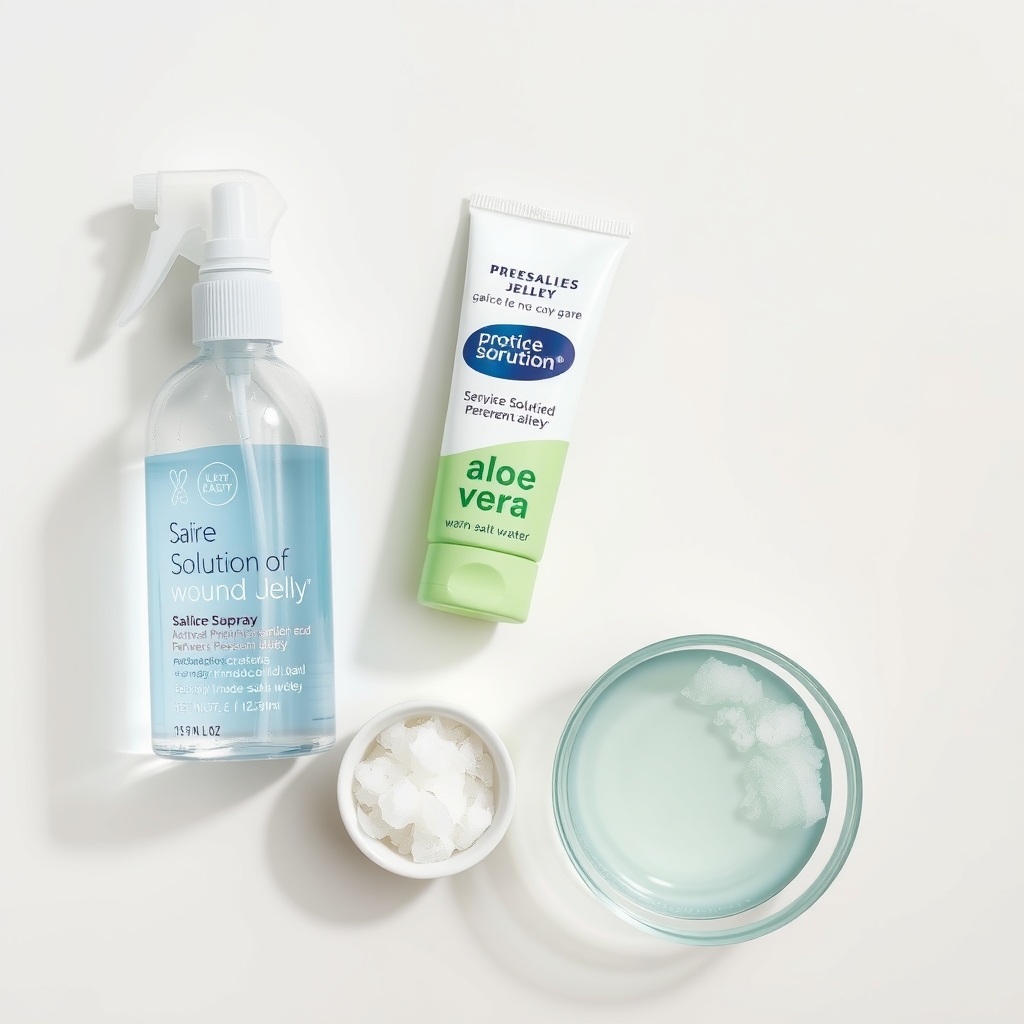
Saline solution: A simple mix of salt and water, saline solution is safe for cleaning wounds, rinsing sinuses, and even gargling. You can buy it at the drugstore or make your own by mixing 1 teaspoon of salt in 1 cup of warm water.
Povidone-iodine (Betadine): This antiseptic is safe for external use during pregnancy, but it’s stronger than hydrogen peroxide, so it’s best for deeper wounds or surgical sites. Always check with your doctor before using it, especially if you have thyroid issues.
Alcohol-free mouthwash: If you’re used to gargling with hydrogen peroxide for mouth sores or bad breath, switch to an alcohol-free mouthwash. Look for brands labeled “pregnancy-safe” or ask your dentist for a recommendation.
Sterile water: For cleaning minor cuts or scrapes, sterile water is a safe and gentle option. You can find it in first-aid kits or buy it at the pharmacy.
Petroleum jelly (Vaseline): For minor skin irritations or dry patches, petroleum jelly creates a protective barrier that helps skin heal without irritation. It’s safe to use during pregnancy and breastfeeding.
Warm salt water: A classic remedy for sore throats, gum irritation, or mouth sores, warm salt water is safe to gargle during pregnancy. Mix 1/2 teaspoon of salt in 1 cup of warm water and swish for 30 seconds.
Aloe vera gel: For minor burns, sunburns, or skin irritation, aloe vera gel is soothing and safe during pregnancy. Just make sure to use a pure, additive-free version.
Is CVS or Walgreens brand hydrogen peroxide 3 percent safe during pregnancy?
Yes—store-brand hydrogen peroxide 3 percent, like the versions sold at CVS, Walgreens, or other pharmacies, is just as safe as name-brand options during pregnancy. The concentration (3 percent) is the same, and the FDA regulates these products to ensure they meet safety standards. The main difference is usually the price, not the ingredients.
That said, always check the label to confirm the concentration is 3 percent, and make sure the bottle hasn’t expired. Expired hydrogen peroxide can lose its effectiveness and may become more irritating to the skin. If you’re unsure, ask your pharmacist for a recommendation.
Can hydrogen peroxide 3 percent cause miscarriage or birth defects?
No—there’s no evidence that using hydrogen peroxide 3 percent externally on small wounds increases the risk of miscarriage or birth defects. The concerns about hydrogen peroxide come from ingestion or use in high concentrations, not from the small amounts used for wound care.
Here’s what the research says:
Miscarriage: There’s no link between topical use of hydrogen peroxide 3 percent and miscarriage. The risk comes from swallowing large amounts, which can cause oxygen bubbles in the bloodstream and potentially affect blood flow to the placenta. This is extremely rare with the 3 percent solution, but it’s still important to avoid ingestion.
Birth defects: The first trimester is the most sensitive time for birth defects, but hydrogen peroxide 3 percent isn’t considered a teratogen (a substance that causes birth defects). The FDA classifies it as low-risk for topical use during pregnancy. However, if you’re worried, you can always opt for a gentler alternative like saline solution.
If you’ve already used hydrogen peroxide 3 percent externally, there’s no need to panic. The amount absorbed through the skin is minimal, and the risks to your baby are very low. If you accidentally swallowed a small amount, call your doctor or Poison Control for advice.
Is hydrogen peroxide 3 percent safe for oral use during pregnancy?
No—hydrogen peroxide 3 percent is not safe for oral use during pregnancy. This includes gargling, swishing, or using it as a mouthwash. While it’s sometimes recommended for canker sores or gum irritation in non-pregnant people, the risks outweigh the benefits when you’re pregnant.
Here’s why:
Risk of swallowing: Even if you spit it out, there’s a chance you could accidentally swallow some hydrogen peroxide. Ingesting it can cause nausea, vomiting, or throat irritation, and in rare cases, it can lead to oxygen bubbles in the bloodstream.
Gum irritation: Hydrogen peroxide can irritate your gums, especially if you’re already dealing with pregnancy gingivitis (a common condition caused by hormonal changes).
No proven benefit: There’s no evidence that gargling with hydrogen peroxide is more effective than safer alternatives like warm salt water or alcohol-free mouthwash.
If you’re dealing with mouth sores, gum irritation, or bad breath during pregnancy, stick to gentler options like:
Warm salt water rinses
Alcohol-free mouthwash
Over-the-counter oral gels designed for canker sores (check with your doctor first)
Can I use hydrogen peroxide 3 percent for ear cleaning while pregnant?
No—hydrogen peroxide 3 percent is not safe for ear cleaning during pregnancy. While it’s sometimes used to soften earwax in non-pregnant people, it’s not recommended for pregnant women because of the risk of irritation, infection, or accidental injury to the ear canal.
Here’s what to do instead:
For earwax buildup: Use over-the-counter ear drops designed for earwax removal, or ask your doctor for a safe recommendation. Never insert cotton swabs or other objects into your ear, as this can push wax deeper and cause damage.
For ear infections: If you suspect an ear infection, see your doctor. They can prescribe safe treatments, like antibiotic ear drops, if needed.
For general ear hygiene: Simply clean the outer part of your ear with a washcloth. Your ears are self-cleaning, so you don’t need to do much beyond that.
If you’ve already used hydrogen peroxide in your ears, don’t panic. Just avoid using it again and monitor for any signs of irritation or infection, like pain, discharge, or hearing loss. If you notice these symptoms, call your doctor.
What are the risks of inhaling hydrogen peroxide 3 percent fumes during pregnancy?
Inhaling hydrogen peroxide 3 percent fumes can irritate your lungs, throat, and nasal passages, leading to coughing, shortness of breath, or a burning sensation. While the risks to your baby are low, it’s still best to avoid breathing in the fumes, especially if you’re already dealing with pregnancy-related congestion or asthma.
Here’s what to do if you’ve inhaled hydrogen peroxide fumes:
Move to fresh air: If you’re feeling dizzy or short of breath, step outside or open a window to get some fresh air.
Rinse your nose and mouth: If your throat or nose feels irritated, rinse with water or saline solution.
Monitor for symptoms: If you experience persistent coughing, wheezing, or difficulty breathing, call your doctor. These could be signs of a more serious reaction.
To avoid inhaling fumes, always use hydrogen peroxide in a well-ventilated area, and avoid leaning over the bottle when you open it. If you’re using it to clean a wound, apply it quickly and rinse it off to minimize exposure.
Related items: hydrogen peroxide and similar products—safety at a glance
Pregnancy safety of hydrogen peroxide and similar products
Product
Verdict
Notes
Rubbing alcohol (isopropyl alcohol)
⚠️ Safe for external use only
Avoid ingestion and inhalation. Can be drying to skin.
Benzoyl peroxide
✅ Generally safe for acne
Low absorption, but avoid large areas or broken skin.
Tea tree oil
⚠️ Use with caution
Dilute properly; avoid ingestion and high concentrations.
Chlorhexidine
⚠️ Safe for external use (consult doctor)
Common in mouthwash; avoid swallowing.
Neosporin
✅ Generally safe for minor wounds
Avoid large wounds or deep cuts.
Iodine
⚠️ Safe for external use (consult doctor)
Avoid if you have thyroid issues.
Hydrogen peroxide 6 percent
❌ Best avoided
Too strong for pregnancy; higher risk of irritation and absorption.
Carbamide peroxide
⚠️ Avoid oral use
Used in teeth whitening; not safe for pregnancy.
Witch hazel
✅ Generally safe for skin
Alcohol-free versions are best for pregnancy.
Aloe vera gel
✅ Generally safe for skin
Choose pure, additive-free versions.
Myth vs. fact: hydrogen peroxide 3 percent during pregnancy
Myth: Hydrogen peroxide 3 percent is safe to use anywhere on your body during pregnancy.
Fact: While it’s safe for external use on small, superficial wounds, hydrogen peroxide 3 percent should never be swallowed, gargled, or used in the ears, mouth, or on large areas of broken skin. It’s also not safe for teeth whitening or acne treatment during pregnancy.
Myth: If a little hydrogen peroxide is safe, more must be better for cleaning wounds.
Fact: Using too much hydrogen peroxide or soaking wounds in it can delay healing and irritate your skin. A few drops on a cotton ball are enough for a small wound. Always rinse it off afterward.
Myth: Store-brand hydrogen peroxide is less safe than name-brand versions.
Fact: Store-brand hydrogen peroxide 3 percent, like CVS or Walgreens, is just as safe as name-brand options. The concentration is the same, and the FDA regulates these products to ensure they meet safety standards.
Key takeaways
✅ Hydrogen peroxide 3 percent is generally safe for external use on small, superficial wounds during pregnancy, but it’s not safe for ingestion, gargling, or ear cleaning.
⚠️ Stick to small amounts—just a few drops on a cotton ball—and avoid using it on large wounds, burns, or deep cuts.
❌ Never swallow hydrogen peroxide, gargle with it, or use it for teeth whitening or ear cleaning during pregnancy.
🔄 Safer alternatives for wound care include saline solution, sterile water, and petroleum jelly. For oral hygiene, try warm salt water or alcohol-free mouthwash.
🚨 If you accidentally swallow hydrogen peroxide or inhale the fumes, call your doctor or Poison Control for advice.
📞 When in doubt, ask your healthcare provider—especially if you’re dealing with a deep wound, infection, or skin condition.
Frequently asked questions
Can I use hydrogen peroxide to clean wounds while pregnant?
Yes, you can use hydrogen peroxide 3 percent to clean small, superficial wounds during pregnancy, like cuts or scrapes. Apply a small amount to a cotton ball and dab it on the wound for no more than 30 seconds, then rinse with water. Avoid using it on large wounds, burns, or deep cuts, as it can delay healing and irritate your skin.
Is hydrogen peroxide safe for teeth whitening during pregnancy?
No—hydrogen peroxide 3 percent is not safe for teeth whitening during pregnancy. While it’s sometimes used in teeth-whitening products, the risks of accidental swallowing or gum irritation outweigh the benefits. Stick to safer alternatives like whitening toothpaste or ask your dentist for pregnancy-safe options.
What happens if you swallow hydrogen peroxide while pregnant?
Swallowing hydrogen peroxide 3 percent can cause nausea, vomiting, throat irritation, or stomach pain. In rare cases, it can lead to oxygen bubbles in the bloodstream, which could potentially affect blood flow to the placenta. If you accidentally swallow hydrogen peroxide, call Poison Control or your doctor right away for advice.
Can hydrogen peroxide cause birth defects?
No—there’s no evidence that using hydrogen peroxide 3 percent externally on small wounds increases the risk of birth defects. The concerns come from ingestion or use in high concentrations, not from the small amounts used for wound care. If you’ve used it externally, there’s no need to worry.
Is it safe to use hydrogen peroxide for acne during pregnancy?
No—hydrogen peroxide 3 percent is not safe for acne treatment during pregnancy. It can irritate your skin and delay healing, especially if you’re already dealing with pregnancy-related skin changes. Instead, try gentler options like benzoyl peroxide (in small amounts) or ask your dermatologist for pregnancy-safe recommendations.
Can I use hydrogen peroxide to clean my ears while pregnant?
No—hydrogen peroxide 3 percent is not safe for ear cleaning during pregnancy. It can irritate your ear canal, increase the risk of infection, or cause injury. For earwax buildup, use over-the-counter ear drops designed for earwax removal, or ask your doctor for a safe recommendation.
What is the safest way to clean wounds during pregnancy?
The safest way to clean wounds during pregnancy is to use saline solution or sterile water. Gently rinse the wound under running water, then pat it dry with a clean cloth. For minor cuts, you can also use petroleum jelly to keep the area moist and protected. Avoid hydrogen peroxide, alcohol, or other harsh antiseptics unless your doctor recommends them.
Is hydrogen peroxide safe in small amounts during pregnancy?
Hydrogen peroxide 3 percent is safe in small amounts for external use on minor wounds during pregnancy. However, it’s not safe to swallow, gargle, or use in the ears, even in small amounts. If you’re unsure, opt for a gentler alternative like saline solution or ask your doctor for advice.
When to call your doctor
While hydrogen peroxide 3 percent is generally safe for external use during pregnancy, there are times when you should check in with your healthcare provider. Call your doctor if:
You accidentally swallowed hydrogen peroxide or used it in a way that could lead to absorption (like on a large wound).
You experience persistent skin irritation, redness, or a rash after using hydrogen peroxide.
Your wound isn’t healing or shows signs of infection, like increased pain, swelling, or pus.
You inhaled hydrogen peroxide fumes and are experiencing coughing, wheezing, or difficulty breathing.
You’re unsure whether hydrogen peroxide is safe for your specific situation, like a deep cut, burn, or skin condition.
This article is informational only and not a substitute for professional medical advice. Always consult your healthcare provider with questions about your pregnancy or specific treatments.
References
American College of Obstetricians and Gynecologists (ACOG). (2023). Medications and Pregnancy: What’s Safe and What’s Not.
U.S. Food and Drug Administration (FDA). (2022). Hydrogen Peroxide Topical Solution: Safety Information.
National Health Service (NHS). (2023). Using Antiseptics Safely During Pregnancy.
Centers for Disease Control and Prevention (CDC). (2021). Household Chemical Emergencies: Hydrogen Peroxide.
Mayo Clinic. (2023). Wound Care: Do’s and Don’ts.
American Pregnancy Association. (2023). Safe Skin Care During Pregnancy.
Hydrogen peroxide 3 percent is a common first-aid staple, but pregnancy calls for extra caution—stick to external use only.For minor cuts during pregnancy, saline solution is a gentler alternative to hydrogen peroxide.Gentle, pregnancy-safe options for wound care and skin irritation—no harsh chemicals needed.
Not sure about the label on Is Hydrogen Peroxide 3 Percent Safe During Pregnancy products?
Snap the ingredients list and SafeFilter checks every ingredient for your stage — only 3 free scans this month, then you're locked until reset. Unlimited from $7/mo or $50/yr.
When Shubhra Mishra was expecting her first child in 2016, she was overwhelmed by conflicting food advice — one site said yes, another said never. By the time her second baby arrived in 2019, she realized millions of mothers face the same confusion.
That sparked a five-year journey through clinical nutrition papers, cultural diets, and expert conversations — all leading to BumpBites: a calm, compassionate space where science meets everyday motherhood.
Her long-term vision is to build a global community ensuring safe, supported, and free deliveriesfor every mother — because no woman should face pregnancy alone or uninformed. 🌿
🌍 Stand with mothers, shape safer guidance
Join a small circle of experts who review BumpBites articles so expecting parents everywhere can decide with confidence.