

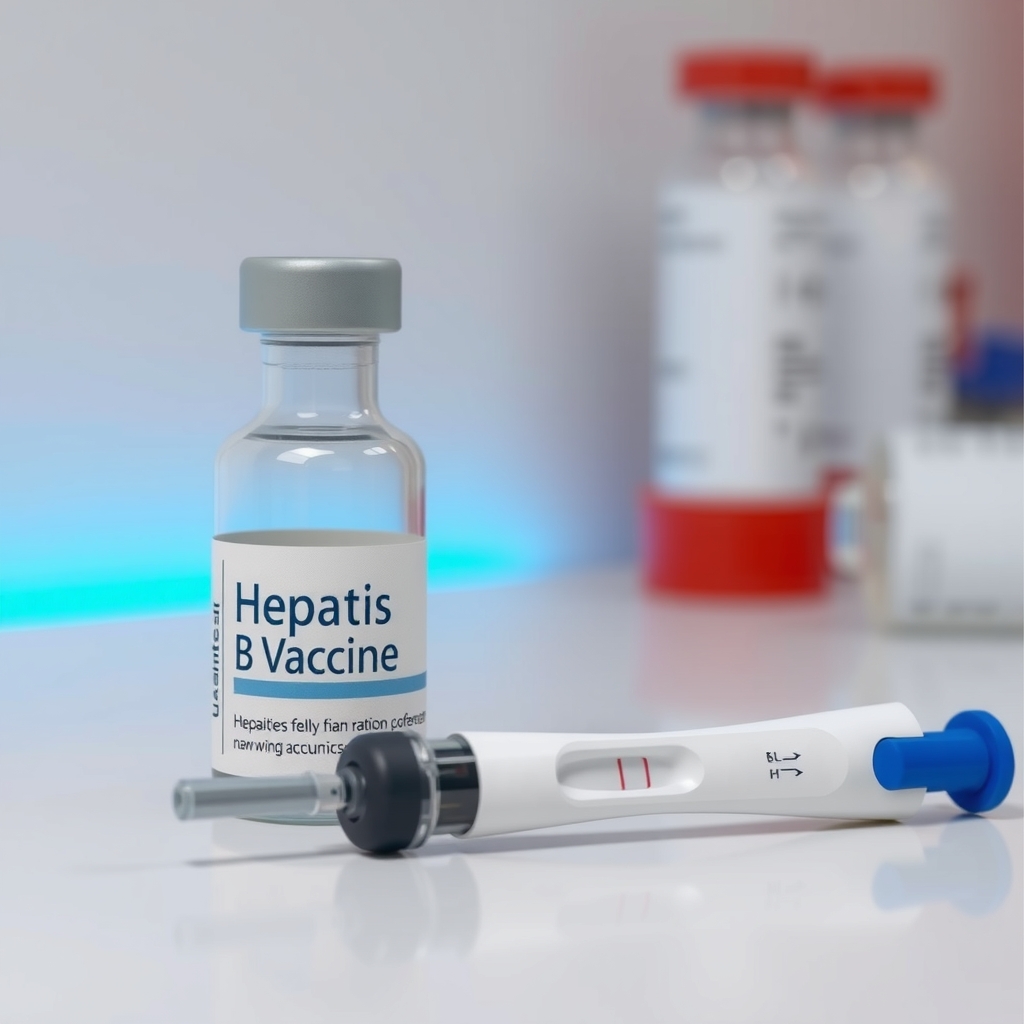
Quick verdict: ⚠️ Hepatitis B exposure during pregnancy requires immediate medical evaluation, even if you’re vaccinated. While most healthy adults recover, pregnant women and their babies face higher risks of severe infection or transmission. Vaccination and hepatitis B immunoglobulin (HBIG) are the safest protective measures, and your provider will determine the best course based on your exposure history and immune status. Time is critical—HBIG must be administered within 48 hours for maximum protection.
You’re scrolling through your partner’s work emails at 2 am, and there it is: a vague mention of “hepatitis B exposure” at the office. Your stomach drops. Is hepatitis B exposure safe during pregnancy? You already took the vaccine as a teen, but what if you weren’t fully protected? What if the exposure was through a needle? What if it’s too late? The panic sets in—should you cancel your ultrasound tomorrow? Should you call the hospital now?
Here’s what you need to know: hepatitis B exposure during pregnancy is not inherently “safe” or “unsafe”—it depends entirely on your immune status, the type of exposure, and immediate medical action. The good news? Modern medicine offers highly effective vaccines and immunizations that can prevent infection in both mother and baby. The bad news? Delayed treatment increases risks, especially for your newborn. This article breaks down the science, your options, and how to protect yourself and your baby—without the fear-mongering.
We’ll cover:
- What hepatitis B is, how it spreads, and why pregnancy raises unique risks
- Your safety by trimester (yes, even in the first month)
- Vaccination and HBIG: the two pillars of protection
- What to do if you’re exposed—step-by-step
- Alternatives if you’re unvaccinated or immunocompromised
- How hepatitis B compares to other infections like hepatitis C or HIV
- New: What to do if you’re a healthcare worker exposed to HBV
- New: How hepatitis B screening works in prenatal care
- New: Travel safety and hepatitis B risks abroad
If you’ve already been exposed, take a deep breath. Most pregnant women who receive timely treatment have no long-term complications. But time matters. Let’s start with the facts.
| Trimester / Situation | Safety Verdict | Notes |
|---|---|---|
| First Trimester | ⚠️ Immediate medical evaluation required | Vaccination and HBIG are safe and recommended. No evidence links hepatitis B to birth defects, but untreated infection increases risks of preterm birth or low birth weight. |
| Second Trimester | ⚠️ Same as first trimester—vaccination and HBIG are safe | Fetal risks are still low if treated promptly. HBV DNA testing is recommended to assess viral load. |
| Third Trimester | ⚠️ Critical window for newborn protection | If mother is infected, HBIG and HBV vaccine are given to the baby within 12 hours of birth to prevent vertical transmission. |
| Breastfeeding | ✅ Safe if mother is treated and virus is controlled | Hepatitis B is not transmitted through breast milk, but mother should follow antiviral therapy if infected. |
| Healthcare worker exposure | ⚠️ HBIG + vaccine required within 48 hours | Highest risk scenario—nearly 100% efficacy with proper post-exposure prophylaxis. |

| Exposure | Safety Verdict | Key Notes |
|---|---|---|
| Hepatitis C exposure | ⚠️ Safe with treatment | No vertical transmission without treatment. Antiviral therapy reduces risk to <1%. |
| HIV exposure | ⚠️ Safe with PEP (post-exposure prophylaxis) | Vertical transmission risk is <1% with ART (antiretroviral therapy). |
| Zika virus exposure | ❌ Best avoided in first trimester | Linked to microcephaly if contracted early. Travel precautions critical. |
| COVID-19 exposure | ✅ Generally safe; boosters recommended | No evidence of fetal harm from vaccination. Masking reduces risk. |
| Chickenpox (Varicella) exposure | ⚠️ Safe with varicella immunoglobulin if exposed | First-trimester exposure risks birth defects; VZIG prevents severe disease. |
| Chickenpox exposure while not immune | ⚠️ VZIG within 96 hours reduces risk | If exposed in first trimester, discuss C-section risks. |
| Hepatitis A exposure | ⚠️ Safe with Hepatitis A vaccine | No vertical transmission; vaccine prevents acute infection. |
| Heat exposure | ⚠️ Limit to <2 hours/day; avoid overheating | Hyperthermia linked to neural tube defects. Hydrate, wear loose clothing. |

