Limit heat exposure during pregnancy risks: avoid prolonged high temperatures, especially in the third trimester, and stay hydrated to protect you and your baby.
By Shubhra Mishra — a mom of two who turned her own confusion during pregnancy into BumpBites, a global mission to make food choices clear, safe, and stress-free for every expecting mother. 💛
Check whether any food is safe during pregnancy with the BumpBites Food Safety Checker.
Quick verdict: ⚠️ Safe with limits – brief, moderate heat is generally okay, but prolonged high temperatures should be avoided to reduce heat exposure during pregnancy risks.
It’s 2 a.m., you’re curled up with a cup of tea, and a sudden thought—“Did I just step into a sauna last night? Is that dangerous for my baby?” You’re not alone. Many expecting parents wonder about heat exposure during pregnancy risks, especially after a relaxing hot tub or a sweaty yoga class.
In short, most forms of mild, short‑term heat are not harmful, but there are clear temperature and time thresholds that protect you and your developing baby. This article walks through the science, the trimester‑specific guidelines, safe limits, and practical cooling alternatives, so you can enjoy comfort without worry.
We’ll cover what heat exposure actually means, the official recommendations from ACOG, NHS, CDC, and WHO, the specific risks in each trimester, safe temperature limits, how long you can stay in a sauna or hot tub, and what to do if you start feeling overheated. Plus, we’ll list safer alternatives, compare related heat‑related activities, debunk common myths, and answer the most‑asked questions.
Whether you’re planning a weekend spa retreat, tackling a summer heat wave, or simply wondering if your heated blanket is a good idea, the information below will help you make evidence‑based choices and keep both you and your baby safe.
Trimester
Verdict
Notes
1st
⚠️ Limit exposure
Keep ambient temperature ≤ 30 °C (86 °F); limit hot‑tub/sauna sessions to ≤ 15 min.
2nd
⚠️ Limit exposure
Same temperature limit; duration ≤ 20 min if body feels comfortable.
3rd
⚠️ Limit exposure
Temperature ≤ 30 °C; avoid prolonged heat after 28 weeks due to increased risk of dehydration.
Breastfeeding
⚠️ Limit exposure
Maintain cool environment; high heat can reduce milk supply and increase infant discomfort.
What is heat exposure and why does it matter in pregnancy?
Heat exposure refers to any situation where your core body temperature rises above the normal range (≈ 36.5‑37.5 °C or 97.7‑99.5 °F) because of external sources such as hot water, saunas, heated blankets, or hot weather. During pregnancy, your body already works harder to regulate temperature, and the fetus relies on you to keep a stable environment. Prolonged or extreme heat can raise maternal core temperature, which may affect fetal development, especially during the first 12 weeks when organ formation (organogenesis) is most sensitive.
Common sources include hot tubs, steam rooms, infrared saunas, hot yoga studios, heated blankets, and even prolonged exposure to a sweltering summer day. While a brief warm shower is usually harmless, staying in a hot environment for too long can cause dehydration, lowered blood pressure, and in rare cases, a condition called hyperthermia, which has been linked to neural tube defects and other complications.
Understanding heat exposure during pregnancy risks helps you make informed choices—whether you’re planning a spa day, a summer picnic, or simply trying to stay comfortable at home.
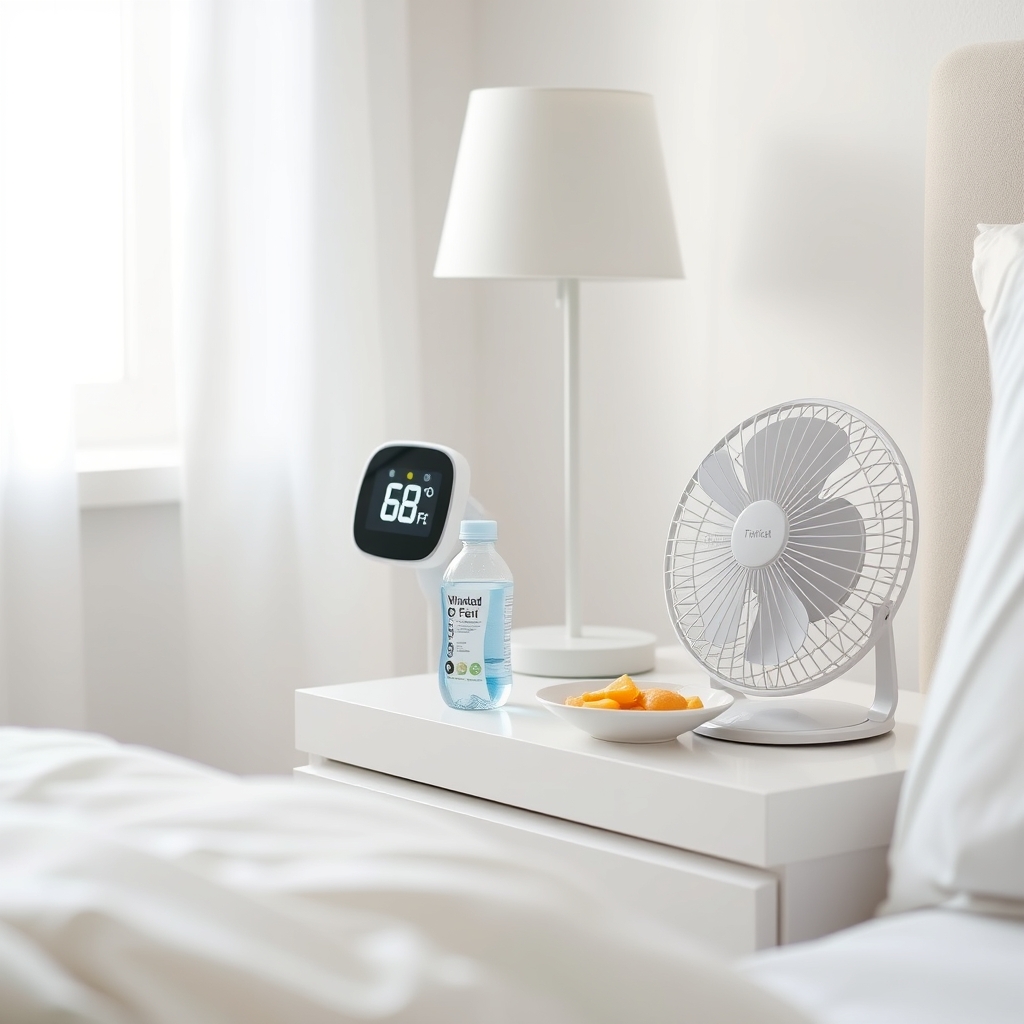
Tip: Keep a fan and a bottle of water nearby for quick cooling when you feel warm.
Is heat exposure safe during pregnancy?
C
urrent guidance from the American College of Obstetricians and Gynecologists (ACOG) states that pregnant people should avoid environments that raise core body temperature above 39 °C (102.2 °F) for extended periods. The UK’s NHS echoes this, recommending that pregnant women keep indoor temperatures below 30 °C (86 °F) and limit time in hot tubs or saunas. The CDC’s heat‑related illness guidelines also advise pregnant individuals to stay hydrated and avoid prolonged heat exposure, especially during the first trimester when the fetus is most vulnerable.
Research linking high maternal temperature to birth defects primarily involves extreme cases—fevers, prolonged sauna use, or occupational heat stress. A 2020 review in the American Journal of Obstetrics & Gynecology found no increased risk of major malformations when core temperature stayed under 38.5 °C (101.3 °F) for short periods. However, the same review cautioned that sustained temperatures above 39 °C could raise the odds of neural tube defects.
In practice, this means that occasional, moderate heat (e.g., a 10‑minute warm bath at 38 °C) is generally safe, but you should keep sessions short, stay well‑hydrated, and listen to your body. If you feel dizzy, nauseous, or excessively sweaty, exit the heat source immediately and cool down.
Is it safe to be in a hot tub during the first trimester?
During the first trimester, organ development is rapid, making the embryo particularly sensitive to temperature spikes. ACOG advises limiting hot‑tub use to no more than 15 minutes at water temperatures ≤ 38 °C (100 °F). Staying within these limits helps prevent core temperature from exceeding the safe threshold.
If you’re already in a hot tub and feel light‑headed or notice your skin turning bright red, it’s a sign you may be overheating. Exit the tub, cool off with a lukewarm shower, and drink water. Most short, controlled hot‑tub sessions are considered safe, but it’s wise to keep a thermometer on hand and avoid any “deep‑soak” sessions.
How many minutes of sauna can a pregnant woman safely tolerate?
Sauna use raises both ambient and core temperatures quickly. The NHS recommends limiting sauna exposure to 10‑15 minutes, with the cabin temperature not exceeding 70 °C (158 °F). ACOG’s guidelines align, suggesting that pregnant women should not stay longer than 15 minutes and should leave the sauna if they begin to sweat profusely or feel faint.
Cooling down for at least the same amount of time after exiting the sauna is essential. A short, low‑temperature sauna session (≤ 70 °C) can be a relaxing way to unwind, but it should never replace a regular hydration routine or become a daily habit.
What are the risks of overheating in the second trimester?
In the second trimester, the placenta is fully functional, and the fetus begins to regulate its own temperature. However, maternal overheating can still cause dehydration, reduced blood flow to the uterus, and a temporary drop in blood pressure (orthostatic hypotension). These changes can lead to dizziness, fainting, or, in rare cases, preterm labor.
Studies from the CDC indicate that sustained core temperatures above 39 °C during the second trimester are associated with a modest increase in the risk of low birth weight. The safest approach is to keep ambient temperatures ≤ 30 °C (86 °F) and limit any hot‑water immersion or sauna use to under 20 minutes, with frequent breaks for hydration.
Can pregnant women use cooling vests as an alternative to heat exposure?
Yes. Cooling vests, which contain gel packs or phase‑change materials, actively draw heat away from the body and can keep core temperature stable during hot weather or exercise. The ACOG notes that passive cooling methods—such as cooling vests, fans, and cool showers—are safe and often recommended for pregnant people who must work or exercise in warm environments.
When choosing a cooling vest, look for one with adjustable straps, a washable cover, and a temperature rating that stays below 20 °C (68 °F) on the skin. Using a vest for a few hours a day can dramatically reduce heat exposure during pregnancy, especially in summer months.
Safe temperature limits for pregnant women in hot weather
The consensus from ACOG, NHS, and WHO is to keep indoor and outdoor exposure below 30 °C (86 °F) whenever possible. If you must be outdoors on a hot day, stay in the shade, wear light, breathable clothing, and drink at least 2‑3 liters of water per day. Portable fans or misting devices can help maintain a comfortable skin temperature.
When the heat index (a combination of temperature and humidity) exceeds 32 °C (90 °F), it’s advisable to limit outdoor activity to short intervals (15‑20 minutes) and seek cooling breaks. Pregnant women should also avoid direct sunlight during peak hours (11 a.m.–4 p.m.) to minimize the risk of overheating.
What are safe alternatives to hot yoga for pregnant women?
Hot yoga classes often operate at 35‑38 °C (95‑100 °F), which can raise core temperature well above safe limits. Safer options include:
Gentle prenatal yoga in a climate‑controlled room (temperature ≤ 24 °C/75 °F).
Stretching routines on a mat at home, paired with a cooling fan.
Water‑based low‑impact exercises like swimming, which keep the body cool.
Walking or light stationary cycling in an air‑conditioned space.
These alternatives provide the flexibility and strength benefits of yoga without the heat‑related risks.
Does heat exposure affect pregnancy complications like preeclampsia?
Preeclampsia is a condition characterized by high blood pressure and proteinuria after 20 weeks of gestation. While the exact causes are multifactorial, some studies suggest that excessive heat exposure may exacerbate hypertension, especially in women already at risk. The CDC’s “Heat and Pregnancy” fact sheet advises women with preexisting hypertension or a history of preeclampsia to be especially cautious with heat, staying in cooler environments and monitoring blood pressure regularly.
Nevertheless, moderate heat exposure—within the safe limits outlined above—does not appear to directly cause preeclampsia. Maintaining hydration and avoiding prolonged high temperatures are prudent strategies for all pregnant individuals, particularly those with a predisposition to hypertension.
Can I wear a heated blanket while pregnant?
Heated blankets can be safe if set to low temperatures (≤ 30 °C/86 °F) and used for short periods (no more than 30 minutes at a time). ACOG cautions that any device that raises core temperature above 39 °C (102 °F) should be avoided. To stay safe, place a thin layer (e.g., a cotton sheet) between the blanket and your skin, and always monitor how warm you feel.
If you notice excessive sweating, a feeling of “heat buildup,” or any discomfort, turn the blanket off and switch to a regular, non‑electric blanket. Many manufacturers now offer “pregnancy‑safe” settings that limit temperature automatically.
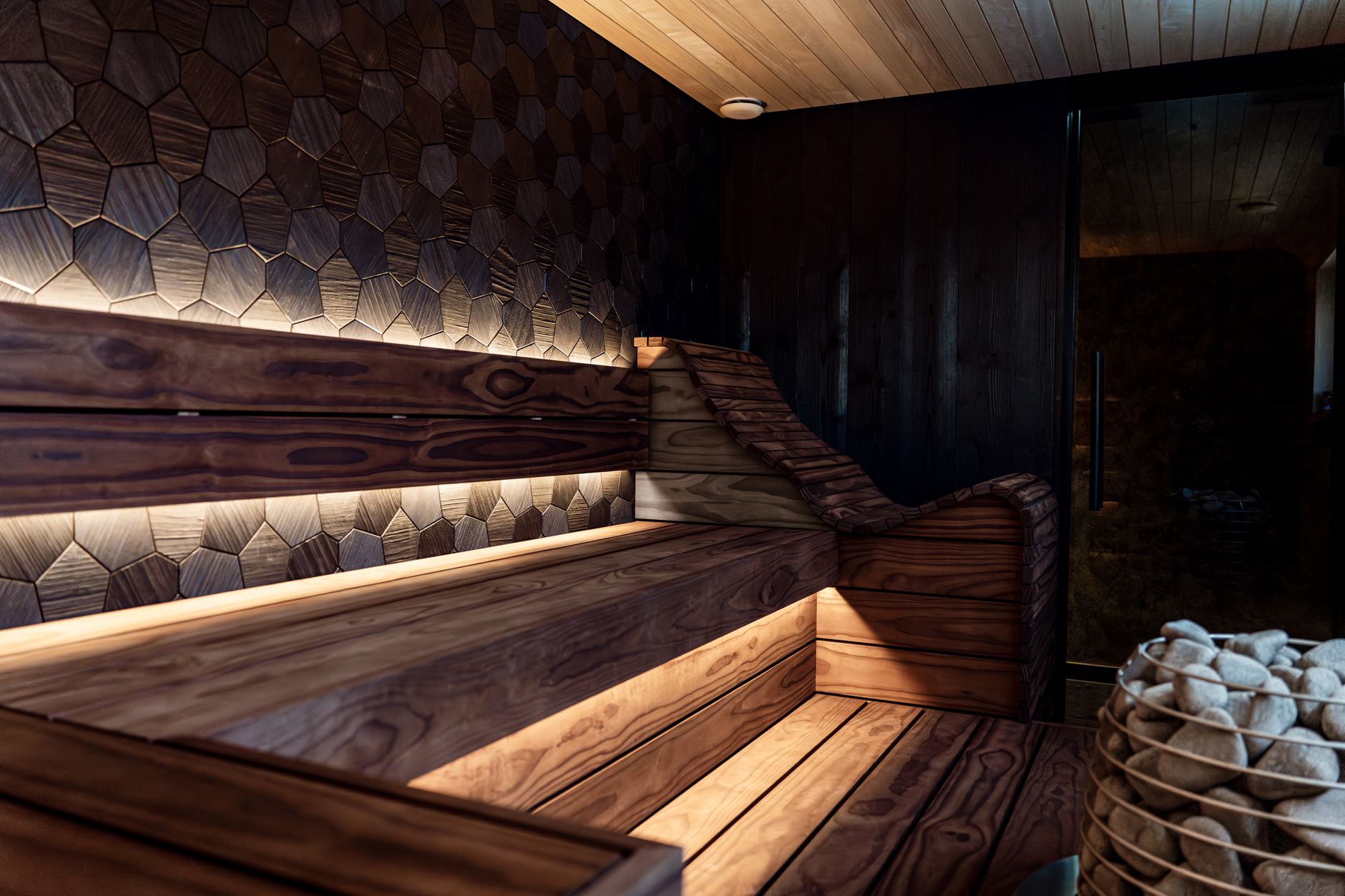
When using a sauna, keep sessions under 15 minutes and stay hydrated.
Safe dosage / amount / brands
Because heat exposure isn’t a medication, “dosage” translates to “temperature” and “duration.” The following table summarizes the safe limits for each trimester and for breastfeeding mothers, plus a few product suggestions that can help you monitor and control your environment.
Limit continuous exposure to 30 min; take 10‑minute cooling breaks
Portable misting fan, SunShade UV‑blocking hat
Side effects and risks
Most side effects are mild and reversible, but it’s important to recognize when heat exposure is turning from comfortable to dangerous. Common, non‑urgent signs include:
Excessive sweating
Flushed skin or feeling “hot‑headed”
Light‑headedness or mild dizziness
Increased heart rate (palpitations)
More serious symptoms that require immediate medical attention are:
Persistent nausea or vomiting despite hydration
Severe headache or visual disturbances
Rapid swelling of hands, feet, or face (possible preeclampsia)
Fainting or loss of consciousness
Chest pain or shortness of breath
If any of the red‑flag symptoms appear, move to a cool environment, drink water, and contact your health care provider right away.
Safer alternatives
Cool showers – quickly lower skin temperature without prolonged exposure.
Air‑conditioned rooms – maintain a stable, comfortable environment.
Pregnancy cooling pillow – keeps your head and neck cool while you rest.
Cooling vest – provides active, wearable temperature regulation.
Cold compress packs – useful for localized relief without raising core temperature.
Light breathable clothing – fabrics like cotton and linen promote airflow.
Portable fan – a simple way to circulate air and prevent overheating.
Ice water foot soak – refreshes feet and reduces overall body heat.
Hydration stations – water bottles with built‑in electrolyte packets help replace fluids lost through sweat.
Shade canopies for outdoor events – create a cooler micro‑environment when you’re outside.
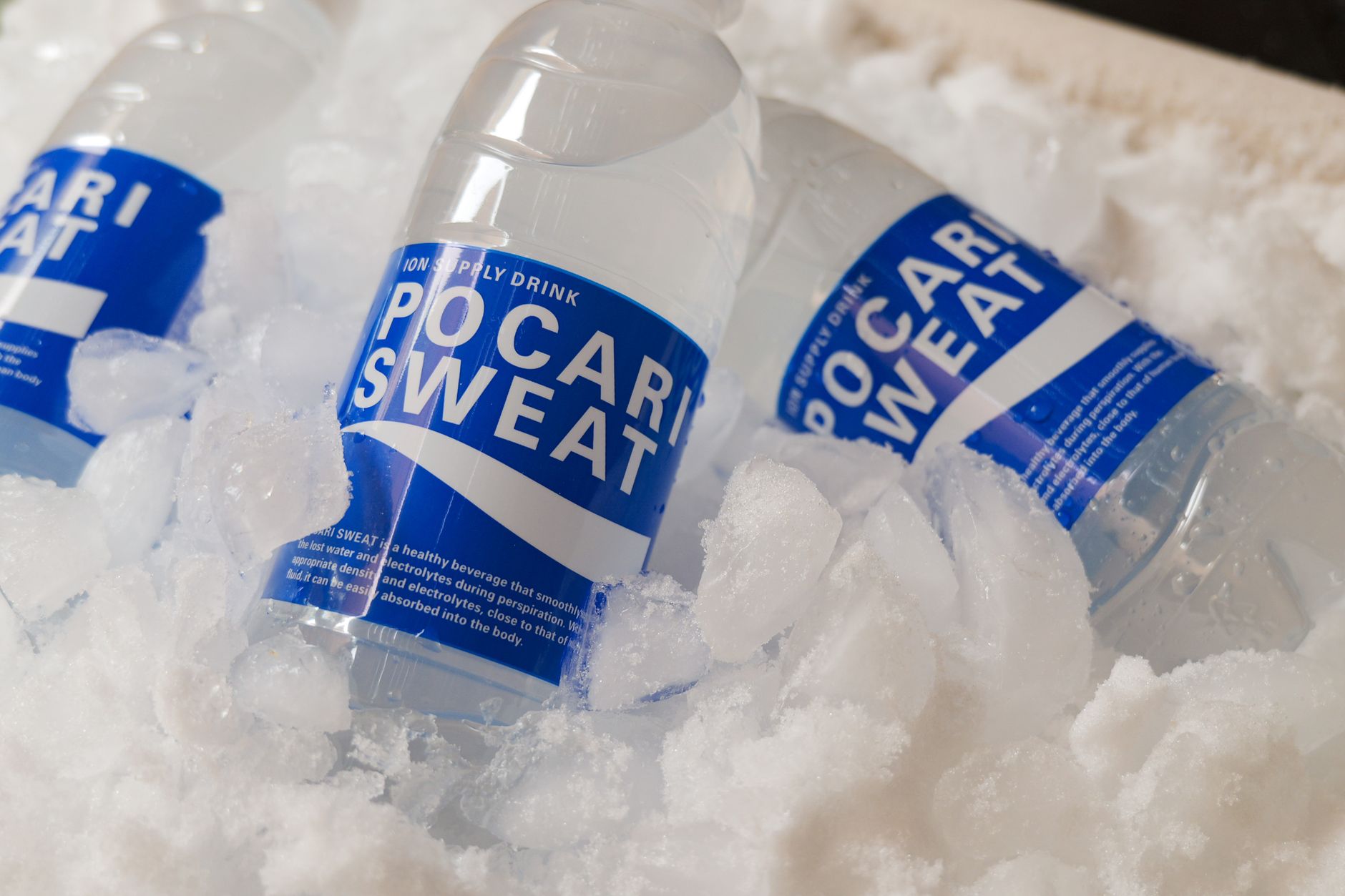
Keeping water and a portable fan nearby makes it easy to stay cool during a hot day.
Related items — safety at a glance
Item
Verdict
One‑line note
Sauna
⚠️ Limit exposure
Stay ≤ 15 min, temperature ≤ 70 °C, hydrate.
Hot tub
⚠️ Limit exposure
Water ≤ 38 °C, ≤ 15 min per session.
Steam room
⚠️ Limit exposure
High humidity; limit to 10 min, keep core < 39 °C.
Hot yoga
❌ Best avoided
Typical temps 35‑38 °C raise core temp too much.
Heated blanket
⚠️ Limit exposure
Set ≤ 30 °C, use ≤ 30 min at a time.
Warm bath
⚠️ Limit exposure
Water ≤ 38 °C, short soak (< 15 min).
Thermal bath
❌ Best avoided
Often exceeds safe temperature thresholds.
Infrared sauna
⚠️ Limit exposure
Same limits as traditional sauna; monitor core temp.
Myth: A brief hot‑tub soak is completely safe at any point in pregnancy. Fact: Even short hot‑tub sessions can raise core temperature above safe limits, especially in the first trimester; limit to ≤ 15 minutes and keep water ≤ 38 °C.
Myth: Pregnant women should avoid all heat because it always harms the baby. Fact: Moderate, controlled heat (e.g., a warm shower or short sauna) is generally safe when temperature and duration stay within recommended limits.
Myth: Cooling vests are only for athletes and not useful for pregnancy. Fact: Cooling vests are a doctor‑recommended tool to prevent overheating in hot weather or during work shifts.
Myth: A heated mattress pad can ease pregnancy aches without any risk. Fact: Heated pads should be set to the lowest setting and used for no longer than 10 minutes; prolonged heat can raise core temperature.
Key takeaways
Heat exposure during pregnancy risks are minimized by keeping ambient temperature ≤ 30 °C (86 °F) and limiting hot‑tub/sauna sessions to 15‑20 minutes.
Stay well‑hydrated and monitor for symptoms like dizziness, excessive sweating, or headache.
Use cooling alternatives—cool showers, fans, breathable clothing, or cooling vests—to stay comfortable.
If you have hypertension, preeclampsia, or a history of heat‑related illness, be extra cautious and discuss safe limits with your provider.
When in doubt, err on the side of cooler environments and short exposure times.
Frequently asked questions
Can a pregnant woman use a sauna?
Yes, but only for short periods (≤ 15 minutes) and at temperatures no higher than 70 °C (158 °F), while staying well‑hydrated. Exceeding these limits can raise core temperature and increase heat exposure during pregnancy risks.
What temperature is safe for pregnant women?
Most health authorities recommend keeping indoor and outdoor temperatures at or below 30 °C (86 °F). For hot tubs or baths, water should not exceed 38 °C (100 °F).
How long can I stay in a hot tub while pregnant?
Limit hot‑tub sessions to 15 minutes or less, and ensure the water temperature stays at or below 38 °C (100 °F). Longer exposure can raise core temperature and increase heat exposure during pregnancy risks.
Does heat exposure increase risk of birth defects?
Extremely high maternal core temperatures (above 39 °C/102 °F) have been linked to a modest increase in neural tube defects, especially in the first trimester. Controlled, short‑term heat that stays below this threshold is generally considered safe.
What are the signs of overheating in pregnancy?
Early signs include excessive sweating, flushed skin, and light‑headedness. More serious symptoms are persistent nausea, severe headache, rapid swelling, or fainting—these require immediate medical attention.
Is it safe to do hot yoga during pregnancy?
Hot yoga is not recommended because typical studio temperatures (35‑38 °C) often exceed safe core‑temperature limits for pregnant people, increasing heat exposure during pregnancy risks.
Can I wear a heating pad while pregnant?
Use heating pads only on the lowest setting (≤ 30 °C) and for short bursts (≤ 10 minutes). Avoid prolonged use that could raise core temperature.
How does heat affect labor?
Excessive heat can cause dehydration and fatigue, potentially lengthening labor. Maintaining a cool environment and staying hydrated can help support a smoother delivery.
What should I do if I feel overheated in a hot tub?
Immediately exit the water, sit in a cool area, and drink plenty of water. A lukewarm shower can help lower your core temperature, and you should monitor for any dizziness or nausea before returning to the tub.
Is it safe to use a heated mattress pad while pregnant?
Heated mattress pads can be used if set to the lowest temperature (≤ 30 °C) and for brief periods (≤ 10 minutes). Prolonged use may raise core temperature and should be avoided.
When to call your doctor
If you experience any of the following, seek medical care promptly:
Persistent dizziness, fainting, or loss of consciousness
Severe headache that does not improve with rest or hydration
Rapid swelling of hands, feet, or face (possible preeclampsia)
Continuous nausea or vomiting despite fluid intake
Chest pain or shortness of breath
These symptoms may indicate that heat exposure is affecting your health or your baby’s wellbeing. Remember, this article provides general information and is not a substitute for personalized medical advice. Always discuss any concerns with your obstetric provider.
References
American College of Obstetricians and Gynecologists (ACOG). “Physical Activity and Exercise During Pregnancy and the Postpartum Period.” Practice Bulletin No. 229, 2020.
National Health Service (NHS). “Pregnancy and Heat.” Updated 2021.
Centers for Disease Control and Prevention (CDC). “Heat and Pregnancy.” 2022.
World Health Organization (WHO). “Thermal Stress and Pregnancy.” 2020.
American Journal of Obstetrics & Gynecology. “Maternal Hyperthermia and Birth Defects: A Systematic Review.” 2020.
U.S. Food and Drug Administration (FDA). “Consumer Product Safety: Heated Blankets.” 2021.
Not sure about the label on Heat Exposure During Pregnancy Risks products?
Snap the ingredients list and SafeFilter checks every ingredient for your stage — only 3 free scans this month, then you're locked until reset. Unlimited from $7/mo or $50/yr.
When Shubhra Mishra was expecting her first child in 2016, she was overwhelmed by conflicting food advice — one site said yes, another said never. By the time her second baby arrived in 2019, she realized millions of mothers face the same confusion.
That sparked a five-year journey through clinical nutrition papers, cultural diets, and expert conversations — all leading to BumpBites: a calm, compassionate space where science meets everyday motherhood.
Her long-term vision is to build a global community ensuring safe, supported, and free deliveriesfor every mother — because no woman should face pregnancy alone or uninformed. 🌿
🌍 Stand with mothers, shape safer guidance
Join a small circle of experts who review BumpBites articles so expecting parents everywhere can decide with confidence.