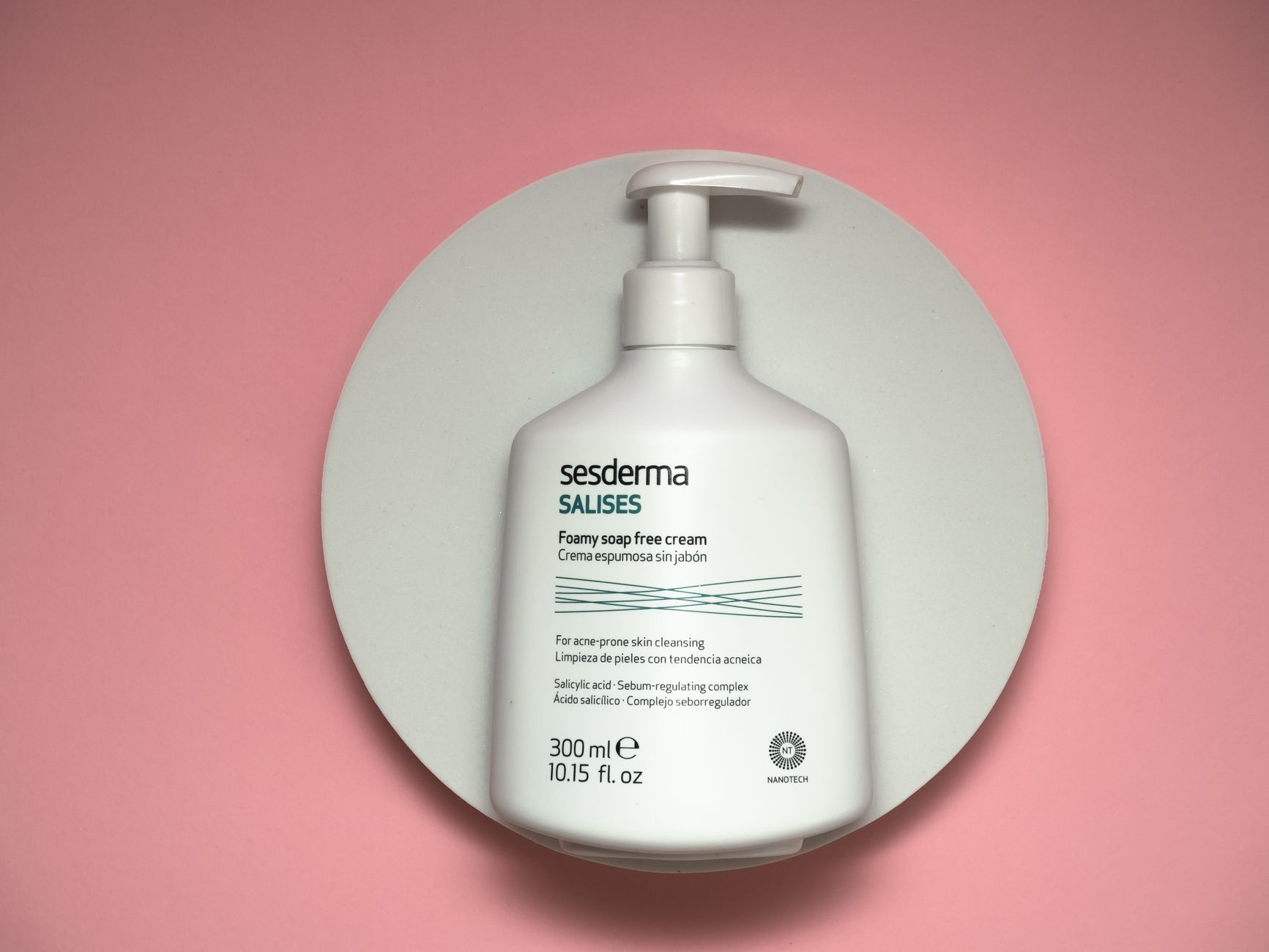
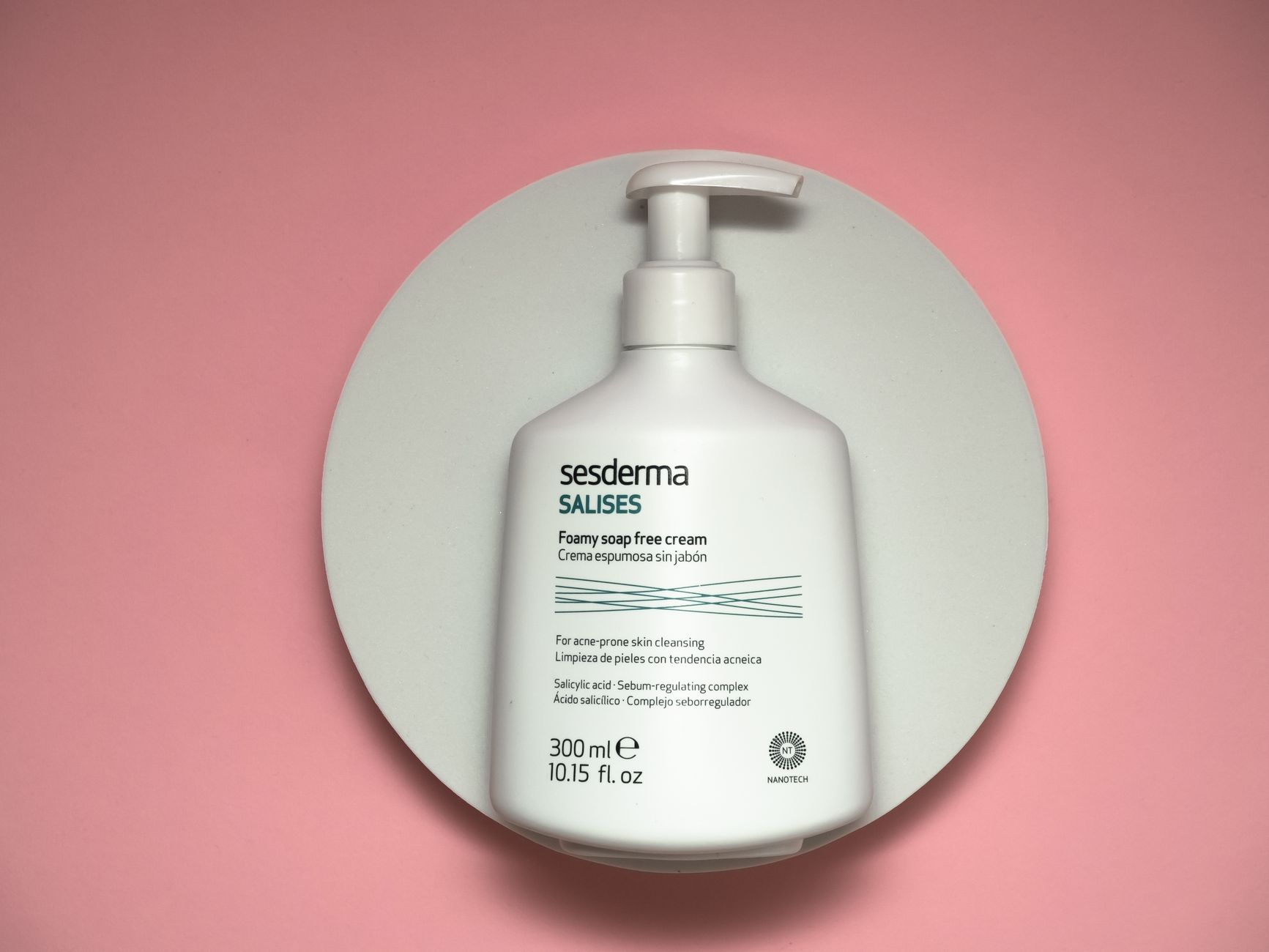
Safe: Glycolic acid body wash is generally safe during pregnancy when used in moderation. Opt for low concentrations (under 10%) and avoid daily use,
By Shubhra Mishra — a mom of two who turned her own confusion during pregnancy into BumpBites, a global mission to make food choices clear, safe, and stress-free for every expecting mother. 💛
Check whether any food is safe during pregnancy with the BumpBites Food Safety Checker.
Quick verdict: ⚠️ Glycolic acid body wash is generally safe during pregnancy in low concentrations (5% or less) when used occasionally, but most obstetricians recommend avoiding it entirely due to limited long-term safety data and potential irritation risks. If you’ve already used it, there’s no need to panic—stopping now is the safest course.
At 2:17 AM, you’re staring at the label on your glycolic acid body wash, heart pounding as you realize you’ve been using it weekly since you found out you were pregnant. The internet is a storm of conflicting answers—some blogs say it’s fine, others warn it could harm your baby. You’re not alone. Many pregnant people worry about the products they’ve already used or whether to keep using them, especially when it comes to skincare ingredients like glycolic acid, which promises smoother skin but raises red flags during pregnancy.
Glycolic acid body wash is a popular exfoliant for acne, dryness, and uneven skin tone, but its safety during pregnancy is a gray area. The good news? Low-concentration glycolic acid (5% or less) used sparingly is unlikely to cause harm, but the American College of Obstetricians and Gynecologists (ACOG) and the FDA recommend caution. We’ll break down the science, trimester-by-trimester risks, safer alternatives, and what to do if you’ve already used it—so you can breathe easier and make an informed choice.
This article covers everything you need to know about is glycolic acid body wash safe during pregnancy, including dosage guidelines, brand recommendations, and how it interacts with common pregnancy skin concerns like acne and eczema. If you’re wondering whether to swap it out or stick with it, we’ve got you covered.
Trimester / Use
Safety Verdict
Notes
First Trimester
⚠️ Caution
Organogenesis occurs here—avoid glycolic acid body wash unless absolutely necessary. If used, limit to once weekly with 5% or lower concentration.
Second Trimester
⚠️ Caution
Slightly safer than first trimester, but still not recommended by most dermatologists. If used, keep sessions short (1–2 minutes) and rinse thoroughly.
Third Trimester
⚠️ Caution
Hormonal changes increase skin sensitivity—glycolic acid may cause irritation. Avoid if possible; opt for gentle cleansers instead.
Breastfeeding
⚠️ Caution
No systemic absorption risk, but patch test first. If irritation occurs, discontinue use.
Glycolic acid body wash is popular for exfoliation, but its safety during pregnancy is debated.
---
### What is glycolic acid body wash?
Glycolic acid is a **alpha-hydroxy acid (AHA)**, a type of chemical exfoliant derived from sugarcane. It works by dissolving the "glue" that holds dead skin cells together, promoting smoother, brighter skin and improving texture for conditions like acne, hyperpigmentation, and dryness. Glycolic acid body wash typically contains **2%–10% glycolic acid**, with higher concentrations reserved for facial products. The acid penetrates the skin’s surface, stimulating collagen production and reducing the appearance of fine lines—though it can also cause irritation if overused.
Most glycolic acid body washes are **over-the-counter (OTC)**, meaning they don’t require a prescription. They’re often marketed as "gentle" or "hydrating" despite their exfoliating properties, which can be confusing for pregnant people. The key difference between glycolic acid body wash and other AHAs (like lactic acid) is its **small molecular size**, which allows it to penetrate deeper into the skin. While this makes it effective, it also raises concerns about potential absorption during pregnancy.
---
### Is glycolic acid body wash safe during pregnancy?
The short answer is: **it depends**. Current evidence suggests that **topical glycolic acid in low concentrations (5% or less) is unlikely to harm your baby** when used occasionally, but the **FDA, ACOG, and dermatology guidelines generally recommend avoiding it during pregnancy** due to insufficient long-term safety data. Here’s why:
1. **Limited absorption**: Glycolic acid is primarily a surface-level exfoliant, and most of it is rinsed off during use. Studies show that **less than 0.1% of topical glycolic acid is absorbed systemically**—meaning very little enters your bloodstream. However, this doesn’t mean it’s risk-free. Even small amounts could theoretically interact with pregnancy hormones or irritate sensitive skin, leading to complications.
2. **Mechanism of action**: Glycolic acid works by increasing skin cell turnover and collagen production. While this is beneficial for skin health, it also **stimulates inflammation**, which could theoretically affect placental health or trigger allergic reactions in sensitive individuals. Some research links AHAs to **oxidative stress** in skin cells, though this hasn’t been directly studied in pregnant women.
3. **Hormonal sensitivity**: Pregnancy alters skin sensitivity due to fluctuating hormones like estrogen and progesterone. What was "safe" before may now cause **redness, peeling, or allergic contact dermatitis**, which can be uncomfortable and stress-inducing during pregnancy.
4. **ACOG and FDA stance**: While neither organization has issued a blanket ban on glycolic acid body wash, they **do not endorse its use during pregnancy** unless medically necessary. The FDA classifies glycolic acid as a **cosmetic ingredient with potential irritation risks**, and the ACOG advises caution with all topical acids unless approved by a healthcare provider.
**Bottom line**: If you’ve been using glycolic acid body wash and it’s working well for you, stopping abruptly isn’t necessary—but **switching to a safer alternative is the prudent choice**. If you’re considering it for the first time during pregnancy, most dermatologists recommend **avoiding it entirely**.
---
### Is glycolic acid body wash safe in the first trimester?
The first trimester is the most critical window for pregnancy, as your baby’s organs are developing. **Glycolic acid body wash is not recommended** during this time, even in low concentrations, due to the following risks:
- **Potential irritation**: Your skin is already more sensitive during early pregnancy, and glycolic acid can exacerbate redness, dryness, or eczema flare-ups. This isn’t just uncomfortable—it can also increase stress, which is linked to complications like preterm labor.
- **Lack of long-term data**: While glycolic acid is widely used in non-pregnant populations, there are **no large-scale studies** on its effects during pregnancy. The CDC advises against untested topical acids in the first trimester unless prescribed by a provider.
- **Systemic absorption concerns**: Though minimal, the tiny amount of glycolic acid that *does* enter your bloodstream could theoretically affect fetal development. The experts at BumpBites note that even "low-risk" ingredients can have unpredictable effects when hormones are in flux.
**What to do if you’ve already used it?**
If you’ve used glycolic acid body wash in your first trimester, **there’s no need to panic**. Stopping now is the safest course. Monitor your skin for **excessive redness, peeling, or irritation**, and contact your provider if these symptoms persist. If you’re worried about past use, reassure yourself that **one-off use is unlikely to cause harm**, but consistency is what matters.
---
### Is glycolic acid body wash safe in the second trimester?
The second trimester is often considered the "easiest" for pregnancy, but **glycolic acid body wash is still not recommended** by most dermatologists. Here’s why:
- **Increased skin sensitivity**: Hormonal changes continue to affect your skin, making it more prone to irritation. Glycolic acid can worsen conditions like **acne, rosacea, or eczema**, which are already common during pregnancy.
- **Risk of allergic reactions**: If you’ve never used glycolic acid before, your skin may develop an **allergic contact dermatitis** reaction, leading to itchy, inflamed patches.
- **No proven benefits**: While glycolic acid can improve skin texture, **gentler cleansers often achieve the same results without the risk**. For example, our guide to pregnancy-safe body washes highlights options like CeraVe and Eucerin that hydrate without exfoliating.
**If you must use it:**
- Limit to **once weekly**.
- Use a **5% or lower concentration**.
- Apply for **no more than 1–2 minutes**, then rinse thoroughly.
- **Patch test** first on a small area of skin (like your inner arm) to check for reactions.
---
### Is glycolic acid body wash safe in the third trimester?
By the third trimester, your skin is at its most sensitive due to **stretch marks, hormonal shifts, and increased blood flow**. Glycolic acid body wash is **not recommended** in this trimester because:
- **Higher risk of irritation**: Your skin is already stretched and prone to dryness. Glycolic acid can cause **peeling, redness, or even stretch mark irritation**, which is the last thing you need before delivery.
- **Breastfeeding considerations**: While glycolic acid isn’t absorbed systemically, **irritation on your body could transfer to your baby** through skin-to-skin contact. If you’re breastfeeding, opt for **fragrance-free, hypoallergenic alternatives**.
- **Labor and delivery prep**: Clear, hydrated skin is ideal for labor. Glycolic acid can dry out your skin, making it more prone to tears or infections.
**Safer alternatives** (covered in detail below) include **Aveeno Daily Moisturizing Body Wash** or **La Roche-Posay Lipikar Syndet AP+**, which soothe and hydrate without exfoliating.
---
### What amount of glycolic acid is considered safe for pregnant women?
If you’re determined to use glycolic acid body wash during pregnancy, follow these **safety guidelines**:
| **Concentration** | **Frequency** | **Duration per Use** | **Notes** |
|-------------------|-----------------------------|----------------------|--------------------------------------------|
| 2%–5% | **Once weekly** | 1–2 minutes | Lowest risk; rinse thoroughly. |
| 5%–10% | **Avoid** | N/A | Higher risk of irritation; not recommended. |
| >10% | ❌ **Not recommended** | N/A | Too aggressive for pregnancy skin. |
**Key notes:**
- **Always rinse thoroughly** to remove any residual acid.
- **Avoid using on broken or irritated skin**.
- **Patch test** before full-body use.
- **Stop if you experience** redness, burning, or peeling.
For comparison, **glycolic acid facial cleansers** (often 5%–10%) are **more risky** than body washes because facial skin is thinner and more absorbent. If you’re curious about facial glycolic acid, check out our article on glycolic acid safety during pregnancy.
---
### What are safer alternatives to glycolic acid body wash during pregnancy?
Switching to a **gentle, fragrance-free body wash** is the easiest way to avoid glycolic acid while keeping your skin clean and hydrated. Here are **top pregnancy-safe alternatives**:
- **CeraVe Hydrating Body Wash** – Contains ceramides and hyaluronic acid to repair the skin barrier without exfoliating.
- **Eucerin Advanced Repair Body Wash** – Ideal for dry or sensitive skin; restores moisture without irritation.
- **Aveeno Daily Moisturizing Body Wash** – Oat-based and fragrance-free, great for eczema-prone skin.
- **Neutrogena Ultra Gentle Daily Cleanser** – pH-balanced and non-comedogenic, safe for acne-prone skin.
- **La Roche-Posay Lipikar Syndet AP+ Body Wash** – Soothes dry, sensitive, or atopic skin with thermal spring water.
- **Burt’s Bees Sensitive Skin Body Wash** – Plant-based and hypoallergenic, free from sulfates and parabens.
- **Dr. Bronner’s Pure-Castile Liquid Soap (unscented)** – Mild, biodegradable, and safe for all skin types.
- **The Body Shop Tea Tree Body Wash (unscented)** – Gentle cleansing with tea tree oil (if no sensitivity) or unscented for fragrance-free needs.
- **Vanicream Gentle Body Cleanser** – Fragrance-free and non-irritating, perfect for sensitive skin.
- **Aveeno Skin Relief Body Wash** – Contains colloidal oatmeal to calm itchy or irritated skin.
**Pro tip:** If you’re dealing with **pregnancy acne**, opt for a **salicylic acid-free** acne wash like **Paula’s Choice Pore Normalizing Cleanser** (if approved by your provider). For more options, explore our best body washes for pregnancy.
---
### Which brands of glycolic acid body wash are considered safe for pregnant women?
If you’re set on using glycolic acid body wash, **stick to these brands with lower concentrations (5% or less) and gentle formulas**:
| **Brand** | **Concentration** | **Why It’s Safer** | **Notes** |
|--------------------------------|-------------------|----------------------------------------------------|--------------------------------------------|
| **The Ordinary Glycolic Acid 7% Toning Solution** | 7% (but not a body wash) | Often mistaken for body washes; **not recommended** for pregnancy. | Avoid if you’re looking for a body wash. |
| **Paula’s Choice Skin Perfecting 2% BHA Liquid Exfoliant** | 2% (BHA, not glycolic) | **Not glycolic acid**, but a safer exfoliant alternative. | Check with your provider before use. |
| **Some Drugstore Body Washes (e.g., Neutrogena Free & Clear)** | 0% (no glycolic) | **Not glycolic acid**, but a gentle cleanser. | Safe for pregnancy acne. |
| **Custom Formulas (e.g., Dermatologist-prescribed)** | Varies | **Only use if approved by your provider.** | Never self-prescribe during pregnancy. |
**Brands to avoid:**
- Any glycolic acid body wash with **>5% concentration**.
- Products with **fragrances, dyes, or additional irritants** (like alcohol or essential oils).
- **DIY glycolic acid scrubs** (these are too harsh for pregnancy skin).
---
Switching to a pregnancy-safe body wash can ease skin concerns without risk.
---
### What are the potential risks of using glycolic acid body wash during pregnancy?
While glycolic acid body wash is **not strongly linked to birth defects**, there are **potential risks** to be aware of:
1. **Skin irritation and allergic reactions**
- Symptoms: Redness, burning, peeling, itching, or hives.
- Why it matters: Irritation can stress your skin barrier, leading to infections or worsening conditions like eczema.
2. **Increased sensitivity to sunlight**
- Glycolic acid can make your skin more prone to sunburn, increasing the risk of **hyperpigmentation or melasma** (common in pregnancy).
- **Solution:** Always use **SPF 30+ sunscreen** if using glycolic acid (though we still recommend avoiding it).
3. **Possible hormonal disruption**
- Some studies suggest AHAs like glycolic acid could **affect estrogen metabolism**, though this hasn’t been proven in pregnant women.
- **Bottom line:** Better safe than sorry—opt for hormone-friendly alternatives.
4. **Stretch mark irritation**
- Glycolic acid can dry out stretch marks, making them more noticeable or itchy.
5. **Systemic absorption (theoretical risk)**
- While minimal, **no topical product is 100% absorbed**, and pregnancy hormones may alter how your skin processes it.
**If you experience any of these symptoms, stop using glycolic acid body wash immediately and switch to a gentler cleanser.**
---
### How does glycolic acid body wash affect common pregnancy conditions like acne or eczema?
Glycolic acid is often marketed as a **miracle cure for acne and eczema**, but its effects during pregnancy can be **mixed**:
#### **For Acne:**
- **Pros:** Glycolic acid can unclog pores and reduce oiliness, which may help mild acne.
- **Cons:**
- **Hormonal acne** (common in pregnancy) is often worse with exfoliants.
- **Drying effect** can trigger breakouts in some people.
- **Safer alternatives**: Gentle, non-comedogenic body washes like **CeraVe or Aveeno** often work just as well.
#### **For Eczema:**
- **Pros:** Glycolic acid can temporarily smooth rough patches.
- **Cons:**
- **Strips natural oils**, worsening dryness and itching.
- **Can trigger flare-ups** in sensitive skin.
- **Safer alternatives**: **Colloidal oatmeal washes** (like Aveeno Skin Relief) or **ceramide-based cleansers** (like Eucerin) are better for eczema.
#### **For Stretch Marks:**
- **Pros:** None—glycolic acid doesn’t prevent or reduce stretch marks.
- **Cons:** Can dry out skin, making stretch marks more noticeable.
- **Safer alternatives**: **Cocoa butter or shea butter creams** (like Burt’s Bees) help hydrate and soothe.
---
### Related items — safety at a glance
Here’s how glycolic acid compares to other similar products during pregnancy:
| **Item** | **Safety Verdict** | **Notes** |
|------------------------------------|--------------------------|---------------------------------------------------------------------------|
| **Glycolic acid facial cleanser** | ⚠️ Caution (5% or less) | Thinner skin = higher absorption risk; avoid if possible. |
| **Glycolic acid toner** | ⚠️ Caution (2% or less) | Lower concentration, but still best avoided unless approved by provider. |
| **Glycolic acid serum** | ❌ Avoid | Higher concentration and deeper penetration; not recommended. |
| **Glycolic acid exfoliating mask** | ⚠️ Caution (5% or less) | Limit to **once monthly**; rinse thoroughly. |
| **Glycolic acid body scrub** | ❌ Avoid | Physical scrubs are safer; chemical exfoliants are too harsh. |
| **Glycolic acid lip balm** | ⚠️ Caution (5% or less) | Low risk of absorption, but avoid if lips are chapped. |
| **Glycolic acid face wash** | ⚠️ Caution (5% or less) | Safer than body wash due to shorter contact time; rinse well. |
| **Glycolic acid body lotion** | ✅ Generally safe | Lower concentration (usually 2–5%); check for fragrance-free formulas. |
---
### Myth vs. fact
**Myth:** *"Glycolic acid is just a fruit acid—it’s totally safe during pregnancy."*
**Fact:** While glycolic acid is natural (derived from sugarcane), its **chemical exfoliating properties can irritate sensitive pregnancy skin**. The FDA and ACOG recommend caution with all topical acids unless approved by a provider.
**Myth:** *"A little glycolic acid won’t hurt my baby."*
**Fact:** Even small amounts of **systemically absorbed topicals** can interact with pregnancy hormones or affect fetal development. The principle of **precaution** applies—when in doubt, avoid it.
**Myth:** *"If it’s safe for my non-pregnant skin, it’s safe during pregnancy."*
**Fact:** Pregnancy **changes skin sensitivity**, and what worked before may now cause irritation. Always consult your provider before using new products.
---
### Key takeaways
- **⚠️ Glycolic acid body wash is not recommended** during pregnancy due to potential irritation and lack of long-term safety data.
- **If used, limit to 5% or less concentration**, once weekly, and for **no more than 1–2 minutes**.
- **Safer alternatives** like CeraVe, Eucerin, or Aveeno hydrate without exfoliating.
- **Stop if you experience redness, burning, or peeling**—these are signs to switch to a gentler product.
- **Patch test new products** to avoid allergic reactions.
- **For acne or eczema**, gentler cleansers often work just as well without the risk.
---
### Frequently asked questions
####
Can I use glycolic acid body wash during pregnancy?
Most obstetricians and dermatologists **recommend avoiding glycolic acid body wash during pregnancy** due to potential irritation and insufficient safety data. If you’ve already used it, there’s no need to panic—just stop now and switch to a gentler cleanser. For occasional use, **limit to 5% or less concentration, once weekly, and rinse thoroughly**.
####
Is glycolic acid safe for pregnant skin?
Glycolic acid can be **too harsh for pregnant skin**, which is already more sensitive due to hormonal changes. It may cause **redness, peeling, or allergic reactions**, which can be uncomfortable and stress-inducing. Safer alternatives like **fragrance-free, ceramide-based body washes** (e.g., CeraVe or Eucerin) are better choices for maintaining skin health without risk.
####
What are the risks of glycolic acid during pregnancy?
The primary risks include:
- **Skin irritation** (redness, burning, peeling).
- **Increased sensitivity to sunlight** (leading to sunburn or hyperpigmentation).
- **Theoretical hormonal disruption** (though not well-studied in pregnancy).
- **Worsening of eczema or acne** due to drying effects.
If you experience any of these, **discontinue use immediately** and switch to a gentler product.
####
Are there safer alternatives to glycolic acid body wash?
Yes! Safer alternatives include:
- **CeraVe Hydrating Body Wash** (ceramides + hyaluronic acid).
- **Eucerin Advanced Repair** (ideal for dry or sensitive skin).
- **Aveeno Daily Moisturizing Body Wash** (oat-based and fragrance-free).
- **Neutrogena Ultra Gentle Daily Cleanser** (pH-balanced and non-comedogenic).
These options cleanse without exfoliating, making them ideal for pregnancy.
####
Which brands of glycolic acid body wash are safe for pregnancy?
If you must use glycolic acid body wash, **stick to brands with 5% or less concentration** and avoid fragrances or additional irritants. However, **most dermatologists recommend avoiding it entirely**. If you’re curious about specific brands, check the label for **percentage and ingredients**—and always **patch test first**.
####
How much glycolic acid can I use during pregnancy?
If you choose to use glycolic acid body wash, **limit use to:**
- **5% or less concentration**.
- **Once weekly**.
- **1–2 minutes of application**.
- **Thorough rinsing** to remove all residue.
For higher concentrations (7%+), **avoid entirely**. If you’re unsure, consult your provider.
####
Does glycolic acid cause birth defects?
There is **no strong evidence** that glycolic acid body wash causes birth defects. However, **topical acids are not extensively studied during pregnancy**, and the **FDA and ACOG recommend caution** with untested products. The risk is likely low, but **precaution is the safest approach**.
####
Can glycolic acid worsen pregnancy acne?
Glycolic acid **can worsen pregnancy acne** in some people because:
- It may **dry out skin**, triggering oil overproduction.
- Hormonal acne is often **worse with exfoliants**.
- Safer alternatives like **salicylic acid-free acne washes** (e.g., Paula’s Choice 2% BHA) or **gentle cleansers** often work just as well without irritation.
---
### When to call your doctor
Contact your healthcare provider if you experience any of the following after using glycolic acid body wash:
- **Severe redness, swelling, or blistering** on your skin.
- **Intense itching or hives** (signs of an allergic reaction).
- **Persistent peeling or cracking** of the skin.
- **Signs of infection** (pus, increased pain, or spreading redness).
- **Unusual skin changes** (darkening, lightening, or worsening of stretch marks).
**If you’re unsure whether a product is safe**, always check with your provider before use. While glycolic acid body wash is **not strongly linked to major birth defects**, pregnancy is a time to **err on the side of caution**.
---
### References
1. American College of Obstetricians and Gynecologists (ACOG) – General pregnancy safety guidelines.
2. U.S. Food and Drug Administration (FDA) – Cosmetic ingredient safety.
3. Centers for Disease Control and Prevention (CDC) – Pregnancy and topical product use.
4. UK National Health Service (NHS) – Topical acid safety during pregnancy.
5. BumpBites: Is Glycolic Acid Low Percentage Safe During Pregnancy? – Expert recommendations on low-concentration glycolic acid.
6. BumpBites: Is Glycolic Acid Safe During Pregnancy? – Comprehensive overview of glycolic acid risks.
7. BumpBites: Is Body Wash Safe During Pregnancy? – Safe alternatives for pregnancy skincare.
Not sure about the label on Is Glycolic Acid Body Wash Safe During Pregnancy products?
Snap the ingredients list and SafeFilter checks every ingredient for your stage — only 3 free scans this month, then you're locked until reset. Unlimited from $7/mo or $50/yr.
When Shubhra Mishra was expecting her first child in 2016, she was overwhelmed by conflicting food advice — one site said yes, another said never. By the time her second baby arrived in 2019, she realized millions of mothers face the same confusion.
That sparked a five-year journey through clinical nutrition papers, cultural diets, and expert conversations — all leading to BumpBites: a calm, compassionate space where science meets everyday motherhood.
Her long-term vision is to build a global community ensuring safe, supported, and free deliveriesfor every mother — because no woman should face pregnancy alone or uninformed. 🌿
🌍 Stand with mothers, shape safer guidance
Join a small circle of experts who review BumpBites articles so expecting parents everywhere can decide with confidence.