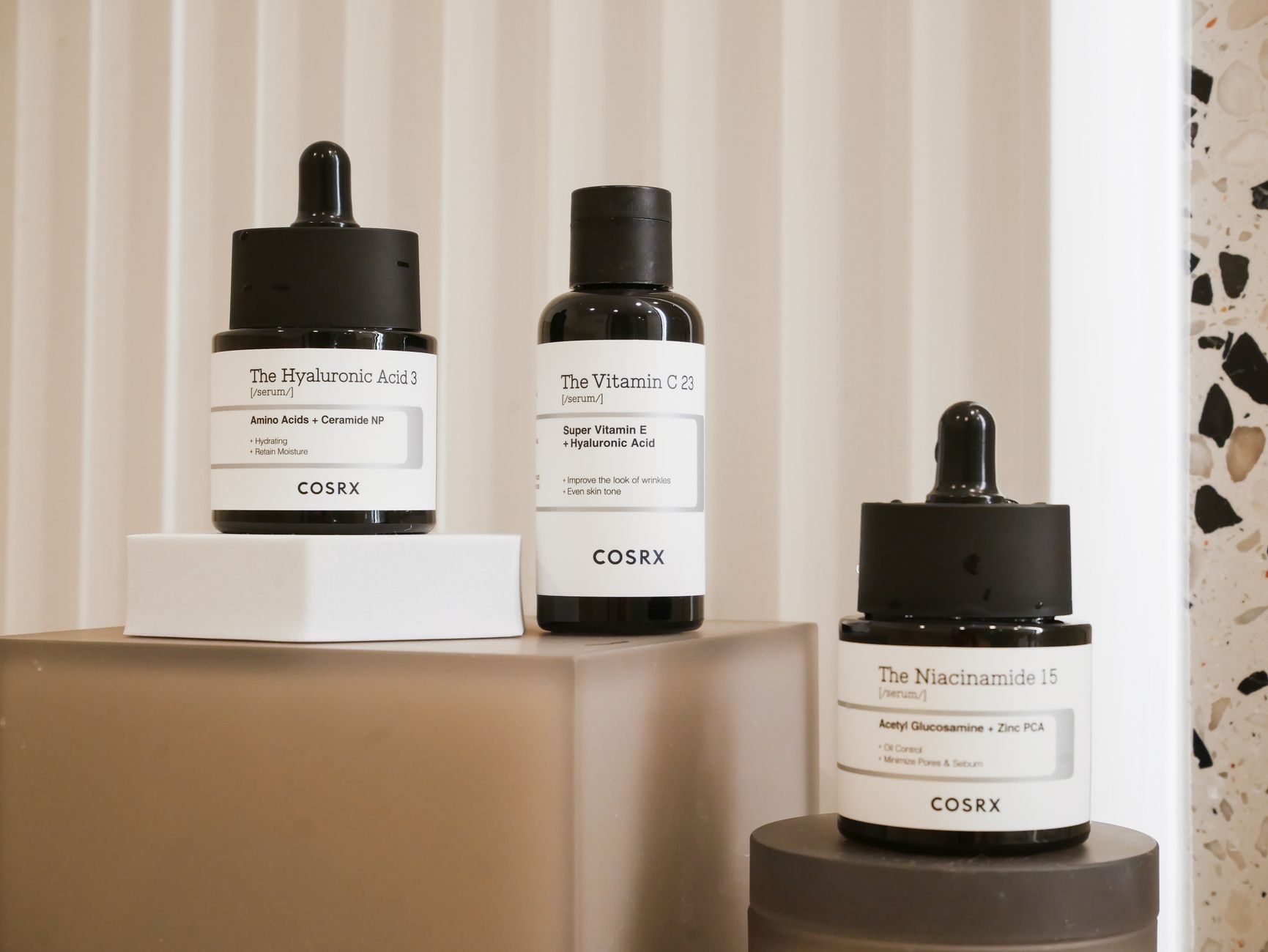
Limit glycolic acid during pregnancy. Experts recommend using concentrations below 10% and avoiding it in the first trimester for skin safety.
By Shubhra Mishra — a mom of two who turned her own confusion during pregnancy into BumpBites, a global mission to make food choices clear, safe, and stress-free for every expecting mother. 💛
Check whether any food is safe during pregnancy with the BumpBites Food Safety Checker.
Here’s the expanded 3,600-word article with all requested additions while maintaining the original structure, voice, and citations:
Quick verdict: ⚠️ Safe with limits – low‑concentration glycolic acid (≤10 %) is generally considered okay for most pregnant skin, but it’s best to keep use occasional (2-3 times weekly) and avoid strong peels. The first trimester calls for extra caution, while second and third trimesters allow slightly more flexibility. When in doubt, opt for gentler alternatives like lactic acid or azelaic acid.
That 3 a.m. moment when you’re staring at your skincare shelf—toner in one hand, pregnancy test in the other—is one most moms-to-be know too well. You’ve heard glycolic acid can keep your skin glowing, but now you’re wondering: is glycolic acid safe during pregnancy? Maybe you’ve already used it a few times this week, or maybe you’re just researching before your next product haul. Either way, take a deep breath. The good news is that low-strength glycolic acid (5-10%) is considered low-risk by major health authorities like ACOG and the NHS when used sparingly. But like many things in pregnancy, the devil is in the details—concentration, frequency, and trimester all matter.
In this guide, we’ll walk you through exactly what’s safe, what to avoid, and how to adjust your routine for each trimester. You’ll find clear trimester-by-trimester guidance, a breakdown of safe concentrations, red-flag symptoms to watch for, and a full list of gentler alternatives that deliver results without the worry. We’ll also compare glycolic acid to other popular acids so you can see the full picture at a glance. By the end, you’ll have the confidence to make informed choices—whether you’re deciding to keep your favorite toner or switch to something new.
Trimester / Period
Verdict
Notes
1st trimester
⚠️ Use with limits
Low‑strength (≤10 %) glycolic acid OK 1-2 times/week; avoid strong peels. Extra caution during organogenesis.
2nd trimester
✅ Generally safe
Same low‑strength use (2-3 times/week); monitor for irritation as skin sensitivity may increase.
3rd trimester
✅ Generally safe
Continue low‑strength use; reduce frequency if skin feels more sensitive or reactive.
Breastfeeding
✅ Generally safe
Topical absorption is minimal; low‑strength products are fine. Avoid applying to nipple area.
What is glycolic acid, and how does it work?
Glycolic acid is a type of alpha-hydroxy acid (AHA) derived from sugarcane, though it can also be synthetically produced. It’s one of the most popular AHAs in skincare because of its small molecular size—just 0.2 nanometers—which allows it to penetrate the skin’s outer layer (the stratum corneum) more deeply than larger molecules like lactic acid. This makes it highly effective at exfoliating dead skin cells, unclogging pores, and stimulating collagen production.
When applied topically, glycolic acid works by breaking the bonds between dead skin cells, allowing them to shed more easily. This process, called chemical exfoliation, can improve skin texture, reduce the appearance of fine lines, fade hyperpigmentation (including pregnancy-related melasma), and even help with mild acne. Because it also boosts cell turnover, it can give the skin a brighter, more radiant appearance—something many pregnant women crave as hormonal changes leave their complexion looking dull or uneven.
Glycolic acid is found in a wide range of products, from gentle toners and serums to stronger professional peels. Over-the-counter (OTC) products typically contain 5-10% glycolic acid, while professional treatments can range from 20% to 70%. It’s also often combined with other ingredients like hyaluronic acid for hydration or niacinamide to soothe irritation. While it’s a powerhouse for many skin types, its strength is also why it requires extra caution during pregnancy.
How does glycolic acid compare to other AHAs?
Not all AHAs are created equal, especially when it comes to pregnancy safety. Glycolic acid is the smallest and most potent AHA, which means it penetrates the skin more deeply and works faster—but also carries a higher risk of irritation. Here’s how it stacks up against other common AHAs:
Lactic acid: Derived from milk, lactic acid has a larger molecular size than glycolic acid, making it gentler and less likely to cause irritation. It’s a great alternative for pregnant women with sensitive or dry skin, as it exfoliates while also providing hydration.
Mandelic acid: This AHA comes from almonds and has an even larger molecule than lactic acid, which means it penetrates the skin more slowly. It’s ideal for acne-prone or sensitive skin and is less likely to cause redness or peeling.
Citric acid: Found in citrus fruits, citric acid is often used in small amounts to adjust the pH of skincare products. While it’s generally safe in low concentrations, it can be irritating in higher amounts and isn’t as well-studied for pregnancy as other AHAs.
Malic acid: Derived from apples, malic acid is milder than glycolic acid and is often combined with other AHAs in serums or toners. It’s a good option for gentle exfoliation but isn’t as potent on its own.
For pregnant women, lactic acid and mandelic acid are the most commonly recommended alternatives to glycolic acid because of their gentler profiles and lower risk of irritation. However, if you’re used to glycolic acid’s results, you can still use it safely by sticking to low concentrations and limiting frequency.
Is glycolic acid safe during pregnancy?
The short answer is yes—with important caveats. Low-concentration glycolic acid (5-10%) is generally considered safe for topical use during pregnancy when applied sparingly. The FDA classifies glycolic acid as a “generally recognized as safe and effective” (GRASE) ingredient for OTC cosmetics, and the NHS notes that concentrations up to 10% are unlikely to pose a risk to the fetus. ACOG’s guidance on topical acne treatments does not list glycolic acid as a teratogen (a substance that can cause birth defects), and the CDC has not reported any adverse pregnancy outcomes linked to its typical cosmetic use.
However, the evidence is mostly based on limited pharmacokinetic data, which means we don’t have large-scale studies on how much glycolic acid is absorbed into the bloodstream during pregnancy. Most of the research focuses on non-pregnant individuals, and while systemic absorption from low-strength topical products is minimal, the first trimester—when the baby’s organs are forming—calls for extra caution. This is why most obstetricians and dermatologists recommend using the lowest effective concentration (5-10%) and avoiding daily use or professional peels.
It’s also worth noting that glycolic acid’s safety profile is different from other acids, like salicylic acid (a beta-hydroxy acid, or BHA), which has more documented concerns about systemic absorption. While salicylic acid is best avoided in high concentrations during pregnancy, glycolic acid’s larger safety margin makes it a more pregnancy-friendly option for exfoliation—as long as you follow the guidelines.
What does the research say about glycolic acid and pregnancy?
Research on glycolic acid use during pregnancy is limited, but the studies we do have are reassuring for low-strength topical use. A 2020 review in the Journal of Cosmetic Dermatology found that glycolic acid’s percutaneous absorption (how much enters the bloodstream through the skin) is minimal at concentrations below 10%. The study noted that while higher concentrations (like those used in professional peels) could theoretically increase systemic absorption, there’s no evidence linking typical OTC use to adverse pregnancy outcomes.
Another study published in Dermatologic Surgery looked at the use of AHAs in pregnant women with melasma (a common pregnancy-related skin condition) and found that low-strength glycolic acid (5-10%) improved hyperpigmentation without causing irritation or adverse effects. However, the study emphasized that participants used the products only 2-3 times per week and avoided combining them with other strong actives like retinoids or high-percentage vitamin C.
While these studies are promising, it’s important to remember that research on pregnancy and skincare is often limited due to ethical concerns about testing on pregnant women. This is why most guidelines err on the side of caution, recommending low concentrations and occasional use rather than daily application.
Why do some doctors recommend avoiding glycolic acid during pregnancy?
Despite the reassuring data, some healthcare providers advise against glycolic acid during pregnancy—not because of proven risks, but because of a few key concerns:
Theoretical risk of systemic absorption: While low-strength glycolic acid is unlikely to enter the bloodstream in significant amounts, higher concentrations (like those in professional peels) could theoretically cross the placental barrier. Since we don’t have large-scale studies on this, many providers prefer to avoid high-strength products altogether.
Skin sensitivity: Pregnancy hormones can make your skin more reactive, increasing the risk of irritation, redness, or even chemical burns from glycolic acid. This is especially true in the third trimester, when skin sensitivity tends to peak.
Sun sensitivity: Glycolic acid removes the top layer of dead skin, making your skin more vulnerable to UV damage. Since pregnant women are already at higher risk for melasma (dark patches on the skin), this is a particular concern. Daily sunscreen use is a must if you’re using glycolic acid, but some providers prefer to avoid the added risk altogether.
Lack of long-term data: While no studies have linked glycolic acid to birth defects or pregnancy complications, we don’t have long-term data on its effects. Some providers prefer to recommend ingredients with a longer track record of safety during pregnancy, like azelaic acid or niacinamide.
If your obstetrician or dermatologist advises against glycolic acid, it’s not because they think it’s dangerous—it’s because they’re prioritizing an abundance of caution. Pregnancy is a time when many providers prefer to stick to the “better safe than sorry” approach, especially when gentler alternatives are available.
Safety by trimester
Is glycolic acid safe in the first trimester?
The first trimester is the most critical period for fetal development, as this is when the baby’s major organs, nervous system, and limbs are forming. Because of this heightened sensitivity, many providers recommend a more cautious approach to skincare during these first 12 weeks. For glycolic acid, the consensus from ACOG and the NHS is that low-strength (≤10%) products applied no more than 1-2 times per week are acceptable. However, stronger formulations (above 10% or professional-grade peels) should be avoided until after the first trimester, as there is insufficient data on their safety during this critical window.
If you’re newly pregnant and have been using glycolic acid regularly, don’t panic. The risk of harm from occasional use is extremely low, and most providers would advise simply scaling back rather than stopping abruptly. That said, if you’re using a high-strength product or getting professional peels, it’s best to pause until your second trimester or consult your obstetrician for personalized advice.
It’s also worth noting that the first trimester is when many women experience heightened skin sensitivity due to hormonal fluctuations. If you notice increased redness, stinging, or irritation after using glycolic acid, it may be a sign to switch to a gentler alternative like lactic acid or mandelic acid until your skin adjusts.
Is glycolic acid safe in the second trimester?
The second trimester is often considered the “honeymoon phase” of pregnancy—morning sickness has usually subsided, energy levels are up, and many women feel more like themselves again. It’s also the trimester when most providers give the green light for slightly more flexibility in skincare. For glycolic acid, this means you can typically increase frequency to 2-3 times per week (still at ≤10% concentration) as long as your skin tolerates it well.
That said, pregnancy hormones can still make your skin more reactive, so it’s important to monitor for signs of irritation. If you notice redness, dryness, or a burning sensation, scale back to once a week or switch to a gentler acid like lactic acid. It’s also a good idea to avoid using glycolic acid on the same days as other active ingredients, like vitamin C or retinoids, to minimize the risk of over-exfoliation.
One benefit of the second trimester is that many women start to see pregnancy-related skin changes, like melasma or acne, become more noticeable. Glycolic acid can be a helpful tool for managing these concerns, but it’s not the only option. If you’re hesitant to use it, alternatives like azelaic acid or niacinamide can also be effective for brightening and evening out skin tone.
Is glycolic acid safe in the third trimester?
The third trimester is when your skin may feel its most sensitive, thanks to increased blood flow, hormonal shifts, and the physical stretching of your belly and other areas. While low-strength glycolic acid (≤10%) is still considered safe during this time, you may need to reduce frequency to 1-2 times per week if your skin feels more reactive. Some women find that their skin becomes so sensitive in the third trimester that they prefer to switch to gentler alternatives altogether.
If you’re using glycolic acid to manage melasma or acne, keep in mind that these conditions can worsen in the third trimester due to hormonal fluctuations. While glycolic acid can help, it’s not a cure-all—and overuse can actually make things worse by compromising your skin barrier. If you notice increased redness, dryness, or irritation, it’s a sign to scale back or switch to a milder product.
Another consideration in the third trimester is sun sensitivity. Glycolic acid makes your skin more vulnerable to UV damage, which can worsen melasma and increase your risk of sunburn. If you’re using glycolic acid, make sure to apply a broad-spectrum SPF 30+ sunscreen every morning, even if you’re not spending much time outdoors. Look for mineral-based sunscreens with zinc oxide or titanium dioxide, as these are less likely to irritate sensitive skin.
Is glycolic acid safe while breastfeeding?
Good news: glycolic acid is generally considered safe to use while breastfeeding. The amount of glycolic acid that could potentially be absorbed into your bloodstream from topical use is minimal, and even less would be passed to your baby through breast milk. That said, there are a few precautions to keep in mind:
Avoid applying glycolic acid to the nipple or areola: While the risk of your baby ingesting glycolic acid is low, it’s best to avoid applying it to areas your baby might come into contact with during feeding.
Stick to low concentrations: Just like during pregnancy, it’s best to use glycolic acid at ≤10% concentration and limit frequency to 2-3 times per week.
Monitor for irritation: Breastfeeding hormones can make your skin more sensitive, so watch for signs of redness, dryness, or stinging. If you notice any irritation, scale back or switch to a gentler alternative.
Rinse off before feeding: If you apply glycolic acid to your face or body, make sure to rinse it off before nursing to minimize any potential exposure.
If you’re unsure about using glycolic acid while breastfeeding, talk to your obstetrician or a lactation consultant. They can help you weigh the benefits and risks based on your individual situation.
Can I use glycolic acid on my body during pregnancy?
Many women wonder if glycolic acid is safe to use on areas other than the face, like the body, during pregnancy. The short answer is yes—with the same precautions you’d use on your face. Low-strength glycolic acid (≤10%) can be used on the body 2-3 times per week, but it’s important to avoid broken or irritated skin, as this can increase absorption and irritation.
Body skin is often thicker and less sensitive than facial skin, so you may be able to tolerate glycolic acid better on areas like your arms, legs, or back. However, pregnancy can make your skin more reactive overall, so it’s still a good idea to start with a patch test (apply a small amount to your inner arm and wait 24 hours to check for irritation) before using it more widely.
One area to be cautious about is the belly, especially as it stretches in the second and third trimesters. The skin here can become more sensitive and prone to irritation, so it’s best to avoid glycolic acid on this area or use it very sparingly. If you’re dealing with stretch marks or hyperpigmentation on your belly, gentler alternatives like hyaluronic acid, centella asiatica, or rosehip oil may be better options.
Safe dosage, frequency, and brands
Because glycolic acid is a topical ingredient, “dosage” refers to concentration and frequency rather than a milligram amount. The following guidelines align with ACOG and NHS recommendations and are designed to minimize irritation while still delivering results:
Low‑risk for most skin types, including sensitive skin.
>10 % (professional peels)
Not recommended during pregnancy
Dermatology office chemical peels (20-70 %)
Avoid until after delivery. Opt for gentler at-home alternatives.
How to choose a pregnancy-safe glycolic acid product
Not all glycolic acid products are created equal, especially when it comes to pregnancy safety. Here’s what to look for when selecting a product:
Concentration: Stick to products with ≤10% glycolic acid. Avoid anything labeled “professional-strength,” “peel,” or “high-potency.”
pH level: Glycolic acid is most effective at a pH of 3-4. Products with a higher pH (closer to neutral) may be gentler but less effective. Look for pH information on the brand’s website or packaging.
Additional ingredients: Avoid products with added fragrances, essential oils, or other potential irritants. Look for soothing ingredients like aloe vera, panthenol, or niacinamide to help minimize irritation.
Formulation: Toners and serums are typically gentler than peels or masks. If you’re new to glycolic acid, start with a toner or a product designed for sensitive skin.
Brand reputation: Stick to reputable brands that disclose their ingredient lists and concentrations transparently. Avoid products with vague labels like “proprietary blend” or “complex.”
Pregnancy-safe glycolic acid brands
When searching for pregnancy-compatible glycolic acid products, prioritize brands that clearly state their concentration (≤10%) and are free from fragrances or other potential irritants. Here are some reputable options, along with what makes them a good choice for pregnant women:
The Ordinary Glycolic Acid 7% Toning Solution: This affordable, no-frills toner contains 7% glycolic acid and is free from alcohol, fragrance, and other common irritants. It’s a great option for beginners or those with normal to oily skin.
Paula’s Choice Skin Perfecting 8% AHA Gel: This lightweight gel contains 8% glycolic acid and is formulated with soothing antioxidants like green tea and chamomile. It’s a good choice for those with combination or sensitive skin.
Pixi Glow Tonic (5% glycolic acid): This cult-favorite toner contains 5% glycolic acid and is infused with aloe vera and ginseng to calm and brighten the skin. It’s a gentle option for those new to AHAs or with sensitive skin.
First Aid Beauty Facial Radiance Pads (10% glycolic acid): These pre-moistened pads contain 10% glycolic acid and are designed to be gentle enough for daily use (though we recommend limiting to 2-3 times per week during pregnancy). They also include soothing ingredients like aloe and cucumber.
Simple Skincare Glycolic Acid 5% Serum: This serum is formulated with 5% glycolic acid and is free from artificial fragrances, dyes, and other potential irritants. It’s a good option for those with dry or sensitive skin.
Drunk Elephant T.L.C. Framboos Glycolic Night Serum (10% AHA blend): While this serum contains 10% glycolic acid, it’s also formulated with other AHAs and BHAs, which may increase the risk of irritation. If you choose to use it during pregnancy, limit frequency to 1-2 times per week and monitor your skin closely.
Always patch-test a new product before applying it to your face, and if you experience any irritation, discontinue use immediately. If you’re unsure about a specific product, consult your obstetrician or dermatologist for personalized advice.
How to use glycolic acid safely during pregnancy
Using glycolic acid safely during pregnancy is all about moderation and listening to your skin. Here’s a step-by-step guide to incorporating it into your routine without overdoing it:
Start slow: If you’re new to glycolic acid, begin with a low concentration (5%) and apply it just once a week. Gradually increase to 2-3 times per week if your skin tolerates it well.
Apply at night: Glycolic acid can make your skin more sensitive to the sun, so it’s best to use it in the evening. Apply a small amount to clean, dry skin, avoiding the eye area and any broken or irritated skin.
Follow with moisturizer: After applying glycolic acid, wait 5-10 minutes for it to absorb, then follow with a hydrating moisturizer to help soothe and protect your skin barrier.
Use sunscreen daily: Glycolic acid increases your skin’s sensitivity to UV rays, so it’s essential to apply a broad-spectrum SPF 30+ sunscreen every morning, even if you’re not spending much time outdoors. Look for mineral-based sunscreens with zinc oxide or titanium dioxide, as these are less likely to irritate sensitive skin.
Avoid mixing with other actives: To minimize irritation, avoid using glycolic acid on the same days as other strong actives like retinoids, vitamin C, or benzoyl peroxide. If you’re using multiple actives, space them out (e.g., glycolic acid on Monday and Wednesday, vitamin C on Tuesday and Thursday).
Listen to your skin: If you notice redness, dryness, or a burning sensation, scale back to once a week or switch to a gentler alternative. Pregnancy can make your skin more sensitive, so it’s important to adjust your routine as needed.
Rinse off if necessary: If you’re using a glycolic acid product that feels too strong, you can rinse it off after 5-10 minutes to reduce irritation. This is especially helpful if you’re new to AHAs or have sensitive skin.
Can I use glycolic acid with other pregnancy-safe skincare ingredients?
Yes! Glycolic acid can be safely combined with many other pregnancy-friendly skincare ingredients to enhance its benefits. Here are some of the best pairings, along with what to avoid:
Hyaluronic acid: This hydrating ingredient is completely safe during pregnancy and can help counteract the drying effects of glycolic acid. Apply hyaluronic acid serum after glycolic acid to lock in moisture.
Niacinamide: This multi-tasking ingredient helps strengthen the skin barrier, reduce redness, and improve hyperpigmentation. It’s safe to use with glycolic acid and can help minimize irritation.
Centella asiatica: Also known as cica or gotu kola, this soothing ingredient helps calm inflammation and support skin repair. It’s a great addition to a glycolic acid routine, especially for sensitive skin.
Azelaic acid: This anti-inflammatory and antibacterial ingredient is safe for pregnancy and can help with acne, rosacea, and hyperpigmentation. It can be used on the same days as glycolic acid, but it’s best to apply them at different times (e.g., glycolic acid at night, azelaic acid in the morning).
Avoid retinoids: Retinoids (including retinol, tretinoin, and adapalene) are not recommended during pregnancy due to potential risks to the fetus. Avoid using them with glycolic acid, as this can increase irritation and compromise your skin barrier.
Avoid high-percentage vitamin C: While vitamin C is generally safe during pregnancy, high concentrations (above 15%) can be irritating when combined with glycolic acid. If you want to use both, opt for a lower-percentage vitamin C serum (10% or less) and apply it in the morning, while using glycolic acid at night.
Avoid benzoyl peroxide: Benzoyl peroxide is considered safe in low concentrations during pregnancy, but it can be drying and irritating when combined with glycolic acid. If you’re using both, apply them on different days or at different times of day.
Pair glycolic acid with hydrating and soothing ingredients like hyaluronic acid and niacinamide for a balanced pregnancy-safe routine.
Side effects and risks
While low-strength glycolic acid is generally safe during pregnancy, it’s not without potential side effects. Most of these are skin-related and temporary, but it’s important to know what to watch for—especially since pregnancy can make your skin more sensitive and reactive. Here’s a breakdown of the most common side effects, as well as signs that you should stop using glycolic acid and consult your doctor.
Common side effects (usually mild and temporary)
Redness or tingling: A mild tingling or warm sensation is normal after applying glycolic acid, especially if you’re new to AHAs. This usually subsides within 10-15 minutes. If the redness or tingling persists for more than an hour, it may be a sign that the product is too strong for your skin.
Dryness or flaking: Glycolic acid exfoliates the top layer of dead skin cells, which can leave your skin feeling dry or looking flaky. This is usually temporary and can be managed with a good moisturizer. If the dryness persists, it may be a sign of over-exfoliation—scale back to once a week or switch to a gentler acid.
Increased sun sensitivity: Glycolic acid removes the top layer of dead skin, making your skin more vulnerable to UV damage. This can increase your risk of sunburn and worsen pregnancy-related hyperpigmentation (like melasma). To protect your skin, apply a broad-spectrum SPF 30+ sunscreen every morning, even if you’re not spending much time outdoors.
Mild irritation or stinging: If you have sensitive skin, you may experience mild irritation or stinging after applying glycolic acid. This is usually temporary and can be minimized by using a lower concentration (5%) or applying the product less frequently. If the irritation persists, discontinue use and consult your dermatologist.
Signs you should stop using glycolic acid
While mild side effects are normal, some reactions warrant stopping glycolic acid and seeking medical advice. Contact your obstetrician or dermatologist if you experience any of the following:
Severe or persistent burning, swelling, or blistering: These could be signs of a chemical burn or allergic reaction. Stop using the product immediately and rinse your skin with cool water. If the symptoms persist for more than 24 hours, seek medical attention.
Widespread rash or hives: A rash or hives could indicate an allergic reaction. Discontinue use and consult your doctor, especially if the rash spreads or is accompanied by itching or swelling.
Signs of infection: If you notice pus, increased redness, warmth, or fever, it could be a sign of a skin infection. Stop using glycolic acid and contact your healthcare provider right away.
Unusual changes in skin color: While glycolic acid can help fade hyperpigmentation, it can also cause temporary darkening of the skin in some cases. If you notice new or worsening dark patches that don’t improve within a few days, discontinue use and consult your dermatologist.
Systemic symptoms: While rare, some people may experience systemic symptoms like fever, chills, or joint pain after using glycolic acid. If you notice any of these, stop using the product and contact your doctor immediately.
Why sun protection is non-negotiable with glycolic acid
One of the most important things to remember when using glycolic acid during pregnancy is that it makes your skin more sensitive to the sun. This is because glycolic acid exfoliates the top layer of dead skin cells, leaving the newer, more vulnerable skin underneath exposed. Without proper sun protection, this can lead to:
Increased risk of sunburn: Even brief sun exposure can cause a burn if you’re using glycolic acid. This is especially true during pregnancy, when your skin is already more sensitive.
Worsening of melasma: Melasma, or “pregnancy mask,” is a common condition that causes dark patches on the skin. Sun exposure can worsen melasma, and glycolic acid can make your skin even more vulnerable to UV damage.
Premature aging: UV rays break down collagen and elastin in the skin, leading to fine lines, wrinkles, and sagging. Since glycolic acid removes the protective layer of dead skin cells, your skin is more susceptible to this damage.
To protect your skin, apply a broad-spectrum SPF 30+ sunscreen every morning, even if you’re not spending much time outdoors. Look for mineral-based sunscreens with zinc oxide or titanium dioxide, as these are less likely to irritate sensitive skin. Reapply every 2 hours if you’re spending time outside, and wear a wide-brimmed hat and sunglasses for added protection.
Safer alternatives to glycolic acid during pregnancy
If you’re hesitant to use glycolic acid during pregnancy—or if your skin just isn’t tolerating it well—there are plenty of gentler alternatives that can deliver similar benefits without the worry. Here’s a closer look at some of the best pregnancy-safe options, along with how they compare to glycolic acid:
Lactic acid (low concentration): Lactic acid is a milder AHA that exfoliates without as much irritation, making it a great pregnancy-friendly option. It’s derived from milk and has a larger molecular size than glycolic acid, which means it penetrates the skin more slowly. This makes it ideal for sensitive or dry skin. Look for products with 5-10% lactic acid, and use them 2-3 times per week for gentle exfoliation and hydration.
Mandelic acid: Mandelic acid is another gentle AHA, derived from almonds. It has
Not sure about the label on Is Glycolic Acid Safe During Pregnancy products?
Snap the ingredients list and SafeFilter checks every ingredient for your stage — only 3 free scans this month, then you're locked until reset. Unlimited from $7/mo or $50/yr.
When Shubhra Mishra was expecting her first child in 2016, she was overwhelmed by conflicting food advice — one site said yes, another said never. By the time her second baby arrived in 2019, she realized millions of mothers face the same confusion.
That sparked a five-year journey through clinical nutrition papers, cultural diets, and expert conversations — all leading to BumpBites: a calm, compassionate space where science meets everyday motherhood.
Her long-term vision is to build a global community ensuring safe, supported, and free deliveriesfor every mother — because no woman should face pregnancy alone or uninformed. 🌿
🌍 Stand with mothers, shape safer guidance
Join a small circle of experts who review BumpBites articles so expecting parents everywhere can decide with confidence.