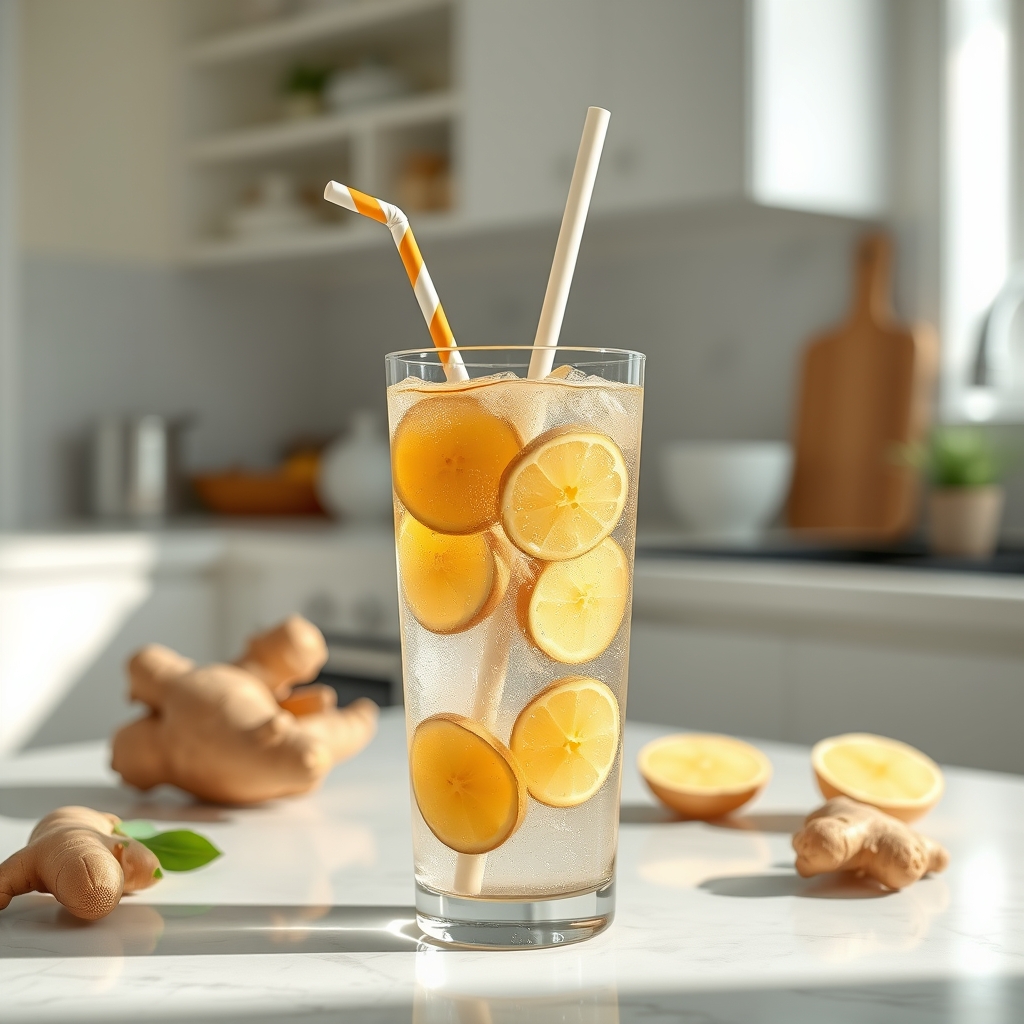
Ginger ale is safe during pregnancy in moderation, with a recommended dosage of 1-2 cups per day, especially in the first trimester
By Shubhra Mishra — a mom of two who turned her own confusion during pregnancy into BumpBites, a global mission to make food choices clear, safe, and stress-free for every expecting mother. 💛
Check whether any food is safe during pregnancy with the BumpBites Food Safety Checker.
Quick verdict: ⚠️ Safe with limits – occasional ginger ale is generally okay during pregnancy, but keep intake to no more than one 12‑oz can per day and choose brands without excessive added sugar or caffeine.
It’s 2 a.m., you’re scrolling through pregnancy forums, and the question that keeps popping up is “is ginger ale safe for pregnancy?” You might have already reached for that fizzy bottle to soothe nausea, or you’re wondering if it’s a harmless treat for a baby shower. The short answer is that ginger ale is usually fine in moderation, but there are a few nuances to keep in mind, especially around sugar, caffeine, and your trimester.
In this article we’ll break down the evidence, explain how much ginger ale you can safely sip, look at each trimester’s considerations, and suggest gentler alternatives if you’d rather avoid soda altogether. We’ll also compare common soda brands, flag any red‑flag symptoms, and give you a clear, actionable checklist so you can stop worrying and enjoy your beverage with confidence.
Whether you’re pregnant for the first time or navigating a second trimester, knowing the facts about ginger ale safe for pregnancy helps you make informed choices without unnecessary anxiety. We’ll walk you through the science, practical tips, and safer swaps so you can feel empowered rather than stuck in a cycle of “what‑if” thoughts.
Stage
Verdict
Notes
First trimester
⚠️ Safe with limits
Limit to 1 can (12 oz) per day; watch added sugars and caffeine.
Second trimester
⚠️ Safe with limits
Same limit; consider low‑sugar or diet versions if you’re watching weight.
Third trimester
⚠️ Safe with limits
Maintain 1‑can limit; avoid excessive carbonation if you experience heartburn.
Breastfeeding
⚠️ Safe with limits
Continue the 1‑can daily ceiling; stay hydrated with water and milk as primary fluids.
Enjoy ginger ale in moderation—pair it with a slice of lemon for extra flavor without added sugar.
What is ginger ale?
Ginger ale is a carbonated soft drink flavored with ginger or ginger‑derived ingredients. While the name suggests a strong ginger presence, most mass‑produced versions contain only a small amount of natural ginger or use ginger flavoring derived from the spice’s essential oils. The beverage is typically sweetened with high‑fructose corn syrup or cane sugar, and many brands add a modest amount of citric acid for tanginess. Some “diet” or “light” formulations replace sugar with artificial sweeteners such as aspartame or sucralose, and a few specialty brands boost the ginger content for a spicier profile. The carbonation—carbon dioxide dissolved under pressure—creates the familiar fizz that many people find soothing during nausea.
Ginger itself is known for its anti‑nausea and digestive‑soothing properties, which is why the flavor was originally added to soft drinks in the 19th century. However, the actual ginger concentration in most commercial ginger ales is quite low—often less than 0.1 % of the total volume—meaning the beverage provides only a hint of ginger’s therapeutic effect. Understanding the ingredient list helps you make smarter choices, particularly when you’re mindful of added sugars, caffeine, and any potential allergens.
Beyond the taste, ginger ale is part of a larger category of carbonated soft drinks that includes club soda, seltzer, and flavored sparkling waters. The key differences lie in the presence of sweeteners, flavorings, and sometimes caffeine. Because of these variations, safety considerations for ginger ale often mirror those for other sodas, with the added nuance of ginger’s mild pharmacologic activity.
Is ginger ale safe during pregnancy?
Current guidance from ACOG and the NHS suggests limiting added sugars to no more than 10 % of total daily calories—roughly 200 kcal, or about 50 g of sugar, for a typical 2 000‑calorie diet. A standard 12‑oz (355 ml) can of regular ginger ale contains about 38 g of sugar, which already accounts for a large portion of that limit. Therefore, the safest recommendation is no more than one 12‑oz can of regular ginger ale per day. If you prefer diet or sugar‑free versions, the limit can be a bit more flexible, but keep overall caffeine intake below 200 mg per day.
For those watching weight or with gestational diabetes, opting for a diet ginger ale (which usually contains artificial sweeteners) or a ginger‑flavored sparkling water is advisable. Even with diet versions, staying within a single can per day helps avoid excessive carbonation, which can trigger heartburn or bloating. The American Academy of Pediatrics (AAP) also notes that while artificial sweeteners are considered safe in typical amounts, many clinicians suggest limiting them as a precautionary measure.
Importantly, no reputable study has linked ginger ale consumption—within these limits—to birth defects or fetal harm. The tiny amount of ginger present does not reach therapeutic levels, so the drink does not carry the same anti‑nausea potency as ginger supplements or teas. The main safety considerations remain sugar, caffeine, and carbonation, all of which are manageable with mindful consumption.
Recent research from the CDC on sugary beverage intake during pregnancy underscores that high‑sugar drinks are associated with a modest increase in gestational diabetes risk, especially when consumed daily in excess of the recommended limit. This reinforces the importance of treating ginger ale as an occasional treat rather than a staple beverage.
Safety by trimester
First trimester
During the first trimester, the embryo’s organs are forming—a period known as organogenesis. While this stage is sensitive to certain teratogens, ginger ale does not contain any known harmful compounds that affect organ development. The main consideration is sugar: the CDC reports that high sugar intake can increase the risk of gestational diabetes, which is especially concerning early on. Therefore, limiting ginger ale to one 12‑oz can per day—preferably a low‑sugar or diet version—keeps the sugar load manageable.
Many women experience heightened nausea in the first trimester. The mild ginger flavor and carbonation can provide a calming sensation, but the low ginger concentration means the effect is modest. If nausea is severe, clinicians often recommend ginger supplements, ginger tea, or vitamin B6, which have stronger evidence for safety and efficacy.
Practical tip: keep a small bottle of ginger‑flavored sparkling water on hand for moments when you crave fizz but want to skip the added sugar. Drinking it through a straw can also reduce the amount of air you swallow, easing bloating.
Second trimester
In the second trimester, many women experience reduced nausea and increased appetite. This is a good time to monitor overall carbohydrate intake. Ginger ale remains safe if you keep to the same 1‑can limit and stay mindful of total daily added sugars. If you have a history of gestational diabetes or are being screened for it, opting for a diet or sugar‑free ginger ale can further reduce risk.
Because the uterus is growing but not yet compressing the stomach significantly, the carbonation in ginger ale is less likely to cause reflux. However, some women still report heartburn; sipping slowly and using a straw can lessen the amount of air swallowed, reducing discomfort.
Practical tip: pair your ginger ale with a protein‑rich snack (like a handful of nuts) to help moderate blood‑sugar spikes and keep you fuller longer.
Third trimester
During the third trimester, heartburn and reflux become more common due to the growing uterus pressing on the stomach. The carbonation in ginger ale can exacerbate these symptoms. While the beverage itself isn’t harmful to the baby, you might find you’re less comfortable with fizzy drinks. If you choose to drink ginger ale, keep the portion small and consider sipping slowly with a straw to reduce air swallowing.
Some clinicians suggest swapping ginger ale for ginger‑flavored sparkling water in the third trimester, as the latter offers the same fizz without added sugar, and often contains a higher ginger concentration for nausea relief.
Practical tip: stay upright for at least 30 minutes after drinking carbonated beverages to help keep stomach acids where they belong.
Breastfeeding
For breastfeeding mothers, the same guidelines apply. Small amounts of ginger ale are unlikely to affect milk composition, but excessive sugar can impact your own energy balance and potentially influence infant weight gain. Maintaining the 1‑can daily ceiling and staying hydrated with water or milk is the safest approach.
Because caffeine can pass into breast milk, it’s reassuring that most ginger ales contain negligible caffeine. Nonetheless, if you’re close to the 200 mg caffeine limit from other sources (coffee, tea, chocolate), keep an eye on the cumulative total.
Practical tip: keep a water bottle nearby and aim for at least eight 8‑oz glasses of fluid daily; this helps ensure you’re not using soda as a primary hydration source.
Ginger‑flavored sparkling water offers fizz without the added sugar of regular ginger ale.
Safe dosage / amount / brands
Based on guidance from the FDA and ACOG, the following limits are recommended:
If you’re counting carbs for gestational diabetes, stick to the diet or sparkling water options and keep total sugary drink intake under 150 kcal per day, as advised by the NHS. For those who prefer a richer ginger flavor, Reed’s and Bundaberg provide a more authentic spice profile while still staying within the sugar limits.
How to read ginger ale labels
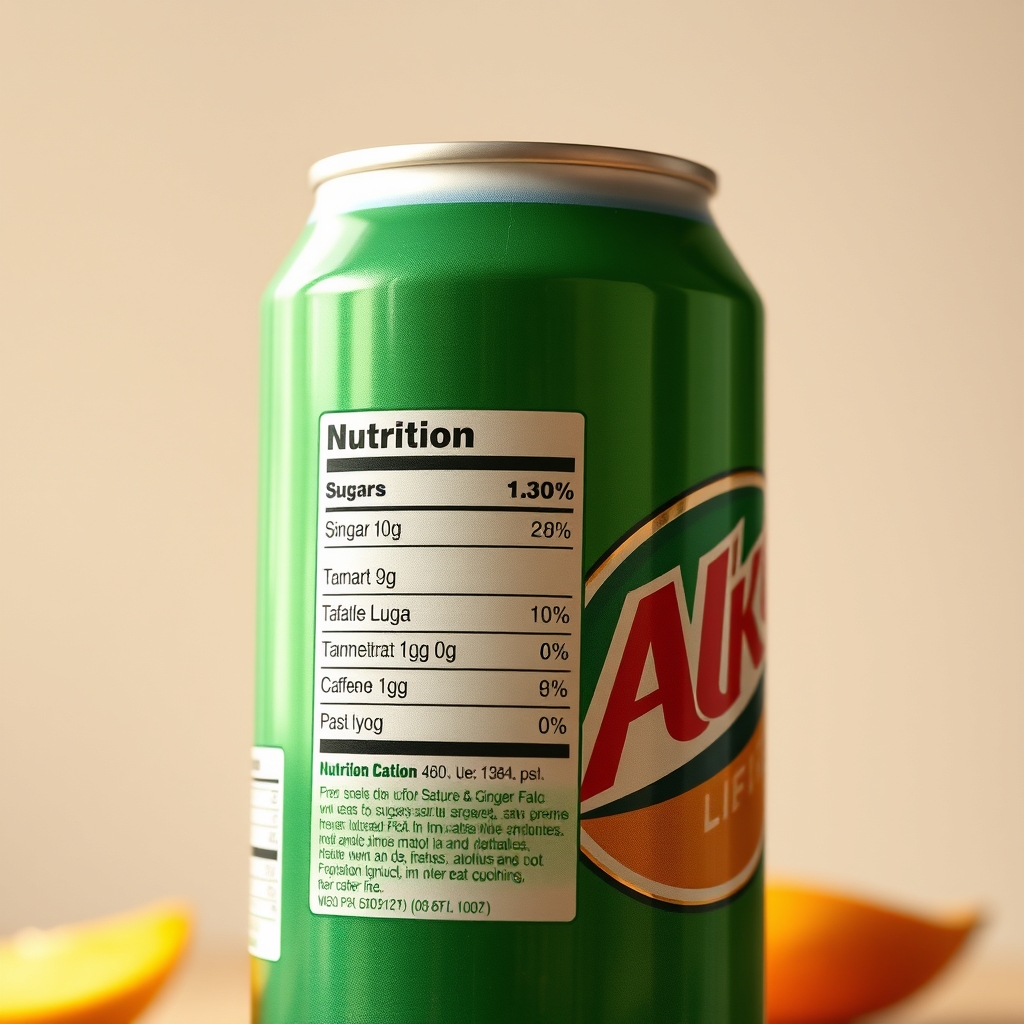
Understanding the nutrition facts panel can prevent accidental over‑consumption. Look for the “Total Sugars” line; a typical regular ginger ale lists around 38 g per 12‑oz can. If you see “Added Sugars,” those are the sugars you can easily cut by choosing a diet version. Check the “Caffeine” line—most brands list 0 mg, but spiced or “energy” variants may contain up to 5 mg, which still counts toward your daily limit.
Artificial sweeteners appear under “Ingredients” (e.g., aspartame, sucralose, acesulfame‑K). While the FDA deems them safe in normal amounts, many obstetricians suggest limiting them to a few servings per day, especially if you’re already consuming other sweetened products. Finally, watch for “Sodium” and “Sodium Benzoate” if you have hypertension or are monitoring sodium intake.
Choosing a low‑sugar ginger ale
When shopping, compare the “Calories from Sugar” metric; some newer brands market themselves as “reduced‑sugar” or “light‑sweetened” and can contain as little as 10 g of sugar per can. These options allow you to enjoy the familiar fizz while staying comfortably within the ACOG sugar guideline. Remember that “light” or “diet” labels refer to sugar content, not necessarily caffeine or sodium levels, so a quick glance at the full label is still essential.
Reading the label helps you stay within safe sugar and caffeine limits.
Side effects and risks
Most pregnant people experience no serious side effects from occasional ginger ale. However, watch for the following:
Excessive sugar intake – May cause rapid blood‑glucose spikes, increased thirst, and weight gain.
Heartburn or reflux – Carbonation can aggravate these common third‑trimester symptoms.
Dehydration – Relying on soda instead of water can lead to inadequate hydration.
Artificial sweetener concerns – While FDA‑approved, many providers recommend limiting aspartame or sucralose to a few servings per day.
Sodium load – Certain brands use sodium benzoate, which can contribute to higher sodium intake.
If you notice persistent nausea, severe heartburn that interferes with sleep, sudden spikes in blood glucose (if you have gestational diabetes), unexplained swelling, shortness of breath, or any allergic reaction such as hives or difficulty breathing after drinking ginger ale, contact your provider promptly.
Managing mild side effects is often as simple as adjusting how you drink: sipping slowly, using a straw, or pairing the beverage with a protein‑rich snack can reduce heartburn and blood‑sugar spikes. If you experience frequent bloating, consider swapping to a non‑carbonated ginger tea.
Safer alternatives
Sparkling water – Gives the same fizzy sensation without sugar or caffeine.
Ginger‑infused kombucha – Probiotic fizz with real ginger, choose low‑sugar varieties.
Carbonated herbal blends (e.g., peppermint‑sparkling water) – Offers fizz and a soothing herb.
Homemade ginger‑infused sparkling water
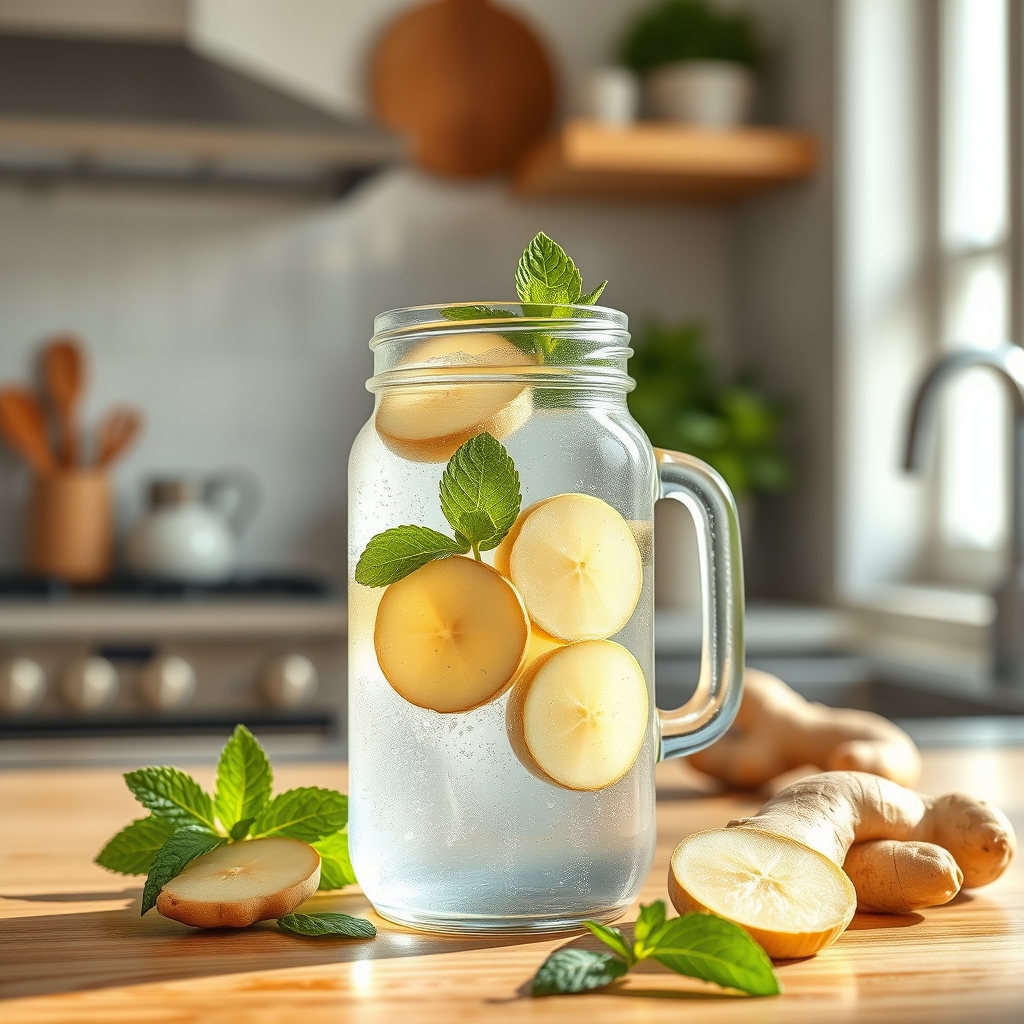
Creating your own ginger‑flavored sparkling water is easy and lets you control sugar and ginger intensity. Simply add a few thin slices of fresh ginger to a bottle of plain sparkling water, let it steep for 15‑20 minutes in the refrigerator, then enjoy. No added sugars, no caffeine, and you get the full ginger benefit. This DIY option is especially handy if you’re craving the familiar taste but want to stay well within the safety limits.
Make your own ginger‑infused sparkling water for a sugar‑free fizz.
Related items — safety at a glance
Item
Verdict
Note
Coca‑Cola
⚠️ Safe with limits
High caffeine and sugar; limit to < 1 can/day.
Pepsi
⚠️ Safe with limits
Similar to Coca‑Cola; watch sugar and caffeine.
Club soda
✅ Generally safe
Carbonated, no sugar or caffeine.
Seltzer water
✅ Generally safe
Pure carbonation, no additives.
Root beer
⚠️ Safe with limits
Often high in sugar; choose diet version.
Diet ginger ale
⚠️ Safe with limits
Artificial sweeteners; keep to < 1 can/day.
Sprite
⚠️ Safe with limits
High sugar; limit intake.
Mug Root Beer
⚠️ Safe with limits
Contains sugar; diet option safer.
Dr Pepper
⚠️ Safe with limits
Caffeine and sugar; limit consumption.
Ginger tea (fresh)
✅ Generally safe
Higher ginger content; good for nausea.
Ginger capsules
✅ Generally safe
Standardized dose; follow provider guidance.
This quick‑reference table helps you compare the safety of popular carbonated drinks and ginger‑based products, making it easier to choose the best option for each trimester.
Myth vs. fact
Myth: Ginger ale is a strong anti‑nausea medicine for pregnant women. Fact: The ginger content in most commercial ginger ales is too low to provide a therapeutic anti‑nausea effect; ginger tea or capsules are more effective.
Myth: All ginger ales are caffeine‑free, so they’re automatically safe. Fact: Some “spiced” ginger ales contain small amounts of caffeine; always check the label, especially if you’re near the 200 mg daily caffeine limit.
Myth: Diet ginger ale is completely risk‑free because it has no sugar. Fact: Artificial sweeteners are FDA‑approved, but many clinicians suggest limiting them during pregnancy as a precaution.
Myth: Carbonated drinks always worsen reflux, so ginger ale should be avoided entirely. Fact: While carbonation can aggravate heartburn for some, sipping slowly, using a straw, or choosing low‑acid varieties can make ginger ale tolerable for many pregnant people.
Understanding these myths helps you cut through the noise and focus on evidence‑based choices that keep both you and your baby healthy.
Key takeaways
Ginger ale is generally safe during pregnancy when limited to ≤1 12‑oz can per day.
Prefer low‑sugar or diet versions if you’re watching blood sugar or weight.
Watch for heartburn or excessive carbonation, especially in the third trimester.
If you have gestational diabetes, avoid regular ginger ale; choose diet or sugar‑free options and monitor glucose.
Read nutrition labels carefully to stay within sugar, caffeine, and artificial‑sweetener limits.
Always discuss any concerns with your obstetric provider.
By keeping these points in mind, you can enjoy the occasional fizz without compromising your health or your baby’s development.
Frequently asked questions
Can I drink ginger ale while pregnant?
Yes, you can enjoy ginger ale in moderation—up to one 12‑oz can per day—provided you choose a low‑sugar or diet variety and stay within your overall caffeine limit.
Is ginger ale good for morning sickness?
Ginger ale may offer mild relief because of its carbonation and faint ginger flavor, but the ginger concentration is low; stronger options like ginger tea or capsules are more effective.
How many cans of ginger ale are safe during pregnancy?
Most health authorities recommend no more than one 12‑oz can of regular ginger ale per day; diet versions can be consumed similarly, but keep total sugary drink intake low.
Does ginger ale contain caffeine?
Most standard ginger ales are caffeine‑free, but some “spiced” or “energy” versions may contain small amounts (usually under 5 mg per can); always read the label if caffeine is a concern.
What are the side effects of ginger ale for pregnant women?
Side effects are generally mild and include potential heartburn, bloating from carbonation, and blood‑sugar spikes from added sugars; excessive intake may increase gestational diabetes risk.
Are diet ginger ale drinks safe for pregnancy?
Diet ginger ale is considered safe in moderation, but it contains artificial sweeteners; many clinicians advise limiting these to a few servings per day.
Can ginger ale cause dehydration in pregnancy?
While ginger ale provides fluid, its high sugar and sodium content can actually increase thirst; water, milk, and low‑sugar beverages are better primary hydration sources.
Is it okay to mix ginger ale with alcohol while pregnant?
Alcohol is not safe during pregnancy, regardless of the mixer; even a small amount of alcohol can affect fetal development, so avoid combining ginger ale with any alcoholic beverage.
Can I drink ginger ale if I have twins?
Yes, the guidelines for ginger ale consumption apply the same way for singleton or multiple pregnancies—limit to one 12‑oz can per day and monitor sugar intake, as twins may have higher caloric needs but the same safety limits for added sugars.
What if I accidentally drank two cans before I knew I was pregnant?
One extra can is unlikely to cause harm; most guidelines focus on daily averages, so a single excess isn’t a red‑flag, but monitor for any unusual symptoms and discuss with your provider at your next prenatal visit.
Can I use ginger ale as a base for homemade ginger tea?
While you can add fresh ginger to ginger ale for extra flavor, the resulting drink still contains the same sugar and carbonation; for a stronger therapeutic effect, steep fresh ginger in hot water and skip the soda.
When to call your doctor
If you notice any of the following after drinking ginger ale, contact your obstetric provider promptly:
Severe or persistent heartburn that interferes with sleep.
Sudden spikes in blood glucose readings (if you have gestational diabetes).
Unexplained swelling, shortness of breath, or rapid weight gain.
Persistent nausea that does not improve with other interventions.
Any signs of allergic reaction such as hives, swelling, or difficulty breathing.
These symptoms may signal an underlying issue that needs professional evaluation. Remember, this article provides general information and is not a substitute for personalized medical advice.
References
American College of Obstetricians and Gynecologists (ACOG). “Nutrition During Pregnancy.” 2023.
National Health Service (NHS). “Eating and drinking safely while pregnant.” Updated 2022.
U.S. Food and Drug Administration (FDA). “Food Additives and Ingredients.” 2021.
Centers for Disease Control and Prevention (CDC). “Gestational Diabetes.” 2022.
Mayo Clinic. “Caffeine: How much is safe during pregnancy?” 2023.
World Health Organization (WHO). “Guidelines for caffeine consumption during pregnancy.” 2020.
Not sure about the label on Is Ginger Ale Safe During Pregnancy products?
Snap the ingredients list and SafeFilter checks every ingredient for your stage — only 3 free scans this month, then you're locked until reset. Unlimited from $7/mo or $50/yr.
When Shubhra Mishra was expecting her first child in 2016, she was overwhelmed by conflicting food advice — one site said yes, another said never. By the time her second baby arrived in 2019, she realized millions of mothers face the same confusion.
That sparked a five-year journey through clinical nutrition papers, cultural diets, and expert conversations — all leading to BumpBites: a calm, compassionate space where science meets everyday motherhood.
Her long-term vision is to build a global community ensuring safe, supported, and free deliveriesfor every mother — because no woman should face pregnancy alone or uninformed. 🌿
🌍 Stand with mothers, shape safer guidance
Join a small circle of experts who review BumpBites articles so expecting parents everywhere can decide with confidence.