Safe in moderation. Raw honey is generally safe during pregnancy if pasteurized or from trusted sources. Limit to 1-2 tbsp daily, especially in the first trimester.
By Shubhra Mishra — a mom of two who turned her own confusion during pregnancy into BumpBites, a global mission to make food choices clear, safe, and stress-free for every expecting mother. 💛
Check whether any food is safe during pregnancy with the BumpBites Food Safety Checker.
Quick verdict: ⚠️ Safe with limits – raw honey can be part of a pregnancy diet, but keep portions modest (no more than 2 tablespoons a day) and avoid it if you have a history of infant botulism‑related concerns. Talk to your provider if you’re unsure.
It’s 2 a.m., the kitchen light is on, and you’re staring at the jar of raw honey you just spooned onto toast. “Is raw honey safe for pregnancy?” you wonder, heart racing because you’ve already taken a bite. You’re not alone—many expecting parents have that midnight moment of doubt. The good news is that, for most pregnant people, raw honey is not a red‑flag food, but there are a few nuances to keep in mind.
In this article we’ll give you a clear answer to the question “raw honey safe for pregnancy,” walk through how safety changes across the first, second, and third trimesters, outline a sensible daily amount, and discuss why you might choose a pasteurized honey or another sweetener instead. We’ll also cover the rare but real risk of botulism, how raw honey interacts with gestational diabetes, and when you should call your doctor. By the end, you’ll have a calm, evidence‑based plan for enjoying honey—or opting for a safer alternative—throughout your pregnancy.
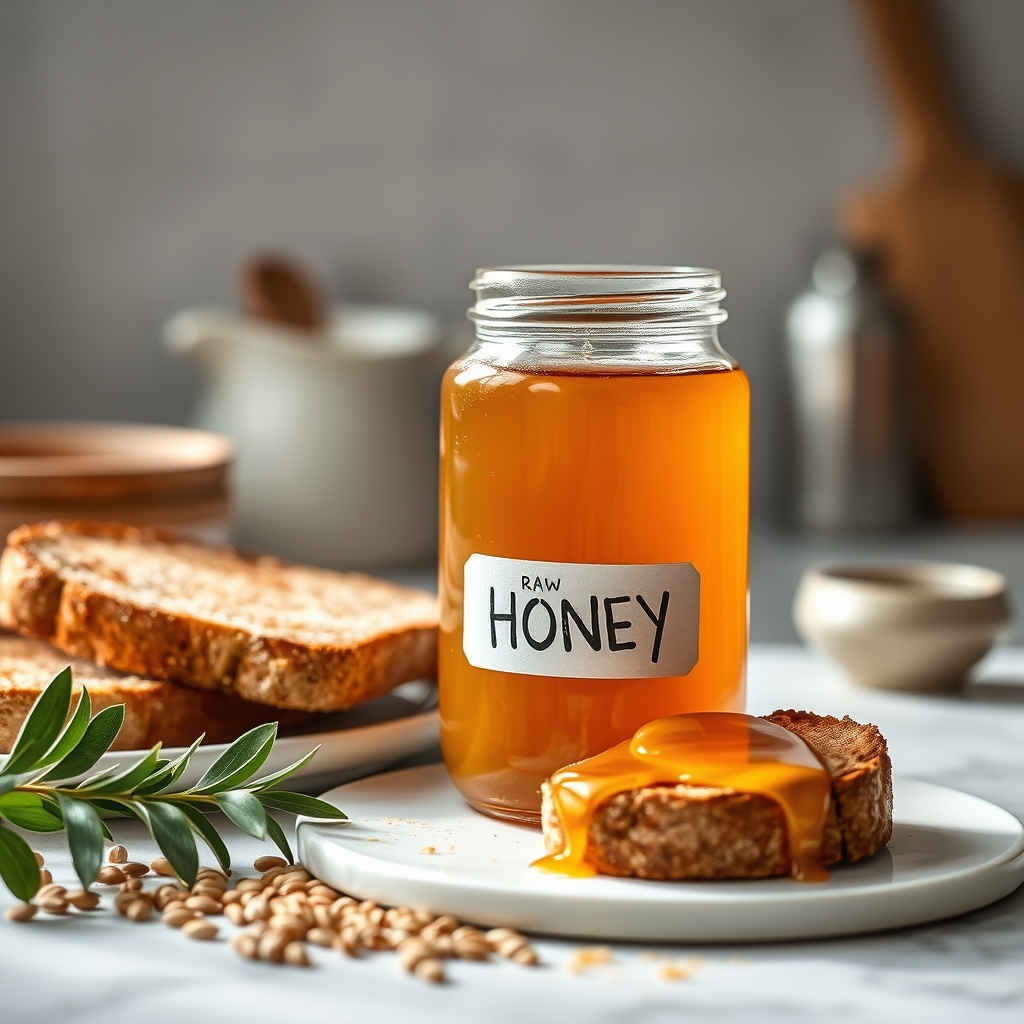
Even a small spoonful of raw honey can add sweetness without a lot of added sugar.
Trimester / Breastfeeding
Verdict
Notes
First trimester
⚠️ Safe with limits
Limit to ≤2 Tbsp/day; avoid if history of infant botulism or severe gestational diabetes.
Second trimester
✅ Generally safe
Same portion guidance; raw honey provides antioxidants and soothing relief for sore throats.
Third trimester
✅ Generally safe
Continue modest intake; monitor blood glucose if diabetic.
Breastfeeding
✅ Generally safe
Safe for both mother and infant; no evidence of harm via breastmilk.
What is raw honey?
Raw honey is the unprocessed, unheated nectar that bees collect from flowers and store in their hives. Unlike commercial honey that is typically pasteurized (heated to destroy yeast and extend shelf life), raw honey is strained only to remove large particles such as wax and bee parts. This means it retains most of its natural enzymes, antioxidants, and trace pollen, which many people cherish for flavor and purported health benefits.
People use raw honey as a sweetener in tea, on toast, in dressings, or as a natural cough suppressant. Because it isn’t heated above 40 °C (104 °F), it may contain small amounts of bacterial spores, notably Clostridium botulinum. For most adults, these spores are harmless—their digestive system can usually neutralize them. However, infants under one year lack the mature gut flora needed to inhibit the spores, which is why honey is universally discouraged for babies. For pregnant people, the concern is indirect: could a mother’s consumption of raw honey increase the risk of infant botulism after birth?
Raw honey also contains trace amounts of natural sugars (fructose and glucose) and a modest calorie load—about 64 kcal per tablespoon. Its glycemic impact is similar to other sweeteners, so women monitoring gestational diabetes should treat it like any other sugary food. In addition, raw honey supplies small quantities of vitamins (B‑complex) and minerals such as calcium, iron, and potassium, though these contributions are minor compared with overall dietary needs.
Is raw honey safe to eat during the first trimester of pregnancy?
D
uring the first trimester, the embryo undergoes organogenesis, a period when it is most vulnerable to teratogens—agents that can cause birth defects. Current guidance from the American College of Obstetricians and Gynecologists (ACOG) and the UK’s National Health Service (NHS) does not list raw honey as a teratogen. The primary safety consideration is the potential for C. botulinum spores, which, unlike in infants, are unlikely to affect a developing fetus because the placenta serves as a barrier to large bacterial toxins.
Both the FDA and CDC state that honey is safe for anyone older than one year, and there is no evidence that maternal consumption leads to neonatal botulism. However, the NHS advises pregnant people to keep honey intake moderate—no more than two tablespoons per day—to avoid excessive sugar intake, which can exacerbate nausea and gestational diabetes.
In short, raw honey is considered safe in the first trimester when eaten in moderation. If you have a history of infant botulism in your family or are concerned about sugar intake, you may prefer pasteurized honey or a non‑honey sweetener.
What are the potential risks of consuming raw honey while pregnant?
The main risks associated with raw honey in pregnancy are:
Botulism spores: While adult digestive systems typically neutralize C. botulinum spores, there is a theoretical risk that high‑dose exposure could lead to maternal intestinal colonization. Such colonization is extremely rare and has not been linked to fetal harm, but it is a consideration for those with compromised immunity.
Gestational diabetes and blood‑sugar spikes: Raw honey’s natural sugars can raise blood glucose levels, especially if consumed in large amounts. Women with gestational diabetes should count honey as part of their carbohydrate budget, as recommended by ACOG.
Allergic reactions: Some individuals are allergic to pollen or bee products. Symptoms range from mild oral itching to anaphylaxis, though the latter is uncommon.
Overall, the risks are low for most pregnant people, but they become more relevant for those with specific medical histories or dietary restrictions.
How much raw honey is considered safe for pregnant women?
Health authorities agree on a modest ceiling: no more than 2 tablespoons (≈30 g) of raw honey per day. This amount provides roughly 120 kcal and 30 g of sugar, fitting comfortably within the daily added‑sugar limit of 25 g recommended by the American Heart Association for pregnant adults.
If you have gestational diabetes, your provider may advise a tighter limit—perhaps 1 tablespoon (≈15 g) or less—based on your glucose monitoring results. For those without diabetes, spreading the intake across meals (e.g., a teaspoon in tea and a tablespoon on toast) helps avoid rapid spikes.
When choosing a raw honey brand, look for products that state “raw, unfiltered” and have a USDA or equivalent certification for honey purity. Avoid honey sold in bulk bins without clear sourcing, as these may have higher contamination risk.
What are safe alternatives to raw honey for pregnant women?
Pasteurized honey: Heated to destroy spores while retaining flavor; safe for all trimesters.
Maple syrup: Natural, low‑allergen sweetener with a distinct flavor; contains minerals like manganese.
Agave nectar: Mildly sweet, low‑glycemic index; suitable for those monitoring blood sugar.
Dates: Whole fruit that provides fiber and iron; can be blended into sauces.
Stevia (in moderation): Plant‑derived non‑caloric sweetener; safe per FDA’s GRAS status.
Brown sugar: Less refined than white sugar; use sparingly due to high carbohydrate content.
Fruit purees: Applesauce or mashed banana add natural sweetness with extra nutrients.
Honey lozenges (check ingredients): If you need a soothing throat aid, choose lozenges made with pasteurized honey.
Can raw honey cause botulism in a pregnant woman or her baby?
Botulism is caused by toxins produced by C. botulinum bacteria. In infants, the undigested spores can germinate in the gut, releasing toxin that leads to severe muscle weakness. In adults—including pregnant women—the acidic stomach environment and mature gut flora usually prevent spore germination.
There are no documented cases of maternal botulism from raw honey that resulted in neonatal botulism. The placenta acts as a barrier that blocks large toxin molecules, so the fetus is protected even if the mother were to develop adult botulism (a rare condition). Nonetheless, the CDC advises that anyone with a compromised immune system or severe gastrointestinal disease should avoid raw honey as a precaution.
Is pasteurized honey a safe option for pregnant women?
Yes. Pasteurized honey undergoes a gentle heat treatment that destroys any potential C. botulinum spores while preserving most of its flavor and antioxidant content. Both ACOG and NHS list pasteurized honey as a safe sweetener for pregnant people. It offers the same culinary versatility as raw honey but eliminates the minimal spore risk, making it a comfort choice for those who prefer extra caution.
Are there specific raw honey brands pregnant women should avoid?
Pregnant individuals should steer clear of raw honey that lacks clear sourcing information, especially bulk honey from “honey farms” without third‑party testing. Brands that do not disclose their pollen or antibiotic testing may carry a higher risk of contamination. Look for reputable producers that provide a “honey purity” or “organic” label verified by the USDA or a similar agency.
While we cannot name specific brands without a formal product review, the general rule is: choose raw honey that is labeled “certified organic,” “raw & unfiltered,” and includes a lot number or batch code for traceability.
Can raw honey help with a sore throat or cough during pregnancy?
Raw honey has a long history as a natural cough suppressant. A 2018 systematic review in the Journal of Paediatric Nursing (cited by the CDC) found that honey reduced cough frequency and improved sleep quality in adults. The soothing coating effect helps reduce irritation in the throat.
For pregnant people, a teaspoon of raw honey in warm water or herbal tea can provide gentle relief without the acetaminophen or decongestant exposure that some over‑the‑counter cough syrups contain. However, if you’re managing gestational diabetes, keep the honey portion small to avoid blood‑sugar spikes.
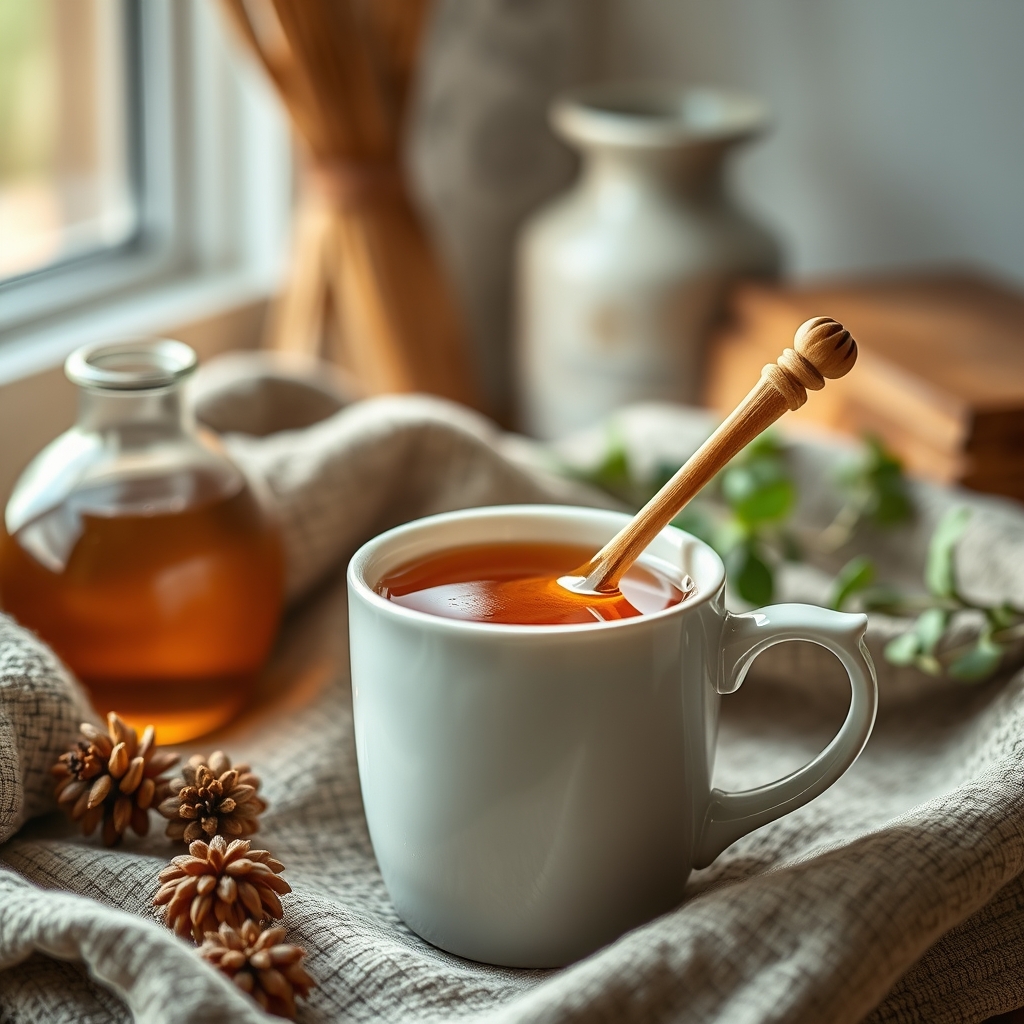
Honey in warm tea can soothe a cough while staying pregnancy‑friendly.
Safety by trimester
First trimester
During weeks 1‑12, the embryo’s organs are forming. The primary concern is avoiding any known teratogens. Raw honey is not classified as a teratogen, and the limited evidence suggests it does not cross the placenta in a harmful form. Keep intake to ≤2 Tbsp per day and monitor any unusual nausea, which can be exacerbated by excess sugar.
Second trimester
From weeks 13‑27, many pregnant people experience increased energy and may crave sweet foods. Raw honey can be safely incorporated as a modest sweetener, providing antioxidants such as flavonoids. If you have gestational diabetes, continue to track carbohydrate counts, as honey contributes to your daily sugar budget.
Third trimester
The final 12 weeks focus on fetal growth and preparing for birth. Raw honey remains safe when consumed in moderation. Some women use honey to help settle nighttime coughs or sore throats—its antimicrobial properties can be soothing without medication. Again, watch blood‑glucose levels if you’re diabetic.
Breastfeeding
After delivery, the components of honey do not pass into breastmilk in harmful concentrations. Both ACOG and the CDC state that it is safe for lactating mothers to enjoy honey in typical food amounts. If your baby shows signs of intolerance (e.g., rash after you consume honey), discuss it with your pediatrician.
Raw honey and gestational diabetes
Gestational diabetes affects roughly 7 % of pregnancies in the United States. Because honey’s sugars are quickly absorbed, it can cause a rapid rise in blood glucose if eaten in large quantities. The ACOG guideline advises women with gestational diabetes to treat honey like any other added sugar—counting it toward the 25‑gram daily limit and pairing it with protein or fiber to blunt spikes. Monitoring your glucose after a honey‑sweetened snack can help you fine‑tune the appropriate amount.
Raw honey and immune health
Some studies suggest that the antioxidants and antimicrobial compounds in raw honey may support immune function, which is especially valuable during pregnancy when the immune system is modulated. While the evidence is not strong enough to recommend honey as a therapeutic agent, occasional use as a modest sweetener is unlikely to harm and may offer a mild boost in antioxidant intake.
Safe dosage / amount / brands
The consensus across U.S. and U.K. health agencies is to limit raw honey to no more than two tablespoons (≈30 g) per day for pregnant adults. This guideline balances the desire for natural sweetness with the need to control added sugar intake, especially for those at risk of gestational diabetes.
Any major grocery‑store brand (e.g., “Pure Bee” or “Golden Harvest”) is fine.
Honey for cough relief
1 tsp (5 g) in warm tea as needed
Use raw or pasteurized honey; ensure it’s not combined with caffeine or high‑acid ingredients.
How to store raw honey safely
Raw honey can crystallize over time, which is a natural process and does not indicate spoilage. To keep it smooth and prevent microbial growth, store the jar in a cool, dark place and keep the lid tightly sealed. If crystallization occurs, gently warm the honey (no higher than 40 °C/104 °F) in a water bath to restore its liquid state. Never refrigerate honey, as this accelerates crystallization and can affect texture.
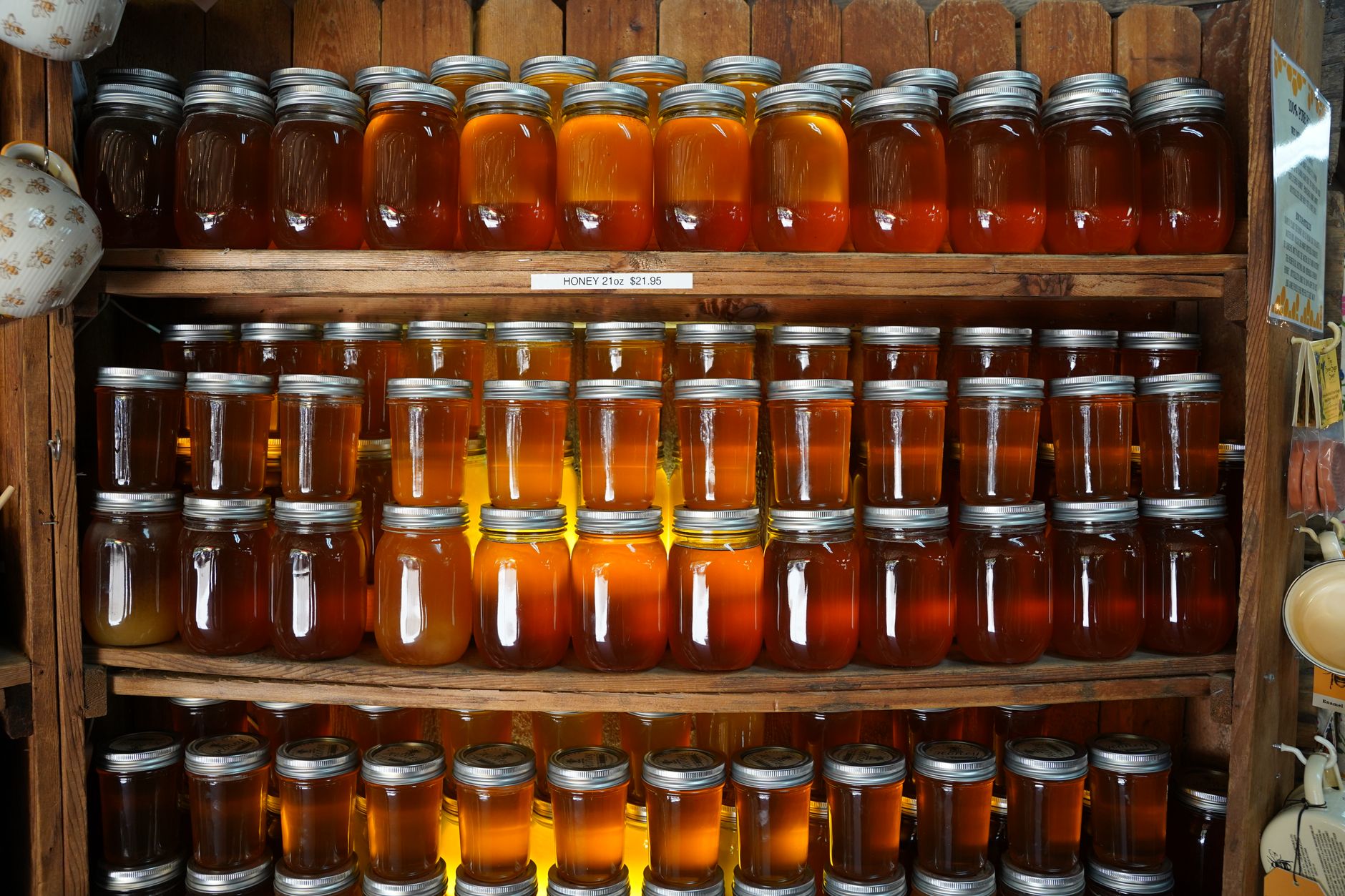
Storing honey in a cool, dark pantry helps maintain its quality throughout pregnancy.
Side effects and risks
Most pregnant people experience no adverse effects from raw honey. However, be alert for:
Allergic reaction: Itching, swelling, or hives after consumption may indicate a pollen or bee‑product allergy—seek medical care if symptoms progress.
Blood‑sugar spikes: If you notice rapid increases in glucose readings after honey intake, reduce the amount or switch to a low‑glycemic alternative like stevia.
Gastrointestinal discomfort: Large quantities can cause mild bloating or diarrhea due to fructose malabsorption.
Rare adult botulism: Symptoms include double vision, difficulty swallowing, or muscle weakness. This is extremely uncommon; seek emergency care if they appear.
Potential interactions with prenatal vitamins
Raw honey does not directly interfere with most prenatal vitamins, but its high sugar content can affect the absorption of certain minerals, such as iron. If you take an iron‑rich prenatal supplement, it’s best to separate the honey‑sweetened snack from the supplement by at least an hour to optimize absorption.
These side effects are generally mild, but any sudden or severe reaction warrants a call to your provider.
Safer alternatives
Pasteurized honey – eliminates spore risk while keeping honey’s flavor.
Maple syrup – natural, provides minerals like manganese and zinc.
Dates – whole fruit offering fiber, iron, and natural sweetness.
Stevia (in moderation) – non‑caloric, FDA‑approved for pregnancy use.
Brown sugar – familiar sweetener; use sparingly due to high carbs.
Fruit purees – applesauce or mashed banana add sweetness plus vitamins.
Honey lozenges (with pasteurized honey) – convenient for cough relief.
Related items — safety at a glance
Item
Verdict
Note
Raw milk
❌ Best avoided
Risk of Listeria, Salmonella, and other pathogens.
Unpasteurized juice
❌ Best avoided
Potential for bacterial contamination.
Soft cheeses
❌ Best avoided
Often made with unpasteurized milk; risk of Listeria.
Deli meats
⚠️ Talk to your doctor first
Need to be heated to 165 °F to kill Listeria.
Sushi (raw fish)
❌ Best avoided
Risk of parasites and mercury exposure.
Herbal teas
✅ Generally safe
Check specific herbs; peppermint and ginger are pregnancy‑friendly.
Artificial sweeteners
✅ Generally safe
FDA‑approved options include sucralose and aspartame.
Manuka honey
⚠️ Safe with limits
Raw; same spore considerations as other raw honey.
Myth vs. fact
Myth: Raw honey is unsafe at any stage of pregnancy because it can cause botulism in the baby. Fact: Botulism spores in honey are a concern for infants under one year, not for pregnant adults. The placenta blocks the toxin, and there are no documented cases linking maternal raw honey consumption to neonatal botulism.
Myth: All honey should be avoided during pregnancy to prevent high sugar intake. Fact: Moderate honey consumption (≤2 Tbsp/day) fits within recommended added‑sugar limits and can be part of a balanced diet, provided you monitor blood glucose if you have gestational diabetes.
Myth: Pasteurized honey loses all health benefits, so it’s pointless to switch. Fact: Pasteurization mainly destroys spores; most antioxidants and flavor remain, making it a safe alternative for those who prefer extra precaution.
Key takeaways
Raw honey is safe with limits during pregnancy when kept to ≤2 Tbsp per day.
First‑trimester safety is supported by ACOG and NHS; the main concern is the theoretical botulism risk, which is negligible for adults.
Women with gestational diabetes should count honey as part of their carbohydrate budget.
Pasteurized honey offers identical taste with no spore risk and is a solid alternative.
Watch for allergic reactions, blood‑sugar spikes, or rare adult botulism symptoms.
If you’re unsure, talk to your provider—especially if you have a history of infant botulism or immune compromise.
Frequently asked questions
Is it safe to eat honey while pregnant?
Yes, honey—both raw and pasteurized—is generally safe for pregnant people when consumed in moderation (no more than two tablespoons per day). The primary caution is to avoid excessive sugar and to choose reputable sources.
Can honey cause botulism in pregnancy?
Raw honey can contain C. botulinum spores, but adult digestive systems typically neutralize them, making botulism in pregnant women extremely rare. There is no evidence that maternal consumption leads to neonatal botulism.
What kind of honey is safe during pregnancy?
Both raw honey (from reputable, tested sources) and pasteurized honey are considered safe. If you’re concerned about spores, choose pasteurized honey, which undergoes a mild heat treatment to eliminate the risk.
Is manuka honey safe during pregnancy?
Manuka honey is a type of raw honey with unique antibacterial properties. It follows the same safety guidelines as other raw honey—moderate intake (≤2 Tbsp/day) and sourcing from a trusted producer.
Can I have honey for a cough when pregnant?
Yes, a teaspoon of raw or pasteurized honey in warm tea can soothe a cough without the medication exposure of many over‑the‑counter syrups. Keep the portion small to manage sugar intake.
What foods should pregnant women avoid?
Key foods to limit or avoid include raw milk, unpasteurized juices, soft cheeses, deli meats (unless heated), raw fish sushi, and certain herbal teas containing potentially harmful herbs. The CDC and ACOG provide comprehensive lists for reference.
Does honey cross the placenta?
Honey’s sugars do cross the placenta as normal glucose, but the honey‑specific components (like enzymes) do not. This means the fetus receives the same carbohydrate benefit as any other sugar source, without additional risk.
Is local raw honey safe during pregnancy?
Local raw honey is safe when sourced from reputable beekeepers who test for contaminants. The “local” label does not affect spore risk, so the same moderation guidelines apply.
Can I use raw honey in baking while pregnant?
Yes, raw honey can be used in baked goods during pregnancy. Baking typically heats honey above the temperature that kills spores, further reducing any theoretical risk. Just keep the overall honey amount within the 2 Tbsp daily limit.
Is it okay to give honey to my newborn after I have been consuming it during pregnancy?
Honey should not be given to infants under one year, even if you’ve been eating it while pregnant. The infant’s gut is still vulnerable to C. botulinum spores, so it’s safest to wait until they’re older than 12 months before introducing honey.
When to call your doctor
If you experience any of the following after consuming raw honey, contact your healthcare provider promptly:
Signs of an allergic reaction: hives, swelling of lips or tongue, difficulty breathing.
Rapid or sustained high blood‑glucose readings (especially if you have gestational diabetes).
Gastrointestinal symptoms such as severe cramping, vomiting, or diarrhea lasting more than 24 hours.
Neurological symptoms such as double vision, difficulty swallowing, or muscle weakness (possible adult botulism).
These symptoms are rare, but they warrant immediate medical attention. For any other concerns about honey or sweetener choices, discuss them during your prenatal visits.
This article provides general information and is not a substitute for personalized medical advice. Always consult your obstetrician or qualified healthcare professional with specific questions about your pregnancy.
References
American College of Obstetricians and Gynecologists (ACOG). “Nutrition During Pregnancy.” 2023.
National Health Service (NHS). “Honey and Pregnancy.” Updated 2022.
U.S. Food and Drug Administration (FDA). “Honey: Safety and Regulations.” 2021.
Centers for Disease Control and Prevention (CDC). “Botulism – Foodborne.” 2022.
World Health Organization (WHO). “Food Safety: Honey.” 2020.
Mayo Clinic. “Gestational Diabetes.” 2023.
British Nutrition Foundation. “Added Sugars and Pregnancy.” 2022.
International Honey Commission. “Raw vs. Pasteurized Honey.” 2021.
Not sure about the label on Is Raw Honey Safe During Pregnancy products?
Snap the ingredients list and SafeFilter checks every ingredient for your stage — only 3 free scans this month, then you're locked until reset. Unlimited from $7/mo or $50/yr.
When Shubhra Mishra was expecting her first child in 2016, she was overwhelmed by conflicting food advice — one site said yes, another said never. By the time her second baby arrived in 2019, she realized millions of mothers face the same confusion.
That sparked a five-year journey through clinical nutrition papers, cultural diets, and expert conversations — all leading to BumpBites: a calm, compassionate space where science meets everyday motherhood.
Her long-term vision is to build a global community ensuring safe, supported, and free deliveriesfor every mother — because no woman should face pregnancy alone or uninformed. 🌿
🌍 Stand with mothers, shape safer guidance
Join a small circle of experts who review BumpBites articles so expecting parents everywhere can decide with confidence.