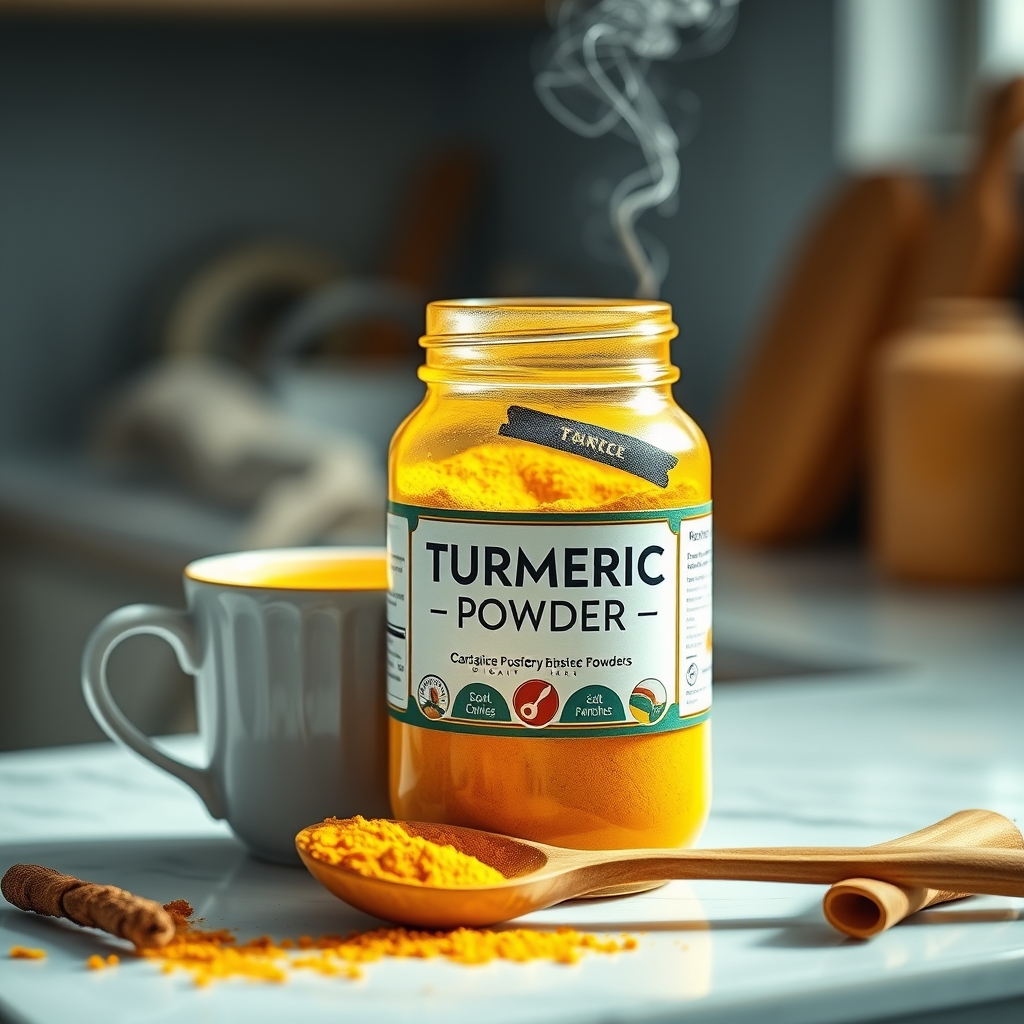
Turmeric is generally safe during pregnancy when consumed in limited amounts, specifically 1/2 to 1 teaspoon of turmeric powder per day
By Shubhra Mishra — a mom of two who turned her own confusion during pregnancy into BumpBites, a global mission to make food choices clear, safe, and stress-free for every expecting mother. 💛
Check whether any food is safe during pregnancy with the BumpBites Food Safety Checker.
Quick verdict: ⚠️ Safe with limits – culinary turmeric is generally fine, but supplements should be kept to modest amounts and discussed with your provider.
It’s 2 a.m., the kitchen light is on, and you’ve just reached for the bright orange powder that makes your favorite golden‑milk latte. “Is turmeric safe for pregnancy?” you wonder, heart racing a little faster. You’re not alone—many expectant parents scramble for a clear answer after discovering they’re pregnant or when a craving hits.
In short, turmeric is considered safe in the amounts typically used for cooking, but higher doses found in many supplements can cross the line into “use with caution.” Below we’ll break down the evidence, explain how much is reasonable, look at each trimester, and point you toward safer anti‑inflammatory options if you’d rather err on the side of caution.
We’ll also cover brand considerations, potential interactions with high blood pressure or diabetes, and what to do if you’ve already taken more than the recommended amount. By the end of this article, you’ll have a practical roadmap for enjoying the warm, earthy flavor of turmeric while keeping both you and your baby safe.
Because anxiety often spikes when you discover a new ingredient in your pantry, we’ve organized the information in bite‑size sections you can skim at any hour of the night. Whether you’re sipping a turmeric‑spiced latte or eyeing a supplement bottle, the facts below will help you make an informed, calm decision.
Use turmeric in cooking or drinks in moderation; keep supplement doses low and discuss them with your provider.
Trimester / Breastfeeding
Verdict
Notes
First trimester
⚠️ Use with limits
Small culinary amounts (≤ ½ tsp / day) appear safe; avoid high‑dose supplements.
Second trimester
⚠️ Use with limits
Same limits as first trimester; monitor blood pressure if you have hypertension.
Third trimester
⚠️ Use with limits
Continue modest culinary use; some providers advise stopping high‑dose supplements before labor.
Breastfeeding
⚠️ Use with limits
Limited data; modest culinary use is considered acceptable, but avoid large supplemental doses.
What is turmeric?
Turmeric is a bright orange‑yellow spice derived from the rhizome of the plant Curcuma longa. The active compound most often discussed is curcumin, which gives turmeric its signature color and is credited with anti‑inflammatory and antioxidant properties. Historically, turmeric has been used in Ayurvedic and traditional Chinese medicine for digestive health, joint pain, and skin conditions.
In modern kitchens, turmeric is a staple in curries, soups, and “golden milk” drinks. Its flavor is warm and slightly bitter, and it pairs well with black pepper, which boosts curcumin absorption. Because many pregnant people turn to natural remedies for nausea, inflammation, or immune support, turmeric often surfaces in prenatal wellness conversations.
When taken as a supplement, turmeric is usually standardized to contain a specific amount of curcumin (often 500 mg per capsule). Supplements may also include black pepper extract (piperine) to enhance bioavailability. While these higher‑concentration products can deliver therapeutic levels of curcumin, they also increase the chance of side effects or drug interactions—especially important during pregnancy.
Research shows that piperine can increase curcumin absorption up to 2,000 % in animal studies, meaning a small supplement can deliver a surprisingly large systemic dose. This is why clinicians stress the importance of checking labels and sticking to modest amounts when you’re pregnant.
Is turmeric safe during pregnancy?
C
urrent guidance from major health authorities places turmeric in a “cautious but generally safe” category for pregnant people when used in typical culinary amounts. The American College of Obstetricians and Gynecologists (ACOG) notes that small quantities of turmeric used as a spice are unlikely to cause harm, but it advises clinicians to discuss any high‑dose supplementation with their patients.
The United Kingdom’s National Health Service (NHS) echoes this sentiment, stating that “turmeric used in cooking is safe,” but “large doses of turmeric or curcumin supplements should be avoided unless advised by a health professional.” The U.S. Food and Drug Administration (FDA) classifies turmeric as a food ingredient, not a drug, and has not issued a specific pregnancy warning, yet it recommends that pregnant consumers treat supplements as they would any other herbal product—consulting a provider first.
Evidence from observational studies does not link normal culinary turmeric intake with miscarriage, birth defects, or other adverse pregnancy outcomes. However, a few case reports have suggested that very high doses (several grams of curcumin per day) might influence uterine contractility, potentially increasing the risk of preterm labor. Because the data are limited, most obstetric guidelines err on the side of moderation.
In short, turmeric is considered safe for most pregnant people when used as a spice, but the safety of concentrated supplements remains uncertain. If you’re already taking a turmeric supplement, talk to your obstetrician about the dose and whether you should continue.
For those who love the golden hue of turmeric in smoothies or soups, remember that the spice itself is not a medication. The modest amounts used in recipes typically stay far below the thresholds that have raised concerns in animal studies, providing a reassuring buffer for most expectant parents.
Is turmeric safe to use during the first trimester of pregnancy?
The first trimester is the period of organogenesis, when the baby’s major organs are forming. During this time, clinicians advise extra caution with any substance that could theoretically interfere with development.
For turmeric, the consensus is that culinary use (a pinch to ½ tsp per day) is acceptable. This amount provides flavor without delivering a high concentration of curcumin. However, most experts recommend avoiding high‑dose turmeric supplements—generally defined as more than 500 mg of curcumin per day—until after the first trimester, unless a provider specifically recommends it for a medical condition.
If you have experienced early‑pregnancy nausea, ginger is often the preferred herb, as it has a stronger evidence base for safety and efficacy in the first trimester. Should you have already taken a high‑dose supplement before realizing you were pregnant, try not to panic; a single short‑term exposure is unlikely to cause harm, but it’s wise to discuss it with your provider.
What is the recommended turmeric dosage for pregnant women?
Because there is no universally accepted “pregnancy‑specific” dosage, clinicians rely on general culinary guidelines and the precautionary principle. A practical recommendation is:
Culinary use: No more than ½ teaspoon (≈ 2 g) of ground turmeric per day, which is roughly the amount found in a typical curry or golden‑milk drink.
Supplemental use: If you choose a supplement, limit it to 300–500 mg of curcumin per day (often one capsule) and discuss it with your obstetrician. Some providers suggest stopping supplementation by week 28 to reduce any theoretical risk of affecting labor.
These limits keep curcumin exposure well below the levels that have raised concerns in animal studies, while still offering potential anti‑inflammatory benefits. When cooking, adding a pinch of black pepper can improve absorption without increasing the amount of turmeric you need.
Can I take turmeric supplements while pregnant?
Yes, but only after a conversation with your health care provider. Many prenatal vitamins already contain small amounts of turmeric or curcumin, and some clinicians may recommend a low‑dose supplement for specific conditions such as severe inflammation or joint pain.
When choosing a supplement, look for products that are:
Third‑party tested for heavy metals (lead, arsenic) and pesticide residues.
Standardized to a known curcumin content (e.g., 500 mg per capsule).
Free of added stimulants or herbal blends that could interact with pregnancy medications.
Clearly labeled with any allergens (e.g., soy, gluten) that could affect you.
Brands that often meet these criteria include Pure Encapsulations, Gaia Herbs, and Nature’s Way, but always verify the latest batch testing results and discuss the choice with your provider. If you prefer a more natural route, you can also make a turmeric‑pepper tea at home, which typically stays within safe limits.
Turmeric vs ginger: which is safer for pregnancy nausea?
Both turmeric and ginger belong to the Zingiberaceae family, but research on ginger’s safety and efficacy in pregnancy is far more robust. The ACOG Committee Opinion on nausea and vomiting in pregnancy cites ginger as a first‑line, non‑pharmacologic option, with multiple randomized trials showing it reduces nausea without increasing miscarriage risk.
Turmeric, while generally safe in culinary amounts, lacks the same depth of evidence for nausea relief. Moreover, ginger’s active compounds (gingerols) are less likely to affect uterine contractility. For pregnant‑related nausea, ginger is the safer, better‑studied choice. Typical ginger doses of up to 1 g per day have been shown to be well tolerated.
Are there any pregnancy brands of turmeric that are considered safe?
While no brand is officially “approved” for pregnancy, several manufacturers prioritize purity and third‑party testing, which aligns with safety best practices. Consider products that carry certifications such as NSF International, USP Verified, or ConsumerLab approval.
Examples of reputable turmeric supplement lines include:
Pure Encapsulations Curcumin 500 mg: NSF‑certified, free from common allergens.
Gaia Herbs Turmeric Supreme: Certified organic and tested for heavy metals.
Nature’s Way Turmeric Standardized 550 mg: USP Verified, with added black pepper for absorption.
Even with these brands, keep the dose within the 300–500 mg curcumin range and confirm with your provider before starting. Checking the label for added fillers or unnecessary herbal blends can further reduce any hidden risks.
What are the potential risks of consuming too much turmeric during pregnancy?
Excessive turmeric intake can lead to:
Gastrointestinal upset: Nausea, heartburn, or diarrhea, which can exacerbate pregnancy‑related discomfort.
Blood‑thinning effects: Curcumin may inhibit platelet aggregation, potentially increasing bleeding risk during delivery—especially relevant for women on anticoagulant therapy.
Uterine stimulation: High doses (several grams of curcumin daily) have been shown in animal models to promote uterine contractions, raising theoretical concerns for preterm labor.
Interaction with antihypertensive or antidiabetic meds: Curcumin can enhance the effect of some blood‑pressure‑lowering drugs and may affect glucose metabolism, requiring dose adjustments.
If you notice any of these symptoms, especially unexplained bleeding or cramping, contact your health care provider promptly. Monitoring your blood pressure and blood sugar more closely when you start a new supplement can also help catch potential interactions early.
Is turmeric safe for pregnant women with high blood pressure?
Turmeric’s mild blood‑pressure‑lowering properties are generally modest, but they can add to prescription antihypertensives. The NHS advises that people with hypertension should use turmeric cautiously and monitor their blood pressure regularly.
For most pregnant women with well‑controlled blood pressure, culinary turmeric poses little risk. However, if you are on medication such as labetalol or nifedipine, discuss any supplement use with your obstetrician to avoid unintended additive effects. In some cases, clinicians may recommend limiting turmeric to culinary amounts only and avoiding supplements altogether.
If you’re looking for natural ways to support healthy blood pressure, consider calcium‑rich foods, regular low‑impact exercise, and adequate hydration—all of which are safe and beneficial during pregnancy.
What are safe alternatives to turmeric for anti‑inflammatory benefits in pregnancy?
Ginger root: Well‑studied for nausea and inflammation, safe in up to 1 g per day.
Cinnamon: Antioxidant‑rich spice; limit to ½ tsp daily to avoid blood‑sugar effects.
Peppermint tea: Soothes digestive discomfort and has mild anti‑inflammatory properties.
Lemongrass: Provides a citrusy flavor and modest anti‑oxidant benefits; safe in culinary amounts.
Holy basil (tulsi): Adaptogenic herb with anti‑inflammatory effects; use as tea, no more than 1–2 cups daily.
Apple cider vinegar: May aid digestion; dilute 1–2 tbsp in water, but avoid excess due to enamel erosion.
Rosemary: Contains rosmarinic acid; safe as a cooking herb, but avoid high‑dose extracts.
All of these options can be incorporated into everyday meals or beverages, providing a gentle anti‑inflammatory boost without the uncertainties linked to high‑dose turmeric supplements.
Safe dosage / amount / brands
Below is a quick reference for how much turmeric you can comfortably include in your diet, as well as a short list of vetted supplement brands.
Form
Typical safe amount
Notes / Brand suggestions
Ground turmeric (culinary)
≤ ½ tsp (≈ 2 g) per day
Used in curries, golden milk, or smoothies; pair with a pinch of black pepper for absorption.
Turmeric tea (loose leaf)
1–2 cups per day
Steep ½ tsp of dried turmeric or 1 tsp of fresh grated root.
Standardized curcumin supplement
300–500 mg curcumin per day
Brands: Pure Encapsulations Curcumin 500 mg, Gaia Herbs Turmeric Supreme, Nature’s Way Turmeric Standardized 550 mg.
High‑dose curcumin (≥ 1 g)
Not recommended during pregnancy
Potential uterine stimulation; avoid unless a specialist advises.
When selecting a supplement, check for third‑party testing labels (e.g., NSF, USP, ConsumerLab). Avoid products that contain added “fat‑burner” or “detox” blends, as these often include stimulants or laxatives not appropriate for pregnancy.
Choose supplements that are third‑party tested for purity and keep doses within the recommended range.
Safety by trimester
First trimester
During weeks 1–12, the embryo’s organs are forming, so many clinicians advise limiting exposure to any potent bioactive compounds. Culinary turmeric (≤ ½ tsp) is generally considered safe, but high‑dose curcumin supplements should be avoided unless prescribed. If you’re experiencing severe nausea, ginger remains the recommended herb.
Second trimester
From weeks 13–27, the fetus’s growth accelerates, and the placenta begins to filter substances more effectively. The same modest culinary limits apply. Some obstetricians may permit a low‑dose curcumin supplement (≤ 300 mg) for chronic inflammation, but only after a risk‑benefit discussion.
Third trimester
In the final stretch (weeks 28–40), uterine readiness for labor becomes a focus. Because there is theoretical concern that large amounts of curcumin could affect uterine contractility, most providers recommend stopping high‑dose supplements by the start of the third trimester. Culinary turmeric remains permissible within the established limits.
Breastfeeding
Evidence on curcumin transfer into breast milk is limited, but small culinary amounts are unlikely to cause harm. If you are nursing, keep supplement intake at or below 300 mg of curcumin per day, and monitor your infant for any unusual fussiness or skin changes.
Turmeric and gestational diabetes
Some early‑stage studies suggest curcumin may improve insulin sensitivity, but the data are not robust enough to recommend turmeric as a treatment for gestational diabetes. The American Diabetes Association (ADA) advises pregnant women to manage blood sugar through diet, exercise, and prescribed medication. If you have gestational diabetes, discuss any turmeric use with your provider to ensure it does not interfere with glucose‑lowering therapy.
Turmeric for skin health during pregnancy
Turmeric is often touted for its skin‑brightening and acne‑fighting properties. Topical applications (e.g., turmeric masks) are generally considered safe because they have minimal systemic absorption. However, avoid using undiluted turmeric paste on open wounds or broken skin, as it can cause irritation. Patch‑test a small area first and rinse thoroughly after use.
Turmeric and prenatal inflammation
Many pregnant people experience joint aches or mild inflammation as the body adapts to pregnancy. While curcumin’s anti‑inflammatory effects are promising, the safest approach is to rely on culinary turmeric within the ≤ ½ tsp daily limit, combined with gentle stretching, prenatal yoga, and adequate hydration. If inflammation is severe, your obstetrician may prescribe a medication that is proven safe for pregnancy.
Side effects and risks
Most pregnant people tolerate turmeric well in culinary amounts. However, the following side effects merit attention:
Stomach upset: High doses can cause heartburn, nausea, or diarrhea—symptoms already common in pregnancy.
Bleeding tendency: Curcumin’s mild anti‑platelet activity may increase bruising or bleeding time, especially if you’re on anticoagulants or vitamin K antagonists.
Uterine cramping: Very high doses (> 2 g curcumin daily) have been linked to uterine stimulation in animal studies; watch for persistent cramps.
Drug interactions: Curcumin can enhance the effect of antihypertensives, antidiabetic medications, and certain antibiotics. Always list any supplements you’re taking with your prenatal medication chart.
If you notice any of the following, contact your health care provider promptly:
Unusual changes in blood glucose or blood pressure readings.
Safer alternatives
If you’re looking for anti‑inflammatory or nausea‑relieving support without the uncertainties surrounding high‑dose turmeric, consider these pregnancy‑friendly options:
Ginger root: Strong evidence for nausea relief; safe up to 1 g per day.
Cinnamon: Antioxidant spice; limit to ½ tsp daily to avoid blood‑sugar effects.
Peppermint tea: Calms the stomach and reduces bloating.
Lemongrass: Provides a citrusy flavor and modest anti‑oxidant benefits.
Holy basil (tulsi): Adaptogenic herb with anti‑inflammatory properties; safe as tea.
Apple cider vinegar: Diluted in water, supports digestion; avoid excessive amounts.
Rosemary: Culinary herb with rosmarinic acid; safe in typical cooking portions.
These alternatives can be added to soups, smoothies, or teas, offering a variety of flavors while staying within the safety parameters established by obstetric guidelines.
Related items — safety at a glance
Spice / Herb
Verdict
One‑line note
Cinnamon
⚠️ Use with limits
Safe up to ½ tsp daily; high doses may affect blood sugar.
Ginger
✅ Generally safe
Well‑studied for nausea; up to 1 g per day is acceptable.
Garlic
✅ Generally safe
Culinary use fine; large supplemental doses may thin blood.
Cayenne pepper
⚠️ Use with limits
Spicy; small amounts okay, avoid large doses if you have heartburn.
Black pepper
✅ Generally safe
Enhances curcumin absorption; safe in typical seasoning amounts.
Clove
⚠️ Use with limits
Strong flavor; high amounts may cause liver enzyme changes.
Cardamom
✅ Generally safe
Mild spice; safe in culinary doses.
Myth vs. fact
Myth: “Turmeric can cure pregnancy‑related inflammation and should be taken in large doses.”
Fact: While turmeric has anti‑inflammatory compounds, the safety of high‑dose curcumin during pregnancy is not established. Moderate culinary use is fine; supplements should be limited and discussed with a provider.
Myth: “Because turmeric is a food, it can’t possibly be harmful to a developing baby.”
Fact: Even foods contain bioactive compounds; excessive amounts of certain spices can affect uterine tone or interact with medications. Moderation is key.
Myth: “If I’ve taken a turmeric supplement before I knew I was pregnant, I’ve already harmed my baby.”
Fact: Occasional, low‑dose exposure is unlikely to cause damage. Most concerns arise from chronic high‑dose use, and a single short‑term exposure typically does not result in adverse outcomes.
Myth: “Turmeric tea can replace prenatal vitamins because it’s packed with nutrients.”
Fact: Turmeric tea provides flavor and modest antioxidants but lacks the comprehensive nutrients (folic acid, iron, DHA) that prenatal vitamins deliver. It should complement, not replace, a balanced prenatal supplement regimen.
Key takeaways
Turmeric is safe in typical culinary amounts (≤ ½ tsp per day) throughout pregnancy.
High‑dose turmeric supplements should be limited to 300–500 mg curcumin daily and only after consulting your provider.
Women with hypertension or on blood‑thinners should be especially cautious with any supplement.
If you’ve already taken more than the recommended amount, stay calm and contact your obstetrician for guidance.
Safer anti‑inflammatory alternatives include ginger, cinnamon, peppermint tea, lemongrass, holy basil, apple cider vinegar, and rosemary.
When in doubt, stick to culinary use and keep a written list of all supplements you’re taking for your next prenatal visit.
Frequently asked questions
Can I eat turmeric during pregnancy?
Yes—using turmeric as a spice in cooking (up to about ½ tsp per day) is considered safe for most pregnant people.
How much turmeric is safe to consume while pregnant?
For culinary use, keep it to ≤ ½ tsp (≈ 2 g) daily; for supplements, limit curcumin to 300–500 mg per day and discuss the dose with your provider.
Are turmeric supplements safe for pregnant women?
They can be used cautiously after a health‑care provider’s approval, staying within the 300–500 mg curcumin range and stopping high‑dose use by the third trimester.
Does turmeric cause miscarriage?
Current evidence does not link normal culinary turmeric consumption with miscarriage, but very high doses of curcumin have shown uterine‑stimulatory effects in animal studies, so large supplemental doses should be avoided.
What are the benefits of turmeric for pregnant women?
Turmeric’s curcumin may provide mild anti‑inflammatory and antioxidant effects, potentially easing joint discomfort, but these benefits must be balanced against the limited safety data for high doses.
Can turmeric affect labor or delivery?
High doses of curcumin might influence uterine contractility, which is why many clinicians advise stopping large‑dose supplements before labor begins.
Is it okay to use turmeric in cooking while pregnant?
Yes—using turmeric as a flavoring in soups, curries, or golden milk within the ≤ ½ tsp daily guideline is safe.
Are there any drug interactions with turmeric during pregnancy?
Turmeric can enhance the effects of blood‑pressure meds, antidiabetic drugs, and anticoagulants; always list any supplements you’re taking with your obstetrician.
Can I use turmeric paste on my skin during pregnancy?
Topical turmeric (e.g., a diluted paste) is generally safe for skin use, but avoid applying it to broken skin and do a patch test first to check for irritation.
Does cooking reduce turmeric’s potency?
Heat can degrade some curcumin, but using turmeric in cooked dishes still provides flavor and modest antioxidant benefits; the reduction in potency is not enough to pose a safety concern.
When to call your doctor
Contact your health care provider promptly if you experience any of the following after consuming turmeric or a supplement:
Unexplained vaginal bleeding or spotting.
Persistent or painful uterine cramping.
Sudden dizziness, faintness, or a significant drop in blood pressure.
Signs of an allergic reaction such as hives, swelling, or difficulty breathing.
Unusual changes in blood glucose or blood pressure readings.
These symptoms may signal a reaction that needs medical evaluation. Remember, this article provides general information and does not replace personalized medical advice.
References
American College of Obstetricians and Gynecologists (ACOG). Committee Opinion on Nausea and Vomiting of Pregnancy, 2020.
National Health Service (NHS). “Turmeric and pregnancy,” UK, 2022.
U.S. Food and Drug Administration (FDA). “Food Ingredients and Additives,” 2021.
World Health Organization (WHO). “Safety of Herbal Medicines in Pregnancy,” 2021.
Mayo Clinic. “Turmeric: Benefits and Risks,” 2023.
European Food Safety Authority (EFSA). “Scientific Opinion on the safety of curcumin,” 2019.
Harvard Health Publishing. “Turmeric and Curcumin: Health Benefits,” 2022.
American Diabetes Association (ADA). “Gestational Diabetes Management,” 2023.
National Institute for Health and Care Excellence (NICE). “Hypertension in pregnancy,” 2021.
Not sure about the label on Is Turmeric Safe During Pregnancy products?
Snap the ingredients list and SafeFilter checks every ingredient for your stage — only 3 free scans this month, then you're locked until reset. Unlimited from $7/mo or $50/yr.
When Shubhra Mishra was expecting her first child in 2016, she was overwhelmed by conflicting food advice — one site said yes, another said never. By the time her second baby arrived in 2019, she realized millions of mothers face the same confusion.
That sparked a five-year journey through clinical nutrition papers, cultural diets, and expert conversations — all leading to BumpBites: a calm, compassionate space where science meets everyday motherhood.
Her long-term vision is to build a global community ensuring safe, supported, and free deliveriesfor every mother — because no woman should face pregnancy alone or uninformed. 🌿
🌍 Stand with mothers, shape safer guidance
Join a small circle of experts who review BumpBites articles so expecting parents everywhere can decide with confidence.