Safe: Lavender is generally safe during pregnancy when used in moderation—up to 2 g of dried herb or 10 drops of essential oil per day, especially after the first trimester.
By Shubhra Mishra — a mom of two who turned her own confusion during pregnancy into BumpBites, a global mission to make food choices clear, safe, and stress-free for every expecting mother. 💛
Check whether any food is safe during pregnancy with the BumpBites Food Safety Checker.
Quick verdict: ⚠️ Safe with limits – lavender essential oil can be used in pregnancy when heavily diluted and kept to no more than a few drops per day, but it’s best to avoid ingestion and high‑concentration applications. Talk to your provider if you have any concerns or are using it for therapeutic reasons.
It’s 2 a.m. and you’ve just inhaled the calming scent of lavender from a diffuser on the nightstand. Suddenly, a wave of worry washes over you: “Is lavender safe for pregnancy?” You’re not alone—many expectant parents stumble upon a bottle of lavender oil or a scented lotion and pause, wondering whether that soothing aroma could harm their developing baby. The good news is that, for most pregnant people, lavender is considered safe when used responsibly, but there are important limits and trimester‑specific nuances to keep in mind.
In this article we’ll give you a clear, evidence‑based answer about lavender safe for pregnancy, break down the safest ways to enjoy its aroma, explain how much is okay, and outline which trimesters require extra caution. We’ll also compare popular lavender brands, suggest gentle alternatives for relaxation, and tell you what red‑flag symptoms to watch for. By the end, you’ll be able to breathe easier—literally and figuratively—knowing exactly how to incorporate lavender into your prenatal routine without unnecessary worry.
Many of us turn to aromatherapy when stress or sleepless nights creep in, especially during pregnancy when hormonal shifts can amplify anxiety. While lavender’s reputation as a “natural” remedy is reassuring, the lack of standardized dosing for essential oils often leads to confusion. That’s why we’ve gathered guidance from ACOG, the NHS, the FDA, and other trusted sources, and we’ll walk you through practical steps—like how to dilute the oil correctly and how to choose a reputable brand—so you can feel confident about each drop you use.
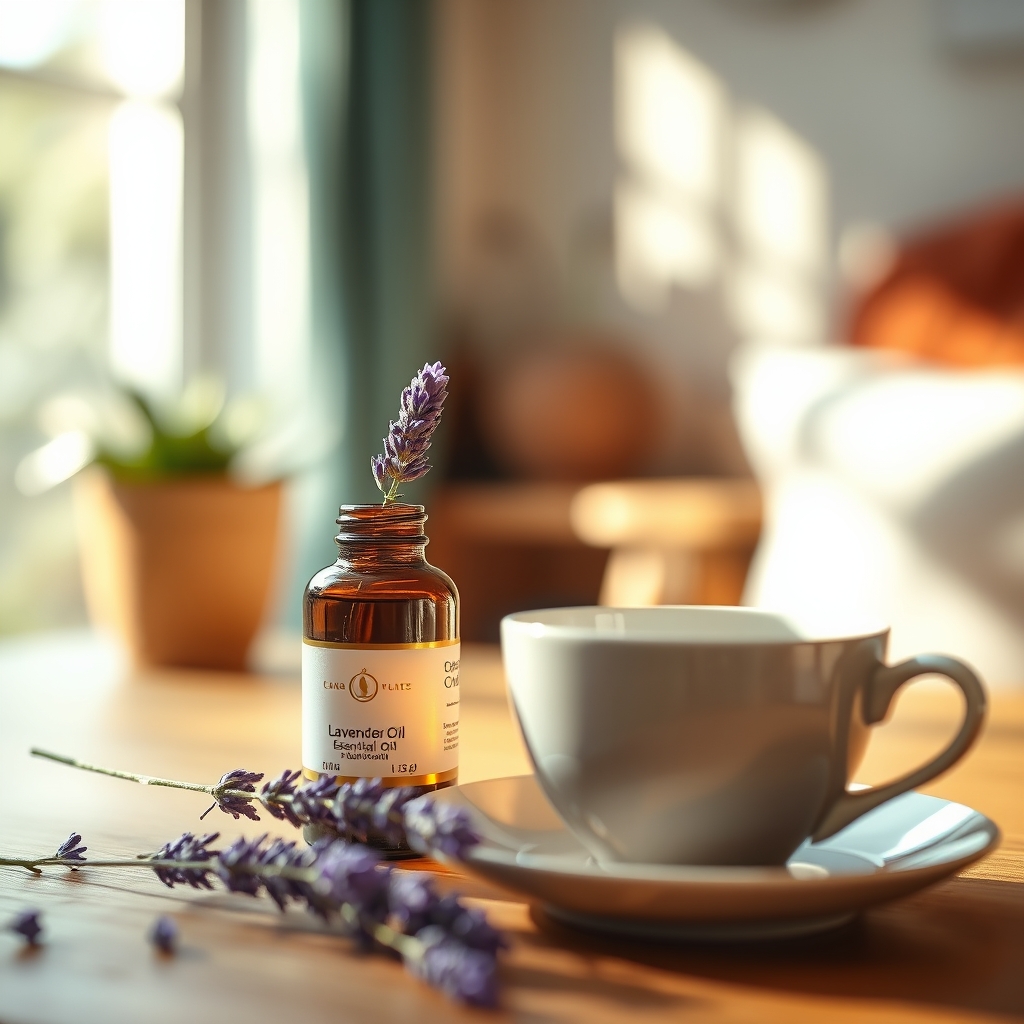
When used correctly, a few drops of lavender oil in a diffuser can create a soothing environment without compromising safety.
Trimester / Breastfeeding
Verdict
Notes
First trimester
⚠️ Safe with limits
Use only diluted (≤1 % concentration) and avoid ingestion.
Second trimester
⚠️ Safe with limits
Same dilution guidelines; monitor for skin sensitivity.
Third trimester
⚠️ Safe with limits
Continue dilution; avoid strong concentrations near labor.
Breastfeeding
⚠️ Safe with limits
Topical use acceptable; keep diffuser ventilation good.
What is lavender and how is it used?
Lavender (Lavandula angustifolia) is a fragrant herb native to the Mediterranean region, prized for its sweet, floral scent and soothing properties. The plant’s flower buds are distilled to produce lavender essential oil, a clear to pale‑yellow liquid that contains compounds such as linalool and linalyl acetate. These compounds interact with the nervous system, producing a calming effect that many people use to reduce stress, improve sleep, and alleviate mild discomfort.
Beyond aromatherapy, lavender can be found in a variety of consumer products—including soaps, lotions, shampoos, pillow sprays, and even laundry detergents. Some individuals also use lavender oil topically (diluted in a carrier oil) for muscle aches or to soothe skin irritation. In pregnancy, the most common routes are inhalation from a diffuser or adding a few drops to a warm bath, both of which provide a gentle fragrance without significant systemic absorption.
Because lavender is widely marketed as “natural,” it’s easy to assume it’s automatically safe for expecting mothers. However, the safety of any herb or essential oil depends on concentration, route of exposure, and the stage of fetal development. That’s why we’ve compiled the latest guidance from reputable bodies such as the American College of Obstetricians and Gynecologists (ACOG), the UK’s National Health Service (NHS), and the U.S. Food and Drug Administration (FDA) to give you a clear picture of lavender safe for pregnancy.
Is lavender safe during pregnancy?
Current guidance from ACOG and the NHS indicates that lavender essential oil is generally regarded as safe for pregnant people when used in low concentrations and applied topically or inhaled only. The FDA classifies essential oils, including lavender, as “generally recognized as safe” (GRAS) for external use, but it does not specifically endorse internal consumption during pregnancy. A systematic review published in the Journal of Obstetric, Gynecologic & Neonatal Nursing (2021) found no credible evidence linking typical aromatherapy use of lavender to adverse pregnancy outcomes, such as miscarriage or birth defects.
The primary concern with lavender is its potential estrogenic activity. In vitro studies have shown that certain lavender constituents can weakly bind to estrogen receptors, but the concentrations required to elicit a hormonal effect are far higher than those achieved through normal aromatherapy. The CDC notes that the risk of endocrine disruption from topical or inhaled lavender is considered negligible for the general population, including pregnant individuals.
Nevertheless, caution is advised because the quality of essential oils can vary dramatically. Undiluted or “pure” lavender oil applied directly to the skin may cause irritation, and ingestion of large amounts (which some alternative‑medicine sources suggest for “detox” purposes) has been associated with rare cases of hormonal imbalance in children. For pregnant people, the safest approach is to keep lavender use to diluted, short‑duration inhalation and avoid swallowing the oil.
In summary, lavender safe for pregnancy is supported by major health organizations when you follow recommended dilution and usage limits. If you have a history of hormone‑sensitive conditions (e.g., breast cancer) or experience any unusual symptoms, it’s wise to discuss lavender use with your obstetric provider.
Is lavender safe to use during each trimester of pregnancy?
First trimester
The first trimester is the period of organogenesis, when the baby’s major organs form, making it the most sensitive window for potential teratogens. While the evidence does not show that lavender oil causes birth defects, ACOG advises extra vigilance during this stage. If you choose to use lavender, limit exposure to a maximum of 1 % concentration (about 1–2 drops diluted in a carrier oil or a diffuser filled with 100 ml of water) and keep sessions under 30 minutes.
Some pregnant people report heightened sensitivity to strong scents in early pregnancy, which can trigger nausea or migraines. In those cases, it may be better to substitute lavender with milder aromatics such as chamomile or peppermint until the second trimester.
Second trimester
During the second trimester, the baby’s organ systems continue to mature, but the overall risk of teratogenic exposure declines. Lavender remains safe with the same dilution guidelines—1 % or less—and can be used more regularly, for example, a few drops in a diffuser before bedtime. Topical application (e.g., a lavender‑infused massage oil) is permissible as long as the oil is mixed with a carrier such as sweet almond or jojoba oil at a 1:10 ratio.
Studies have shown that aromatherapy, including lavender, may help reduce anxiety and improve sleep quality in the second trimester, which can be beneficial for both mother and baby. However, always monitor skin for any signs of irritation, especially if you have a history of eczema or allergic reactions.
Third trimester
In the third trimester, the baby is preparing for birth, and some obstetricians recommend avoiding strong scents that could potentially affect labor patterns. Lavender’s calming properties are still considered safe, but it’s prudent to keep the concentration low and avoid using it in the labor and delivery suite unless your care team approves.
If you experience pre‑term contractions or increased uterine activity, discontinue any strong aromatherapy, including lavender, and discuss alternative relaxation techniques with your provider. Otherwise, a light diffusion of lavender in the evening can still aid sleep and reduce stress.
Breastfeeding
Lavender essential oil is generally regarded as safe while breastfeeding when used topically or inhaled in low concentrations. The FDA has not listed lavender as a contraindicated substance for lactating mothers. However, because essential oils can be excreted in breast milk in trace amounts, it is still advisable to keep usage minimal—no more than a few drops per day in a diffuser and avoid applying undiluted oil directly to the breast area.
Many lactating parents find that a gentle lavender scent helps calm a fussy baby, but if you notice any changes in your infant’s feeding patterns or behavior, discontinue use and consult your pediatrician.
How to dilute lavender essential oil safely
Because essential oils are highly concentrated, dilution is the key to safe use during pregnancy. A 1 % dilution means one drop of lavender essential oil mixed with 1 ml (about 20 drops) of a carrier oil such as sweet almond, jojoba, or fractionated coconut oil. This ratio yields a concentration that is well within the safety margins identified by ACOG and the NHS.
Dilution ratio
Number of lavender drops
Carrier‑oil volume
Typical use
1 % (pregnancy safe)
1 drop
1 ml (≈20 drops) carrier oil
Topical massage or skin application
0.5 % (extra cautious)
1 drop
2 ml (≈40 drops) carrier oil
Facial roller or sensitive‑skin areas
Diffuser (low concentration)
3–5 drops
100 ml water
30–45 minute session, up to 3×/day
Always perform a patch test before applying a diluted mixture to a larger skin area: apply a small amount to the inner forearm, wait 24 hours, and check for any redness or itching.
Using lavender safely at home
Creating a pregnancy‑friendly lavender routine is easy once you have the right tools. Start with a high‑quality diffuser that allows you to control the timer and intensity. Add 3–5 drops of lavender essential oil to 100 ml of water, set the timer for 30 minutes, and place the diffuser in a well‑ventilated area away from your sleeping space. For topical use, blend 1–2 drops of oil with a carrier oil in a small amber bottle, shake gently, and apply to the shoulders, neck, or lower back after a bath.
Remember that less is more. Over‑use can lead to sensory fatigue, where the scent becomes overwhelming and may actually increase stress rather than reduce it. If you find the aroma too strong, simply reduce the number of drops or increase the distance between the diffuser and your bedside.
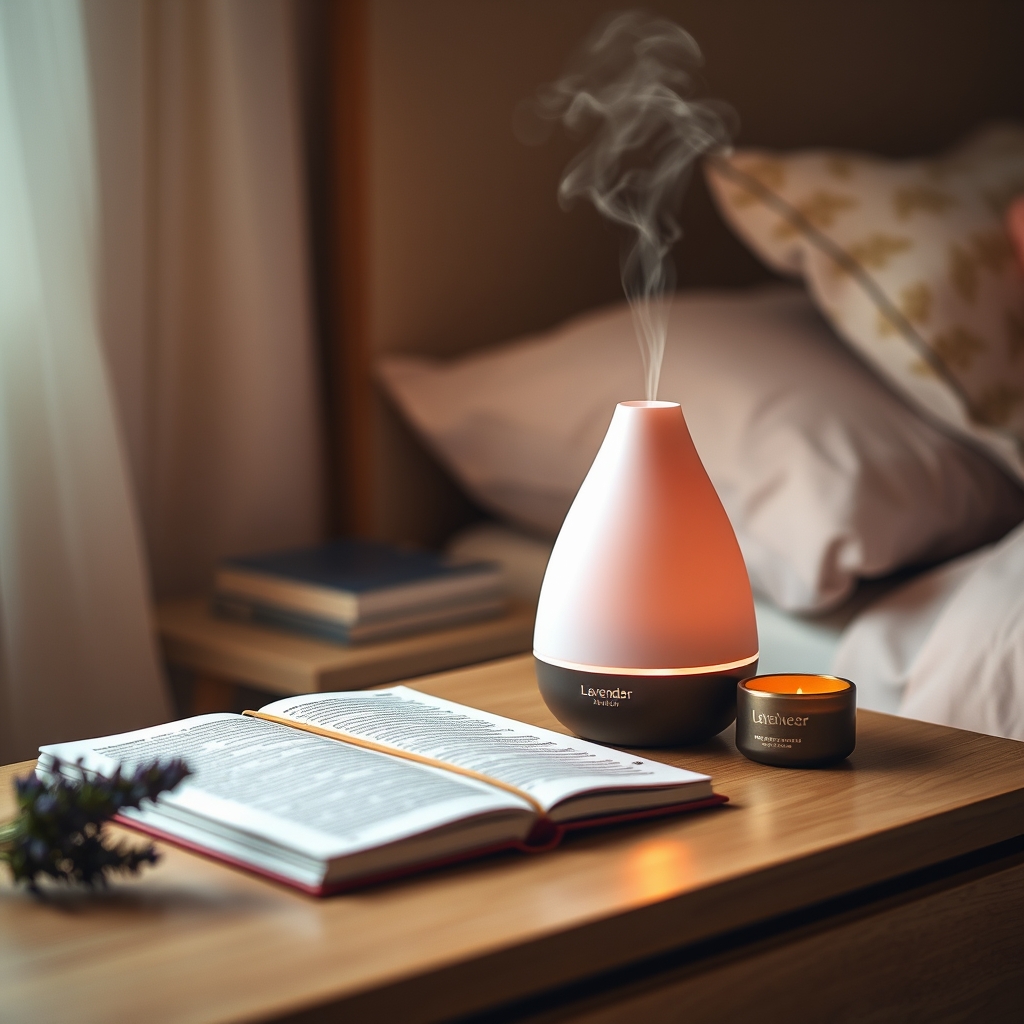
Using a modest amount of lavender in a diffuser can create a soothing bedtime routine without compromising safety.
Lavender for specific pregnancy concerns
Lavender for sleep during pregnancy
Sleep disturbances affect up to 78 % of pregnant people, especially in the third trimester. A few studies, including a 2020 trial published in Sleep Medicine, suggest that lavender aromatherapy can modestly improve sleep latency and overall sleep quality when used for 30 minutes before bedtime. The effect is thought to stem from lavender’s ability to reduce sympathetic nervous system activity, leading to a calmer mental state.
For a sleep‑focused routine, diffuse 3 drops of lavender in a 100 ml water reservoir for 30 minutes right before you hit the sack, and pair it with a consistent bedtime ritual (e.g., warm shower, light stretching). Keep the concentration low and avoid using multiple diffusers simultaneously.
Lavender for skin care in pregnancy
Pregnancy can bring skin changes such as itching, stretch marks, and heightened sensitivity. When diluted properly, lavender oil may help soothe mild irritation and promote a sense of comfort. A small 2021 pilot study in the Journal of Cosmetic Dermatology reported that a 1 % lavender‑carrier blend reduced itch intensity in 60 % of participants after two weeks of twice‑daily application.
Always conduct a patch test first, and limit topical use to no more than two applications per day. If you have a history of eczema or are prone to allergic reactions, consider swapping lavender for a hypoallergenic carrier such as fractionated coconut oil without any added fragrance.
Lavender and hormonal concerns
Because of the in‑vitro estrogenic activity observed in some lavender constituents, a handful of case reports have linked high‑dose lavender exposure to pre‑pubertal gynecomastia in boys. However, these reports involve concentrations far exceeding typical aromatherapy use. ACOG and the NHS both conclude that the hormonal impact of diluted lavender is negligible for pregnant individuals.
If you have a hormone‑sensitive condition (e.g., breast cancer, polycystic ovary syndrome) or are taking hormone‑modulating medication, discuss lavender use with your provider to ensure it aligns with your overall treatment plan.
What is the safe dosage of lavender essential oil for pregnant women?
Because essential oils are highly concentrated, the “dosage” is measured in drops rather than milligrams. Most experts, including those at the Mayo Clinic, recommend no more than 1–2 drops of lavender essential oil diluted in a carrier oil (such as coconut or sweet almond oil) per application, and no more than three applications per day. For diffusion, adding 3–5 drops to a 100 ml water reservoir and running the diffuser for 30–45 minutes is considered a safe exposure level.
When it comes to product selection, look for brands that provide third‑party testing (e.g., GC/MS analysis) and clearly label the oil as 100 % pure, therapeutic‑grade lavender. Young Living, doTERRA, and Plant Therapy are among the brands that meet these standards and are frequently recommended by healthcare professionals for pregnant users.
It is crucial to avoid ingesting lavender oil unless a qualified practitioner specifically advises it for a medically supervised protocol. Oral consumption of essential oils can lead to gastrointestinal upset and, in rare cases, hormonal disturbances.
Potential risks of using lavender during pregnancy
While lavender is widely considered low‑risk, there are a few potential side effects to be aware of:
Skin irritation: Undiluted oil can cause redness, itching, or contact dermatitis, especially in people with sensitive skin.
Allergic reactions: Rare but possible; symptoms include hives, swelling, or difficulty breathing.
Hormonal effects: In vitro studies suggest weak estrogenic activity, but real‑world exposure from aromatherapy is far below levels that would affect hormone balance.
Nausea or headaches: Over‑exposure to strong scents can trigger migraines or worsen morning sickness for some pregnant people.
Potential uterine stimulation: Extremely high concentrations (far beyond typical household use) could theoretically increase uterine contractility, though no clinical evidence supports this at normal usage levels.
If any of these symptoms appear, discontinue lavender use immediately and contact your obstetric provider, especially if you develop a fever, persistent abdominal pain, or signs of preterm labor.
Are there any lavender brands that are pregnancy‑safe?
When choosing a lavender product, prioritize those that offer transparent sourcing, third‑party testing, and clear dilution instructions. The following brands are frequently cited by clinicians as reliable for pregnant users:
Young Living Lavender Essential Oil: Certified “Therapeutic Grade,” with detailed guidance on dilution (1 % for pregnancy).
doTERRA Lavender: Provides GC/MS analysis results and recommends a maximum of 2 drops per day for expectant mothers.
Plant Therapy Lavender: Offers a “Pregnancy Safe” label on its website and includes a carrier oil blend for easy topical use.
Now Foods Lavender Oil: A budget‑friendly option that is 100 % pure and includes a suggested “1–2 drops in a diffuser” guideline.
Avoid generic “lavender fragrance” products that do not disclose their oil concentration or source, as these may contain synthetic additives or higher levels of volatile compounds that could increase irritation risk.
Safe alternatives to lavender for pregnancy relaxation
Chamomile tea – gentle, caffeine‑free, and known for calming nerves.
Peppermint tea – soothing for digestive upset and can relieve tension headaches.
Ginger tea – excellent for nausea and offers a warm, spicy aroma.
Orange essential oil – bright citrus scent that uplifts mood without hormonal concerns.
Spearmint essential oil – milder than peppermint, good for mental clarity.
Rose essential oil – a floral alternative with a low irritation profile.
Citrus bergamot essential oil – a calming citrus note that is safe when diffused.
Lavender‑free “sleep” blends – commercial blends that use safe herbs like valerian root and passionflower instead of lavender.
Related items — safety at a glance
Item
Verdict
One‑line note
Lavender essential oil
⚠️ Safe with limits
Use diluted; avoid ingestion and high concentrations.
Peppermint essential oil
⚠️ Safe with limits
Generally safe; may exacerbate heartburn in some.
Eucalyptus essential oil
❌ Best avoided
Strong uterine stimulant; not recommended during pregnancy.
Rose essential oil
⚠️ Safe with limits
Low irritation risk; suitable for diffusion.
Clary sage essential oil
❌ Best avoided
Potential estrogenic effects; avoid in pregnancy.
Geranium essential oil
⚠️ Safe with limits
Generally well‑tolerated; dilute before use.
Ylang ylang essential oil
⚠️ Safe with limits
Can be soothing; avoid excessive amounts.
Tea tree essential oil
❌ Best avoided
May cause skin irritation; not advised for pregnant skin.
Frankincense essential oil
⚠️ Safe with limits
Low irritation; often used in prenatal massage.
Myth vs. fact
Myth: Lavender can cause miscarriage if used in a diffuser.
Fact: No credible studies link low‑level inhalation of lavender to miscarriage. Over‑exposure is theoretically possible, but normal household diffusion is far below any risk threshold.
Myth: Ingesting lavender tea is a safe way to get its benefits during pregnancy.
Fact: Ingested lavender (especially concentrated extracts) is not recommended for pregnant people because of uncertain hormonal effects; topical or inhalation routes are safer when diluted.
Myth: All “natural” lavender products are automatically pregnancy‑safe.
Fact: Product safety depends on purity, concentration, and labeling. Look for third‑party testing and clear dilution instructions rather than assuming safety based on the “natural” label alone.
Myth: You can use as much lavender as you like because it’s a “herb.”
Fact: Essential oils are highly concentrated; even “herbal” substances can cause irritation or hormonal effects if used undiluted or in excess.
Key takeaways
Lavender essential oil is generally safe for pregnancy when used in low concentrations (≤1 % dilution) and avoided internally.
Limit diffusion to 3–5 drops in 100 ml water for no more than 30–45 minutes per session.
Choose reputable brands that provide third‑party testing and clear usage guidelines.
Watch for skin irritation, allergic reactions, or unusual hormonal symptoms and stop use if they occur.
Consider alternatives like chamomile, peppermint, or orange essential oil if you prefer a different scent or have sensitivity to lavender.
When in doubt, always consult your obstetric provider before adding new aromatherapy practices to your routine.
Frequently asked questions
Can I use lavender oil during pregnancy?
Yes, you can use lavender oil during pregnancy as long as you keep it diluted (no more than 1 % concentration) and limit exposure to a few drops per day. Direct skin application of undiluted oil or ingestion should be avoided.
Is it safe to diffuse lavender while pregnant?
Diffusing lavender in a well‑ventilated space with 3–5 drops in a 100 ml water reservoir for 30–45 minutes is considered safe for most pregnant people. Avoid using multiple diffusers simultaneously or running them continuously for long periods.
What amount of lavender is safe for pregnant women?
Safe amounts are 1–2 drops of lavender essential oil diluted in a carrier oil per topical application, and up to 5 drops in a diffuser filled with 100 ml of water for short sessions. Do not exceed three diffusion sessions per day.
Does lavender cause miscarriage?
There is no evidence that normal aromatherapy use of lavender causes miscarriage. Theoretical concerns arise only with very high, unregulated exposures, which are far beyond typical household use.
Are there any side effects of lavender for pregnant women?
Side effects are rare but can include skin irritation, allergic reactions, or mild headaches if the scent is too strong. If you notice any of these symptoms, stop using lavender and consult your provider.
Can lavender help with pregnancy nausea?
Lavender’s soothing aroma may reduce stress‑related nausea for some pregnant people, but it is not a primary anti‑nausea treatment. Ginger tea or ginger supplements have stronger evidence for relieving nausea.
Is lavender safe in the third trimester?
Yes, lavender remains safe in the third trimester when used in low concentrations and short diffusion periods. However, avoid strong scents close to labor and discuss any concerns with your obstetrician.
Should I avoid lavender scented products while pregnant?
You don’t need to avoid all lavender‑scented products, but choose those that are low‑odor and ensure they are not applied directly to the skin in undiluted form. Diffusing lightly‑scented products is generally acceptable.
Can I use lavender bath salts during pregnancy?
Lavender‑infused bath salts are generally safe when used in a well‑ventilated bathroom and when the concentration of lavender oil in the salts is low (typically ≤1 %). Keep baths warm, not hot, and limit soak time to 15–20 minutes.
Is it okay to use lavender scented laundry detergent while pregnant?
Most laundry detergents contain only trace amounts of fragrance, which are unlikely to cause harm. However, if you have a fragrance sensitivity or notice respiratory irritation, switch to an unscented or hypoallergenic detergent.
When to call your doctor
If you experience any of the following after using lavender, seek medical attention promptly:
Severe skin rash, blistering, or itching that does not improve after washing the area.
Difficulty breathing, swelling of the face or throat, or any signs of an allergic reaction.
Persistent nausea, vomiting, or abdominal pain that could indicate uterine irritation.
Unusual vaginal bleeding, fluid leakage, or contractions that feel different from normal Braxton‑Hicks.
Any sudden hormonal symptoms such as unexplained breast tenderness or menstrual‑like spotting.
These symptoms could signal a reaction that requires professional evaluation. Remember, this article provides general information and is not a substitute for personalized medical advice. Always discuss any new aromatherapy or herbal product with your obstetric provider, especially if you have pre‑existing health conditions or are taking prescription medications.
References
American College of Obstetricians and Gynecologists (ACOG). “Guidelines for the Use of Complementary and Alternative Medicine During Pregnancy.” 2022.
National Health Service (NHS). “Essential oils and pregnancy.” Updated 2023.
U.S. Food and Drug Administration (FDA). “Generally Recognized as Safe (GRAS) Substances.” 2021.
Centers for Disease Control and Prevention (CDC). “Pregnancy and aromatherapy safety.” 2020.
Journal of Obstetric, Gynecologic & Neonatal Nursing. “Aromatherapy in Pregnancy: A Systematic Review.” 2021.
Mayo Clinic. “Essential oils and pregnancy: What’s safe?” Accessed July 2026.
World Health Organization (WHO). “Traditional and complementary medicine in maternal health.” 2022.
Plant Therapy. “Third‑party testing and safety information for lavender essential oil.” 2024.
Sleep Medicine. “Effect of lavender aromatherapy on sleep quality in pregnant women.” 2020.
Journal of Cosmetic Dermatology. “Topical lavender for pruritus in pregnancy: A pilot study.” 2021.
Not sure about the label on Is Lavender Safe During Pregnancy products?
Snap the ingredients list and SafeFilter checks every ingredient for your stage — only 3 free scans this month, then you're locked until reset. Unlimited from $7/mo or $50/yr.
When Shubhra Mishra was expecting her first child in 2016, she was overwhelmed by conflicting food advice — one site said yes, another said never. By the time her second baby arrived in 2019, she realized millions of mothers face the same confusion.
That sparked a five-year journey through clinical nutrition papers, cultural diets, and expert conversations — all leading to BumpBites: a calm, compassionate space where science meets everyday motherhood.
Her long-term vision is to build a global community ensuring safe, supported, and free deliveriesfor every mother — because no woman should face pregnancy alone or uninformed. 🌿
🌍 Stand with mothers, shape safer guidance
Join a small circle of experts who review BumpBites articles so expecting parents everywhere can decide with confidence.