ooking oil fumes are airborne particles and gases released when cooking oils are heated, especially to high temperatures. They're a complex mixture of various chemical compounds that form as the oil breaks down, oxidizes, and undergoes pyrolysis (decomposition by heat). The exact composition of these fumes depends on several factors: the type of oil used, the cooking temperature, the duration of heating, and the presence of other ingredients like meat or vegetables.
When you heat oil past its "smoke point" – the temperature at which it starts to visibly smoke – it's not just harmless steam you're seeing. This smoke contains potentially harmful compounds such as aldehydes (like acrolein, a strong irritant), polycyclic aromatic hydrocarbons (PAHs), free radicals, and other volatile organic compounds (VOCs). Acrolein, in particular, is known for its pungent smell and irritating effects on the eyes and respiratory tract. PAHs are a group of chemicals that can be carcinogenic (cancer-causing) and are also found in vehicle exhaust and cigarette smoke. These compounds, when inhaled, can irritate your lungs, eyes, and throat, and in chronic, high-level exposures, they may pose more significant health risks.
Is Cooking Oil Fumes Safe During Pregnancy?
The short answer is that while occasional, well-ventilated cooking with oil is generally considered safe, *excessive* or *prolonged* exposure to cooking oil fumes, particularly from high-heat methods or in poorly ventilated spaces, should be limited during pregnancy. Major health organizations like the American College of Obstetricians and Gynecologists (ACOG) and the NHS emphasize maintaining good indoor air quality, though specific guidelines on cooking oil fumes are often folded into broader recommendations for avoiding indoor air pollutants.
The primary concern revolves around the inhalation of the harmful compounds mentioned earlier, such as acrolein and PAHs. For the pregnant person, these can cause acute respiratory irritation, leading to symptoms like coughing, wheezing, shortness of breath, headaches, and nausea – all of which can be amplified during pregnancy due to increased respiratory demands and heightened sensitivities. One reader described how even mild cooking smells would trigger intense morning sickness, a common experience for many.
Regarding the baby, direct, conclusive evidence linking *typical household cooking fume exposure* to specific birth defects or severe developmental issues is limited. However, research, particularly from regions where cooking practices often involve prolonged high-heat frying in poorly ventilated environments, suggests a potential association between significant maternal exposure to cooking fumes and adverse outcomes. These outcomes include a slightly increased risk of lower birth weight and potential impacts on the child's respiratory health, such as a higher risk of developing asthma or allergies later in life. These studies often focus on chronic, heavy exposure rather than the occasional frying in a well-ventilated home. The World Health Organization (WHO), for instance, highlights indoor air pollution from cooking as a global health concern, particularly in settings using solid fuels or biomass, but also acknowledges the contribution of modern cooking methods to indoor air quality.
Therefore, while you don't need to stop cooking entirely, being mindful of your environment and cooking practices is a sensible precaution. Minimizing your exposure to cooking oil fumes during pregnancy is a proactive step towards safeguarding both your own health and your baby's developing respiratory system.
Safety by Trimester
First Trimester
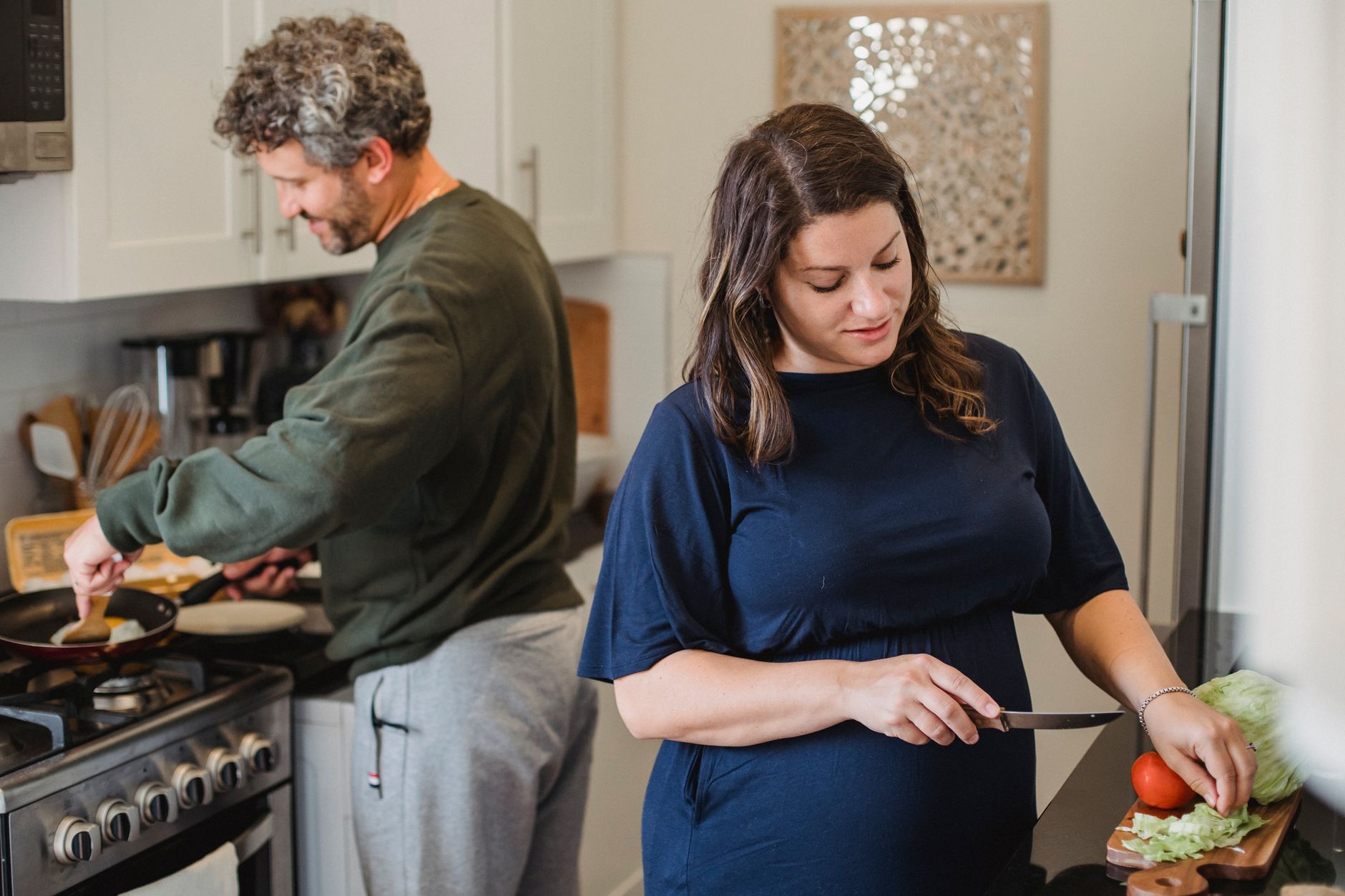
The first trimester is a critical period for fetal development, as major organs are forming. During this time, many pregnant people also experience heightened senses of smell and increased nausea or "morning sickness." Exposure to strong cooking oil fumes can exacerbate these symptoms, leading to significant discomfort and potentially triggering vomiting. While there's no strong evidence directly linking typical cooking fumes to birth defects, minimizing any potential irritants is a prudent approach. Focus on excellent ventilation, choose cooking methods that produce less smoke, and consider having a partner or family member handle high-fume cooking if your sensitivity is high. If you're already struggling with nausea, even mild cooking smells can be overwhelming.
Second Trimester
As you move into the second trimester, some of the acute sensitivities of the first trimester might subside, but maintaining good indoor air quality remains important. Your respiratory system is already working harder to support your pregnancy, so avoiding unnecessary irritants like heavy cooking fumes helps prevent respiratory discomfort, coughing, or shortness of breath. This is a good time to establish consistent habits of using your range hood and opening windows while cooking. If you're planning on batch cooking for the week, ensure these sessions are well-ventilated to prevent prolonged exposure.
Third Trimester
In the third trimester, your lungs are under increased pressure from your growing uterus, which can make breathing feel more labored. Exposure to cooking oil fumes can further irritate your airways, potentially leading to or worsening conditions like pregnancy-induced asthma or just general breathlessness. Fatigue might also be setting in, making prolonged cooking sessions more tiring. Prioritize comfort and safety by delegating high-fume cooking tasks if possible, or sticking to quick, low-fume meals. Ensure maximum ventilation to keep the air clear and breathable, especially when preparing dinner.
Breastfeeding
When breastfeeding, the primary concern shifts back to the mother's immediate health and comfort. There is no direct evidence to suggest that typical cooking oil fumes, even if inhaled by the mother, would pass into breast milk in amounts significant enough to harm the baby. The compounds in fumes are primarily respiratory irritants. Therefore, the focus remains on ensuring a comfortable, healthy environment for the breastfeeding parent. Continue good ventilation practices to prevent respiratory issues, headaches, or general discomfort, which could indirectly affect your ability to care for your baby. If you're cooking with labneh, for instance, and using oil for a pan-fried version, just ensure good airflow.
Minimizing Your Exposure to Cooking Oil Fumes
Since a "safe dosage" of cooking oil fumes isn't a measurable quantity, the best approach during pregnancy is to minimize your exposure as much as possible. This involves strategic choices in your kitchen regarding the oils you use, the methods you employ, and crucially, your ventilation.
Choosing Safer Cooking Oils
Different oils have different "smoke points" – the temperature at which they begin to break down and produce visible smoke and fumes. Oils with higher smoke points are generally safer for higher-temperature cooking because they produce fewer fumes. Conversely, oils with low smoke points should be reserved for low-heat cooking or used as dressings.
Opting for Low-Fume Cooking Methods
The cooking method itself plays a huge role in fume production. High-heat methods like deep-frying, stir-frying, and pan-frying tend to generate the most fumes, especially if the oil is heated past its smoke point. Prioritizing methods that use less oil or lower temperatures can significantly reduce your exposure.
- Baking and Roasting: While some fumes can occur, they are generally less intense and more contained within an oven. Use parchment paper to minimize oil needs.
- Steaming: This method uses water vapor, not oil, making it virtually fume-free. Excellent for vegetables, fish, and dumplings.
- Boiling: Similar to steaming, boiling uses water and produces no oil fumes. Ideal for pasta, vegetables, and some proteins.
- Air Frying: Air fryers use circulating hot air to achieve a crispy texture with minimal oil. This can significantly reduce oil fume production compared to traditional frying.
- Slow Cooking: Slow cookers operate at low temperatures over long periods, producing very few fumes. Great for stews, soups, and tender meats.
- Microwaving: The quickest and most fume-free cooking method for many foods.
Ensuring Proper Ventilation
Perhaps the most critical factor in reducing your exposure to cooking oil fumes during pregnancy is proper ventilation. Cooking with poor ventilation allows fumes to accumulate in your kitchen and spread throughout your home, increasing your chances of inhaling harmful compounds. The Environmental Protection Agency (EPA) consistently highlights ventilation as a key strategy for improving indoor air quality.
- Use Your Range Hood: This is your first line of defense. Turn it on *before* you start cooking and leave it on for several minutes *after* you finish to clear residual fumes. Ensure it's vented to the outside, not just recirculating air (which only filters some particles, not gases).
- Open Windows: If you don't have a range hood or if it's not very powerful, opening windows and doors creates a cross-breeze that can help dissipate fumes.
- Use a Fan: Placing a box fan in a window, blowing outwards, can help draw fumes out of the room.
- Cook on Back Burners: If your range hood is positioned over the back burners, using them can improve its effectiveness.
- Consider an Air Purifier: While not a substitute for ventilation, an air purifier with a HEPA filter and activated carbon can help remove some airborne particles and gases from the air.
What Are the Side Effects and Risks of Cooking Oil Fume Exposure?
Understanding the potential side effects and risks associated with cooking oil fumes can help you take appropriate precautions. These risks generally scale with the level and duration of exposure.
For the Pregnant Person
- Respiratory Irritation: The most common and immediate effect. Fumes, particularly acrolein, can irritate your throat, nose, and lungs, leading to coughing, wheezing, and shortness of breath. For someone who already has asthma or other respiratory conditions, this can trigger attacks or worsen symptoms.
- Headaches and Nausea: Strong smells and irritants can easily trigger headaches or exacerbate pregnancy-related nausea, especially in the first trimester.
- Eye Irritation: Fumes can cause burning, stinging, and watering of the eyes.
- Fatigue and Discomfort: Dealing with respiratory irritation and headaches can lead to increased fatigue and general discomfort, making an already demanding pregnancy even more challenging.
- Potential for Long-Term Respiratory Issues: While less common with typical household exposure, chronic and high-level exposure to cooking fumes, especially in occupational settings or poorly ventilated homes, has been linked to an increased risk of chronic bronchitis and other respiratory diseases.
Can Cooking Oil Fumes Affect Baby Development?
This is a major concern for many expecting parents when asking "is cooking oil fumes safe during pregnancy?" While the evidence for typical household exposure is still developing and often nuanced, some studies suggest potential indirect or long-term effects on the baby. It's important to differentiate between acute, low-level exposure and chronic, high-level exposure often seen in specific occupational or cultural settings.
- Potential Impact on Lung Development: Some research indicates an association between significant maternal exposure to indoor air pollutants, including cooking fumes, and a slightly increased risk of respiratory problems in children, such as asthma, wheezing, and reduced lung function later in life. This is thought to be due to inflammation or oxidative stress during critical periods of fetal lung development.
- Low Birth Weight: A few studies have suggested a correlation between high maternal exposure to cooking fumes and a slightly increased risk of lower birth weight. However, these studies often involve complex environmental factors, and cooking fumes are usually one of many pollutants present.
- No Strong Evidence for Birth Defects: Currently, there is no strong, direct evidence from major health authorities indicating that typical household cooking oil fumes cause specific birth defects. The compounds in cooking fumes are generally respiratory irritants rather than teratogens (substances that cause birth defects) at typical exposure levels.
Overall, the consensus leans towards caution. While a single instance of cooking in a less-than-ideal environment is unlikely to cause harm, consistently breathing in heavy cooking oil fumes throughout your pregnancy is best avoided to protect both your respiratory health and potentially mitigate any subtle long-term risks for your baby's developing lungs. If you've been exposed, try not to panic; focus on improving your ventilation moving forward. If you're concerned about a specific exposure, always talk to your doctor.
Safer Alternatives and Practices
Instead of completely avoiding cooking (which isn't practical!), focus on incorporating safer alternatives and practices into your daily routine. These options help reduce cooking oil fumes during pregnancy without sacrificing flavor or nutrition.
- Baking: Use the oven for cooking meats, vegetables, and casseroles. It minimizes direct fume release into the kitchen.
- Steaming: An excellent, fume-free method for cooking vegetables, fish, and poultry, preserving nutrients.
- Boiling: Ideal for pasta, potatoes, and other vegetables, producing no oil fumes.
- Air Frying: Offers a crispy texture with significantly less oil and therefore fewer fumes than traditional deep or pan-frying.
- Slow Cooking: Perfect for stews, soups, and tender meats, operating at low temperatures with minimal fume production.
- Microwaving: A quick and fume-free option for reheating or cooking certain foods.
- Avocado Oil: Boasts a very high smoke point, making it suitable for high-heat cooking with minimal fuming.
- Grapeseed Oil: A neutral-flavored oil with a high smoke point, good for general cooking.
- Refined Coconut Oil: A solid option for medium-high heat, with a higher smoke point than virgin coconut oil.
- Use Cooking Sprays: For pans that need a little oil, a quick spray can often be enough, minimizing the amount of oil heated.
- Cover Pans: Using a lid on your pan can help contain some fumes and prevent oil splatters.
- Prepare Foods in Advance: Consider batch cooking larger meals during off-peak hours or when someone else can assist with high-fume steps.
Cooking oil fumes are just one type of indoor air pollutant you might encounter. Here's a quick overview of other common household fumes and their general safety during pregnancy.
Cooking Oil Fumes: Myth vs. Fact
Myth: All cooking is dangerous during pregnancy.
Fact: Cooking itself is not dangerous! It's the *fumes* generated from *certain types* of cooking (high-heat, lots of oil) in *poorly ventilated* spaces that are the concern. With proper precautions like good ventilation and choosing appropriate oils and methods, cooking remains a safe and essential activity.
Myth: As long as I don't see smoke, my cooking is fume-free.
Fact: Visible smoke indicates that oil has reached its smoke point and is breaking down, releasing a significant amount of fumes. However, harmful volatile compounds can be released even before visible smoke appears, especially with prolonged heating or lower smoke point oils. Using a range hood and ensuring airflow is always a good idea, regardless of visible smoke.
Myth: Cooking fumes only affect my lungs, not the baby.
Fact: While the primary and most immediate impact is on your respiratory system, chronic or high-level exposure to certain compounds in cooking fumes may have indirect or subtle effects on fetal development, particularly concerning the baby's future respiratory health. Your health and your baby's health are interconnected.
Key Takeaways
- Excessive exposure to cooking oil fumes should be minimized during pregnancy.
- Always ensure excellent ventilation in your kitchen by using a range hood and opening windows.
- Choose cooking oils with high smoke points (e.g., avocado, grapeseed) for high-heat cooking.
- Prioritize low-fume cooking methods like baking, steaming, boiling, air frying, slow cooking, and microwaving.
- Be aware of potential side effects like respiratory irritation, headaches, and nausea for yourself.
- While direct links to birth defects are not established, chronic exposure may subtly impact fetal respiratory development.
- If you experience persistent respiratory symptoms or severe discomfort, contact your healthcare provider.
Frequently Asked Questions
Is it safe to cook while pregnant?
Yes, it is generally safe to cook while pregnant! The concern isn't cooking itself, but rather minimizing exposure to excessive cooking oil fumes, especially from high-heat methods, and ensuring good ventilation. Focus on safer cooking practices and a well-ventilated kitchen to enjoy preparing your meals.
Can cooking fumes cause headaches?
Yes, cooking fumes can definitely cause headaches, particularly for pregnant individuals who may have heightened sensitivities. The volatile organic compounds (VOCs) and irritants like acrolein in cooking fumes can trigger headaches, as well as exacerbate nausea and cause respiratory discomfort. Ensure good ventilation to reduce this risk.
What are the effects of inhaling cooking oil?
Inhaling cooking oil fumes can lead to immediate effects such as irritation of the eyes, nose, and throat, coughing, wheezing, and shortness of breath. For pregnant individuals, it can also trigger or worsen headaches and nausea. Chronic, high-level exposure may contribute to long-term respiratory issues for the mother and potentially subtle impacts on fetal respiratory development.
Is it safe to use an air fryer while pregnant?
Yes, using an air fryer is generally considered a safer cooking method during pregnancy compared to traditional frying. Air fryers use circulating hot air and significantly less oil, which means they produce substantially fewer cooking oil fumes. This makes them an excellent choice for minimizing fume exposure while still enjoying crispy foods.
What are the dangers of cooking without ventilation?
Cooking without proper ventilation allows cooking oil fumes, along with other indoor air pollutants like carbon monoxide from gas stoves, to accumulate in your home. This increases your exposure to irritants and potentially harmful compounds, leading to a higher risk of respiratory issues, headaches, nausea, and general discomfort for you and your family.
Can cooking fumes cause respiratory problems?
Yes, cooking fumes can cause or exacerbate respiratory problems. The irritants in the fumes can lead to coughing, wheezing, and shortness of breath. For individuals with existing conditions like asthma, exposure to cooking fumes can trigger attacks. During pregnancy, your respiratory system is already working harder, making you more susceptible to these effects.
Is it safe to be around strong smells when pregnant?
While some strong smells are harmless and simply unpleasant, others, particularly those from chemicals or burning substances, can be harmful. Many pregnant individuals experience a heightened sense of smell and increased sensitivity, leading to nausea or headaches from even benign strong odors. It's always best to avoid strong chemical fumes and ensure good ventilation when encountering any strong smell.
What oils are safe to cook with during pregnancy?
Oils with high smoke points are generally safer for cooking during pregnancy as they produce fewer fumes when heated. Good options include avocado oil, grapeseed oil, and refined coconut oil for higher temperatures, and refined olive oil for general cooking. For low-heat cooking or dressings, extra virgin olive oil is fine.
When to Call Your Doctor
While minimizing exposure to cooking oil fumes is a good practice, sometimes symptoms can arise or concerns can linger. Don't hesitate to reach out to your healthcare provider if you experience any of the following:
- Persistent or severe coughing, wheezing, or shortness of breath after cooking.
- Chest tightness or difficulty breathing that doesn't resolve quickly.
- Severe or persistent headaches after exposure to cooking fumes.
- Nausea or vomiting that is significantly worsened by cooking smells and doesn't improve with ventilation.
- Any concerns about a specific exposure or if you feel unwell after cooking.
Your doctor can offer personalized advice, assess your symptoms, and provide reassurance or further guidance if needed. This article is intended for informational purposes only and is not a substitute for professional medical advice, diagnosis, or treatment.
References
- American College of Obstetricians and Gynecologists (ACOG). (Accessed 2023). Official Website.
- National Health Service (NHS). (Accessed 2023). Official Website.
- Environmental Protection Agency (EPA). (Accessed 2023). Indoor Air Quality (IAQ).
- World Health Organization (WHO). (Accessed 2023). Household air pollution and health.
- U.S. Food & Drug Administration (FDA). (Accessed 2023). Official Website.
- Centers for Disease Control and Prevention (CDC). (Accessed 2023). Official Website.