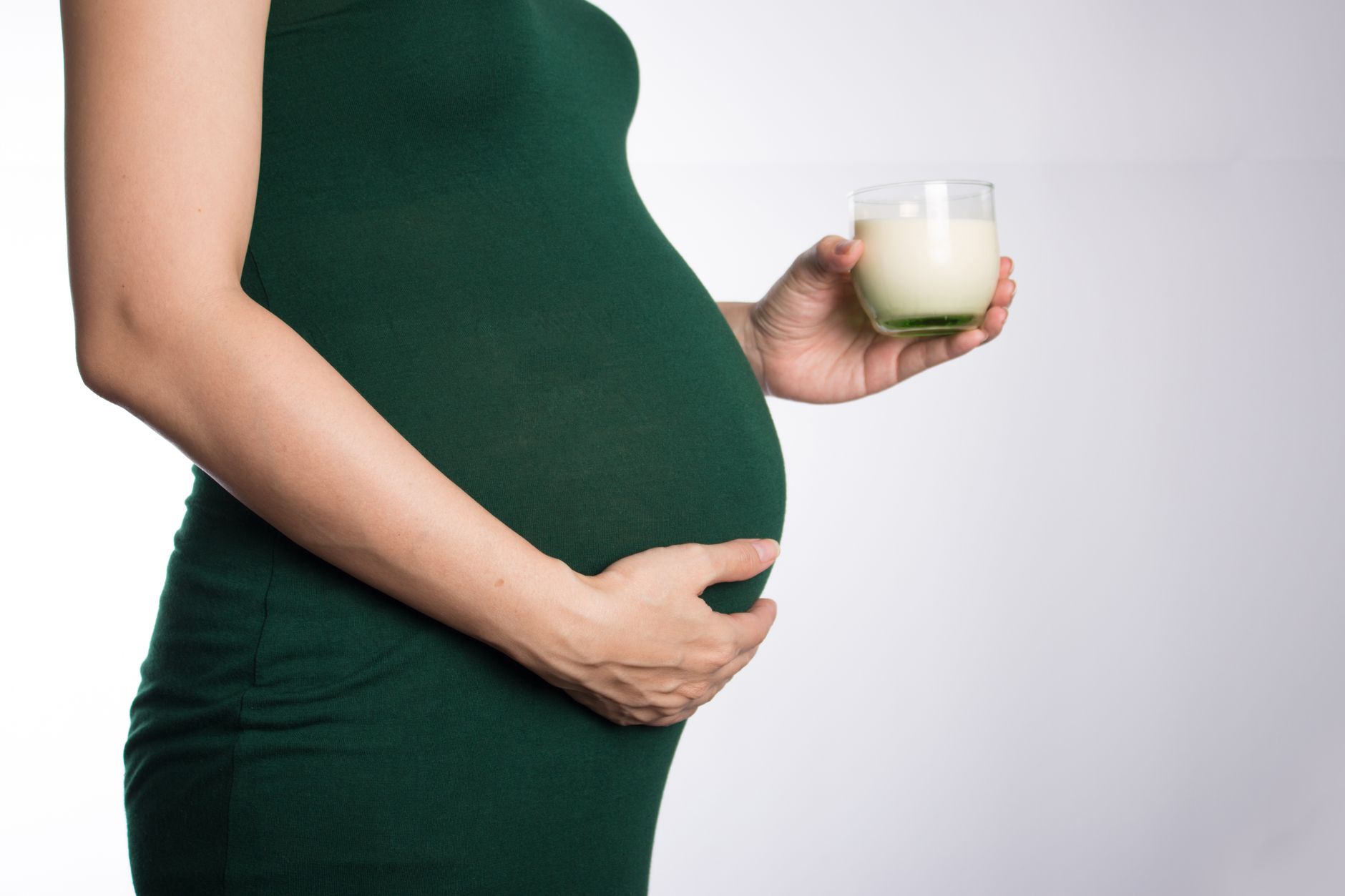
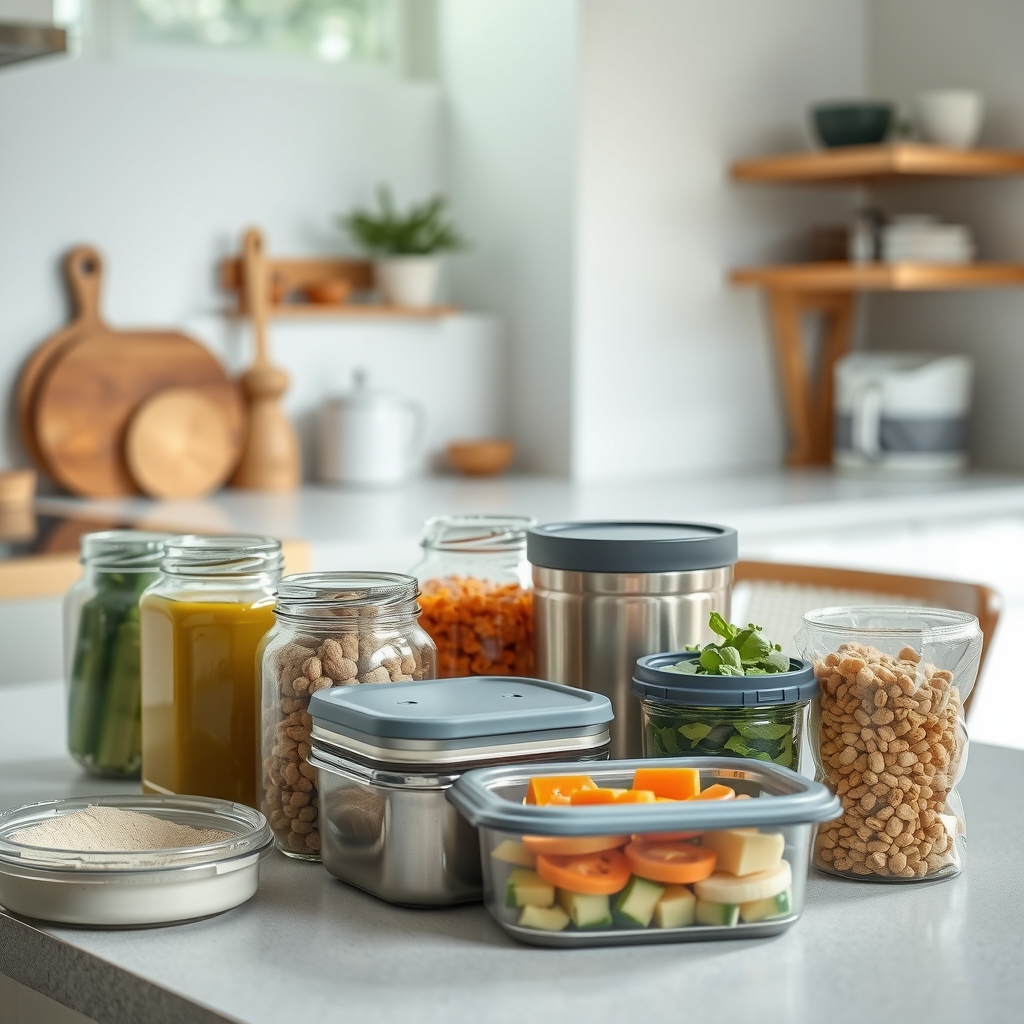
Quick verdict: ❌ Best avoided. Current scientific consensus and leading health organizations recommend minimizing exposure to BPA plastic containers during pregnancy due to potential risks to fetal development and maternal health.For many expecting parents, the kitchen can suddenly feel like a minefield of "what-ifs." You're standing there, perhaps reaching for a familiar plastic container to store leftovers, and a little voice in your head asks, "is BPA plastic containers safe during pregnancy?" If you've ever found yourself wondering about the safety of everyday plastics, especially when carrying a precious new life, you're not alone. This concern is valid, and we're here to help you navigate the science and make informed choices for your health and your baby's. At BumpBites, we understand that worry can be overwhelming. The good news is that understanding the risks allows you to take simple, proactive steps. While complete avoidance of BPA in modern life is nearly impossible, significantly reducing your exposure from sources like food storage is entirely achievable. Let's delve into what BPA is, why it's a concern, and how you can create a safer environment for your pregnancy journey.
| Trimester/Stage | Verdict | Notes |
|---|---|---|
| First Trimester | ❌ Best Avoided | Critical period for organ development; BPA is an endocrine disruptor that may interfere with hormonal signaling crucial for fetal development. |
| Second Trimester | ❌ Best Avoided | Continued exposure may impact brain development, reproductive system formation, and overall growth. |
| Third Trimester | ❌ Best Avoided | Potential for continued disruption to hormonal systems and potential impacts on fetal brain and behavior. |
| Breastfeeding | ❌ Best Avoided | BPA can transfer into breast milk, potentially exposing the infant. Minimizing maternal exposure is recommended. |